Source: BusinessGreen
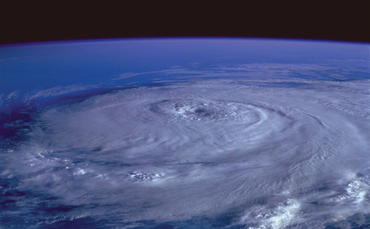
A flurry of new reports have again highlighted the scale of the threat climate change impacts pose the global economy, with experts warning of plummeting crop production, increasing incidences of extreme weather, and rising sea levels.
A group of US scientists released a draft version of the National Climate Assessment on Friday, confirming not only that “global warming is due primarily to human activities, predominantly the burning of fossil fuels”, but that it is also already having a detrimental effect on the country’s economy.
The report, which is required by Congress to be produced every four years, provides one of the starkest warnings to date over the impact of climate change, arguing that potential benefits such as a longer growing season will be more than offset by a host of climate-related threats and disruptions.
“Certain types of weather events have become more frequent and/or intense, including heat waves, heavy downpours, and, in some regions, floods and droughts,” the report stated, adding that farmers were already seeing significant disruption as a result of “changes in their local climate that are outside of their experience”.
It warns that average temperatures are likely to rise by 1.1 to 2.2 degrees Centigrade over the next few decades, leading to increased water stress, threats to human health, and rising infrastructure risks related to storm surges and other extreme weather.
“This draft report sends a warning to all of us: we must act in a comprehensive fashion to reduce carbon pollution or expose our people and communities to continuing devastation from extreme weather events and their aftermath,” Democrat Senator Barbara Boxer, who heads the Senate environment committee, said in a statement.
The draft report is now open for public comment with a final version slated for publication next year.
The findings will further increase pressure on President Obama to make good on his pledge to make climate change policy a central component of his second term.
They also come as a report commissioned by New York governor Andrew Cuomo in the wake of Hurricane Sandy recommended plans for a new set of storm barriers to protect the city in the event of a repeat of the super storm.
The wide-ranging report set forward a number of options for new storm barriers and also called for the development of a “wetland banking system” to promote investment in natural storm protection measures such as sand dunes and the creation of an infrastructure bank to help drive private investment in more resilient infrastructure.
The report followed comments from Cuomo last week indicating plans for a new $1bn NY Green Bank and the development of improved electric car infrastructure for the city.
Meanwhile, the journal Nature Climate Change has this week published a new study that attempts to quantify the benefits that would arise from staying within the internationally agreed target of keeping temperature increases below 2C.
The report, which features contributions from the University of Reading, the Met Office Hadley Centre, the Tyndall Centre for Climate Change, and Germany’s Potsdam Institute for Climate Impact Research, maps out a series of scenarios for tackling climate change.
It concludes that the most ambitious scenario – where global emissions peak in 2016 and then fall five per cent a year – would still result in significant climate impacts, but they would be far less severe than under the business as usual scenario.
For example, the study predicts that under the 2C scenario global average sea level rises will reach 30cm by 2100, compared to 47cm to 55cm if no action is taken. Similarly, falls in crop productivity would be delayed by several decades if steps to reduce emissions are taken, giving nations significantly longer to adapt to unavoidable climate impacts.
The latest series of studies follows a warning last week from the World Economic Forum that the Earth’s environmental systems are “under increasing stress”, presenting a serious long term risk to the health of the global economy.
The body, which later this month hosts its annual meeting of business leaders in Davos, today published a Green Investment Report, highlighting the urgent need for increased green investment and attacking a series of “myths” that suggest investors should sideline green projects.
0 Comments
Leave A Comment