By James Murray, Source: BusinessGreen
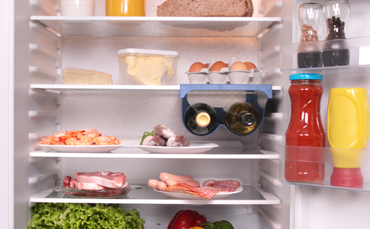
The Sustainable Restaurant Association (SRA) has today reissued its call for the industry to develop more effective food waste strategies, ahead of the broadcast of an ITV Tonight programme highlighting high levels of waste across the hospitality sector.
The programme, titled What a Waste, will reveal that almost half of British consumers have never asked for a doggy bag in a restaurant, contributing to waste levels across the restaurant industry that are significantly higher than those found in the home.
According to the most recent figures from the SRA the average restaurant produces 21 tonnes of food waste a year, equating to 0.48kg per diner. In contrast, recent figures from the government-backed WRAP agency show that the UK’s 7.2 million tonnes of household food waste equates to 0.1kg per meal.
A spokesman for the SRA told BusinessGreen that its figures dated back to a survey undertaken in 2010, but the organisation has continued to audit restaurants across the country over the past three years and seen consistently high levels of food waste in line with its original findings.
“Many restaurants are taking this issue seriously, embracing good kitchen practices, offering smaller portions and encouraging diners to take home leftovers,” said Mark Linehan, managing director of the SRA. “But wasting half a kilo per diner is unacceptable for business, the environment and customers. The industry as a whole must do more.”
The spokesman said there were plenty of simple steps consumers and restaurants can take to tackle food waste. “Encouraging people to ask for doggy bags is part of the solution but it is not a panacea,” he said. “Restaurants should be considering smaller portions and also looking at how they can be smarter in how they prepare food – 65 per cent of food waste in kitchens comes from preparation.”
He added that many restaurants failed to embrace “old fashioned cooking skills” that minimise waste by finding uses for off-cuts, such as stocks and soups. “We’ve found restaurants can easily cut waste by 20 per cent and any reduction in waste is also a reduction in cost,” he said.
The SRA is currently working with Unilever Food Solutions to identify the restaurant with the best food waste strategy as part of its annual awards, which take place next month.
In related news, supermarket giant Sainsbury’s today released the results of a survey of 2,500 households that found the average family still throws away 15 per cent of the food it purchases, leading to an annual food waste bill of around £680.
The study found that some of the highest level of waste comes from the weekly Sunday Roast, which 84 per cent of households still indulge in. As a result Sainsbury’s is today launching a new advertising and marketing campaign to show people how simple cooking tips can ensure roast leftovers are used to provide two extra meals a week.
“Our research shows that the Sunday Roast is a significant contributor to overall food waste in UK households and this is why we have made it central to our new Food Goes Further campaign,” said Susi Richards, Head of Food at Sainsbury’s, in a statement. “If each of the 22 million customers who pass through our stores each week thinks differently about their Sunday Roast leftovers, then we would see less food in the bin and more money in our pockets.”
The moves come a week after the Institute of Mechanical Engineers released a report arguing that global levels of food waste are higher than previously thought.
The report concluded that almost half the world’s food was currently thrown away as a result of poorly engineered agricultural practices, retailers demand for perfectly shaped produce, and wasteful cooking practices.
In other news, the wider food industry is today facing questions over the effectiveness of its supply chain management, after Tesco, Iceland, Lidl and Aldi removed burgers from their stores that were found to contain horsemeat.
The companies said there was no risk to human health, but the Food Safety Authority of Ireland (FSAI), which identified the problem, has launched a full investigation into how horsemeat entered the supply chain.
0 Comments
Leave A Comment