By Belinda Waymouth / Source: HuffPost
The day of ecological reckoning looms over us. I am not talking about whether the Keystone XL Pipeline gets rammed through our backyards. I am down the rabbit hole of environmental concern with another problematic petrochemical — plastic.
We get plastic from oil, and have ingeniously transformed this hydrocarbon polymer into a multitude of plastic things, giving our lives a facade of durable-but-lightweight convenience.
Meantime there’s mounting evidence the dark side of plastic is much more than we bargained for, or can cope with.
First off, the wholesale recyclability of plastic is a happy ending environmental types — such as your author — want to believe. But in the U.S less than 10 percent of plastic gets recycled. And, even when it is recycled, the amount has become overwhelming. Globally there’ll be 45 million tons of plastic scrap looking to be recycled this year.
Most scrapped plastic ends up in China, bound for the Wen’an region. Once a bucolic piece of countryside, Wen’an is now a toxic cesspit, where people are paralyzed by off-the-chart blood pressure problems, after enduring horrendous work conditions in a bid to recycle — or otherwise dispose of — all the plastic.
What can’t be recycled is burnt, releasing dioxins — the worst of the worst toxins. Dioxins are carcinogenic, linked to developmental and reproductive impairment, heart disease, diabetes, and in extreme cases of exposure a nasty skin ailment – chloracne.
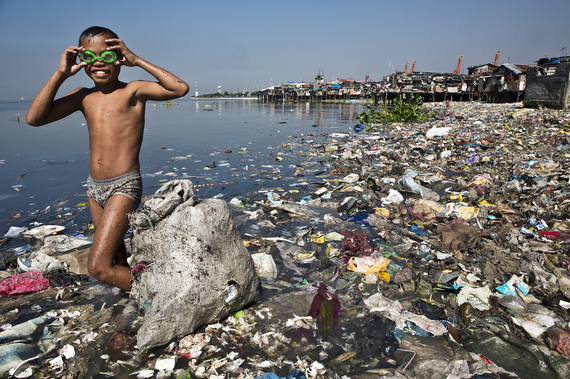
Next inconvenient truth — a huge amount of our plastic debris ends up in the ocean. Last months first scientific accounting of total ocean plastic pollution estimates the amount at a mind boggling 5.25 trillion pieces. Plastic only started becoming a household item in the 1950’s, so this amount of trashed plastic happened in 60 odd years.
Almost as worrisome, these researchers found 100 times fewer micro-sized plastic particles than expected. Because that’s another pesky thing about plastic, it does NOT biodegrade, it photodegrades — meaning in sunlight plastic simply breaks into smaller and smaller pieces, which are nearly impossible to detect but have huge and brutal consequences as they enter the food chain.
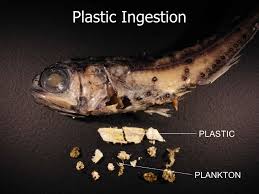
Which brings us to one of the worlds tiniest but most significant fish species: Myctophids, aka Lanternfish, account for over half of the oceans fishy biomass, and are apparently scoffing down plastic like there’s no tomorrow.
Iddy biddy fish ingesting miniscule particles of plastic might not sound too awful. Until now these four to five centimeters long, two to five grams fishes were seen as inferior to our other little finned friends – the sardine or anchovy. Myctophids were ground into fodder for industrial fish farms. However the line from plastic-gobbling Myctophids to your next meal is about to get a lot more direct.
Some in the fishing industry see huge potential for this “untouched resource” and are developing methods to convert this plentiful, but low value fish, into a high value-added product. Ungutted Myctophids will be processed into surimi (the Japanese term for mechanically deboned fish mince) with uses ranging from fish products, to meat substitutes, and dessert dishes.
Read more @ HuffPost
0 Comments
Leave A Comment