
By Melissa Breyer / Source: TreeHugger
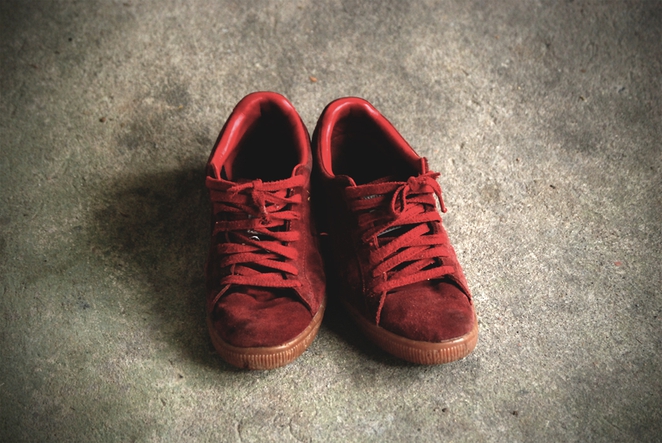
From harboring hitchhiking bacteria to tracking in toxins, here’s why you may want to leave your kicks at the door.
Shoes are great. We’ve been wearing them for 40,000 years and needless to say, they’ve served us well. The first forms of protective footwear evolved from simple efforts to keep our trotters insulated from snow and cold – and given that we don’t live on a planet lined with smooth, silky grass and other assorted soothing surfaces, shoes are a basic comfort for many of us.
But do we need to wear them inside? Many cultures think not, yet in the United States and other countries, oftentimes the shoes come inside attached to the feet of their wearer. Some households have a no-shoes policy, which can be met with scorn from the unshod-shy. But there are plenty of reasons why it might be a good idea to leave the loafers off when you come indoors. Consider the following:
1. Bacteria
We’ll just go straight for the “blech” factor here: Your shoes pick up sneaky bacteria which are then spread about your home when you wear shoes inside. A study from the University of Arizona collected germs and microbes on footwear. The researchers found 421,000 units of bacteria on the outside of the shoe, including E. coli, meningitis and diarrheal disease; Klebsiella pneumonia, a common source for wound and bloodstream infections as well as pneumonia; and Serratia ficaria, a rare cause of infections in the respiratory tract and wounds, reports Reuters. Granted the study was co-sponsored by The Rockport Company, but even so, it definitely brings the point home.
2. Toxins
An EPA study, reported in Environmental Science & Technology provided the first proof that unhealthy herbicides can be tracked into residences on shoes. The researchers found that the herbicide 2,4-D could be easily imported inside via shoes for up to a week after application. And not only that, but the “track-in” exposures of these chemicals may exceed those from residues on non-organic fresh fruits and vegetables. The study didn’t expound on the health threat of the specific herbicide, however the study’s lead author, Dr. Robert G. Lewis, said the potential exists. Exposure to 2,4-D can cause immediate and relatively minor problems like skin rashes and gastrointestinal upsets; long-term health effects of the herbicide are unknown, the EPA said.
Another study showed that 98 percent of lead dust found in homes is tracked in from outside as well. Lead, bad.
Read more @ TreeHugger
0 Comments
Leave A Comment