
By Brianne Hogan / Source: Ecorazzi
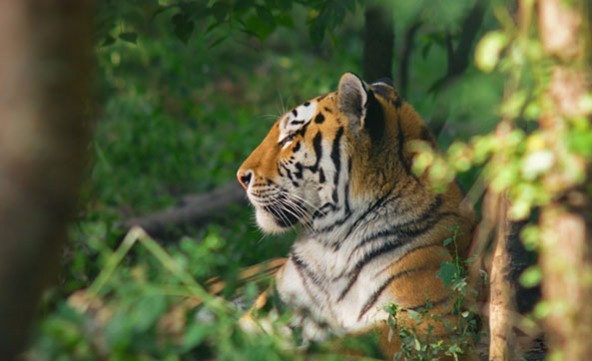
The endangered tigers of Bangladesh are far more at risk for extinction than previously thought.
Only 100 tigers are left to roam the Sundarban forests of Bangladesh, the largest mangrove forest in the world, a new survey has discovered. It’s a pretty large drop compared to the 440 tigers who were recorded during the previous census in 2004.
Agence France-Presse (AFP) reported that the yearlong survey, which ended in April, was based on footage from hidden cameras and found the true number of tigers to be between 83 and 130. The current census is thought to be more accurate compared to the last, which used paw prints and pugmarks to determine the number of tigers in the area.
“So plus or minus we have around 106 tigers in our parts of the Sundarbans,” Tapan Kumar Dey, the Bangladesh government’s wildlife conservator, told AFP. “It’s a more accurate figure.”
Bangladesh’s number is in stark contract to its South Asian neighbor, India. A new 2014 census announced earlier this year showed that there are at least 2,226 tigers in Indian forests. The number is up 500 from the census carried out four years ago.
Monirul Khan, a zoology professor at Bangladesh’s Jahangirnagar University and the nation’s foremost tiger expert, whose own studies showed the figure was no more than 200, says the government needs to do more to protect the animals from poaching and their habitat from destruction through development.
It’s no wonder than that 13 countries participated in a five-day summit aimed at finding a solution to end illegal tiger poaching in Asia this past February. At the time, David Lawson, of the World Wildlife Fund, who attended the summit, said, “Asian governments need to recognize that we are in the midst of a poaching crisis and that this theft of natural resources must be stopped.”
Read more @ Ecorazzi
0 Comments
Leave A Comment