
By Jasmin Malik Chua / Source: Ecouterre
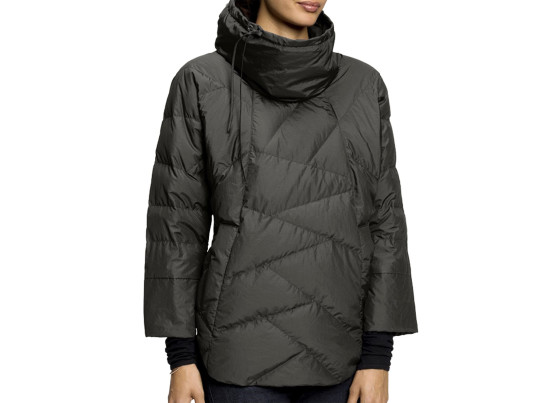
Sure, it’s easier than ever now to choose so-called “responsible down”—that is, feathers from birds that haven’t been subjected to “unnecessary harm,” such as force-feeding or live-plucking. More than 40 outdoor, apparel, and home industries have embraced the “Responsible Down Standard”, a set of third-party-certified animal-welfare protocols initiated by The North Face and managed by the nonprofit Textile Exchange. Patagonia has also switched to traceable down, authenticated through a “holistic” audit that includes physical inspections by independent experts. But down isn’t the only name in the insulation game. Cruelty-free options abound, such as the “Emmy” by Vaute. Constructed in New York City from 100 percent recycled closed-loop ripstop and stuffed with 200-gram PrimaLoft Eco, the A-line topper is ready to brave any weather. Take a gander at our other no-goose selections.

MAMMOTH OUTERWEAR
The vegan’s answer to Canada Goose, Mammoth Outewear uses synthetic PrimaLoft Gold Insulation to mimic the packability, warmth, and softness of goose down. The Toronto-based company, which produces its coats domestically, is also keen to spread the warmth around. For every jacket purchased, $10 goes to help the Association for the Protection of Fur-Bearing Animals abolish the commercial fur trade.

NUDOWN
Personalized climate control, anyone? With NuDown’s line of inflatable jackets and vests, adjusting your internal thermostat is as easy as squeezing a pump. In lieu of conventional insulation, the Reno, Nev. company uses a system of air chambers to capture and store body heat. A pocket-sized bulb, stowable when not in use, controls the amount of air that buffers against the chill.

THE NORTH FACE
The North Face isn’t giving up on traditional down just yet, but the outdoor-apparel company also teamed up with the makers of PrimaLoft to develop “Thermoball,” an animal-free alternative that uses small, round fiber clusters to trap heat within minuscule air pockets. Independent testing conducted by Kansas State University graded ThermoBall with the equivalent warmth of 600-fill goose down.

PATAGONIA
Patagonia’s “Nano Puff” line of jackets combines a recycled polyester shell, derived from post-consumer plastic bottles, with ultrafine PrimaLoft Gold fibers that create a tight, water-resistant barrier. Despite its synthetic nature, the insulation shares many properties with natural down, including its compressibility, breathability, and durability. It’ll even retain 85 percent of its insulation value in the event of a soaking, according to Patagonia.

SAVE THE DUCK
Save the Duck recently snagged People for the Ethical Treatment of Animals’ “Innovator for Animals” award for its down-mimicking “Plumtech” technology, which offers superior thermal insulation even when wet. It’s also made with recycled polyester, allowing for light garments that boast an equally light environmental footprint. “As Save the Duck has proved, modern synthetics are far exceeding down’s capabilities,” PETA senior vice president Dan Mathews said in a statement. “PETA’s award recognizes this company’s innovative, forward-thinking contribution to a market eager to phase out cruel models of the past.”
NAU
This one’s a bit of a cheat,. While Nau continues to use duck and goose down, it also offers a collection of outerwear that repurposes feathers from post-consumer duvets, pillows, and blankets. (Translation: No new animals were harmed in the process.) All collected down is quality-checked, sorted, cleaned, and sterilized just like virgin down. The resulting 650-fill power blend of goose and duck down maintains the same weight, quality, and insulation properties as its straight-from-the-waterfowl counterpart.
Read more @ Ecouterre
1.186 Comments
Just want to say your article is as astounding. The clearness in your post is just cool and i can assume you're an expert on this subject. Well with your permission allow me to grab your RSS feed to keep updated with forthcoming post. Thanks a million and please carry on the rewarding work.|
如果你经常遇到 m3u8 分片,试试 M3U8 Player,合并下载效率高。
Just tried ADHD Reading and it really helps create a distraction-free reading experience. Super useful for deep reading sessions.
I’m going back in a little while and then I’m thankful for the opportunity.
Buat yang sering kalah slot baca tips ini terus tes di Klikbet77
Baru paham juga tentang dunia slot makasih insight-nya. Sekalian cek juga main slot di Klikbet77
From the bottom of my heart, thank you for being a source of positivity and light in this sometimes dark and overwhelming world
Twenty years later, the Federal Energy Regulatory Commission finally approved a plan to
출장마사지
was once the third-largest salmon-producing river on the West Coast of the US. But between 1918 and 1966
부산홈타이
I couldn't stop scrolling and reading, your content is truly one-of-a-kind. Thank you for all the time and effort you put into creating such amazing content.
I just wanted to take a moment to say how much I appreciate your blog posts. They're always well-written, informative, and keep me coming back for more. Keep up the great work!
Your blog has helped me through some tough times and I am forever grateful for your positive and uplifting content
이 블로그를 공유해 주셔서 정말 감사합니다. 더 많은 내용을 읽을 수 있기를 기대하고 있습니다. 환상적입니다. 내 온라인포커 웹사이트도 방문해 보세요.
SightCare is a natural dietary supplement designed to support eye health. It contains a blend of antioxidants such as lutein, zeaxanthin, and astaxanthin, along with essential vitamins and herbal extracts. These ingredients may help reduce eye strain, prevent age-related vision decline, and improve overall eye function. Regular use aims to maintain and protect healthy vision.
이 주제에 대해 토론할 시간을 내주셔서 감사합니다. 저는 그것에 대해 강한 느낌을 갖고 있으며 이 주제에 대해 더 많이 배우는 것을 좋아합니다. 가능하다면 전문 지식을 쌓으면서 더 많은 정보로 블로그를 업데이트하시겠습니까? 그것은 나에게 매우 유용하기 때문입니다. 내 모바일홀덤 웹사이트도 방문해 보세요.
I completely agree with your perspective on this topic It's refreshing to see someone presenting a balanced and thoughtful viewpoint
Your posts are so well-written and engaging You have a way with words that keeps me coming back for more
Thank you for always being open and honest with your readers It's refreshing to see a blogger who is unafraid to be vulnerable and real
I truly admire how you tackle difficult topics and address them in a respectful and thought-provoking manner
The topics covered here are always so interesting and unique Thank you for keeping me informed and entertained!
Профессиональный сервисный центр по ремонту бытовой техники с выездом на дом.
Мы предлагаем:ремонт бытовой техники в мск
Наши мастера оперативно устранят неисправности вашего устройства в сервисе или с выездом на дом!
Love this appreciation for great content
Wow, this blogger is seriously impressive!
Your blog is a constant source of wisdom and positivity Thank you for being a ray of light in a sometimes dark world
Share your favorite blog post in the comments below!
I have bookmarked your blog and refer back to it whenever I need a dose of positivity and inspiration Your words have a way of brightening up my day
From the insightful commentary to the captivating writing, every word of this post is top-notch. Kudos to the author for producing such fantastic content.
Your blog is a place I come to when I need a boost of positivity It's like a warm hug from a friend Thank you for being that friend
I love how your posts are both informative and entertaining You have a talent for making even the most mundane topics interesting
I appreciate how this blog addresses important issues in a respectful and informative manner It's refreshing to see a blog use its platform for good
I couldn't stop scrolling and reading, your content is truly one-of-a-kind. Thank you for all the time and effort you put into creating such amazing content.
This blog post has left us feeling grateful and inspired
From the bottom of my heart, thank you for being a source of positivity and light in this sometimes dark and overwhelming world
Your writing is so relatable and down-to-earth It's like having a conversation with a good friend Thank you for always being real with your readers
Your writing has a way of making me feel like I'm having a conversation with a close friend It's so genuine and relatable
Your blog post was really enjoyable to read, and I appreciate the effort you put into creating such great content. Keep up the great work!
The design and layout of this blog are so aesthetically pleasing and user-friendly It's a pleasure to navigate through
Your blog always puts a smile on my face and makes me feel better about the world Thank you for being a source of light and positivity
Профессиональный сервисный центр по ремонту бытовой техники с выездом на дом.
Мы предлагаем:сервисные центры по ремонту техники в мск
Наши мастера оперативно устранят неисправности вашего устройства в сервисе или с выездом на дом!
I love how this blog promotes self-love and confidence It's important to appreciate ourselves and your blog reminds me of that
Your blog has become a source of guidance and support for me Your words have helped me through some of my toughest moments
Every time I read one of your posts, I come away with something new and interesting to think about. Thanks for consistently putting out such great content!
I always look forward to reading your posts, they never fail to brighten my day and educate me in some way Thank you!
This blog post is packed with great content!
Wow, I had never thought about it in that way before You have really opened my eyes to a new perspective Keep up the great work!
This blog has become a part of my daily routine I start my mornings with a cup of coffee and your latest post
Your writing is so powerful and has the ability to make a real difference in people's lives Keep using your voice to spread kindness and positivity
I want to express my appreciation for the writer of this blog post. It's clear they put a lot of effort and thought into their work, and it shows. From the informative content to the engaging writing style, I thoroughly enjoyed reading it.
I have bookmarked your blog and refer back to it whenever I need a dose of positivity and inspiration Your words have a way of brightening up my day
Wow, this blogger is seriously impressive!
Your writing has a way of resonating with me and making me feel understood Thank you for being a relatable and authentic voice
Amazing things here. I'm very glad to look your article. Thank you a lot and I'm looking ahead to contact you. Will you please drop me a e-mail?|
Your writing style is so relatable and authentic It's a breath of fresh air in a world filled with superficiality and pretense
It's clear that you have a deep understanding of this topic and your insights and perspective are invaluable Thank you for sharing your knowledge with us
I am so grateful for the community that this blog has created It's a place where I feel encouraged and supported
Your positive energy and enthusiasm radiate through your writing It's obvious that you are truly passionate about what you do
Your blog has helped me through some tough times and I am forever grateful for your positive and uplifting content
Your blog is a constant source of wisdom and positivity Thank you for being a ray of light in a sometimes dark world
Your posts always speak to me on a personal level and I believe that is a testament to your authenticity and genuine nature
We absolutely love your blog and find many of your post's to be precisely what I'm looking for. Do you offer guest writers to write content available for you? I wouldn't mind creating a post or elaborating on a number of the subjects you write regarding here. Again, awesome web log!|
Надеюсь, что эти комментарии добавят ещё больше позитива и поддержки к информационной статье! Это сообщение отправлено с сайта GoToTop.ee
Paragraph writing is also a excitement, if you be acquainted with then you can write if not it is complicated to write.|
Я хотел бы отметить глубину исследования, представленную в этой статье. Автор не только предоставил факты, но и провел анализ их влияния и последствий. Это действительно ценный и информативный материал!
I love looking through a post that can make people think. Also, thanks for permitting me to comment!|
Статья предоставляет полезную информацию, основанную на обширном исследовании.
It's very straightforward to find out any topic on net as compared to books, as I found this post at this web site.
What other topics would you like to see covered on the blog? Let us know in the comments!
This blog post is worth the read - trust us!
Your posts always speak to me on a personal level and I believe that is a testament to your authenticity and genuine nature
Your words have a way of resonating deeply with your readers Thank you for always being encouraging and uplifting
I love how this blog covers a variety of topics, making it appeal to a diverse audience There is something for everyone here!
Your positivity and enthusiasm are infectious It's clear that you are truly passionate about what you do and it's inspiring to see
Your posts are so beautifully written and always leave me feeling inspired and empowered Thank you for using your talents to make a positive impact
Your words have the power to change lives and I am grateful for the positive impact you have had on mine Thank you
Your blog has helped me become a better version of myself Your words have inspired me to make positive changes in my life
This post hits close to home for me and I am grateful for your insight and understanding on this topic Keep doing what you do
Your passion for what you do shines through in every post It's truly inspiring to see someone doing what they love and excelling at it
Your blog is a ray of sunshine in a sometimes dark and dreary world Thank you for spreading positivity and light
The design and layout of this blog are so aesthetically pleasing and user-friendly It's a pleasure to navigate through
Thank you for sharing your personal experience and wisdom with us Your words are so encouraging and uplifting
You have a way of making each of your readers feel seen and heard That's a special quality that not all bloggers possess Thank you for creating a safe space for us
Wow, this blogger is seriously impressive!
Статья является исчерпывающим и объективным рассмотрением темы.
Ahaa, its good conversation about this paragraph here at this website, I have read all that, so now me also commenting here.|
Я оцениваю точность и достоверность фактов, представленных в статье.
Your blog stands out in a sea of generic and formulaic content Your unique voice and perspective are what keep me coming back for more
From the insightful commentary to the captivating writing, every word of this post is top-notch. Kudos to the author for producing such fantastic content.
Your posts are always so well-researched and informative I appreciate how thorough and detailed your content is
I love how you incorporate personal stories and experiences into your posts It makes your content relatable and authentic
Thanks for finally writing about > blog_title < Liked it!|
It's not my first time to pay a quick visit this site, i am browsing this site dailly and take pleasant data from here daily.|
Your blog has helped me become a better version of myself Your words have inspired me to make positive changes in my life
Your words have the power to change lives and I am grateful for the positive impact you have had on mine Thank you
Your positivity and optimism are contagious It's impossible to read your blog without feeling uplifted and inspired Keep up the amazing work
Your blog post had me hooked from the very beginning!
Your posts always make me feel like I'm not alone in my struggles and insecurities Thank you for sharing your own experiences and making me feel understood
This blog has become a part of my daily routine I start my mornings with a cup of coffee and your latest post
Your posts always make me feel like I'm not alone in my struggles and insecurities Thank you for sharing your own experiences and making me feel understood
Give a round of applause in the comments to show your appreciation!
This blog has become a part of my daily routine I start my mornings with a cup of coffee and your latest post
Your vulnerability and honesty in your posts is truly admirable Thank you for being so open and authentic with your readers
Let me know what type of content you'd like to see more of in the future!
It's not often that we come across content that really resonates with us, but this one is a standout. From the writing to the visuals, everything is simply wonderful.
Your latest blog post was truly inspiring and had some great insights. I can't wait to see what else you have in store.
This blog post has left us feeling grateful and inspired
This blog is a great resource for anyone looking to live a more mindful and intentional life Thank you for providing valuable advice and tips
Their posts always leave us feeling informed and entertained. We're big fans of their style and creativity.
Thank you for creating such valuable content. Your hard work and dedication are appreciated by so many.
Hi, Neat post. There is an issue along with your web site in internet explorer, could test this? IE nonetheless is the market leader and a huge portion of folks will omit your magnificent writing because of this problem.|
Greetings I am so delighted I found your blog page, I really found you by error, while I was browsing on Google for something else, Anyhow I am here now and would just like to say thanks for a remarkable post and a all round enjoyable blog (I also love the theme/design), I don't have time to read it all at the minute but I have bookmarked it and also added your RSS feeds, so when I have time I will be back to read a great deal more, Please do keep up the fantastic job.|
Your posts are like a breath of fresh air I appreciate how you tackle difficult topics with grace and empathy
This is one of my go-to blogs for inspiration Whether it's fashion, travel, or self-improvement, you cover it all flawlessly
Your blog has helped me become a more positive and mindful person I am grateful for the transformative effect your words have had on me
Thank you for sharing your personal experiences and stories It takes courage to open up and you do it with such grace and authenticity
Your blog post had me hooked from the very beginning!
Your passion for what you do shines through in every post It's truly inspiring to see someone doing what they love and excelling at it
As a new reader, I am blown away by the quality and depth of your content I am excited to explore your past posts and see what else you have to offer
Your blog always puts a smile on my face and makes me feel better about the world Thank you for being a source of light and positivity
Your blog has become my go-to source for inspiration and motivation I am so grateful for the valuable content you provide
Your blog has become my go-to source for inspiration and motivation Thank you for consistently delivering high-quality content
Your blog always puts a smile on my face and makes me feel better about the world Thank you for being a source of light and positivity
Your posts are always so well-written and thought out It's evident that you put a lot of effort into each and every one
Your writing is so refreshing and authentic It's like having a conversation with a good friend Thank you for opening up and sharing your heart with us
Thank you for creating such valuable content. Your hard work and dedication are appreciated by so many.
Your words have the power to change lives and I am grateful for the positive impact you have had on mine Thank you
Your writing is so powerful and has the ability to make a real difference in people's lives Keep using your voice to spread kindness and positivity
I always look forward to reading your posts, they never fail to brighten my day and educate me in some way Thank you!
Keep up the incredible work! I can't wait to see what you write next.
Let me know what type of content you'd like to see more of in the future!
Wow, this blogger is seriously impressive!
Give a round of applause in the comments to show your appreciation!
I appreciate your creativity and the effort you put into every post. Keep up the great work!
It's always a joy to stumble upon content that genuinely makes an impact and leaves you feeling inspired. Keep up the great work!
Keep up the fantastic work and continue to inspire us all!
We just wanted to take a moment to acknowledge all the hard work and effort you've been putting in lately. Keep up the amazing job, you're doing great!
Love this appreciation for great content
Your blog is a treasure trove of wisdom and positivity I appreciate how you always seem to know just what your readers need to hear
Hey there I am so grateful I found your webpage, I really found you by accident, while I was searching on Digg for something else, Anyways I am here now and would just like to say thank you for a tremendous post and a all round exciting blog (I also love the theme/design), I don't have time to look over it all at the minute but I have saved it and also added your RSS feeds, so when I have time I will be back to read more, Please do keep up the awesome job.|
After I initially left a comment I appear to have clicked the -Notify me when new comments are added- checkbox and from now on every time a comment is added I receive four emails with the exact same comment. There has to be an easy method you can remove me from that service? Many thanks!|
Your blog post was really enjoyable to read, and I appreciate the effort you put into creating such great content. Keep up the great work!
Thank you for sharing your personal experiences and stories It takes courage to open up and you do it with such grace and authenticity
I completely agree with your perspective on this topic It's refreshing to see someone presenting a balanced and thoughtful viewpoint
Your blog has been a constant source of support and encouragement for me I am grateful for your words of wisdom and positivity
Wow, this blogger is seriously impressive!
Your writing is so eloquent and engaging You have a gift for connecting with your readers and making us feel understood
Your blog is a treasure trove of wisdom and positivity I appreciate how you always seem to know just what your readers need to hear
It's always a joy to stumble upon content that genuinely makes an impact and leaves you feeling inspired. Keep up the great work!
This is such an important reminder and one that I needed to hear today Thank you for always providing timely and relevant content
Your blog is an oasis in a world filled with negativity and hate Thank you for providing a safe space for your readers to recharge and refuel
Your photography and visuals are always so stunning They really add to the overall quality of the content
I love how this blog promotes a healthy and balanced lifestyle It's a great reminder to take care of our bodies and minds
Your positivity and enthusiasm are infectious It's clear that you are truly passionate about what you do and it's inspiring to see
I love how this blog covers a variety of topics, making it appeal to a diverse audience There is something for everyone here!
I want to express my appreciation for the writer of this blog post. It's clear they put a lot of effort and thought into their work, and it shows. From the informative content to the engaging writing style, I thoroughly enjoyed reading it.
Your blog is an oasis in a world filled with negativity and hate Thank you for providing a safe space for your readers to recharge and refuel
From the bottom of my heart, thank you for being a source of positivity and light in this sometimes dark and overwhelming world
Your blog has become my go-to source for inspiration and motivation Thank you for consistently delivering high-quality content
I love how this blog promotes self-love and confidence It's important to appreciate ourselves and your blog reminds me of that
I just wanted to take a moment to say how much I appreciate your blog posts. They're always well-written, informative, and keep me coming back for more. Keep up the great work!
I am so grateful for the community that this blog has created It's a place where I feel encouraged and supported
This blog post is packed with great content!
Your knowledge and expertise on various topics never ceases to amaze me I always learn something new with each post
Your words have a way of touching hearts and inspiring minds Thank you for using your platform to spread love and positivity
Your posts are so well-written and engaging You have a way with words that keeps me coming back for more
I love how this blog promotes self-love and confidence It's important to appreciate ourselves and your blog reminds me of that
Looking forward to your next post. Keep up the good work!
Your writing is so genuine and heartfelt It's refreshing to read a blog that is not trying to sell something or promote an agenda
Your positivity and optimism are contagious It's evident that you genuinely care about your readers and their well-being
I love how this blog promotes self-love and confidence It's important to appreciate ourselves and your blog reminds me of that
Your blog is an oasis in a world filled with negativity and hate Thank you for providing a safe space for your readers to recharge and refuel
I couldn't stop scrolling and reading, your content is truly one-of-a-kind. Thank you for all the time and effort you put into creating such amazing content.
I've been following this blog for years and it's amazing to see how much it has grown and evolved Congratulations on all your success!
I have been following your blog for a while now and have to say I am always impressed by the quality and depth of your content Keep it up!
I couldn't stop scrolling and reading, your content is truly one-of-a-kind. Thank you for all the time and effort you put into creating such amazing content.
Your positivity and optimism are contagious It's evident that you genuinely care about your readers and their well-being
Your blog has helped me through some tough times and I am so grateful for your wise words and positive outlook
It's clear that you truly care about your readers and want to make a positive impact on their lives Thank you for all that you do
From start to finish, this blog post had us hooked. The content was insightful, entertaining, and had us feeling grateful for all the amazing resources out there. Keep up the great work!
Let me know what type of content you'd like to see more of in the future!
Your positivity and optimism are contagious It's impossible to read your blog without feeling uplifted and inspired Keep up the amazing work
From start to finish, your content is simply amazing. You have a talent for making complex topics easy to understand and I always come away with valuable insights.
From the insightful commentary to the captivating writing, every word of this post is top-notch. Kudos to the author for producing such fantastic content.
From the insightful commentary to the captivating writing, every word of this post is top-notch. Kudos to the author for producing such fantastic content.
From the insightful commentary to the captivating writing, every word of this post is top-notch. Kudos to the author for producing such fantastic content.
This blog is a great resource for anyone looking to live a more mindful and intentional life Thank you for providing valuable advice and tips
Your words are powerful and have the ability to make a real difference in people's lives Keep using your voice to spread positivity and knowledge
Hello There. I found your weblog the use of msn. This is a very well written article. I will make sure to bookmark it and come back to read more of your useful information. Thank you for the post. I'll certainly return.|
I appreciate how this blog addresses important issues in a respectful and informative manner It's refreshing to see a blog use its platform for good
Your blog is a great source of positivity and inspiration in a world filled with negativity Thank you for making a difference
Thank you for sharing your personal experiences and stories It takes courage to open up and you do it with such grace and authenticity
Keep up the fantastic work!
Your vulnerability and honesty in your posts is truly admirable Thank you for being so open and authentic with your readers
It's clear that you truly care about your readers and want to make a positive impact on their lives Thank you for all that you do
Your positive energy and enthusiasm radiate through your writing It's obvious that you are truly passionate about what you do
Your blog has helped me through some tough times and I am forever grateful for your positive and uplifting content
I love how this blog promotes a healthy and balanced lifestyle It's a great reminder to take care of our bodies and minds
Your posts are always so well-written and thought out It's evident that you put a lot of effort into each and every one
Your posts always seem to lift my spirits and remind me of all the good in the world Thank you for being a beacon of positivity
I appreciate how this blog promotes self-growth and personal development It's important to continuously strive to become the best version of ourselves
From the insightful commentary to the captivating writing, every word of this post is top-notch. Kudos to the author for producing such fantastic content.
From the insightful commentary to the captivating writing, every word of this post is top-notch. Kudos to the author for producing such fantastic content.
Your blog post was really enjoyable to read, and I appreciate the effort you put into creating such great content. Keep up the great work!
Your posts are so well-written and eloquent It's impossible not to be moved by your words Keep using your voice to spread positivity
I always look forward to reading your posts, they never fail to brighten my day and educate me in some way Thank you!
From the insightful commentary to the captivating writing, every word of this post is top-notch. Kudos to the author for producing such fantastic content.
From the insightful commentary to the captivating writing, every word of this post is top-notch. Kudos to the author for producing such fantastic content.
This post came at just the right time for me Your words have provided me with much-needed motivation and inspiration Thank you
Your posts are so thought-provoking and often leave me pondering long after I have finished reading Keep challenging your readers to think outside the box
Your posts are so thought-provoking and often leave me pondering long after I have finished reading Keep challenging your readers to think outside the box
This blog is a great resource for anyone looking to live a more mindful and intentional life Thank you for providing valuable advice and tips
Your passion for what you do is evident in every post It's inspiring to see someone truly fulfilling their purpose and making a positive impact
From the insightful commentary to the captivating writing, every word of this post is top-notch. Kudos to the author for producing such fantastic content.
If you would like to increase your know-how only keep visiting this site and be updated with the newest gossip posted here.|
Your writing has a way of making me feel like I'm having a conversation with a close friend It's so genuine and relatable
Your words are powerful and have the ability to make a real difference in people's lives Keep using your voice to spread positivity and knowledge
I have recommended your blog to all of my friends and family Your words have the power to change lives and I want others to experience that as well
Have any favorite blog posts or writers? Share them with us in the comments!
I always find myself nodding along and agreeing with your wise words Your insights and advice are truly valuable
Your blog post was really enjoyable to read, and I appreciate the effort you put into creating such great content. Keep up the great work!
Their posts always leave us feeling informed and entertained. We're big fans of their style and creativity.
This is exactly what I needed to read today Your words have given me a new perspective and renewed hope Thank you
Have any favorite blog posts or writers? Share them with us in the comments!
From start to finish, your content is simply amazing. You have a talent for making complex topics easy to understand and I always come away with valuable insights.
Your positivity and enthusiasm are infectious I can't help but feel uplifted and motivated after reading your posts
Howdy, i read your blog occasionally and i own a similar one and i was just curious if you get a lot of spam feedback? If so how do you prevent it, any plugin or anything you can suggest? I get so much lately it's driving me insane so any support is very much appreciated.|
Your posts are like a breath of fresh air I appreciate how you tackle difficult topics with grace and empathy
Your photography and visuals are always so stunning They really add to the overall quality of the content
Your blog has quickly become one of my favorites I am constantly impressed by the quality and depth of your content
This blog is like a virtual mentor, guiding me towards personal and professional growth Thank you for being a source of inspiration
I admire how this blog promotes kindness and compassion towards ourselves and others We could all use a little more of that in our lives
I am so grateful for the community that this blog has created It's a place where I feel encouraged and supported
I am so grateful for the community that this blog has created It's a place where I feel encouraged and supported
Your writing is so relatable and down-to-earth It's like chatting with a good friend over a cup of coffee Keep sharing your wisdom with us
Your posts always make me feel like I'm not alone in my struggles and insecurities Thank you for sharing your own experiences and making me feel understood
Your blog has helped me through some tough times and I am so grateful for your wise words and positive outlook
https://northchristense.livejournal.com/profile
https://notes.io/wbX9c
https://canvas.instructure.com/eportfolios/3087579/Home/Tocynoms_Conflict_Between_Users_Problem_Solving_Situations_and_Lessons
https://click4r.com/posts/g/17603448/
https://www.jw-eyewear.com/bbs/board.php?bo_table=free&wr_id=1763483
http://seoulsamsung.kr/bbs/board.php?bo_table=free&wr_id=765955
http://www.bkcall.co.kr/bbs/board.php?bo_table=free&wr_id=19046
http://misungprint.com/bbs/board.php?bo_table=free&wr_id=87016
https://jarang.kr/bbs/board.php?bo_table=free&wr_id=34633
https://ckmc.us/bbs/board.php?bo_table=free&wr_id=36418
http://jkmulti.vip/bbs/board.php?bo_table=free&wr_id=5771125
카지노사이트마다 코드가 다르며, 그 코드에 해당하는 혜택과 서비스가 다르다는 점도 알고 계신가요 유명 카지노사이트에서 제공하는 코드에서는 첫 가입 충전 보너스를 40%를 주지만, 일반적인 사이트에서는 20%를 지급합니다.
https://zenabifair.com/bbs/board.php?bo_table=free&wr_id=392033
http://010-3561-5680.hrsite.kr/bbs/board.php?bo_table=free&wr_id=56894
http://healinglamping.co.kr/bbs/board.php?bo_table=free&wr_id=19393
http://www.gpyos.com/bbs/board.php?bo_table=free&wr_id=124860
http://www.ourgng.co.kr/bbs/board.php?bo_table=free&wr_id=129064
Thanks for ones marvelous posting! I certainly enjoyed reading it, you could be a great author. I will be sure to bookmark your blog and definitely will come back very soon. I want to encourage you continue your great job, have a nice afternoon!
Seeking safe and verified slot and casino sites? Join us for a reliable experience. Discover the best platform for safe and verified recommendations. Experience the top site for trustworthy guidance and recommendations. 안전놀이터
Looking for information to win at casinos, slots, and baccarat? Join us for a reliable experience. We introduce the top information community providing safe and verified information on casinos, slots, and baccarat. Discover secure and authentic gaming insights with us today. 슬롯이기는법
Discover the premier platform for the latest domain guides to companies offering passionate services in officetels. We offer comprehensive reviews, updated information, and exclusive access to the top officetel companion service directories. Our expert recommendations ensure you find reputable sources for indulging in passionate experiences. Join us to stay informed on the best officetel companion service destinations online. op
Discover the best online casino sites through our top-rated advertising platform. We feature comprehensive reviews, exclusive bonuses, and up-to-date promotions to enhance your gaming experience. Our trusted recommendations ensure you find secure and entertaining casinos. Join us to explore the finest online gambling destinations. 온라인카지노
Our platform helps you identify and avoid online scam gambling sites. We provide comprehensive reviews, user feedback, and verified ratings to ensure you gamble safely. Stay informed with our regularly updated blacklist of fraudulent websites. Trust us to guide you to secure and reputable gambling platforms. 먹튀중개소
Discover the ultimate platform for accessing high-quality adult videos anytime, anywhere. With our extensive library, you can enjoy diverse content ranging from sensual to explicit. Our user-friendly interface ensures seamless streaming on any device. Join us to explore the best of adult entertainment at your fingertips. 야동보는곳
Explore the top platform for discovering safe and reputable sites to watch free adult videos. We provide detailed reviews, current information, and exclusive access to reliable adult video platforms. Our expert recommendations ensure you find trustworthy sources for enjoying high-quality adult content securely. Join us to find the best sites for free adult videos online. 공짜야동
Explore the premier platform for accessing a variety of high-quality Western adult video services. We provide detailed reviews, current information, and exclusive access to the best sources for Western adult content. Our expert recommendations ensure you have a superior and secure viewing experience. Join us to discover the top services for diverse and premium Western adult videos online. 미국야동
There's a potential workshop here that could benefit many in the field.
Its like you read my mind! You appear to know so much about this, like you wrote the book in it or something. I think that you can do with some pics to drive the message home a little bit, but instead of that, this is great blog. An excellent read. I'll definitely be back.|
Hi there to every , for the reason that I am actually keen of reading this webpage's post to be updated daily. It carries pleasant stuff.|
Today, I went to the beach with my children. I found a sea shell and gave it to my 4 year old daughter and said "You can hear the ocean if you put this to your ear." She placed the shell to her ear and screamed. There was a hermit crab inside and it pinched her ear. She never wants to go back! LoL I know this is entirely off topic but I had to tell someone!|
We are a bunch of volunteers and opening a brand new scheme in our community. Your website offered us with helpful info to work on. You've done an impressive activity and our entire neighborhood will likely be thankful to you.|
Saved as a favorite, I love your site!|
I know this if off topic but I'm looking into starting my own weblog and was curious what all is required to get setup? I'm assuming having a blog like yours would cost a pretty penny? I'm not very web smart so I'm not 100 sure. Any tips or advice would be greatly appreciated. Appreciate it|
Thankfulness to my father who told me about this weblog, this web site is really awesome.
This content is remarkable! Thanks for sharing!
Spot on with this write-up, I seriously believe this site needs a great deal more attention. I'll probably be back again to read more, thanks for the advice!|
Terima kasih atas posting yang brilian! ???? Bagaimana saya bisa bergabung dengan blog ini? Dan apakah ada kompensasi yang diberikan?
Hello There. I discovered your weblog using msn. This is an extremely smartly written article. I will be sure to bookmark it and come back to read extra of your useful information. Thanks for the post. I'll certainly return.|
Yes! Finally someone writes about keyword1.|
Pretty! This has been a really wonderful article. Thank you for supplying this info.|
Very rapidly this web site will be famous amid all blogging visitors, due to it's good content|
Hello! Do you know if they make any plugins to safeguard against hackers? I'm kinda paranoid about losing everything I've worked hard on. Any tips?|
An outstanding share! I have just forwarded this onto a coworker who has been doing a little homework on this. And he actually bought me lunch simply because I stumbled upon it for him... lol. So allow me to reword this.... Thanks for the meal!! But yeah, thanx for spending time to talk about this matter here on your site.|
Very quickly this web site will be famous amid all blog viewers, due to it's good content|
Have you ever thought about adding a little bit more than just your articles? I mean, what you say is fundamental and everything. Nevertheless just imagine if you added some great photos or video clips to give your posts more, "pop"! Your content is excellent but with images and clips, this site could undeniably be one of the most beneficial in its niche. Very good blog!|
Great work! That is the type of information that are meant to be shared across the web. Disgrace on Google for now not positioning this post higher! Come on over and consult with my website . Thanks =)|
Very good blog you have here but I was curious if you knew of any forums that cover the same topics discussed here? I'd really love to be a part of group where I can get advice from other knowledgeable individuals that share the same interest. If you have any suggestions, please let me know. Cheers!|
Cacao Bliss is a powder form of unique raw cacao that can be used similarly to chocolate in powder form but comes with added benefits. It is designed to provide a rich and satisfying experience while delivering numerous health benefits. https://cacaobliss-web.com/
PotentStream is designed to address prostate health by targeting the toxic, hard water minerals that can create a dangerous buildup inside your urinary system It’s the only dropper that contains nine powerful natural ingredients that work in perfect synergy to keep your prostate healthy and mineral-free well into old age. https://potentstream-web.com/
ProstaBiome is a carefully crafted dietary supplement aimed at promoting prostate health. Bid farewell to restless nights and discomfort with ProstaBiome precise strategy for addressing prostate concerns. https://prostabiome-web.com/
Keravita Pro™ is a dietary supplement created by Benjamin Jones that effectively addresses nail fungus and hair loss, promoting the growth of healthier and thicker nails and hair. The formula is designed to target the underlying causes of these health issues and provide comprehensive treatment. https://keravitapro-web.com
Gorilla Flow prostate is an all-natural dietary supplement for men which aims to decrease inflammation in the prostate to decrease common urinary tract issues such as frequent and night-time urination, leakage, or blocked urine stream. https://gorillaflow-web.com
Are you tired of looking in the mirror and noticing saggy skin? Is saggy skin making you feel like you are trapped in a losing battle against aging? Do you still long for the days when your complexion radiated youth and confidence? https://refirmance-web.com/
Pineal XT is a revolutionary supplement that promotes proper pineal gland function and energy levels to support healthy body function. https://pinealxt-web.com/
GlucoBerry is one of the biggest all-natural dietary and biggest scientific breakthrough formulas ever in the health industry today. This is all because of its amazing high-quality cutting-edge formula that helps treat high blood sugar levels very naturally and effectively. https://glucoberry-web.com/
Zeneara is marketed as an expert-formulated health supplement that can improve hearing and alleviate tinnitus, among other hearing issues. https://zeneara-web.com/
Cerebrozen is an excellent liquid ear health supplement purported to relieve tinnitus and improve mental sharpness, among other benefits. The Cerebrozen supplement is made from a combination of natural ingredients, and customers say they have seen results in their hearing, focus, and memory after taking one or two droppers of the liquid solution daily for a week. https://cerebrozen-try.com/
Unlock the incredible potential of Puravive! Supercharge your metabolism and incinerate calories like never before with our unique fusion of 8 exotic components. Bid farewell to those stubborn pounds and welcome a reinvigorated metabolism and boundless vitality. Grab your bottle today and seize this golden opportunity! https://puravive-web.com/
Protoflow is a prostate health supplement featuring a blend of plant extracts, vitamins, minerals, fruit extracts, and more. https://protoflow-web.com/
100% Natural Formula Expressly Designed to Help Control Blood Sugar Levels, Improve Insulin Response And Support Overall Health https://glucotrusttry.com/
Erectin is a clinically-proven dietary supplement designed to enhance male https://erectin-web.com/
The ProNail Complex is a meticulously-crafted natural formula which combines extremely potent oils and skin-supporting vitamins. https://pronailcomplex-web.com/https://pronailcomplex-web.com/
Neuro-Thrive is a brain health supplement that claims to promote good memory and thinking skills and better quality sleep. This nootropic supplement achieves its cause with its potent blend of natural compounds and extracts that are proven to be effective in sharpening mental acuity. https://neurothrive-web.com/
FoliPrime is a simple serum containing a blend of vitamins designed to boost hair health. FoliPrime has 100 percent natural substances that enhance and supplement the vitamins in the scalp to promote hair growth. https://foliprime-web.com/
AquaPeace is an all-natural nutritional formula that uses a proprietary and potent blend of ingredients and nutrients to improve overall ear and hearing health and alleviate the symptoms of tinnitus. https://aquapeace-web.com
Nervogen Pro is an effective dietary supplement designed to help patients with neuropathic pain. When you combine exotic herbs, spices, and other organic substances, your immune system will be strengthened. https://nervogenpro-web.com/
Vivo Tonic is a remarkable blood sugar support nutritional supplement that offers a wide range of benefits. https://vivotonic-web.com/
Alpha Tonic is a powder-based supplement that uses multiple natural herbs and essential vitamins and minerals to help optimize your body’s natural testosterone levels. https://alphatonic-web.com
Sugar Balance is an ultra-potent blood sugar supplement that you can use to help control glucose levels, melt away fat and improve your overall health. https://sugarbalance-us.com/
BioFit is a Nutritional Supplement That Uses Probiotics To Help You Lose Weight https://biofit-web.com/
TestRX™ is a bodybuilding supplement. It’s formulated with high-quality natural ingredients proven to boost natural testosterone and stimulate muscle growth. https://testrx-web.com/
FlowForce Max is an innovative, natural and effective way to address your prostate problems, while addressing your energy, libido, and vitality. https://flowforcemax-web.com/
Hello there! Do you use Twitter? I'd like to follow you if that would be okay. I'm absolutely enjoying your blog and look forward to new posts.|
Great article! We are linking to this particularly great content on our site. Keep up the great writing.|
ONLINE EXCLUSIVE OFFER! Only Available for purchase on the official website. Secure Your Package while stocks last https://prodentim-web.com
NanoDefense Pro utilizes a potent blend of meticulously chosen components aimed at enhancing the wellness of both your nails and skin. https://nanodefense-web.com/
Burn Boost Powder™ is a proven weight loss powder drink that helps to lose weight and boosts the overall metabolism in the body. https://burnboost-web.com
GutOptim is a digestive health supplement designed to support your gut and stomach. It restore balance in gut flora and reduce the symptoms of digestive disorders. https://gutoptim-try.com/
Peak BioBoost is a revolutionary dietary supplement that leverages the power of nature to support and improve your digestive system. https://peakbioboost-web.com/
Serolean, a revolutionary weight loss supplement, zeroes in on serotonin—the key neurotransmitter governing mood, appetite, and fat storage. https://serolean-web.com/
ZenCortex Research's contains only the natural ingredients that are effective in supporting incredible hearing naturally.A unique team of health and industry professionals dedicated to unlocking the secrets of happier living through a healthier body. https://zencortex-try.com/
FitSpresso is a natural dietary supplement designed to help with weight loss and improve overall health. It contains ingredients that have been studied clinically, which work together to promote healthy fat burning and enhance your metabolism! https://fitspresso-web.com/
Easier WWW is a leading technology site that is dedicated to produce great how-to, tips and tricks and cool software review. https://easierwww.com/
PCWer is here to help you with all questions in tech. Whether that
https://goodday-toto.com/
https://goodday-toto.com/
https://www.songtaneye.com/
https://www.songtaneye.com/
Game ZXC delivers content written by gamers for gamers with an emphasis on news, reviews, unique features, and interviews. https://gamezxc.com/
Sumatra Slim Belly Tonic is a powerful weight loss supplement that has been designed using the best ingredients and techniques. It is not only helpful in triggering the process of fat-burning but also helps in ensuring a range of major health benefits https://sumatraslim-web.com/
SonoFit ear drops are a serum formulated with high-quality herbs and natural ingredients. It can help people who suffer from tinnitus, which is an unpleasant ringing in the ears. https://sonofit-web.com/
LeanBliss simplifies the path to a healthier you, offering natural support in managing blood sugar, potentially reducing cravings, and aiding weight management. More than a supplement, LeanBliss is your companion on the road to a balanced and healthier lifestyle. Embrace its simplicity for a transformative wellness experience. https://leanbliss-web.com/
Boostaro is a dietary supplement designed specifically for men who suffer from health issues. https://boostaro-try.com/
Testosil is a natural polyherbal testosterone booster designed to help men increase their testosterone levels safely and effectively. https://testosil-web.com/
Serolean, a revolutionary weight loss supplement, zeroes in on serotonin—the key neurotransmitter governing mood, appetite, and fat storage. https://serolean-web.com/
Semenax® Was Clinically Superior To Placebo In Improving Ejaculate Volume And The Intensity https://semenax-try.com/
Nagano Lean Body Tonic is a groundbreaking powdered supplement crafted to support your weight loss journey effortlessly. https://naganotonic-try.com/
Lean Gene™ is an all-natural and safe-to-take dietary supplement that shows you how to reactivate your metabolism in just five seconds. https://leangene-us.com/
Illuderma is a serum designed to deeply nourish, clear, and hydrate the skin. The goal of this solution began with dark spots, which were previously thought to be a natural symptom of ageing. The creators of Illuderma were certain that blue modern radiation is the source of dark spots after conducting extensive research. https://illuderma-try.com/
Glucotil supports healthy blood sugar levels with a proprietary blend of 12 powerful tropical nutrients and plants that are backed by clinical research. https://glucotilbuynow.us/
Erectonol is a potent male health formula that has been garnering a lot of hype. This stamina and strength booster is developed with a combination of potent extracts. https://erectonol-web.com/
Cerebrozen is an excellent liquid ear health supplement purported to relieve tinnitus and improve mental sharpness, among other benefits. The Cerebrozen supplement is made from a combination of natural ingredients, and customers say they have seen results in their hearing, focus, and memory after taking one or two droppers of the liquid solution daily for a week. https://cerebrozen-try.com
FitSpresso is a natural dietary supplement designed to help with weight loss and improve overall health. It contains ingredients that have been studied clinically, which work together to promote healthy fat burning and enhance your metabolism! https://fitspresso-web.com
SightCare formula aims to maintain 20/20 vision without the need for any surgical process. This supplement is a perfect solution for people facing issues as they grow older. https://sightcare-web.com/
ExtenZe™ is a popular male enhancement pill that claims to increase a male’s sexual performance by improving erection size and increasing vigor. It enhances blood circulation, increases testosterone production, and enhances stamina. https://extenze-us.com/
KeraBiotics is a meticulously-crafted natural formula designed to help people dealing with nail fungus. This solution, inspired by a sacred Amazonian barefoot tribe ritual, reintroduces good bacteria that help you maintain the health of your feet while rebuilding your toenails microbiome. This will create a protective shield for your skin and nails. https://kerabioticstry.us/
TestRX™ is a bodybuilding supplement. It’s formulated with high-quality natural ingredients proven to boost natural testosterone and stimulate muscle growth. https://testrx-us.us/
FitSpresso is a natural dietary supplement designed to help with weight loss and improve overall health. It contains ingredients that have been studied clinically, which work together to promote healthy fat burning and enhance your metabolism! https://fitspresso-try.us/
Sugar Defender is a natural supplement that helps control blood sugar levels, lower the risk of diabetes, improve heart health, and boost energy. https://sugardefendertry.us/
Erectin is a clinically-proven dietary supplement designed to enhance male sexual performance. Packed with powerful ingredients, it targets the root causes of erectile dysfunction https://erectin-us.us/
Hiya! I know this is kinda off topic but I'd figured I'd ask. Would you be interested in trading links or maybe guest writing a blog post or vice-versa? My blog goes over a lot of the same topics as yours and I think we could greatly benefit from each other. If you might be interested feel free to send me an email. I look forward to hearing from you! Superb blog by the way!|
https://xn--3e0b091c1wga.com/bbs/board.php?bo_table=rhdajsl
https://xn--3e0b091c1wga.com/bbs/board.php?bo_table=rndlsrnwl
https://xn--3e0b091c1wga.com/bbs/board.php?bo_table=free
https://xn--3e0b091c1wga.com/bbs/board.php?bo_table=free
https://xn--3e0b091c1wga.com/bbs/board.php?bo_table=xhxhwprnrdlqpsxm
Superb blog you have here but I was curious if you knew of any forums that cover the same topics discussed in this article? I'd really like to be a part of online community where I can get suggestions from other knowledgeable people that share the same interest. If you have any suggestions, please let me know. Thanks a lot!|
Does your blog have a contact page? I'm having trouble locating it but, I'd like to send you an email. I've got some recommendations for your blog you might be interested in hearing. Either way, great site and I look forward to seeing it develop over time.|
PC-Builds, Hardware-Insight, Benchmarks - Reviews for Content Creators in 3D, Video Editing, Graphic Design, Computer Graphics - Gaming. https://g100.us/
Gossip Room is the culture’s definitive source for trending celeb news,exclusive interviews, videos, and more. https://gossiproom.us/
At Sports7, we are sports enthusiasts and experts, and those traits inform everything we do. We operate with a clear guiding mission: To use our passion and expertise to breathe new life into the sports landscape. https://sports7.us/
The latest research and evidence-based science news and product reviews. https://ednews.edu.pl/
Hey there! Do you know if they make any plugins to help with SEO? I'm trying to get my blog to rank for some targeted keywords but I'm not seeing very good results. If you know of any please share. Kudos!|
Hey There. I discovered your weblog using msn. This is a really smartly written article. I will make sure to bookmark it and come back to read extra of your useful info. Thanks for the post. I'll definitely return.|
Agriculture News provides in-depth journalism and insight into the news and trends impacting the agriculture space https://agriculturenews.us/
Sugar Defender is a natural supplement that helps control blood sugar levels, lower the risk of diabetes, improve heart health, and boost energy. https://sugardefendertry.us/
KeraBiotics is a meticulously-crafted natural formula designed to help people dealing with nail fungus. https://kerabioticstry.us/
FitSpresso is a natural dietary supplement designed to help with weight loss and improve overall health. https://fitspresso-try.us/
Nagano Lean Body Tonic is a groundbreaking powdered supplement crafted to support your weight loss journey effortlessly. https://naganotonicstore.us/
Erectonol is a potent male health formula that has been garnering a lot of hype. This stamina and strength booster is developed with a combination of potent extracts. https://erectonolstore.us/
PureLumin Essence is a meticulously-crafted natural formula designed to help women improve the appearance of age spots. https://pureluminessence-us.us/
Puralean incorporates blends of Mediterranean plant-based nutrients, specifically formulated to support healthy liver function. https://puraleanbuynow.us/
MenoPhix is a menopause relief supplement featuring a blend of plant extracts to target the root cause of menopause symptoms. https://menophixbuynow.us/
Bazopril is an advanced blood pressure support formula intended to help regulate blood flow and blood vessel health. https://bazoprilbuynow.us/
DreamDive specializes in content that sparks conversations around news, entertainment and pop culture. https://dreamdive.us/
Market Analyst specializes in must-know news highlights, in-depth analysis, and overviews of companies as well as industries. https://marketanalyst.us/
Find the latest technology news and expert tech product reviews. Learn about the latest gadgets and consumer tech products for entertainment, gaming, lifestyle and more.
I'm really enjoying the design and layout of your site. It's a very easy on the eyes which makes it much more pleasant for me to come here and visit more often. Did you hire out a designer to create your theme? Fantastic work!|
ZenCortex Research's contains only the natural ingredients that are effective in supporting incredible hearing naturally.
Progenifix is a revolutionary wellness and vitality supplement that is designed to promote overall health and vitality.
The Voice of Alaska's Capital Since 1912 juneau news
The latest news and reviews in the world of tech, automotive, gaming, science, and entertainment
At this time it looks like Drupal is the top blogging platform out there right now. (from what I've read) Is that what you are using on your blog?|
ZenCortex Research's contains only the natural ingredients that are effective in supporting incredible hearing naturally.A unique team of health and industry professionals dedicated to unlocking the secrets of happier living through a healthier body.
FlowForce Max is an innovative, natural and effective way to address your prostate problems, while addressing your energy, libido, and vitality.
Nice blog here! Also your web site loads up very fast! What host are you using? Can I get your affiliate link to your host? I wish my website loaded up as fast as yours lol|
The latest news and reviews in the world of tech, automotive, gaming, science, and entertainment.
Sight Care is a natural formula that can support healthy eyesight by focusing the root of the problem. Sight Care can be useful to make better your vision.
Boostaro is a natural dietary supplement for male health, enhancing circulation and overall bodily functions. Supports wellness with natural ingredients.
FitSpresso™ is a nutritional supplement that uses probiotics to help you lose weight.
Sugar Defender is a dietary supplement that makes claims that it can improve and maintain normal blood sugar levels.
SPSW provides news and analysis for leaders in higher education. We cover topics like online learning, policy
Medications and prescription drug information for consumers and medical health professionals. Online database of the most popular drugs and their side effects, interactions, and use.
It's going to be ending of mine day, except before ending I am reading this enormous post to improve my know-how.|
I am genuinely pleased to glance at this webpage posts which consists of plenty of valuable data, thanks for providing such information.|
Hey there this is somewhat of off topic but I was wanting to know if blogs use WYSIWYG editors or if you have to manually code with HTML. I'm starting a blog soon but have no coding knowledge so I wanted to get guidance from someone with experience. Any help would be greatly appreciated!|
Great site you have here.. It's difficult to find excellent writing like yours nowadays. I honestly appreciate people like you! Take care!!|
A motivating discussion is definitely worth comment. I think that you need to publish more on this topic, it might not be a taboo subject but usually people don't talk about these subjects. To the next! Kind regards!!|
I do not know if it's just me or if perhaps everyone else encountering problems with your site. It appears as though some of the written text in your content are running off the screen. Can somebody else please provide feedback and let me know if this is happening to them too? This could be a problem with my browser because I've had this happen before. Many thanks|
Everything is very open with a precise explanation of the issues. It was truly informative. Your website is useful. Many thanks for sharing!|
hello there and thank you for your info – I have definitely picked up something new from right here. I did however expertise a few technical points using this website, since I experienced to reload the web site lots of times previous to I could get it to load properly. I had been wondering if your web hosting is OK? Not that I am complaining, but slow loading instances times will sometimes affect your placement in google and could damage your high-quality score if ads and marketing with Adwords. Anyway I am adding this RSS to my email and can look out for a lot more of your respective interesting content. Ensure that you update this again very soon.|
Excellent beat ! I would like to apprentice whilst you amend your web site, how can i subscribe for a blog website? The account aided me a acceptable deal. I have been tiny bit acquainted of this your broadcast offered bright clear concept|
Good day! Do you know if they make any plugins to protect against hackers? I'm kinda paranoid about losing everything I've worked hard on. Any recommendations?|
I know this if off topic but I'm looking into starting my own weblog and was curious what all is required to get set up? I'm assuming having a blog like yours would cost a pretty penny? I'm not very web smart so I'm not 100 certain. Any suggestions or advice would be greatly appreciated. Cheers|
Hello, Neat post. There's an issue together with your site in internet explorer, might check this? IE still is the market leader and a big part of other folks will miss your fantastic writing because of this problem.|
When I initially commented I clicked the "Notify me when new comments are added" checkbox and now each time a comment is added I get four emails with the same comment. Is there any way you can remove people from that service? Thanks!|
Simply desire to say your article is as astounding. The clearness in your post is simply great and i could assume you're an expert on this subject. Fine with your permission allow me to grab your RSS feed to keep up to date with forthcoming post. Thanks a million and please continue the rewarding work.|
Hi there to all, it's really a fastidious for me to go to see this site, it contains valuable Information.|
I'm not sure exactly why but this blog is loading extremely slow for me. Is anyone else having this problem or is it a problem on my end? I'll check back later on and see if the problem still exists.|
https://jszst.com.cn/home.php?mod=space&uid=3151970
https://yourbookmark.stream/story.php?title=reliable-sports-entertainment-casino-tips-a-individual-must-understand-within-advance-of-you-place-your-wagers#discuss
https://maps.google.mw/url?q=https://atavi.com/share/wkmdk9z1k980y
http://5icoin.com/discuz34/upload/home.php?mod=space&uid=434355
https://thisglobe.com/index.php?action=profile;area=forumprofile;u=19227755
http://150.109.114.4/home.php?mod=space&uid=185089
Its like you read my thoughts! You appear to know so much about this, like you wrote the guide in it or something. I believe that you can do with some percent to drive the message home a bit, but other than that, that is magnificent blog. A fantastic read. I'll definitely be back.|
http://txmoli.com/home.php?mod=space&uid=630217
http://www.kiripo.com/forum/member.php?action=profile&uid=1052713
http://www.9kuan9.com/home.php?mod=space&uid=428828
http://bbs.nhcsw.com/home.php?mod=space&uid=682716
https://tagoverflow.stream/story.php?title=athletics-bets-E28093-organizing-will-be-essential-in-the-event-that-a-individual-are-usually-to-aid-bet-such-becau#discuss
http://pubeidaguangjia.cn/home.php?mod=space&uid=2954553
http://bbs.jiatuxueyuan.com/home.php?mod=space&uid=1816064
http://hushiquan.com/home.php?mod=space&uid=91552
https://www.194x.com/space-uid-718689.html
http://mpages.co.nz/home.php?mod=space&uid=423796
https://maps.google.com.sl/url?q=http://idea.informer.com/users/gooseperch11/?what=personal
https://www.98e.fun/space-uid-7296166.html
http://hcsmw.com/home.php?mod=space&uid=625098
http://unit.igaoche.com/home.php?mod=space&uid=595765
It's an remarkable piece of writing in support of all the internet users; they will obtain advantage from it I am sure.|
https://bookmarkspot.win/story.php?title=playing-to-get-this-specific-beginner-E28093-creating-wealth-on-the-internet-using-wagering#discuss
http://bbs.jzmayi.com/home.php?mod=space&uid=332053
https://maps.google.com.lb/url?q=http://sc.sie.gov.hk/TuniS/www.odds-kor9.com/EC9B90EC9791EC8AA4EBB2B3
https://www.google.co.ls/url?q=https://flipboard.com/@pintblock81
http://47.108.249.16/home.php?mod=space&uid=594808
https://londonchinese.ca/home.php?mod=space&uid=1670527
https://freebookmarkstore.win/story.php?title=dependable-sports-entertainment-casino-tips-a-particular-person-must-understand-throughout-advance-of-you-plac#discuss
Wow, that's what I was seeking for, what a material! existing here at this website, thanks admin of this website.|
When some one searches for his necessary thing, thus he/she wants to be available that in detail, thus that thing is maintained over here.|
Today, I went to the beachfront with my children. I found a sea shell and gave it to my 4 year old daughter and said "You can hear the ocean if you put this to your ear." She placed the shell to her ear and screamed. There was a hermit crab inside and it pinched her ear. She never wants to go back! LoL I know this is entirely off topic but I had to tell someone!|
Valuable information. Lucky me I discovered your web site by chance, and I am shocked why this coincidence did not happened earlier! I bookmarked it.|
Hey! I could have sworn I've been to this site before but after browsing through some of the post I realized it's new to me. Nonetheless, I'm definitely delighted I found it and I'll be book-marking and checking back frequently!|
Excellent blog here! Also your web site loads up very fast! What host are you using? Can I get your affiliate link to your host? I wish my web site loaded up as fast as yours lol|
https://www.metooo.it/u/6601daa61694d22601f8a764
Статья представляет аккуратный обзор современных исследований и различных точек зрения на данную проблему. Она предоставляет хороший стартовый пункт для тех, кто хочет изучить тему более подробно.
https://www.pcb.its.dot.gov/PageRedirect.aspx?redirectedurl=https://petty-charles-2.mdwrite.net/seupoceu-hwaldong-dobaggwa-teugjeong-seonggong-jageum-jeonbane-geolcin-reikeureul-alabobnida
https://vuf.minagricultura.gov.co/Lists/Informacin20Servicios20Web/DispForm.aspx?ID=7956006
http://iniy.com/home.php?mod=space&uid=247892
http://unit.igaoche.com/home.php?mod=space&uid=575662
Thanks for some other informative site. The place else could I get that type of info written in such an ideal method? I've a undertaking that I am simply now working on, and I have been at the look out for such information.|
Magnificent beat ! I would like to apprentice even as you amend your website, how can i subscribe for a weblog web site? The account aided me a acceptable deal. I have been tiny bit acquainted of this your broadcast offered vibrant transparent concept|
Aw, this was a very good post. Spending some time and actual effort to produce a very good article… but what can I say… I put things off a whole lot and never manage to get anything done.|
I constantly spent my half an hour to read this web site's articles every day along with a cup of coffee.|
I am regular visitor, how are you everybody? This post posted at this site is really nice.|
This page really has all of the information and facts I wanted concerning this subject and didn't know who to ask. |
Hello there! I simply wish to give you a huge thumbs up for the great info you've got here on this post. I am coming back to your site for more soon.|
My brother suggested I might like this website. He was totally right. This post truly made my day. You cann't imagine simply how much time I had spent for this info! Thanks!
Have you ever considered about including a little bit more than just your articles? I mean, what you say is fundamental and everything. But think about if you added some great photos or videos to give your posts more, "pop"! Your content is excellent but with pics and videos, this blog could definitely be one of the greatest in its field. Terrific blog!|
Thank you for the good writeup. It actually used to be a enjoyment account it. Glance complicated to more added agreeable from you! However, how can we communicate?|
This is the perfect webpage for everyone who wants to understand this topic. You realize so much its almost hard to argue with you (not that I actually will need to…HaHa). You definitely put a new spin on a topic which has been written about for decades. Excellent stuff, just great!|
Informative article, totally what I needed.|
Hey! Someone in my Facebook group shared this website with us so I came to look it over. I'm definitely loving the information. I'm book-marking and will be tweeting this to my followers! Excellent blog and amazing design and style.|
Whats up very nice website!! Man .. Excellent .. Superb .. I'll bookmark your site and take the feeds also? I am glad to find numerous helpful information right here in the submit, we need work out extra techniques in this regard, thanks for sharing. . . . . .|
Magnificent beat ! I wish to apprentice whilst you amend your website, how could i subscribe for a blog site? The account aided me a applicable deal. I have been tiny bit familiar of this your broadcast offered bright transparent concept|
Hey there! This post could not be written any better! Reading this post reminds me of my previous room mate! He always kept talking about this. I will forward this write-up to him. Pretty sure he will have a good read. Many thanks for sharing!|
Your writing style effortlessly draws me in, and I find it nearly impossible to stop reading until I've reached the end of your articles. Your ability to make complex subjects engaging is indeed a rare gift. Thank you for sharing your expertise!
Your unique approach to tackling challenging subjects is a breath of fresh air. Your articles stand out with their clarity and grace, making them a joy to read. Your blog is now my go-to for insightful content.
Your blog is a true gem in the vast expanse of the online world. Your consistent delivery of high-quality content is truly commendable. Thank you for consistently going above and beyond in providing valuable insights. Keep up the fantastic work!
Hello to every one, the contents existing at this web page are genuinely remarkable for people experience, well, keep up the nice work fellows.|
Excellent post. Keep writing such kind of info on your blog. Im really impressed by your blog.
I'm not sure why but this website is loading extremely slow for me. Is anyone else having this issue or is it a issue on my end? I'll check back later and see if the problem still exists.|
Я оцениваю тщательность и точность, с которыми автор подошел к составлению этой статьи. Он привел надежные источники и представил информацию без преувеличений. Благодаря этому, я могу доверять ей как надежному источнику знаний.
Pineal XT is a revolutionary supplement that promotes proper pineal gland function and energy levels to support healthy body function.
Fabulous, what a webpage it is! This webpage provides helpful information to us, keep it up.|
Tonic Greens is an all-in-one dietary supplement that has been meticulously designed to improve overall health and mental wellness.
Bazopril is a blood pressure supplement featuring a blend of natural ingredients to support heart health
Write more, thats all I have to say. Literally, it seems as though you relied on the video to make your point. You clearly know what youre talking about, why throw away your intelligence on just posting videos to your blog when you could be giving us something informative to read?|
Hi colleagues, its enormous paragraph regarding cultureand entirely defined, keep it up all the time.|
I really love your blog.. Excellent colors & theme. Did you create this amazing site yourself? Please reply back as I'm looking to create my own personal blog and would like to learn where you got this from or what the theme is called. Many thanks!|
Today, I went to the beachfront with my kids. I found a sea shell and gave it to my 4 year old daughter and said "You can hear the ocean if you put this to your ear." She put the shell to her ear and screamed. There was a hermit crab inside and it pinched her ear. She never wants to go back! LoL I know this is completely off topic but I had to tell someone!|
Hi, i think that i noticed you visited my website so i came to return the want?.I am attempting to to find things to improve my website!I suppose its ok to use some of your ideas!!|
In a world where trustworthy information is more crucial than ever, your dedication to research and the provision of reliable content is truly commendable. Your commitment to accuracy and transparency shines through in every post. Thank you for being a beacon of reliability in the online realm.
Hi there, You've done a great job. I will definitely digg it and personally suggest to my friends. I'm confident they'll be benefited from this website.|
Good article! We are linking to this great post on our site. Keep up the good writing.|
güvenilir bahis siteleri
http://1688168.org/home.php?mod=space&uid=374472
http://5icoin.com/discuz34/upload/home.php?mod=space&uid=209416
https://wowservices.info/index.php?page=search&sCategory=76
https://archive.org/details/@sledbeat7
https://www.mapleprimes.com/users/ticketepoxy3
https://pinshape.com/users/3492955-radiodrop4
https://www.popsugar.com/profile/goalface3
güvenilir bahis siteleri
Good write-up. I certainly love this site. Stick with it!|
Way cool! Some very valid points! I appreciate you writing this write-up and the rest of the website is really good.|
Hey! This is my 1st comment here so I just wanted to give a quick shout out and tell you I genuinely enjoy reading through your blog posts. Can you suggest any other blogs/websites/forums that cover the same topics? Thanks a ton!|
My coder is trying to convince me to move to .net from PHP. I have always disliked the idea because of the expenses. But he's tryiong none the less. I've been using WordPress on a number of websites for about a year and am concerned about switching to another platform. I have heard great things about blogengine.net. Is there a way I can import all my wordpress content into it? Any help would be really appreciated!|
For latest information you have to visit world wide web and on world-wide-web I found this web site as a most excellent web site for newest updates.|
You are so awesome! I do not suppose I've truly read anything like this before. So wonderful to discover someone with a few genuine thoughts on this subject matter. Seriously.. thank you for starting this up. This web site is one thing that is required on the web, someone with a little originality!|
I blog frequently and I really appreciate your information. This article has really peaked my interest. I am going to bookmark your blog and keep checking for new information about once per week. I opted in for your RSS feed too.|
En iyi bahis siteleri
colibrim.com
colibrim.com
colibrim.com
colibrim.com
colibrim.com web site.
Thanks for your marvelous posting! I certainly enjoyed reading it, you might be a great author.I will be sure to bookmark your blog and may come back later on. I want to encourage you continue your great posts, have a nice evening!|
The latest news and reviews in the world of tech, automotive, gaming, science, and entertainment. https://millionbyte.us/
https://www.demilked.com/author/flarerose63/
https://gangmaker.org/members/creamgarage42/activity/75143/
https://developers.oxwall.com/user/listnepal45
http://idea.informer.com/users/wrenchpet53/?what=personal
https://aprelium.com/forum/profile.php?mode=viewprofile&u=helenstart72
https://notabug.org/bikemaria18
Автор предлагает обоснованные и логические выводы на основе представленных фактов и данных.
Supplement Reviews - Get unbiased ratings and reviews for 1000 products from Consumer Reports, plus trusted advice and in-depth reporting on what matters most. https://supplementreviews.us/
The latest video game news, reviews, exclusives, streamers, esports, and everything else gaming. https://zaaz.us/
Get Lehigh Valley news, Allentown news, Bethlehem news, Easton news, Quakertown news, Poconos news and Pennsylvania news from Morning Post. https://morningpost.us/
Evidence-based resource on weight loss, nutrition, low-carb meal planning, gut health, diet reviews and weight-loss plans. We offer in-depth reviews on diet supplements, products and programs. https://healthpress.us/
deneme bonusu veren siteler
Hello There. I found your weblog the use of msn. That is an extremely well written article. I'll make sure to bookmark it and come back to learn more of your helpful info. Thank you for the post. I will definitely comeback.|
http://uchkombinat.com.ua/user/seasonstory4/
http://srv29897.ht-test.ru/index.php?subaction=userinfo&user=salmonice4
Maryland Post: Your source for Maryland breaking news, sports, business, entertainment, weather and traffic https://marylandpost.us
Hiya very nice site!! Man .. Beautiful .. Amazing .. I will bookmark your website and take the feeds also? I am glad to seek out numerous helpful information here in the submit, we need develop extra strategies on this regard, thank you for sharing. . . . . .|
I always used to study post in news papers but now as I am a user of internet so from now I am using net for articles or reviews, thanks to web.|
Read the latest news on Crime, Politics, Schools, Sports, Weather, Business, Arts, Jobs, Obits, and Things to do in Kent Washington. https://kentnews.us/
You've made some decent points there. I looked on the web to learn more about the issue and found most people will go along with your views on this web site.|
Please let me know if you're looking for a article author for your blog. You have some really great articles and I think I would be a good asset. If you ever want to take some of the load off, I'd love to write some articles for your blog in exchange for a link back to mine. Please shoot me an email if interested. Thanks!|
Good way of telling, and pleasant post to get data concerning my presentation focus, which i am going to deliver in university.|
An interesting discussion is worth comment. I do believe that you need to write more on this topic, it may not be a taboo subject but typically people do not speak about these subjects. To the next! Best wishes!!|
Greetings, I believe your website could possibly be having internet browser compatibility problems. Whenever I look at your web site in Safari, it looks fine however, if opening in Internet Explorer, it's got some overlapping issues. I merely wanted to give you a quick heads up! Aside from that, wonderful blog!|
Hi there, yup this piece of writing is really good and I have learned lot of things from it regarding blogging. thanks.|
Bellevue Latest Headlines: City of Bellevue can Apply for Digital Equity Grant https://bellevuenews.us
Howdy! Someone in my Facebook group shared this website with us so I came to give it a look. I'm definitely enjoying the information. I'm book-marking and will be tweeting this to my followers! Terrific blog and brilliant design.|
Local news from Redlands, CA, California news, sports, things to do, and business in the Inland Empire. https://redlandsnews.us
San Gabriel Valley News is the local news source for Los Angeles County
This is very fascinating, You're an excessively professional blogger. I've joined your feed and look forward to seeking more of your excellent post. Additionally, I've shared your site in my social networks|
Deneme Bonusu Veren Siteler
I think the admin of this website is actually working hard for his web page, for the reason that here every information is quality based information.|
Medical More provides medical technology news and analysis for industry professionals. We cover medical devices, diagnostics, digital health, FDA regulation and compliance, imaging, and more. https://medicalmore.us
PharmaMore provides a forum for industry leaders to hear the most important voices and ideas in the industry. https://pharmamore.us/
Fashion More provides in-depth journalism and insight into the news and trends impacting the fashion
Trenton News - Trenton, NJ News, Sports, Weather and Things to Do https://trentonnews.us/
Ohio Reporter - Ohio News, Sports, Weather and Things to Do https://ohioreporter.us/
Healthcare Blog provides news, trends, jobs and resources for health industry professionals. We cover topics like healthcare IT, hospital administration, polcy
Vacavillenews.us covers local news in Vacaville, California. Keep up with all business, local sports, outdoors, local columnists and more. https://vacavillenews.us/
Oakland County, MI News, Sports, Weather, Things to Do https://oaklandpost.us/
Today, I went to the beach with my children. I found a sea shell and gave it to my 4 year old daughter and said "You can hear the ocean if you put this to your ear." She put the shell to her ear and screamed. There was a hermit crab inside and it pinched her ear. She never wants to go back! LoL I know this is entirely off topic but I had to tell someone!|
Hey, I think your blog might be having browser compatibility issues. When I look at your blog in Safari, it looks fine but when opening in Internet Explorer, it has some overlapping. I just wanted to give you a quick heads up! Other then that, terrific blog!|
Hello! I realize this is kind of off-topic however I needed to ask. Does managing a well-established website such as yours take a massive amount work? I am completely new to writing a blog but I do write in my journal daily. I'd like to start a blog so I will be able to share my experience and thoughts online. Please let me know if you have any ideas or tips for brand new aspiring bloggers. Thankyou!|
Do you have a spam problem on this site; I also am a blogger, and I was curious about your situation; many of us have developed some nice procedures and we are looking to exchange techniques with others, please shoot me an e-mail if interested.|
At this time it seems like Expression Engine is the best blogging platform out there right now. (from what I've read) Is that what you are using on your blog?|
Have you ever considered writing an ebook or guest authoring on other sites? I have a blog based upon on the same subjects you discuss and would really like to have you share some stories/information. I know my audience would appreciate your work. If you're even remotely interested, feel free to shoot me an email.|
Food
The one-stop destination for vacation guides, travel tips, and planning advice - all from local experts and tourism specialists. https://travelerblog.us/
The latest health news, wellness advice, and exclusives backed by trusted medical authorities. https://healthmap.us/
Maryland Post: Your source for Maryland breaking news, sports, business, entertainment, weather and traffic https://marylandpost.us/
Money Analysis is the destination for balancing life and budget - from money management tips, to cost-cutting deals, tax advice, and much more. https://moneyanalysis.us/
Outdoor Blog will help you live your best life outside - from wildlife guides, to safety information, gardening tips, and more. https://outdoorblog.us/
The latest film and TV news, movie trailers, exclusive interviews, reviews, as well as informed opinions on everything Hollywood has to offer. https://xoop.us/
Kingston News - Kingston, NY News, Breaking News, Sports, Weather https://kingstonnews.us/
Greeley, Colorado News, Sports, Weather and Things to Do https://greeleynews.us/
indiaherald.us provides latest news from India , India News and around the world. Get breaking news alerts from India and follow today’s live news updates in field of politics, business, sports, defence, entertainment and more. https://indiaherald.us
Your writing style effortlessly draws me in, and I find it nearly impossible to stop reading until I've reached the end of your articles. Your ability to make complex subjects engaging is indeed a rare gift. Thank you for sharing your expertise!
Hi! Someone in my Myspace group shared this website with us so I came to take a look. I'm definitely loving the information. I'm book-marking and will be tweeting this to my followers! Excellent blog and brilliant style and design.|
Hi, i read your blog occasionally and i own a similar one and i was just wondering if you get a lot of spam comments? If so how do you protect against it, any plugin or anything you can recommend? I get so much lately it's driving me crazy so any assistance is very much appreciated.|
Hi there all, here every one is sharing these kinds of knowledge, thus it's fastidious to read this web site, and I used to pay a visit this website daily.|
Thanks to my father who shared with me regarding this weblog, this webpage is truly amazing.|
Thanks very interesting blog!|
Hey there, You have done a great job. I will definitely digg it and for my part recommend to my friends. I am sure they'll be benefited from this site.|
East Bay News is the leading source of breaking news, local news, sports, entertainment, lifestyle and opinion for Contra Costa County, Alameda County, Oakland and beyond https://eastbaynews.us/
Do whatever you want. Steal cars, drive tanks and helicopters, defeat gangs. It's your city! https://play.google.com/store/apps/details?id=com.gangster.city.open.world
Santa Cruz Sentinel: Local News, Local Sports and more for Santa Cruz https://santacruznews.us/
This is very attention-grabbing, You're an excessively skilled blogger. I have joined your rss feed and look forward to in search of extra of your excellent post. Also, I have shared your site in my social networks|
OCNews.us covers local news in Orange County, CA, California and national news, sports, things to do and the best places to eat, business and the Orange County housing market. https://ocnews.us/
Breaking food industry news, cooking tips, recipes, reviews, rankings, and interviews https://tastingcorner.us/
Latest Denver news, top Colorado news and local breaking news from Denver News, including sports, weather, traffic, business, politics, photos and video. https://denver-news.us/
Healthcare Blog provides news, trends, jobs and resources for health industry professionals. We cover topics like healthcare IT, hospital administration, polcy
Your source for Connecticut breaking news, UConn sports, business, entertainment, weather and traffic https://connecticutpost.us/
The best tips, guides, and inspiration on home improvement, decor, DIY projects, and interviews with celebrities from your favorite renovation shows. https://houseblog.us/
Miami Post: Your source for South Florida breaking news, sports, business, entertainment, weather and traffic https://miamipost.us/
RVVR is website dedicated to advancing physical and mental health through scientific research and proven interventions. Learn about our evidence-based health promotion programs. https://rvvr.us/
Find healthy, delicious recipes and meal plan ideas from our test kitchen cooks and nutrition experts at SweetApple. Learn how to make healthier food choices every day. https://sweetapple.site/
Have you ever thought about adding a little bit more than just your articles? I mean, what you say is important and all. But imagine if you added some great visuals or video clips to give your posts more, "pop"! Your content is excellent but with pics and videos, this blog could undeniably be one of the best in its niche. Awesome blog!|
Thank you for sharing your thoughts. I truly appreciate your efforts and I will be waiting for your next post thanks once again.|
Hi there, I enjoy reading all of your article. I wanted to write a little comment to support you.|
Definitely imagine that which you said. Your favorite justification appeared to be on the internet the easiest factor to take into account of. I say to you, I certainly get annoyed at the same time as other people consider worries that they just do not recognise about. You controlled to hit the nail upon the highest and outlined out the entire thing with no need side effect , other people could take a signal. Will likely be again to get more. Thanks|
I couldn't refrain from commenting. Very well written!|
Wonderful blog! I found it while browsing on Yahoo News. Do you have any suggestions on how to get listed in Yahoo News? I've been trying for a while but I never seem to get there! Cheers|
Great blog! Do you have any suggestions for aspiring writers? I'm hoping to start my own site soon but I'm a little lost on everything. Would you propose starting with a free platform like Wordpress or go for a paid option? There are so many choices out there that I'm totally overwhelmed .. Any ideas? Bless you!|
Attractive section of content. I just stumbled upon your weblog and in accession capital to assert that I get in fact enjoyed account your blog posts. Anyway I will be subscribing to your feeds and even I achievement you access consistently quickly.|
Hey There. I found your blog the usage of msn. That is an extremely smartly written article. I will be sure to bookmark it and come back to learn extra of your helpful info. Thanks for the post. I'll certainly comeback.|
Hello there, just became aware of your blog through Google, and found that it is really informative. I'm gonna watch out for brussels. I will be grateful if you continue this in future. Lots of people will be benefited from your writing. Cheers!|
Great goods from you, man. I've keep in mind your stuff prior to and you are simply extremely great. I actually like what you have got right here, certainly like what you're stating and the best way through which you say it. You are making it enjoyable and you still care for to keep it smart. I cant wait to read far more from you. This is really a wonderful site.|
This is a good tip particularly to those new to the blogosphere. Short but very precise information… Thank you for sharing this one. A must read article!|
Hi there, I enjoy reading all of your post. I like to write a little comment to support you.|
Informative article, exactly what I needed.|
I don't know if it's just me or if perhaps everybody else encountering problems with your site. It appears as though some of the written text on your posts are running off the screen. Can someone else please comment and let me know if this is happening to them too? This might be a problem with my browser because I've had this happen before. Cheers|
Wow, incredible blog layout! How long have you been blogging for? you made blogging look easy. The overall look of your site is wonderful, as well as the content!|
Great beat ! I would like to apprentice while you amend your site, how could i subscribe for a blog site? The account aided me a acceptable deal. I had been a little bit acquainted of this your broadcast offered bright clear concept|
My family members always say that I am killing my time here at net, except I know I am getting knowledge every day by reading such good articles or reviews.|
Great goods from you, man. I've understand your stuff previous to and you are just extremely wonderful. I really like what you have acquired here, really like what you're stating and the way in which you say it. You make it entertaining and you still take care of to keep it smart. I cant wait to read much more from you. This is actually a tremendous web site.|
Very nice post. I just stumbled upon your weblog and wanted to say that I've really enjoyed surfing around your blog posts. In any case I will be subscribing to your rss feed and I hope you write again very soon!|
After I originally left a comment I seem to have clicked the -Notify me when new comments are added- checkbox and now whenever a comment is added I get 4 emails with the same comment. Is there an easy method you can remove me from that service? Many thanks!|
I loved as much as you'll receive carried out right here. The sketch is tasteful, your authored subject matter stylish. nonetheless, you command get got an impatience over that you wish be delivering the following. unwell unquestionably come more formerly again as exactly the same nearly a lot often inside case you shield this hike.|
I don't even know how I ended up here, but I thought this post was good. I do not know who you are but definitely you are going to a famous blogger if you are not already ;) Cheers!|
Ahaa, its nice conversation concerning this paragraph here at this blog, I have read all that, so at this time me also commenting here.|
Я оцениваю тщательность и качество исследования, представленного в этой статье. Автор предоставил надежные источники и учел различные аспекты темы. Это действительно ценный ресурс для всех интересующихся.
???? Wow, blog ini seperti roket melayang ke alam semesta dari keajaiban! ???? Konten yang mengagumkan di sini adalah perjalanan rollercoaster yang mendebarkan bagi pikiran, memicu ketertarikan setiap saat. ???? Baik itu teknologi, blog ini adalah sumber wawasan yang mendebarkan! #PetualanganMenanti ???? ke dalam petualangan mendebarkan ini dari pengetahuan dan biarkan pemikiran Anda berkelana! ???? Jangan hanya membaca, rasakan kegembiraan ini! #MelampauiBiasa Pikiran Anda akan bersyukur untuk perjalanan mendebarkan ini melalui alam keajaiban yang penuh penemuan! ????
With havin so much written content do you ever run into any problems of plagorism or copyright infringement? My website has a lot of unique content I've either written myself or outsourced but it appears a lot of it is popping it up all over the internet without my agreement. Do you know any ways to help stop content from being stolen? I'd definitely appreciate it.|
???? Wow, blog ini seperti perjalanan kosmik melayang ke galaksi dari kemungkinan tak terbatas! ???? Konten yang menegangkan di sini adalah perjalanan rollercoaster yang mendebarkan bagi pikiran, memicu kagum setiap saat. ???? Baik itu teknologi, blog ini adalah sumber wawasan yang mendebarkan! ???? ???? ke dalam pengalaman menegangkan ini dari pengetahuan dan biarkan pikiran Anda terbang! ???? Jangan hanya mengeksplorasi, alami sensasi ini! #BahanBakarPikiran Pikiran Anda akan berterima kasih untuk perjalanan menyenangkan ini melalui dimensi keajaiban yang tak berujung! ????
Since the admin of this web page is working, no hesitation very soon it will be renowned, due to its quality contents.|
Herpagreens is a dietary supplement formulated to combat symptoms of herpes by providing the body with high levels of super antioxidants, vitamins
You should take part in a contest for one of the finest blogs on the internet. I most certainly will recommend this site!|
Boostaro is a dietary supplement designed specifically for men who suffer from health issues. https://boostarobuynow.us/
Thanks designed for sharing such a pleasant thinking, article is nice, thats why i have read it entirely|
Sight Care is a natural supplement designed to improve eyesight and reduce dark blindness. With its potent blend of ingredients. https://sightcarebuynow.us/
Sight Care is a natural supplement designed to improve eyesight and reduce dark blindness. With its potent blend of ingredients. https://sightcarebuynow.us/
SightCare is a natural eye vitamin that improves everyday vision. Others include lutein, N-acetyl cysteine, blueberries, vitamin C, zeaxanthin, niacin, eyebright, and quercetin. These nutrients combine to nourish eye cells. https://sightcarebuynow.us/
Does your site have a contact page? I'm having a tough time locating it but, I'd like to send you an e-mail. I've got some recommendations for your blog you might be interested in hearing. Either way, great website and I look forward to seeing it expand over time.|
It's an remarkable paragraph in favor of all the web viewers; they will get benefit from it I am sure.|
This piece of writing provides clear idea in favor of the new people of blogging, that actually how to do blogging.|
Я оцениваю тщательность и качество исследования, представленного в этой статье. Автор предоставил надежные источники и учел различные аспекты темы. Это действительно ценный ресурс для всех интересующихся.
whoah this blog is great i really like studying your articles. Keep up the great work! You know, many persons are hunting round for this info, you could help them greatly.
I'm no longer certain the place you are getting your info, however good topic. I must spend a while finding out much more or figuring out more. Thanks for great information I was looking for this information for my mission.
Автор статьи представляет разнообразные факты и статистику, оставляя решение оценки информации читателям. Это сообщение отправлено с сайта https://ru.gototop.ee/
I simply couldn't leave your web site before suggesting that I extremely loved the standard information an individual provide for your guests? Is gonna be back continuously in order to investigate cross-check new posts|
Why users still make use of to read news papers when in this technological globe all is accessible on net?|
You could definitely see your enthusiasm within the article you write. The sector hopes for even more passionate writers like you who are not afraid to mention how they believe. Always follow your heart.|
Every weekend i used to pay a visit this website, because i want enjoyment, since this this web site conations in fact pleasant funny data too.|
Hi, always i used to check blog posts here early in the dawn, because i enjoy to find out more and more.|
I've been surfing online more than three hours today, yet I never found any interesting article like yours. It's pretty worth enough for me. In my view, if all website owners and bloggers made good content as you did, the internet will be much more useful than ever before.|
Excellent blog here! Also your web site a lot up fast! What web host are you using? Can I get your affiliate link on your host? I desire my website loaded up as fast as yours lol|
What a data of un-ambiguity and preserveness of valuable knowledge on the topic of unpredicted emotions.|
I pay a visit everyday a few web sites and blogs to read posts, except this webpage provides feature based content.|
I've learn a few just right stuff here. Definitely price bookmarking for revisiting. I wonder how so much effort you set to create this kind of excellent informative web site.|
Hey there this is somewhat of off topic but I was wanting to know if blogs use WYSIWYG editors or if you have to manually code with HTML. I'm starting a blog soon but have no coding skills so I wanted to get advice from someone with experience. Any help would be greatly appreciated!|
I'd like to find out more? I'd like to find out more details.|
Hi, this weekend is good for me, because this moment i am reading this wonderful educational paragraph here at my residence.|
Thank you for the good writeup. It in fact was a amusement account it. Look advanced to far added agreeable from you! However, how can we communicate?|
Unquestionably believe that which you stated. Your favorite reason seemed to be on the net the easiest thing to be aware of. I say to you, I definitely get irked while people consider worries that they plainly don't know about. You managed to hit the nail upon the top and defined out the whole thing without having side effect , people could take a signal. Will probably be back to get more. Thanks|
Very rapidly this site will be famous amid all blogging and site-building viewers, due to it's pleasant articles or reviews|
I do not know whether it's just me or if perhaps everyone else encountering problems with your site. It seems like some of the text within your content are running off the screen. Can somebody else please comment and let me know if this is happening to them too? This might be a issue with my web browser because I've had this happen previously. Many thanks|
Good site you've got here.. It's hard to find good quality writing like yours these days. I truly appreciate individuals like you! Take care!!|
I enjoy, lead to I discovered exactly what I was having a look for. You've ended my four day long hunt! God Bless you man. Have a nice day. Bye|
Spot on with this write-up, I really think this site needs much more attention. I'll probably be returning to see more, thanks for the info!|
Wonderful work! This is the type of info that are supposed to be shared around the internet. Disgrace on Google for not positioning this publish upper! Come on over and consult with my website . Thanks =)|
I'm gone to say to my little brother, that he should also pay a quick visit this web site on regular basis to take updated from newest gossip.|
Does your blog have a contact page? I'm having problems locating it but, I'd like to shoot you an e-mail. I've got some creative ideas for your blog you might be interested in hearing. Either way, great website and I look forward to seeing it develop over time.|
With havin so much written content do you ever run into any issues of plagorism or copyright infringement? My site has a lot of exclusive content I've either authored myself or outsourced but it appears a lot of it is popping it up all over the web without my authorization. Do you know any solutions to help stop content from being stolen? I'd truly appreciate it.|
I have read so many posts on the topic of the blogger lovers but this article is truly a good post, keep it up.|
I do not know whether it's just me or if everyone else experiencing issues with your blog. It appears as if some of the text within your posts are running off the screen. Can someone else please provide feedback and let me know if this is happening to them too? This may be a problem with my web browser because I've had this happen previously. Thank you|
Hi there, I found your website via Google at the same time as looking for a similar matter, your web site came up, it appears to be like great. I have bookmarked it in my google bookmarks.
Thank you for the auspicious writeup. It if truth be told used to be a entertainment account it. Glance complex to far introduced agreeable from you! By the way, how could we keep in touch?|
We're a group of volunteers and opening a new scheme in our community. Your website provided us with valuable info to work on. You've done an impressive job and our entire community will be grateful to you.|
I do not even know how I ended up here, but I thought this post was good. I don't know who you are but definitely you're going to a famous blogger if you aren't already ;) Cheers!|
Excellent article. Keep writing such kind of information on your site. Im really impressed by it.
It's actually very complex in this full of activity life to listen news on TV, thus I simply use world wide web for that reason, and obtain the hottest information.|
Good day! This is my 1st comment here so I just wanted to give a quick shout out and say I truly enjoy reading through your blog posts. Can you suggest any other blogs/websites/forums that go over the same topics? Appreciate it!|
Hi there every one, here every person is sharing such experience, thus it's pleasant to read this webpage, and I used to pay a visit this web site all the time.|
Why people still make use of to read news papers when in this technological globe all is presented on net?|
Pretty nice post. I just stumbled upon your weblog and wanted to say that I've really enjoyed browsing your blog posts. After all I will be subscribing to your rss feed and I hope you write again soon!|
I read this post fully regarding the comparison of latest and previous technologies, it's awesome article.|
I've been browsing on-line more than 3 hours lately, but I never discovered any interesting article like yours. It is pretty price enough for me. In my opinion, if all web owners and bloggers made good content as you did, the net might be much more helpful than ever before.|
Link exchange is nothing else except it is just placing the other person's webpage link on your page at appropriate place and other person will also do similar for you.|
I don't even know how I ended up here, but I thought this post was great. I do not know who you are but definitely you are going to a famous blogger if you aren't already ;) Cheers!|
Pretty nice post. I just stumbled upon your weblog and wanted to say that I've really enjoyed browsing your blog posts. In any case I will be subscribing to your feed and I hope you write again soon!|
Hey There. I found your weblog the use of msn. This is a very well written article. I will be sure to bookmark it and come back to learn extra of your useful information. Thanks for the post. I will definitely comeback.|
Just wish to say your article is as astonishing. The clearness in your submit is just great and that i can think you're knowledgeable in this subject. Fine together with your permission let me to grab your RSS feed to stay up to date with imminent post. Thanks one million and please keep up the rewarding work.|
Saved as a favorite, I really like your blog!|
Keep on working, great job!|
If you wish for to take a great deal from this article then you have to apply such methods to your won blog.|
https://eejj.tv/bbs/search.php?srows=0&gr_id=&sfl=wr_subject&stx=徵信徵信常州九龙小商品批发市场有限公司
https://eejj.tv/bbs/search.php?srows=0&gr_id=&sfl=wr_subject&stx=청담동에디션 - 레플리카 사이트 추천 1위 명품 레플리카
Thanks for your marvelous posting! I definitely enjoyed reading it, you can be a great author.I will make sure to bookmark your blog and will eventually come back from now on. I want to encourage you to ultimately continue your great posts, have a nice day!|
https://eejj.tv/bbs/search.php?srows=0&gr_id=&sfl=wr_subject&stx=ㅁ구글✔️웹문서상위노출문의⎮(✔️@????????????????????????✔️
https://eejj.tv/bbs/search.php?srows=0&gr_id=&sfl=wr_subject&stx=徵信8徵信8我的另类爷爷-话题作文-人物作文
I was recommended this website by my cousin. I'm not sure whether this post is written by him as no one else know such detailed about my trouble. You are incredible! Thanks!|
Simply want to say your article is as astounding. The clearness in your post is just great and i can assume you're an expert on this subject. Fine with your permission allow me to grab your RSS feed to keep up to date with forthcoming post. Thanks a million and please continue the enjoyable work.|
We're a group of volunteers and starting a new scheme in our community. Your site offered us with valuable information to work on. You've done a formidable job and our entire community will be thankful to you.|
Thank you a bunch for sharing this with all folks you really understand what you are speaking about! Bookmarked. Please additionally visit my site =). We can have a link exchange agreement between us|
This piece of writing is actually a fastidious one it helps new web users, who are wishing in favor of blogging.|
It is not my first time to go to see this website, i am browsing this web page dailly and take nice facts from here every day.|
Hi to all, for the reason that I am really keen of reading this weblog's post to be updated daily. It carries nice information.|
https://ex009.com/free-mt4-indicator-download-forex-ea/
WOW just what I was searching for. Came here by searching for keyword|
Thanks a lot for sharing this with all folks you actually recognise what you're speaking approximately! Bookmarked. Please also discuss with my site =). We may have a hyperlink alternate agreement among us|
It's a shame you don't have a donate button! I'd without a doubt donate to this excellent blog! I guess for now i'll settle for book-marking and adding your RSS feed to my Google account. I look forward to new updates and will share this site with my Facebook group. Talk soon!|
I simply wanted to convey how much I've gleaned from this article. Your meticulous research and clear explanations make the information accessible to all readers. It's abundantly clear that you're committed to providing valuable content.
What i don't realize is actually how you are not actually much more neatly-preferred than you may be right now. You're very intelligent. You recognize thus significantly with regards to this subject, produced me personally believe it from so many various angles. Its like men and women don't seem to be interested except it is one thing to do with Girl gaga! Your own stuffs excellent. Always deal with it up!|
It's really a nice and helpful piece of information. I'm glad that you simply shared this useful info with us. Please keep us up to date like this. Thanks for sharing.|
Useful info. Lucky me I found your site accidentally, and I'm stunned why this accident didn't took place earlier! I bookmarked it.|
Hi there, I believe your site could possibly be having browser compatibility issues. When I take a look at your site in Safari, it looks fine however, if opening in IE, it's got some overlapping issues. I merely wanted to provide you with a quick heads up! Besides that, fantastic blog!|
Appreciate this post. Let me try it out.|
Pretty! This was a really wonderful article. Thanks for supplying this info.|
Awesome site you have here but I was wanting to know if you knew of any discussion boards that cover the same topics discussed here? I'd really love to be a part of online community where I can get comments from other knowledgeable individuals that share the same interest. If you have any suggestions, please let me know. Thank you!|
Hello there! I know this is kind of off topic but I was wondering if you knew where I could find a captcha plugin for my comment form? I'm using the same blog platform as yours and I'm having problems finding one? Thanks a lot!|
When someone writes an post he/she keeps the image of a user in his/her mind that how a user can understand it. So that's why this post is perfect. Thanks!|
It's difficult to find knowledgeable people about this topic, however, you sound like you know what you're talking about! Thanks|
My coder is trying to convince me to move to .net from PHP. I have always disliked the idea because of the costs. But he's tryiong none the less. I've been using Movable-type on a number of websites for about a year and am worried about switching to another platform. I have heard fantastic things about blogengine.net. Is there a way I can import all my wordpress content into it? Any help would be greatly appreciated!|
Hello, i think that i saw you visited my web site so i came to “return the favor”.I'm trying to find things to improve my web site!I suppose its ok to use a few of your ideas!!|
Very great post. I just stumbled upon your blog and wanted to mention that I've truly loved surfing around your weblog posts. After all I'll be subscribing in your rss feed and I'm hoping you write once more soon!|
What i don't realize is in reality how you are no longer actually much more neatly-liked than you may be right now. You're very intelligent. You recognize thus significantly with regards to this matter, made me in my view imagine it from numerous varied angles. Its like men and women aren't interested unless it is one thing to accomplish with Lady gaga! Your individual stuffs outstanding. Always handle it up!|
My partner and I stumbled over here coming from a different website and thought I might as well check things out. I like what I see so i am just following you. Look forward to going over your web page for a second time.|
I think this is one of the such a lot vital information for me. And i am happy studying your article. But wanna remark on few general issues, The website style is great, the articles is in reality nice : D. Good process, cheers|
Awesome post.|
Good way of describing, and nice post to get facts concerning my presentation topic, which i am going to deliver in school.|
Thank you for the good writeup. It in fact was a amusement account it. Look advanced to more added agreeable from you! By the way, how could we communicate?|
Great post.|
If some one wants expert view regarding running a blog afterward i suggest him/her to pay a quick visit this blog, Keep up the nice work.|
Spot on with this write-up, I truly believe that this site needs much more attention. I'll probably be returning to read more, thanks for the information!|
Appreciating the time and effort you put into your blog and in depth information you provide. It's great to come across a blog every once in a while that isn't the same out of date rehashed information. Wonderful read! I've bookmarked your site and I'm including your RSS feeds to my Google account.|
At this time it appears like Drupal is the best blogging platform available right now. (from what I've read) Is that what you are using on your blog?|
Simply wish to say your article is as astounding. The clearness in your post is just spectacular and i can assume you're an expert on this subject. Fine with your permission allow me to grab your RSS feed to keep up to date with forthcoming post. Thanks a million and please keep up the gratifying work.|
Appreciation to my father who shared with me concerning this webpage, this webpage is genuinely amazing.|
fantastic post, very informative. I'm wondering why the opposite specialists of this sector do not realize this. You should proceed your writing. I am confident, you have a huge readers' base already!|
No matter if some one searches for his vital thing, thus he/she desires to be available that in detail, therefore that thing is maintained over here.|
I am in fact thankful to the owner of this web site who has shared this wonderful piece of writing at at this time.|
Hello There. I found your blog using msn. This is an extremely well written article. I will be sure to bookmark it and come back to read more of your useful info. Thanks for the post. I will definitely return.|
What's up, its good article regarding media print, we all understand media is a fantastic source of facts.|
Hi there every one, here every person is sharing these kinds of knowledge, thus it's pleasant to read this website, and I used to visit this webpage everyday.|
Now I am going to do my breakfast, later than having my breakfast coming yet again to read other news.|
https://anekdotoes.ru/user/whorldrain7/
http://www.kiripo.com/forum/member.php?action=profile&uid=964400
http://zaday-vopros.ru/user/zebracard5
http://kongminghu.com/home.php?mod=space&uid=533611
Your method of describing all in this article is actually good, all be able to simply understand it, Thanks a lot.|
Asking questions are genuinely pleasant thing if you are not understanding something completely, however this article provides good understanding yet.|
Write more, thats all I have to say. Literally, it seems as though you relied on the video to make your point. You obviously know what youre talking about, why throw away your intelligence on just posting videos to your site when you could be giving us something enlightening to read?|
Thanks for sharing your thoughts on meta_keyword. Regards|
Hello, yes this article is actually good and I have learned lot of things from it on the topic of blogging. thanks.|
These are genuinely enormous ideas in about blogging. You have touched some pleasant things here. Any way keep up wrinting.|
It's the best time to make some plans for the future and it is time to be happy. I've read this post and if I could I wish to suggest you some interesting things or tips. Perhaps you can write next articles referring to this article. I desire to read even more things about it!|
You ought to be a part of a contest for one of the best blogs on the web. I most certainly will recommend this web site!|
Great weblog here! Also your web site rather a lot up very fast! What web host are you using? Can I am getting your affiliate hyperlink on your host? I wish my website loaded up as fast as yours lol|
Useful information. Lucky me I discovered your web site by accident, and I am surprised why this twist of fate did not took place earlier! I bookmarked it.|
What's up, everything is going sound here and ofcourse every one is sharing information, that's genuinely fine, keep up writing.|
I enjoy what you guys tend to be up too. This sort of clever work and reporting! Keep up the very good works guys I've included you guys to my blogroll.|
What's up colleagues, its great article on the topic of teachingand completely defined, keep it up all the time.|
First of all I would like to say great blog! I had a quick question in which I'd like to ask if you don't mind. I was curious to know how you center yourself and clear your mind before writing. I've had a tough time clearing my thoughts in getting my ideas out there. I do enjoy writing but it just seems like the first 10 to 15 minutes are lost simply just trying to figure out how to begin. Any suggestions or tips? Thank you!|
Wonderful, what a blog it is! This web site provides valuable data to us, keep it up.|
Greetings I am so happy I found your website, I really found you by mistake, while I was searching on Aol for something else, Regardless I am here now and would just like to say thanks a lot for a remarkable post and a all round enjoyable blog (I also love the theme/design), I don't have time to read it all at the minute but I have bookmarked it and also added in your RSS feeds, so when I have time I will be back to read much more, Please do keep up the awesome job.|
Hi every one, here every person is sharing these kinds of know-how, thus it's good to read this web site, and I used to pay a quick visit this web site every day.|
Spot on with this write-up, I really think this website needs much more attention. I'll probably be returning to see more, thanks for the advice!|
Your method of telling all in this paragraph is really fastidious, every one can effortlessly be aware of it, Thanks a lot.|
I am continually impressed by your ability to delve into subjects with grace and clarity. Your articles are both informative and enjoyable to read, a rare combination. Your blog is a valuable resource, and I am sincerely grateful for it.
Howdy! I understand this is kind of off-topic however I had to ask. Does building a well-established blog like yours take a massive amount work? I am brand new to blogging but I do write in my journal every day. I'd like to start a blog so I can easily share my own experience and views online. Please let me know if you have any suggestions or tips for brand new aspiring blog owners. Thankyou!|
Hello, yes this paragraph is in fact fastidious and I have learned lot of things from it regarding blogging. thanks.|
I blog quite often and I really thank you for your information. Your article has really peaked my interest. I'm going to take a note of your site and keep checking for new information about once a week. I subscribed to your Feed as well.|
Hello! Do you know if they make any plugins to safeguard against hackers? I'm kinda paranoid about losing everything I've worked hard on. Any tips?|
Pretty portion of content. I simply stumbled upon your blog and in accession capital to claim that I acquire actually enjoyed account your blog posts. Any way I'll be subscribing in your feeds or even I fulfillment you get right of entry to persistently quickly.|
Wow, this post is fastidious, my younger sister is analyzing these things, so I am going to convey her.|
I do not know if it's just me or if everybody else experiencing issues with your site. It appears like some of the written text within your content are running off the screen. Can someone else please comment and let me know if this is happening to them as well? This could be a problem with my internet browser because I've had this happen previously. Kudos|
Hi my loved one! I want to say that this post is awesome, great written and include almost all important infos. I would like to peer extra posts like this .|
wonderful points altogether, you just won a new reader. What may you suggest about your publish that you just made a few days in the past? Any certain?|
Hi friends, good post and nice arguments commented here, I am in fact enjoying by these.|
Highly energetic post, I liked that a lot. Will there be a part 2?|
WOW just what I was looking for. Came here by searching for keyword|
Thankfulness to my father who informed me regarding this webpage, this web site is genuinely remarkable.|
of course like your website but you need to check the spelling on several of your posts. Several of them are rife with spelling issues and I to find it very troublesome to inform the truth however I'll surely come again again.|
If some one desires expert view on the topic of running a blog after that i propose him/her to visit this website, Keep up the good job.|
Hi there! I'm at work surfing around your blog from my new iphone! Just wanted to say I love reading your blog and look forward to all your posts! Carry on the fantastic work!|
There's definately a lot to know about this subject. I really like all of the points you have made.|
I enjoy looking through an article that will make men and women think. Also, thanks for allowing me to comment!|
Excellent weblog here! Also your site lots up very fast! What web host are you the use of? Can I get your affiliate link in your host? I desire my website loaded up as quickly as yours lol|
I used to be able to find good advice from your articles.|
This design is wicked! You certainly know how to keep a reader amused. Between your wit and your videos, I was almost moved to start my own blog (well, almost...HaHa!) Great job. I really loved what you had to say, and more than that, how you presented it. Too cool!|
Whoa! This blog looks exactly like my old one! It's on a completely different subject but it has pretty much the same page layout and design. Wonderful choice of colors!|
It is appropriate time to make a few plans for the longer term and it is time to be happy. I've learn this post and if I may I want to suggest you few fascinating things or advice. Perhaps you can write subsequent articles relating to this article. I want to learn even more things approximately it!|
That is a good tip particularly to those new to the blogosphere. Brief but very precise info… Thanks for sharing this one. A must read post!|
If you are going for most excellent contents like me, only visit this website every day since it provides quality contents, thanks|
http://images.google.es/url?q=https://ED8084EC9794EB939C.com/shop/search.php?sfl=tED8590ED8590EBB2B3E6BC8FGood-bet888comED8590ED8590EBB183+ED8590EBB094EC9DB4ED8590EBB2B3+EAB5BFEBB2B3
Pretty section of content. I simply stumbled upon your web site and in accession capital to say that I acquire actually enjoyed account your blog posts. Any way I will be subscribing on your feeds and even I achievement you get right of entry to constantly quickly.|
I like the valuable information you provide in your articles. I'll bookmark your blog and check again here regularly. I'm quite certain I will learn many new stuff right here! Best of luck for the next!|
It's a pity you don't have a donate button! I'd most certainly donate to this excellent blog! I guess for now i'll settle for book-marking and adding your RSS feed to my Google account. I look forward to brand new updates and will talk about this site with my Facebook group. Talk soon!|
whoah this weblog is fantastic i love studying your posts. Stay up the good work! You recognize, lots of people are searching round for this information, you can aid them greatly. |
When I originally left a comment I appear to have clicked on the -Notify me when new comments are added- checkbox and now whenever a comment is added I get four emails with the same comment. There has to be a way you are able to remove me from that service? Thank you!|
Write more, thats all I have to say. Literally, it seems as though you relied on the video to make your point. You obviously know what youre talking about, why waste your intelligence on just posting videos to your weblog when you could be giving us something informative to read?|
I loved as much as you will receive carried out right here. The sketch is tasteful, your authored subject matter stylish. nonetheless, you command get got an nervousness over that you wish be delivering the following. unwell unquestionably come more formerly again as exactly the same nearly a lot often inside case you shield this hike.|
I believe everything posted was actually very reasonable. But, think about this, suppose you composed a catchier title? I mean, I don't want to tell you how to run your blog, however suppose you added a title to possibly grab folk's attention? I mean BLOG_TITLE is a little boring. You should glance at Yahoo's front page and watch how they create news titles to grab people to open the links. You might try adding a video or a related picture or two to get people interested about everything've got to say. Just my opinion, it might make your blog a little livelier.|
If some one needs expert view about blogging and site-building then i suggest him/her to go to see this website, Keep up the good job.|
Greetings! I've been reading your web site for a while now and finally got the courage to go ahead and give you a shout out from Dallas Texas! Just wanted to tell you keep up the great work!|
Hello, i think that i noticed you visited my blog thus i came to go back the prefer?.I am trying to find issues to improve my website!I suppose its ok to make use of some of your ideas!!|
Just desire to say your article is as amazing. The clearness for your post is just excellent and that i could think you're a professional on this subject. Fine along with your permission let me to seize your feed to keep up to date with approaching post. Thank you one million and please continue the enjoyable work.|
After I initially left a comment I seem to have clicked the -Notify me when new comments are added- checkbox and from now on whenever a comment is added I get four emails with the same comment. Is there a way you are able to remove me from that service? Thank you!|
Hey there this is kind of of off topic but I was wondering if blogs use WYSIWYG editors or if you have to manually code with HTML. I'm starting a blog soon but have no coding knowledge so I wanted to get guidance from someone with experience. Any help would be enormously appreciated!|
I visited multiple web sites however the audio quality for audio songs current at this web site is genuinely marvelous.|
Useful info. Fortunate me I found your site unintentionally, and I'm surprised why this coincidence didn't came about in advance! I bookmarked it.|
Hi there! This post could not be written any better! Reading through this post reminds me of my previous room mate! He always kept chatting about this. I will forward this write-up to him. Pretty sure he will have a good read. Thanks for sharing!|
I wanted to thank you for this good read!! I absolutely enjoyed every bit of it. I've got you book marked to check out new stuff you post…|
I know this site gives quality depending content and extra data, is there any other site which provides these information in quality?|
I enjoy what you guys are usually up too. This type of clever work and exposure! Keep up the terrific works guys I've included you guys to our blogroll.|
Hi there this is kinda of off topic but I was wondering if blogs use WYSIWYG editors or if you have to manually code with HTML. I'm starting a blog soon but have no coding experience so I wanted to get advice from someone with experience. Any help would be enormously appreciated!|
Yesterday, while I was at work, my cousin stole my iPad and tested to see if it can survive a 30 foot drop, just so she can be a youtube sensation. My iPad is now broken and she has 83 views. I know this is entirely off topic but I had to share it with someone!|
Thanks a bunch for sharing this with all of us you actually realize what you are talking about! Bookmarked. Please also discuss with my website =). We will have a link change arrangement between us|
I absolutely love your website.. Very nice colors & theme. Did you make this website yourself? Please reply back as I'm wanting to create my very own website and would like to know where you got this from or exactly what the theme is called. Appreciate it!|
Thank you for any other informative site. The place else may I get that kind of information written in such an ideal method? I've a challenge that I am just now working on, and I've been on the glance out for such info.|
Great post. I was checking continuously this blog and I'm impressed! Extremely helpful information specifically the last part :) I care for such info a lot. I was seeking this particular info for a very long time. Thank you and best of luck.|
I would like to thank you for the efforts you've put in penning this site. I am hoping to see the same high-grade blog posts from you later on as well. In truth, your creative writing abilities has inspired me to get my own site now ;)|
Every weekend i used to pay a visit this web site, because i wish for enjoyment, for the reason that this this web site conations really nice funny stuff too.|
You actually make it appear so easy together with your presentation but I to find this matter to be really something which I think I would never understand. It sort of feels too complex and extremely large for me. I'm looking ahead in your next put up, I will attempt to get the grasp of it!|
Do you mind if I quote a few of your articles as long as I provide credit and sources back to your blog? My blog is in the very same area of interest as yours and my users would really benefit from some of the information you present here. Please let me know if this alright with you. Many thanks!|
You ought to take part in a contest for one of the highest quality sites on the internet. I will recommend this blog!|
Hey I know this is off topic but I was wondering if you knew of any widgets I could add to my blog that automatically tweet my newest twitter updates. I've been looking for a plug-in like this for quite some time and was hoping maybe you would have some experience with something like this. Please let me know if you run into anything. I truly enjoy reading your blog and I look forward to your new updates.|
I read this post completely regarding the comparison of hottest and preceding technologies, it's remarkable article.|
An outstanding share! I have just forwarded this onto a friend who was doing a little research on this. And he in fact ordered me dinner because I stumbled upon it for him... lol. So let me reword this.... Thank YOU for the meal!! But yeah, thanks for spending time to talk about this matter here on your web site.|
I am sure this piece of writing has touched all the internet visitors, its really really good piece of writing on building up new website.|
Hi, constantly i used to check weblog posts here in the early hours in the daylight, since i like to find out more and more.|
Hey would you mind letting me know which webhost you're utilizing? I've loaded your blog in 3 completely different browsers and I must say this blog loads a lot faster then most. Can you suggest a good hosting provider at a fair price? Thank you, I appreciate it!|
Do you have any video of that? I'd want to find out some additional information.|
Thank you for the auspicious writeup. It actually was once a amusement account it. Glance complicated to far added agreeable from you! By the way, how could we be in contact?|
When I originally commented I clicked the "Notify me when new comments are added" checkbox and now each time a comment is added I get several emails with the same comment. Is there any way you can remove me from that service? Thanks!|
Good day! This is kind of off topic but I need some help from an established blog. Is it tough to set up your own blog? I'm not very techincal but I can figure things out pretty fast. I'm thinking about making my own but I'm not sure where to start. Do you have any ideas or suggestions? Appreciate it|
Everyone loves what you guys tend to be up too. Such clever work and coverage! Keep up the fantastic works guys I've you guys to my own blogroll.|
Wow, that's what I was searching for, what a material! existing here at this webpage, thanks admin of this site.|
Today, I went to the beach front with my children. I found a sea shell and gave it to my 4 year old daughter and said "You can hear the ocean if you put this to your ear." She placed the shell to her ear and screamed. There was a hermit crab inside and it pinched her ear. She never wants to go back! LoL I know this is totally off topic but I had to tell someone!|
Hello there, You have done an incredible job. I will definitely digg it and in my view suggest to my friends. I'm confident they will be benefited from this web site.|
It's an awesome piece of writing designed for all the web people; they will obtain benefit from it I am sure.|
Hi it's me, I am also visiting this web site regularly, this website is truly nice and the visitors are in fact sharing fastidious thoughts.|
I'm not sure why but this blog is loading very slow for me. Is anyone else having this issue or is it a issue on my end? I'll check back later on and see if the problem still exists.|
Thank you for sharing your info. I truly appreciate your efforts and I will be waiting for your further write ups thanks once again.|
excellent issues altogether, you just gained a brand new reader. What might you recommend about your submit that you made some days in the past? Any sure?|
Highly descriptive article, I loved that bit. Will there be a part 2?|
Good day! I simply would like to give you a huge thumbs up for the great information you've got here on this post. I will be returning to your blog for more soon.|
always i used to read smaller articles or reviews which as well clear their motive, and that is also happening with this article which I am reading here.|
I was suggested this blog by my cousin. I'm not sure whether this post is written by him as nobody else know such detailed about my trouble. You are amazing! Thanks!|
Thank you for another informative web site. The place else may I get that kind of information written in such an ideal way? I have a venture that I'm just now running on, and I've been at the look out for such info.|
This post will help the internet viewers for setting up new website or even a blog from start to end.|
I used to be suggested this web site by means of my cousin. I am no longer certain whether or not this publish is written through him as no one else recognise such designated about my difficulty. You are amazing! Thanks!|
Hurrah, that's what I was searching for, what a material! existing here at this weblog, thanks admin of this web page.|
This is a really good tip especially to those new to the blogosphere. Short but very precise info… Thanks for sharing this one. A must read article!|
Thank you, I've just been looking for info about this topic for ages and yours is the best I've came upon till now. However, what in regards to the bottom line? Are you positive in regards to the supply?|
You really make it seem so easy with your presentation but I find this matter to be really something that I think I would never understand. It seems too complex and extremely broad for me. I'm looking forward for your next post, I will try to get the hang of it!|
Please let me know if you're looking for a article author for your blog.
You have some really great posts and I think I would be a good asset.
If you ever want to take some of the load off,
I'd really like to write some articles for your blog in exchange for a link back to mine.
Please shoot me an email if interested. Kudos!
Here is my homepage - 유머게시판
I like reading an article that can make men and women think.
Also, thank you for permitting me to comment!
My website - 에볼루션바카라
What's up to every one, the contents existing at this site are really awesome for people knowledge, well, keep up the nice work fellows.|
Greetings from Ohio! I'm bored at work so I decided to browse your website on my iphone during lunch break. I enjoy the info you provide here and can't wait to take a look when I get home. I'm surprised at how quick your blog loaded on my cell phone .. I'm not even using WIFI, just 3G .. Anyhow, great blog!|
Thank you for the auspicious writeup. It actually used to be a leisure account it. Look complex to more delivered agreeable from you! By the way, how can we keep in touch?|
Wonderful post however , I was wondering if you could write a litte more on this subject? I'd be very thankful if you could elaborate a little bit further. Many thanks!|
Fantastic blog! Do you have any helpful hints for aspiring writers? I'm hoping to start my own website soon but I'm a little lost on everything. Would you propose starting with a free platform like Wordpress or go for a paid option? There are so many options out there that I'm completely confused .. Any ideas? Many thanks!|
For most up-to-date news you have to pay a visit web and on web I found this web page as a most excellent web site for newest updates.|
Everyone loves what you guys tend to be up too. This kind of clever work and reporting! Keep up the great works guys I've incorporated you guys to my blogroll.|
Hello just wanted to give you a quick heads up. The text in your content seem to be running off the screen in Opera. I'm not sure if this is a formatting issue or something to do with web browser compatibility but I thought I'd post to let you know. The design look great though! Hope you get the issue solved soon. Kudos|
It's an amazing post in favor of all the online visitors; they will take advantage from it I am sure.|
Thank you for sharing your thoughts. I truly appreciate your efforts and I am waiting for your next write ups thanks once again.|
Fantastic beat ! I wish to apprentice while you amend your website, how can i subscribe for a weblog web site? The account helped me a acceptable deal. I were tiny bit acquainted of this your broadcast offered brilliant clear idea|
Very great post. I simply stumbled upon your blog and wanted to say that I have really enjoyed surfing around your blog posts. In any case I'll be subscribing for your rss feed and I'm hoping you write again soon!|
Howdy! Would you mind if I share your blog with my zynga group? There's a lot of people that I think would really enjoy your content. Please let me know. Cheers|
Incredible quest there. What occurred after? Good luck!|
https://edgarn01b2.theobloggers.com/28430282/how-us-massage-service-can-save-you-time-stress-and-money
I have been surfing online more than 3 hours today, yet I never found any interesting article like yours. It is pretty worth enough for me. In my opinion, if all web owners and bloggers made good content as you did, the net will be a lot more useful than ever before.|
First off I would like to say wonderful blog! I had a quick question that I'd like to ask if you do not mind. I was curious to know how you center yourself and clear your thoughts prior to writing. I've had a difficult time clearing my mind in getting my thoughts out. I do enjoy writing however it just seems like the first 10 to 15 minutes are usually lost simply just trying to figure out how to begin. Any ideas or tips? Appreciate it!|
I do not know whether it's just me or if perhaps everybody
else experiencing issues with your website. It seems like some of the text on your posts are running off the
screen. Can somebody else please comment and let me know if this is happening to
them as well? This could be a problem with my browser because I've
had this happen previously. Appreciate it
Here is my site ... Stripclub
At this moment I am going to do my breakfast, afterward having my breakfast coming over again to read further news.|
Hi! Do you know if they make any plugins to help with Search Engine Optimization? I'm trying to get my blog to rank for some targeted keywords but I'm not seeing very good gains. If you know of any please share. Thanks!|
you're really a excellent webmaster. The website loading pace is amazing. It sort of feels that you're doing any unique trick. Also, The contents are masterpiece. you've performed a fantastic activity on this subject!|
I got this site from my friend who informed me regarding this web site and now this time I am browsing this site and reading very informative articles at this time.|
Wow, marvelous blog layout! How lengthy have you been running a blog for? you make blogging look easy. The total glance of your web site is magnificent, as well as the content!
I think this is among the most important information for me. And i am glad reading your article. But should remark on some general things, The web site style is perfect, the articles is really excellent : D. Good job, cheers|
Excellent blog you have here.. It's hard to find good quality writing like yours nowadays. I really appreciate people like you! Take care!!|
I all the time used to read post in news papers but now as I am a user of web therefore from now I am using net for content, thanks to web.|
Pretty! This was an incredibly wonderful article. Many thanks for providing this information.|
I believe this is one of the most significant information for me.
And i'm satisfied studying your article. However want
to statement on few general things, The website style is perfect, the articles
is really nice : D. Excellent process, cheers
My page - visit the website
If you want to increase your familiarity simply keep visiting this website and be updated with the most up-to-date gossip posted here.
Look at my homepage :: more info
Very good article! We will be linking to this great article on our site.
Keep up the great writing.
Take a look at my web-site - mouse click the following post
Heya i'm for the first time here. I found this board and I find It really useful & it helped me out much.
I hope to give something back and help others like you aided me.
My site custom built homes
Thank you for the auspicious writeup. It in fact was a amusement account it. Look advanced to far added agreeable from you! By the way, how can we communicate?|
Keep on writing, great job!|
Hmm is anyone else experiencing problems with the pictures on this blog loading? I'm trying to find out if its a problem on my end or if it's the blog. Any responses would be greatly appreciated.|
https://seth9tn93.59bloggers.com/23070021/5-easy-facts-about-chinese-medicine-for-inflammation-described
I quite like looking through an article that will make people think. Also, thanks for allowing me to comment!|
I enjoy reading a post that can make men and women think.
Also, thank you for permitting me to comment!
My web-site ... https://www.surfyourtown.com/england/surbiton/home-services/alba-carpet-cleaning
Hello there, simply become aware of your blog through Google, and located that it is really informative. I'm going to be careful for brussels. I will be grateful if you happen to proceed this in future. Many other folks will probably be benefited from your writing. Cheers!|
Hey very interesting blog!|
Hi there! I just would like to give you a big thumbs up for your great information you have right here on this post.
I'll be coming back to your web site for more soon.
my blog - Real estate AI
Hi! I've been reading your site for some time now and finally got the courage to go ahead and give you a shout out from Dallas Texas! Just wanted to tell you keep up the great job!|
https://georgesr122avp7.blogadvize.com/profile
You've made some really good points there. I looked on the web for more information about the issue and found most people will go along with your views on this web site.|
https://edwardb577okf3.theisblog.com/profile
I couldn't refrain from commenting. Well written!|
Whoa! This blog looks exactly like my old one! It's on a completely different topic but it has pretty much the same page layout and design. Outstanding choice of colors!|
https://codyydfg57890.tkzblog.com/22718429/not-known-factual-statements-about-chinese-medical-massage
Hiya! Quick question that's completely off topic. Do you know how to make your site mobile friendly? My blog looks weird when viewing from my iphone4. I'm trying to find a template or plugin that might be able to fix this problem. If you have any suggestions, please share. Thank you!|
Great items from you, man. I've understand your stuff previous to and you're simply too great. I actually like what you have received right here, really like what you're saying and the way through which you assert it. You're making it entertaining and you continue to take care of to stay it sensible. I can not wait to read far more from you. This is really a wonderful site.|
I used to be able to find good information from your articles.|
Heya i'm for the first time here. I came across this board and I find It truly useful & it helped me out a lot. I hope to give something back and aid others like you aided me.|
I was able to find good info from your articles.|
After looking over a number of the articles on your blog, I truly appreciate your way of blogging. I saved as a favorite it to my bookmark website list and will be checking back in the near future. Please visit my web site as well and tell me what you think.|
Yes! Finally someone writes about keyword1.|
Link exchange is nothing else but it is just placing the other person's web site link on your page at appropriate place and other person will also do similar for you.|
https://cashu2345.blogrenanda.com/28383192/chinese-medicine-chart-can-be-fun-for-anyone
Howdy! I could have sworn I've visited this website before but after looking at some of the articles
I realized it's new to me. Regardless, I'm certainly delighted I discovered it and I'll
be bookmarking it and checking back regularly!
Feel free to visit my web page baby capsule hire
certainly like your website but you have to test the spelling on several of your posts.
Many of them are rife with spelling issues and I find it very troublesome to inform
the reality however I'll definitely come back again.
Feel free to surf to my blog reformas en zaragoza
Fine way of explaining, and pleasant paragraph to obtain information concerning my presentation topic, which i am going to present in institution of higher education.|
I think the admin of this site is truly working hard for his website, as here every data is quality based stuff.|
After exploring a few of the articles on your website, I truly like your way of writing a blog. I book marked it to my bookmark webpage list and will be checking back soon. Please check out my website as well and tell me how you feel.|
Hey are using Wordpress for your blog platform? I'm new to the blog world but I'm trying to get started and create my own. Do you need any coding expertise to make your own blog? Any help would be really appreciated!|
Very rapidly this web page will be famous among all blog users, due to it's pleasant posts|
Your passion and dedication to your craft shine brightly through every article. Your positive energy is contagious, and it's clear you genuinely care about your readers' experience. Your blog brightens my day!
Your passion and dedication to your craft radiate through every article. Your positive energy is infectious, and it's evident that you genuinely care about your readers' experience. Your blog brightens my day!
Hello it's me, I am also visiting this web site daily, this web site is genuinely pleasant and the users are actually sharing fastidious thoughts.|
I really like it when folks come together and share thoughts. Great site, stick with it!|
It's going to be end of mine day, except before finish I am reading this impressive post to increase my experience.|
I've discovered a treasure trove of knowledge in your blog. Your unwavering dedication to offering trustworthy information is truly commendable. Each visit leaves me more enlightened, and I deeply appreciate your consistent reliability.
Informative article, totally what I was looking for.|
If you wish for to increase your familiarity just keep visiting this site and be updated with the latest news posted here.|
Great post. I was checking continuously this blog and I am impressed! Very helpful information specially the last part :) I care for such information a lot. I was looking for this particular info for a very long time. Thank you and best of luck.|
I've read some just right stuff here. Certainly price bookmarking for revisiting. I surprise how much attempt you set to create this kind of magnificent informative web site.|
Your enthusiasm for the subject matter shines through every word of this article; it's infectious! Your commitment to delivering valuable insights is greatly valued, and I eagerly anticipate more of your captivating content. Keep up the exceptional work!
I have been browsing online more than 3 hours today, yet I never found any interesting article like yours. It is pretty worth enough for me. In my view, if all webmasters and bloggers made good content as you did, the web will be much more useful than ever before.|
Hi there! Would you mind if I share your blog with my facebook group? There's a lot of people that I think would really appreciate your content. Please let me know. Thank you|
Ahaa, its fastidious dialogue about this post at this place at this webpage, I have read all that, so now me also commenting here.|
Thankfulness to my father who informed me concerning this weblog, this web site is really amazing.|
Helpful info. Lucky me I discovered your site accidentally, and I am stunned why this coincidence didn't came about earlier! I bookmarked it.|
Thanks in support of sharing such a good thinking, post is nice, thats why i have read it completely|
A motivating discussion is worth comment. I believe that you ought to publish more about this topic, it may not be a taboo matter but generally folks don't discuss these issues. To the next! All the best!!|
Your blog has rapidly become my trusted source of inspiration and knowledge. I genuinely appreciate the effort you invest in crafting each article. Your dedication to delivering high-quality content is apparent, and I eagerly await every new post.
Post writing is also a excitement, if you know after that you can write or else it is difficult to write.|
Your blog has quickly become my trusted source of inspiration and knowledge. I genuinely appreciate the effort you put into crafting each article. Your dedication to delivering high-quality content is evident, and I look forward to every new post.
Link exchange is nothing else but it is only placing the other person's web site link on your page at proper place and other person will also do same for you.|
You are so awesome! I don't believe I've truly read a single thing like this before. So wonderful to find somebody with a few genuine thoughts on this subject matter. Really.. thank you for starting this up. This website is something that's needed on the internet, someone with a little originality!|
Attractive component to content. I just stumbled upon your weblog and in accession capital to say that I get in fact enjoyed account your weblog posts. Anyway I will be subscribing for your feeds or even I success you get entry to consistently rapidly.|
I must commend your talent for simplifying complex topics. Your ability to convey intricate ideas in such a relatable way is admirable. You've made learning enjoyable and accessible for many, and I appreciate that.
I like the valuable info you provide in your articles.
I will bookmark your blog and check again here frequently.
I'm quite certain I'll learn a lot of new stuff right here!
Good luck for the next!
Also visit my webpage; bien-être du chien en voiture
I every time spent my half an hour to read this webpage's posts every day along with a cup of coffee.
Here is my webpage Portable Collapsible Pet Bowl
Your storytelling prowess is nothing short of extraordinary. Reading this article felt like embarking on an adventure of its own. The vivid descriptions and engaging narrative transported me, and I eagerly await to see where your next story takes us. Thank you for sharing your experiences in such a captivating manner.
In a world where trustworthy information is more crucial than ever, your dedication to research and the provision of reliable content is truly commendable. Your commitment to accuracy and transparency shines through in every post. Thank you for being a beacon of reliability in the online realm.
What's up, just wanted to mention, I enjoyed this blog post. It was funny. Keep on posting!|
I am extremely impressed with your writing skills and also with the layout on your weblog. Is this a paid theme or did you modify it yourself? Either way keep up the excellent quality writing, it's rare to see a nice blog like this one these days.|
Greetings! Very useful advice within this article! It's the little changes that produce the most
significant changes. Thanks for sharing!
Here is my page ... transport sécurisé pour chien en voiture
Hello! I could have sworn I've visited this site before but after looking at some of the articles I realized it's new to me. Anyhow, I'm definitely happy I stumbled upon it and I'll be book-marking it and checking back frequently!|
First of all I would like to say wonderful blog! I had a quick question in which I'd like to ask if you don't mind. I was curious to find out how you center yourself and clear your head before writing. I've had a difficult time clearing my thoughts in getting my thoughts out. I do take pleasure in writing but it just seems like the first 10 to 15 minutes tend to be wasted just trying to figure out how to begin. Any suggestions or tips? Appreciate it!|
Appreciation to my father who stated to me on the topic of this web site, this web site is genuinely awesome.|
Your enthusiasm for the subject matter radiates through every word of this article; it's contagious! Your commitment to delivering valuable insights is greatly valued, and I eagerly anticipate more of your captivating content. Keep up the exceptional work!
When someone writes an piece of writing he/she retains the thought of a user in his/her brain that how a user can be aware of it. So that's why this article is outstdanding. Thanks!|
Hi! I could have sworn I've visited your blog before but after going through many of the articles I realized it's new to me. Regardless, I'm certainly delighted I found it and I'll be book-marking it and checking back often!|
After checking out a handful of the blog articles on your blog, I honestly appreciate your way of writing a blog. I saved it to my bookmark webpage list and will be checking back soon. Please visit my website as well and let me know your opinion.|
Very good article! We are linking to this great content on our site. Keep up the great writing.|
Oh my goodness! Incredible article dude! Many thanks, However I am experiencing problems with your RSS. I don't understand the reason why I cannot join it. Is there anybody else having the same RSS problems? Anyone who knows the answer can you kindly respond? Thanks!!|
If you are going for finest contents like I do, just go to see this website every day because it presents feature contents, thanks|
When I initially commented I clicked the "Notify me when new comments are added" checkbox and now each time a comment is added
I get three emails with the same comment. Is there any way you can remove people from that service?
Thanks!
my website :: rudee11 เว็บพนันออนไลน์อันดับ1
Howdy! I know this is kinda off topic but I was wondering if you knew where I could find a captcha plugin for my comment form? I'm using the same blog platform as yours and I'm having trouble finding one? Thanks a lot!|
For most up-to-date news you have to visit world-wide-web and on internet I found this website as a best site for latest updates.|
I feel this is one of the such a lot vital info for me. And i am happy studying your article. But wanna statement on some common issues, The site style is ideal, the articles is in point of fact great : D. Excellent job, cheers|
My partner and I absolutely love your blog and find many of your post's to be precisely what I'm looking for. Do you offer guest writers to write content for you? I wouldn't mind publishing a post or elaborating on many of the subjects you write with regards to here. Again, awesome weblog!|
Hello There. I discovered your weblog using msn. This is a very well written article. I will be sure to bookmark it and return to read more of your useful info. Thanks for the post. I'll certainly return.|
Hi, i read your blog from time to time and i own a similar one and i was just wondering if you get a lot of spam remarks? If so how do you prevent it, any plugin or anything you can advise? I get so much lately it's driving me insane so any assistance is very much appreciated.|
We stumbled over here from a different page and thought I might check things out. I like what I see so now i am following you. Look forward to looking at your web page again.|
Hello, i think that i saw you visited my weblog so i came to “return the favor”.I am trying to find things to improve my site!I suppose its ok to use some of your ideas!!|
At this moment I am ready to do my breakfast, after having my breakfast coming again to read further news.|
I couldn't agree more with the insightful points you've made in this article. Your depth of knowledge on the subject is evident, and your unique perspective adds an invaluable layer to the discussion. This is a must-read for anyone interested in this topic.
This is a good tip particularly to those new to the blogosphere. Brief but very accurate information… Thanks for sharing this one. A must read post!|
Great article! We will be linking to this particularly great content on our site. Keep up the great writing.|
I have been exploring for a little bit for any high-quality articles or blog posts in this kind of area . Exploring in Yahoo I ultimately stumbled upon this site. Studying this information So i'm happy to show that I have an incredibly good uncanny feeling I discovered exactly what I needed. I most no doubt will make certain to do not omit this site and provides it a look on a continuing basis.|
Hello, just wanted to mention, I loved this article. It was helpful. Keep on posting!|
We stumbled over here different website and thought I should check things out. I like what I see so i am just following you. Look forward to finding out about your web page again.|
When I initially commented I clicked the "Notify me when new comments are added" checkbox and now each time a comment is added I get four e-mails with the same comment. Is there any way you can remove me from that service? Thanks!|
I know this web page provides quality based articles and other data, is there any other web site which gives these kinds of things in quality?|
It's appropriate time to make a few plans for the longer term and it is time to be happy. I've read this post and if I may I want to suggest you some fascinating issues or tips. Perhaps you can write next articles referring to this article. I wish to learn more things approximately it!|
If you wish for to obtain a great deal from this post then you have to apply such strategies to your won blog.|
I just couldn't depart your web site prior to suggesting that I extremely loved the usual information a person provide in your guests? Is gonna be again frequently to check up on new posts|
Very nice article, just what I wanted to find.|
Wonderful beat ! I wish to apprentice while you amend your site, how can i subscribe for a blog site? The account helped me a acceptable deal. I had been a little bit acquainted of this your broadcast offered bright clear concept|
Your dedication to sharing knowledge is unmistakable, and your writing style is captivating. Your articles are a pleasure to read, and I consistently come away feeling enriched. Thank you for being a dependable source of inspiration and information.
Tremendous things here. I am very glad to look your post. Thank you a lot and I am taking a look ahead to touch you. Will you please drop me a e-mail?|
Attractive section of content. I just stumbled upon your website and in accession capital to assert that I get actually enjoyed account your blog posts. Any way I'll be subscribing to your augment and even I achievement you access consistently quickly.|
Remarkable! Its truly awesome post, I have got much clear idea on the topic of from this post.
Feel free to surf to my webpage ... trannycams
Everything is very open with a clear explanation of the challenges.
It was really informative. Your website is very useful. Many thanks for sharing!
Also visit my web-site; adult xxx cams
Your writing style effortlessly draws me in, and I find it nearly impossible to stop reading until I've reached the end of your articles. Your ability to make complex subjects engaging is indeed a rare gift. Thank you for sharing your expertise!
I wanted to take a moment to express my gratitude for the wealth of invaluable information you consistently provide in your articles. Your blog has become my go-to resource, and I consistently emerge with new knowledge and fresh perspectives. I'm eagerly looking forward to continuing my learning journey through your future posts.
I'm curious to find out what blog platform you are working with? I'm having some minor security problems with my latest blog and I would like to find something more risk-free. Do you have any solutions?|
Hello, I think your site may be having web browser compatibility issues.
When I look at your website in Safari, it looks fine however,
when opening in I.E., it's got some overlapping
issues. I just wanted to give you a quick heads up! Apart from that, great website!
Look into my blog ... discover this info here
I'm gone to inform my little brother, that
he should also pay a visit this blog on regular basis to obtain updated from
most up-to-date information.
my web page: 인천출장안마
I like the helpful information you provide in your articles. I will bookmark your blog and check again here frequently. I am quite certain I'll learn many new stuff right here! Good luck for the next!|
Hi there very nice website!! Guy .. Beautiful .. Wonderful .. I will bookmark your web site and take the feeds also? I am happy to seek out a lot of useful information right here within the put up, we want work out more techniques in this regard, thank you for sharing. . . . . .|
What's up everyone, it's my first pay a visit at this site, and paragraph is in fact fruitful in favor of me, keep up posting such content.|
My spouse and I stumbled over here by a different web address and thought I may as well check things out. I like what I see so now i'm following you. Look forward to looking over your web page yet again.|
Hi to all, how is everything, I think every one is getting more from this website, and your views are nice in support of new viewers.|
When someone writes an piece of writing he/she maintains the plan of a user in his/her mind that how a user can know it. Thus that's why this paragraph is perfect. Thanks!|
Hello there, I discovered your blog by the use of Google whilst searching for a related subject, your web site came up, it seems good. I have bookmarked it in my google bookmarks.
Hi there, its good article concerning media print, we all be aware of media is
a great source of information.
Here is my blog post: 카지노사이트
Way cool! Some very valid points! I appreciate you writing this article plus
the rest of the site is also really good.
Also visit my web blog :: Torso sex dolls
I am regular visitor, how are you everybody? This article posted at this site is in fact fastidious.
Look into my web blog cock rings
I was suggested this website by my cousin. I am not sure whether this post is written by him as nobody else know such detailed about
my difficulty. You're amazing! Thanks!
Also visit my blog post dinner restaurant Seminyak
Thank you for every other informative blog. The place else may I
am getting that kind of info written in such a perfect way?
I have a project that I am just now running on, and I've been at the look out for such information.
Also visit my web page look what i found
Hi! Do you know if they make any plugins
to safeguard against hackers? I'm kinda paranoid about losing everything I've worked
hard on. Any recommendations?
Stop by my blog; this hyperlink
Hey There. I found your weblog the utilization of msn. This
is certainly a very neatly written article. I'll make certain to bookmark it and keep coming back to
learn extra of your own helpful info. Thanks for your post.
I'll definitely return.
Here is my blog; KatyXZadeh
I am glad to be a visitor of this thoroughgoing web blog ! , regards for this rare information! .
Write more stories, more chapters.
I just want to say I'm very new to blogging and site-building and honestly enjoyed this web page. Likely I’m going to bookmark your site . You actually come with fantastic article content. Thanks a lot for sharing your blog site.
????????
Thanks again for the blog post.Much thanks again. Awesome.
Heya i am for the first time here. I came across this board and I find It really useful & it helped me out a lot. I hope to give something back and help others like you helped me.
Thanks a bunch for sharing this with all people you really recognize what you are talking about! Bookmarked. Kindly also seek advice from my web site =). We can have a link alternate contract between us!
I’m not sure where you're getting your info, but good topic. I needs to spend some time learning more or understanding more. Thanks for great information I was looking for this info for my mission.
whoah this weblog is fantastic i like studying your posts. Stay up the good paintings! You understand, a lot of people are hunting round for this info, you could help them greatly.
Awesome issues here. I'm very satisfied to see your post.
Thank you so much and I am looking forward to touch you.
Will you kindly drop me a e-mail?
Hi there it's me, I am also visiting this web page on a regular
basis, this site is really pleasant and the viewers are in fact sharing pleasant thoughts.
Substantially, the post is really the best on this laudable topic. I concur with your conclusions and will eagerly watch forward to your future updates.Just saying thanx will not just be enough, for the wonderful lucidity in your writing.
I will share you blog with my sis.
http://www.nikeshoes.us.org/ Nike Outlet
http://www.nfl-jerseys.us.org/ NFL Jerseys
Perhaps you should also a put a forum site on your blog to increase reader interaction.;:”:.
It¡¦s actually a nice and helpful piece of information. I¡¦m glad that you just shared this useful info with us. Please keep us up to date like this. Thank you for sharing.
I enjoy, lead to I found just what I used to be looking for. You've ended my 4 day lengthy hunt! God Bless you man. Have a nice day. Bye
I am curious to find out what blog system you happen to be working with?
I'm having some small security issues with my
latest site and I would like to find something more safeguarded.
Do you have any solutions?
http://www.jordan11-concord.com/ jordan 11 concord
certainly like your website but you need to test the spelling on quite a few of your posts. Many of them are rife with spelling problems and I to find it very bothersome to tell the reality however I'll certainly come again again.
http://www.yeezy700.org.uk/ Yeezy
Pretty nice post. I just stumbled upon your weblog and wanted to say that I've truly enjoyed browsing your blog posts. After all I will be subscribing to your feed and I hope you write again very soon!
Can I say what relief to uncover one who really knows what theyre discussing on the net. You certainly learn how to bring an issue to light and make it crucial. Workout . ought to read this and appreciate this side of your story. I cant believe youre no more well-known because you definitely possess the gift.
Merely a smiling visitor here to share the love (:, btw great layout.
Good blog you've got here.. It's hard to find high quality writing
like yours nowadays. I honestly appreciate individuals like you!
Take care!!
I just couldn't depart your website before suggesting that I really enjoyed the usual information a person supply to your guests? Is gonna be back steadily to check up on new posts.
Thank you for every other excellent post. Where else could anyone get that kind of info in such an ideal manner of writing? I've a presentation subsequent week, and I am at the search for such information.
Thankyou for helping out, excellent info.
Perfectly written subject matter, regards for information. Life is God as novel. Allow him to write it. by Isaac Bashevis Singer.
I truly enjoy looking through on this internet site, it holds excellent content. Beware lest in your anxiety to avoid war you obtain a master. by Demosthenes.
Very interesting subject, thanks for putting up.
hkhvmmxc,Thanks for ones marvelous posting! I actually enjoyed reading it, you will be a great author.I will always bookmark your blog and will khohvhrcydn,come back from now on. I want to encourage that you continue your great writing, have a nice afternoon!
http://www.basketball-jersey.us/NBA Jerseys
http://www.yeezy.me.uk/ Yeezy
Thanks for sharing, this is a fantastic post.Much thanks again. Fantastic.
Way cool! Some extremely valid points! I appreciate you writing this write-up and also the rest of the website is also really good.
This is very interesting, You are a very skilled blogger. I have joined your rss feed and look forward to seeking more of your wonderful post. Also, I've shared your web site in my social networks!
http://www.yeezys.us.com/Yeezy
I visit every day a few sites and information sites to read articles or reviews, however this webpage provides feature based writing.
Wohh exactly what I was looking for, thank you for posting.
Im thankful for the blog article. Really Cool.
Informative and precise Its hard to find informative and precise info but here I found
Very neat blog post.Thanks Again. Will read on
Im thankful for the article post.Thanks Again. Cool.
I was suggested this blog by my cousin. I am not sure whether this post is written by him as nobody else know such detailed about my trouble. You are wonderful! Thanks!
http://www.nikefactoryoutletstoreonline.us/ nike factory outlet store online
You are my aspiration , I own few blogs and sometimes run out from to post.
I think this is a real great blog article.Really thank you! Awesome.
You've made some decent points there. I checked on the internet to learn more about the issue and found most people will
go along with your views on this web site.
This site was how do I say it? Relevant!! Finally I have found something which helped me. Many thanks!
The Firefox updated tab comes up everytime i start firefox. What do i do to stop it?
I value the article.Much thanks again. Much obliged.
Perfectly composed content material , thankyou for entropy.
kbsfns,Your blog was informative and valuable to me. Thanks for sharing.
Sweet blog! I found it while searching on Yahoo News. Do you have any suggestions on how to get listed in Yahoo News? I ave been trying for a while but I never seem to get there! Appreciate it|
This is my first time go to see at here and i am in fact impressed to read all at single place.
I really liked your article. Really Great.
plastic bathroom faucets woud eaily break compared to bronze bathroom faucets-
I think this is a real great post.Really thank you! Awesome.
Really informative blog post.Really looking forward to read more.
Really enjoyed this blog post. Really Cool.
Very interesting info !Perfect just what I was looking for!
Thanks-a-mundo for the article. Want more.
But that's where they are as they approach Game 6 against the Clippers,Jordan who have lost three of the first five games but never once shown any sign of surrender.
http://www.jordan12gymred.us/ Air Jordan 12 Gym Red
This is a topic which is near to my heart Thank you! Where are your contact details though?
time and actual effort to produce a good article but what can I say I procrastinate a
Nice blog about WALSH | ENDORA. I appreciate you taking the time to write about this insightful topic. Have a great day and when you have a few seconds, visit my blog about vin number decoder!
Wow, superb weblog structure! How long have you been blogging for? you make blogging glance easy. The total look of your web site is excellent, neatly as the content material!
tiwdvghrq,Hi there, just wanted to say, I liked this article. It was helpful. Keep on posting!
their motive, and that is also happening with this piece of
There may be noticeably a bundle to find out about this. I assume you made sure nice points in options also.
http://www.jordan12gymred.us.com/Air Jordan 12 Gym Red
I'm very happy to read this. This is the kind of manual that needs to be given and not the random misinformation that's at the other blogs. Appreciate your sharing this best doc.
http://www.nikereactelement87.us/ Nike React Element 87
This is one awesome article.Much thanks again. Will read on
Major thanks for the post.Really thank you! Great.
Usually I don at learn article on blogs, however I would like to say that this write-up very forced me to try and do it! Your writing taste has been amazed me. Thank you, very nice article.
Just a smiling visitant here to share the love (:, btw great design and style. Everything should be made as simple as possible, but not one bit simpler. by Albert Einstein.
Merely wanna comment that you have a very decent web site , I like the design and style it really stands out.
Thank you for your article post.Really looking forward to read more. Fantastic.
Thanks a lot for the post.Really looking forward to read more. Awesome.
Thank you one million and please carry on the rewarding
If you are interested to learn Web optimization techniques then you should read this paragraph, I am sure you will get much more from this post regarding Search engine marketing.
I really liked your article.Really thank you! Fantastic.
Mate! This site is amazing. How did you make it look this good !
place at this weblog, I have read all that, so at this time me also commenting here.
You made some nice points there. I did a search on the subject and found most persons will approve with your blog.
This page really has all of the info I wanted about this subject and didn at know who to ask.
http://www.jordan33.us/ air jordan 33
What's up to all, how is all, I think every one
is getting more from this web site, and your views are good
designed for new users.
I have been exploring for a little bit for
any high-quality articles or blog posts in this kind of house .
Exploring in Yahoo I ultimately stumbled upon this website.
Studying this information So i'm glad to exhibit that I have a very just right
uncanny feeling I came upon just what I needed. I such
a lot certainly will make certain to do not disregard this web site
and give it a glance regularly.
odcmmz,Wonderful one thank you so much !
http://www.yeezy-350.org.uk/Yeezy 350
In what world, when you are sitting on the stage telling folks about your history, and you mention the fact that you were at the March on Washington with Reverend Dr. Martin Luther King Jr.?” Turner asked. “In what world do people boo that?
We stumbled over here by a different website and thought I should check things out. I like what I see so now i am following you. Look forward to checking out your web page for a second time.
hey there and thank you for your info – I have certainly picked up anything new from right here. I did however expertise some technical points using this website, since I experienced to reload the site a lot of times previous to I could get it to load properly. I had been wondering if your hosting is OK? Not that I'm complaining, but slow loading instances times will sometimes affect your placement in google and can damage your quality score if advertising and marketing with Adwords. Well I’m adding this RSS to my email and can look out for a lot more of your respective exciting content. Ensure that you update this again soon..
I do trust all the ideas you have presented on your post. They are really convincing and can definitely work. Still, the posts are too quick for beginners. May just you please prolong them a little from next time? Thanks for the post.
Thanks again for the blog post.Much thanks again. Awesome.
Im grateful for the article post.Really looking forward to read more. Cool.
Wow, incredible blog layout! How long have you been blogging for? you make blogging look easy. The overall look of your site is great, as well as the content!
Thanks a lot for the post.Thanks Again. Really Great.
to my friends. I am confident they will be
Looking forward to reading more. Great blog article. Much obliged.
Wow, superb blog layout! How long have you been blogging for? you made blogging look easy. The overall look of your site is wonderful, let alone the content!
If you occasionally plan on using the web browser that as not an issue, but if you are planning to browse the web
There is evidently a bunch to realize about this. I believe you made certain good points in features also.
I was recommended this web site by my cousin. I am not sure whether this post is written by him as no one else know such detailed about my trouble. You are wonderful! Thanks!
This site was how do I say it? Relevant!! Finally I ave found something which helped me. Cheers!
freight forwarder manchester - freight forwarder from china - freight forwarder fees - freight forwarder in germany - freight forwarder logo
zkzwwniiiv,A very good informative article. I've bookmarked your website and will be checking back in future!
Excellent goods from you, man. I have understand your stuff previous to and you are just too wonderful. I actually like what you've acquired here, certainly like what you are saying and the way in which you say it. You make it entertaining and you still care for to keep it smart. I can not wait to read much more from you. This is actually a tremendous web site.
AWCWTB Recently, I did not give plenty of consideration to leaving suggestions on weblog web page posts and have positioned comments even significantly much less.
Hello There. I found your blog using msn. This is a very well written article. I’ll make sure to bookmark it and return to read more of your useful information. Thanks for the post. I’ll definitely comeback.
I was just searching for this info for a while. After six hours of continuous Googleing, finally I got it in your site. I wonder what's the lack of Google strategy that don't rank this kind of informative websites in top of the list. Usually the top sites are full of garbage.
Decentralization: Because the blockchain does not accept any central agency supervision, the blockchain is a decentralized technology.
Z9wvGK or understanding more. Thanks for wonderful information I was looking for this information for my mission.
I do accept as true with all of the concepts you've introduced on your post. They're really convincing and will certainly work. Still, the posts are too brief for starters. May you please lengthen them a bit from subsequent time? Thanks for the post.
cvtngj,Quality blog, keep up the good work. You may check our website also!
Fantastic goods from you, man. I've understand your stuff previous to and you are just
too magnificent. I actually like what you've acquired here, certainly like what you are saying and the way in which you say it.
You make it entertaining and you still take care of to keep it sensible.
I cant wait to read much more from you. This is really a wonderful
website.
I cling on to listening to the news update talk about receiving boundless online grant applications so I have been looking around for the best site to get one. Could you advise me please, where could i find some?
You made some good points there. I did a search on the subject matter and found most persons will consent with your website.
rgypjv Yeezy Boost,Waw! Its really great and wonderful ever i found. Thank you for sharing this info.
Pretty nice post. I just stumbled upon your weblog and wanted to say that I've truly enjoyed browsing your blog posts. In any case I will be subscribing to your feed and I hope you write again very soon!
You really make it seem so easy with your presentation but I to find this topic to be really one thing that I think I would by no means understand. It sort of feels too complex and extremely vast for me. I'm taking a look ahead in your subsequent post, I will try to get the hang of it!
hi!,I like your writing so much! share we communicate more about your post on AOL? I require a specialist on this area to resolve my problem. Maybe that's you! Having a look forward to peer you.
I have been reading out many of your stories and i can state pretty clever stuff. I will surely bookmark your blog.
I together with my buddies were actually going through the excellent tricks located on your web site then all of a sudden I had an awful feeling I had not expressed respect to the blog owner for those secrets. My guys are actually absolutely passionate to see them and have pretty much been tapping into those things. Many thanks for indeed being really considerate and then for deciding on variety of fine themes millions of individuals are really eager to know about. My personal sincere apologies for not expressing appreciation to you sooner.
zfxtitm,This website truly has alll of the information and facts I wanted about this subject and didn?t know who to ask.
Nice blog here! Also your website loads up very fast! What host are you using? Can I get your affiliate link to your host? I wish my site loaded up as quickly as yours lol
What i do not realize is in truth how you're no longer actually a lot more neatly-preferred than you may be right now. You're so intelligent. You understand therefore significantly when it comes to this topic, produced me individually imagine it from numerous numerous angles. Its like men and women are not fascinated except it is something to accomplish with Lady gaga! Your personal stuffs nice. At all times maintain it up!
Hello there, I found your blog by means of Google whilst searching for a related topic, your website came up, it seems great. I have bookmarked it in my google bookmarks.
Thank you for all your hard work on this web site. Kate really likes managing investigations and it's easy to see why. A lot of people hear all relating to the compelling manner you deliver efficient tactics through this blog and as well welcome participation from other people on the point while my simple princess is really being taught a lot. Enjoy the remaining portion of the new year. Your carrying out a remarkable job.
naqnebi,A very good informative article. I've bookmarked your website and will be checking back in future!
hhiejjhfd,Hi there, just wanted to say, I liked this article. It was helpful. Keep on posting!
knxpozfycc,Hi there, just wanted to say, I liked this article. It was helpful. Keep on posting!
Hi there, I found your site by way of Google while looking for a comparable topic, your website came up, it appears to be like good. I've bookmarked it in my google bookmarks.
You made a few fine points there. I did a search on the subject and found nearly all folks will go along with with your blog.
jtxhbryfjcm,Very informative useful, infect very precise and to the point. I’m a student a Business Education and surfing things on Google and found your website and found it very informative.
qtircaccpm,Your blog was informative and valuable to me. Thanks for sharing.
yrouslefgop,Very informative useful, infect very precise and to the point. I’m a student a Business Education and surfing things on Google and found your website and found it very informative.
wnbmjsqwyq,Some really nice stuff on this website, I enjoy it.
zqkywmmikjf,Thanks for sharing this recipe with us!!
I together with my friends happened to be digesting the excellent tactics from your web blog then at once developed a horrible suspicion I had not thanked the web site owner for those tips. These young boys had been so thrilled to read through them and have in effect truly been taking pleasure in these things. I appreciate you for turning out to be very considerate and then for making a choice on varieties of fantastic resources millions of individuals are really needing to be aware of. My personal honest apologies for not saying thanks to you earlier.
Great beat ! I would like to apprentice while you amend your website, how could i subscribe for a blog web site? The account helped me a acceptable deal. I had been a little bit acquainted of this your broadcast provided bright clear concept
Enjoyed examining this, very good stuff, appreciate it. "It is in justice that the ordering of society is centered." by Aristotle.
eibrqb,Hi there, just wanted to say, I liked this article. It was helpful. Keep on posting!
Great amazing things here. I am very glad to look your post. Thanks so much and i am taking a look ahead to contact you. Will you please drop me a e-mail?
great put up, very informative. I ponder why the other experts of this sector do not realize this. You must proceed your writing. I'm sure, you have a great readers' base already!
I like the valuable info you provide in your articles. I’ll bookmark your weblog and check again here regularly. I'm quite sure I’ll learn lots of new stuff right here! Best of luck for the next!
We are a group of volunteers and starting a new scheme in our community. Your website provided us with valuable info to work on. You have done an impressive job and our entire community will be grateful to you.
What i don't understood is if truth be told how you are not actually a lot more neatly-liked than you may be right now. You are very intelligent. You already know therefore significantly relating to this matter, made me personally consider it from a lot of varied angles. Its like men and women don't seem to be involved until it¡¦s one thing to do with Girl gaga! Your own stuffs great. All the time take care of it up!
Hello. Great job. I did not anticipate this. This is a remarkable story. Thanks!
Great blog here! Also your web site loads up very fast! What web host are you using? Can I get your affiliate link to your host? I wish my site loaded up as quickly as yours lol
I wanted to create you a very little note to thank you very much yet again considering the pleasing thoughts you've shown in this case. This is really unbelievably open-handed with people like you in giving publicly all that some people might have sold as an e-book to get some money for their own end, mostly considering that you could have done it in case you decided. These good tips additionally worked like the great way to recognize that many people have the same desire like my own to know a whole lot more on the subject of this condition. I am certain there are lots of more pleasant sessions ahead for those who take a look at your blog post.
Pretty section of content. I just stumbled upon your website and in accession capital to assert that I acquire actually enjoyed account your blog posts. Anyway I’ll be subscribing to your feeds and even I achievement you access consistently fast.
I've been browsing online more than 3 hours today, yet I never found any interesting article like yours. It is pretty worth enough for me. In my view, if all webmasters and bloggers made good content as you did, the internet will be a lot more useful than ever before.
I have recently started a site, the information you offer on this web site has helped me greatly. Thanks for all of your time & work.
I am very happy to read this. This is the kind of manual that needs to be given and not the random misinformation that's at the other blogs. Appreciate your sharing this greatest doc.
I do not even know how I ended up here, but I thought this post was great. I don't know who you are but certainly you're going to a famous blogger if you aren't already ;) Cheers!
You made certain fine points there. I did a search on the subject matter and found most people will agree with your blog.
Good post and straight to the point. I don't know if this is in fact the best place to ask but do you people have any ideea where to get some professional writers? Thx :)
Thanks , I have recently been searching for information approximately this subject for a while and yours is the greatest I've discovered so far. However, what about the conclusion? Are you certain concerning the source?
hello there and thank you for your info – I have definitely picked up something new from right here. I did however expertise a few technical issues using this website, as I experienced to reload the web site lots of times previous to I could get it to load correctly. I had been wondering if your hosting is OK? Not that I am complaining, but sluggish loading instances times will very frequently affect your placement in google and can damage your quality score if advertising and marketing with Adwords. Anyway I am adding this RSS to my email and can look out for a lot more of your respective interesting content. Ensure that you update this again soon..
Great amazing issues here. I¡¦m very satisfied to see your article. Thank you so much and i am looking ahead to touch you. Will you please drop me a e-mail?
Merely wanna remark on few general things, The website pattern is perfect, the subject matter is real wonderful. "The way you treat yourself sets the standard for others." by Sonya Friedman.
hi!,I love your writing so a lot! proportion we keep in touch extra about your post on AOL? I require a specialist on this house to resolve my problem. May be that's you! Having a look ahead to see you.
What i do not understood is in fact how you are not actually a lot more smartly-preferred than you might be now. You're very intelligent. You understand therefore considerably in the case of this topic, produced me for my part imagine it from numerous various angles. Its like men and women don't seem to be involved until it¡¦s something to do with Woman gaga! Your individual stuffs great. Always handle it up!
Hello, you used to write magnificent, but the last several posts have been kinda boring¡K I miss your tremendous writings. Past several posts are just a little bit out of track! come on!
What i do not realize is if truth be told how you are no longer really a lot more neatly-liked than you might be right now. You are so intelligent. You recognize therefore significantly when it comes to this topic, produced me personally believe it from a lot of various angles. Its like women and men are not interested until it¡¦s something to accomplish with Girl gaga! Your individual stuffs excellent. At all times maintain it up!
you're in point of fact a just right webmaster. The web site loading velocity is amazing. It kind of feels that you're doing any unique trick. Furthermore, The contents are masterpiece. you have done a fantastic process in this topic!
Magnificent beat ! I wish to apprentice while you amend your website, how could i subscribe for a blog site? The account helped me a acceptable deal. I had been a little bit acquainted of this your broadcast offered bright clear idea
You can definitely see your expertise within the paintings you write. The arena hopes for even more passionate writers such as you who are not afraid to say how they believe. Always go after your heart.
I have learn some excellent stuff here. Definitely value bookmarking for revisiting. I wonder how a lot effort you set to create this type of great informative website.
Hello There. I found your blog using msn. This is a very well written article. I will be sure to bookmark it and come back to read more of your useful information. Thanks for the post. I’ll certainly return.
I am really impressed with your writing skills and also with the layout on your blog. Is this a paid theme or did you modify it yourself? Either way keep up the excellent quality writing, it is rare to see a great blog like this one these days..
magnificent issues altogether, you just won a new reader. What could you recommend in regards to your publish that you made a few days ago? Any certain?
It's perfect time to make some plans for the future and it is time to be happy. I have read this post and if I could I wish to suggest you few interesting things or suggestions. Perhaps you could write next articles referring to this article. I wish to read more things about it!
Thank you for any other informative web site. Where else may I am getting that type of information written in such a perfect approach? I have a venture that I'm simply now operating on, and I've been at the glance out for such information.
Pretty nice post. I just stumbled upon your weblog and wished to say that I have really enjoyed surfing around your blog posts. In any case I will be subscribing to your rss feed and I hope you write again very soon!
of course like your web-site but you have to check the spelling on several of your posts. Several of them are rife with spelling problems and I in finding it very troublesome to inform the truth nevertheless I¡¦ll definitely come again again.
I’m not sure where you're getting your information, but good topic. I needs to spend some time learning more or understanding more. Thanks for magnificent info I was looking for this information for my mission.
Wow, superb blog layout! How long have you been blogging for? you make blogging look easy. The overall look of your website is fantastic, as well as the content!
Wow, fantastic blog layout! How long have you been blogging for? you made blogging look easy. The overall look of your site is magnificent, let alone the content!
As a Newbie, I am always browsing online for articles that can help me. Thank you
I have recently started a website, the information you provide on this web site has helped me tremendously. Thanks for all of your time & work.
I am so happy to read this. This is the kind of manual that needs to be given and not the random misinformation that is at the other blogs. Appreciate your sharing this greatest doc.
It¡¦s actually a great and useful piece of information. I¡¦m happy that you just shared this helpful information with us. Please keep us informed like this. Thank you for sharing.
Wow! This can be one particular of the most beneficial blogs We've ever arrive across on this subject. Actually Magnificent. I am also an expert in this topic therefore I can understand your effort.
Its like you read my mind! You seem to know a lot about this, like you wrote the book in it or something. I think that you could do with some pics to drive the message home a bit, but instead of that, this is fantastic blog. An excellent read. I will certainly be back.
Hi there, I discovered your blog by the use of Google even as searching for a comparable topic, your website came up, it looks good. I've bookmarked it in my google bookmarks.
Magnificent website. Plenty of useful information here. I¡¦m sending it to several friends ans additionally sharing in delicious. And naturally, thanks on your sweat!
My brother suggested I might like this web site. He was entirely right. This post actually made my day. You can not imagine just how much time I had spent for this information! Thanks!
Excellent blog right here! Additionally your web site a lot up very fast! What web host are you the usage of? Can I get your associate link to your host? I want my website loaded up as quickly as yours lol
Wow, awesome weblog format! How lengthy have you ever been blogging for? you make running a blog look easy. The entire glance of your website is wonderful, let alone the content!
What i do not understood is in truth how you are no longer actually much more smartly-appreciated than you might be now. You're very intelligent. You know therefore significantly relating to this matter, made me individually believe it from a lot of varied angles. Its like women and men don't seem to be interested unless it is something to do with Girl gaga! Your own stuffs great. All the time maintain it up!
Hello.This post was extremely fascinating, especially because I was investigating for thoughts on this issue last Friday.
How do I start a website with minimum or no advertsing for free?
I take pleasure in, cause I found exactly what I was looking for. You have ended my four day lengthy hunt! God Bless you man. Have a nice day. Bye
Fact: 99 of all articles and website content online is regurgitated and rewritten material from some original piece of literary or artistic work.. . So, isn't it true about web content copyright that as long as you reword or rewrite a piece of content from a site's copy online, then it's not theft or copyright infringement?.
I stored a library account number and had to renew the card. How do I now eliminate the old account number from the Firefox memory?. Thanks!.
I simply want to say I am newbie to blogs and seriously savored you're blog. Very likely I’m planning to bookmark your website . You definitely come with awesome articles and reviews. Bless you for revealing your web-site.
Leave A Comment