By Kyle / Source: Rawrdenim

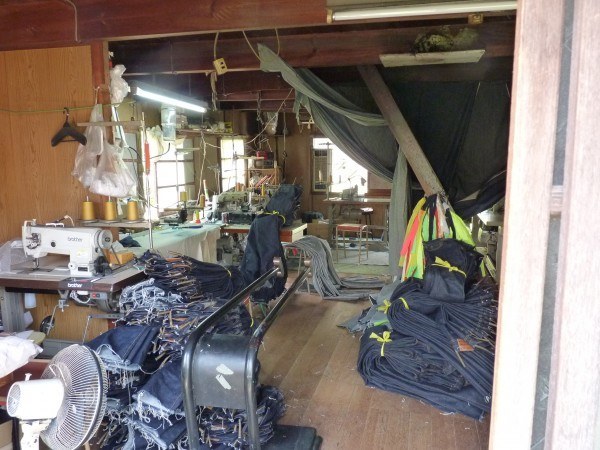
There are a number of fluctuating variables affecting the price of raw denim and other high-end casual clothing that may not be immediately obvious. Many brands and shops use vintage looms and sewing machines, which can break down and slow production unpredictably. There are sometimes shortages of materials like cordovan leather.
But probably the most vital factor of them all are currency exchange rates, which are inexorably tied into a market like raw denim. For consumers buying products made domestically, it might seem less relevant, but it matters a great deal if you’re buying from a foreign country like Japan.
The Yen to Dollar Relationship
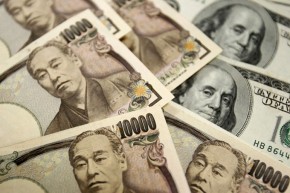
Nothing affects raw denim quite like the exchange rate from the Japanese Yen (JPY) to US Dollar (USD)–and not just in obvious ways. The yen-dollar exchange rate is typically about 100:1, so a pair of jeans that sell for 20,000 JPY, all things being equal, should cost about $200 USD.
Up until the end of 2012, the Yen had been very strong. That trend led to more expensive Japanese products (including jeans) overseas, especially for American buyers. This isn’t just a bad thing for consumers themselves, but also for the Japanese brands. A weak Dollar means that they earn less money from sales made overseas.
For example, if the Yen was much stronger and the exchange rate was 50 JPY : 1 USD, selling a $200 pair of Japanese jeans in the United States would only net a Japanese company 10,000 JPY. But if the Yen was weaker, say 200 JPY : 1 USD, that $200 sale is now worth 40,000 JPY. Prices usually adjust accordingly, but any exporter is in a better position if their domestic currency is weaker than foreign ones.
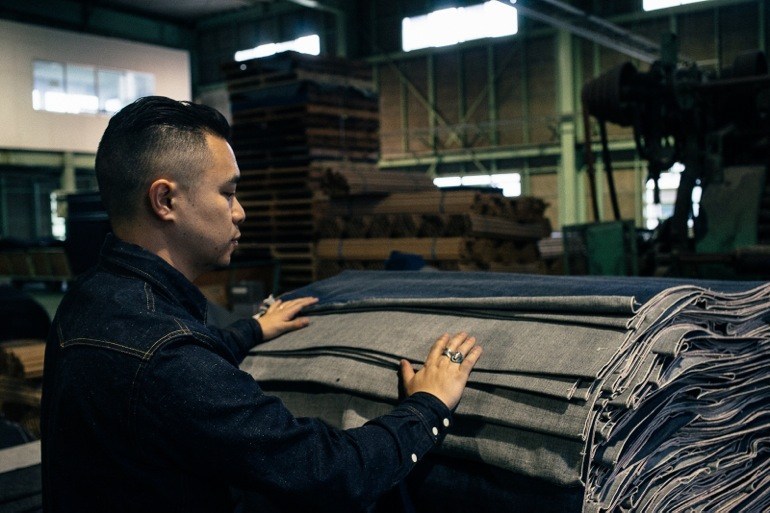
Where things get complicated is the fact that Japanese brands like Iron Heart, The Real McCoys, and The Flat Head do most of their business in Japan to start with. Overseas sales usually constituting a relatively small amount of their business so when the Yen is strong, this disincentivizes brands from pursuing more operations overseas because there’s a lower return on their investment.
In broader strokes, this means less motivation to create products that are going to appeal to a specifically overseas clientele (such as large sizes for shirts and jeans, longer hems, and so on). The more profitable it becomes for companies to sell overseas, the more interested they’ll be in promoting themselves and their products outside of Japan.
However, a strong Yen can affect non-Japanese brands as well. While it might seem as though a strong Yen would be beneficial to American, Canadian, or European brands, that’s not necessarily true.
Consider that many prominent raw denim brands like Left Field NYC, 3sixteen, and Rogue Territory use Japanese selvedge denim. High valued Yen makes the purchase of this denim more expensive and can potentially result in higher prices for these brands, even though their products aren’t made in Japan. Indeed, a weak Yen appears to be beneficial to just about everyone involved in denim – from the end-users buying either Japanese or domestic brands, to the companies themselves that produce the products.
Read more @ Rawrdenim
4 Comments
This is really interesting, You are an excessively skilled blogger. I've joined your rss feed and sit up for in search of extra of your excellent post. Additionally, I have shared your website in my social networks!
Howdy! I could have sworn I've been to this blog before but after browsing through some of the post I realized it's new to me. Nonetheless, I'm definitely delighted I found it and I'll be bookmarking and checking back often!
fantastic post, very informative. I wonder why the other specialists of this sector do not notice this. You should continue your writing. I'm sure, you've a huge readers' base already!
Cool blog! Is your theme custom made or did you download it from somewhere? A design like yours with a few simple tweeks would really make my blog stand out. Please let me know where you got your design. Many thanks
Leave A Comment