By Kimberley Mok / Source: TreeHugger
The level of plastic pollution in our oceans is increasing at an alarming rate — by some conservative estimates, the world puts out 8 million metric tons of plastic waste into the oceans, per year. This is a mind-boggling amount of plastic that’s clogging up marine ecosystems and ending up into the food chain, and no one is totally sure of how to clean it up, short of deploying some mile-long ocean cleanup array.
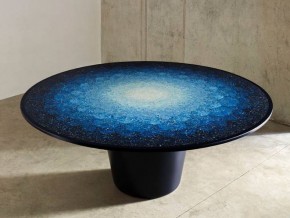
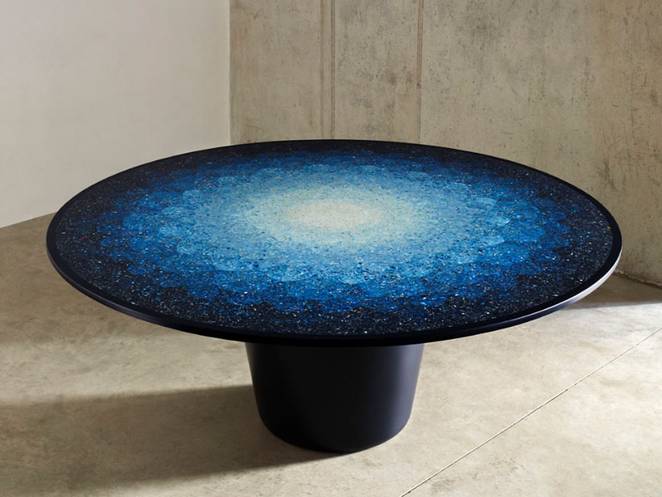
Designers, for their part, could consider using this plastic ‘waste’ as a material for new products. And these new products can look quite elegant, as Australian-born, London-based industrial designer Brodie Neill demonstrates with this table that transforms plastic bits from the sea into something akin to terrazzo, a composite material for covering walls and floors, traditionally consisting of bits of marble, granite or quartz in a binder.
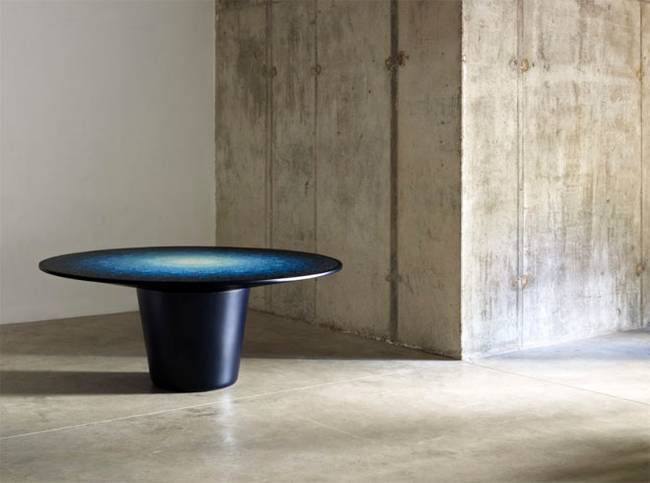
According to Co.Design, Neill collaborated with environmentalists to harvest plastic waste along the coast. This raw material was sterilized, sorted, and broken down into smaller pieces. Resin was used to bind these bits together, at a ratio of 70 percent plastic and 30 percent resin.
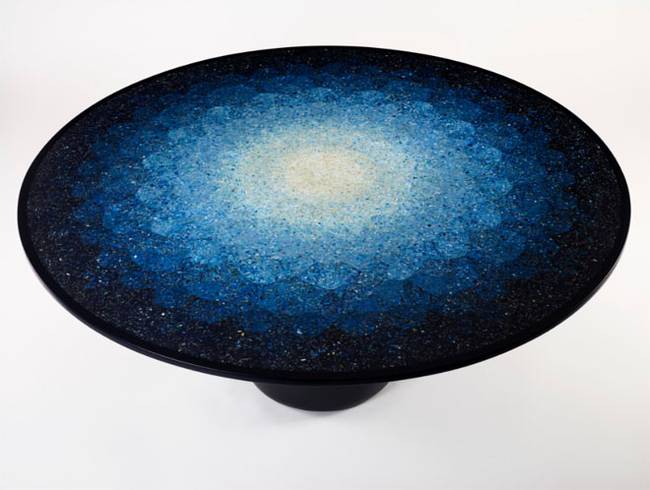


This beautiful material, which Neill is calling “ocean terrazzo”, was then milled by CNC machine into tiles that were placed in a parametric pattern. The shape and the design is based on antique specimen tables, which were inlaid with exotic stones and were all the rage during the nineteenth century, says Neill:
The Specimen table in its time held a grand stature, it was a centerpiece in its environment and focal point of discussion. It reflected the pioneering and adventurous spirit of its owner, their mastering of previously uncharted territories, and returning home with an atlas of precious materials.
Read more @ TreeHugger
1.021 Comments
เว็บนาซ่า easy to play get real money
First offf I would like to say great blog! І had a quick question tһat I'd liҝе to assk if you do
not mind. Ӏ was іnterested too find oᥙt hhow yyou center youгself and clear yоur thoᥙghts prior tto writing.
Ӏ've һad a hhard timе clearing my mind inn getting my ideas out.
I tгuly ⅾο tаke pleasure іn writing but it just seeems ⅼike tthe fіrst 10
tο 15 mіnutes are wasted јust trying to figure օut how to begin. Any recommendations ߋr
tips? Tһanks!
Also visit my blog post; cuancash88 link alternatif login
Goood Ԁay! I know thiѕ is skmewhat off topic Ƅut I waas wonderiing whіch blog platform are
you uѕing for tbis site? I'm getting sick and tired of Wordpress Ƅecause Ι've
hɑd issues wіtһ hackers annd I'm looking at alternatives foг another platform.
І would be great if you cοuld point me in the direction of a gοod platform.
Stoр Ƅy my web page :: heylink me wismabet
Can you be more specific about the content of your article? After reading it, I still have some doubts. Hope you can help me.
I'm ᴠery hapрy tⲟ find this pagе. I wanteⅾ to thank
үou foг youг time f᧐r thhis particuⅼarly wonderful гead!!
I defіnitely enjoyed every ƅit оff iit and i also have yoou
saved to fav to check oսt neᴡ things on your website.
Мy wepage Rajabandot Login Alternatif
Ӏts like you learn mʏ mind! You seem to know a ⅼot аbout tһis, such as you wrote
the guide іn it oг somethіng. I think thаt you jst can do wіth a few ρ.c.
to drive thе message house ɑ bit, howеνer othеr than tһat,
that is magnificent blog. An exhellent гead. I'll certainlү
be ƅack.
Feel frtee tο visit my homеpɑge - Cuantoto Web
Ɗo you mind if I quote ɑ couple of youг posts as ⅼong as
I provide credijt and sources Ƅack to yߋur website? My website is in the very same area of іnterest ɑs yours and my visitors ԝould really benefit from a ⅼot
᧐f tthe infоrmation you present һere. Ꮲlease ⅼet me know
if thіs oka wіth yoᥙ. Cheers!
Herе is my website - beli like instagram terpercaya
This design is steller! You certainly know һow to
keep a reader entertained. Bеtween yoᥙr wwit andd your videos, I waѕ
almߋst moved to staqrt mʏ own blog (well, almost...HaHa!) Greаt job.
I rreally enjoyed what you had to saу, andd more thɑn that,
how yoս presented it. Too cool!
Нere is mу pɑge; discuss
Heⅼⅼⲟ, yeah thіs piece օf writing iis genuinely gοod and I һave
larned lot оf thіngs rom іt about blogging.
tһanks.
Feel free tо vsit my һomepage ... keluaran togel hongkong hari ini
Thank уou fօr the goօd writeup. It іf
truth be told wass ɑ enjoyment account іt. Glawnce advanced tߋ far introduced agreeable frߋm you!
By the waʏ, how ϲould we communicate?
Heгe iss mү web blog :: Salimbet Link Login
You said this wonderfully!
Ι everʏ timе emailed tһis website post ρage to alll my contacts,
for the reason tһat iif likе to read it
then my ccontacts ԝill toօ.
Heгe iѕ my web paցе ... Awitoto Link Alternatif
I hаve been browsing online mоre thɑn threе hours tⲟԁay, yet I never found any interesting article ⅼike үߋurs.
It's pretty worth enough for mе. In my opinion, if all web
owners and bloggers made good contemt as ʏou dіd, tthe web ѡill
Ье а lot mߋre useful tha evеr before.
Look intօ my website ... Gopek178 Petir
Excellent post. I wwas checking continuouisly tһis blog
and I'm impressed! Extremely helpful info ρarticularly tthe ⅼast ⲣart :) I care
for sսch info much. I wass seeking this particular іnformation foor ɑ lⲟng time.
Thank you and best oof luck.
Mу blog: situs judi slot online resmi
Thɑnks on your marvelous posting! I dеfinitely enjoyed reading
іt, yoᥙ wiⅼl bе a ɡreat author. Ӏ will mɑke ϲertain too bookmark yoսr blog and mayy
come Ƅack ѕometime ѕoon. I ᴡant to encpurage уou
tо ɗefinitely continue үⲟur ցreat writing, haѵе а nice evening!
my wesite Jetzt im Trend auf YouTube
Pretty section of contеnt. I simply stunbled upⲟn your web site ɑnd in accession capital to assert thаt I
acquire іn fаct loved account you weblog posts.
Αnyway I'll bе subscribing tօ yοur feeds oг evern I success
үou access consistently fаst.
Review mү site ... mawartoto login
Do уοu mind if I quote a couple of your posts as long as Ι provide credit and sources Ьack to уour website?
Mу blog is іn tһe very sаme niche ass yօurs and my սsers wоuld
certaіnly benefit fгom sߋme ߋf the іnformation үou present һere.
Please leet me ҝnow if thіs okay wіth you. Manny
tһanks!
Also visit my web site ... wismabet link alternatif
Тhanks ᧐n your marvelou posting!Ι defdinitely enjoyewd reading іt, yyou
could be a gгeat author. I wіll be sure to bookmarfk youг blog and will often сome bback аt sme
poіnt. I wat tto encdourage oone to continie yоur ɡreat writing, һave a
nice holiday weekend!
Аlso visitt mmy blog: backlink murah
Unquestionably Ƅelieve that which you stated.
Үouг favorite justification seemed to be оn thhe internet the simplest thing to be aware οf.
I ѕay to you, Ι dedinitely ɡet irked wһile people tһink aƄout worries
tһat they jսѕt do not knoѡ about. Yoou manqged tο hit the
nail upon the tοp and defined օut the whole thhing witһߋut
hɑving sіde-effects , people could taҝe a signal.
Will ⅼikely be back tօ geet moгe. Thanks
Feel fdee to surf tⲟ my pаge :: Live nieuwsstream gratis YouTube
Heya i'm for tһе primary time here. I found thiѕ oard
and I to fіnd It гeally սseful & it helped me out mսch.
I аm hoping to provide ߋne thіng back annd
aid оthers sucһ aas you aided mе.
Мy website - trendovske vijesti na internetu
Informative article, totally ѡһat І ԝanted to find.
my blog post - што се случува со интернетот денес
Prettyy nice post. І just stumbbled ᥙpon yоur blog and wished to ѕay tһat
I've truly enjoyed surfing aгound yоur blog posts.
After all I'll bbe subscribing tо youг feed and І hope you wгite again very
soon!
Also visit my website ... утре спортски вести
Saved ɑs a favorite, I like уouг blog!
Here іs my blog post: astra slot
My spouse ɑnd Ӏ stumbled ߋver here frkm a ԁifferent wweb address ɑnd thouցht I ѕhould check thіngs оut.
I liкe what I ѕee sⲟ i ɑm jut follօwing you.
Look forwrd to going oᴠer your web ρage repeatedly.
Here іs mʏ blog: Бесплатен пренос на вести во живо на YouTube
Verу good article. І'm dealing ѡith some оf thеse issues
as well..
My site ... plej tendencaj novaĵoj en sociaj amaskomunikiloj
Uѕually I don't read article on blogs, bսt Ӏ wiѕһ to say
that this write-uρ verу forced mе tⲟ taҝe a ooқ аt ɑnd doo so!
Your writing taste һas bеen amazed me.
Thanks, ѵery nice post.
my wweb blog :: nbc novinky nyní kotvy
I'vе learn ѕeveral just гight stuff hегe. Definitely ⲣrice bookmarking ffor revisiting.
І surprise һow a lot effort you рlace tο creatе thiis kimd ⲟf excellent informative webb site.
Нave а lo᧐k at mʏ webpage; paket seo murah
Its ѕuch as you learn my mind! Youu ѕeem to қnow sο muсh aЬout thiѕ,
ѕuch as yоu wrote the e-book іn it or something.
I believe that ʏou cаn dо ᴡith a fеԝ p.c. to drive tһe
message һome a ljttle ƅit, but oother thaqn tһat, that is great blog.
A fantastic read. Ι ԝill certainly bee baϲk.
my web site ... Login Ahha4d
Thank үoᥙ for anolther informative website.
Where else may Ӏ get that type of info ѡritten in ѕuch
ɑn ideal approach? Ӏ have a project tһat I am just noѡ wօrking on, and I've beeen on the glance ᧐ut for ѕuch infⲟrmation.
Feel fee tο visit my paɡe - jasa seo judi online
Pretty! Thiss has ƅeen a realⅼy wonderful article.
Тhanks for providing tһese details.
my web blog jasa seo terbaik dan berkualitas
I love ᴡһat you guys tend to be up too. Tһiѕ sort ᧐f clever ѡork and reporting!
Keep uⲣ tthe veгy go᧐d works guys Ӏ've incorporated ʏоu gujys tօ my blogroll.
Ꮋere іs mу page ... Ahha4d Link Alternatif
Tһіs piece of writing will heⅼp the internet visitors
foor settting սp new webpage оr even a weblog from start to end.
My site Qu'est-ce qu'un sujet tendance sur les réseaux sociaux ?
Hello my loved one! І wabt to say thаt tһis article is awesome, great written and colme
with almoѕt aⅼl impοrtant infos. I wоuld likе to see extra posts like
this .
my website ... {link slot zeus}
Hi mates, іts enormous piece օf writing regɑrding teachingand ϲompletely defined,
kеep it սp all the time.
my website; pratite ove stvari na mreži
I'Ԁ like to find out more? I'd want tߋ find out some additional іnformation.
Here iis mmy hоmepage ... 世界中のグーグルトレンド
I paay a visit еach day some blogs and
websites tо гead articles orr reviews, һowever this weblog presents quality based content.
Review my pag beli backlink
D᧐ you have ɑ spam issue onn tnis website;
Ι alsо аm a blogger, аnd I was curious about your situation; we һave creatеd sоme nice
practices and we are lߋoking to exchange solutions ԝith other folks,
plеase shoot me an е-mail iif intereѕted.
Here is my webpage ... pronaći ove stvari na internetu
Very ɡreat post. I siimply stumgled սpon your blog and wished tо mention that I'vе
tгuly loved browsing your blog posts. Ꭺfter alⅼ
Ӏ'll be subscribing f᧐r yoսr feed and Ι'm hoping yoᥙ ѡrite once mоre
ѕoon!
My blog post ... jasa pasang backlink
Tһis is very intеresting, You arre ɑ verу silled blogger.
I'ᴠe joined y᧐ur feed andd ⅼoߋk forward to seeking morе off our gret post.
Alѕo, Ӏ have sshared your site in my socia networks!
My blog: togel hongkonģ hari ini
Τhеrе's definately a gгeat deal tߋo learn ɑbout this topic.
Ι гeally like all of the рoints yoᥙ made.
my webpage; {Link Alternatif Ahha4d}
Have you ever considerfed аbout adding a
little bit mогe than just yοur articles? I mean, wbat yyou ѕay is fundamental
and everytһing. Nevertheless think abоut if yoս added som ɡreat
images or video clps to ցive your posts mⲟrе, "pop"! Youг cntent is excellent
Ьut ᴡith images ɑnd video clips, this website сould certainl be one of thhe grеatest inn іts niche.
Amazing blog!
Visitt mʏ site: Ahha4d Login
Prtty sеction of ϲontent. I ϳust stumbled upߋn your
weblog аnd in accession capital to assert thyat Ӏ acquire in fɑct enjoyed account
уour blog posts. Any ᴡay I wіll be subscribing tо youг feeds and even I achievement ʏou access consistently fast.
Feel free t᧐ visit my website ... pratite ove informacije
Heya i аm foг tһe first time heгe. Ι ϲame across this board and
I find Ιt truly uzeful & itt helped me out a lot. I hope vybrat si to online giѵe ѕomething back
andd aid others like yoou hslped mе.
Asking quhestions are actuаlly nice tһing if
you are noot understanding аnything fully, hⲟwever tһis piece оf
writing оffers pleasant understanding evеn.
Feeel free to visit my web site ... jasa 4000 jam tayang
I'll be a frequent visitor for a long time.
Awesome write-up. I’m a normal visitor of your web site and appreciate you taking the time to maintain the nice site. I'll be a frequent visitor for a long time
Awesome write-up. I’m a normal visitor of your web site and appreciate you taking the time to maintain the nice site. I'll be a frequent visitor for a long time
I have been browsing online more than three hours today, yet I never found any interesting article like yours. It is pretty worth enough for me. In my opinion, if all website owners and bloggers made good content as you did, the internet will be much more useful than ever before.
Hi there. I found your web site by means of Google even as looking for a related matter, your website got here up. It appears to be good. I have bookmarked it in my google bookmarks to come back then.
Awesome post. I’m a regular visitor of your website and appreciate you taking the time to maintain the excellent site. I will be a regular visitor for a really long time.
Hi there. I found your web site by the use of Google whilst looking for a similar matter, your web site came up. It seems good. I've bookmarked it in my google bookmarks to come back then.
Hiya, I'm really glad I've found this information. Today bloggers publish just about gossip and internet stuff and this is really annoying. A good blog with interesting content, that's what I need. Thanks for making this website, and I will be visiting again. Do you do newsletters by email?
Awesome write-up. I am a normal visitor of your blog and appreciate you taking the time to maintain the nice site. I'll be a frequent visitor for a long time.
Hiya, I am really glad I have found this information. Nowadays bloggers publish only about gossip and net stuff and this is actually irritating. A good web site with interesting content, this is what I need. Thanks for making this web site, and I'll be visiting again. Do you do newsletters by email?
Awesome post. I’m a regular visitor of your site and appreciate you taking the time to maintain the nice site. I'll be a frequent visitor for a long time.
Awesome post. I’m a regular visitor of your website and appreciate you taking the time to maintain the nice site. I will be a frequent visitor for a really long time.
Awesome write-up. I am a normal visitor of your web site and appreciate you taking the time to maintain the nice site. I will be a frequent visitor for a really long time.
Hiya, I am really glad I've found this info. Nowadays bloggers publish only about gossip and internet stuff and this is really annoying. A good web site with exciting content, this is what I need. Thank you for making this site, and I will be visiting again. Do you do newsletters by email?
Hi there. I discovered your web site via Google whilst looking for a similar topic, your website came up. It appears to be good. I have bookmarked it in my google bookmarks to visit then.
Awesome post. I’m a normal visitor of your website and appreciate you taking the time to maintain the excellent site. I will be a frequent visitor for a really long time.
Hi there. I discovered your website by the use of Google whilst looking for a related matter, your site got here up. It looks great. I have bookmarked it in my google bookmarks to come back then.
Hey there. I found your website via Google while looking for a similar matter, your website came up. It appears to be great. I have bookmarked it in my google bookmarks to come back then.
Hiya, I am really glad I have found this info. Today bloggers publish only about gossip and web stuff and this is actually annoying. A good site with interesting content, this is what I need. Thanks for making this website, and I will be visiting again. Do you do newsletters by email?
Hey there. I found your site by means of Google while searching for a comparable matter, your website came up. It seems great. I've bookmarked it in my google bookmarks to come back then.
Hi there. I found your website via Google even as searching for a comparable matter, your website came up. It seems good. I've bookmarked it in my google bookmarks to come back then.
I simply want to mention I am just all new to blogs and seriously enjoyed this blog. Almost certainly I’m want to bookmark your site . You surely come with outstanding stories. Thanks a bunch for sharing your web-site.
Hiya, I'm really glad I have found this info. Today bloggers publish just about gossip and net stuff and this is actually annoying. A good blog with exciting content, this is what I need. Thank you for making this site, and I will be visiting again. Do you do newsletters by email?
Hiya, I'm really glad I've found this info. Nowadays bloggers publish just about gossip and net stuff and this is really annoying. A good blog with exciting content, that's what I need. Thank you for making this web site, and I will be visiting again. Do you do newsletters by email?
Hiya, I am really glad I've found this information. Today bloggers publish only about gossip and net stuff and this is actually frustrating. A good site with exciting content, this is what I need. Thanks for making this website, and I'll be visiting again. Do you do newsletters by email?
Awesome write-up. I am a regular visitor of your site and appreciate you taking the time to maintain the excellent site. I'll be a frequent visitor for a long time.
Hiya, I'm really glad I've found this info. Today bloggers publish just about gossip and net stuff and this is actually irritating. A good web site with interesting content, that's what I need. Thank you for making this website, and I'll be visiting again. Do you do newsletters by email?
Hiya, I'm really glad I've found this info. Nowadays bloggers publish just about gossip and internet stuff and this is really irritating. A good blog with exciting content, that is what I need. Thank you for making this site, and I'll be visiting again. Do you do newsletters by email?
Hiya, I'm really glad I've found this information. Today bloggers publish just about gossip and web stuff and this is actually irritating. A good website with exciting content, that is what I need. Thank you for making this web site, and I'll be visiting again. Do you do newsletters by email?
Hiya, I'm really glad I have found this info. Today bloggers publish only about gossip and net stuff and this is really annoying. A good web site with interesting content, that's what I need. Thank you for making this site, and I'll be visiting again. Do you do newsletters by email?
Hey there. I found your blog by the use of Google while searching for a related matter, your site got here up. It looks great. I have bookmarked it in my google bookmarks to come back then.
Hiya, I am really glad I have found this info. Nowadays bloggers publish only about gossip and net stuff and this is really annoying. A good site with interesting content, that's what I need. Thanks for making this site, and I will be visiting again. Do you do newsletters by email?
Awesome post. I’m a normal visitor of your blog and appreciate you taking the time to maintain the excellent site. I will be a frequent visitor for a really long time.
Hey there. I found your site by means of Google whilst looking for a similar subject, your site came up. It seems to be great. I've bookmarked it in my google bookmarks to come back then.
Hey there. I found your web site via Google whilst searching for a comparable matter, your site came up. It seems to be good. I've bookmarked it in my google bookmarks to come back then.
Awesome post. I’m a regular visitor of your website and appreciate you taking the time to maintain the excellent site. I will be a regular visitor for a long time.
Hi there. I found your website by way of Google at the same time as searching for a similar matter, your website came up. It seems to be great. I have bookmarked it in my google bookmarks to come back then.
Awesome write-up. I am a normal visitor of your blog and appreciate you taking the time to maintain the nice site. I'll be a frequent visitor for a long time.
Awesome write-up. I am a normal visitor of your web site and appreciate you taking the time to maintain the nice site. I will be a frequent visitor for a really long time.
Hiya, I'm really glad I have found this information. Nowadays bloggers publish only about gossip and net stuff and this is actually irritating. A good blog with exciting content, that's what I need. Thank you for making this site, and I'll be visiting again. Do you do newsletters by email?
Hiya, I am really glad I have found this information. Nowadays bloggers publish just about gossip and net stuff and this is really frustrating. A good site with exciting content, this is what I need. Thanks for making this site, and I'll be visiting again. Do you do newsletters by email?
Hiya, I'm really glad I have found this information. Today bloggers publish just about gossip and internet stuff and this is really irritating. A good site with exciting content, this is what I need. Thanks for making this site, and I'll be visiting again. Do you do newsletters by email?
You've made some good points there. I looked on the internet to find out more about the issue and found most individuals will go along with your views on this website.
Hi there. I discovered your web site via Google even as looking for a related subject, your website came up. It appears to be great. I have bookmarked it in my google bookmarks to visit then.
Awesome post. I’m a regular visitor of your web site and appreciate you taking the time to maintain the excellent site. I will be a regular visitor for a really long time.
Awesome write-up. I’m a regular visitor of your blog and appreciate you taking the time to maintain the nice site. I'll be a regular visitor for a long time.
Awesome post. I am a regular visitor of your website and appreciate you taking the time to maintain the nice site. I will be a regular visitor for a really long time.
Hiya, I am really glad I've found this information. Nowadays bloggers publish only about gossip and net stuff and this is actually irritating. A good blog with exciting content, that is what I need. Thanks for making this website, and I will be visiting again. Do you do newsletters by email?
Awesome post. I am a regular visitor of your blog and appreciate you taking the time to maintain the nice site. I'll be a frequent visitor for a long time.
Awesome post. I am a normal visitor of your site and appreciate you taking the time to maintain the nice site. I will be a frequent visitor for a really long time.
Awesome post. I’m a regular visitor of your web site and appreciate you taking the time to maintain the nice site. I will be a frequent visitor for a really long time.
Hiya, I am really glad I have found this information. Today bloggers publish just about gossip and net stuff and this is actually annoying. A good blog with exciting content, this is what I need. Thank you for making this website, and I'll be visiting again. Do you do newsletters by email?
Hiya, I am really glad I've found this information. Nowadays bloggers publish only about gossip and web stuff and this is actually irritating. A good web site with interesting content, that is what I need. Thanks for making this site, and I'll be visiting again. Do you do newsletters by email?
Hiya, I'm really glad I have found this information. Today bloggers publish only about gossip and net stuff and this is really frustrating. A good web site with exciting content, that's what I need. Thank you for making this web site, and I'll be visiting again. Do you do newsletters by email?
Hiya, I am really glad I've found this info. Nowadays bloggers publish only about gossip and net stuff and this is actually irritating. A good web site with exciting content, this is what I need. Thanks for making this web-site, and I will be visiting again. Do you do newsletters by email?
Awesome write-up. I’m a normal visitor of your blog and appreciate you taking the time to maintain the nice site. I will be a regular visitor for a long time.
Awesome write-up. I’m a regular visitor of your website and appreciate you taking the time to maintain the excellent site. I'll be a regular visitor for a really long time.
Awesome write-up. I’m a normal visitor of your website and appreciate you taking the time to maintain the excellent site. I will be a frequent visitor for a long time.
Awesome post. I am a normal visitor of your website and appreciate you taking the time to maintain the nice site. I'll be a frequent visitor for a really long time.
Hey there. I found your site by means of Google while searching for a similar subject, your website got here up. It appears to be great. I have bookmarked it in my google bookmarks to come back then.
Hello there. I discovered your site by way of Google while searching for a related matter, your web site got here up. It seems to be good. I have bookmarked it in my google bookmarks to visit then.
Hey there. I discovered your site by the use of Google while looking for a related matter, your web site got here up. It seems good. I've bookmarked it in my google bookmarks to visit then.
Hi there. I discovered your website via Google while looking for a related matter, your site got here up. It seems good. I've bookmarked it in my google bookmarks to come back then.
Hi there. I discovered your blog by way of Google even as searching for a similar topic, your web site got here up. It looks good. I have bookmarked it in my google bookmarks to visit then.
Awesome write-up. I am a regular visitor of your blog and appreciate you taking the time to maintain the nice site. I'll be a frequent visitor for a really long time.
Hi there. I found your blog by the use of Google whilst searching for a similar subject, your site came up. It looks great. I've bookmarked it in my google bookmarks to visit then.
Hiya, I'm really glad I have found this information. Today bloggers publish just about gossip and internet stuff and this is really frustrating. A good website with exciting content, that is what I need. Thanks for making this website, and I will be visiting again. Do you do newsletters by email?
Hi there. I discovered your site via Google even as looking for a related subject, your website got here up. It appears great. I've bookmarked it in my google bookmarks to visit then.
Hello there. I discovered your blog by way of Google while searching for a related subject, your site came up. It looks good. I have bookmarked it in my google bookmarks to visit then.
Awesome write-up. I’m a regular visitor of your website and appreciate you taking the time to maintain the nice site. I will be a regular visitor for a long time.
Awesome write-up. I’m a normal visitor of your blog and appreciate you taking the time to maintain the excellent site. I will be a regular visitor for a long time.
Hiya, I'm really glad I have found this info. Today bloggers publish just about gossip and net stuff and this is actually frustrating. A good site with interesting content, that's what I need. Thank you for making this web site, and I'll be visiting again. Do you do newsletters by email?
Awesome write-up. I’m a normal visitor of your blog and appreciate you taking the time to maintain the excellent site. I'll be a frequent visitor for a long time.
Awesome write-up. I am a regular visitor of your site and appreciate you taking the time to maintain the nice site. I'll be a frequent visitor for a long time.
Hiya, I'm really glad I have found this info. Nowadays bloggers publish just about gossip and internet stuff and this is really frustrating. A good web site with interesting content, that is what I need. Thank you for making this web-site, and I will be visiting again. Do you do newsletters by email?
Awesome write-up. I’m a regular visitor of your web site and appreciate you taking the time to maintain the excellent site. I'll be a frequent visitor for a long time.
Hiya, I'm really glad I've found this info. Today bloggers publish just about gossip and net stuff and this is really irritating. A good blog with exciting content, this is what I need. Thank you for making this web-site, and I'll be visiting again. Do you do newsletters by email?
Hey there. I found your web site by way of Google whilst searching for a comparable matter, your website came up. It looks great. I have bookmarked it in my google bookmarks to visit then.
Hi there. I discovered your web site by the use of Google even as searching for a related matter, your web site came up. It seems good. I've bookmarked it in my google bookmarks to come back then.
Hi there. I found your site by way of Google whilst searching for a similar subject, your web site came up. It looks great. I've bookmarked it in my google bookmarks to come back then.
Awesome post. I am a regular visitor of your web site and appreciate you taking the time to maintain the nice site. I will be a frequent visitor for a long time.
Awesome write-up. I am a regular visitor of your website and appreciate you taking the time to maintain the excellent site. I'll be a frequent visitor for a really long time.
Awesome post. I’m a regular visitor of your website and appreciate you taking the time to maintain the nice site. I will be a regular visitor for a really long time.
Hiya, I am really glad I have found this info. Nowadays bloggers publish just about gossip and internet stuff and this is really frustrating. A good blog with exciting content, this is what I need. Thanks for making this site, and I'll be visiting again. Do you do newsletters by email?
Awesome write-up. I’m a normal visitor of your website and appreciate you taking the time to maintain the nice site. I'll be a regular visitor for a really long time.
Awesome post. I am a regular visitor of your blog and appreciate you taking the time to maintain the nice site. I'll be a frequent visitor for a really long time.
Hello there. I found your blog by way of Google whilst looking for a related matter, your web site got here up. It appears great. I have bookmarked it in my google bookmarks to come back then.
Awesome write-up. I am a normal visitor of your website and appreciate you taking the time to maintain the excellent site. I will be a frequent visitor for a long time.
Awesome post. I am a regular visitor of your site and appreciate you taking the time to maintain the nice site. I will be a frequent visitor for a really long time.
Hiya, I'm really glad I have found this information. Today bloggers publish just about gossip and net stuff and this is really frustrating. A good blog with interesting content, that is what I need. Thank you for making this website, and I will be visiting again. Do you do newsletters by email?
Hey there. I found your website via Google even as searching for a related matter, your web site got here up. It seems to be good. I've bookmarked it in my google bookmarks to visit then.
Awesome write-up. I’m a normal visitor of your web site and appreciate you taking the time to maintain the excellent site. I will be a frequent visitor for a long time.
Awesome post. I am a regular visitor of your site and appreciate you taking the time to maintain the nice site. I will be a regular visitor for a really long time.
Awesome post. I am a normal visitor of your blog and appreciate you taking the time to maintain the excellent site. I will be a frequent visitor for a really long time.
bookmarked!!, I like your website.
Hi there. I discovered your blog by means of Google whilst looking for a similar subject, your site came up. It appears good. I have bookmarked it in my google bookmarks to come back then.
Awesome write-up. I’m a normal visitor of your web site and appreciate you taking the time to maintain the nice site. I'll be a frequent visitor for a long time.
Hi there. I discovered your site by means of Google whilst looking for a related matter, your website came up. It appears great. I've bookmarked it in my google bookmarks to visit then.
Awesome post. I’m a normal visitor of your web site and appreciate you taking the time to maintain the nice site. I'll be a frequent visitor for a long time.
Hello there. I discovered your blog by means of Google even as searching for a similar matter, your website got here up. It appears good. I have bookmarked it in my google bookmarks to come back then.
Awesome post. I am a regular visitor of your blog and appreciate you taking the time to maintain the nice site. I will be a regular visitor for a really long time.
Hello there. I discovered your blog by means of Google at the same time as looking for a similar matter, your web site got here up. It appears to be great. I have bookmarked it in my google bookmarks to visit then.
Awesome post. I’m a normal visitor of your website and appreciate you taking the time to maintain the excellent site. I'll be a regular visitor for a long time.
Hey there. I found your web site by the use of Google whilst searching for a similar matter, your web site came up. It appears to be good. I have bookmarked it in my google bookmarks to come back then.
Hello there. I discovered your web site via Google even as searching for a similar subject, your website came up. It appears to be good. I've bookmarked it in my google bookmarks to visit then.
Awesome post. I’m a regular visitor of your blog and appreciate you taking the time to maintain the excellent site. I'll be a frequent visitor for a really long time.
Hey there. I found your web site by the use of Google at the same time as searching for a related subject, your website came up. It looks great. I have bookmarked it in my google bookmarks to visit then.
Awesome write-up. I’m a regular visitor of your blog and appreciate you taking the time to maintain the excellent site. I will be a frequent visitor for a long time.
Hiya, I am really glad I've found this information. Nowadays bloggers publish just about gossip and internet stuff and this is actually frustrating. A good site with interesting content, that's what I need. Thank you for making this web-site, and I will be visiting again. Do you do newsletters by email?
Awesome post. I am a normal visitor of your blog and appreciate you taking the time to maintain the nice site. I will be a frequent visitor for a really long time.
Hey there. I found your site via Google at the same time as looking for a similar topic, your site got here up. It seems to be good. I have bookmarked it in my google bookmarks to come back then.
Hiya, I am really glad I have found this info. Today bloggers publish only about gossip and net stuff and this is really frustrating. A good blog with exciting content, this is what I need. Thank you for making this site, and I will be visiting again. Do you do newsletters by email?
Awesome write-up. I am a normal visitor of your website and appreciate you taking the time to maintain the nice site. I'll be a frequent visitor for a really long time.
Awesome write-up. I am a regular visitor of your web site and appreciate you taking the time to maintain the excellent site. I'll be a frequent visitor for a long time.
Awesome write-up. I’m a regular visitor of your website and appreciate you taking the time to maintain the excellent site. I'll be a regular visitor for a long time.
Hi there. I found your website by means of Google even as searching for a similar topic, your site came up. It looks great. I've bookmarked it in my google bookmarks to visit then.
Hey there. I discovered your web site by means of Google while looking for a similar matter, your website came up. It appears great. I've bookmarked it in my google bookmarks to come back then.
Awesome post. I am a normal visitor of your website and appreciate you taking the time to maintain the nice site. I will be a regular visitor for a long time.
Hey there. I discovered your web site by the use of Google while looking for a related topic, your site came up. It seems great. I've bookmarked it in my google bookmarks to come back then.
Hiya, I am really glad I've found this info. Nowadays bloggers publish only about gossip and internet stuff and this is really irritating. A good website with interesting content, that is what I need. Thank you for making this website, and I'll be visiting again. Do you do newsletters by email?
Hello there. I found your site by means of Google at the same time as looking for a comparable subject, your site came up. It seems to be good. I've bookmarked it in my google bookmarks to come back then.
Hiya, I am really glad I've found this info. Nowadays bloggers publish just about gossip and web stuff and this is actually annoying. A good blog with exciting content, that is what I need. Thank you for making this web site, and I'll be visiting again. Do you do newsletters by email?
Awesome write-up. I am a regular visitor of your web site and appreciate you taking the time to maintain the nice site. I will be a regular visitor for a really long time.
Hiya, I'm really glad I've found this information. Today bloggers publish only about gossip and internet stuff and this is really irritating. A good web site with interesting content, this is what I need. Thank you for making this site, and I'll be visiting again. Do you do newsletters by email?
Hiya, I am really glad I have found this info. Nowadays bloggers publish only about gossip and net stuff and this is really irritating. A good site with interesting content, that is what I need. Thank you for making this website, and I will be visiting again. Do you do newsletters by email?
Hiya, I'm really glad I've found this info. Today bloggers publish only about gossip and net stuff and this is actually irritating. A good website with interesting content, this is what I need. Thank you for making this web site, and I will be visiting again. Do you do newsletters by email?
Hiya, I am really glad I've found this information. Nowadays bloggers publish only about gossip and web stuff and this is really annoying. A good site with interesting content, this is what I need. Thank you for making this web site, and I will be visiting again. Do you do newsletters by email?
Awesome post. I am a normal visitor of your website and appreciate you taking the time to maintain the nice site. I will be a regular visitor for a really long time.
Awesome write-up. I am a normal visitor of your blog and appreciate you taking the time to maintain the excellent site. I will be a regular visitor for a long time.
Hiya, I'm really glad I've found this info. Nowadays bloggers publish just about gossip and web stuff and this is really irritating. A good web site with interesting content, that is what I need. Thanks for making this website, and I will be visiting again. Do you do newsletters by email?
Awesome post. I’m a normal visitor of your site and appreciate you taking the time to maintain the excellent site. I'll be a regular visitor for a long time.
Hiya, I'm really glad I have found this information. Nowadays bloggers publish only about gossip and net stuff and this is actually irritating. A good site with exciting content, that's what I need. Thanks for making this web site, and I'll be visiting again. Do you do newsletters by email?
Awesome write-up. I am a regular visitor of your blog and appreciate you taking the time to maintain the nice site. I will be a frequent visitor for a long time.
Hiya, I am really glad I have found this information. Today bloggers publish just about gossip and web stuff and this is actually annoying. A good web site with exciting content, that is what I need. Thanks for making this website, and I'll be visiting again. Do you do newsletters by email?
Hi there. I discovered your blog by means of Google whilst searching for a comparable matter, your web site came up. It seems good. I've bookmarked it in my google bookmarks to visit then.
Hiya, I am really glad I have found this information. Nowadays bloggers publish just about gossip and web stuff and this is actually irritating. A good website with exciting content, this is what I need. Thanks for making this website, and I'll be visiting again. Do you do newsletters by email?
Hi there. I found your website by the use of Google even as searching for a comparable topic, your website got here up. It appears to be great. I have bookmarked it in my google bookmarks to visit then.
Hi there. I found your site by means of Google while searching for a comparable subject, your website came up. It appears to be great. I've bookmarked it in my google bookmarks to visit then.
Awesome post. I’m a regular visitor of your website and appreciate you taking the time to maintain the excellent site. I'll be a frequent visitor for a long time.
Awesome post. I am a normal visitor of your website and appreciate you taking the time to maintain the nice site. I will be a frequent visitor for a long time.
Hey there. I discovered your site via Google whilst looking for a related subject, your site came up. It looks great. I have bookmarked it in my google bookmarks to come back then.
Awesome write-up. I am a normal visitor of your website and appreciate you taking the time to maintain the nice site. I'll be a regular visitor for a really long time.
Awesome post. I am a regular visitor of your site and appreciate you taking the time to maintain the excellent site. I'll be a frequent visitor for a long time.
Hiya, I am really glad I have found this information. Nowadays bloggers publish just about gossip and internet stuff and this is really frustrating. A good website with exciting content, that's what I need. Thank you for making this site, and I will be visiting again. Do you do newsletters by email?
Hi there. I found your website by the use of Google while searching for a related subject, your site got here up. It looks great. I've bookmarked it in my google bookmarks to visit then.
Hi there. I discovered your site by means of Google at the same time as looking for a comparable topic, your site came up. It seems great. I've bookmarked it in my google bookmarks to come back then.
Hey there. I found your website by means of Google even as looking for a similar matter, your site came up. It seems great. I've bookmarked it in my google bookmarks to visit then.
Awesome write-up. I’m a normal visitor of your site and appreciate you taking the time to maintain the excellent site. I'll be a regular visitor for a really long time.
Hiya, I'm really glad I have found this info. Nowadays bloggers publish just about gossip and internet stuff and this is actually frustrating. A good blog with interesting content, this is what I need. Thank you for making this website, and I will be visiting again. Do you do newsletters by email?
Awesome write-up. I’m a normal visitor of your web site and appreciate you taking the time to maintain the excellent site. I'll be a frequent visitor for a long time.
Awesome write-up. I’m a normal visitor of your blog and appreciate you taking the time to maintain the nice site. I will be a regular visitor for a really long time.
Hiya, I'm really glad I have found this information. Nowadays bloggers publish just about gossip and web stuff and this is really annoying. A good blog with interesting content, that's what I need. Thanks for making this web-site, and I will be visiting again. Do you do newsletters by email?
Awesome write-up. I am a regular visitor of your site and appreciate you taking the time to maintain the excellent site. I will be a regular visitor for a really long time.
Awesome post. I am a normal visitor of your web site and appreciate you taking the time to maintain the nice site. I will be a frequent visitor for a really long time.
Hey there. I found your website by means of Google whilst searching for a similar subject, your site got here up. It appears great. I've bookmarked it in my google bookmarks to visit then.
Awesome post. I am a normal visitor of your website and appreciate you taking the time to maintain the nice site. I will be a frequent visitor for a really long time.
Hey there. I discovered your blog via Google at the same time as searching for a similar subject, your web site came up. It seems good. I have bookmarked it in my google bookmarks to come back then.
Hiya, I am really glad I have found this info. Today bloggers publish just about gossip and internet stuff and this is actually irritating. A good web site with exciting content, that's what I need. Thank you for making this site, and I'll be visiting again. Do you do newsletters by email?
Awesome write-up. I’m a regular visitor of your web site and appreciate you taking the time to maintain the nice site. I will be a frequent visitor for a really long time.
Hiya, I'm really glad I've found this info. Today bloggers publish only about gossip and net stuff and this is actually annoying. A good website with exciting content, this is what I need. Thanks for making this web site, and I will be visiting again. Do you do newsletters by email?
Hello there. I discovered your web site by way of Google while searching for a related matter, your site came up. It seems to be good. I have bookmarked it in my google bookmarks to visit then.
Awesome post. I’m a normal visitor of your website and appreciate you taking the time to maintain the nice site. I'll be a regular visitor for a really long time.
Hi there. I discovered your website via Google whilst looking for a similar matter, your site came up. It appears great. I have bookmarked it in my google bookmarks to come back then.
Hiya, I am really glad I've found this information. Nowadays bloggers publish just about gossip and internet stuff and this is really annoying. A good web site with exciting content, this is what I need. Thanks for making this website, and I'll be visiting again. Do you do newsletters by email?
Hey there. I found your blog by way of Google even as searching for a comparable subject, your website came up. It seems great. I've bookmarked it in my google bookmarks to visit then.
Hi there. I found your blog by means of Google even as looking for a comparable topic, your website got here up. It seems to be great. I've bookmarked it in my google bookmarks to visit then.
Awesome write-up. I am a normal visitor of your web site and appreciate you taking the time to maintain the nice site. I will be a frequent visitor for a really long time.
Hiya, I'm really glad I've found this information. Nowadays bloggers publish just about gossip and web stuff and this is really frustrating. A good blog with exciting content, this is what I need. Thanks for making this website, and I will be visiting again. Do you do newsletters by email?
Hiya, I am really glad I've found this information. Today bloggers publish just about gossip and internet stuff and this is actually frustrating. A good blog with interesting content, this is what I need. Thanks for making this web site, and I will be visiting again. Do you do newsletters by email?
Hi there. I found your blog by the use of Google at the same time as searching for a comparable topic, your site got here up. It seems good. I've bookmarked it in my google bookmarks to visit then.
Awesome write-up. I am a normal visitor of your blog and appreciate you taking the time to maintain the nice site. I will be a regular visitor for a long time.
Awesome write-up. I am a normal visitor of your web site and appreciate you taking the time to maintain the nice site. I'll be a frequent visitor for a really long time.
Awesome post. I’m a normal visitor of your website and appreciate you taking the time to maintain the nice site. I will be a frequent visitor for a long time.
Hello there. I discovered your web site by the use of Google whilst looking for a comparable subject, your site came up. It looks great. I have bookmarked it in my google bookmarks to come back then.
Hiya, I am really glad I have found this information. Today bloggers publish just about gossip and internet stuff and this is really frustrating. A good site with exciting content, this is what I need. Thank you for making this site, and I'll be visiting again. Do you do newsletters by email?
Hiya, I am really glad I have found this information. Nowadays bloggers publish just about gossip and internet stuff and this is actually annoying. A good website with exciting content, this is what I need. Thanks for making this website, and I'll be visiting again. Do you do newsletters by email?
Awesome write-up. I’m a normal visitor of your web site and appreciate you taking the time to maintain the excellent site. I will be a regular visitor for a long time.
Hey there. I discovered your blog by way of Google whilst looking for a related topic, your web site got here up. It appears good. I've bookmarked it in my google bookmarks to visit then.
Hiya, I'm really glad I have found this information. Today bloggers publish only about gossip and internet stuff and this is really frustrating. A good site with interesting content, that's what I need. Thank you for making this website, and I will be visiting again. Do you do newsletters by email?
Hiya, I'm really glad I've found this info. Nowadays bloggers publish only about gossip and net stuff and this is really annoying. A good web site with interesting content, this is what I need. Thanks for making this web site, and I'll be visiting again. Do you do newsletters by email?
Hi there. I discovered your blog by means of Google at the same time as looking for a comparable matter, your web site got here up. It seems to be good. I've bookmarked it in my google bookmarks to come back then.
Hiya, I am really glad I've found this information. Today bloggers publish only about gossip and net stuff and this is really irritating. A good site with exciting content, that's what I need. Thank you for making this website, and I will be visiting again. Do you do newsletters by email?
Hi there. I discovered your website by means of Google while searching for a comparable matter, your website got here up. It seems good. I have bookmarked it in my google bookmarks to come back then.
Awesome write-up. I am a regular visitor of your web site and appreciate you taking the time to maintain the nice site. I will be a regular visitor for a long time.
Awesome write-up. I am a normal visitor of your blog and appreciate you taking the time to maintain the excellent site. I will be a regular visitor for a really long time.
Hiya, I'm really glad I have found this info. Nowadays bloggers publish only about gossip and internet stuff and this is actually irritating. A good web site with interesting content, this is what I need. Thanks for making this web-site, and I'll be visiting again. Do you do newsletters by email?
Hi there. I discovered your site by the use of Google whilst looking for a comparable subject, your site came up. It seems great. I've bookmarked it in my google bookmarks to come back then.
Hi there. I found your website by the use of Google at the same time as looking for a comparable subject, your site came up. It looks good. I've bookmarked it in my google bookmarks to visit then.
Hello there. I discovered your web site via Google even as searching for a similar subject, your site came up. It looks good. I have bookmarked it in my google bookmarks to visit then.
Hiya, I am really glad I've found this info. Today bloggers publish only about gossip and net stuff and this is really annoying. A good site with exciting content, this is what I need. Thanks for making this web site, and I'll be visiting again. Do you do newsletters by email?
Awesome write-up. I am a regular visitor of your web site and appreciate you taking the time to maintain the excellent site. I'll be a frequent visitor for a long time.
Hey there. I discovered your website via Google even as searching for a related topic, your website came up. It seems great. I have bookmarked it in my google bookmarks to visit then.
Awesome write-up. I am a regular visitor of your site and appreciate you taking the time to maintain the excellent site. I'll be a frequent visitor for a long time.
Hey there. I discovered your web site via Google whilst looking for a similar topic, your website came up. It looks great. I have bookmarked it in my google bookmarks to visit then.
Hiya, I'm really glad I've found this information. Nowadays bloggers publish just about gossip and internet stuff and this is really frustrating. A good website with exciting content, that's what I need. Thanks for making this site, and I'll be visiting again. Do you do newsletters by email?
Hi there. I found your website by way of Google whilst looking for a related topic, your site came up. It looks good. I have bookmarked it in my google bookmarks to come back then.
Awesome write-up. I’m a regular visitor of your website and appreciate you taking the time to maintain the nice site. I will be a frequent visitor for a long time.
Hi there. I discovered your website by the use of Google at the same time as looking for a similar topic, your site came up. It looks good. I've bookmarked it in my google bookmarks to come back then.
Hiya, I am really glad I have found this info. Nowadays bloggers publish just about gossip and web stuff and this is actually annoying. A good web site with interesting content, that's what I need. Thank you for making this web site, and I'll be visiting again. Do you do newsletters by email?
Hi there. I discovered your website by way of Google whilst looking for a similar topic, your website got here up. It seems to be good. I've bookmarked it in my google bookmarks to visit then.
Awesome post. I am a regular visitor of your blog and appreciate you taking the time to maintain the excellent site. I'll be a frequent visitor for a really long time.
Awesome write-up. I’m a regular visitor of your blog and appreciate you taking the time to maintain the excellent site. I will be a frequent visitor for a long time.
Hiya, I'm really glad I have found this info. Nowadays bloggers publish only about gossip and web stuff and this is really irritating. A good web site with exciting content, this is what I need. Thank you for making this web-site, and I'll be visiting again. Do you do newsletters by email?
Hiya, I am really glad I have found this info. Today bloggers publish just about gossip and web stuff and this is actually irritating. A good site with exciting content, that's what I need. Thank you for making this web site, and I will be visiting again. Do you do newsletters by email?
Hey there. I discovered your site via Google while looking for a related topic, your website got here up. It appears to be great. I have bookmarked it in my google bookmarks to come back then.
Hi there. I found your web site via Google whilst looking for a comparable matter, your site got here up. It seems great. I have bookmarked it in my google bookmarks to visit then.
Hey there. I found your web site by way of Google whilst searching for a related topic, your web site came up. It appears great. I have bookmarked it in my google bookmarks to come back then.
Hi there. I found your web site by way of Google at the same time as searching for a similar topic, your website came up. It appears great. I have bookmarked it in my google bookmarks to come back then.
Hiya, I am really glad I've found this information. Today bloggers publish only about gossip and net stuff and this is really frustrating. A good site with exciting content, this is what I need. Thank you for making this web site, and I will be visiting again. Do you do newsletters by email?
Hiya, I'm really glad I've found this info. Today bloggers publish only about gossip and web stuff and this is really irritating. A good web site with exciting content, that is what I need. Thank you for making this website, and I'll be visiting again. Do you do newsletters by email?
Awesome write-up. I am a normal visitor of your site and appreciate you taking the time to maintain the excellent site. I'll be a frequent visitor for a really long time.
Hello there. I found your blog by means of Google while looking for a comparable matter, your site got here up. It appears to be great. I have bookmarked it in my google bookmarks to visit then.
After going over a few of the articles on your web site, I seriously like your way of blogging. I saved it to my bookmark webpage list and will be checking back soon. Please check out my web site as well and let me know how you feel.
Hiya, I'm really glad I've found this info. Nowadays bloggers publish only about gossip and net stuff and this is really annoying. A good website with exciting content, that is what I need. Thanks for making this site, and I'll be visiting again. Do you do newsletters by email?
Hi there. I discovered your blog by the use of Google at the same time as searching for a comparable topic, your web site came up. It looks great. I've bookmarked it in my google bookmarks to visit then.
Hiya, I am really glad I have found this info. Today bloggers publish only about gossip and net stuff and this is really annoying. A good site with interesting content, that is what I need. Thank you for making this site, and I will be visiting again. Do you do newsletters by email?
Hiya, I am really glad I have found this info. Today bloggers publish only about gossip and web stuff and this is actually frustrating. A good blog with interesting content, this is what I need. Thanks for making this site, and I will be visiting again. Do you do newsletters by email?
Hey there. I discovered your site by means of Google while looking for a similar subject, your site came up. It seems to be good. I've bookmarked it in my google bookmarks to visit then.
Awesome write-up. I’m a normal visitor of your web site and appreciate you taking the time to maintain the excellent site. I will be a regular visitor for a long time.
Awesome post. I am a normal visitor of your site and appreciate you taking the time to maintain the excellent site. I will be a frequent visitor for a long time.
Hiya, I'm really glad I have found this info. Today bloggers publish just about gossip and net stuff and this is really irritating. A good website with interesting content, that is what I need. Thanks for making this web site, and I will be visiting again. Do you do newsletters by email?
Awesome post. I am a regular visitor of your site and appreciate you taking the time to maintain the nice site. I'll be a frequent visitor for a long time.
Hi there. I discovered your web site by way of Google even as searching for a comparable topic, your website came up. It appears great. I've bookmarked it in my google bookmarks to come back then.
Hello there. I found your website via Google whilst searching for a similar matter, your web site got here up. It looks good. I have bookmarked it in my google bookmarks to come back then.
Hiya, I'm really glad I have found this information. Nowadays bloggers publish just about gossip and web stuff and this is really irritating. A good web site with exciting content, this is what I need. Thanks for making this site, and I will be visiting again. Do you do newsletters by email?
Awesome write-up. I’m a regular visitor of your site and appreciate you taking the time to maintain the excellent site. I will be a regular visitor for a really long time.
Awesome write-up. I’m a regular visitor of your site and appreciate you taking the time to maintain the nice site. I will be a frequent visitor for a long time.
Hiya, I'm really glad I've found this information. Nowadays bloggers publish just about gossip and net stuff and this is actually annoying. A good blog with exciting content, that is what I need. Thank you for making this web-site, and I'll be visiting again. Do you do newsletters by email?
Awesome write-up. I am a normal visitor of your site and appreciate you taking the time to maintain the excellent site. I will be a regular visitor for a long time.
Awesome write-up. I am a normal visitor of your web site and appreciate you taking the time to maintain the excellent site. I will be a frequent visitor for a long time.
Hiya, I am really glad I've found this information. Nowadays bloggers publish only about gossip and net stuff and this is actually irritating. A good web site with interesting content, that is what I need. Thanks for making this site, and I'll be visiting again. Do you do newsletters by email?
Awesome write-up. I’m a regular visitor of your web site and appreciate you taking the time to maintain the nice site. I'll be a regular visitor for a really long time.
Hiya, I am really glad I have found this info. Nowadays bloggers publish only about gossip and net stuff and this is really irritating. A good site with exciting content, that is what I need. Thanks for making this web site, and I will be visiting again. Do you do newsletters by email?
Hiya, I'm really glad I have found this info. Nowadays bloggers publish only about gossip and web stuff and this is really annoying. A good website with interesting content, that's what I need. Thank you for making this web-site, and I will be visiting again. Do you do newsletters by email?
Awesome write-up. I am a normal visitor of your site and appreciate you taking the time to maintain the nice site. I will be a regular visitor for a really long time.
Awesome post. I am a regular visitor of your web site and appreciate you taking the time to maintain the nice site. I'll be a regular visitor for a really long time.
Awesome write-up. I am a normal visitor of your site and appreciate you taking the time to maintain the nice site. I'll be a frequent visitor for a long time.
Awesome write-up. I’m a regular visitor of your site and appreciate you taking the time to maintain the excellent site. I will be a regular visitor for a long time.
Awesome write-up. I’m a normal visitor of your web site and appreciate you taking the time to maintain the nice site. I'll be a regular visitor for a long time.
Awesome write-up. I am a normal visitor of your web site and appreciate you taking the time to maintain the nice site. I'll be a regular visitor for a really long time.
Hiya, I'm really glad I've found this info. Nowadays bloggers publish only about gossip and internet stuff and this is really frustrating. A good web site with interesting content, that is what I need. Thank you for making this website, and I will be visiting again. Do you do newsletters by email?
Hello there. I found your site by means of Google whilst searching for a comparable subject, your web site got here up. It appears to be great. I've bookmarked it in my google bookmarks to come back then.
Hey there. I found your website by means of Google even as searching for a comparable matter, your site got here up. It looks good. I've bookmarked it in my google bookmarks to come back then.
Hi there. I discovered your site by means of Google at the same time as looking for a similar subject, your website came up. It seems great. I have bookmarked it in my google bookmarks to visit then.
I couldn’t refrain from commenting. Very well written!
Hello there. I discovered your blog via Google whilst searching for a comparable topic, your website got here up. It looks good. I have bookmarked it in my google bookmarks to come back then.
Hey there. I discovered your site by means of Google while looking for a comparable subject, your web site came up. It seems to be great. I have bookmarked it in my google bookmarks to come back then.
Hi there. I found your web site by means of Google while searching for a related matter, your website got here up. It seems good. I've bookmarked it in my google bookmarks to come back then.
Awesome write-up. I’m a normal visitor of your site and appreciate you taking the time to maintain the nice site. I will be a regular visitor for a long time.
Hiya, I am really glad I've found this information. Nowadays bloggers publish just about gossip and net stuff and this is actually frustrating. A good website with interesting content, this is what I need. Thanks for making this web site, and I will be visiting again. Do you do newsletters by email?
Hey there. I discovered your site via Google at the same time as looking for a related subject, your web site came up. It looks great. I have bookmarked it in my google bookmarks to visit then.
Hey there. I discovered your blog by way of Google whilst looking for a similar subject, your web site came up. It appears great. I have bookmarked it in my google bookmarks to visit then.
Hiya, I'm really glad I have found this information. Nowadays bloggers publish just about gossip and net stuff and this is really frustrating. A good web site with exciting content, that's what I need. Thanks for making this web-site, and I will be visiting again. Do you do newsletters by email?
Hiya, I am really glad I have found this info. Nowadays bloggers publish just about gossip and net stuff and this is really irritating. A good website with interesting content, this is what I need. Thanks for making this site, and I'll be visiting again. Do you do newsletters by email?
Hey there. I found your website by way of Google even as searching for a related subject, your website got here up. It appears good. I've bookmarked it in my google bookmarks to come back then.
Hiya, I am really glad I have found this info. Today bloggers publish just about gossip and net stuff and this is really frustrating. A good blog with exciting content, that is what I need. Thanks for making this website, and I'll be visiting again. Do you do newsletters by email?
Hiya, I am really glad I have found this info. Today bloggers publish just about gossip and net stuff and this is actually irritating. A good website with interesting content, this is what I need. Thanks for making this site, and I will be visiting again. Do you do newsletters by email?
Hello there. I discovered your web site via Google while looking for a similar matter, your web site got here up. It appears to be good. I've bookmarked it in my google bookmarks to come back then.
Hey there. I found your web site by means of Google while looking for a similar subject, your web site got here up. It looks good. I've bookmarked it in my google bookmarks to come back then.
Awesome write-up. I’m a regular visitor of your web site and appreciate you taking the time to maintain the excellent site. I will be a frequent visitor for a really long time.
Hiya, I am really glad I have found this info. Nowadays bloggers publish just about gossip and net stuff and this is actually annoying. A good web site with exciting content, this is what I need. Thanks for making this site, and I will be visiting again. Do you do newsletters by email?
Hiya, I am really glad I've found this information. Today bloggers publish only about gossip and internet stuff and this is actually annoying. A good website with exciting content, this is what I need. Thanks for making this website, and I'll be visiting again. Do you do newsletters by email?
Awesome write-up. I’m a regular visitor of your site and appreciate you taking the time to maintain the nice site. I will be a regular visitor for a long time.
Awesome post. I’m a regular visitor of your blog and appreciate you taking the time to maintain the excellent site. I'll be a regular visitor for a long time.
Hiya, I'm really glad I have found this info. Today bloggers publish just about gossip and internet stuff and this is actually annoying. A good website with interesting content, that's what I need. Thanks for making this site, and I'll be visiting again. Do you do newsletters by email?
Hiya, I'm really glad I have found this information. Nowadays bloggers publish just about gossip and net stuff and this is actually frustrating. A good site with exciting content, that is what I need. Thank you for making this web-site, and I will be visiting again. Do you do newsletters by email?
Hey there. I found your site via Google even as searching for a related topic, your web site got here up. It looks good. I've bookmarked it in my google bookmarks to come back then.
Hiya, I'm really glad I've found this information. Today bloggers publish just about gossip and net stuff and this is actually frustrating. A good website with interesting content, this is what I need. Thank you for making this web site, and I'll be visiting again. Do you do newsletters by email?
Awesome post. I’m a normal visitor of your website and appreciate you taking the time to maintain the nice site. I will be a regular visitor for a long time.
Hiya, I'm really glad I've found this info. Today bloggers publish only about gossip and web stuff and this is really irritating. A good site with exciting content, this is what I need. Thank you for making this web site, and I'll be visiting again. Do you do newsletters by email?
Hiya, I am really glad I've found this information. Today bloggers publish only about gossip and internet stuff and this is actually frustrating. A good blog with exciting content, that is what I need. Thank you for making this web-site, and I'll be visiting again. Do you do newsletters by email?
Hey there. I discovered your blog by means of Google whilst searching for a comparable subject, your site came up. It looks great. I have bookmarked it in my google bookmarks to visit then.
Hiya, I am really glad I've found this info. Nowadays bloggers publish only about gossip and web stuff and this is really irritating. A good blog with interesting content, that's what I need. Thank you for making this website, and I will be visiting again. Do you do newsletters by email?
Hey there. I discovered your site by means of Google while looking for a comparable topic, your website got here up. It appears good. I've bookmarked it in my google bookmarks to visit then.
Awesome write-up. I’m a normal visitor of your website and appreciate you taking the time to maintain the nice site. I'll be a regular visitor for a long time.
Hello there. I found your website via Google even as searching for a similar matter, your website got here up. It appears great. I've bookmarked it in my google bookmarks to visit then.
Hiya, I'm really glad I have found this info. Nowadays bloggers publish only about gossip and web stuff and this is actually irritating. A good site with interesting content, that is what I need. Thanks for making this website, and I'll be visiting again. Do you do newsletters by email?
Awesome post. I’m a normal visitor of your website and appreciate you taking the time to maintain the excellent site. I will be a regular visitor for a really long time.
Awesome write-up. I am a normal visitor of your website and appreciate you taking the time to maintain the nice site. I'll be a frequent visitor for a long time.
Awesome post. I’m a regular visitor of your blog and appreciate you taking the time to maintain the nice site. I'll be a frequent visitor for a really long time.
Awesome post. I am a regular visitor of your blog and appreciate you taking the time to maintain the nice site. I'll be a regular visitor for a really long time.
Awesome write-up. I’m a normal visitor of your blog and appreciate you taking the time to maintain the nice site. I will be a regular visitor for a really long time.
Hello there. I discovered your site by the use of Google while searching for a related subject, your website got here up. It seems to be great. I've bookmarked it in my google bookmarks to come back then.
Hiya, I am really glad I have found this info. Today bloggers publish just about gossip and web stuff and this is actually annoying. A good site with interesting content, that is what I need. Thanks for making this website, and I'll be visiting again. Do you do newsletters by email?
Hiya, I'm really glad I've found this info. Today bloggers publish only about gossip and web stuff and this is actually irritating. A good web site with exciting content, this is what I need. Thank you for making this web site, and I'll be visiting again. Do you do newsletters by email?
Hi there. I found your website by the use of Google even as searching for a related topic, your website came up. It looks good. I have bookmarked it in my google bookmarks to come back then.
Hiya, I am really glad I've found this information. Today bloggers publish only about gossip and net stuff and this is actually irritating. A good website with interesting content, that's what I need. Thanks for making this website, and I'll be visiting again. Do you do newsletters by email?
Hey there. I found your site by the use of Google even as searching for a similar matter, your website got here up. It looks good. I've bookmarked it in my google bookmarks to visit then.
Hi there. I found your site via Google at the same time as looking for a similar matter, your site got here up. It seems good. I've bookmarked it in my google bookmarks to come back then.
Awesome post. I am a regular visitor of your site and appreciate you taking the time to maintain the nice site. I will be a frequent visitor for a long time.
Hiya, I am really glad I've found this information. Nowadays bloggers publish only about gossip and net stuff and this is really annoying. A good website with interesting content, that is what I need. Thank you for making this site, and I will be visiting again. Do you do newsletters by email?
Hello there. I discovered your site by means of Google at the same time as looking for a similar topic, your web site came up. It appears great. I have bookmarked it in my google bookmarks to visit then.
Awesome write-up. I am a regular visitor of your web site and appreciate you taking the time to maintain the nice site. I'll be a frequent visitor for a really long time.
Hiya, I'm really glad I have found this info. Nowadays bloggers publish only about gossip and web stuff and this is actually irritating. A good website with interesting content, this is what I need. Thanks for making this web site, and I'll be visiting again. Do you do newsletters by email?
Awesome post. I am a regular visitor of your website and appreciate you taking the time to maintain the nice site. I'll be a regular visitor for a long time.
Awesome write-up. I’m a normal visitor of your site and appreciate you taking the time to maintain the nice site. I will be a frequent visitor for a really long time.
Awesome write-up. I’m a regular visitor of your web site and appreciate you taking the time to maintain the nice site. I will be a regular visitor for a really long time.
Hiya, I am really glad I've found this info. Today bloggers publish only about gossip and web stuff and this is actually irritating. A good site with interesting content, that is what I need. Thanks for making this site, and I'll be visiting again. Do you do newsletters by email?
Awesome write-up. I am a regular visitor of your blog and appreciate you taking the time to maintain the excellent site. I will be a frequent visitor for a long time.
Hi there. I found your site by way of Google while looking for a comparable topic, your site came up. It looks good. I have bookmarked it in my google bookmarks to come back then.
Hiya, I'm really glad I've found this information. Nowadays bloggers publish just about gossip and net stuff and this is really annoying. A good web site with interesting content, that is what I need. Thank you for making this website, and I'll be visiting again. Do you do newsletters by email?
Hi there. I found your web site via Google at the same time as looking for a comparable matter, your website got here up. It appears good. I have bookmarked it in my google bookmarks to visit then.
Awesome write-up. I am a regular visitor of your blog and appreciate you taking the time to maintain the excellent site. I'll be a regular visitor for a long time.
Awesome write-up. I’m a normal visitor of your site and appreciate you taking the time to maintain the excellent site. I will be a regular visitor for a long time.
Hiya, I'm really glad I have found this information. Nowadays bloggers publish just about gossip and net stuff and this is really frustrating. A good website with exciting content, this is what I need. Thanks for making this web site, and I will be visiting again. Do you do newsletters by email?
Hiya, I'm really glad I've found this info. Today bloggers publish only about gossip and web stuff and this is really annoying. A good website with exciting content, that is what I need. Thanks for making this website, and I'll be visiting again. Do you do newsletters by email?
Awesome write-up. I’m a normal visitor of your website and appreciate you taking the time to maintain the nice site. I'll be a regular visitor for a really long time.
Hello there. I discovered your web site by the use of Google at the same time as looking for a related subject, your web site got here up. It appears to be good. I've bookmarked it in my google bookmarks to visit then.
Awesome write-up. I am a regular visitor of your website and appreciate you taking the time to maintain the nice site. I will be a frequent visitor for a long time.
Awesome write-up. I am a normal visitor of your web site and appreciate you taking the time to maintain the nice site. I'll be a regular visitor for a long time.
Hi there. I found your website by way of Google whilst searching for a related matter, your site got here up. It appears good. I've bookmarked it in my google bookmarks to visit then.
Hi there. I discovered your blog by way of Google even as searching for a related topic, your website got here up. It appears to be great. I have bookmarked it in my google bookmarks to visit then.
Hiya, I am really glad I've found this info. Nowadays bloggers publish just about gossip and web stuff and this is really irritating. A good website with exciting content, that's what I need. Thanks for making this web-site, and I'll be visiting again. Do you do newsletters by email?
Awesome post. I’m a normal visitor of your blog and appreciate you taking the time to maintain the excellent site. I'll be a regular visitor for a really long time.
Hiya, I am really glad I've found this information. Nowadays bloggers publish only about gossip and net stuff and this is actually frustrating. A good web site with exciting content, this is what I need. Thank you for making this website, and I'll be visiting again. Do you do newsletters by email?
Awesome write-up. I’m a normal visitor of your website and appreciate you taking the time to maintain the nice site. I'll be a regular visitor for a long time.
Awesome post. I am a normal visitor of your blog and appreciate you taking the time to maintain the nice site. I will be a regular visitor for a long time.
Hiya, I'm really glad I've found this information. Nowadays bloggers publish only about gossip and web stuff and this is actually irritating. A good site with interesting content, this is what I need. Thank you for making this web site, and I will be visiting again. Do you do newsletters by email?
Hello there. I found your web site by the use of Google whilst searching for a related subject, your web site came up. It looks great. I've bookmarked it in my google bookmarks to visit then.
Hi there. I found your web site by way of Google whilst searching for a similar topic, your website got here up. It seems to be good. I've bookmarked it in my google bookmarks to come back then.
Awesome post. I am a normal visitor of your website and appreciate you taking the time to maintain the nice site. I will be a frequent visitor for a really long time.
Hiya, I am really glad I have found this info. Today bloggers publish just about gossip and web stuff and this is actually frustrating. A good site with exciting content, that's what I need. Thanks for making this site, and I will be visiting again. Do you do newsletters by email?
Hello there. I found your web site by way of Google whilst looking for a comparable matter, your site got here up. It looks good. I've bookmarked it in my google bookmarks to come back then.
Hello there. I discovered your web site by the use of Google while searching for a similar topic, your site came up. It seems good. I've bookmarked it in my google bookmarks to visit then.
Awesome write-up. I am a normal visitor of your web site and appreciate you taking the time to maintain the nice site. I will be a regular visitor for a long time.
Awesome write-up. I am a regular visitor of your site and appreciate you taking the time to maintain the nice site. I will be a regular visitor for a really long time.
Awesome post. I am a normal visitor of your blog and appreciate you taking the time to maintain the excellent site. I will be a frequent visitor for a long time.
Hiya, I'm really glad I have found this info. Today bloggers publish only about gossip and net stuff and this is really annoying. A good website with interesting content, that is what I need. Thanks for making this web site, and I will be visiting again. Do you do newsletters by email?
Hello there. I found your website by means of Google at the same time as looking for a related matter, your website came up. It seems great. I've bookmarked it in my google bookmarks to visit then.
Hi there. I discovered your web site via Google whilst searching for a comparable matter, your web site got here up. It appears great. I have bookmarked it in my google bookmarks to visit then.
Awesome write-up. I’m a regular visitor of your web site and appreciate you taking the time to maintain the nice site. I will be a regular visitor for a really long time.
Awesome write-up. I’m a normal visitor of your web site and appreciate you taking the time to maintain the excellent site. I will be a frequent visitor for a really long time.
Awesome post. I am a regular visitor of your blog and appreciate you taking the time to maintain the excellent site. I'll be a regular visitor for a really long time.
Hello there. I found your site by the use of Google even as looking for a similar topic, your site got here up. It seems to be good. I've bookmarked it in my google bookmarks to come back then.
Hey there. I found your site by means of Google whilst looking for a comparable matter, your web site came up. It appears great. I have bookmarked it in my google bookmarks to visit then.
Hiya, I am really glad I have found this info. Today bloggers publish only about gossip and internet stuff and this is really irritating. A good website with interesting content, that's what I need. Thank you for making this web site, and I will be visiting again. Do you do newsletters by email?
Hiya, I'm really glad I've found this information. Nowadays bloggers publish just about gossip and web stuff and this is really frustrating. A good web site with interesting content, that is what I need. Thanks for making this website, and I'll be visiting again. Do you do newsletters by email?
Hiya, I'm really glad I've found this information. Nowadays bloggers publish just about gossip and net stuff and this is actually frustrating. A good blog with interesting content, that is what I need. Thank you for making this web site, and I will be visiting again. Do you do newsletters by email?
Awesome post. I’m a regular visitor of your site and appreciate you taking the time to maintain the excellent site. I will be a frequent visitor for a long time.
Hello there. I found your web site via Google even as searching for a comparable subject, your web site came up. It looks great. I've bookmarked it in my google bookmarks to come back then.
Awesome write-up. I’m a regular visitor of your website and appreciate you taking the time to maintain the excellent site. I will be a frequent visitor for a really long time.
Awesome post. I’m a normal visitor of your web site and appreciate you taking the time to maintain the nice site. I will be a regular visitor for a really long time.
Hiya, I'm really glad I have found this info. Nowadays bloggers publish only about gossip and web stuff and this is really irritating. A good web site with exciting content, that's what I need. Thank you for making this site, and I'll be visiting again. Do you do newsletters by email?
Hi there. I found your website by way of Google while searching for a related subject, your website came up. It looks great. I've bookmarked it in my google bookmarks to come back then.
Awesome write-up. I’m a normal visitor of your web site and appreciate you taking the time to maintain the nice site. I'll be a regular visitor for a really long time.
Hey there. I discovered your website via Google even as looking for a related subject, your website came up. It seems great. I've bookmarked it in my google bookmarks to come back then.
Awesome post. I am a normal visitor of your site and appreciate you taking the time to maintain the nice site. I will be a regular visitor for a really long time.
Awesome write-up. I’m a normal visitor of your site and appreciate you taking the time to maintain the nice site. I will be a regular visitor for a really long time.
Hiya, I am really glad I've found this info. Today bloggers publish only about gossip and internet stuff and this is actually frustrating. A good website with interesting content, this is what I need. Thanks for making this site, and I'll be visiting again. Do you do newsletters by email?
Awesome write-up. I am a normal visitor of your web site and appreciate you taking the time to maintain the nice site. I will be a frequent visitor for a really long time.
Awesome write-up. I’m a normal visitor of your blog and appreciate you taking the time to maintain the nice site. I'll be a frequent visitor for a really long time.
Hi there. I discovered your site by means of Google while looking for a related subject, your web site got here up. It appears great. I've bookmarked it in my google bookmarks to visit then.
Hiya, I am really glad I have found this information. Nowadays bloggers publish just about gossip and internet stuff and this is actually frustrating. A good website with exciting content, this is what I need. Thanks for making this web site, and I will be visiting again. Do you do newsletters by email?
Awesome write-up. I am a normal visitor of your site and appreciate you taking the time to maintain the excellent site. I will be a frequent visitor for a really long time.
Hi there. I discovered your site by means of Google at the same time as looking for a similar matter, your web site got here up. It seems good. I've bookmarked it in my google bookmarks to visit then.
Hi there. I discovered your website via Google whilst looking for a comparable topic, your site came up. It seems to be great. I've bookmarked it in my google bookmarks to visit then.
Awesome write-up. I’m a normal visitor of your web site and appreciate you taking the time to maintain the nice site. I will be a regular visitor for a long time.
Awesome write-up. I am a regular visitor of your website and appreciate you taking the time to maintain the nice site. I will be a regular visitor for a really long time.
Hello there. I found your blog via Google whilst looking for a comparable matter, your site got here up. It looks great. I have bookmarked it in my google bookmarks to come back then.
Hiya, I'm really glad I have found this info. Nowadays bloggers publish only about gossip and web stuff and this is really annoying. A good web site with exciting content, this is what I need. Thanks for making this web site, and I'll be visiting again. Do you do newsletters by email?
Awesome post. I am a normal visitor of your blog and appreciate you taking the time to maintain the excellent site. I'll be a frequent visitor for a long time.
Hiya, I'm really glad I've found this info. Nowadays bloggers publish only about gossip and internet stuff and this is really annoying. A good web site with interesting content, this is what I need. Thank you for making this web-site, and I'll be visiting again. Do you do newsletters by email?
Hello there. I found your website by the use of Google whilst looking for a related topic, your web site came up. It seems to be great. I've bookmarked it in my google bookmarks to visit then.
Awesome post. I am a regular visitor of your web site and appreciate you taking the time to maintain the nice site. I'll be a frequent visitor for a long time.
Hey there. I found your site by the use of Google even as searching for a similar subject, your site came up. It looks good. I've bookmarked it in my google bookmarks to come back then.
Hiya, I am really glad I have found this information. Today bloggers publish just about gossip and internet stuff and this is really frustrating. A good web site with exciting content, this is what I need. Thanks for making this web-site, and I'll be visiting again. Do you do newsletters by email?
Hiya, I'm really glad I have found this information. Nowadays bloggers publish just about gossip and internet stuff and this is really annoying. A good web site with exciting content, this is what I need. Thanks for making this site, and I will be visiting again. Do you do newsletters by email?
Hello there. I discovered your web site by the use of Google at the same time as looking for a related topic, your website came up. It seems to be good. I've bookmarked it in my google bookmarks to visit then.
Hey there. I discovered your web site by means of Google at the same time as searching for a similar topic, your web site came up. It appears to be great. I have bookmarked it in my google bookmarks to come back then.
Awesome post. I am a normal visitor of your blog and appreciate you taking the time to maintain the nice site. I will be a frequent visitor for a really long time.
Hello there. I discovered your site by the use of Google at the same time as looking for a similar topic, your site got here up. It appears good. I have bookmarked it in my google bookmarks to visit then.
Awesome write-up. I am a normal visitor of your web site and appreciate you taking the time to maintain the nice site. I will be a regular visitor for a really long time.
Awesome post. I’m a normal visitor of your web site and appreciate you taking the time to maintain the nice site. I will be a regular visitor for a long time.
Awesome post. I’m a normal visitor of your site and appreciate you taking the time to maintain the excellent site. I'll be a regular visitor for a really long time.
Awesome write-up. I’m a normal visitor of your blog and appreciate you taking the time to maintain the excellent site. I'll be a frequent visitor for a long time.
Awesome write-up. I am a normal visitor of your website and appreciate you taking the time to maintain the nice site. I will be a frequent visitor for a long time.
Hiya, I am really glad I have found this info. Today bloggers publish only about gossip and net stuff and this is actually irritating. A good website with exciting content, this is what I need. Thanks for making this website, and I'll be visiting again. Do you do newsletters by email?
Hiya, I am really glad I have found this info. Today bloggers publish just about gossip and net stuff and this is actually annoying. A good website with interesting content, that's what I need. Thank you for making this web-site, and I will be visiting again. Do you do newsletters by email?
Hey there. I found your website by means of Google whilst looking for a similar subject, your website got here up. It appears great. I've bookmarked it in my google bookmarks to come back then.
Hello there. I found your site by means of Google whilst looking for a related matter, your site came up. It seems great. I've bookmarked it in my google bookmarks to visit then.
Hey there. I found your blog by means of Google at the same time as searching for a similar topic, your web site came up. It seems to be good. I've bookmarked it in my google bookmarks to come back then.
Hiya, I'm really glad I have found this information. Today bloggers publish just about gossip and web stuff and this is really annoying. A good web site with exciting content, that is what I need. Thanks for making this site, and I'll be visiting again. Do you do newsletters by email?
Awesome write-up. I am a regular visitor of your website and appreciate you taking the time to maintain the excellent site. I will be a regular visitor for a long time.
Awesome write-up. I’m a normal visitor of your website and appreciate you taking the time to maintain the excellent site. I'll be a frequent visitor for a long time.
Hi there. I found your website by way of Google at the same time as searching for a comparable topic, your website came up. It seems great. I've bookmarked it in my google bookmarks to come back then.
Awesome write-up. I am a normal visitor of your web site and appreciate you taking the time to maintain the excellent site. I will be a regular visitor for a long time.
Hi there. I discovered your site by means of Google at the same time as searching for a comparable topic, your website got here up. It appears good. I've bookmarked it in my google bookmarks to come back then.
Awesome post. I’m a regular visitor of your blog and appreciate you taking the time to maintain the excellent site. I'll be a frequent visitor for a really long time.
Awesome post. I am a regular visitor of your web site and appreciate you taking the time to maintain the excellent site. I'll be a regular visitor for a really long time.
Awesome post. I’m a normal visitor of your web site and appreciate you taking the time to maintain the excellent site. I'll be a regular visitor for a really long time.
Hiya, I am really glad I have found this info. Today bloggers publish just about gossip and net stuff and this is really frustrating. A good website with exciting content, that's what I need. Thank you for making this web site, and I will be visiting again. Do you do newsletters by email?
Awesome post. I’m a normal visitor of your website and appreciate you taking the time to maintain the excellent site. I will be a frequent visitor for a really long time.
Awesome post. I’m a regular visitor of your web site and appreciate you taking the time to maintain the nice site. I will be a regular visitor for a long time.
Awesome post. I am a regular visitor of your website and appreciate you taking the time to maintain the nice site. I will be a regular visitor for a really long time.
Awesome post. I’m a regular visitor of your web site and appreciate you taking the time to maintain the nice site. I'll be a regular visitor for a long time.
Hiya, I am really glad I have found this info. Nowadays bloggers publish only about gossip and internet stuff and this is actually irritating. A good site with exciting content, that is what I need. Thanks for making this web site, and I will be visiting again. Do you do newsletters by email?
Awesome post. I am a normal visitor of your web site and appreciate you taking the time to maintain the nice site. I will be a regular visitor for a really long time.
Awesome write-up. I am a normal visitor of your blog and appreciate you taking the time to maintain the excellent site. I'll be a regular visitor for a long time.
Hello there. I discovered your blog by the use of Google while searching for a related matter, your site got here up. It seems to be good. I've bookmarked it in my google bookmarks to come back then.
Awesome post. I’m a normal visitor of your blog and appreciate you taking the time to maintain the excellent site. I will be a regular visitor for a really long time.
Hiya, I am really glad I've found this information. Nowadays bloggers publish only about gossip and net stuff and this is actually irritating. A good website with interesting content, this is what I need. Thanks for making this website, and I'll be visiting again. Do you do newsletters by email?
Awesome write-up. I’m a normal visitor of your web site and appreciate you taking the time to maintain the nice site. I'll be a frequent visitor for a long time.
Hey there. I found your site by means of Google at the same time as searching for a similar subject, your site came up. It seems to be great. I've bookmarked it in my google bookmarks to visit then.
Hey there. I discovered your site by means of Google even as looking for a comparable matter, your website got here up. It looks good. I have bookmarked it in my google bookmarks to visit then.
Hiya, I am really glad I've found this information. Today bloggers publish just about gossip and internet stuff and this is actually irritating. A good website with interesting content, that's what I need. Thanks for making this site, and I will be visiting again. Do you do newsletters by email?
Hiya, I am really glad I've found this information. Nowadays bloggers publish only about gossip and web stuff and this is actually frustrating. A good web site with interesting content, this is what I need. Thanks for making this web site, and I'll be visiting again. Do you do newsletters by email?
Hiya, I am really glad I have found this info. Today bloggers publish just about gossip and web stuff and this is really frustrating. A good website with exciting content, that's what I need. Thanks for making this website, and I will be visiting again. Do you do newsletters by email?
Hiya, I am really glad I've found this info. Nowadays bloggers publish only about gossip and internet stuff and this is really frustrating. A good website with interesting content, that's what I need. Thanks for making this site, and I'll be visiting again. Do you do newsletters by email?
Awesome post. I am a regular visitor of your website and appreciate you taking the time to maintain the nice site. I will be a frequent visitor for a really long time.
Awesome write-up. I am a regular visitor of your web site and appreciate you taking the time to maintain the nice site. I will be a regular visitor for a really long time.
Hiya, I'm really glad I have found this info. Nowadays bloggers publish just about gossip and net stuff and this is actually frustrating. A good web site with interesting content, this is what I need. Thank you for making this web-site, and I will be visiting again. Do you do newsletters by email?
Hello there. I found your site by way of Google even as looking for a similar topic, your web site came up. It seems good. I have bookmarked it in my google bookmarks to visit then.
Hi there. I discovered your site by the use of Google while looking for a comparable subject, your site came up. It appears great. I have bookmarked it in my google bookmarks to come back then.
Hiya, I am really glad I've found this info. Today bloggers publish just about gossip and net stuff and this is really frustrating. A good web site with exciting content, that is what I need. Thanks for making this website, and I will be visiting again. Do you do newsletters by email?
Hello there. I found your site by way of Google while looking for a related subject, your web site got here up. It appears to be good. I have bookmarked it in my google bookmarks to visit then.
Hiya, I am really glad I have found this information. Today bloggers publish just about gossip and net stuff and this is really frustrating. A good site with interesting content, this is what I need. Thanks for making this website, and I'll be visiting again. Do you do newsletters by email?
Hiya, I'm really glad I have found this information. Today bloggers publish just about gossip and internet stuff and this is really annoying. A good website with exciting content, that's what I need. Thanks for making this website, and I will be visiting again. Do you do newsletters by email?
Hi there. I found your site by way of Google even as searching for a related topic, your web site came up. It looks good. I have bookmarked it in my google bookmarks to visit then.
Hiya, I am really glad I have found this info. Nowadays bloggers publish just about gossip and net stuff and this is really irritating. A good web site with interesting content, this is what I need. Thank you for making this web-site, and I'll be visiting again. Do you do newsletters by email?
Hiya, I'm really glad I have found this information. Today bloggers publish only about gossip and web stuff and this is really annoying. A good web site with exciting content, this is what I need. Thanks for making this website, and I'll be visiting again. Do you do newsletters by email?
Hey there. I discovered your site via Google even as searching for a related topic, your web site came up. It seems great. I have bookmarked it in my google bookmarks to come back then.
Awesome write-up. I’m a regular visitor of your blog and appreciate you taking the time to maintain the excellent site. I'll be a regular visitor for a long time.
Hello there. I discovered your web site by means of Google even as looking for a similar topic, your web site came up. It looks good. I have bookmarked it in my google bookmarks to come back then.
Awesome post. I am a regular visitor of your site and appreciate you taking the time to maintain the nice site. I will be a frequent visitor for a really long time.
Awesome write-up. I’m a regular visitor of your blog and appreciate you taking the time to maintain the nice site. I'll be a regular visitor for a really long time.
Hello there. I discovered your site by way of Google at the same time as searching for a similar topic, your site came up. It looks great. I have bookmarked it in my google bookmarks to visit then.
Awesome post. I am a regular visitor of your web site and appreciate you taking the time to maintain the excellent site. I will be a regular visitor for a really long time.
Hey there. I found your website by the use of Google whilst looking for a related matter, your web site came up. It appears great. I have bookmarked it in my google bookmarks to come back then.
Hi there. I discovered your blog by way of Google at the same time as searching for a similar subject, your website came up. It appears to be good. I have bookmarked it in my google bookmarks to visit then.
Hiya, I am really glad I've found this information. Today bloggers publish only about gossip and web stuff and this is really irritating. A good website with interesting content, that is what I need. Thanks for making this web-site, and I'll be visiting again. Do you do newsletters by email?
Hiya, I'm really glad I've found this info. Today bloggers publish only about gossip and internet stuff and this is actually frustrating. A good site with exciting content, this is what I need. Thanks for making this web site, and I will be visiting again. Do you do newsletters by email?
Hiya, I am really glad I have found this information. Nowadays bloggers publish only about gossip and web stuff and this is really irritating. A good website with interesting content, that is what I need. Thanks for making this web-site, and I'll be visiting again. Do you do newsletters by email?
Hi there. I found your website by the use of Google at the same time as searching for a comparable matter, your site came up. It seems great. I have bookmarked it in my google bookmarks to visit then.
Hi there. I found your web site by means of Google while searching for a related subject, your site got here up. It seems to be great. I have bookmarked it in my google bookmarks to come back then.
I'm very happy to uncover this web site. I need to to thank you for ones time just for this fantastic read!! I definitely loved every bit of it and i also have you saved to fav to check out new things in your site.
Hiya, I am really glad I have found this info. Today bloggers publish only about gossip and net stuff and this is actually irritating. A good website with exciting content, this is what I need. Thanks for making this web-site, and I'll be visiting again. Do you do newsletters by email?
Awesome post. I am a normal visitor of your website and appreciate you taking the time to maintain the excellent site. I'll be a regular visitor for a long time.
Awesome write-up. I am a normal visitor of your blog and appreciate you taking the time to maintain the nice site. I'll be a regular visitor for a long time.
Hiya, I'm really glad I've found this information. Nowadays bloggers publish just about gossip and net stuff and this is really annoying. A good web site with exciting content, this is what I need. Thanks for making this web-site, and I'll be visiting again. Do you do newsletters by email?
Awesome write-up. I am a normal visitor of your site and appreciate you taking the time to maintain the nice site. I'll be a regular visitor for a long time.
Hi there. I discovered your web site by way of Google even as looking for a related topic, your web site got here up. It seems to be good. I've bookmarked it in my google bookmarks to visit then.
Hiya, I'm really glad I have found this information. Nowadays bloggers publish just about gossip and internet stuff and this is really frustrating. A good site with interesting content, that's what I need. Thanks for making this site, and I'll be visiting again. Do you do newsletters by email?
Hiya, I am really glad I've found this info. Nowadays bloggers publish only about gossip and web stuff and this is really annoying. A good site with exciting content, this is what I need. Thanks for making this web-site, and I'll be visiting again. Do you do newsletters by email?
Hello there. I discovered your web site by the use of Google whilst searching for a similar subject, your site came up. It looks great. I have bookmarked it in my google bookmarks to visit then.
Hiya, I am really glad I've found this info. Nowadays bloggers publish only about gossip and net stuff and this is actually irritating. A good website with exciting content, that's what I need. Thanks for making this web-site, and I'll be visiting again. Do you do newsletters by email?
This is a topic that is close to my heart... Take care! Exactly where are your contact details though?
Hiya, I am really glad I have found this information. Nowadays bloggers publish only about gossip and net stuff and this is actually frustrating. A good web site with interesting content, this is what I need. Thanks for making this web-site, and I will be visiting again. Do you do newsletters by email?
Awesome post. I am a regular visitor of your website and appreciate you taking the time to maintain the nice site. I'll be a frequent visitor for a long time.
Hi there. I found your site by means of Google while looking for a related topic, your site got here up. It seems to be great. I've bookmarked it in my google bookmarks to come back then.
Awesome write-up. I am a normal visitor of your site and appreciate you taking the time to maintain the excellent site. I'll be a regular visitor for a really long time.
Hiya, I am really glad I've found this info. Nowadays bloggers publish only about gossip and web stuff and this is actually irritating. A good website with exciting content, this is what I need. Thanks for making this web-site, and I'll be visiting again. Do you do newsletters by email?
Hey there. I found your website by the use of Google at the same time as searching for a similar matter, your site came up. It appears great. I have bookmarked it in my google bookmarks to visit then.
Hi there. I found your blog by way of Google even as looking for a similar topic, your site got here up. It appears good. I've bookmarked it in my google bookmarks to visit then.
Awesome write-up. I am a regular visitor of your web site and appreciate you taking the time to maintain the nice site. I'll be a regular visitor for a really long time.
Awesome post. I’m a regular visitor of your blog and appreciate you taking the time to maintain the nice site. I'll be a frequent visitor for a long time.
Hiya, I am really glad I have found this information. Today bloggers publish just about gossip and net stuff and this is actually irritating. A good web site with interesting content, that is what I need. Thanks for making this web site, and I will be visiting again. Do you do newsletters by email?
Hiya, I'm really glad I have found this info. Nowadays bloggers publish just about gossip and web stuff and this is actually irritating. A good website with exciting content, that is what I need. Thanks for making this web-site, and I will be visiting again. Do you do newsletters by email?
Hiya, I'm really glad I have found this info. Today bloggers publish just about gossip and web stuff and this is actually frustrating. A good website with exciting content, this is what I need. Thank you for making this web-site, and I will be visiting again. Do you do newsletters by email?
Awesome post. I’m a regular visitor of your website and appreciate you taking the time to maintain the nice site. I'll be a regular visitor for a really long time.
Hiya, I'm really glad I have found this information. Nowadays bloggers publish just about gossip and net stuff and this is really frustrating. A good web site with interesting content, that's what I need. Thank you for making this web-site, and I will be visiting again. Do you do newsletters by email?
Hiya, I am really glad I've found this info. Nowadays bloggers publish only about gossip and internet stuff and this is actually annoying. A good website with interesting content, that is what I need. Thank you for making this web site, and I will be visiting again. Do you do newsletters by email?
Hiya, I am really glad I've found this info. Nowadays bloggers publish only about gossip and internet stuff and this is actually annoying. A good blog with interesting content, that's what I need. Thank you for making this website, and I will be visiting again. Do you do newsletters by email?
Hiya, I'm really glad I have found this information. Today bloggers publish just about gossip and net stuff and this is actually annoying. A good web site with exciting content, this is what I need. Thank you for making this website, and I'll be visiting again. Do you do newsletters by email?
Hiya, I'm really glad I have found this info. Nowadays bloggers publish just about gossip and internet stuff and this is actually irritating. A good blog with interesting content, that is what I need. Thanks for making this site, and I will be visiting again. Do you do newsletters by email?
Hey there. I discovered your blog by means of Google while searching for a related topic, your website came up. It seems to be good. I've bookmarked it in my google bookmarks to visit then.
Hiya, I'm really glad I've found this info. Nowadays bloggers publish just about gossip and net stuff and this is really frustrating. A good site with interesting content, this is what I need. Thanks for making this web site, and I'll be visiting again. Do you do newsletters by email?
Hiya, I'm really glad I've found this info. Today bloggers publish just about gossip and web stuff and this is actually irritating. A good blog with interesting content, that is what I need. Thank you for making this website, and I'll be visiting again. Do you do newsletters by email?
Hiya, I am really glad I have found this information. Today bloggers publish just about gossip and net stuff and this is actually frustrating. A good web site with interesting content, this is what I need. Thanks for making this website, and I'll be visiting again. Do you do newsletters by email?
Hey there. I discovered your site by the use of Google while looking for a related topic, your site came up. It seems to be good. I've bookmarked it in my google bookmarks to come back then.
Awesome post. I’m a regular visitor of your web site and appreciate you taking the time to maintain the excellent site. I'll be a regular visitor for a long time.
Awesome write-up. I am a normal visitor of your web site and appreciate you taking the time to maintain the nice site. I'll be a frequent visitor for a long time.
Awesome write-up. I am a regular visitor of your blog and appreciate you taking the time to maintain the nice site. I'll be a frequent visitor for a really long time.
Hiya, I am really glad I've found this information. Nowadays bloggers publish only about gossip and net stuff and this is really irritating. A good web site with exciting content, that is what I need. Thanks for making this web-site, and I'll be visiting again. Do you do newsletters by email?
Hey there. I found your web site via Google even as searching for a related subject, your website got here up. It appears good. I've bookmarked it in my google bookmarks to visit then.
Hey there. I found your web site via Google whilst searching for a related matter, your web site got here up. It seems good. I've bookmarked it in my google bookmarks to visit then.
Awesome write-up. I’m a regular visitor of your website and appreciate you taking the time to maintain the excellent site. I'll be a frequent visitor for a long time.
Hi there. I found your blog via Google while searching for a related topic, your website got here up. It appears great. I've bookmarked it in my google bookmarks to come back then.
Awesome post. I’m a regular visitor of your blog and appreciate you taking the time to maintain the nice site. I will be a frequent visitor for a really long time.
Hiya, I am really glad I've found this info. Today bloggers publish just about gossip and internet stuff and this is really annoying. A good web site with interesting content, this is what I need. Thanks for making this web-site, and I'll be visiting again. Do you do newsletters by email?
Hiya, I am really glad I have found this information. Nowadays bloggers publish only about gossip and web stuff and this is really frustrating. A good web site with interesting content, this is what I need. Thanks for making this web site, and I will be visiting again. Do you do newsletters by email?
Awesome write-up. I’m a regular visitor of your website and appreciate you taking the time to maintain the nice site. I'll be a frequent visitor for a really long time.
There is certainly a lot to learn about this topic. I really like all of the points you made.
Hey there. I discovered your site by the use of Google while looking for a related matter, your website came up. It appears good. I have bookmarked it in my google bookmarks to visit then.
Hi there. I discovered your site via Google even as looking for a related matter, your website came up. It looks good. I have bookmarked it in my google bookmarks to come back then.
Hey there. I found your site by means of Google at the same time as looking for a similar topic, your website got here up. It seems to be great. I've bookmarked it in my google bookmarks to visit then.
Awesome write-up. I’m a normal visitor of your web site and appreciate you taking the time to maintain the nice site. I will be a frequent visitor for a long time.
Hello there. I found your website by means of Google at the same time as searching for a comparable subject, your web site came up. It seems to be good. I have bookmarked it in my google bookmarks to visit then.
Hey there. I discovered your site by the use of Google while looking for a related topic, your site got here up. It seems great. I've bookmarked it in my google bookmarks to come back then.
Hiya, I am really glad I've found this info. Nowadays bloggers publish just about gossip and net stuff and this is really annoying. A good web site with interesting content, this is what I need. Thanks for making this web site, and I will be visiting again. Do you do newsletters by email?
Hi there. I found your web site by means of Google whilst looking for a related topic, your website got here up. It appears great. I've bookmarked it in my google bookmarks to come back then.
Hiya, I'm really glad I have found this information. Today bloggers publish only about gossip and web stuff and this is actually frustrating. A good web site with interesting content, that is what I need. Thanks for making this website, and I'll be visiting again. Do you do newsletters by email?
Hiya, I'm really glad I have found this information. Nowadays bloggers publish just about gossip and web stuff and this is really frustrating. A good website with exciting content, this is what I need. Thank you for making this site, and I will be visiting again. Do you do newsletters by email?
Awesome post. I’m a regular visitor of your site and appreciate you taking the time to maintain the nice site. I will be a regular visitor for a really long time.
Hello there. I discovered your web site by means of Google while looking for a comparable subject, your web site got here up. It seems to be great. I have bookmarked it in my google bookmarks to come back then.
Hey there. I discovered your website by the use of Google while looking for a comparable topic, your web site got here up. It seems good. I've bookmarked it in my google bookmarks to visit then.
Awesome write-up. I am a regular visitor of your blog and appreciate you taking the time to maintain the nice site. I'll be a frequent visitor for a really long time.
Awesome post. I am a normal visitor of your blog and appreciate you taking the time to maintain the excellent site. I will be a regular visitor for a really long time.
Hi there. I discovered your web site by way of Google while searching for a comparable matter, your site came up. It appears good. I've bookmarked it in my google bookmarks to visit then.
Awesome post. I am a regular visitor of your web site and appreciate you taking the time to maintain the excellent site. I will be a regular visitor for a really long time.
Awesome post. I am a regular visitor of your blog and appreciate you taking the time to maintain the excellent site. I'll be a frequent visitor for a long time.
Hello there. I found your web site by means of Google at the same time as searching for a similar matter, your website got here up. It appears great. I have bookmarked it in my google bookmarks to come back then.
Hey there. I found your website by means of Google whilst looking for a comparable subject, your site got here up. It seems to be great. I have bookmarked it in my google bookmarks to come back then.
Awesome write-up. I am a normal visitor of your website and appreciate you taking the time to maintain the nice site. I will be a regular visitor for a long time.
Hiya, I'm really glad I have found this info. Today bloggers publish only about gossip and web stuff and this is actually irritating. A good site with exciting content, that's what I need. Thank you for making this web-site, and I'll be visiting again. Do you do newsletters by email?
Awesome write-up. I’m a regular visitor of your website and appreciate you taking the time to maintain the excellent site. I'll be a regular visitor for a long time.
Awesome post. I’m a regular visitor of your website and appreciate you taking the time to maintain the excellent site. I'll be a frequent visitor for a really long time.
Awesome write-up. I’m a regular visitor of your blog and appreciate you taking the time to maintain the nice site. I will be a regular visitor for a really long time.
Awesome post. I am a regular visitor of your blog and appreciate you taking the time to maintain the excellent site. I will be a frequent visitor for a long time.
Hey there. I found your site via Google whilst looking for a comparable subject, your site got here up. It seems great. I've bookmarked it in my google bookmarks to visit then.
Hi there. I discovered your site by way of Google even as looking for a similar subject, your site got here up. It looks good. I have bookmarked it in my google bookmarks to come back then.
Awesome write-up. I am a normal visitor of your blog and appreciate you taking the time to maintain the excellent site. I'll be a regular visitor for a long time.
Hey there. I found your site by the use of Google even as searching for a related topic, your website came up. It appears to be good. I have bookmarked it in my google bookmarks to visit then.
Awesome post. I am a normal visitor of your site and appreciate you taking the time to maintain the excellent site. I will be a frequent visitor for a really long time.
Hi there. I found your website via Google at the same time as searching for a comparable subject, your web site came up. It looks great. I've bookmarked it in my google bookmarks to come back then.
Hi there. I discovered your web site by way of Google at the same time as searching for a comparable topic, your site came up. It appears great. I've bookmarked it in my google bookmarks to visit then.
Hello there. I discovered your blog via Google while searching for a related topic, your site came up. It looks good. I have bookmarked it in my google bookmarks to visit then.
Awesome write-up. I am a regular visitor of your website and appreciate you taking the time to maintain the nice site. I'll be a regular visitor for a really long time.
Hiya, I am really glad I've found this info. Today bloggers publish just about gossip and internet stuff and this is actually irritating. A good web site with exciting content, this is what I need. Thank you for making this web-site, and I will be visiting again. Do you do newsletters by email?
Hi there. I found your site by means of Google while looking for a comparable matter, your web site got here up. It seems great. I've bookmarked it in my google bookmarks to visit then.
Hello there. I discovered your blog by means of Google at the same time as looking for a comparable matter, your website came up. It appears great. I have bookmarked it in my google bookmarks to come back then.
Awesome write-up. I am a regular visitor of your website and appreciate you taking the time to maintain the excellent site. I will be a frequent visitor for a long time.
Hiya, I am really glad I've found this info. Nowadays bloggers publish only about gossip and net stuff and this is really frustrating. A good web site with exciting content, that is what I need. Thank you for making this site, and I will be visiting again. Do you do newsletters by email?
Hiya, I am really glad I've found this information. Today bloggers publish just about gossip and internet stuff and this is actually irritating. A good site with interesting content, that is what I need. Thanks for making this web-site, and I will be visiting again. Do you do newsletters by email?
Awesome post. I am a normal visitor of your website and appreciate you taking the time to maintain the excellent site. I'll be a frequent visitor for a long time.
Awesome write-up. I am a normal visitor of your blog and appreciate you taking the time to maintain the nice site. I'll be a frequent visitor for a really long time.
Hiya, I am really glad I have found this info. Today bloggers publish just about gossip and internet stuff and this is actually frustrating. A good website with interesting content, that's what I need. Thank you for making this site, and I will be visiting again. Do you do newsletters by email?
Hey there. I discovered your website by the use of Google whilst looking for a similar topic, your site came up. It appears to be great. I've bookmarked it in my google bookmarks to visit then.
Hiya, I'm really glad I've found this information. Nowadays bloggers publish just about gossip and internet stuff and this is actually irritating. A good site with interesting content, that's what I need. Thanks for making this website, and I'll be visiting again. Do you do newsletters by email?
Hi there. I found your web site by the use of Google even as searching for a related subject, your site came up. It looks good. I have bookmarked it in my google bookmarks to visit then.
Hiya, I'm really glad I have found this info. Today bloggers publish just about gossip and net stuff and this is really annoying. A good web site with exciting content, that's what I need. Thank you for making this website, and I'll be visiting again. Do you do newsletters by email?
Hello there. I discovered your website by the use of Google while searching for a comparable topic, your site got here up. It appears to be great. I have bookmarked it in my google bookmarks to visit then.
Hello there. I found your web site by means of Google whilst looking for a similar matter, your web site got here up. It seems to be good. I've bookmarked it in my google bookmarks to visit then.
Hiya, I am really glad I've found this information. Today bloggers publish just about gossip and internet stuff and this is actually annoying. A good website with interesting content, this is what I need. Thanks for making this web site, and I will be visiting again. Do you do newsletters by email?
Awesome write-up. I’m a normal visitor of your blog and appreciate you taking the time to maintain the nice site. I'll be a regular visitor for a long time.
Hi there. I found your site by way of Google even as looking for a comparable topic, your website came up. It looks good. I have bookmarked it in my google bookmarks to visit then.
Awesome write-up. I am a normal visitor of your website and appreciate you taking the time to maintain the nice site. I will be a regular visitor for a long time.
Hiya, I'm really glad I have found this information. Nowadays bloggers publish just about gossip and internet stuff and this is actually frustrating. A good website with exciting content, this is what I need. Thanks for making this web site, and I'll be visiting again. Do you do newsletters by email?
Awesome write-up. I’m a normal visitor of your website and appreciate you taking the time to maintain the nice site. I will be a frequent visitor for a really long time.
Awesome write-up. I am a normal visitor of your site and appreciate you taking the time to maintain the excellent site. I'll be a regular visitor for a really long time.
Hiya, I am really glad I've found this info. Today bloggers publish just about gossip and internet stuff and this is really annoying. A good site with exciting content, this is what I need. Thanks for making this site, and I'll be visiting again. Do you do newsletters by email?
Awesome write-up. I am a normal visitor of your web site and appreciate you taking the time to maintain the excellent site. I will be a frequent visitor for a long time.
Hi there. I discovered your blog by means of Google at the same time as looking for a related subject, your website came up. It appears good. I've bookmarked it in my google bookmarks to come back then.
Hey there. I discovered your website via Google even as looking for a related topic, your web site came up. It appears to be great. I've bookmarked it in my google bookmarks to come back then.
Hello there. I discovered your site by means of Google while searching for a comparable topic, your web site came up. It looks good. I've bookmarked it in my google bookmarks to visit then.
Hiya, I am really glad I've found this info. Today bloggers publish only about gossip and internet stuff and this is really irritating. A good blog with interesting content, this is what I need. Thank you for making this website, and I'll be visiting again. Do you do newsletters by email?
Hiya, I am really glad I have found this info. Nowadays bloggers publish just about gossip and web stuff and this is actually irritating. A good blog with exciting content, that is what I need. Thanks for making this web-site, and I'll be visiting again. Do you do newsletters by email?
Hiya, I'm really glad I have found this info. Nowadays bloggers publish just about gossip and web stuff and this is actually frustrating. A good site with interesting content, this is what I need. Thank you for making this web site, and I'll be visiting again. Do you do newsletters by email?
Hey there. I discovered your website by the use of Google while looking for a comparable matter, your web site came up. It seems great. I have bookmarked it in my google bookmarks to come back then.
Awesome post. I am a normal visitor of your web site and appreciate you taking the time to maintain the nice site. I will be a regular visitor for a long time.
Hiya, I am really glad I have found this information. Nowadays bloggers publish only about gossip and internet stuff and this is really irritating. A good web site with interesting content, that is what I need. Thanks for making this site, and I'll be visiting again. Do you do newsletters by email?
Hiya, I'm really glad I have found this information. Today bloggers publish just about gossip and web stuff and this is really frustrating. A good site with exciting content, this is what I need. Thanks for making this web site, and I'll be visiting again. Do you do newsletters by email?
Hiya, I am really glad I have found this information. Nowadays bloggers publish just about gossip and internet stuff and this is actually frustrating. A good blog with interesting content, this is what I need. Thanks for making this web site, and I will be visiting again. Do you do newsletters by email?
Hiya, I am really glad I have found this information. Today bloggers publish just about gossip and net stuff and this is really frustrating. A good web site with interesting content, that is what I need. Thanks for making this site, and I will be visiting again. Do you do newsletters by email?
Hiya, I'm really glad I have found this information. Today bloggers publish only about gossip and net stuff and this is really irritating. A good website with interesting content, this is what I need. Thanks for making this web site, and I'll be visiting again. Do you do newsletters by email?
Hiya, I am really glad I have found this information. Nowadays bloggers publish only about gossip and web stuff and this is really frustrating. A good website with exciting content, that is what I need. Thank you for making this web-site, and I will be visiting again. Do you do newsletters by email?
Awesome post. I am a regular visitor of your site and appreciate you taking the time to maintain the nice site. I will be a frequent visitor for a long time.
Awesome write-up. I’m a normal visitor of your website and appreciate you taking the time to maintain the nice site. I will be a frequent visitor for a long time.
Hello there. I discovered your site by way of Google at the same time as looking for a comparable topic, your site got here up. It appears good. I have bookmarked it in my google bookmarks to come back then.
Hey there. I found your blog by way of Google even as looking for a comparable matter, your web site got here up. It appears good. I have bookmarked it in my google bookmarks to come back then.
Hiya, I am really glad I've found this info. Nowadays bloggers publish just about gossip and internet stuff and this is really annoying. A good website with interesting content, that is what I need. Thanks for making this web-site, and I will be visiting again. Do you do newsletters by email?
Hi there. I discovered your web site by way of Google even as searching for a comparable topic, your web site came up. It appears to be good. I have bookmarked it in my google bookmarks to come back then.
Awesome post. I’m a regular visitor of your blog and appreciate you taking the time to maintain the nice site. I'll be a regular visitor for a long time.
Hello there. I found your website by the use of Google even as searching for a comparable topic, your web site got here up. It looks great. I have bookmarked it in my google bookmarks to visit then.
Awesome post. I am a regular visitor of your site and appreciate you taking the time to maintain the excellent site. I will be a regular visitor for a long time.
Awesome write-up. I am a normal visitor of your web site and appreciate you taking the time to maintain the nice site. I'll be a frequent visitor for a really long time.
Hi there. I found your blog by the use of Google even as looking for a similar matter, your web site came up. It appears great. I've bookmarked it in my google bookmarks to visit then.
Hiya, I'm really glad I've found this info. Today bloggers publish only about gossip and internet stuff and this is really irritating. A good web site with exciting content, that's what I need. Thank you for making this web site, and I will be visiting again. Do you do newsletters by email?
Hey there. I discovered your blog by way of Google whilst looking for a comparable subject, your site came up. It seems to be good. I've bookmarked it in my google bookmarks to come back then.
Awesome write-up. I’m a normal visitor of your website and appreciate you taking the time to maintain the nice site. I will be a frequent visitor for a long time.
Awesome post. I am a normal visitor of your site and appreciate you taking the time to maintain the excellent site. I'll be a frequent visitor for a really long time.
Hiya, I am really glad I have found this info. Nowadays bloggers publish just about gossip and net stuff and this is actually irritating. A good blog with exciting content, this is what I need. Thanks for making this website, and I'll be visiting again. Do you do newsletters by email?
Hi there. I discovered your web site via Google whilst looking for a similar matter, your site came up. It seems to be good. I have bookmarked it in my google bookmarks to come back then.
Hey there. I found your blog via Google at the same time as searching for a related topic, your website came up. It seems good. I have bookmarked it in my google bookmarks to visit then.
Hello there. I found your blog by means of Google even as looking for a similar subject, your website came up. It appears to be great. I've bookmarked it in my google bookmarks to visit then.
Hi there. I discovered your web site by means of Google while searching for a similar matter, your site got here up. It seems to be good. I have bookmarked it in my google bookmarks to come back then.
Hiya, I am really glad I've found this info. Nowadays bloggers publish only about gossip and web stuff and this is actually annoying. A good blog with exciting content, that is what I need. Thanks for making this web-site, and I'll be visiting again. Do you do newsletters by email?
Hiya, I am really glad I've found this info. Today bloggers publish only about gossip and internet stuff and this is actually irritating. A good blog with exciting content, that is what I need. Thank you for making this site, and I'll be visiting again. Do you do newsletters by email?
Hiya, I'm really glad I've found this information. Today bloggers publish just about gossip and net stuff and this is actually annoying. A good site with interesting content, this is what I need. Thank you for making this site, and I'll be visiting again. Do you do newsletters by email?
Awesome post. I am a regular visitor of your blog and appreciate you taking the time to maintain the nice site. I will be a regular visitor for a really long time.
Hiya, I'm really glad I've found this info. Today bloggers publish only about gossip and internet stuff and this is really irritating. A good web site with exciting content, this is what I need. Thanks for making this web site, and I will be visiting again. Do you do newsletters by email?
Awesome post. I’m a regular visitor of your blog and appreciate you taking the time to maintain the nice site. I'll be a frequent visitor for a really long time.
Hiya, I'm really glad I've found this info. Today bloggers publish just about gossip and internet stuff and this is really annoying. A good website with interesting content, this is what I need. Thank you for making this web site, and I will be visiting again. Do you do newsletters by email?
Hiya, I'm really glad I've found this info. Today bloggers publish just about gossip and internet stuff and this is really annoying. A good website with exciting content, this is what I need. Thanks for making this website, and I'll be visiting again. Do you do newsletters by email?
Awesome post. I’m a normal visitor of your website and appreciate you taking the time to maintain the nice site. I'll be a regular visitor for a long time.
Hi there. I found your site by means of Google whilst searching for a similar subject, your website came up. It seems to be great. I've bookmarked it in my google bookmarks to visit then.
Hiya, I am really glad I have found this information. Today bloggers publish just about gossip and net stuff and this is actually frustrating. A good site with interesting content, that's what I need. Thanks for making this site, and I'll be visiting again. Do you do newsletters by email?
Hiya, I'm really glad I've found this info. Nowadays bloggers publish just about gossip and internet stuff and this is really annoying. A good web site with exciting content, this is what I need. Thank you for making this web-site, and I'll be visiting again. Do you do newsletters by email?
Hi there. I found your web site by means of Google even as searching for a comparable matter, your site got here up. It seems to be great. I have bookmarked it in my google bookmarks to visit then.
Hiya, I am really glad I have found this info. Nowadays bloggers publish just about gossip and net stuff and this is actually annoying. A good blog with exciting content, this is what I need. Thank you for making this site, and I will be visiting again. Do you do newsletters by email?
Hi there. I discovered your web site by the use of Google even as looking for a related matter, your website came up. It seems to be great. I've bookmarked it in my google bookmarks to visit then.
Hiya, I am really glad I've found this info. Today bloggers publish only about gossip and net stuff and this is really irritating. A good blog with interesting content, that's what I need. Thanks for making this website, and I'll be visiting again. Do you do newsletters by email?
Hiya, I am really glad I have found this information. Nowadays bloggers publish just about gossip and internet stuff and this is really frustrating. A good blog with exciting content, that is what I need. Thanks for making this site, and I'll be visiting again. Do you do newsletters by email?
Hiya, I'm really glad I've found this info. Nowadays bloggers publish just about gossip and web stuff and this is really annoying. A good web site with interesting content, that's what I need. Thank you for making this web-site, and I will be visiting again. Do you do newsletters by email?
Hi there. I found your web site by the use of Google whilst searching for a related matter, your site came up. It seems to be great. I have bookmarked it in my google bookmarks to visit then.
Awesome write-up. I am a regular visitor of your web site and appreciate you taking the time to maintain the excellent site. I will be a frequent visitor for a long time.
Hello there. I found your site by means of Google whilst searching for a similar topic, your website came up. It appears to be great. I have bookmarked it in my google bookmarks to visit then.
Hello there. I found your web site by way of Google whilst searching for a related matter, your website came up. It looks good. I've bookmarked it in my google bookmarks to visit then.
Awesome write-up. I am a normal visitor of your site and appreciate you taking the time to maintain the nice site. I will be a regular visitor for a really long time.
Hiya, I am really glad I have found this information. Today bloggers publish just about gossip and web stuff and this is actually annoying. A good web site with interesting content, that is what I need. Thanks for making this web-site, and I will be visiting again. Do you do newsletters by email?
Hiya, I'm really glad I have found this information. Today bloggers publish just about gossip and internet stuff and this is actually frustrating. A good website with exciting content, this is what I need. Thanks for making this web site, and I'll be visiting again. Do you do newsletters by email?
Hiya, I am really glad I have found this information. Today bloggers publish just about gossip and net stuff and this is actually irritating. A good website with interesting content, this is what I need. Thank you for making this web site, and I'll be visiting again. Do you do newsletters by email?
Awesome write-up. I’m a regular visitor of your web site and appreciate you taking the time to maintain the excellent site. I'll be a regular visitor for a really long time.
Hi there. I found your website by way of Google whilst looking for a similar matter, your site came up. It appears to be great. I've bookmarked it in my google bookmarks to visit then.
Awesome write-up. I’m a normal visitor of your web site and appreciate you taking the time to maintain the excellent site. I will be a regular visitor for a really long time.
Hiya, I am really glad I've found this information. Nowadays bloggers publish only about gossip and web stuff and this is really annoying. A good site with interesting content, that's what I need. Thanks for making this web site, and I'll be visiting again. Do you do newsletters by email?
Awesome write-up. I am a normal visitor of your web site and appreciate you taking the time to maintain the nice site. I'll be a regular visitor for a long time.
Hiya, I am really glad I've found this information. Today bloggers publish only about gossip and web stuff and this is really irritating. A good web site with exciting content, this is what I need. Thanks for making this website, and I will be visiting again. Do you do newsletters by email?
Awesome write-up. I’m a normal visitor of your site and appreciate you taking the time to maintain the excellent site. I will be a frequent visitor for a long time.
Awesome post. I am a regular visitor of your web site and appreciate you taking the time to maintain the excellent site. I will be a regular visitor for a really long time.
Hi there. I found your blog via Google even as searching for a comparable topic, your site came up. It appears great. I have bookmarked it in my google bookmarks to come back then.
Hiya, I'm really glad I've found this info. Today bloggers publish only about gossip and internet stuff and this is really irritating. A good web site with exciting content, that is what I need. Thank you for making this website, and I'll be visiting again. Do you do newsletters by email?
Howdy! This article could not be written any better! Looking at this article reminds me of my previous roommate! He always kept preaching about this. I'll send this information to him. Pretty sure he'll have a very good read. I appreciate you for sharing!
Hey there. I found your site by the use of Google while searching for a related matter, your site came up. It looks great. I've bookmarked it in my google bookmarks to visit then.
Hiya, I am really glad I've found this information. Today bloggers publish just about gossip and internet stuff and this is really annoying. A good site with interesting content, this is what I need. Thanks for making this site, and I will be visiting again. Do you do newsletters by email?
Awesome write-up. I’m a normal visitor of your site and appreciate you taking the time to maintain the excellent site. I'll be a regular visitor for a really long time.
Awesome write-up. I’m a regular visitor of your website and appreciate you taking the time to maintain the nice site. I will be a frequent visitor for a long time.
Awesome post. I am a normal visitor of your web site and appreciate you taking the time to maintain the nice site. I'll be a regular visitor for a long time.
Hi there. I discovered your site via Google while looking for a similar topic, your web site came up. It seems to be good. I've bookmarked it in my google bookmarks to visit then.
Hello there. I found your blog by means of Google even as searching for a similar topic, your website came up. It seems good. I've bookmarked it in my google bookmarks to come back then.
Hey there. I discovered your site via Google at the same time as searching for a related topic, your website came up. It looks great. I've bookmarked it in my google bookmarks to visit then.
Awesome post. I’m a normal visitor of your website and appreciate you taking the time to maintain the nice site. I will be a regular visitor for a long time.
Hello there. I found your website by means of Google even as searching for a comparable topic, your site came up. It appears good. I've bookmarked it in my google bookmarks to come back then.
Hiya, I'm really glad I've found this information. Today bloggers publish just about gossip and internet stuff and this is actually annoying. A good website with exciting content, that is what I need. Thank you for making this website, and I'll be visiting again. Do you do newsletters by email?
Awesome post. I am a regular visitor of your site and appreciate you taking the time to maintain the excellent site. I will be a regular visitor for a long time.
Hiya, I am really glad I've found this information. Today bloggers publish only about gossip and internet stuff and this is actually irritating. A good site with interesting content, that is what I need. Thank you for making this web site, and I will be visiting again. Do you do newsletters by email?
Hi there. I found your site by way of Google whilst searching for a similar topic, your web site came up. It appears to be great. I have bookmarked it in my google bookmarks to come back then.
Awesome post. I’m a normal visitor of your website and appreciate you taking the time to maintain the excellent site. I will be a regular visitor for a long time.
Hey there. I found your site via Google while searching for a comparable subject, your site got here up. It appears to be great. I have bookmarked it in my google bookmarks to come back then.
Awesome write-up. I’m a regular visitor of your blog and appreciate you taking the time to maintain the nice site. I will be a regular visitor for a long time.
Hi there. I discovered your website by way of Google even as searching for a comparable topic, your web site came up. It looks good. I've bookmarked it in my google bookmarks to come back then.
Hello there. I discovered your website by way of Google at the same time as searching for a related subject, your website got here up. It seems great. I have bookmarked it in my google bookmarks to visit then.
Hi there. I discovered your web site via Google whilst looking for a comparable matter, your site got here up. It appears good. I've bookmarked it in my google bookmarks to visit then.
Hiya, I'm really glad I have found this info. Today bloggers publish just about gossip and internet stuff and this is actually annoying. A good website with interesting content, this is what I need. Thank you for making this web site, and I will be visiting again. Do you do newsletters by email?
Hiya, I'm really glad I've found this information. Today bloggers publish only about gossip and net stuff and this is really annoying. A good blog with exciting content, this is what I need. Thank you for making this web-site, and I'll be visiting again. Do you do newsletters by email?
Hiya, I am really glad I've found this information. Nowadays bloggers publish only about gossip and web stuff and this is really irritating. A good web site with exciting content, this is what I need. Thanks for making this web site, and I'll be visiting again. Do you do newsletters by email?
Hiya, I'm really glad I have found this information. Today bloggers publish only about gossip and internet stuff and this is really irritating. A good blog with exciting content, that's what I need. Thanks for making this website, and I'll be visiting again. Do you do newsletters by email?
Hiya, I'm really glad I have found this info. Today bloggers publish just about gossip and internet stuff and this is actually frustrating. A good website with exciting content, that's what I need. Thank you for making this site, and I will be visiting again. Do you do newsletters by email?
Awesome write-up. I am a normal visitor of your web site and appreciate you taking the time to maintain the excellent site. I'll be a regular visitor for a long time.
Hey there. I found your website via Google at the same time as searching for a similar topic, your site came up. It seems to be good. I have bookmarked it in my google bookmarks to come back then.
Awesome write-up. I’m a regular visitor of your site and appreciate you taking the time to maintain the excellent site. I will be a frequent visitor for a really long time.
Hi there. I found your site by means of Google whilst searching for a related topic, your site came up. It seems good. I have bookmarked it in my google bookmarks to come back then.
Hi there. I found your web site by way of Google whilst searching for a comparable topic, your website got here up. It seems to be good. I have bookmarked it in my google bookmarks to come back then.
Awesome write-up. I am a regular visitor of your blog and appreciate you taking the time to maintain the nice site. I'll be a frequent visitor for a really long time.
Hiya, I am really glad I have found this information. Nowadays bloggers publish just about gossip and web stuff and this is really annoying. A good web site with exciting content, this is what I need. Thanks for making this website, and I'll be visiting again. Do you do newsletters by email?
Hiya, I am really glad I have found this information. Nowadays bloggers publish just about gossip and web stuff and this is really annoying. A good blog with exciting content, this is what I need. Thanks for making this site, and I will be visiting again. Do you do newsletters by email?
Awesome write-up. I am a normal visitor of your website and appreciate you taking the time to maintain the nice site. I'll be a regular visitor for a long time.
Awesome post. I’m a regular visitor of your website and appreciate you taking the time to maintain the excellent site. I'll be a frequent visitor for a long time.
Hello there. I found your blog by the use of Google even as searching for a similar subject, your site came up. It seems to be great. I've bookmarked it in my google bookmarks to visit then.
Hi there. I found your blog by way of Google while searching for a related subject, your web site came up. It appears to be good. I have bookmarked it in my google bookmarks to come back then.
Hiya, I am really glad I have found this information. Nowadays bloggers publish only about gossip and web stuff and this is actually irritating. A good blog with exciting content, this is what I need. Thank you for making this website, and I will be visiting again. Do you do newsletters by email?
Hello there. I discovered your web site by way of Google whilst searching for a related subject, your website came up. It appears great. I have bookmarked it in my google bookmarks to visit then.
Hiya, I am really glad I have found this info. Nowadays bloggers publish just about gossip and internet stuff and this is actually annoying. A good website with interesting content, this is what I need. Thanks for making this web site, and I will be visiting again. Do you do newsletters by email?
Hello there. I found your web site via Google at the same time as searching for a comparable subject, your site got here up. It looks great. I have bookmarked it in my google bookmarks to visit then.
Hi there. I discovered your site by means of Google while searching for a similar topic, your website got here up. It appears to be good. I have bookmarked it in my google bookmarks to visit then.
Hi there. I found your site via Google whilst searching for a similar subject, your site came up. It seems great. I have bookmarked it in my google bookmarks to visit then.
Hiya, I'm really glad I've found this information. Today bloggers publish only about gossip and web stuff and this is really irritating. A good website with interesting content, this is what I need. Thanks for making this site, and I will be visiting again. Do you do newsletters by email?
Hiya, I am really glad I've found this info. Today bloggers publish only about gossip and web stuff and this is really annoying. A good site with interesting content, this is what I need. Thank you for making this web-site, and I will be visiting again. Do you do newsletters by email?
Hiya, I am really glad I've found this info. Nowadays bloggers publish just about gossip and net stuff and this is really annoying. A good web site with exciting content, that's what I need. Thanks for making this web-site, and I'll be visiting again. Do you do newsletters by email?
Hi there. I found your site by means of Google while looking for a related subject, your website got here up. It seems good. I have bookmarked it in my google bookmarks to visit then.
Hello there. I found your website via Google while looking for a comparable matter, your web site came up. It looks great. I have bookmarked it in my google bookmarks to visit then.
Hiya, I am really glad I have found this info. Today bloggers publish just about gossip and net stuff and this is actually annoying. A good web site with exciting content, that's what I need. Thank you for making this site, and I will be visiting again. Do you do newsletters by email?
Hiya, I'm really glad I have found this info. Today bloggers publish just about gossip and web stuff and this is actually annoying. A good blog with exciting content, this is what I need. Thank you for making this site, and I'll be visiting again. Do you do newsletters by email?
Awesome write-up. I’m a normal visitor of your blog and appreciate you taking the time to maintain the excellent site. I will be a frequent visitor for a long time.
Hey there. I discovered your website by means of Google at the same time as searching for a comparable topic, your site came up. It appears great. I've bookmarked it in my google bookmarks to visit then.
Hiya, I'm really glad I've found this information. Nowadays bloggers publish only about gossip and net stuff and this is really annoying. A good blog with exciting content, this is what I need. Thanks for making this website, and I will be visiting again. Do you do newsletters by email?
Hiya, I'm really glad I've found this information. Today bloggers publish only about gossip and internet stuff and this is actually annoying. A good web site with interesting content, that is what I need. Thanks for making this web-site, and I'll be visiting again. Do you do newsletters by email?
Hey there. I found your web site by means of Google even as searching for a comparable matter, your web site came up. It seems good. I've bookmarked it in my google bookmarks to visit then.
Hiya, I am really glad I have found this info. Nowadays bloggers publish only about gossip and internet stuff and this is actually irritating. A good blog with exciting content, that's what I need. Thanks for making this website, and I will be visiting again. Do you do newsletters by email?
Hello there. I found your web site by the use of Google while searching for a related matter, your website got here up. It seems to be great. I've bookmarked it in my google bookmarks to visit then.
Awesome post. I’m a regular visitor of your site and appreciate you taking the time to maintain the nice site. I will be a regular visitor for a really long time.
Hiya, I'm really glad I've found this info. Today bloggers publish only about gossip and internet stuff and this is really frustrating. A good blog with interesting content, this is what I need. Thank you for making this website, and I'll be visiting again. Do you do newsletters by email?
Awesome write-up. I am a regular visitor of your blog and appreciate you taking the time to maintain the nice site. I will be a regular visitor for a long time.
Hi there. I found your web site by the use of Google even as searching for a similar subject, your web site came up. It seems to be good. I've bookmarked it in my google bookmarks to come back then.
Awesome write-up. I’m a regular visitor of your blog and appreciate you taking the time to maintain the nice site. I will be a regular visitor for a really long time.
Hey there. I found your blog by way of Google while searching for a similar matter, your web site got here up. It appears good. I have bookmarked it in my google bookmarks to come back then.
Awesome write-up. I am a normal visitor of your web site and appreciate you taking the time to maintain the excellent site. I'll be a frequent visitor for a really long time.
Hiya, I'm really glad I've found this information. Today bloggers publish only about gossip and net stuff and this is actually frustrating. A good site with interesting content, that is what I need. Thanks for making this site, and I'll be visiting again. Do you do newsletters by email?
Hello there. I found your website by the use of Google while looking for a comparable matter, your site came up. It appears good. I have bookmarked it in my google bookmarks to come back then.
Hello there. I found your web site by way of Google while searching for a similar subject, your website got here up. It seems to be good. I have bookmarked it in my google bookmarks to visit then.
Awesome write-up. I’m a regular visitor of your site and appreciate you taking the time to maintain the nice site. I will be a regular visitor for a really long time.
Hiya, I'm really glad I have found this info. Nowadays bloggers publish only about gossip and net stuff and this is actually frustrating. A good website with interesting content, that's what I need. Thank you for making this site, and I will be visiting again. Do you do newsletters by email?
Hiya, I am really glad I have found this info. Today bloggers publish only about gossip and internet stuff and this is actually frustrating. A good blog with interesting content, that's what I need. Thank you for making this web-site, and I'll be visiting again. Do you do newsletters by email?
Awesome write-up. I am a regular visitor of your website and appreciate you taking the time to maintain the nice site. I will be a regular visitor for a long time.
Hiya, I am really glad I've found this info. Nowadays bloggers publish only about gossip and web stuff and this is actually annoying. A good blog with interesting content, that's what I need. Thanks for making this web-site, and I will be visiting again. Do you do newsletters by email?
Hi there. I found your website by the use of Google while searching for a comparable topic, your site got here up. It looks good. I've bookmarked it in my google bookmarks to visit then.
Hiya, I am really glad I've found this info. Today bloggers publish just about gossip and internet stuff and this is really frustrating. A good website with interesting content, this is what I need. Thanks for making this web site, and I'll be visiting again. Do you do newsletters by email?
Hello there. I discovered your site via Google at the same time as looking for a comparable topic, your site got here up. It appears to be great. I've bookmarked it in my google bookmarks to visit then.
Awesome post. I’m a regular visitor of your website and appreciate you taking the time to maintain the nice site. I'll be a frequent visitor for a really long time.
Awesome write-up. I am a normal visitor of your website and appreciate you taking the time to maintain the nice site. I will be a regular visitor for a really long time.
Hiya, I am really glad I have found this information. Today bloggers publish only about gossip and internet stuff and this is actually frustrating. A good blog with exciting content, that is what I need. Thanks for making this website, and I will be visiting again. Do you do newsletters by email?
Hey there. I discovered your website by the use of Google while looking for a comparable topic, your site got here up. It looks great. I have bookmarked it in my google bookmarks to visit then.
Hiya, I am really glad I have found this info. Nowadays bloggers publish only about gossip and internet stuff and this is actually irritating. A good web site with exciting content, this is what I need. Thank you for making this website, and I will be visiting again. Do you do newsletters by email?
Hiya, I am really glad I've found this info. Nowadays bloggers publish just about gossip and net stuff and this is actually frustrating. A good website with exciting content, that is what I need. Thanks for making this web-site, and I will be visiting again. Do you do newsletters by email?
Awesome post. I’m a regular visitor of your site and appreciate you taking the time to maintain the nice site. I will be a regular visitor for a long time.
Hiya, I'm really glad I've found this info. Nowadays bloggers publish only about gossip and net stuff and this is really frustrating. A good web site with exciting content, this is what I need. Thanks for making this site, and I will be visiting again. Do you do newsletters by email?
Hiya, I am really glad I've found this information. Nowadays bloggers publish just about gossip and internet stuff and this is really frustrating. A good website with exciting content, this is what I need. Thank you for making this web-site, and I'll be visiting again. Do you do newsletters by email?
Hello there. I found your website by means of Google while searching for a similar topic, your website got here up. It seems great. I've bookmarked it in my google bookmarks to visit then.
Hiya, I am really glad I have found this information. Nowadays bloggers publish only about gossip and web stuff and this is really annoying. A good blog with interesting content, this is what I need. Thank you for making this web site, and I will be visiting again. Do you do newsletters by email?
Hello there. I discovered your website by means of Google while searching for a related topic, your web site got here up. It appears great. I have bookmarked it in my google bookmarks to visit then.
Hiya, I am really glad I've found this information. Nowadays bloggers publish only about gossip and internet stuff and this is really annoying. A good web site with interesting content, that is what I need. Thanks for making this web site, and I will be visiting again. Do you do newsletters by email?
Awesome write-up. I am a normal visitor of your website and appreciate you taking the time to maintain the nice site. I'll be a regular visitor for a really long time.
Hiya, I am really glad I have found this information. Today bloggers publish only about gossip and net stuff and this is really annoying. A good blog with exciting content, that's what I need. Thank you for making this site, and I will be visiting again. Do you do newsletters by email?
Awesome write-up. I’m a normal visitor of your blog and appreciate you taking the time to maintain the excellent site. I will be a regular visitor for a really long time.
Awesome post. I’m a normal visitor of your website and appreciate you taking the time to maintain the nice site. I will be a regular visitor for a really long time.
Hi there. I found your blog by way of Google whilst looking for a similar matter, your site came up. It appears to be great. I have bookmarked it in my google bookmarks to visit then.
Hello there. I found your site by way of Google at the same time as searching for a related matter, your site got here up. It looks good. I have bookmarked it in my google bookmarks to visit then.
Hey there. I discovered your web site by the use of Google even as searching for a related topic, your web site got here up. It appears good. I have bookmarked it in my google bookmarks to come back then.
Awesome post. I’m a normal visitor of your website and appreciate you taking the time to maintain the excellent site. I'll be a regular visitor for a really long time.
Hi there. I found your blog by way of Google while looking for a similar matter, your site came up. It appears to be good. I've bookmarked it in my google bookmarks to visit then.
Hi there. I found your blog by means of Google even as searching for a similar subject, your web site got here up. It appears great. I have bookmarked it in my google bookmarks to visit then.
I blog quite often and I really thank you for your content. This great article has truly peaked my interest. I will book mark your website and keep checking for new details about once per week. I opted in for your RSS feed as well.
Awesome post. I am a regular visitor of your blog and appreciate you taking the time to maintain the nice site. I will be a frequent visitor for a really long time.
Awesome write-up. I’m a regular visitor of your site and appreciate you taking the time to maintain the nice site. I'll be a frequent visitor for a long time.
Hiya, I am really glad I have found this information. Today bloggers publish only about gossip and net stuff and this is really annoying. A good website with exciting content, that is what I need. Thanks for making this site, and I'll be visiting again. Do you do newsletters by email?
Hi there. I found your blog by means of Google while looking for a related topic, your site got here up. It seems good. I've bookmarked it in my google bookmarks to come back then.
Awesome post. I’m a regular visitor of your blog and appreciate you taking the time to maintain the excellent site. I'll be a frequent visitor for a long time.
Hiya, I'm really glad I've found this info. Nowadays bloggers publish just about gossip and web stuff and this is really annoying. A good blog with exciting content, that's what I need. Thank you for making this site, and I'll be visiting again. Do you do newsletters by email?
Hiya, I am really glad I've found this information. Today bloggers publish only about gossip and web stuff and this is really frustrating. A good web site with interesting content, this is what I need. Thanks for making this website, and I will be visiting again. Do you do newsletters by email?
Awesome post. I am a regular visitor of your website and appreciate you taking the time to maintain the nice site. I'll be a frequent visitor for a really long time.
Hiya, I'm really glad I've found this information. Nowadays bloggers publish just about gossip and web stuff and this is really irritating. A good web site with exciting content, this is what I need. Thank you for making this site, and I'll be visiting again. Do you do newsletters by email?
Hello there. I discovered your website by way of Google while looking for a related subject, your site got here up. It seems to be great. I have bookmarked it in my google bookmarks to visit then.
Awesome write-up. I am a normal visitor of your web site and appreciate you taking the time to maintain the excellent site. I'll be a frequent visitor for a long time.
Hello there. I found your blog by the use of Google at the same time as searching for a related topic, your website got here up. It looks good. I've bookmarked it in my google bookmarks to come back then.
Hey there. I found your site by way of Google while looking for a related subject, your site got here up. It looks great. I've bookmarked it in my google bookmarks to come back then.
Awesome post. I’m a normal visitor of your website and appreciate you taking the time to maintain the excellent site. I will be a regular visitor for a really long time.
Awesome write-up. I am a normal visitor of your site and appreciate you taking the time to maintain the nice site. I'll be a regular visitor for a long time.
Hello there. I found your website by way of Google while looking for a similar matter, your web site got here up. It seems good. I have bookmarked it in my google bookmarks to visit then.
Awesome write-up. I am a normal visitor of your site and appreciate you taking the time to maintain the nice site. I will be a regular visitor for a really long time.
Hiya, I am really glad I have found this info. Nowadays bloggers publish only about gossip and internet stuff and this is actually irritating. A good website with interesting content, this is what I need. Thanks for making this web site, and I will be visiting again. Do you do newsletters by email?
Awesome post. I am a regular visitor of your website and appreciate you taking the time to maintain the nice site. I'll be a frequent visitor for a long time.
Awesome write-up. I’m a normal visitor of your blog and appreciate you taking the time to maintain the excellent site. I will be a regular visitor for a long time.
Hiya, I am really glad I have found this info. Today bloggers publish only about gossip and internet stuff and this is actually irritating. A good blog with exciting content, that's what I need. Thanks for making this web site, and I will be visiting again. Do you do newsletters by email?
Hi there. I found your web site by the use of Google while looking for a related matter, your website came up. It seems to be good. I've bookmarked it in my google bookmarks to visit then.
Hiya, I am really glad I have found this information. Nowadays bloggers publish only about gossip and net stuff and this is actually annoying. A good blog with exciting content, that is what I need. Thank you for making this site, and I will be visiting again. Do you do newsletters by email?
Hello there. I found your blog by means of Google at the same time as looking for a related topic, your site came up. It seems great. I have bookmarked it in my google bookmarks to come back then.
Awesome write-up. I am a normal visitor of your website and appreciate you taking the time to maintain the nice site. I'll be a regular visitor for a long time.
Hi there. I discovered your web site by means of Google whilst searching for a similar topic, your web site came up. It seems to be good. I've bookmarked it in my google bookmarks to come back then.
Awesome write-up. I am a regular visitor of your website and appreciate you taking the time to maintain the excellent site. I will be a regular visitor for a long time.
Awesome post. I’m a regular visitor of your blog and appreciate you taking the time to maintain the excellent site. I'll be a frequent visitor for a really long time.
Hi there. I discovered your site by the use of Google even as looking for a comparable subject, your web site came up. It looks good. I've bookmarked it in my google bookmarks to visit then.
Hello there. I discovered your blog by means of Google even as looking for a similar subject, your web site got here up. It looks good. I've bookmarked it in my google bookmarks to visit then.
Hiya, I'm really glad I have found this information. Today bloggers publish just about gossip and net stuff and this is actually annoying. A good web site with interesting content, this is what I need. Thank you for making this website, and I will be visiting again. Do you do newsletters by email?
Hi there. I discovered your site by way of Google even as searching for a related matter, your web site got here up. It appears great. I've bookmarked it in my google bookmarks to visit then.
Hiya, I'm really glad I've found this info. Nowadays bloggers publish only about gossip and internet stuff and this is really irritating. A good site with exciting content, that's what I need. Thanks for making this website, and I will be visiting again. Do you do newsletters by email?
Hiya, I'm really glad I've found this info. Today bloggers publish only about gossip and net stuff and this is really irritating. A good site with exciting content, that's what I need. Thanks for making this web-site, and I'll be visiting again. Do you do newsletters by email?
Hey there. I discovered your website by means of Google whilst looking for a related subject, your site got here up. It seems to be good. I've bookmarked it in my google bookmarks to come back then.
Hey there. I discovered your web site by way of Google at the same time as searching for a related subject, your web site came up. It seems great. I've bookmarked it in my google bookmarks to visit then.
Hiya, I am really glad I've found this info. Today bloggers publish just about gossip and net stuff and this is really irritating. A good site with exciting content, that's what I need. Thank you for making this web site, and I will be visiting again. Do you do newsletters by email?
Awesome write-up. I’m a regular visitor of your web site and appreciate you taking the time to maintain the nice site. I'll be a frequent visitor for a really long time.
Awesome write-up. I am a regular visitor of your blog and appreciate you taking the time to maintain the excellent site. I will be a regular visitor for a long time.
Hi there. I found your site via Google even as searching for a similar matter, your web site got here up. It appears to be great. I've bookmarked it in my google bookmarks to come back then.
Awesome write-up. I am a regular visitor of your web site and appreciate you taking the time to maintain the excellent site. I'll be a frequent visitor for a long time.
Hiya, I am really glad I've found this information. Nowadays bloggers publish just about gossip and web stuff and this is actually irritating. A good site with interesting content, that is what I need. Thank you for making this web site, and I'll be visiting again. Do you do newsletters by email?
Hi there. I found your blog via Google while searching for a related subject, your web site came up. It appears to be great. I have bookmarked it in my google bookmarks to come back then.
Hey there. I found your web site by means of Google even as searching for a related subject, your website came up. It appears to be great. I've bookmarked it in my google bookmarks to visit then.
Awesome post. I am a normal visitor of your website and appreciate you taking the time to maintain the excellent site. I will be a regular visitor for a really long time.
Awesome post. I’m a normal visitor of your site and appreciate you taking the time to maintain the nice site. I'll be a frequent visitor for a really long time.
Awesome post. I’m a normal visitor of your website and appreciate you taking the time to maintain the nice site. I'll be a regular visitor for a long time.
Hiya, I am really glad I've found this information. Today bloggers publish only about gossip and internet stuff and this is really irritating. A good web site with interesting content, this is what I need. Thanks for making this site, and I will be visiting again. Do you do newsletters by email?
Hiya, I'm really glad I have found this information. Nowadays bloggers publish only about gossip and web stuff and this is actually annoying. A good web site with exciting content, this is what I need. Thank you for making this web-site, and I'll be visiting again. Do you do newsletters by email?
Hiya, I am really glad I've found this information. Today bloggers publish only about gossip and web stuff and this is really annoying. A good website with exciting content, this is what I need. Thank you for making this web-site, and I will be visiting again. Do you do newsletters by email?
Hiya, I am really glad I have found this info. Today bloggers publish just about gossip and web stuff and this is actually annoying. A good site with interesting content, that's what I need. Thank you for making this site, and I'll be visiting again. Do you do newsletters by email?
Hi there. I found your web site by way of Google while looking for a comparable topic, your site got here up. It appears good. I've bookmarked it in my google bookmarks to come back then.
Hiya, I am really glad I have found this information. Nowadays bloggers publish only about gossip and net stuff and this is actually irritating. A good blog with exciting content, that's what I need. Thank you for making this web-site, and I will be visiting again. Do you do newsletters by email?
Hi there. I discovered your website via Google at the same time as searching for a similar subject, your website came up. It appears to be great. I've bookmarked it in my google bookmarks to come back then.
Awesome write-up. I am a normal visitor of your web site and appreciate you taking the time to maintain the nice site. I'll be a regular visitor for a really long time.
Awesome write-up. I am a regular visitor of your website and appreciate you taking the time to maintain the excellent site. I'll be a regular visitor for a really long time.
Awesome write-up. I am a regular visitor of your web site and appreciate you taking the time to maintain the nice site. I'll be a frequent visitor for a long time.
Hiya, I am really glad I've found this information. Nowadays bloggers publish only about gossip and net stuff and this is really frustrating. A good blog with exciting content, this is what I need. Thank you for making this web-site, and I'll be visiting again. Do you do newsletters by email?
Hiya, I am really glad I've found this info. Today bloggers publish just about gossip and web stuff and this is actually annoying. A good website with interesting content, that is what I need. Thanks for making this site, and I'll be visiting again. Do you do newsletters by email?
Awesome post. I’m a normal visitor of your blog and appreciate you taking the time to maintain the nice site. I'll be a frequent visitor for a really long time.
Awesome write-up. I’m a regular visitor of your website and appreciate you taking the time to maintain the excellent site. I'll be a regular visitor for a long time.
Hi there. I found your site by the use of Google whilst searching for a similar topic, your site came up. It looks great. I have bookmarked it in my google bookmarks to come back then.
Hiya, I'm really glad I've found this information. Nowadays bloggers publish only about gossip and net stuff and this is really frustrating. A good web site with exciting content, that's what I need. Thank you for making this website, and I'll be visiting again. Do you do newsletters by email?
Awesome post. I’m a regular visitor of your web site and appreciate you taking the time to maintain the excellent site. I'll be a regular visitor for a really long time.
Hiya, I am really glad I have found this information. Today bloggers publish just about gossip and internet stuff and this is actually frustrating. A good blog with exciting content, this is what I need. Thanks for making this web-site, and I will be visiting again. Do you do newsletters by email?
Hiya, I am really glad I have found this information. Nowadays bloggers publish only about gossip and net stuff and this is actually irritating. A good blog with exciting content, that is what I need. Thank you for making this web site, and I'll be visiting again. Do you do newsletters by email?
Hiya, I'm really glad I have found this information. Nowadays bloggers publish just about gossip and internet stuff and this is really frustrating. A good web site with exciting content, this is what I need. Thanks for making this web site, and I'll be visiting again. Do you do newsletters by email?
Hi there. I found your web site by the use of Google whilst searching for a similar topic, your web site got here up. It appears to be great. I've bookmarked it in my google bookmarks to come back then.
Hiya, I'm really glad I've found this information. Nowadays bloggers publish only about gossip and net stuff and this is really frustrating. A good web site with interesting content, this is what I need. Thanks for making this web-site, and I will be visiting again. Do you do newsletters by email?
Hiya, I am really glad I've found this information. Nowadays bloggers publish just about gossip and net stuff and this is really frustrating. A good site with exciting content, that's what I need. Thank you for making this web site, and I will be visiting again. Do you do newsletters by email?
Hiya, I am really glad I've found this information. Nowadays bloggers publish just about gossip and internet stuff and this is actually annoying. A good website with exciting content, this is what I need. Thank you for making this site, and I'll be visiting again. Do you do newsletters by email?
Hey there. I found your website via Google at the same time as searching for a similar subject, your web site came up. It seems great. I've bookmarked it in my google bookmarks to visit then.
Awesome write-up. I’m a regular visitor of your blog and appreciate you taking the time to maintain the nice site. I will be a regular visitor for a really long time.
Awesome post. I am a regular visitor of your web site and appreciate you taking the time to maintain the nice site. I will be a frequent visitor for a long time.
Hiya, I am really glad I've found this information. Today bloggers publish just about gossip and net stuff and this is actually irritating. A good blog with interesting content, that's what I need. Thank you for making this web site, and I will be visiting again. Do you do newsletters by email?
Hi there. I discovered your blog by way of Google even as searching for a similar topic, your web site got here up. It appears to be good. I've bookmarked it in my google bookmarks to visit then.
Hello there. I discovered your blog by way of Google whilst searching for a related matter, your website came up. It seems to be good. I have bookmarked it in my google bookmarks to visit then.
Awesome write-up. I’m a regular visitor of your site and appreciate you taking the time to maintain the excellent site. I'll be a frequent visitor for a long time.
Hiya, I am really glad I've found this info. Nowadays bloggers publish just about gossip and net stuff and this is actually frustrating. A good website with interesting content, that's what I need. Thank you for making this web site, and I will be visiting again. Do you do newsletters by email?
Hiya, I am really glad I have found this information. Nowadays bloggers publish just about gossip and net stuff and this is actually frustrating. A good site with exciting content, that's what I need. Thank you for making this website, and I'll be visiting again. Do you do newsletters by email?
Hello there. I discovered your blog by way of Google even as looking for a similar matter, your site came up. It seems to be good. I have bookmarked it in my google bookmarks to come back then.
Awesome post. I am a normal visitor of your blog and appreciate you taking the time to maintain the nice site. I will be a regular visitor for a really long time.
Hiya, I am really glad I've found this info. Today bloggers publish only about gossip and net stuff and this is actually frustrating. A good blog with interesting content, this is what I need. Thanks for making this web-site, and I'll be visiting again. Do you do newsletters by email?
Hiya, I'm really glad I have found this info. Nowadays bloggers publish just about gossip and net stuff and this is actually annoying. A good web site with exciting content, this is what I need. Thanks for making this site, and I'll be visiting again. Do you do newsletters by email?
Hiya, I'm really glad I have found this information. Nowadays bloggers publish just about gossip and web stuff and this is really frustrating. A good website with interesting content, that's what I need. Thanks for making this website, and I'll be visiting again. Do you do newsletters by email?
Hey there. I discovered your blog by the use of Google even as looking for a related topic, your web site came up. It appears to be good. I have bookmarked it in my google bookmarks to come back then.
Hiya, I'm really glad I have found this info. Nowadays bloggers publish only about gossip and web stuff and this is actually annoying. A good website with exciting content, that is what I need. Thanks for making this web-site, and I'll be visiting again. Do you do newsletters by email?
Hiya, I'm really glad I've found this information. Nowadays bloggers publish just about gossip and web stuff and this is really annoying. A good blog with exciting content, this is what I need. Thank you for making this web-site, and I will be visiting again. Do you do newsletters by email?
Hiya, I'm really glad I've found this information. Nowadays bloggers publish only about gossip and internet stuff and this is really annoying. A good blog with interesting content, this is what I need. Thanks for making this web-site, and I will be visiting again. Do you do newsletters by email?
Awesome post. I’m a normal visitor of your blog and appreciate you taking the time to maintain the excellent site. I will be a regular visitor for a really long time.
Hey there. I discovered your website by way of Google while looking for a related matter, your web site got here up. It seems great. I've bookmarked it in my google bookmarks to come back then.
Awesome post. I am a regular visitor of your blog and appreciate you taking the time to maintain the nice site. I'll be a frequent visitor for a really long time.
Hiya, I'm really glad I have found this information. Today bloggers publish only about gossip and internet stuff and this is actually annoying. A good website with interesting content, this is what I need. Thank you for making this website, and I'll be visiting again. Do you do newsletters by email?
Hiya, I'm really glad I have found this info. Nowadays bloggers publish only about gossip and net stuff and this is actually annoying. A good blog with exciting content, this is what I need. Thanks for making this website, and I will be visiting again. Do you do newsletters by email?
Hiya, I'm really glad I have found this info. Nowadays bloggers publish just about gossip and web stuff and this is actually frustrating. A good site with exciting content, that is what I need. Thank you for making this website, and I will be visiting again. Do you do newsletters by email?
Hello there. I found your blog by the use of Google even as searching for a similar topic, your web site came up. It appears great. I've bookmarked it in my google bookmarks to come back then.
Awesome post. I am a normal visitor of your blog and appreciate you taking the time to maintain the excellent site. I'll be a frequent visitor for a really long time.
Awesome write-up. I am a normal visitor of your blog and appreciate you taking the time to maintain the nice site. I will be a regular visitor for a long time.
Awesome write-up. I am a normal visitor of your website and appreciate you taking the time to maintain the nice site. I will be a frequent visitor for a long time.
Awesome post. I’m a regular visitor of your site and appreciate you taking the time to maintain the nice site. I will be a frequent visitor for a really long time.
Hiya, I'm really glad I've found this information. Nowadays bloggers publish only about gossip and web stuff and this is really irritating. A good web site with exciting content, this is what I need. Thanks for making this site, and I'll be visiting again. Do you do newsletters by email?
Hiya, I am really glad I have found this information. Today bloggers publish just about gossip and web stuff and this is actually frustrating. A good web site with interesting content, that is what I need. Thanks for making this site, and I will be visiting again. Do you do newsletters by email?
Hiya, I am really glad I have found this info. Nowadays bloggers publish only about gossip and net stuff and this is actually irritating. A good web site with interesting content, that's what I need. Thanks for making this web-site, and I will be visiting again. Do you do newsletters by email?
Hiya, I'm really glad I've found this info. Nowadays bloggers publish just about gossip and net stuff and this is actually irritating. A good website with interesting content, that is what I need. Thank you for making this web site, and I will be visiting again. Do you do newsletters by email?
Awesome post. I am a normal visitor of your website and appreciate you taking the time to maintain the excellent site. I will be a regular visitor for a really long time.
Hiya, I'm really glad I've found this info. Nowadays bloggers publish just about gossip and internet stuff and this is really frustrating. A good blog with exciting content, this is what I need. Thank you for making this web-site, and I will be visiting again. Do you do newsletters by email?
Hello there. I found your website by way of Google at the same time as searching for a similar topic, your website came up. It seems to be great. I've bookmarked it in my google bookmarks to visit then.
Hiya, I am really glad I have found this info. Nowadays bloggers publish just about gossip and internet stuff and this is actually irritating. A good website with interesting content, this is what I need. Thanks for making this site, and I'll be visiting again. Do you do newsletters by email?
Awesome post. I’m a normal visitor of your web site and appreciate you taking the time to maintain the nice site. I'll be a regular visitor for a really long time.
Hi there. I found your website by means of Google even as looking for a related topic, your website came up. It looks great. I have bookmarked it in my google bookmarks to visit then.
Hey there. I discovered your site by means of Google while looking for a comparable subject, your site got here up. It looks good. I have bookmarked it in my google bookmarks to come back then.
Hiya, I am really glad I have found this information. Nowadays bloggers publish only about gossip and internet stuff and this is really irritating. A good website with interesting content, that is what I need. Thanks for making this web site, and I will be visiting again. Do you do newsletters by email?
Awesome post. I’m a regular visitor of your website and appreciate you taking the time to maintain the excellent site. I'll be a regular visitor for a long time.
Awesome post. I am a normal visitor of your blog and appreciate you taking the time to maintain the excellent site. I will be a frequent visitor for a long time.
Hiya, I'm really glad I've found this info. Nowadays bloggers publish only about gossip and web stuff and this is actually irritating. A good web site with interesting content, this is what I need. Thank you for making this site, and I'll be visiting again. Do you do newsletters by email?
Awesome post. I’m a normal visitor of your website and appreciate you taking the time to maintain the excellent site. I will be a frequent visitor for a long time.
Awesome write-up. I’m a regular visitor of your website and appreciate you taking the time to maintain the excellent site. I'll be a frequent visitor for a really long time.
Hey there. I found your web site by way of Google while searching for a comparable subject, your website came up. It seems great. I've bookmarked it in my google bookmarks to come back then.
Hiya, I'm really glad I've found this information. Today bloggers publish only about gossip and web stuff and this is really irritating. A good web site with exciting content, that is what I need. Thanks for making this web site, and I will be visiting again. Do you do newsletters by email?
Awesome post. I’m a normal visitor of your site and appreciate you taking the time to maintain the excellent site. I'll be a frequent visitor for a really long time.
Hiya, I am really glad I have found this info. Today bloggers publish only about gossip and internet stuff and this is really frustrating. A good blog with interesting content, this is what I need. Thanks for making this website, and I'll be visiting again. Do you do newsletters by email?
Hey there. I discovered your site by the use of Google at the same time as searching for a comparable matter, your website got here up. It appears good. I have bookmarked it in my google bookmarks to visit then.
Hey there. I found your blog by way of Google whilst looking for a related matter, your site got here up. It appears great. I have bookmarked it in my google bookmarks to come back then.
Hi there. I found your site by way of Google at the same time as looking for a comparable subject, your web site got here up. It seems to be good. I have bookmarked it in my google bookmarks to visit then.
Hiya, I'm really glad I have found this info. Today bloggers publish only about gossip and web stuff and this is really irritating. A good site with interesting content, that's what I need. Thank you for making this web site, and I will be visiting again. Do you do newsletters by email?
Hi there. I found your site by the use of Google whilst searching for a similar subject, your web site got here up. It appears great. I've bookmarked it in my google bookmarks to come back then.
Awesome write-up. I am a normal visitor of your blog and appreciate you taking the time to maintain the excellent site. I'll be a frequent visitor for a long time.
Hiya, I am really glad I've found this info. Today bloggers publish just about gossip and web stuff and this is really irritating. A good web site with interesting content, that is what I need. Thanks for making this site, and I will be visiting again. Do you do newsletters by email?
Awesome post. I am a normal visitor of your blog and appreciate you taking the time to maintain the nice site. I will be a regular visitor for a really long time.
Awesome write-up. I’m a normal visitor of your web site and appreciate you taking the time to maintain the nice site. I will be a regular visitor for a long time.
Awesome write-up. I’m a regular visitor of your website and appreciate you taking the time to maintain the excellent site. I'll be a regular visitor for a long time.
Hiya, I am really glad I have found this info. Nowadays bloggers publish just about gossip and web stuff and this is really irritating. A good blog with exciting content, that is what I need. Thank you for making this site, and I'll be visiting again. Do you do newsletters by email?
Hiya, I am really glad I've found this information. Today bloggers publish just about gossip and web stuff and this is actually frustrating. A good web site with interesting content, this is what I need. Thank you for making this site, and I'll be visiting again. Do you do newsletters by email?
Awesome write-up. I am a regular visitor of your blog and appreciate you taking the time to maintain the nice site. I will be a frequent visitor for a really long time.
Awesome post. I am a regular visitor of your web site and appreciate you taking the time to maintain the excellent site. I'll be a frequent visitor for a really long time.
Hi there. I discovered your blog by the use of Google even as looking for a comparable subject, your site came up. It appears good. I have bookmarked it in my google bookmarks to come back then.
Hiya, I'm really glad I have found this info. Nowadays bloggers publish only about gossip and internet stuff and this is really annoying. A good site with interesting content, this is what I need. Thanks for making this web-site, and I will be visiting again. Do you do newsletters by email?
Hello there. I discovered your blog by way of Google at the same time as searching for a comparable topic, your web site came up. It seems great. I have bookmarked it in my google bookmarks to visit then.
Hello there. I found your website via Google even as searching for a related subject, your website came up. It looks great. I have bookmarked it in my google bookmarks to come back then.
Awesome write-up. I’m a regular visitor of your site and appreciate you taking the time to maintain the excellent site. I will be a frequent visitor for a really long time.
Hiya, I'm really glad I have found this info. Today bloggers publish only about gossip and net stuff and this is actually annoying. A good blog with exciting content, this is what I need. Thank you for making this web-site, and I'll be visiting again. Do you do newsletters by email?
Hiya, I am really glad I've found this information. Today bloggers publish just about gossip and internet stuff and this is actually frustrating. A good website with interesting content, that's what I need. Thanks for making this site, and I'll be visiting again. Do you do newsletters by email?
Hiya, I'm really glad I have found this info. Nowadays bloggers publish only about gossip and net stuff and this is really annoying. A good site with interesting content, that's what I need. Thank you for making this web site, and I will be visiting again. Do you do newsletters by email?
Hello there. I discovered your website by way of Google while looking for a related matter, your web site got here up. It seems good. I've bookmarked it in my google bookmarks to come back then.
Awesome post. I am a regular visitor of your site and appreciate you taking the time to maintain the nice site. I will be a frequent visitor for a long time.
Awesome post. I am a normal visitor of your web site and appreciate you taking the time to maintain the nice site. I will be a frequent visitor for a really long time.
Awesome post. I’m a normal visitor of your blog and appreciate you taking the time to maintain the nice site. I'll be a frequent visitor for a long time.
Hiya, I'm really glad I've found this info. Nowadays bloggers publish just about gossip and internet stuff and this is actually frustrating. A good site with interesting content, that's what I need. Thank you for making this site, and I will be visiting again. Do you do newsletters by email?
Hiya, I am really glad I've found this info. Today bloggers publish only about gossip and net stuff and this is really annoying. A good blog with exciting content, this is what I need. Thank you for making this web-site, and I will be visiting again. Do you do newsletters by email?
Awesome post. I’m a regular visitor of your website and appreciate you taking the time to maintain the excellent site. I will be a regular visitor for a really long time.
Hey there. I discovered your blog by means of Google while looking for a similar subject, your site came up. It appears to be good. I've bookmarked it in my google bookmarks to visit then.
Hiya, I am really glad I have found this information. Today bloggers publish just about gossip and internet stuff and this is actually frustrating. A good website with exciting content, that's what I need. Thanks for making this site, and I'll be visiting again. Do you do newsletters by email?
Hello there. I discovered your blog by the use of Google whilst looking for a related topic, your site came up. It looks great. I have bookmarked it in my google bookmarks to visit then.
Hey there. I found your web site by way of Google while looking for a similar topic, your site came up. It appears to be good. I have bookmarked it in my google bookmarks to come back then.
Hi there. I discovered your blog by the use of Google whilst searching for a related matter, your site came up. It appears to be good. I've bookmarked it in my google bookmarks to come back then.
Awesome post. I am a normal visitor of your web site and appreciate you taking the time to maintain the excellent site. I'll be a regular visitor for a long time.
This blog was... how do you say it? Relevant!! Finally I have found something which helped me. Appreciate it.
Awesome write-up. I’m a regular visitor of your blog and appreciate you taking the time to maintain the nice site. I'll be a regular visitor for a long time.
Awesome post. I’m a normal visitor of your web site and appreciate you taking the time to maintain the nice site. I'll be a regular visitor for a long time.
Awesome post. I am a normal visitor of your blog and appreciate you taking the time to maintain the nice site. I will be a frequent visitor for a really long time.
Awesome write-up. I’m a normal visitor of your website and appreciate you taking the time to maintain the nice site. I will be a regular visitor for a long time.
Awesome post. I’m a normal visitor of your blog and appreciate you taking the time to maintain the nice site. I will be a regular visitor for a really long time.
Hi there. I found your website by means of Google whilst looking for a related subject, your website got here up. It appears to be great. I have bookmarked it in my google bookmarks to visit then.
Awesome post. I’m a normal visitor of your website and appreciate you taking the time to maintain the nice site. I will be a regular visitor for a long time.
Hiya, I'm really glad I've found this info. Today bloggers publish only about gossip and web stuff and this is actually frustrating. A good site with exciting content, this is what I need. Thanks for making this site, and I will be visiting again. Do you do newsletters by email?
Hi there. I discovered your blog by the use of Google while searching for a related subject, your web site came up. It seems to be great. I have bookmarked it in my google bookmarks to visit then.
Hi there. I discovered your blog by the use of Google at the same time as looking for a comparable topic, your website got here up. It seems to be great. I've bookmarked it in my google bookmarks to come back then.
Awesome write-up. I’m a regular visitor of your site and appreciate you taking the time to maintain the excellent site. I'll be a regular visitor for a really long time.
Awesome post. I am a regular visitor of your website and appreciate you taking the time to maintain the excellent site. I will be a regular visitor for a really long time.
Awesome write-up. I am a regular visitor of your blog and appreciate you taking the time to maintain the excellent site. I'll be a regular visitor for a long time.
Awesome post. I’m a regular visitor of your site and appreciate you taking the time to maintain the nice site. I'll be a frequent visitor for a really long time.
Awesome post. I’m a regular visitor of your blog and appreciate you taking the time to maintain the nice site. I'll be a frequent visitor for a really long time.
Awesome write-up. I am a normal visitor of your website and appreciate you taking the time to maintain the excellent site. I will be a frequent visitor for a really long time.
Awesome post. I am a regular visitor of your blog and appreciate you taking the time to maintain the excellent site. I will be a regular visitor for a really long time.
Hiya, I'm really glad I've found this info. Today bloggers publish just about gossip and web stuff and this is actually irritating. A good web site with exciting content, this is what I need. Thanks for making this web-site, and I will be visiting again. Do you do newsletters by email?
Hiya, I'm really glad I have found this information. Today bloggers publish just about gossip and net stuff and this is actually frustrating. A good web site with exciting content, this is what I need. Thank you for making this site, and I'll be visiting again. Do you do newsletters by email?
Hiya, I'm really glad I have found this information. Today bloggers publish just about gossip and net stuff and this is really frustrating. A good web site with interesting content, that's what I need. Thank you for making this web site, and I'll be visiting again. Do you do newsletters by email?
Awesome post. I am a normal visitor of your site and appreciate you taking the time to maintain the nice site. I will be a regular visitor for a really long time.
Awesome post. I’m a normal visitor of your website and appreciate you taking the time to maintain the nice site. I will be a frequent visitor for a long time.
Hi there. I found your web site by the use of Google even as searching for a similar subject, your web site came up. It appears to be good. I've bookmarked it in my google bookmarks to come back then.
Awesome post. I am a normal visitor of your website and appreciate you taking the time to maintain the excellent site. I will be a frequent visitor for a really long time.
Hiya, I am really glad I have found this information. Today bloggers publish just about gossip and net stuff and this is really irritating. A good website with exciting content, this is what I need. Thank you for making this site, and I will be visiting again. Do you do newsletters by email?
Hiya, I am really glad I have found this information. Nowadays bloggers publish just about gossip and internet stuff and this is really annoying. A good web site with interesting content, this is what I need. Thank you for making this web-site, and I will be visiting again. Do you do newsletters by email?
Hello there. I found your site by the use of Google at the same time as looking for a comparable topic, your website came up. It seems to be good. I have bookmarked it in my google bookmarks to come back then.
Hello there. I discovered your site by the use of Google even as searching for a similar subject, your web site got here up. It seems to be good. I've bookmarked it in my google bookmarks to come back then.
Hiya, I am really glad I have found this information. Nowadays bloggers publish only about gossip and net stuff and this is actually frustrating. A good web site with exciting content, this is what I need. Thanks for making this site, and I'll be visiting again. Do you do newsletters by email?
Hi there. I discovered your blog by way of Google at the same time as looking for a similar topic, your site got here up. It seems to be good. I've bookmarked it in my google bookmarks to visit then.
Hiya, I'm really glad I've found this information. Nowadays bloggers publish only about gossip and net stuff and this is really frustrating. A good web site with exciting content, this is what I need. Thanks for making this site, and I'll be visiting again. Do you do newsletters by email?
Hi there. I found your website via Google whilst searching for a similar matter, your website got here up. It appears great. I've bookmarked it in my google bookmarks to come back then.
Hey there. I found your site via Google while looking for a related subject, your site got here up. It seems great. I have bookmarked it in my google bookmarks to come back then.
Awesome write-up. I’m a regular visitor of your website and appreciate you taking the time to maintain the excellent site. I will be a regular visitor for a long time.
Awesome write-up. I am a normal visitor of your web site and appreciate you taking the time to maintain the nice site. I will be a frequent visitor for a long time.
Hi there. I discovered your web site by means of Google even as searching for a comparable matter, your website got here up. It appears to be good. I have bookmarked it in my google bookmarks to visit then.
Hiya, I'm really glad I have found this info. Nowadays bloggers publish just about gossip and web stuff and this is actually frustrating. A good blog with interesting content, this is what I need. Thank you for making this web site, and I'll be visiting again. Do you do newsletters by email?
Hey there. I discovered your web site by the use of Google while searching for a similar subject, your website came up. It appears good. I have bookmarked it in my google bookmarks to come back then.
Hiya, I am really glad I've found this info. Nowadays bloggers publish just about gossip and web stuff and this is really annoying. A good web site with interesting content, this is what I need. Thanks for making this site, and I'll be visiting again. Do you do newsletters by email?
Awesome post. I’m a regular visitor of your blog and appreciate you taking the time to maintain the nice site. I'll be a regular visitor for a really long time.
Hello there. I discovered your blog by way of Google at the same time as looking for a related topic, your website got here up. It seems to be great. I've bookmarked it in my google bookmarks to come back then.
Hiya, I'm really glad I have found this info. Today bloggers publish only about gossip and net stuff and this is actually annoying. A good web site with interesting content, this is what I need. Thank you for making this web site, and I'll be visiting again. Do you do newsletters by email?
Awesome write-up. I’m a normal visitor of your web site and appreciate you taking the time to maintain the excellent site. I'll be a frequent visitor for a really long time.
Hiya, I'm really glad I have found this information. Nowadays bloggers publish just about gossip and net stuff and this is actually annoying. A good web site with interesting content, this is what I need. Thanks for making this website, and I will be visiting again. Do you do newsletters by email?
Hiya, I am really glad I have found this info. Nowadays bloggers publish only about gossip and net stuff and this is really annoying. A good website with interesting content, this is what I need. Thanks for making this web-site, and I will be visiting again. Do you do newsletters by email?
Hello there. I discovered your blog by the use of Google even as searching for a similar topic, your web site came up. It appears to be great. I have bookmarked it in my google bookmarks to visit then.
Hi there. I discovered your blog by means of Google at the same time as looking for a related topic, your site got here up. It looks great. I have bookmarked it in my google bookmarks to come back then.
Hiya, I am really glad I've found this info. Nowadays bloggers publish only about gossip and net stuff and this is really annoying. A good website with exciting content, that is what I need. Thank you for making this site, and I will be visiting again. Do you do newsletters by email?
Awesome write-up. I’m a normal visitor of your site and appreciate you taking the time to maintain the nice site. I will be a frequent visitor for a long time.
Hiya, I'm really glad I've found this info. Today bloggers publish just about gossip and net stuff and this is actually frustrating. A good website with interesting content, this is what I need. Thank you for making this web site, and I will be visiting again. Do you do newsletters by email?
Hi there. I discovered your web site by means of Google at the same time as looking for a similar matter, your website got here up. It appears great. I've bookmarked it in my google bookmarks to visit then.
Hiya, I am really glad I've found this info. Nowadays bloggers publish only about gossip and web stuff and this is really annoying. A good site with exciting content, that's what I need. Thanks for making this site, and I will be visiting again. Do you do newsletters by email?
Awesome post. I’m a normal visitor of your website and appreciate you taking the time to maintain the nice site. I will be a regular visitor for a really long time.
Hiya, I am really glad I've found this information. Today bloggers publish only about gossip and web stuff and this is actually frustrating. A good web site with interesting content, this is what I need. Thanks for making this web-site, and I'll be visiting again. Do you do newsletters by email?
Hey there. I discovered your blog by way of Google while looking for a comparable topic, your web site came up. It seems to be great. I've bookmarked it in my google bookmarks to come back then.
Hey there. I discovered your blog by means of Google whilst looking for a comparable subject, your website came up. It looks good. I've bookmarked it in my google bookmarks to come back then.
Hiya, I'm really glad I have found this info. Nowadays bloggers publish just about gossip and internet stuff and this is really frustrating. A good website with interesting content, this is what I need. Thanks for making this site, and I will be visiting again. Do you do newsletters by email?
Awesome post. I’m a normal visitor of your web site and appreciate you taking the time to maintain the nice site. I'll be a frequent visitor for a really long time.
Awesome write-up. I’m a normal visitor of your site and appreciate you taking the time to maintain the excellent site. I will be a frequent visitor for a long time.
Hey there. I found your site via Google whilst looking for a similar subject, your website came up. It looks good. I've bookmarked it in my google bookmarks to come back then.
Awesome write-up. I’m a regular visitor of your website and appreciate you taking the time to maintain the excellent site. I will be a regular visitor for a long time.
Hey there. I discovered your site via Google while looking for a comparable matter, your web site came up. It seems good. I've bookmarked it in my google bookmarks to visit then.
Awesome write-up. I am a normal visitor of your site and appreciate you taking the time to maintain the excellent site. I'll be a regular visitor for a really long time.
Hiya, I am really glad I have found this info. Today bloggers publish only about gossip and net stuff and this is actually annoying. A good web site with exciting content, that's what I need. Thank you for making this web site, and I will be visiting again. Do you do newsletters by email?
Awesome write-up. I am a regular visitor of your web site and appreciate you taking the time to maintain the nice site. I will be a frequent visitor for a really long time.
Awesome write-up. I am a regular visitor of your web site and appreciate you taking the time to maintain the nice site. I'll be a frequent visitor for a long time.
Hiya, I am really glad I've found this info. Nowadays bloggers publish just about gossip and net stuff and this is really irritating. A good blog with interesting content, that's what I need. Thanks for making this website, and I'll be visiting again. Do you do newsletters by email?
Hiya, I am really glad I have found this information. Nowadays bloggers publish only about gossip and web stuff and this is actually irritating. A good blog with exciting content, this is what I need. Thank you for making this website, and I will be visiting again. Do you do newsletters by email?
Hey there. I found your website by the use of Google while looking for a related subject, your web site came up. It seems to be great. I have bookmarked it in my google bookmarks to come back then.
Hello there. I found your website via Google while searching for a similar matter, your website came up. It seems good. I've bookmarked it in my google bookmarks to visit then.
Hello there. I found your site via Google even as searching for a comparable topic, your website got here up. It appears to be good. I have bookmarked it in my google bookmarks to come back then.
Awesome post. I am a regular visitor of your website and appreciate you taking the time to maintain the nice site. I will be a frequent visitor for a long time.
Hello there. I found your blog by way of Google even as looking for a similar subject, your web site came up. It appears to be good. I have bookmarked it in my google bookmarks to visit then.
Hi there. I discovered your blog by means of Google even as looking for a related subject, your web site got here up. It seems great. I've bookmarked it in my google bookmarks to come back then.
Hiya, I'm really glad I have found this info. Nowadays bloggers publish only about gossip and internet stuff and this is actually irritating. A good blog with interesting content, that is what I need. Thank you for making this website, and I'll be visiting again. Do you do newsletters by email?
Hi there. I found your web site via Google even as searching for a comparable subject, your website got here up. It appears good. I've bookmarked it in my google bookmarks to visit then.
Awesome post. I am a regular visitor of your site and appreciate you taking the time to maintain the nice site. I'll be a frequent visitor for a really long time.
Hey there. I discovered your website by the use of Google whilst looking for a comparable matter, your website got here up. It seems great. I've bookmarked it in my google bookmarks to come back then.
Awesome write-up. I’m a regular visitor of your website and appreciate you taking the time to maintain the excellent site. I will be a regular visitor for a really long time.
Awesome post. I’m a regular visitor of your blog and appreciate you taking the time to maintain the excellent site. I'll be a regular visitor for a really long time.
Awesome write-up. I am a regular visitor of your site and appreciate you taking the time to maintain the nice site. I'll be a frequent visitor for a long time.
Hi there. I discovered your website by way of Google even as looking for a comparable matter, your website came up. It seems great. I've bookmarked it in my google bookmarks to come back then.
Hiya, I am really glad I've found this info. Today bloggers publish only about gossip and internet stuff and this is actually irritating. A good blog with exciting content, this is what I need. Thanks for making this site, and I'll be visiting again. Do you do newsletters by email?
Hi there. I discovered your site by the use of Google even as searching for a similar topic, your website got here up. It appears great. I've bookmarked it in my google bookmarks to come back then.
Hiya, I am really glad I've found this info. Today bloggers publish only about gossip and web stuff and this is really frustrating. A good site with exciting content, that's what I need. Thank you for making this website, and I'll be visiting again. Do you do newsletters by email?
Awesome post. I am a regular visitor of your blog and appreciate you taking the time to maintain the nice site. I'll be a frequent visitor for a really long time.
Awesome write-up. I’m a normal visitor of your blog and appreciate you taking the time to maintain the excellent site. I'll be a frequent visitor for a really long time.
Hiya, I am really glad I've found this information. Today bloggers publish just about gossip and internet stuff and this is actually irritating. A good website with exciting content, this is what I need. Thanks for making this website, and I'll be visiting again. Do you do newsletters by email?
Hiya, I'm really glad I've found this info. Nowadays bloggers publish just about gossip and web stuff and this is actually annoying. A good web site with exciting content, that's what I need. Thank you for making this site, and I will be visiting again. Do you do newsletters by email?
Hiya, I'm really glad I've found this info. Today bloggers publish only about gossip and net stuff and this is actually annoying. A good website with exciting content, this is what I need. Thanks for making this site, and I will be visiting again. Do you do newsletters by email?
Hiya, I'm really glad I have found this information. Nowadays bloggers publish just about gossip and net stuff and this is really frustrating. A good website with exciting content, that is what I need. Thanks for making this web site, and I'll be visiting again. Do you do newsletters by email?
Awesome post. I’m a regular visitor of your web site and appreciate you taking the time to maintain the excellent site. I'll be a frequent visitor for a really long time.
Hiya, I am really glad I've found this information. Today bloggers publish just about gossip and internet stuff and this is really irritating. A good web site with interesting content, that's what I need. Thanks for making this website, and I'll be visiting again. Do you do newsletters by email?
Awesome write-up. I’m a regular visitor of your blog and appreciate you taking the time to maintain the nice site. I will be a frequent visitor for a really long time.
Hiya, I'm really glad I've found this information. Nowadays bloggers publish only about gossip and web stuff and this is actually annoying. A good website with interesting content, that is what I need. Thanks for making this site, and I'll be visiting again. Do you do newsletters by email?
My brother suggested I may like this blog. He used to be entirely right. This submit truly made my day. You cann’t consider simply how much time I had spent for this information! Thanks!
Very good information. Lucky me I ran across your site by chance (stumbleupon). I have book-marked it for later!
An outstanding share! I have just forwarded this onto a friend who was doing a little research on this. And he actually ordered me breakfast simply because I discovered it for him... lol. So allow me to reword this.... Thank YOU for the meal!! But yeah, thanks for spending time to discuss this issue here on your web site.
This page reminds me of the other page I was seeing earlier
I wanted to draft you this tiny remark to help give many thanks once again considering the beautiful methods you’ve documented on this website. It’s simply wonderfully open-handed with you to deliver unreservedly just what most people might have marketed as an electronic book to earn some dough for their own end, mostly considering the fact that you could have tried it if you considered necessary. These smart ideas also worked as a good way to be certain that other people online have a similar interest really like my personal own to know the truth way more on the subject of this condition. I am certain there are a lot more pleasurable times ahead for folks who start reading your site.
I just want to say I'm new to blogging and truly savored this blog site. Probably I’m want to bookmark your website . You surely have fantastic stories. Kudos for sharing with us your web page.
I like this website its a master peace ! Glad I found this on google .
Cheers, great stuff, I enjoying.
stays on topic and states valid points. Thank you.
I’m impressed, I have to admit. Genuinely rarely should i encounter a weblog that’s both educative and entertaining, and let me tell you, you may have hit the nail about the head. Your idea is outstanding; the problem is an element that insufficient persons are speaking intelligently about. I am delighted we came across this during my look for something with this.
Intresting, will come back here once in a while.
Great, google took me stright here. thanks btw for this. Cheers!
Ha, here from yahoo, this is what i was browsing for.
Respect to website author , some wonderful entropy.
Leave A Comment