
By Margaret Badore / Source: TreeHugger
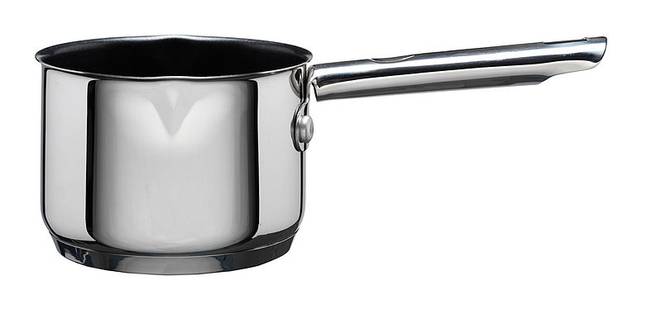
Today, a group of leading scientists are expressing their concern over the spread of a class of chemicals called poly- and perfluoroalkyl substances (PFASs), which are commonly found in non-stick cookware and food packaging. The group has published their opinion in Environmental Health Perspectives, and the document—referred to as the Madrid Statement—carries over 200 scientists’ signatures.
These man-made chemicals have been found throughout the environment, as well as in the tissues of humans and animals all around the world. The substances can be transferred from cookware and packaging (think coated paper plates and take-out containers) into our food. They can also migrate out of household products into the air, water and soil.
The Madrid Statement calls on governments around the world to restrict the production and use of these chemicals, while also recommending that consumers avoid them.
Chemical manufactures are pushing back. The FluoroCouncil, an industry group that represents fluorotechnology companies, insists that some of the chemicals are safe. The group issued a rebuttal to the Madrid Statement, saying “fluorotechnology is essential technology for many aspects of modern life” and pointing to efforts to phase out some of the most harmful fluorinated chemicals.
Yet, the phase-out isn’t as satisfactory a solution as one might hope. Elizabeth Grossman, reporting for Civil Eats points out:
“There’s also a lack of good substitutes for these chemicals as they’re currently used. As has happened with flame retardants and bisphenol A (BPA), it turns out that highly fluorinated chemicals that have been identified as hazardous have been replaced with others that are similarly problematic. And when it comes to cookware and food packaging, there are no labeling requirements for these coatings. That is something the Madrid Statement calls for, however.”
Read more @ TreeHugger
0 Comments
Leave A Comment