
By James Cave, Source: Huffington Post
Every single living thing on Earth is connected to the ocean. Even you, World’s Driest Place, The Atacama Desert! And every year for World Oceans Day, on June 8, we get to profess our love for the 332.5 million cubic miles of our planet that’s made of water. Unfortunately, we’re all guilty of hurting the ocean, if just a little bit, in ways that might be surprising. Here are eight of them, followed by tips to help us right our wrongful ways.
1. Driving

Each time you drive, your car’s carbon emissions spread into the atmosphere and the oceans absorb a quarter of the world’s carbon dioxide emissions annually. Here’s another way of putting it: As atmospheric carbon dioxide rises, so it does in the ocean. This is bad, because lower pH levels make it hard for shelled organisms, such as clams, oysters, corals and some plankton, to live. When these backbones of the ocean die, the repercussions carry throughout the whole ecosystem (if coral reefs are unable to recover from, say, pounding storms, it would affect the million-or-so species that depend on them). Add that to present estimates of future carbon dioxide levels indicating the ocean could be nearly 150 percent more acidic by the 2100s.
What you should do about it: Change your commute by biking or carpooling — or take inspiration from some of the most adventurous commuters ever.
2. Buying seafood obliviously
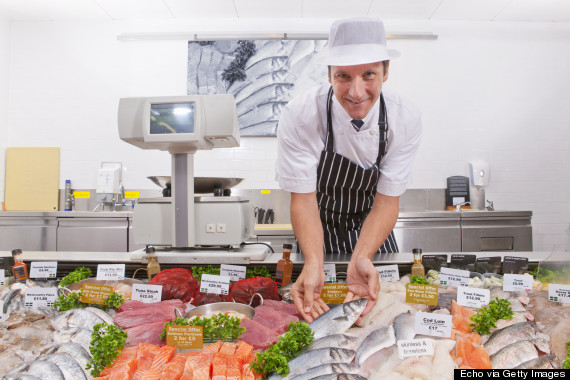
Turns out there aren’t as many fish in the sea as the broken-hearted might hope. Overfishing, largely due to unsustainable practices by commercial fishing, combined with the collapse of reef systems, could lead to the demise of all the world’s fisheries by 2048. And buying fish from places without regard for their sources lends to this trend — especially if you eat shrimp (most of which is trawl-caught, meaning that up to 15 pounds of unintended wildlife are caught for every one pound of shrimp).
What you should do about it: Use the National Geographic seafood selector, or these pocket guides from Seafood Watch that tell you which fish are more sustainable to eat, and purchase the safe fish from your farmers market. Ask your local store’s fishmonger about its fishing practices. You can also use the Marine Stewardship Council’s database of sustainable places to dine or buy your fish.
3. Growing flowers

Even something as delightful as your rose garden can be bad for the ocean. According to the U.S. Centers for Disease Control, 75 million pounds of synthetic chemicals such as fertilizers and pesticides are put on our crops and gardens every year. The extra nutrients run off into creeks, streams, rivers, lakes, and the ocean. Algae dies and decomposes, sucking the oxygen out of the water and creating “dead zones.” Fish also ingest the chemicals, which make them sick. We eat those fish, and we get sick. It’s nature’s irony.
What you should do about it: Keep your garden as organic as possible.
4. Ordering take-out

See the rest at: Huffington Post
371 Comments
A reading collection about the mechanics of digital transfers and the details that matter when interpreting transaction information.
Follow digital asset discussions with a habit of checking sources and distinguishing confirmed information from speculation.
Learning how Bitcoin transactions are represented can make block explorers and wallet activity screens less confusing.
Understanding the broader Bitcoin ecosystem means examining both network concepts and the services people encounter around them.
An independent reading collection about wallet fundamentals, including the differences between addresses, keys and recovery information.
We're a group of volunteers and opening a new scheme in our community. Your web site provided us with valuable info to work on. You have done an impressive job and our entire community will be grateful to you.
Hey there! Quick question that's totally off topic. Do you know how to make your site mobile friendly? My web site looks weird when browsing from my iphone4. I'm trying to find a theme or plugin that might be able to resolve this problem. If you have any recommendations, please share. Cheers!
whoah this blog is fantastic i love studying your posts. Stay up the great work! You understand, many individuals are searching round for this info, you can aid them greatly.
We would also like to say that most individuals who find themselves with no health insurance are usually students, self-employed and people who are not working. More than half in the uninsured are really under the age of Thirty-five. They do not come to feel they are needing health insurance since they are young and healthy. Their income is frequently spent on real estate, food, along with entertainment. Some people that do go to work either full or not professional are not made available insurance by means of their work so they get along without because of the rising price of health insurance in the states. Thanks for the strategies you discuss through your blog.
Very good post.Much thanks again. Cool.
I do not even know how I ended up here, but I thought this post was good. I don't know who you are but definitely you're going to a famous blogger if you aren't already ;) Cheers!
I was more than happy to find this net-site.I needed to thanks to your time for this glorious read!! I definitely having fun with each little bit of it and I've you bookmarked to take a look at new stuff you weblog post.
What Is Poppo Live: https://www.poppotopup.com/
Easy to Buy Coins: https://www.popporecharge.com/
I am so grateful for your article.Really thank you!
Thanks so much for the article.
A round of applause for your article. Awesome.
Really enjoyed this blog article.Thanks Again. Fantastic.
I?ve read a few good stuff here. Certainly worth bookmarking for revisiting. I wonder how much effort you put to make such a magnificent informative site.
Wow, incredible blog structure! How lengthy have you ever been blogging for? you make running a blog glance easy. The entire glance of your site is great, let alone the content material!
One other thing is that an online business administration training course is designed for learners to be able to well proceed to bachelors degree courses. The 90 credit certification meets the other bachelor diploma requirements then when you earn your own associate of arts in BA online, you may have access to the latest technologies within this field. Some reasons why students are able to get their associate degree in business is because they're interested in the field and want to find the general training necessary previous to jumping to a bachelor diploma program. Thanks for the tips you provide as part of your blog.
Thanks for the article post. Great.
I also believe that mesothelioma cancer is a extraordinary form of many forms of cancer that is commonly found in those previously subjected to asbestos. Cancerous cells form from the mesothelium, which is a safety lining that covers the majority of the body's bodily organs. These cells generally form within the lining from the lungs, belly, or the sac which encircles one's heart. Thanks for expressing your ideas.
I appreciate you sharing this article post.Really looking forward to read more. Really Cool.
I never thought about it that way, but it makes sense!Static ISP Proxies perfectly combine the best features of datacenter proxies and residential proxies, with 99.9% uptime.
After research a number of of the weblog posts on your web site now, and I truly like your approach of blogging. I bookmarked it to my bookmark website list and can be checking again soon. Pls take a look at my site as well and let me know what you think.
One more thing. It's my opinion that there are several travel insurance web sites of reliable companies than enable you to enter your holiday details and obtain you the rates. You can also purchase your international holiday insurance policy on the net by using your credit card. Everything you need to do should be to enter all travel information and you can see the plans side-by-side. Simply find the package that suits your financial budget and needs and use your credit card to buy the idea. Travel insurance on the web is a good way to take a look for a reputable company for international holiday insurance. Thanks for giving your ideas.
Im obliged for the blog.Thanks Again. Fantastic.
Neat blog! Is your theme custom made or did you download it from somewhere? A design like yours with a few simple tweeks would really make my blog stand out. Please let me know where you got your theme. Kudos
Thanks for making me to get new ideas about personal computers. I also have belief that certain of the best ways to maintain your notebook computer in perfect condition has been a hard plastic material case, or shell, that suits over the top of your computer. These kinds of protective gear tend to be model distinct since they are made to fit perfectly within the natural casing. You can buy all of them directly from the owner, or via third party places if they are available for your laptop computer, however not all laptop may have a covering on the market. Yet again, thanks for your recommendations.
Enjoyed every bit of your blog article.Really looking forward to read more. Really Great.
Hey, you used to write great, but the last several posts have been kinda boring? I miss your super writings. Past few posts are just a little bit out of track! come on!
I have figured out some new things from your internet site about desktops. Another thing I have always believed is that laptop computers have become a product that each family must have for many people reasons. They provide convenient ways in which to organize the home, pay bills, shop, study, listen to music and in many cases watch shows. An innovative method to complete these tasks has been a laptop. These personal computers are mobile, small, highly effective and mobile.
I think this is a real great blog post.Much thanks again. Really Cool.
Im obliged for the blog.Really looking forward to read more. Awesome.
I loved your post.Much thanks again. Keep writing.
Hey! I just wanted to ask if you ever have any problems with hackers? My last blog (wordpress) was hacked and I ended up losing months of hard work due to no back up. Do you have any methods to protect against hackers?
Great post.Thanks Again. Really Cool.
Fantastic goods from you, man. I have have in mind your stuff prior to and you are just extremely fantastic. I actually like what you have got right here, really like what you are saying and the best way during which you say it. You're making it entertaining and you still take care of to keep it wise. I can't wait to learn far more from you. This is actually a tremendous site.
Thanks again for the post.Much thanks again. Want more.
Greetings! I know this is somewhat off topic but I was wondering which blog platform are you using for this site? I'm getting fed up of Wordpress because I've had problems with hackers and I'm looking at alternatives for another platform. I would be great if you could point me in the direction of a good platform.
I am so grateful for your blog post. Really Great.
I never thought about it that way, but it makes sense!
I am so grateful for your blog post.Much thanks again. Want more.
If you're a property owner looking to borrow money, a secured loan could be a sensible option. Access better rates by using your home as collateral.
If you're a homeowner looking to borrow money, a secured loan could be a sensible option. Access better rates by using your home as security.
Equity release solutions may provide the financial freedom you’ve been looking for. Learn how to use the equity tied up in your home without having to move.
Unlock the equity in your property with a reliable home equity loan — suitable for covering home improvements, large expenses, or debt consolidation.
Equity release solutions may provide the financial support you’ve been looking for. Learn how to use the equity tied up in your home without having to move.
Uncertain whether a secured loan is right for you? Understand the benefits, such as more favourable terms and larger borrowing amounts.
I think other website proprietors should take this website as an model, very clean and magnificent user friendly style and design, as well as the content. You are an expert in this topic!
If you're a homeowner looking to borrow money, a secured loan could be a wise option. Access better rates by using your home as collateral.
Equity release solutions may provide the financial freedom you’ve been needing. Learn how to use the equity tied up in your home without having to downsize.
After study a few of the weblog posts on your web site now, and I truly like your approach of blogging. I bookmarked it to my bookmark website checklist and can be checking again soon. Pls take a look at my site as nicely and let me know what you think.
I never thought about it that way, but it makes sense!,Docker代理是什么?
After I initially commented I clicked the -Notify me when new feedback are added- checkbox and now each time a remark is added I get four emails with the same comment. Is there any method you may take away me from that service? Thanks!
I never thought about it that way, but it makes sense!Download PY Proxy Manager to easily generate and use S5 proxies or rotating residential proxies on your Windows device.
I think this is a real great post.Really looking forward to read more. Keep writing.
I appreciate you sharing this post.Really thank you! Cool.
Appreciate you sharing, great article post. Much obliged.
That is the right weblog for anybody who needs to search out out about this topic. You realize so much its virtually onerous to argue with you (not that I actually would need?HaHa). You undoubtedly put a new spin on a subject thats been written about for years. Great stuff, simply great!
I am curious to find out what blog platform you have been utilizing? I'm experiencing some minor security issues with my latest site and I'd like to find something more risk-free. Do you have any solutions?
I never thought about it that way, but it makes sense!Static ISP Proxies perfectly combine the best features of datacenter proxies and residential proxies, with 99.9% uptime.
Thanks for sharing, this is a fantastic blog.Much thanks again. Cool.
Howdy just wanted to give you a brief heads up and let you know a few of the pictures aren't loading properly. I'm not sure why but I think its a linking issue. I've tried it in two different web browsers and both show the same outcome.
I really enjoy the article post.Much thanks again.
Thanks so much for the blog post.Really looking forward to read more. Great.
I appreciate you sharing this blog.Much thanks again. Want more.
I cannot thank you enough for the article post.Thanks Again. Will read on...
I never thought about it that way, but it makes sense!Static ISP Proxies perfectly combine the best features of datacenter proxies and residential proxies, with 99.9% uptime.
Currently it sounds like Movable Type is the top blogging platform available right now. (from what I've read) Is that what you're using on your blog?
Hi there! I know this is somewhat off topic but I was wondering which blog platform are you using for this website? I'm getting sick and tired of Wordpress because I've had problems with hackers and I'm looking at alternatives for another platform. I would be great if you could point me in the direction of a good platform.
There is noticeably a bundle to learn about this. I assume you made sure nice factors in options also.
Spot on with this write-up, I actually think this web site wants far more consideration. I?ll probably be again to read way more, thanks for that info.
Very good post.Much thanks again. Great.
Thanks so much for the article post.Really looking forward to read more. Really Cool.
You must take part in a contest for among the finest blogs on the web. I'll suggest this website!
I was suggested this blog by means of my cousin. I'm no longer positive whether this submit is written by way of him as nobody else recognize such certain approximately my trouble. You're amazing! Thanks!
Very informative post.Thanks Again. Keep writing.
Major thanks for the article post.Really looking forward to read more. Really Great.
I really like and appreciate your article.Thanks Again. Cool.
I have read a few just right stuff here. Certainly worth bookmarking for revisiting. I surprise how a lot effort you place to create this kind of wonderful informative web site.
Really informative article post. Great.
I really like and appreciate your blog article.Really thank you! Great.
I value the article post.Really looking forward to read more. Really Great.
Im thankful for the article. Great.
Great, thanks for sharing this blog article.Really looking forward to read more. Keep writing.
I really believe that a foreclosure can have a major effect on the client's life. House foreclosures can have a Seven to few years negative effects on a debtor's credit report. Any borrower having applied for a home loan or just about any loans for example, knows that a worse credit rating is definitely, the more difficult it is to acquire a decent personal loan. In addition, it may affect a borrower's power to find a good place to lease or hire, if that gets the alternative property solution. Thanks for your blog post.
Thanks again for the blog.Really thank you! Really Cool.
Thank you for your blog post.Really thank you! Keep writing.
Great, thanks for sharing this blog article.Really looking forward to read more. Fantastic.
Im thankful for the blog post.Much thanks again. Cool.
Hey, thanks for the post.Thanks Again. Really Great.
In this grand scheme of things you receive a B+ with regard to effort. Where exactly you actually confused everybody was first in your details. You know, it is said, details make or break the argument.. And it could not be more true here. Having said that, allow me reveal to you what exactly did deliver the results. Your text can be very convincing and this is most likely why I am making the effort to comment. I do not make it a regular habit of doing that. Second, whilst I can certainly see the leaps in logic you make, I am not sure of how you seem to unite the points which help to make the conclusion. For the moment I will, no doubt yield to your position but hope in the future you link the facts better.
Really informative article post.Really thank you! Fantastic.
Excellent goods from you, man. I've understand your stuff previous to and you are just extremely wonderful. I actually like what you have acquired here, really like what you are stating and the way in which you say it. You make it entertaining and you still take care of to keep it sensible. I can't wait to read much more from you. This is really a great site.
Hello, I think your blog might be having browser compatibility issues. When I look at your blog site in Safari, it looks fine but when opening in Internet Explorer, it has some overlapping. I just wanted to give you a quick heads up! Other then that, superb blog!
Appreciate you sharing, great blog post.Much thanks again. Want more.
It?s laborious to seek out knowledgeable folks on this subject, however you sound like you realize what you?re talking about! Thanks
I'm in awe of the author's capability to make complicated concepts accessible to readers of all backgrounds. This article is a testament to her expertise and passion to providing helpful insights. Thank you, author, for creating such an compelling and enlightening piece. It has been an unforgettable experience to read!
Nice post. I was checking continuously this blog and I am impressed! Very helpful info specially the remaining section :) I care for such information a lot. I used to be looking for this particular info for a very long time. Thanks and best of luck.
Major thankies for the article.Really thank you! Really Great.
Wow, amazing blog layout! How long have you been blogging for? you made blogging look easy. The overall look of your site is magnificent, as well as the content!
I was suggested this web site by my cousin. I am not sure whether this post is written by him as no one else know such detailed about my difficulty. You are wonderful! Thanks!
It?s exhausting to seek out educated individuals on this subject, but you sound like you realize what you?re talking about! Thanks
Whats up are using Wordpress for your blog platform? I'm new to the blog world but I'm trying to get started and set up my own. Do you require any coding expertise to make your own blog? Any help would be greatly appreciated!
Thanks-a-mundo for the article post. Cool.
I really liked your blog post.Thanks Again. Great.
Thanks for the blog article.Thanks Again.
Hello! I've been reading your weblog for some time now and finally got the courage to go ahead and give you a shout out from Atascocita Tx! Just wanted to mention keep up the great job!
I have realized that of all sorts of insurance, health insurance coverage is the most questionable because of the discord between the insurance company's obligation to remain making money and the buyer's need to have insurance cover. Insurance companies' revenue on health and fitness plans have become low, as a result some businesses struggle to profit. Thanks for the tips you talk about through this website.
I like what you guys are up also. Such intelligent work and reporting! Keep up the superb works guys I have incorporated you guys to my blogroll. I think it will improve the value of my web site :)
Hello, i believe that i saw you visited my web site so i came to ?go back the favor?.I'm attempting to in finding things to enhance my site!I suppose its ok to use a few of your ideas!!
wow, awesome article post. Great.
Im obliged for the blog post.Much thanks again. Awesome.
Fantastic blog article.Really looking forward to read more. Much obliged.
Im thankful for the post.Really looking forward to read more. Great.
Say, you got a nice blog.Thanks Again. Fantastic.
Thanks-a-mundo for the blog article.Really thank you! Much obliged.
I loved your article post.Really looking forward to read more.
I truly appreciate this article post.Really looking forward to read more. Want more.
Normally I don't read post on blogs, however I wish to say that this write-up very pressured me to take a look at and do so! Your writing style has been surprised me. Thanks, very nice post.
I am so grateful for your article post. Cool.
Muchos Gracias for your blog article.Thanks Again. Cool.
Im grateful for the blog. Will read on...
Thanks so much for the blog.Much thanks again. Great.
A big thank you for your blog post.Much thanks again. Really Cool.
Looking forward to reading more. Great article. Really Cool.
Looking forward to reading more. Great article. Fantastic.
I really enjoy the article post.Thanks Again. Much obliged.
Thank you for your blog.Really looking forward to read more. Really Great.
Thank you for your blog post.Really looking forward to read more. Will read on...
Thanks for sharing, this is a fantastic article post. Keep writing.
I appreciate you sharing this article post.Much thanks again. Will read on...
Very good blog post.Thanks Again. Much obliged.
Very informative blog post.Much thanks again. Fantastic.
Thank you ever so for you blog post.Much thanks again. Fantastic.
A round of applause for your article.Really looking forward to read more. Fantastic.
Thanks again for the article post.Really thank you! Fantastic.
I truly appreciate this post.Really looking forward to read more. Great.
This is one awesome blog post.Really looking forward to read more. Cool.
Your house is valueble for me. Thanks!?
Very neat post.Really thank you! Much obliged.
A big thank you for your article post. Great.
Im grateful for the blog.Really looking forward to read more. Cool.
I appreciate you sharing this blog post. Really Great.
Very informative article.Really looking forward to read more. Keep writing.
Muchos Gracias for your article.Thanks Again. Much obliged.
Say, you got a nice blog article.Really thank you! Great.
Really enjoyed this blog article. Great.
Im grateful for the blog article.Much thanks again. Really Cool.
Im grateful for the post.Really thank you! Will read on...
Hey, thanks for the blog article. Much obliged.
Thanks a lot for the blog article.Much thanks again. Awesome.
Great, thanks for sharing this blog post.Much thanks again. Keep writing.
I really enjoy the blog.Thanks Again. Really Great.
I really liked your post.Really looking forward to read more.
I think this is a real great article.Really looking forward to read more. Really Cool.
I think this is a real great blog article.Really looking forward to read more. Will read on...
Great post.Really looking forward to read more. Keep writing.
Thanks-a-mundo for the blog article.Really thank you! Will read on...
I think this is a real great article.Thanks Again. Keep writing.
Fantastic article post.Much thanks again. Fantastic.
I value the blog. Much obliged.
I really enjoy the post.Really thank you! Really Great.
A round of applause for your article post.Really looking forward to read more. Cool.
Enjoyed every bit of your blog post.Much thanks again. Cool.
Thanks a lot for the article post.Much thanks again. Want more.
Fantastic article post. Cool.
I really liked your post.Thanks Again. Much obliged.
Wow, great blog post.Much thanks again. Really Great.
I truly appreciate this post.Really looking forward to read more. Great.
Im thankful for the blog.Really looking forward to read more. Keep writing.
Thank you ever so for you article post.Much thanks again. Really Great.
Say, you got a nice blog post.Really looking forward to read more. Keep writing.
A big thank you for your blog.Really looking forward to read more. Great.
I value the post.Really thank you! Want more.
I loved your blog.Thanks Again. Cool.
Looking forward to reading more. Great blog.Much thanks again. Really Cool.
Great article post.Really looking forward to read more. Keep writing.
Very neat blog.Really looking forward to read more. Really Cool.
Fantastic blog post.Much thanks again. Really Cool.
Thank you ever so for you blog.Thanks Again.
wow, awesome blog article.Much thanks again. Really Cool.
I am so grateful for your article.Really looking forward to read more. Cool.
I truly appreciate this blog article. Really Cool.
Really informative article.Really looking forward to read more. Awesome.
A big thank you for your blog post.Really thank you! Will read on...
Great blog article.Really thank you! Fantastic.
Im grateful for the post. Great.
I really like and appreciate your blog post.Really looking forward to read more. Really Cool.
Really informative blog.Really thank you! Awesome.
Wow, great post.Really thank you! Keep writing.
I value the blog post.Thanks Again. Much obliged.
I cannot thank you enough for the post.Much thanks again. Awesome.
I truly appreciate this article.Really looking forward to read more. Keep writing.
I truly appreciate this article post. Will read on...
Very informative article.Really thank you! Really Cool.
I really like and appreciate your blog post. Fantastic.
Really enjoyed this article post.Really thank you! Really Great.
Muchos Gracias for your article.Thanks Again. Will read on...
Really enjoyed this post.Really looking forward to read more. Really Great.
Very good post.Really looking forward to read more.
Very informative post.Much thanks again. Great.
This is one awesome article. Fantastic.
I appreciate you sharing this article post.Really thank you! Cool.
Really informative article post.Really looking forward to read more. Fantastic.
I cannot thank you enough for the blog.Really thank you! Great.
Hey, thanks for the article post.Thanks Again. Really Cool.
A round of applause for your article post.Really thank you! Really Cool.
Very neat post.Much thanks again. Will read on...
Im grateful for the article.Thanks Again. Awesome.
Thank you ever so for you blog article.Really thank you! Really Great.
I cannot thank you enough for the post.Much thanks again. Really Cool.
Thanks again for the article post.Really looking forward to read more. Really Great.
Hey, thanks for the article post.Really thank you! Want more.
I really enjoy the blog article.Really looking forward to read more. Want more.
Really appreciate you sharing this blog post.Thanks Again. Great.
Very informative post.Much thanks again. Really Great.
I cannot thank you enough for the article.Thanks Again.
I cannot thank you enough for the post.Thanks Again. Really Great.
wow, awesome blog article.Really looking forward to read more. Really Great.
Really enjoyed this article post.Really thank you! Much obliged.
Very good article post.Really thank you! Keep writing.
I think this is a real great blog.Much thanks again. Fantastic.
I think this is a real great article.Thanks Again. Fantastic.
Wow, great blog.Thanks Again. Awesome.
Thank you ever so for you article.Really looking forward to read more. Much obliged.
A round of applause for your blog post.Much thanks again. Great.
Very neat article post. Keep writing.
Great blog.Really looking forward to read more. Really Great.
Thank you ever so for you blog post.Thanks Again. Fantastic.
Really appreciate you sharing this blog article.Really thank you! Keep writing.
wow, awesome blog.Much thanks again. Cool.
I cannot thank you enough for the article.Thanks Again. Fantastic.
A big thank you for your post.Really looking forward to read more. Great.
Great, thanks for sharing this post.Much thanks again.
Very neat article.Much thanks again. Much obliged.
I think this is a real great blog article.Really looking forward to read more. Keep writing.
Awesome post.Really looking forward to read more. Cool.
Thanks for sharing, this is a fantastic post.Thanks Again. Awesome.
A round of applause for your article post.Really thank you! Want more.
Thanks a lot for the blog article.Much thanks again.
Major thankies for the post.Thanks Again. Fantastic.
Thanks so much for the blog post.Much thanks again. Much obliged.
Thanks for the article post.Really looking forward to read more. Really Cool.
Fantastic post.Really looking forward to read more.
A big thank you for your blog article.Really looking forward to read more. Much obliged.
Thank you ever so for you article post.Really thank you! Cool.
Thank you ever so for you blog article.Really looking forward to read more. Cool.
Im thankful for the blog article.Really thank you! Great.
Very good blog post.Really looking forward to read more. Awesome.
I appreciate you sharing this blog article.Thanks Again. Really Cool.
I cannot thank you enough for the article. Want more.
I think this is a real great article.Really looking forward to read more. Awesome.
Im obliged for the blog post.Much thanks again. Will read on...
Muchos Gracias for your blog post.Really thank you! Great.
Thanks for sharing, this is a fantastic post.Really thank you! Cool.
I value the post.Really thank you! Fantastic.
Say, you got a nice blog post.Thanks Again.
Thanks for the blog.Thanks Again. Will read on...
Thanks again for the blog article.Much thanks again. Want more.
Really appreciate you sharing this blog post.Thanks Again. Much obliged.
Thanks for sharing, this is a fantastic post.Really looking forward to read more.
I loved your article.Thanks Again. Want more.
Hey, thanks for the article post.Much thanks again. Fantastic.
I truly appreciate this blog.Thanks Again. Much obliged.
Really enjoyed this blog post. Keep writing.
Thanks again for the article post.Much thanks again. Fantastic.
I truly appreciate this article.Much thanks again. Great.
Thanks for sharing, this is a fantastic article post.Thanks Again. Great.
Very informative post.Much thanks again. Cool.
I really liked your article post.Much thanks again. Really Cool.
Say, you got a nice post. Want more.
Thanks for the blog article.Thanks Again. Cool.
I really like and appreciate your blog article.Really thank you! Cool.
I truly appreciate this article.Thanks Again. Really Great.
I cannot thank you enough for the article post. Awesome.
I really liked your article.Really thank you!
Muchos Gracias for your blog.Thanks Again.
Thanks for the article post.Really thank you! Fantastic.
Say, you got a nice post.Much thanks again. Will read on...
Muchos Gracias for your blog post.Much thanks again. Fantastic.
Looking forward to reading more. Great blog post.Much thanks again. Want more.
I cannot thank you enough for the blog article.Really thank you! Awesome.
I think this is a real great article post.Thanks Again. Keep writing.
This is one awesome post.Really looking forward to read more. Much obliged.
I value the article post.Much thanks again. Much obliged.
Great, thanks for sharing this post.Much thanks again. Awesome.
Very neat blog article.Thanks Again. Fantastic.
Thank you ever so for you article post.Thanks Again. Great.
Muchos Gracias for your blog.Really looking forward to read more. Will read on...
Looking forward to reading more. Great blog article.Thanks Again.
This is one awesome blog post. Want more.
I cannot thank you enough for the blog article. Really Cool.
Very neat article post.Really looking forward to read more. Cool.
Appreciate you sharing, great article post.Much thanks again. Keep writing.
Major thanks for the blog.Much thanks again.
Thanks a lot for the article post.Really looking forward to read more. Fantastic.
Really appreciate you sharing this blog post.Much thanks again. Great.
Very neat blog post.Really thank you! Cool.
Hey, thanks for the blog article.Really thank you! Cool.
Im thankful for the post.Really thank you! Really Cool.
Really enjoyed this blog. Great.
Really appreciate you sharing this post.Really looking forward to read more. Much obliged.
wow, awesome blog.Thanks Again.
Im grateful for the blog.Much thanks again. Awesome.
Appreciate you sharing, great article.Thanks Again. Fantastic.
Looking forward to reading more. Great blog article.Thanks Again. Cool.
I am so grateful for your post.Thanks Again. Great.
Say, you got a nice article post.Really thank you! Great.
Very informative post.Much thanks again. Want more.
Looking forward to reading more. Great post. Keep writing.
Awesome blog post.Really thank you! Awesome.
Im grateful for the article.Really looking forward to read more. Great.
Thanks so much for the blog.Thanks Again. Want more.
Enjoyed every bit of your article.Much thanks again. Cool.
Thanks a lot for the blog.
Thanks-a-mundo for the article. Much obliged.
I am so grateful for your blog article.Really looking forward to read more. Keep writing.
Really enjoyed this blog post.Really looking forward to read more. Cool.
Thanks for the blog post.Much thanks again. Want more.
Thanks so much for the blog article.Really thank you! Cool.
A big thank you for your article post.Thanks Again. Keep writing.
Great article post.Thanks Again. Fantastic.
Thanks for sharing, this is a fantastic post.Thanks Again. Fantastic.
I cannot thank you enough for the blog article.Much thanks again. Cool.
This is one awesome blog article.Really thank you! Want more.
Im thankful for the article post. Keep writing.
I loved your blog post.Much thanks again. Much obliged.
Im grateful for the blog article.
I appreciate you sharing this blog.Really thank you! Much obliged.
I loved your article post. Great.
Looking forward to reading more. Great article post.Thanks Again. Will read on...
Muchos Gracias for your article.Really thank you! Will read on...
Very good article.Really looking forward to read more. Want more.
Major thanks for the blog.Really looking forward to read more. Will read on...
Thanks for sharing, this is a fantastic article post. Really Cool.
Thanks for the post.Much thanks again. Keep writing.
Really informative blog post.Really looking forward to read more. Will read on...
A big thank you for your blog post.Really looking forward to read more.
Really enjoyed this article post.Really thank you! Will read on...
Thanks for sharing, this is a fantastic post.Thanks Again. Great.
I truly appreciate this blog.Really looking forward to read more. Keep writing.
Thanks a lot for the article post.
Great article.Really thank you! Much obliged.
Wow, great blog article.Really looking forward to read more.
Thanks so much for the article post.Really thank you! Great.
Im thankful for the blog post.Much thanks again. Keep writing.
Awesome post.Thanks Again. Cool.
Thanks again for the blog.Much thanks again.
Thanks for sharing, this is a fantastic post.Really looking forward to read more. Really Cool.
Say, you got a nice blog article.Really looking forward to read more. Really Cool.
Great, thanks for sharing this post.Really looking forward to read more. Want more.
Fantastic article.Much thanks again. Cool.
I think this is a real great blog post.Really thank you! Really Cool.
Wow, great article.Really thank you! Fantastic.
I am so grateful for your article. Great.
Appreciate you sharing, great blog.Really thank you! Really Great.
wow, awesome blog article.Really thank you! Awesome.
Muchos Gracias for your article post.Thanks Again. Cool.
I am so grateful for your article post. Really Great.
I appreciate you sharing this post.Thanks Again. Want more.
This is one awesome article post.Really looking forward to read more. Awesome.
Awesome blog.Thanks Again. Fantastic.
Enjoyed every bit of your post. Awesome.
Looking forward to reading more. Great blog article.Really looking forward to read more. Cool.
I really like and appreciate your post.Really thank you! Cool.
This is one awesome article.Thanks Again. Cool.
I really liked your article.Thanks Again. Great.
Great, thanks for sharing this blog.Really thank you! Awesome.
Leave A Comment