
By Michaeleen Doucleff / Source: NPR
This time last year, a painful new virus was knocking on our doorstep. Travelers were bringing chikungunya to the U.S. And eventually, the mosquito-borne virus set up shop in Florida.
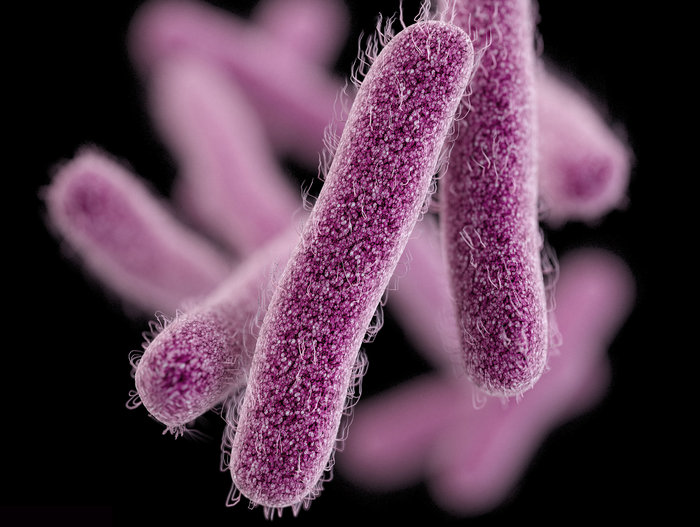
Now the Centers for Disease Control and Prevention says another nasty pathogen is hitching a ride to the U.S. with travelers: multidrug-resistant Shigella.
Shigella is just about as bad as the word sounds. The bacteria infect your intestines and trigger crampy rectal pain, bloody or mucus-laced diarrhea and vomiting.
Multidrug-resistant Shigella has caused several outbreaks over the past year in the U.S., the CDC reports Thursday in the journal Morbidity and Mortality Weekly Report. At least 243 people have gotten sick and about 20 percent were hospitalized.
Those numbers may not sound like much — especially when you consider a half-million Americans get regular shigellosis each year.
So what’s the big deal? Well, this strain of Shigella is resistant to the go-to drug for the bacteria: ciprofloxacin.
“If rates of resistance become this high, in more places, we’ll have very few options left for treating Shigella with antibiotics by mouth,” says epidemiologist Anna Bowen, who led the study. Then doctors will have to resort to IV antibiotics.
Read more @ NPR
0 Comments
Leave A Comment