By Erica Westly / Source: ScientificAmerican
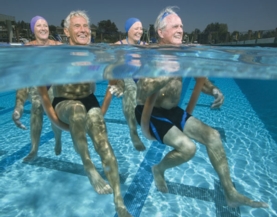
Social activity is well known to influence mental health, particularly as people age—but the details behind this phenomenon are unclear. Different types of social interactions may be more or less important, depending on the circumstances. One-on-one relationships, such as those between spouses, may yield specific emotional benefits. When it comes to slowing cognitive decline, however, group interactions have more power, according to a recent study published in Social Science & Medicine.
The study analyzed data from more than 3,400 adults aged 50 and older. Subjects who reported high engagement with social groups such as book clubs and community organizations performed better on tests measuring cognitive skills such as working memory. Individual relationships such as friendships, meanwhile, appeared to have no effect on cognitive ability. The mental boost from group activity was also more pronounced with age: group-connected subjects closer to age 50 had the cognitive capacities of someone about five years younger, whereas those near 80 years old were rejuvenated by about 10 years, putting them mentally closer to a 70-year-old.
Read more @ ScientificAmerican
0 Comments
Leave A Comment