By Bobby Magill / Source: ScientificAmerican
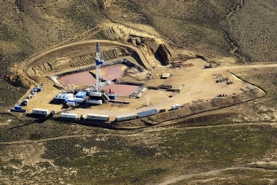
As the main driver of climate change, the connection between burning fossil fuels and global warming is clear. But evidence shows they may be connected in another way—the physical footprint of oil and gas development on the landscape may not only contribute to global warming, it may also affect an ecosystem’s ability to withstand it.
New research shows that an area larger than the land area of Maryland—more than 11,500 square miles—was completely stripped of trees, grasses and shrubs to make way for more than 50,000 new oil and gas wells that were developed each year between 2000 and 2012. Such broad industrialization may harm the ability of some regions to recover from drought and damage the ability of the land to store carbon dioxide from the atmosphere.
Most of the development studied was in the Great Plains and Rocky Mountains of the central U.S. and Canada, where drilling and fracking are creating “industrialized landscapes,” often in areas that are already drought stricken. That fast-spreading development is creating additional water stress while simultaneously damaging the ecosystem’s ability to absorb carbon dioxide and store or “fix” it in plants, according to the research—a study led by scientists at the University of Montana and published in the journal Science.
“When you think from a climate point of view, you’re not having carbon uptake across all this landscape for many decades when there’s very little plant cover,” study co-author Steve Running, a University of Montana professor who models ecosystem functions, said.
The plants and their carbon uptake help the landscape provide certain “ecosystem services,” including food production, biodiversity and wildlife habitat, all of which are severely degraded when the landscape is denuded by oil and gas development.
Read more @ ScientificAmerican
0 Comments
Leave A Comment