By Sara Lozanova, Source: Triple Pundit
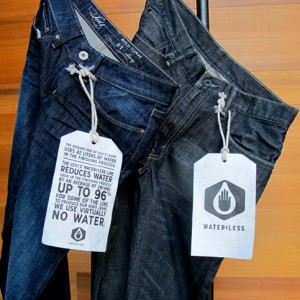
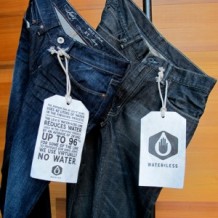
Wouldn’t it be helpful when shopping for clothes or footwear to know which products contain problematic materials, utilize renewable energy in manufacturing, or enrich their local communities? In theory, eco-labels can provide relevant environmental or social information about a given product to consumers to encourage an environmental goal or objective by shaping purchasing choices. At first glance, eco-labels seem like they could provide such useful information to shoppers, but opinions on their effectiveness have been mixed.
Confusion surrounding eco-labels
What is there not to love about eco-labels? “Eco-labels can shape consumer behavior, and they can also confuse consumers,” says Lewis Perkins, Senior VP of Development and Textiles for the Cradle to Cradle Products Innovation Institute in an interview with Triple Pundit. “Depending on who you ask, there are over 300 eco-labels! That’s a lot. There is a lack of consistency among eco-labels: There is not a consistent criteria, measurement, and usage of words. There is too much room for consumers to become confused. Without a lot of education, they will not know which eco-label is inherently good.”
Perkins has a vision beyond the current hodgepodge of eco-labels that shoppers encounter, so products can be compared on specific qualities. The Cradle to Cradle Certified Products Standard evaluates products and manufacturers on material health, material utilization, renewable energy and carbon management, water stewardship, and social fairness criteria.
Read the rest at: Triple Pundit
0 Comments
Leave A Comment