By Anthony Marcusa / Source: Ecorazzi
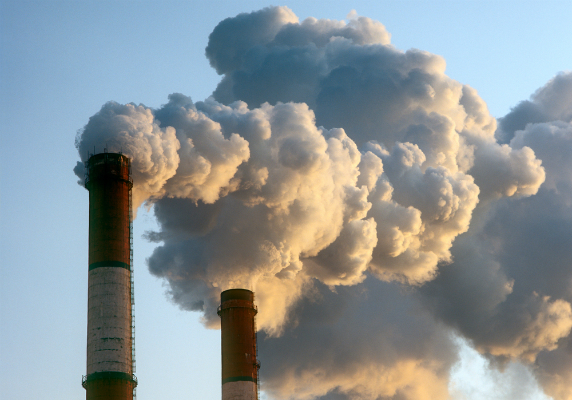
Planet Earth has set a terribly problematic precedent this spring, as the global concentration of greenhouse gas carbon dioxide broke a previously unsurpassed threshold.
In March 2015, the global monthly average of CO2 record 400.83 parts per million, making it the first month in modern records to break that barrier. That is according to figures released by the U.S. National Oceanic and Atmospheric Administration.
While that 400ppm threshold has been broken in local areas over the last couple years, it hasn’t reached the mark on a global scale.
“This marks the fact that humans burning fossil fuels have caused global carbon dioxide concentrations to rise more than 120ppm since pre-industrial times,” said Pieter Tans, lead scientist on the greenhouse gas network at NOAA. “Half of that rise has occurred since 1980.”
The sentiment that rising emissions are caused by humans has been echoed elsewhere.
“This event is a milestone on a road to unprecedented climate change for the human race,” Dr. Ed Hawkins, climate scientist at the University of Reading, told the Guardian. “The last time the Earth had this much carbon dioxide in the atmosphere was more than a million years ago, when modern humans hadn’t even evolved yet.”
The quantifiable mark should serve as an alarm, but it also represents a steady, yet-to-be curtailed increase in emissions. This news looks to be of note this coming December at the United Nations Climate Change Conference held in Paris, the goal of which is to reduce the global temperature by two degrees Celsius by 2050. The fear is that any actions will be too late.
“Our generation is the last one to have the chance to avert the biggest risks that come with climate change, and keep global warming under two degrees,” said Christoph Bals, political head of the ecological German NGO Germanwatch.
Read more @ Ecorazzi
0 Comments
Leave A Comment