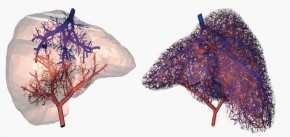
By Nicole Lee, Source: Engadget
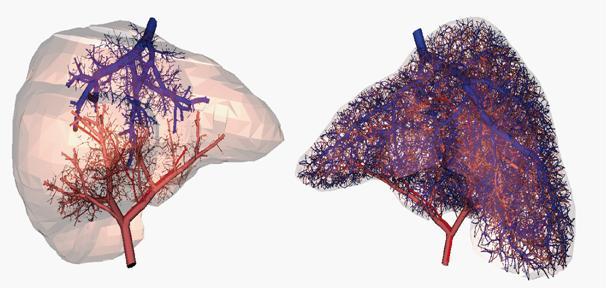
While 3D-printed organs sound like a great idea — imagine no longer waiting around for a transplant — a major hurdle for printing internal ones thus far have been creating intricate blood vessels and ventricles that are required for the organ to actually, you know, work. Now, a collaboration between scientists from the University of Sydney, Harvard, Stanford and MIT have discovered a way to do just that. The team used an advanced bioprinter to create tiny interconnected fibers, and then coated them in human endothelial cells and a protein-based material, which hardens under light. They then removed the fibers, and voilà — a network of capillaries was born.
Read the rest at: Engadget
0 Comments
Leave A Comment