By Michael Graham Richard / Source: TreeHugger

A few years ago, smart meters and the smart grid were hot ideas in the media. Even the president of the United States extolled their virtues in a 2009 speech, saying that they would help average people save energy and cut their utility bills. While the number of smart meters installed since them has mushroomed:
With 50 million US homes now having one, about 43% of the total number of households, the expected changes in behavior and energy savings haven’t quite yet blown anyone away. That’s probably in good part because having a smart meter on the side of your house and getting a slightly more detailed bill isn’t enough to make people change their habits.
The random person on the street probably only have a vague idea of what a kWh is, and most people seem to think that they don’t have too much impact on their energy consumption; you just get a bill periodically, pay it, and that’s the extent of your thinking about electricity.
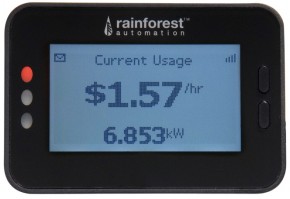
But it doesn’t have to be this way. Smart meters are a foundational block to get us to the next level, but they are not sufficient in themselves. What we need is a system that speaks a language that the average person can understand, and convey the information in such a way that energy isn’t just an afterthought.
Read more @ TreeHugger
0 Comments
Leave A Comment