
By Melissa Breyer / Source: TreeHugger
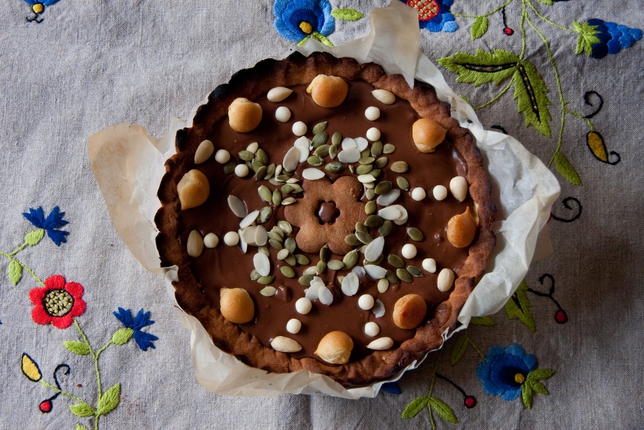
Never underestimate the power of a seed. Just think about the bitty little things: They may be just a speck, but within than speck are the nutrients that will power a seedling to sprout forth and enter the great big world. Seeds are super-packed with all the good plant things, like protein, vitamins and minerals, fiber and importantly, healthy unsaturated fats. And they taste good! So without further ado, the seeds – starting with those from everyone’s favorite Halloween squash.
1. Pumpkin seeds
The all-too-often orphaned byproduct of jack-o’-lantern season, pumpkin seeds are little marvels of nutrition. They are packed with protein, fiber, vitamin E, as well as a bunch of groovy phenolic acids. One cup of them provides almost all your daily needs for zinc, more than half your daily need for magnesium, and check this out: One cup provides 588 mg of potassium – compare that to a banana which has only 422 mg.
Eat them by the handful, toss them in salads and pasta, sprinkle them on soup and winter squash dishes, make mole. And you can candy them!
One ounce has 163 calories, 8.6 grams of protein and calories and 10 grams of healthy unsaturated fat.
Roasted pumpkin seeds
Separate the pumpkin seeds from the pulp.
Rinse the pumpkin seeds under cold water to remove any remaining pumpkin goop.
Toss the seeds in a bit of olive oil.
Sprinkle with salt.
Bake at 325F for 25 minutes, stirring every 10 minutes.
Cool, eat.
2. Poppy seeds
Poppy seeds generally star as the providers of crunch in and atop baked goods, but they bring more to the table than just color and texture. They offer measurable amounts of calcium, phosphorus, iron and zinc, along with niacin and folate.
Poppy seeds have a dark little secret, though; they come from the same place that gives us opium (poppies!) and the seeds contain a bit of morphine and codeine. While you would have to eat a lot of poppy seeds to feel the effects of these opiates, all it takes is one poppy seed bagel for said opiates to appear in urine drug tests. A word to the wise, there.
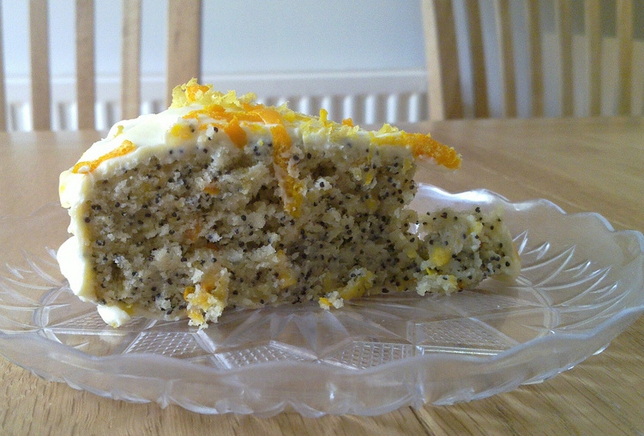
Use poppy seeds in baked goods – like poppy seed cake! – or strudel, bagels, muffins, rolls. Put them in lemony pancakes or waffles, toss them with pasta, use them in salad dressings. Go poppy happy! One tablespoon has 46 calories, 1.6 grams of protein and 3 grams of healthy unsaturated fat.
3. Sesame seeds
Sesame seeds are high in protein and are a good source of vitamin B1, copper, manganese, calcium, magnesium, phosphorous and iron. They also host two unique compounds: sesamin and sesamolin, which belong to the group of beneficial polyphenol antioxidants known as lignans. Of all the commonly consumed nuts and seeds in the western diet, sesame seeds contain the highest amount of phytosterols, which are compounds believed to reduce blood levels of cholesterol.
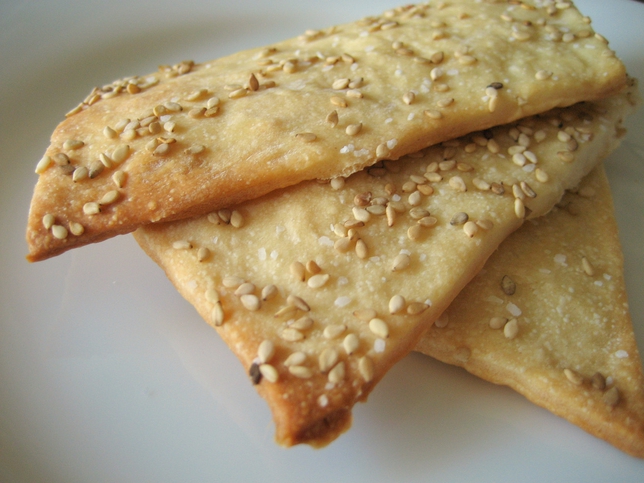
They have a unique earthy, nutty flavor and can be used in baked goods, salads, noodles, to encrust tofu, fish or chicken, etcetera. Pale sesame seeds have been hulled; black sesame seeds retain their hull and have a more pronounced flavor.
For maximum nutritional benefit, use sesame paste (tahini), which will boost the sesame intake even more. One tablespoon of sesame seeds has 53 calories, 1.6 grams of protein and 3.5 grams of healthy unsaturated fat.
Read more @ TreeHugger
1 Comment
Khám phá thế giới giải trí trực tuyến đỉnh cao tại MM88, nơi mang đến những trải nghiệm cá cược thể thao và casino sống động.
Leave A Comment