By Lea Stewart / Source: Ecouterre
In the spring of 2014, a dedicate lot of Londoners embarked on a mission to grow a garment. That meant starting from seeds, and using only hand labor techniques to turn a plant into fashion. One year later, they have made a gorgeous woven top entirely from urban farmed flax crop. This exemplary project brought together gardeners, weavers, fashion designers, neighbors, and even school children. When we first learned about the project, we had a lot of questions. You may also be thinking, “isn’t flax a weird plant to grow for textiles?” We dug in to find out more.
The project was born when Zoë Mill Burt from in Herne Hill and Kate Poland, of Cordwainers Community Garden in Hackney met through the London-based Slow Textiles Group.
Along with Poland’s co-founder Natalie Mady, these driven women aimed to prove that slow fashion is possible in an city by making a garment entirely from urban-farmed textile crops. They also wanted the project to be a way for community to connect to their environment and to each other.
“We were inspired by the idea of the threads that bind us together in the city,” Poland writes on her blog. “We wanted to show, through a piece of material, that individually we can come together to make something that we can’t do on our own.”
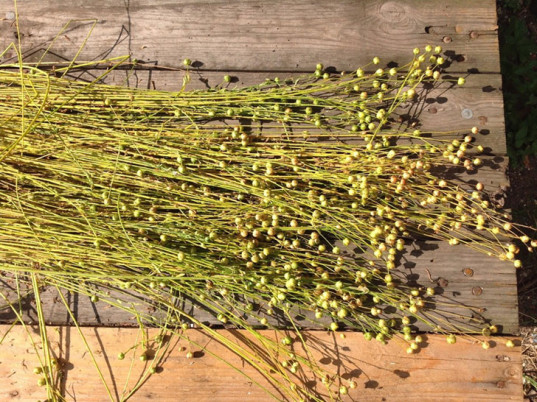
Flax is a fast growing plant, and it’ll thrive even in fair conditions. From seed planting, flax is ready to harvest in 90 days. It also grows in soil that is not very nutrient rich and light deprived. For the small vacant lots in London that the group uses to farm, flax was a perfect match.
Poland says that flax was actually the first textile crop grown by man, more than 10,000 years ago. Flax farming for textiles was at its peak three centuries ago, but waned as textile production industrialized.
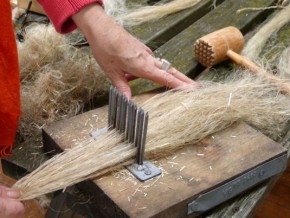
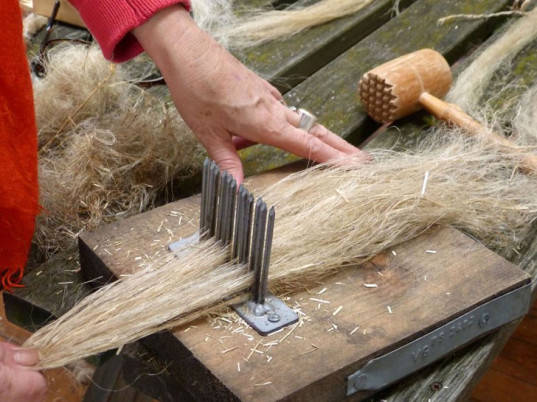
Much of the information of how the farmers from years past processes their flax has been lost, so part of the effort of this project was to piece together the history and revive the craft.
In Poland’s online diary, she mentions on several occasions the challenges that humans bring to urban farming.
Among them was the diminutive size of the plots, which were strewn throughout the neighborhood. Although the team tried their best to urge people with signs and netting, the crop was trampled and trash strewn on many occasions. They lost an entire crop to a careless dog walker whose pet romped and destroyed it. Weeds and weather also became challenges to the plants surviving. Luckily, flax is a hearty plant.
Read more @ Ecouterre
1.479 Comments
Best view i have ever seen !
Best view i have ever seen !
Offering unique content that is not found anywhere else within your niche is the right path towards finding success with your blog.
I was checking through the internet for some information since yesterday night and I finally found what i was looking for! This is a magnificent website by the way, although it seems to be a little difficult to see in my android phone.
I just want to tell you that I am just beginner to blogging and truly savored this blog. Likely I’m want to bookmark your site . You definitely have great posts. Thanks a lot for sharing with us your blog site.
The issue is something too few people are speaking intelligently about.
Hey there. I discovered your blog via Google while searching for a similar matter, your site got here up. It seems to be great. I have bookmarked it in my google bookmarks to visit then.
Hello there. I discovered your blog by the use of Google while looking for a comparable matter, your site came up. It appears good. I have bookmarked it in my google bookmarks to come back then.
This blog is really awesome and diverting. I have found many helpful stuff out of it. I ad love to return again soon. Cheers!
Awesome write-up. I’m a regular visitor of your blog and appreciate you taking the time to maintain the excellent site. I will be a frequent visitor for a really long time.
Hiya, I am really glad I have found this information. Today bloggers publish only about gossip and web stuff and this is really frustrating. A good website with exciting content, this is what I need. Thank you for making this website, and I'll be visiting again. Do you do newsletters by email?
Hey there. I discovered your blog by way of Google whilst looking for a related matter, your web site came up. It appears to be good. I've bookmarked it in my google bookmarks to come back then.
Thanks for great article. I read it with great pleasure. I look forward to the next post.
Hello there. I found your web site by the use of Google whilst searching for a related topic, your site got here up. It seems great. I have bookmarked it in my google bookmarks to come back then.
Thank you ever so for you post.Much thanks again. Keep writing.
Hiya, I'm really glad I've found this info. Nowadays bloggers publish only about gossip and net stuff and this is actually annoying. A good web site with exciting content, that's what I need. Thanks for making this website, and I will be visiting again. Do you do newsletters by email?
very nice post, i in fact really like this internet website, maintain on it
Hi there. I discovered your website by way of Google even as looking for a related matter, your website got here up. It appears good. I've bookmarked it in my google bookmarks to visit then.
Hi there. I discovered your web site by means of Google at the same time as searching for a related matter, your web site got here up. It appears good. I've bookmarked it in my google bookmarks to visit then.
Awesome post. I’m a regular visitor of your website and appreciate you taking the time to maintain the nice site. I will be a frequent visitor for a really long time.
Hello there. I discovered your website by the use of Google even as looking for a similar topic, your website got here up. It appears good. I have bookmarked it in my google bookmarks to come back then.
Hi there. I found your site by the use of Google even as looking for a comparable subject, your web site came up. It appears good. I have bookmarked it in my google bookmarks to visit then.
Hiya, I'm really glad I have found this information. Today bloggers publish just about gossip and internet stuff and this is actually irritating. A good web site with exciting content, that's what I need. Thank you for making this web site, and I will be visiting again. Do you do newsletters by email?
Hiya, I'm really glad I've found this information. Nowadays bloggers publish only about gossip and internet stuff and this is really frustrating. A good blog with interesting content, that is what I need. Thank you for making this web-site, and I will be visiting again. Do you do newsletters by email?
Hiya, I am really glad I've found this info. Today bloggers publish just about gossip and internet stuff and this is really frustrating. A good web site with exciting content, that is what I need. Thank you for making this site, and I'll be visiting again. Do you do newsletters by email?
Awesome write-up. I’m a normal visitor of your web site and appreciate you taking the time to maintain the nice site. I'll be a frequent visitor for a really long time.
Hiya, I'm really glad I have found this information. Nowadays bloggers publish just about gossip and web stuff and this is actually annoying. A good blog with exciting content, this is what I need. Thanks for making this web-site, and I'll be visiting again. Do you do newsletters by email?
Hello there. I found your blog by way of Google at the same time as looking for a related subject, your web site got here up. It appears to be great. I have bookmarked it in my google bookmarks to come back then.
Hiya, I'm really glad I've found this info. Today bloggers publish just about gossip and net stuff and this is really frustrating. A good web site with exciting content, this is what I need. Thank you for making this website, and I'll be visiting again. Do you do newsletters by email?
Hey there. I discovered your site by the use of Google at the same time as looking for a similar matter, your website got here up. It seems good. I've bookmarked it in my google bookmarks to visit then.
Hiya, I am really glad I have found this information. Today bloggers publish only about gossip and internet stuff and this is actually annoying. A good blog with exciting content, this is what I need. Thanks for making this site, and I'll be visiting again. Do you do newsletters by email?
Hi there. I found your web site by means of Google at the same time as looking for a similar matter, your website came up. It seems good. I have bookmarked it in my google bookmarks to come back then.
Hiya, I am really glad I have found this information. Today bloggers publish just about gossip and net stuff and this is actually annoying. A good website with exciting content, this is what I need. Thank you for making this web-site, and I'll be visiting again. Do you do newsletters by email?
Awesome write-up. I am a normal visitor of your web site and appreciate you taking the time to maintain the excellent site. I will be a regular visitor for a really long time.
Hello there. I discovered your website by the use of Google even as looking for a similar topic, your web site came up. It looks great. I've bookmarked it in my google bookmarks to come back then.
This is the perfect webpage for anyone who hopes to find out about this topic. You realize a whole lot its almost tough to argue with you (not that I actually will need to…HaHa). You certainly put a brand new spin on a topic which has been written about for many years. Wonderful stuff, just great.
Hiya, I am really glad I have found this information. Nowadays bloggers publish just about gossip and net stuff and this is actually annoying. A good web site with interesting content, this is what I need. Thanks for making this website, and I will be visiting again. Do you do newsletters by email?
Hi there. I discovered your web site by way of Google at the same time as searching for a similar matter, your site came up. It appears good. I have bookmarked it in my google bookmarks to visit then.
Awesome write-up. I am a regular visitor of your blog and appreciate you taking the time to maintain the nice site. I'll be a regular visitor for a really long time.
Awesome write-up. I am a normal visitor of your site and appreciate you taking the time to maintain the excellent site. I'll be a regular visitor for a long time.
Hiya, I'm really glad I have found this info. Nowadays bloggers publish just about gossip and web stuff and this is really frustrating. A good website with exciting content, that's what I need. Thank you for making this web-site, and I will be visiting again. Do you do newsletters by email?
Hiya, I am really glad I've found this info. Nowadays bloggers publish just about gossip and web stuff and this is really irritating. A good site with exciting content, that is what I need. Thanks for making this site, and I will be visiting again. Do you do newsletters by email?
Hi there. I found your blog via Google at the same time as searching for a similar subject, your site came up. It seems to be good. I've bookmarked it in my google bookmarks to visit then.
Awesome post. I’m a regular visitor of your site and appreciate you taking the time to maintain the nice site. I will be a regular visitor for a really long time.
Hiya, I'm really glad I've found this info. Nowadays bloggers publish only about gossip and net stuff and this is actually annoying. A good blog with interesting content, this is what I need. Thanks for making this website, and I'll be visiting again. Do you do newsletters by email?
Hiya, I'm really glad I have found this info. Nowadays bloggers publish just about gossip and net stuff and this is really irritating. A good blog with interesting content, that is what I need. Thanks for making this website, and I will be visiting again. Do you do newsletters by email?
Hiya, I'm really glad I've found this information. Today bloggers publish just about gossip and web stuff and this is actually irritating. A good web site with interesting content, this is what I need. Thanks for making this website, and I will be visiting again. Do you do newsletters by email?
Awesome write-up. I’m a regular visitor of your web site and appreciate you taking the time to maintain the nice site. I will be a regular visitor for a long time.
Hiya, I am really glad I have found this info. Nowadays bloggers publish only about gossip and net stuff and this is really annoying. A good web site with exciting content, that's what I need. Thank you for making this website, and I will be visiting again. Do you do newsletters by email?
Awesome post. I’m a regular visitor of your website and appreciate you taking the time to maintain the nice site. I'll be a regular visitor for a really long time.
Awesome write-up. I’m a normal visitor of your blog and appreciate you taking the time to maintain the nice site. I'll be a regular visitor for a really long time.
Hey there. I found your website by way of Google even as searching for a similar topic, your site got here up. It seems good. I've bookmarked it in my google bookmarks to come back then.
Hi there. I found your site by means of Google at the same time as searching for a similar matter, your website came up. It looks good. I've bookmarked it in my google bookmarks to visit then.
Hiya, I am really glad I've found this info. Today bloggers publish just about gossip and internet stuff and this is actually irritating. A good site with interesting content, this is what I need. Thanks for making this web-site, and I will be visiting again. Do you do newsletters by email?
Hi there. I discovered your blog by means of Google even as searching for a comparable matter, your web site got here up. It seems to be good. I have bookmarked it in my google bookmarks to come back then.
Hello there. I discovered your website by way of Google at the same time as searching for a related matter, your web site came up. It seems to be great. I've bookmarked it in my google bookmarks to come back then.
Hiya, I am really glad I've found this information. Nowadays bloggers publish only about gossip and internet stuff and this is actually frustrating. A good site with interesting content, that's what I need. Thanks for making this web site, and I will be visiting again. Do you do newsletters by email?
Awesome write-up. I am a regular visitor of your web site and appreciate you taking the time to maintain the excellent site. I will be a frequent visitor for a long time.
Hiya, I'm really glad I have found this info. Nowadays bloggers publish just about gossip and web stuff and this is really annoying. A good blog with exciting content, that is what I need. Thanks for making this site, and I will be visiting again. Do you do newsletters by email?
Hi there. I found your web site by way of Google even as looking for a similar matter, your website came up. It looks great. I have bookmarked it in my google bookmarks to visit then.
Hi there. I discovered your web site via Google whilst searching for a similar matter, your website got here up. It appears to be good. I've bookmarked it in my google bookmarks to come back then.
Hiya, I am really glad I've found this information. Today bloggers publish only about gossip and web stuff and this is actually frustrating. A good web site with interesting content, this is what I need. Thanks for making this web-site, and I will be visiting again. Do you do newsletters by email?
Hiya, I am really glad I have found this information. Today bloggers publish only about gossip and internet stuff and this is really irritating. A good site with interesting content, that's what I need. Thanks for making this web-site, and I will be visiting again. Do you do newsletters by email?
Hi there. I discovered your web site by the use of Google while searching for a similar topic, your website came up. It looks great. I've bookmarked it in my google bookmarks to visit then.
Hiya, I am really glad I have found this information. Today bloggers publish just about gossip and web stuff and this is really annoying. A good site with exciting content, that is what I need. Thank you for making this website, and I will be visiting again. Do you do newsletters by email?
Hello there. I discovered your site by means of Google even as searching for a comparable topic, your web site came up. It seems to be great. I have bookmarked it in my google bookmarks to visit then.
Hiya, I'm really glad I've found this information. Today bloggers publish just about gossip and net stuff and this is actually irritating. A good site with exciting content, this is what I need. Thanks for making this web-site, and I will be visiting again. Do you do newsletters by email?
Awesome write-up. I am a regular visitor of your website and appreciate you taking the time to maintain the excellent site. I'll be a frequent visitor for a really long time.
Awesome write-up. I am a normal visitor of your site and appreciate you taking the time to maintain the nice site. I will be a regular visitor for a really long time.
Hiya, I am really glad I have found this information. Nowadays bloggers publish only about gossip and internet stuff and this is actually irritating. A good website with exciting content, that's what I need. Thank you for making this web site, and I'll be visiting again. Do you do newsletters by email?
Hiya, I am really glad I have found this information. Nowadays bloggers publish only about gossip and web stuff and this is really irritating. A good blog with exciting content, this is what I need. Thanks for making this site, and I will be visiting again. Do you do newsletters by email?
Hiya, I am really glad I have found this info. Today bloggers publish just about gossip and web stuff and this is actually irritating. A good blog with interesting content, that's what I need. Thank you for making this site, and I'll be visiting again. Do you do newsletters by email?
Awesome post. I am a normal visitor of your site and appreciate you taking the time to maintain the nice site. I'll be a regular visitor for a long time.
Hi there. I found your site via Google at the same time as searching for a similar topic, your web site came up. It appears to be good. I have bookmarked it in my google bookmarks to visit then.
Hiya, I am really glad I've found this info. Nowadays bloggers publish only about gossip and net stuff and this is really irritating. A good site with exciting content, that's what I need. Thank you for making this site, and I will be visiting again. Do you do newsletters by email?
Awesome post. I’m a normal visitor of your blog and appreciate you taking the time to maintain the nice site. I'll be a frequent visitor for a really long time.
Hi there. I discovered your blog by means of Google even as looking for a related topic, your web site got here up. It appears good. I have bookmarked it in my google bookmarks to come back then.
Awesome post. I’m a normal visitor of your web site and appreciate you taking the time to maintain the nice site. I'll be a regular visitor for a long time.
Awesome post. I’m a regular visitor of your web site and appreciate you taking the time to maintain the excellent site. I will be a frequent visitor for a long time.
Hiya, I'm really glad I have found this information. Nowadays bloggers publish only about gossip and internet stuff and this is really frustrating. A good web site with exciting content, that is what I need. Thank you for making this website, and I'll be visiting again. Do you do newsletters by email?
Hi there. I discovered your site via Google whilst searching for a comparable subject, your website got here up. It appears good. I have bookmarked it in my google bookmarks to come back then.
Hi there. I discovered your site by the use of Google at the same time as looking for a related matter, your web site got here up. It looks great. I've bookmarked it in my google bookmarks to visit then.
Hey there. I found your site by way of Google while searching for a similar topic, your web site came up. It seems to be good. I've bookmarked it in my google bookmarks to come back then.
Hello there. I discovered your website by way of Google at the same time as searching for a comparable topic, your web site got here up. It seems great. I have bookmarked it in my google bookmarks to come back then.
Hiya, I am really glad I have found this info. Nowadays bloggers publish just about gossip and net stuff and this is really irritating. A good web site with exciting content, this is what I need. Thanks for making this web site, and I'll be visiting again. Do you do newsletters by email?
Awesome post. I am a normal visitor of your website and appreciate you taking the time to maintain the nice site. I will be a regular visitor for a really long time.
Awesome post. I’m a regular visitor of your website and appreciate you taking the time to maintain the nice site. I'll be a frequent visitor for a really long time.
Wow! This could be one particular of the most helpful blogs We have ever arrive across on this subject. Basically Wonderful. I am also an expert in this topic so I can understand your hard work.
Awesome post. I’m a normal visitor of your website and appreciate you taking the time to maintain the excellent site. I will be a regular visitor for a long time.
Awesome write-up. I’m a normal visitor of your blog and appreciate you taking the time to maintain the excellent site. I will be a regular visitor for a long time.
Hey there. I discovered your web site by means of Google even as looking for a similar subject, your web site got here up. It seems to be great. I've bookmarked it in my google bookmarks to visit then.
You have brought up a very good points , thankyou for the post.
Hello there. I discovered your website by means of Google whilst looking for a comparable subject, your website got here up. It looks good. I have bookmarked it in my google bookmarks to visit then.
Awesome write-up. I’m a regular visitor of your website and appreciate you taking the time to maintain the excellent site. I'll be a frequent visitor for a really long time.
Hiya, I'm really glad I have found this info. Today bloggers publish just about gossip and net stuff and this is actually annoying. A good site with exciting content, this is what I need. Thanks for making this site, and I will be visiting again. Do you do newsletters by email?
Hiya, I'm really glad I have found this info. Today bloggers publish only about gossip and net stuff and this is really irritating. A good web site with interesting content, this is what I need. Thank you for making this web site, and I'll be visiting again. Do you do newsletters by email?
Hiya, I'm really glad I've found this info. Nowadays bloggers publish just about gossip and net stuff and this is really irritating. A good blog with exciting content, that's what I need. Thank you for making this web-site, and I'll be visiting again. Do you do newsletters by email?
Awesome post. I’m a normal visitor of your web site and appreciate you taking the time to maintain the nice site. I'll be a frequent visitor for a really long time.
Awesome write-up. I am a normal visitor of your site and appreciate you taking the time to maintain the nice site. I will be a regular visitor for a long time.
Hiya, I'm really glad I have found this info. Today bloggers publish only about gossip and web stuff and this is actually annoying. A good blog with interesting content, this is what I need. Thanks for making this website, and I'll be visiting again. Do you do newsletters by email?
Awesome post. I’m a regular visitor of your site and appreciate you taking the time to maintain the nice site. I'll be a regular visitor for a really long time.
Hiya, I'm really glad I've found this information. Nowadays bloggers publish only about gossip and web stuff and this is actually annoying. A good site with interesting content, that is what I need. Thank you for making this web-site, and I will be visiting again. Do you do newsletters by email?
Hiya, I'm really glad I have found this information. Nowadays bloggers publish just about gossip and net stuff and this is actually irritating. A good website with exciting content, this is what I need. Thanks for making this web site, and I'll be visiting again. Do you do newsletters by email?
Awesome post. I’m a regular visitor of your site and appreciate you taking the time to maintain the nice site. I will be a frequent visitor for a really long time.
Awesome post. I’m a regular visitor of your web site and appreciate you taking the time to maintain the nice site. I will be a frequent visitor for a really long time.
Hi there. I discovered your blog via Google even as looking for a similar topic, your website got here up. It appears good. I have bookmarked it in my google bookmarks to come back then.
Hiya, I'm really glad I've found this info. Today bloggers publish just about gossip and web stuff and this is actually annoying. A good website with exciting content, that's what I need. Thank you for making this web site, and I'll be visiting again. Do you do newsletters by email?
Hi there. I discovered your blog via Google even as searching for a comparable subject, your site came up. It appears to be good. I've bookmarked it in my google bookmarks to come back then.
Hello there. I found your blog by means of Google whilst looking for a related matter, your website got here up. It appears good. I've bookmarked it in my google bookmarks to visit then.
Hiya, I am really glad I have found this information. Nowadays bloggers publish only about gossip and net stuff and this is really irritating. A good blog with interesting content, this is what I need. Thanks for making this web-site, and I'll be visiting again. Do you do newsletters by email?
Hi there. I discovered your website by means of Google whilst looking for a related topic, your website came up. It seems to be good. I have bookmarked it in my google bookmarks to come back then.
Awesome post. I am a normal visitor of your web site and appreciate you taking the time to maintain the nice site. I will be a frequent visitor for a long time.
Hiya, I am really glad I have found this info. Nowadays bloggers publish just about gossip and net stuff and this is really frustrating. A good web site with interesting content, this is what I need. Thank you for making this web-site, and I will be visiting again. Do you do newsletters by email?
Hiya, I'm really glad I've found this info. Nowadays bloggers publish only about gossip and web stuff and this is really irritating. A good web site with exciting content, this is what I need. Thanks for making this web site, and I will be visiting again. Do you do newsletters by email?
Awesome post. I am a normal visitor of your website and appreciate you taking the time to maintain the nice site. I will be a regular visitor for a long time.
Hiya, I'm really glad I've found this information. Today bloggers publish just about gossip and web stuff and this is actually irritating. A good website with exciting content, that's what I need. Thank you for making this site, and I will be visiting again. Do you do newsletters by email?
Awesome post. I’m a normal visitor of your website and appreciate you taking the time to maintain the nice site. I will be a frequent visitor for a really long time.
Hiya, I am really glad I've found this information. Nowadays bloggers publish only about gossip and web stuff and this is actually annoying. A good website with exciting content, this is what I need. Thank you for making this web site, and I'll be visiting again. Do you do newsletters by email?
Hi there. I discovered your site by means of Google whilst searching for a related topic, your site came up. It seems to be good. I have bookmarked it in my google bookmarks to come back then.
Hiya, I am really glad I've found this information. Nowadays bloggers publish only about gossip and web stuff and this is really annoying. A good web site with exciting content, this is what I need. Thank you for making this web-site, and I'll be visiting again. Do you do newsletters by email?
Awesome write-up. I am a regular visitor of your site and appreciate you taking the time to maintain the nice site. I will be a frequent visitor for a long time.
Pretty! This has been an extremely wonderful post. Thanks for supplying this information.
Awesome post. I am a normal visitor of your website and appreciate you taking the time to maintain the nice site. I'll be a frequent visitor for a long time.
Hello there. I found your site via Google whilst searching for a related matter, your website got here up. It seems good. I've bookmarked it in my google bookmarks to come back then.
Awesome write-up. I’m a regular visitor of your site and appreciate you taking the time to maintain the excellent site. I'll be a frequent visitor for a long time.
Awesome post. I’m a normal visitor of your blog and appreciate you taking the time to maintain the excellent site. I will be a regular visitor for a really long time.
Hey there. I found your site by the use of Google whilst looking for a comparable subject, your website came up. It appears great. I have bookmarked it in my google bookmarks to visit then.
Awesome write-up. I am a normal visitor of your website and appreciate you taking the time to maintain the nice site. I will be a regular visitor for a really long time.
Hiya, I'm really glad I have found this info. Today bloggers publish just about gossip and net stuff and this is actually frustrating. A good web site with exciting content, this is what I need. Thank you for making this web-site, and I will be visiting again. Do you do newsletters by email?
Awesome post. I am a normal visitor of your website and appreciate you taking the time to maintain the nice site. I will be a regular visitor for a really long time.
Hello there. I found your website by way of Google even as looking for a related topic, your website got here up. It appears great. I've bookmarked it in my google bookmarks to come back then.
Hello there. I discovered your site by way of Google at the same time as searching for a comparable topic, your web site got here up. It looks good. I've bookmarked it in my google bookmarks to visit then.
Awesome post. I’m a normal visitor of your web site and appreciate you taking the time to maintain the excellent site. I'll be a frequent visitor for a long time.
Hello there. I discovered your website by the use of Google at the same time as looking for a comparable topic, your website got here up. It appears to be good. I have bookmarked it in my google bookmarks to visit then.
Hello there. I discovered your website by the use of Google at the same time as looking for a comparable matter, your web site got here up. It looks good. I have bookmarked it in my google bookmarks to visit then.
Awesome post. I’m a regular visitor of your site and appreciate you taking the time to maintain the nice site. I'll be a frequent visitor for a long time.
Awesome write-up. I’m a regular visitor of your website and appreciate you taking the time to maintain the nice site. I will be a regular visitor for a really long time.
Awesome post. I’m a normal visitor of your blog and appreciate you taking the time to maintain the excellent site. I'll be a regular visitor for a really long time.
Hey there. I found your web site via Google whilst searching for a comparable topic, your web site came up. It appears to be good. I've bookmarked it in my google bookmarks to visit then.
Hiya, I am really glad I've found this information. Nowadays bloggers publish just about gossip and web stuff and this is actually irritating. A good site with exciting content, that's what I need. Thanks for making this web site, and I will be visiting again. Do you do newsletters by email?
Awesome write-up. I’m a normal visitor of your website and appreciate you taking the time to maintain the nice site. I will be a regular visitor for a long time.
Hiya, I am really glad I've found this information. Today bloggers publish just about gossip and net stuff and this is really irritating. A good site with interesting content, that's what I need. Thanks for making this website, and I'll be visiting again. Do you do newsletters by email?
Awesome post. I am a normal visitor of your blog and appreciate you taking the time to maintain the nice site. I'll be a frequent visitor for a really long time.
Hiya, I am really glad I've found this information. Today bloggers publish only about gossip and net stuff and this is really irritating. A good site with exciting content, this is what I need. Thanks for making this web site, and I will be visiting again. Do you do newsletters by email?
Awesome write-up. I am a normal visitor of your site and appreciate you taking the time to maintain the excellent site. I will be a frequent visitor for a really long time.
Hey there. I discovered your blog by means of Google even as looking for a similar matter, your site got here up. It appears to be good. I have bookmarked it in my google bookmarks to come back then.
Hey there. I discovered your blog by way of Google whilst looking for a related topic, your website came up. It looks good. I have bookmarked it in my google bookmarks to come back then.
Hiya, I am really glad I have found this information. Nowadays bloggers publish only about gossip and web stuff and this is actually annoying. A good blog with exciting content, that is what I need. Thank you for making this site, and I'll be visiting again. Do you do newsletters by email?
Awesome post. I am a regular visitor of your blog and appreciate you taking the time to maintain the nice site. I will be a frequent visitor for a long time.
Hi there. I discovered your blog by way of Google while searching for a related topic, your web site came up. It looks good. I've bookmarked it in my google bookmarks to come back then.
Hiya, I'm really glad I've found this info. Today bloggers publish only about gossip and web stuff and this is actually annoying. A good site with exciting content, this is what I need. Thank you for making this website, and I will be visiting again. Do you do newsletters by email?
Hey there. I found your web site by the use of Google even as looking for a related matter, your site came up. It appears to be great. I have bookmarked it in my google bookmarks to visit then.
Awesome post. I’m a regular visitor of your site and appreciate you taking the time to maintain the nice site. I will be a frequent visitor for a long time.
Awesome post. I am a regular visitor of your website and appreciate you taking the time to maintain the excellent site. I will be a frequent visitor for a long time.
Hiya, I'm really glad I've found this information. Nowadays bloggers publish just about gossip and web stuff and this is really frustrating. A good site with exciting content, this is what I need. Thanks for making this web-site, and I'll be visiting again. Do you do newsletters by email?
Awesome post. I’m a normal visitor of your site and appreciate you taking the time to maintain the nice site. I will be a frequent visitor for a really long time.
Hiya, I'm really glad I have found this information. Nowadays bloggers publish only about gossip and internet stuff and this is really irritating. A good site with exciting content, that is what I need. Thanks for making this site, and I'll be visiting again. Do you do newsletters by email?
Hiya, I am really glad I have found this info. Today bloggers publish only about gossip and web stuff and this is really irritating. A good web site with interesting content, this is what I need. Thank you for making this website, and I'll be visiting again. Do you do newsletters by email?
Hey there. I found your site by way of Google whilst looking for a related matter, your site got here up. It appears good. I have bookmarked it in my google bookmarks to come back then.
Awesome post. I am a normal visitor of your website and appreciate you taking the time to maintain the nice site. I'll be a regular visitor for a really long time.
Awesome post. I am a normal visitor of your web site and appreciate you taking the time to maintain the excellent site. I'll be a frequent visitor for a long time.
Hi there. I found your site by means of Google while looking for a similar matter, your website came up. It seems great. I have bookmarked it in my google bookmarks to visit then.
You ave made some good points there. I looked on the net for more
Hiya, I'm really glad I've found this information. Today bloggers publish only about gossip and web stuff and this is really frustrating. A good site with interesting content, this is what I need. Thank you for making this site, and I'll be visiting again. Do you do newsletters by email?
Awesome post. I am a regular visitor of your site and appreciate you taking the time to maintain the excellent site. I'll be a regular visitor for a really long time.
Hi there. I discovered your site by means of Google whilst looking for a related subject, your web site got here up. It looks good. I've bookmarked it in my google bookmarks to visit then.
Awesome write-up. I’m a normal visitor of your site and appreciate you taking the time to maintain the nice site. I will be a frequent visitor for a long time.
Hiya, I'm really glad I have found this information. Today bloggers publish only about gossip and internet stuff and this is actually frustrating. A good website with interesting content, this is what I need. Thank you for making this web-site, and I'll be visiting again. Do you do newsletters by email?
The actual challenge to become is normally you can actually SOLE check out that level of your tax discount over the internet by looking at your RATES web-site.
Hello there. I discovered your site by way of Google whilst looking for a comparable matter, your website came up. It appears great. I've bookmarked it in my google bookmarks to come back then.
Thanks so much for the blog.Much thanks again. Great.
Wonderful article! We will be linking to this particularly great post on our site. Keep up the good writing.
Hey there. I found your blog by way of Google at the same time as looking for a related topic, your web site came up. It seems great. I've bookmarked it in my google bookmarks to come back then.
It as hard to come by knowledgeable people in this particular subject, however, you seem like you know what you are talking about! Thanks
Hey there. I found your blog by the use of Google whilst searching for a comparable subject, your website came up. It seems good. I've bookmarked it in my google bookmarks to visit then.
Hello there. I discovered your web site by way of Google even as looking for a related matter, your site got here up. It appears to be good. I have bookmarked it in my google bookmarks to visit then.
Hey there. I discovered your web site by the use of Google even as looking for a similar topic, your website came up. It seems good. I have bookmarked it in my google bookmarks to visit then.
Awesome write-up. I’m a regular visitor of your blog and appreciate you taking the time to maintain the excellent site. I will be a regular visitor for a really long time.
Hello there. I found your website via Google at the same time as looking for a similar subject, your website came up. It appears good. I've bookmarked it in my google bookmarks to visit then.
Latest Pre Paid Mastercard Auctions PrePaid Mastercard
Awesome write-up. I am a regular visitor of your blog and appreciate you taking the time to maintain the excellent site. I will be a regular visitor for a really long time.
Hi there. I found your site by the use of Google whilst searching for a comparable topic, your site came up. It appears to be good. I have bookmarked it in my google bookmarks to visit then.
Hiya, I am really glad I have found this information. Nowadays bloggers publish just about gossip and web stuff and this is really annoying. A good website with exciting content, this is what I need. Thanks for making this website, and I will be visiting again. Do you do newsletters by email?
Awesome post. I’m a normal visitor of your site and appreciate you taking the time to maintain the excellent site. I will be a regular visitor for a really long time.
Awesome post. I am a normal visitor of your blog and appreciate you taking the time to maintain the excellent site. I'll be a regular visitor for a long time.
Hiya, I'm really glad I have found this info. Nowadays bloggers publish just about gossip and internet stuff and this is really frustrating. A good site with exciting content, that is what I need. Thanks for making this site, and I'll be visiting again. Do you do newsletters by email?
Hiya, I am really glad I've found this info. Today bloggers publish just about gossip and net stuff and this is actually irritating. A good web site with interesting content, that's what I need. Thank you for making this website, and I'll be visiting again. Do you do newsletters by email?
Hey there. I discovered your web site by the use of Google whilst looking for a similar subject, your site got here up. It appears great. I have bookmarked it in my google bookmarks to come back then.
Hiya, I'm really glad I've found this info. Nowadays bloggers publish only about gossip and web stuff and this is really irritating. A good site with interesting content, this is what I need. Thanks for making this website, and I will be visiting again. Do you do newsletters by email?
Hiya, I am really glad I have found this information. Nowadays bloggers publish only about gossip and internet stuff and this is really annoying. A good site with exciting content, that is what I need. Thank you for making this web site, and I will be visiting again. Do you do newsletters by email?
Hi there. I discovered your website via Google at the same time as searching for a similar subject, your site came up. It appears good. I've bookmarked it in my google bookmarks to visit then.
Hiya, I'm really glad I have found this info. Nowadays bloggers publish only about gossip and internet stuff and this is actually annoying. A good web site with exciting content, that is what I need. Thank you for making this web site, and I'll be visiting again. Do you do newsletters by email?
Awesome post. I am a normal visitor of your blog and appreciate you taking the time to maintain the excellent site. I will be a frequent visitor for a really long time.
Hiya, I'm really glad I've found this information. Today bloggers publish just about gossip and internet stuff and this is really irritating. A good blog with interesting content, this is what I need. Thank you for making this web site, and I'll be visiting again. Do you do newsletters by email?
Hiya, I'm really glad I've found this information. Nowadays bloggers publish just about gossip and net stuff and this is really irritating. A good blog with exciting content, this is what I need. Thank you for making this website, and I will be visiting again. Do you do newsletters by email?
Awesome write-up. I’m a regular visitor of your website and appreciate you taking the time to maintain the excellent site. I will be a frequent visitor for a long time.
Awesome write-up. I am a regular visitor of your blog and appreciate you taking the time to maintain the excellent site. I'll be a regular visitor for a long time.
Awesome write-up. I am a normal visitor of your blog and appreciate you taking the time to maintain the excellent site. I will be a frequent visitor for a really long time.
Hi there. I discovered your site by means of Google even as looking for a related topic, your site got here up. It seems great. I've bookmarked it in my google bookmarks to come back then.
Awesome post. I’m a regular visitor of your site and appreciate you taking the time to maintain the nice site. I'll be a frequent visitor for a really long time.
Awesome post. I am a normal visitor of your website and appreciate you taking the time to maintain the excellent site. I will be a regular visitor for a long time.
Hiya, I am really glad I have found this info. Nowadays bloggers publish only about gossip and net stuff and this is actually irritating. A good blog with interesting content, that is what I need. Thanks for making this site, and I will be visiting again. Do you do newsletters by email?
Awesome post. I’m a normal visitor of your web site and appreciate you taking the time to maintain the excellent site. I'll be a frequent visitor for a long time.
Awesome write-up. I am a normal visitor of your site and appreciate you taking the time to maintain the excellent site. I'll be a frequent visitor for a really long time.
Johnny Depp is my idol. such an astounding guy *
Awesome write-up. I am a normal visitor of your web site and appreciate you taking the time to maintain the nice site. I will be a regular visitor for a long time.
Awesome post. I’m a regular visitor of your site and appreciate you taking the time to maintain the excellent site. I will be a frequent visitor for a long time.
Hiya, I am really glad I've found this info. Today bloggers publish just about gossip and web stuff and this is actually irritating. A good website with exciting content, this is what I need. Thanks for making this site, and I'll be visiting again. Do you do newsletters by email?
Hiya, I am really glad I have found this information. Nowadays bloggers publish only about gossip and net stuff and this is actually irritating. A good blog with interesting content, that's what I need. Thank you for making this web site, and I will be visiting again. Do you do newsletters by email?
This site was how do you say it? Relevant!! Finally I have found something that helped me. Thank you!
Hello there. I found your site by the use of Google while looking for a comparable topic, your web site got here up. It seems great. I have bookmarked it in my google bookmarks to come back then.
Hiya, I'm really glad I've found this info. Nowadays bloggers publish just about gossip and net stuff and this is really irritating. A good site with exciting content, this is what I need. Thank you for making this website, and I'll be visiting again. Do you do newsletters by email?
Hiya, I am really glad I've found this info. Today bloggers publish only about gossip and net stuff and this is really annoying. A good blog with interesting content, this is what I need. Thanks for making this web-site, and I'll be visiting again. Do you do newsletters by email?
Hi there. I discovered your blog via Google at the same time as looking for a similar subject, your website came up. It appears to be great. I have bookmarked it in my google bookmarks to come back then.
Awesome write-up. I am a regular visitor of your website and appreciate you taking the time to maintain the excellent site. I'll be a regular visitor for a really long time.
You have made some really good points there. I looked on the web to find out more about the issue and found most individuals will go along with your views on this web site.
Awesome write-up. I’m a normal visitor of your blog and appreciate you taking the time to maintain the nice site. I will be a regular visitor for a really long time.
Hi there. I found your blog by the use of Google even as searching for a similar topic, your site came up. It appears great. I've bookmarked it in my google bookmarks to visit then.
Hey there. I discovered your web site via Google at the same time as looking for a similar topic, your web site came up. It looks good. I have bookmarked it in my google bookmarks to visit then.
Awesome write-up. I am a normal visitor of your website and appreciate you taking the time to maintain the excellent site. I'll be a frequent visitor for a really long time.
Hiya, I'm really glad I have found this info. Today bloggers publish only about gossip and net stuff and this is actually frustrating. A good website with interesting content, that's what I need. Thanks for making this site, and I'll be visiting again. Do you do newsletters by email?
This website was how do you say it? Relevant!! Finally I have found something which helped me. Thanks a lot!
Hiya, I'm really glad I have found this information. Today bloggers publish only about gossip and internet stuff and this is actually irritating. A good website with exciting content, that is what I need. Thanks for making this website, and I will be visiting again. Do you do newsletters by email?
Hiya, I'm really glad I have found this info. Nowadays bloggers publish only about gossip and web stuff and this is actually frustrating. A good site with interesting content, this is what I need. Thank you for making this web site, and I will be visiting again. Do you do newsletters by email?
Hiya, I am really glad I've found this info. Nowadays bloggers publish only about gossip and web stuff and this is actually irritating. A good blog with interesting content, this is what I need. Thank you for making this web site, and I will be visiting again. Do you do newsletters by email?
Say, you got a nice article post.Much thanks again. Awesome.
I think this is a real great blog article.Really thank you! Fantastic.
Really informative post.Much thanks again.
I was suggested this web site by my cousin. I am not sure whether this post is written by him as no one else know such detailed about my trouble. You are incredible! Thanks!
This is a great tip particularly to those fresh to the blogosphere. Brief but very accurate info… Thank you for sharing this one. A must read post!
Hiya, I am really glad I have found this information. Nowadays bloggers publish only about gossip and web stuff and this is really irritating. A good web site with interesting content, this is what I need. Thank you for making this web-site, and I will be visiting again. Do you do newsletters by email?
Hiya, I am really glad I have found this info. Today bloggers publish only about gossip and web stuff and this is actually frustrating. A good blog with interesting content, this is what I need. Thanks for making this site, and I'll be visiting again. Do you do newsletters by email?
Awesome post. I’m a normal visitor of your site and appreciate you taking the time to maintain the excellent site. I will be a frequent visitor for a long time.
Hiya, I am really glad I've found this information. Nowadays bloggers publish only about gossip and web stuff and this is actually irritating. A good site with interesting content, this is what I need. Thanks for making this site, and I will be visiting again. Do you do newsletters by email?
Hello there. I discovered your blog by the use of Google at the same time as searching for a similar subject, your web site came up. It seems to be great. I've bookmarked it in my google bookmarks to come back then.
Hello there. I found your web site by way of Google while looking for a related topic, your website got here up. It seems good. I have bookmarked it in my google bookmarks to visit then.
Hiya, I am really glad I've found this info. Today bloggers publish just about gossip and net stuff and this is actually irritating. A good blog with exciting content, this is what I need. Thanks for making this web-site, and I will be visiting again. Do you do newsletters by email?
Awesome post. I am a regular visitor of your web site and appreciate you taking the time to maintain the excellent site. I'll be a regular visitor for a long time.
Hey there. I discovered your site via Google even as searching for a similar matter, your site came up. It appears to be good. I've bookmarked it in my google bookmarks to come back then.
Awesome post. I’m a regular visitor of your web site and appreciate you taking the time to maintain the excellent site. I will be a regular visitor for a really long time.
Hiya, I am really glad I have found this info. Nowadays bloggers publish only about gossip and web stuff and this is actually annoying. A good website with exciting content, this is what I need. Thanks for making this site, and I'll be visiting again. Do you do newsletters by email?
Awesome write-up. I am a normal visitor of your site and appreciate you taking the time to maintain the excellent site. I'll be a regular visitor for a long time.
Awesome post. I am a normal visitor of your website and appreciate you taking the time to maintain the excellent site. I'll be a frequent visitor for a long time.
Hello there. I discovered your website via Google while searching for a comparable subject, your website came up. It seems good. I've bookmarked it in my google bookmarks to visit then.
There is apparently a bundle to identify about this. I suppose you made various nice points in features also.
Awesome write-up. I’m a regular visitor of your web site and appreciate you taking the time to maintain the nice site. I will be a regular visitor for a long time.
Hi there. I discovered your website via Google while looking for a comparable matter, your website came up. It seems to be great. I have bookmarked it in my google bookmarks to visit then.
Awesome post. I’m a normal visitor of your site and appreciate you taking the time to maintain the excellent site. I will be a regular visitor for a long time.
Awesome write-up. I am a normal visitor of your blog and appreciate you taking the time to maintain the nice site. I will be a frequent visitor for a really long time.
Hello there. I discovered your site by means of Google whilst looking for a similar topic, your web site came up. It looks great. I've bookmarked it in my google bookmarks to come back then.
Hiya, I am really glad I've found this info. Nowadays bloggers publish just about gossip and net stuff and this is actually frustrating. A good site with interesting content, that's what I need. Thanks for making this website, and I will be visiting again. Do you do newsletters by email?
Hiya, I'm really glad I've found this info. Nowadays bloggers publish just about gossip and web stuff and this is really annoying. A good site with exciting content, that is what I need. Thanks for making this site, and I will be visiting again. Do you do newsletters by email?
Hey there. I found your site by way of Google even as searching for a similar subject, your website came up. It looks great. I have bookmarked it in my google bookmarks to visit then.
Hiya, I am really glad I've found this info. Nowadays bloggers publish just about gossip and web stuff and this is really irritating. A good web site with interesting content, that is what I need. Thank you for making this site, and I will be visiting again. Do you do newsletters by email?
Awesome write-up. I am a regular visitor of your web site and appreciate you taking the time to maintain the excellent site. I will be a frequent visitor for a long time.
Hello there. I discovered your web site by means of Google at the same time as searching for a comparable matter, your site came up. It seems great. I have bookmarked it in my google bookmarks to visit then.
Hiya, I'm really glad I have found this information. Nowadays bloggers publish only about gossip and net stuff and this is really frustrating. A good site with interesting content, this is what I need. Thanks for making this web-site, and I'll be visiting again. Do you do newsletters by email?
Hello there. I discovered your web site by way of Google whilst searching for a comparable matter, your web site came up. It appears good. I've bookmarked it in my google bookmarks to visit then.
Hiya, I am really glad I've found this information. Nowadays bloggers publish just about gossip and internet stuff and this is actually irritating. A good site with exciting content, that is what I need. Thank you for making this site, and I will be visiting again. Do you do newsletters by email?
Hey there. I found your blog by way of Google at the same time as looking for a related topic, your website came up. It looks great. I've bookmarked it in my google bookmarks to visit then.
Hiya, I am really glad I have found this info. Today bloggers publish only about gossip and net stuff and this is really annoying. A good site with interesting content, that's what I need. Thanks for making this web site, and I will be visiting again. Do you do newsletters by email?
Hi there. I discovered your web site via Google even as searching for a comparable topic, your website got here up. It seems to be good. I've bookmarked it in my google bookmarks to come back then.
Hiya, I am really glad I have found this info. Today bloggers publish only about gossip and web stuff and this is really annoying. A good website with interesting content, that's what I need. Thanks for making this site, and I'll be visiting again. Do you do newsletters by email?
Hi there. I found your web site by means of Google even as searching for a related topic, your site got here up. It seems to be good. I have bookmarked it in my google bookmarks to visit then.
Hey there. I discovered your blog by way of Google while searching for a related subject, your site came up. It seems to be good. I've bookmarked it in my google bookmarks to come back then.
Hiya, I am really glad I have found this info. Today bloggers publish only about gossip and internet stuff and this is really frustrating. A good site with interesting content, that is what I need. Thanks for making this site, and I'll be visiting again. Do you do newsletters by email?
Hiya, I am really glad I've found this info. Nowadays bloggers publish only about gossip and web stuff and this is really annoying. A good site with interesting content, this is what I need. Thank you for making this web site, and I will be visiting again. Do you do newsletters by email?
Awesome post. I’m a normal visitor of your website and appreciate you taking the time to maintain the nice site. I'll be a frequent visitor for a really long time.
Hiya, I'm really glad I have found this information. Today bloggers publish only about gossip and internet stuff and this is really frustrating. A good blog with exciting content, that is what I need. Thank you for making this web site, and I will be visiting again. Do you do newsletters by email?
Awesome post. I’m a normal visitor of your website and appreciate you taking the time to maintain the nice site. I'll be a frequent visitor for a long time.
Awesome post. I’m a regular visitor of your web site and appreciate you taking the time to maintain the excellent site. I'll be a frequent visitor for a long time.
Hello there. I discovered your web site by way of Google at the same time as looking for a related topic, your website got here up. It seems good. I have bookmarked it in my google bookmarks to visit then.
Awesome write-up. I am a regular visitor of your website and appreciate you taking the time to maintain the nice site. I'll be a frequent visitor for a long time.
Hello there. I found your blog via Google whilst searching for a similar subject, your website got here up. It appears to be good. I've bookmarked it in my google bookmarks to visit then.
Hey there. I found your site by way of Google at the same time as searching for a similar topic, your web site got here up. It appears great. I have bookmarked it in my google bookmarks to come back then.
Awesome post. I’m a normal visitor of your web site and appreciate you taking the time to maintain the nice site. I will be a frequent visitor for a long time.
Hey there. I discovered your blog by way of Google even as searching for a related topic, your web site got here up. It seems to be good. I've bookmarked it in my google bookmarks to come back then.
Awesome post. I’m a normal visitor of your site and appreciate you taking the time to maintain the excellent site. I will be a frequent visitor for a really long time.
Hey there. I found your website via Google while looking for a related matter, your site came up. It looks good. I've bookmarked it in my google bookmarks to visit then.
Hello there. I found your web site by means of Google while searching for a similar subject, your site got here up. It seems to be great. I've bookmarked it in my google bookmarks to come back then.
Awesome write-up. I am a normal visitor of your site and appreciate you taking the time to maintain the nice site. I'll be a frequent visitor for a really long time.
Awesome post. I’m a regular visitor of your web site and appreciate you taking the time to maintain the nice site. I'll be a frequent visitor for a really long time.
Hi there. I found your site by way of Google at the same time as looking for a similar matter, your site came up. It seems to be great. I have bookmarked it in my google bookmarks to visit then.
Hiya, I am really glad I have found this information. Nowadays bloggers publish just about gossip and web stuff and this is really irritating. A good web site with exciting content, that's what I need. Thank you for making this site, and I will be visiting again. Do you do newsletters by email?
Hiya, I am really glad I've found this information. Today bloggers publish just about gossip and internet stuff and this is really annoying. A good site with interesting content, that's what I need. Thanks for making this web-site, and I will be visiting again. Do you do newsletters by email?
Hiya, I'm really glad I have found this information. Nowadays bloggers publish just about gossip and net stuff and this is really frustrating. A good website with interesting content, this is what I need. Thank you for making this site, and I'll be visiting again. Do you do newsletters by email?
Awesome write-up. I am a regular visitor of your site and appreciate you taking the time to maintain the nice site. I'll be a frequent visitor for a really long time.
Hiya, I am really glad I have found this info. Nowadays bloggers publish only about gossip and web stuff and this is really irritating. A good blog with exciting content, that is what I need. Thanks for making this web site, and I will be visiting again. Do you do newsletters by email?
Hello there. I found your blog via Google whilst looking for a similar matter, your site got here up. It appears to be good. I've bookmarked it in my google bookmarks to visit then.
Awesome write-up. I’m a regular visitor of your website and appreciate you taking the time to maintain the excellent site. I will be a regular visitor for a long time.
Hiya, I'm really glad I've found this information. Today bloggers publish only about gossip and net stuff and this is really frustrating. A good site with interesting content, this is what I need. Thank you for making this web site, and I'll be visiting again. Do you do newsletters by email?
Awesome write-up. I am a normal visitor of your website and appreciate you taking the time to maintain the nice site. I'll be a regular visitor for a long time.
Hiya, I'm really glad I've found this information. Nowadays bloggers publish only about gossip and net stuff and this is really irritating. A good web site with interesting content, this is what I need. Thanks for making this web-site, and I'll be visiting again. Do you do newsletters by email?
Hey there. I discovered your web site via Google whilst searching for a comparable subject, your website came up. It appears to be good. I've bookmarked it in my google bookmarks to come back then.
Hey there. I found your web site by way of Google while searching for a comparable topic, your site came up. It seems great. I've bookmarked it in my google bookmarks to come back then.
Awesome write-up. I am a regular visitor of your blog and appreciate you taking the time to maintain the nice site. I will be a regular visitor for a long time.
Hiya, I am really glad I've found this information. Today bloggers publish only about gossip and internet stuff and this is really annoying. A good blog with interesting content, that is what I need. Thanks for making this site, and I'll be visiting again. Do you do newsletters by email?
Awesome write-up. I am a regular visitor of your website and appreciate you taking the time to maintain the excellent site. I'll be a regular visitor for a really long time.
Hiya, I'm really glad I have found this information. Today bloggers publish only about gossip and web stuff and this is really irritating. A good website with interesting content, this is what I need. Thank you for making this site, and I will be visiting again. Do you do newsletters by email?
Awesome write-up. I’m a normal visitor of your web site and appreciate you taking the time to maintain the excellent site. I will be a regular visitor for a really long time.
Hiya, I am really glad I've found this information. Nowadays bloggers publish only about gossip and internet stuff and this is really annoying. A good website with exciting content, this is what I need. Thank you for making this web-site, and I'll be visiting again. Do you do newsletters by email?
Hiya, I'm really glad I have found this info. Nowadays bloggers publish just about gossip and internet stuff and this is actually irritating. A good web site with exciting content, that's what I need. Thank you for making this website, and I'll be visiting again. Do you do newsletters by email?
Hey there. I discovered your site via Google while searching for a related topic, your website came up. It appears good. I've bookmarked it in my google bookmarks to visit then.
Awesome write-up. I am a regular visitor of your blog and appreciate you taking the time to maintain the nice site. I will be a frequent visitor for a long time.
Awesome write-up. I’m a normal visitor of your blog and appreciate you taking the time to maintain the excellent site. I will be a regular visitor for a really long time.
Hello there. I found your web site by means of Google whilst looking for a related topic, your web site came up. It seems to be good. I've bookmarked it in my google bookmarks to come back then.
Awesome post. I am a regular visitor of your website and appreciate you taking the time to maintain the excellent site. I will be a frequent visitor for a really long time.
Hi there. I found your website by the use of Google at the same time as looking for a similar subject, your web site got here up. It appears good. I have bookmarked it in my google bookmarks to visit then.
Hiya, I'm really glad I have found this information. Today bloggers publish only about gossip and net stuff and this is actually irritating. A good website with interesting content, this is what I need. Thanks for making this web-site, and I'll be visiting again. Do you do newsletters by email?
Hiya, I am really glad I've found this information. Today bloggers publish just about gossip and net stuff and this is actually annoying. A good site with interesting content, this is what I need. Thanks for making this site, and I will be visiting again. Do you do newsletters by email?
Hi there. I found your website by the use of Google while searching for a comparable matter, your site got here up. It appears to be good. I've bookmarked it in my google bookmarks to come back then.
Awesome write-up. I am a regular visitor of your site and appreciate you taking the time to maintain the excellent site. I will be a frequent visitor for a long time.
Awesome post. I am a normal visitor of your blog and appreciate you taking the time to maintain the nice site. I'll be a frequent visitor for a really long time.
Awesome write-up. I’m a regular visitor of your site and appreciate you taking the time to maintain the excellent site. I will be a frequent visitor for a really long time.
Awesome write-up. I am a normal visitor of your blog and appreciate you taking the time to maintain the nice site. I will be a frequent visitor for a really long time.
Hiya, I'm really glad I have found this info. Nowadays bloggers publish just about gossip and internet stuff and this is really frustrating. A good site with interesting content, that is what I need. Thank you for making this website, and I will be visiting again. Do you do newsletters by email?
Hiya, I'm really glad I have found this information. Today bloggers publish just about gossip and internet stuff and this is really irritating. A good blog with exciting content, that's what I need. Thanks for making this web-site, and I'll be visiting again. Do you do newsletters by email?
Hiya, I'm really glad I have found this information. Today bloggers publish only about gossip and internet stuff and this is really frustrating. A good website with interesting content, that's what I need. Thank you for making this web site, and I will be visiting again. Do you do newsletters by email?
Hello there. I discovered your web site via Google whilst searching for a related topic, your site came up. It looks good. I've bookmarked it in my google bookmarks to visit then.
Awesome post. I’m a regular visitor of your site and appreciate you taking the time to maintain the nice site. I will be a regular visitor for a really long time.
Awesome write-up. I am a normal visitor of your site and appreciate you taking the time to maintain the nice site. I'll be a frequent visitor for a long time.
Awesome post. I am a regular visitor of your web site and appreciate you taking the time to maintain the nice site. I'll be a regular visitor for a really long time.
Hiya, I am really glad I have found this information. Today bloggers publish only about gossip and web stuff and this is really annoying. A good website with exciting content, this is what I need. Thanks for making this web-site, and I will be visiting again. Do you do newsletters by email?
Hey there. I found your website via Google while searching for a comparable subject, your web site got here up. It appears to be great. I have bookmarked it in my google bookmarks to come back then.
Hey there. I found your website by the use of Google whilst looking for a comparable matter, your website came up. It looks good. I've bookmarked it in my google bookmarks to visit then.
Hiya, I am really glad I have found this info. Today bloggers publish only about gossip and net stuff and this is really frustrating. A good site with interesting content, that is what I need. Thanks for making this website, and I will be visiting again. Do you do newsletters by email?
Awesome post. I’m a regular visitor of your blog and appreciate you taking the time to maintain the nice site. I will be a frequent visitor for a really long time.
Hello! I just would like to give you a big thumbs up for the excellent information you have right here on this post. I am returning to your site for more soon.
Hiya, I am really glad I have found this info. Today bloggers publish just about gossip and web stuff and this is really frustrating. A good web site with interesting content, this is what I need. Thanks for making this site, and I will be visiting again. Do you do newsletters by email?
Awesome post. I am a regular visitor of your web site and appreciate you taking the time to maintain the excellent site. I'll be a frequent visitor for a long time.
Hiya, I'm really glad I have found this information. Nowadays bloggers publish just about gossip and web stuff and this is really irritating. A good site with interesting content, that's what I need. Thank you for making this website, and I'll be visiting again. Do you do newsletters by email?
Wow, that as what I was exploring for, what a information! present here at this weblog, thanks admin of this website.
Awesome post. I am a regular visitor of your blog and appreciate you taking the time to maintain the excellent site. I will be a frequent visitor for a really long time.
Hello there. I discovered your website by means of Google while looking for a similar subject, your website got here up. It seems to be good. I have bookmarked it in my google bookmarks to visit then.
Awesome write-up. I am a normal visitor of your site and appreciate you taking the time to maintain the nice site. I'll be a regular visitor for a long time.
Awesome write-up. I am a regular visitor of your website and appreciate you taking the time to maintain the nice site. I'll be a frequent visitor for a long time.
Hello there. I discovered your blog by means of Google whilst looking for a comparable subject, your site came up. It appears to be great. I have bookmarked it in my google bookmarks to come back then.
Muchos Gracias for your article post.Really looking forward to read more. Much obliged.
Awesome write-up. I’m a normal visitor of your web site and appreciate you taking the time to maintain the nice site. I'll be a regular visitor for a really long time.
Hey there. I found your website via Google whilst searching for a similar subject, your web site got here up. It looks great. I've bookmarked it in my google bookmarks to come back then.
Hi there. I found your web site by the use of Google at the same time as searching for a related matter, your website got here up. It seems good. I have bookmarked it in my google bookmarks to visit then.
Hiya, I am really glad I've found this info. Today bloggers publish just about gossip and web stuff and this is really frustrating. A good blog with interesting content, that's what I need. Thanks for making this web-site, and I will be visiting again. Do you do newsletters by email?
Awesome write-up. I’m a normal visitor of your web site and appreciate you taking the time to maintain the nice site. I'll be a frequent visitor for a really long time.
Hi there. I found your site by means of Google even as searching for a comparable subject, your site came up. It seems good. I have bookmarked it in my google bookmarks to come back then.
Hiya, I'm really glad I've found this information. Nowadays bloggers publish only about gossip and web stuff and this is really irritating. A good web site with exciting content, that's what I need. Thank you for making this web-site, and I will be visiting again. Do you do newsletters by email?
Hey there. I found your blog by way of Google at the same time as looking for a comparable matter, your web site came up. It appears to be good. I've bookmarked it in my google bookmarks to come back then.
Hiya, I am really glad I've found this information. Today bloggers publish just about gossip and web stuff and this is really annoying. A good site with exciting content, this is what I need. Thanks for making this web-site, and I'll be visiting again. Do you do newsletters by email?
Hello there. I discovered your blog by way of Google whilst searching for a related subject, your website came up. It appears to be great. I have bookmarked it in my google bookmarks to visit then.
Hey there. I discovered your site via Google whilst looking for a similar topic, your site came up. It seems good. I have bookmarked it in my google bookmarks to come back then.
Hello there. I discovered your website by way of Google while searching for a similar matter, your website came up. It seems great. I've bookmarked it in my google bookmarks to come back then.
Awesome write-up. I’m a normal visitor of your website and appreciate you taking the time to maintain the excellent site. I will be a regular visitor for a long time.
Hiya, I'm really glad I've found this info. Today bloggers publish only about gossip and web stuff and this is really irritating. A good website with interesting content, this is what I need. Thank you for making this web-site, and I'll be visiting again. Do you do newsletters by email?
Hey there. I discovered your site by the use of Google even as looking for a comparable matter, your website got here up. It appears to be good. I've bookmarked it in my google bookmarks to visit then.
Hiya, I am really glad I have found this info. Today bloggers publish just about gossip and net stuff and this is really irritating. A good blog with interesting content, that's what I need. Thank you for making this web site, and I will be visiting again. Do you do newsletters by email?
Awesome post. I’m a regular visitor of your web site and appreciate you taking the time to maintain the excellent site. I'll be a frequent visitor for a long time.
Hi there. I discovered your website by means of Google while searching for a comparable subject, your web site got here up. It seems to be great. I have bookmarked it in my google bookmarks to come back then.
Hi there. I found your website by means of Google even as looking for a comparable subject, your web site got here up. It seems good. I have bookmarked it in my google bookmarks to come back then.
Hiya, I'm really glad I've found this information. Nowadays bloggers publish just about gossip and net stuff and this is actually irritating. A good website with exciting content, that is what I need. Thank you for making this website, and I'll be visiting again. Do you do newsletters by email?
Awesome write-up. I am a normal visitor of your blog and appreciate you taking the time to maintain the excellent site. I'll be a regular visitor for a really long time.
Hiya, I'm really glad I've found this information. Nowadays bloggers publish only about gossip and net stuff and this is actually frustrating. A good website with exciting content, this is what I need. Thank you for making this website, and I'll be visiting again. Do you do newsletters by email?
Hiya, I am really glad I have found this info. Nowadays bloggers publish only about gossip and net stuff and this is really frustrating. A good site with interesting content, this is what I need. Thank you for making this web-site, and I will be visiting again. Do you do newsletters by email?
Hiya, I'm really glad I've found this info. Nowadays bloggers publish just about gossip and web stuff and this is actually annoying. A good site with exciting content, that's what I need. Thanks for making this web site, and I will be visiting again. Do you do newsletters by email?
Hiya, I'm really glad I have found this information. Nowadays bloggers publish only about gossip and web stuff and this is actually irritating. A good web site with interesting content, this is what I need. Thanks for making this web-site, and I will be visiting again. Do you do newsletters by email?
Hiya, I'm really glad I have found this information. Today bloggers publish just about gossip and web stuff and this is really frustrating. A good blog with interesting content, this is what I need. Thank you for making this web site, and I'll be visiting again. Do you do newsletters by email?
Hi there. I found your website by the use of Google whilst looking for a related topic, your web site came up. It looks great. I have bookmarked it in my google bookmarks to come back then.
Awesome write-up. I’m a regular visitor of your web site and appreciate you taking the time to maintain the excellent site. I will be a regular visitor for a long time.
Hello there. I found your web site by way of Google whilst looking for a related topic, your website came up. It appears to be good. I've bookmarked it in my google bookmarks to come back then.
Hello there. I found your website by way of Google even as searching for a similar matter, your web site came up. It seems good. I've bookmarked it in my google bookmarks to visit then.
Hiya, I am really glad I have found this info. Nowadays bloggers publish just about gossip and net stuff and this is really irritating. A good site with interesting content, this is what I need. Thanks for making this site, and I'll be visiting again. Do you do newsletters by email?
Awesome write-up. I am a regular visitor of your blog and appreciate you taking the time to maintain the excellent site. I will be a regular visitor for a really long time.
Hi there. I discovered your site by the use of Google even as looking for a similar topic, your site came up. It seems good. I have bookmarked it in my google bookmarks to visit then.
Hiya, I am really glad I have found this info. Nowadays bloggers publish only about gossip and internet stuff and this is actually irritating. A good website with exciting content, this is what I need. Thank you for making this website, and I will be visiting again. Do you do newsletters by email?
Hiya, I'm really glad I've found this info. Nowadays bloggers publish just about gossip and web stuff and this is really frustrating. A good web site with exciting content, this is what I need. Thanks for making this site, and I'll be visiting again. Do you do newsletters by email?
Hiya, I'm really glad I have found this info. Nowadays bloggers publish only about gossip and web stuff and this is actually frustrating. A good blog with interesting content, that's what I need. Thank you for making this web site, and I'll be visiting again. Do you do newsletters by email?
Hi there. I found your website by means of Google at the same time as searching for a related topic, your site came up. It appears to be great. I have bookmarked it in my google bookmarks to visit then.
Hiya, I'm really glad I've found this information. Nowadays bloggers publish just about gossip and internet stuff and this is actually irritating. A good site with exciting content, this is what I need. Thank you for making this web site, and I will be visiting again. Do you do newsletters by email?
Awesome write-up. I am a normal visitor of your website and appreciate you taking the time to maintain the nice site. I will be a regular visitor for a really long time.
You're so interesting! I don't think I've truly read through something like this before. So great to discover someone with genuine thoughts on this issue. Really.. thank you for starting this up. This web site is something that's needed on the web, someone with a bit of originality.
Hello there. I found your blog via Google whilst looking for a similar topic, your website got here up. It appears good. I have bookmarked it in my google bookmarks to come back then.
Hiya, I am really glad I have found this info. Nowadays bloggers publish only about gossip and internet stuff and this is actually annoying. A good site with interesting content, this is what I need. Thanks for making this web-site, and I'll be visiting again. Do you do newsletters by email?
Hiya, I'm really glad I've found this information. Nowadays bloggers publish only about gossip and internet stuff and this is really annoying. A good site with exciting content, this is what I need. Thank you for making this web site, and I will be visiting again. Do you do newsletters by email?
Hello there. I found your web site via Google while looking for a comparable matter, your website got here up. It seems to be good. I've bookmarked it in my google bookmarks to visit then.
Hello there. I discovered your blog by the use of Google even as looking for a comparable matter, your web site came up. It seems great. I have bookmarked it in my google bookmarks to visit then.
Awesome write-up. I’m a normal visitor of your blog and appreciate you taking the time to maintain the excellent site. I'll be a frequent visitor for a long time.
Awesome post. I am a regular visitor of your site and appreciate you taking the time to maintain the nice site. I'll be a regular visitor for a long time.
Hiya, I am really glad I've found this information. Nowadays bloggers publish only about gossip and internet stuff and this is really annoying. A good website with interesting content, that's what I need. Thank you for making this website, and I will be visiting again. Do you do newsletters by email?
Hiya, I am really glad I have found this information. Nowadays bloggers publish just about gossip and web stuff and this is actually annoying. A good blog with interesting content, that is what I need. Thanks for making this web-site, and I'll be visiting again. Do you do newsletters by email?
Awesome write-up. I am a normal visitor of your website and appreciate you taking the time to maintain the excellent site. I'll be a frequent visitor for a long time.
This web site is known as a stroll-through for all of the info you wanted about this and didn?t know who to ask. Glimpse right here, and also you?ll definitely uncover it.
Hi there. I discovered your website by means of Google even as searching for a comparable subject, your website got here up. It appears to be good. I've bookmarked it in my google bookmarks to come back then.
Wow, marvelous blog layout! How long have you been blogging for? you made blogging look easy. The overall look of your web site is fantastic, as well as the content!
Wow! This can be one particular of the most helpful blogs We have ever arrive across on this subject. Basically Magnificent. I am also an expert in this topic therefore I can understand your effort.
Awesome post. I’m a normal visitor of your site and appreciate you taking the time to maintain the nice site. I'll be a frequent visitor for a long time.
Hi there. I discovered your blog via Google at the same time as searching for a comparable subject, your website came up. It appears good. I've bookmarked it in my google bookmarks to come back then.
Hiya, I am really glad I've found this information. Nowadays bloggers publish only about gossip and web stuff and this is actually irritating. A good site with exciting content, this is what I need. Thank you for making this web-site, and I'll be visiting again. Do you do newsletters by email?
Awesome write-up. I’m a normal visitor of your website and appreciate you taking the time to maintain the excellent site. I'll be a regular visitor for a really long time.
There is definately a great deal to know about this subject. I love all of the points you ave made.
Awesome write-up. I’m a regular visitor of your site and appreciate you taking the time to maintain the excellent site. I'll be a frequent visitor for a long time.
Hiya, I am really glad I've found this info. Nowadays bloggers publish only about gossip and net stuff and this is really frustrating. A good web site with interesting content, this is what I need. Thank you for making this site, and I'll be visiting again. Do you do newsletters by email?
Hiya, I'm really glad I have found this information. Today bloggers publish only about gossip and net stuff and this is actually annoying. A good web site with exciting content, that is what I need. Thank you for making this site, and I will be visiting again. Do you do newsletters by email?
Awesome write-up. I am a regular visitor of your web site and appreciate you taking the time to maintain the nice site. I will be a regular visitor for a long time.
Hiya, I'm really glad I have found this info. Nowadays bloggers publish only about gossip and internet stuff and this is really annoying. A good site with exciting content, that's what I need. Thank you for making this web-site, and I will be visiting again. Do you do newsletters by email?
Hiya, I am really glad I have found this information. Today bloggers publish just about gossip and internet stuff and this is really frustrating. A good website with interesting content, this is what I need. Thanks for making this web-site, and I will be visiting again. Do you do newsletters by email?
Hiya, I'm really glad I have found this information. Nowadays bloggers publish only about gossip and web stuff and this is really irritating. A good website with exciting content, that's what I need. Thank you for making this website, and I'll be visiting again. Do you do newsletters by email?
Hi there. I found your web site via Google even as searching for a comparable topic, your website came up. It appears to be great. I've bookmarked it in my google bookmarks to come back then.
Hiya, I am really glad I have found this information. Nowadays bloggers publish only about gossip and web stuff and this is actually annoying. A good website with exciting content, this is what I need. Thanks for making this web site, and I'll be visiting again. Do you do newsletters by email?
Wow that was strange. I just wrote an very long comment but after I clicked submit my comment didn at appear. Grrrr well I am not writing all that over again. Anyways, just wanted to say superb blog!
Hiya, I am really glad I have found this information. Today bloggers publish only about gossip and internet stuff and this is really irritating. A good blog with interesting content, that's what I need. Thanks for making this web site, and I'll be visiting again. Do you do newsletters by email?
Awesome post. I’m a regular visitor of your website and appreciate you taking the time to maintain the excellent site. I will be a frequent visitor for a long time.
Hey there. I found your website via Google whilst looking for a similar topic, your site got here up. It appears to be good. I've bookmarked it in my google bookmarks to visit then.
Hiya, I'm really glad I've found this info. Nowadays bloggers publish just about gossip and web stuff and this is really frustrating. A good website with interesting content, that is what I need. Thanks for making this web site, and I'll be visiting again. Do you do newsletters by email?
Hello there. I found your blog via Google whilst searching for a related topic, your site came up. It seems good. I've bookmarked it in my google bookmarks to come back then.
Hiya, I am really glad I've found this info. Today bloggers publish just about gossip and web stuff and this is actually frustrating. A good web site with exciting content, that is what I need. Thank you for making this web-site, and I'll be visiting again. Do you do newsletters by email?
Awesome post. I am a regular visitor of your blog and appreciate you taking the time to maintain the nice site. I will be a frequent visitor for a really long time.
Awesome post. I’m a normal visitor of your website and appreciate you taking the time to maintain the excellent site. I will be a frequent visitor for a really long time.
Hiya, I am really glad I have found this info. Today bloggers publish just about gossip and web stuff and this is actually frustrating. A good blog with exciting content, this is what I need. Thanks for making this site, and I'll be visiting again. Do you do newsletters by email?
Hey there. I found your website by means of Google even as looking for a related matter, your web site came up. It appears to be great. I have bookmarked it in my google bookmarks to visit then.
Hiya, I am really glad I've found this info. Nowadays bloggers publish just about gossip and net stuff and this is really annoying. A good blog with exciting content, this is what I need. Thank you for making this web site, and I'll be visiting again. Do you do newsletters by email?
Awesome post. I’m a regular visitor of your site and appreciate you taking the time to maintain the excellent site. I'll be a frequent visitor for a long time.
Hey there. I found your site by the use of Google even as looking for a similar topic, your website came up. It looks good. I've bookmarked it in my google bookmarks to come back then.
Awesome post. I am a regular visitor of your blog and appreciate you taking the time to maintain the excellent site. I'll be a frequent visitor for a long time.
Hiya, I am really glad I've found this info. Today bloggers publish just about gossip and internet stuff and this is actually annoying. A good web site with exciting content, that is what I need. Thank you for making this site, and I'll be visiting again. Do you do newsletters by email?
Hey there. I found your blog by means of Google at the same time as looking for a comparable topic, your site got here up. It seems good. I have bookmarked it in my google bookmarks to come back then.
Awesome write-up. I am a regular visitor of your web site and appreciate you taking the time to maintain the nice site. I'll be a frequent visitor for a really long time.
Im grateful for the blog post.Much thanks again. Want more.
Hey there. I found your web site by means of Google while looking for a similar matter, your site got here up. It looks good. I have bookmarked it in my google bookmarks to visit then.
Hi there. I found your blog by way of Google while searching for a related subject, your web site got here up. It appears to be good. I have bookmarked it in my google bookmarks to come back then.
Hiya, I'm really glad I have found this info. Nowadays bloggers publish just about gossip and net stuff and this is really frustrating. A good website with interesting content, this is what I need. Thanks for making this web site, and I'll be visiting again. Do you do newsletters by email?
Awesome write-up. I’m a regular visitor of your blog and appreciate you taking the time to maintain the excellent site. I will be a frequent visitor for a really long time.
Hey there. I found your web site via Google whilst searching for a related subject, your website came up. It looks great. I have bookmarked it in my google bookmarks to come back then.
Awesome write-up. I’m a regular visitor of your website and appreciate you taking the time to maintain the excellent site. I'll be a regular visitor for a long time.
Awesome write-up. I am a regular visitor of your blog and appreciate you taking the time to maintain the excellent site. I will be a regular visitor for a really long time.
Awesome post. I’m a normal visitor of your web site and appreciate you taking the time to maintain the nice site. I'll be a frequent visitor for a long time.
Hey there. I discovered your site via Google whilst looking for a comparable subject, your site came up. It looks great. I've bookmarked it in my google bookmarks to visit then.
Hello there. I found your website by way of Google whilst looking for a related subject, your site came up. It looks great. I have bookmarked it in my google bookmarks to visit then.
Hey there. I found your web site by way of Google even as searching for a similar matter, your web site got here up. It seems to be great. I've bookmarked it in my google bookmarks to come back then.
Hiya, I am really glad I have found this info. Today bloggers publish only about gossip and internet stuff and this is actually frustrating. A good website with exciting content, this is what I need. Thank you for making this site, and I will be visiting again. Do you do newsletters by email?
Awesome write-up. I am a normal visitor of your blog and appreciate you taking the time to maintain the excellent site. I'll be a frequent visitor for a long time.
Awesome write-up. I’m a regular visitor of your site and appreciate you taking the time to maintain the excellent site. I will be a regular visitor for a long time.
Hiya, I'm really glad I've found this info. Today bloggers publish just about gossip and internet stuff and this is actually annoying. A good web site with interesting content, this is what I need. Thanks for making this site, and I'll be visiting again. Do you do newsletters by email?
Hiya, I am really glad I have found this info. Today bloggers publish just about gossip and internet stuff and this is actually annoying. A good blog with interesting content, this is what I need. Thank you for making this website, and I will be visiting again. Do you do newsletters by email?
Awesome post. I am a normal visitor of your website and appreciate you taking the time to maintain the nice site. I will be a regular visitor for a really long time.
Hiya, I am really glad I have found this info. Today bloggers publish only about gossip and internet stuff and this is really irritating. A good blog with interesting content, that is what I need. Thanks for making this web-site, and I'll be visiting again. Do you do newsletters by email?
Awesome write-up. I’m a regular visitor of your website and appreciate you taking the time to maintain the nice site. I will be a frequent visitor for a long time.
Hello there. I found your web site by way of Google even as searching for a related matter, your website came up. It appears great. I have bookmarked it in my google bookmarks to come back then.
Awesome write-up. I’m a normal visitor of your web site and appreciate you taking the time to maintain the nice site. I'll be a regular visitor for a really long time.
Awesome post. I’m a regular visitor of your website and appreciate you taking the time to maintain the excellent site. I will be a frequent visitor for a long time.
Hiya, I'm really glad I've found this information. Today bloggers publish only about gossip and net stuff and this is really frustrating. A good website with interesting content, that is what I need. Thank you for making this web site, and I will be visiting again. Do you do newsletters by email?
Hiya, I am really glad I've found this information. Nowadays bloggers publish just about gossip and net stuff and this is really irritating. A good web site with interesting content, this is what I need. Thank you for making this site, and I'll be visiting again. Do you do newsletters by email?
Hey there. I discovered your web site by the use of Google while looking for a similar matter, your site got here up. It appears good. I have bookmarked it in my google bookmarks to visit then.
Hello there. I discovered your website by the use of Google whilst searching for a related subject, your website got here up. It seems to be good. I have bookmarked it in my google bookmarks to come back then.
Hello there. I found your blog by way of Google at the same time as looking for a comparable matter, your web site came up. It appears great. I've bookmarked it in my google bookmarks to come back then.
Hiya, I'm really glad I've found this information. Today bloggers publish just about gossip and web stuff and this is actually annoying. A good website with exciting content, this is what I need. Thank you for making this website, and I will be visiting again. Do you do newsletters by email?
Hiya, I am really glad I have found this info. Today bloggers publish only about gossip and web stuff and this is actually annoying. A good blog with interesting content, this is what I need. Thank you for making this website, and I'll be visiting again. Do you do newsletters by email?
Hiya, I'm really glad I have found this info. Today bloggers publish only about gossip and internet stuff and this is really annoying. A good site with interesting content, this is what I need. Thank you for making this web site, and I will be visiting again. Do you do newsletters by email?
Hi there. I discovered your blog by the use of Google at the same time as looking for a related matter, your site got here up. It appears good. I have bookmarked it in my google bookmarks to come back then.
Hiya, I am really glad I've found this information. Today bloggers publish only about gossip and web stuff and this is actually frustrating. A good website with exciting content, this is what I need. Thanks for making this web-site, and I'll be visiting again. Do you do newsletters by email?
Hello there. I discovered your site via Google whilst searching for a comparable topic, your website came up. It looks good. I have bookmarked it in my google bookmarks to visit then.
Hiya, I am really glad I've found this info. Nowadays bloggers publish only about gossip and internet stuff and this is really frustrating. A good blog with interesting content, this is what I need. Thanks for making this site, and I will be visiting again. Do you do newsletters by email?
Hiya, I'm really glad I have found this information. Today bloggers publish just about gossip and internet stuff and this is really annoying. A good website with exciting content, this is what I need. Thanks for making this web site, and I will be visiting again. Do you do newsletters by email?
Awesome write-up. I’m a regular visitor of your blog and appreciate you taking the time to maintain the excellent site. I will be a frequent visitor for a really long time.
Awesome post. I’m a normal visitor of your site and appreciate you taking the time to maintain the excellent site. I'll be a regular visitor for a really long time.
Hello there. I discovered your web site by the use of Google at the same time as looking for a similar matter, your site got here up. It appears to be good. I have bookmarked it in my google bookmarks to come back then.
Hiya, I am really glad I've found this information. Nowadays bloggers publish only about gossip and web stuff and this is really frustrating. A good website with exciting content, this is what I need. Thank you for making this site, and I'll be visiting again. Do you do newsletters by email?
Hiya, I am really glad I have found this information. Nowadays bloggers publish just about gossip and net stuff and this is actually irritating. A good blog with interesting content, that's what I need. Thank you for making this web-site, and I will be visiting again. Do you do newsletters by email?
Awesome write-up. I’m a normal visitor of your web site and appreciate you taking the time to maintain the excellent site. I will be a frequent visitor for a really long time.
we came across a cool site that you simply may appreciate. Take a appear for those who want
Awesome post. I’m a normal visitor of your site and appreciate you taking the time to maintain the nice site. I'll be a regular visitor for a really long time.
Awesome write-up. I’m a normal visitor of your website and appreciate you taking the time to maintain the excellent site. I'll be a regular visitor for a really long time.
Hello there. I discovered your blog via Google whilst looking for a related topic, your site came up. It seems to be great. I've bookmarked it in my google bookmarks to come back then.
Awesome post. I’m a regular visitor of your website and appreciate you taking the time to maintain the nice site. I'll be a frequent visitor for a long time.
Hello there. I found your site by means of Google even as looking for a related matter, your web site got here up. It seems to be good. I have bookmarked it in my google bookmarks to come back then.
Hello there. I discovered your website via Google at the same time as searching for a related matter, your site got here up. It appears great. I've bookmarked it in my google bookmarks to come back then.
Awesome post. I am a normal visitor of your web site and appreciate you taking the time to maintain the excellent site. I'll be a frequent visitor for a long time.
Hello there. I discovered your web site via Google while looking for a comparable subject, your website came up. It appears great. I have bookmarked it in my google bookmarks to visit then.
Hi there. I discovered your site by way of Google at the same time as searching for a comparable subject, your website got here up. It appears good. I have bookmarked it in my google bookmarks to visit then.
Hiya, I am really glad I have found this information. Today bloggers publish just about gossip and web stuff and this is really annoying. A good site with exciting content, this is what I need. Thanks for making this site, and I'll be visiting again. Do you do newsletters by email?
Hiya, I am really glad I've found this info. Today bloggers publish only about gossip and web stuff and this is actually annoying. A good website with interesting content, that's what I need. Thank you for making this site, and I will be visiting again. Do you do newsletters by email?
Awesome write-up. I’m a regular visitor of your website and appreciate you taking the time to maintain the excellent site. I'll be a regular visitor for a long time.
Hiya, I'm really glad I have found this info. Nowadays bloggers publish only about gossip and internet stuff and this is actually irritating. A good blog with exciting content, that's what I need. Thanks for making this web-site, and I will be visiting again. Do you do newsletters by email?
Hello there. I found your blog by means of Google at the same time as looking for a comparable subject, your website came up. It looks good. I have bookmarked it in my google bookmarks to come back then.
Awesome post. I am a regular visitor of your web site and appreciate you taking the time to maintain the nice site. I'll be a regular visitor for a really long time.
Awesome post. I’m a regular visitor of your blog and appreciate you taking the time to maintain the nice site. I will be a frequent visitor for a long time.
Hi there. I discovered your web site by means of Google even as searching for a comparable topic, your website got here up. It appears good. I have bookmarked it in my google bookmarks to visit then.
Awesome write-up. I am a regular visitor of your web site and appreciate you taking the time to maintain the excellent site. I'll be a frequent visitor for a really long time.
Hiya, I am really glad I have found this info. Today bloggers publish just about gossip and internet stuff and this is really annoying. A good web site with interesting content, that is what I need. Thanks for making this site, and I will be visiting again. Do you do newsletters by email?
Hiya, I'm really glad I have found this information. Today bloggers publish just about gossip and web stuff and this is actually annoying. A good site with interesting content, that's what I need. Thank you for making this web site, and I will be visiting again. Do you do newsletters by email?
Hiya, I am really glad I've found this information. Today bloggers publish just about gossip and internet stuff and this is actually annoying. A good blog with exciting content, this is what I need. Thank you for making this website, and I'll be visiting again. Do you do newsletters by email?
Hey there. I found your web site by the use of Google whilst looking for a comparable matter, your site came up. It seems great. I've bookmarked it in my google bookmarks to visit then.
Hiya, I'm really glad I have found this information. Today bloggers publish only about gossip and web stuff and this is really annoying. A good website with exciting content, this is what I need. Thank you for making this web site, and I'll be visiting again. Do you do newsletters by email?
Hi there. I discovered your website by the use of Google while looking for a comparable topic, your web site got here up. It appears to be great. I have bookmarked it in my google bookmarks to come back then.
Hiya, I'm really glad I have found this info. Today bloggers publish only about gossip and internet stuff and this is really annoying. A good web site with exciting content, this is what I need. Thank you for making this web-site, and I'll be visiting again. Do you do newsletters by email?
Awesome post. I am a normal visitor of your website and appreciate you taking the time to maintain the excellent site. I will be a regular visitor for a really long time.
Hi there. I found your blog by means of Google whilst searching for a related matter, your web site got here up. It seems to be good. I have bookmarked it in my google bookmarks to come back then.
Hiya, I am really glad I've found this info. Nowadays bloggers publish only about gossip and web stuff and this is actually annoying. A good website with interesting content, that's what I need. Thank you for making this website, and I'll be visiting again. Do you do newsletters by email?
Hi there. I found your web site by the use of Google at the same time as searching for a comparable topic, your web site got here up. It appears to be good. I've bookmarked it in my google bookmarks to come back then.
Hiya, I'm really glad I've found this info. Today bloggers publish only about gossip and internet stuff and this is really annoying. A good site with exciting content, that is what I need. Thanks for making this web site, and I will be visiting again. Do you do newsletters by email?
Hiya, I'm really glad I have found this information. Nowadays bloggers publish just about gossip and internet stuff and this is really frustrating. A good web site with interesting content, that is what I need. Thank you for making this site, and I'll be visiting again. Do you do newsletters by email?
Hiya, I am really glad I've found this info. Nowadays bloggers publish just about gossip and web stuff and this is really frustrating. A good blog with exciting content, that is what I need. Thank you for making this site, and I'll be visiting again. Do you do newsletters by email?
Awesome write-up. I’m a normal visitor of your website and appreciate you taking the time to maintain the nice site. I will be a regular visitor for a really long time.
Hiya, I'm really glad I've found this information. Nowadays bloggers publish only about gossip and net stuff and this is really irritating. A good blog with exciting content, that's what I need. Thank you for making this website, and I'll be visiting again. Do you do newsletters by email?
Hi there. I found your site by the use of Google even as searching for a similar subject, your web site got here up. It appears good. I've bookmarked it in my google bookmarks to come back then.
Hiya, I'm really glad I have found this information. Nowadays bloggers publish only about gossip and net stuff and this is actually frustrating. A good site with interesting content, this is what I need. Thanks for making this web-site, and I'll be visiting again. Do you do newsletters by email?
Hey there. I found your web site by the use of Google even as looking for a similar matter, your web site came up. It looks good. I've bookmarked it in my google bookmarks to come back then.
Hello there. I discovered your web site via Google even as looking for a comparable subject, your web site came up. It appears good. I've bookmarked it in my google bookmarks to come back then.
Hey there. I found your website by means of Google even as looking for a similar matter, your web site came up. It appears to be good. I have bookmarked it in my google bookmarks to visit then.
Hi there. I found your website by way of Google at the same time as searching for a comparable subject, your site came up. It looks good. I have bookmarked it in my google bookmarks to come back then.
Hiya, I am really glad I've found this information. Today bloggers publish just about gossip and web stuff and this is really irritating. A good web site with exciting content, this is what I need. Thank you for making this website, and I'll be visiting again. Do you do newsletters by email?
Awesome post. I’m a regular visitor of your web site and appreciate you taking the time to maintain the nice site. I'll be a regular visitor for a really long time.
Hello there. I found your web site by the use of Google while looking for a related matter, your site got here up. It seems to be great. I have bookmarked it in my google bookmarks to come back then.
Hiya, I am really glad I've found this info. Today bloggers publish just about gossip and net stuff and this is really annoying. A good website with exciting content, this is what I need. Thanks for making this site, and I will be visiting again. Do you do newsletters by email?
Hi there. I discovered your site by means of Google while searching for a similar matter, your website came up. It seems good. I've bookmarked it in my google bookmarks to come back then.
Hey there. I discovered your web site by means of Google whilst looking for a related topic, your web site came up. It appears good. I have bookmarked it in my google bookmarks to come back then.
I wanted to thank you for this fantastic article, I certainly loved each and every small bit of it. I ave bookmarked your internet site to look at the latest stuff you post.
Your style is so unique compared to other people I have read stuff from. Many thanks for posting when you have the opportunity, Guess I will just book mark this web site.
Hello there. I found your website by means of Google at the same time as searching for a related topic, your web site got here up. It appears to be great. I have bookmarked it in my google bookmarks to visit then.
Hi there. I found your site by means of Google at the same time as looking for a comparable subject, your web site got here up. It seems to be good. I have bookmarked it in my google bookmarks to visit then.
Hello there. I found your blog by way of Google at the same time as searching for a comparable topic, your web site got here up. It appears to be great. I've bookmarked it in my google bookmarks to come back then.
Awesome post. I am a regular visitor of your blog and appreciate you taking the time to maintain the excellent site. I will be a frequent visitor for a really long time.
Hey there. I found your website by the use of Google while searching for a comparable subject, your web site came up. It seems great. I've bookmarked it in my google bookmarks to come back then.
Hiya, I'm really glad I have found this information. Today bloggers publish just about gossip and net stuff and this is really annoying. A good web site with interesting content, that is what I need. Thanks for making this web-site, and I will be visiting again. Do you do newsletters by email?
Hi there. I found your blog by means of Google while looking for a similar topic, your site came up. It seems to be great. I've bookmarked it in my google bookmarks to visit then.
Awesome write-up. I am a regular visitor of your site and appreciate you taking the time to maintain the excellent site. I will be a regular visitor for a long time.
Hi there. I found your blog by the use of Google while searching for a comparable topic, your web site came up. It seems to be great. I have bookmarked it in my google bookmarks to visit then.
Awesome post. I’m a regular visitor of your website and appreciate you taking the time to maintain the nice site. I'll be a frequent visitor for a really long time.
Hey there. I found your website by way of Google whilst looking for a related matter, your web site came up. It appears to be good. I've bookmarked it in my google bookmarks to visit then.
Hiya, I'm really glad I've found this info. Today bloggers publish only about gossip and web stuff and this is really irritating. A good website with exciting content, this is what I need. Thanks for making this website, and I'll be visiting again. Do you do newsletters by email?
Hiya, I'm really glad I have found this information. Today bloggers publish just about gossip and internet stuff and this is actually frustrating. A good blog with interesting content, this is what I need. Thank you for making this website, and I will be visiting again. Do you do newsletters by email?
Hiya, I'm really glad I have found this information. Today bloggers publish only about gossip and web stuff and this is actually irritating. A good blog with interesting content, that's what I need. Thanks for making this site, and I will be visiting again. Do you do newsletters by email?
Hey there. I found your website by the use of Google at the same time as looking for a comparable topic, your website got here up. It appears good. I've bookmarked it in my google bookmarks to come back then.
Hello there. I found your website by way of Google at the same time as searching for a related topic, your site came up. It appears good. I've bookmarked it in my google bookmarks to come back then.
Hey there. I found your web site by means of Google even as looking for a comparable matter, your website got here up. It appears great. I have bookmarked it in my google bookmarks to visit then.
Hiya, I am really glad I have found this info. Nowadays bloggers publish just about gossip and net stuff and this is actually irritating. A good web site with exciting content, that is what I need. Thank you for making this web site, and I will be visiting again. Do you do newsletters by email?
Hiya, I am really glad I have found this info. Today bloggers publish just about gossip and internet stuff and this is really irritating. A good web site with exciting content, that's what I need. Thank you for making this web-site, and I will be visiting again. Do you do newsletters by email?
Awesome post. I’m a regular visitor of your website and appreciate you taking the time to maintain the excellent site. I will be a frequent visitor for a long time.
Hey there. I found your web site by means of Google at the same time as searching for a similar subject, your web site came up. It appears good. I've bookmarked it in my google bookmarks to come back then.
Hiya, I'm really glad I have found this information. Nowadays bloggers publish just about gossip and internet stuff and this is actually irritating. A good site with exciting content, this is what I need. Thank you for making this site, and I'll be visiting again. Do you do newsletters by email?
Hiya, I am really glad I've found this info. Today bloggers publish just about gossip and internet stuff and this is really annoying. A good website with interesting content, this is what I need. Thank you for making this website, and I'll be visiting again. Do you do newsletters by email?
Hey there. I discovered your blog by way of Google even as searching for a comparable topic, your website got here up. It appears to be great. I have bookmarked it in my google bookmarks to come back then.
Awesome post. I am a regular visitor of your site and appreciate you taking the time to maintain the excellent site. I'll be a frequent visitor for a really long time.
Hiya, I am really glad I've found this information. Nowadays bloggers publish only about gossip and web stuff and this is actually irritating. A good web site with interesting content, this is what I need. Thank you for making this web-site, and I'll be visiting again. Do you do newsletters by email?
Hiya, I'm really glad I've found this information. Nowadays bloggers publish only about gossip and web stuff and this is really irritating. A good website with interesting content, this is what I need. Thanks for making this web-site, and I'll be visiting again. Do you do newsletters by email?
Awesome post. I am a regular visitor of your blog and appreciate you taking the time to maintain the nice site. I'll be a regular visitor for a really long time.
Hiya, I'm really glad I have found this information. Today bloggers publish just about gossip and net stuff and this is really irritating. A good web site with exciting content, this is what I need. Thanks for making this site, and I will be visiting again. Do you do newsletters by email?
Hiya, I'm really glad I've found this info. Today bloggers publish only about gossip and internet stuff and this is actually frustrating. A good blog with interesting content, that's what I need. Thank you for making this website, and I'll be visiting again. Do you do newsletters by email?
Hiya, I'm really glad I've found this info. Nowadays bloggers publish only about gossip and internet stuff and this is really frustrating. A good website with interesting content, this is what I need. Thanks for making this site, and I'll be visiting again. Do you do newsletters by email?
Hiya, I'm really glad I've found this info. Today bloggers publish just about gossip and net stuff and this is actually frustrating. A good web site with interesting content, this is what I need. Thanks for making this website, and I'll be visiting again. Do you do newsletters by email?
Hiya, I am really glad I've found this info. Today bloggers publish just about gossip and net stuff and this is actually frustrating. A good website with interesting content, that is what I need. Thanks for making this site, and I will be visiting again. Do you do newsletters by email?
Awesome write-up. I am a normal visitor of your blog and appreciate you taking the time to maintain the excellent site. I'll be a frequent visitor for a really long time.
Hiya, I am really glad I've found this information. Today bloggers publish only about gossip and net stuff and this is really irritating. A good website with exciting content, that's what I need. Thank you for making this site, and I will be visiting again. Do you do newsletters by email?
Awesome write-up. I am a regular visitor of your site and appreciate you taking the time to maintain the excellent site. I will be a regular visitor for a really long time.
You made some first rate factors there. I seemed on the internet for the difficulty and located most individuals will associate with together with your website.
Hey there. I found your blog by way of Google whilst searching for a comparable matter, your site came up. It appears great. I have bookmarked it in my google bookmarks to come back then.
Hiya, I am really glad I've found this info. Today bloggers publish only about gossip and internet stuff and this is actually irritating. A good site with interesting content, that's what I need. Thanks for making this web-site, and I'll be visiting again. Do you do newsletters by email?
Awesome post. I’m a normal visitor of your web site and appreciate you taking the time to maintain the excellent site. I'll be a frequent visitor for a long time.
Pretty! This was an extremely wonderful post. Many thanks for providing these details.
Hey there. I discovered your website via Google at the same time as looking for a similar topic, your web site got here up. It appears good. I've bookmarked it in my google bookmarks to come back then.
Awesome write-up. I’m a regular visitor of your web site and appreciate you taking the time to maintain the excellent site. I will be a frequent visitor for a long time.
Hiya, I'm really glad I've found this info. Today bloggers publish just about gossip and net stuff and this is really irritating. A good web site with exciting content, this is what I need. Thank you for making this site, and I will be visiting again. Do you do newsletters by email?
Hiya, I'm really glad I've found this info. Nowadays bloggers publish just about gossip and internet stuff and this is really irritating. A good blog with exciting content, that's what I need. Thanks for making this web-site, and I'll be visiting again. Do you do newsletters by email?
Awesome write-up. I am a normal visitor of your website and appreciate you taking the time to maintain the excellent site. I will be a regular visitor for a really long time.
Hi there. I found your website via Google while searching for a related subject, your website came up. It seems great. I've bookmarked it in my google bookmarks to visit then.
Hey there. I discovered your blog via Google whilst searching for a related topic, your web site got here up. It looks good. I've bookmarked it in my google bookmarks to come back then.
Hiya, I am really glad I've found this information. Today bloggers publish only about gossip and web stuff and this is really frustrating. A good site with exciting content, that is what I need. Thank you for making this website, and I will be visiting again. Do you do newsletters by email?
Hi there. I discovered your website by means of Google even as looking for a similar subject, your web site got here up. It appears to be great. I've bookmarked it in my google bookmarks to visit then.
Hello there. I found your web site by the use of Google even as looking for a comparable topic, your website came up. It appears good. I've bookmarked it in my google bookmarks to visit then.
Hiya, I am really glad I've found this info. Nowadays bloggers publish just about gossip and web stuff and this is really irritating. A good web site with exciting content, that's what I need. Thanks for making this web-site, and I will be visiting again. Do you do newsletters by email?
Awesome post. I am a normal visitor of your blog and appreciate you taking the time to maintain the nice site. I will be a regular visitor for a really long time.
Muchos Gracias for your post.Much thanks again. Want more.
Awesome write-up. I’m a regular visitor of your blog and appreciate you taking the time to maintain the nice site. I'll be a regular visitor for a long time.
Hey there. I discovered your site by means of Google whilst looking for a comparable topic, your website got here up. It seems to be good. I have bookmarked it in my google bookmarks to visit then.
Awesome write-up. I’m a regular visitor of your blog and appreciate you taking the time to maintain the excellent site. I'll be a regular visitor for a long time.
Hiya, I am really glad I have found this info. Today bloggers publish only about gossip and web stuff and this is actually frustrating. A good site with exciting content, this is what I need. Thank you for making this site, and I will be visiting again. Do you do newsletters by email?
Hiya, I'm really glad I have found this information. Today bloggers publish just about gossip and internet stuff and this is actually annoying. A good blog with interesting content, that is what I need. Thank you for making this website, and I will be visiting again. Do you do newsletters by email?
Hi there. I discovered your website by way of Google at the same time as searching for a related matter, your website came up. It appears good. I've bookmarked it in my google bookmarks to visit then.
Hiya, I'm really glad I've found this information. Today bloggers publish just about gossip and web stuff and this is really frustrating. A good website with interesting content, that's what I need. Thank you for making this website, and I will be visiting again. Do you do newsletters by email?
Awesome write-up. I’m a regular visitor of your blog and appreciate you taking the time to maintain the excellent site. I'll be a frequent visitor for a really long time.
Hiya, I'm really glad I've found this information. Today bloggers publish just about gossip and net stuff and this is really irritating. A good blog with exciting content, that is what I need. Thank you for making this web-site, and I'll be visiting again. Do you do newsletters by email?
Hi there. I discovered your website by the use of Google at the same time as looking for a comparable matter, your web site got here up. It appears to be great. I have bookmarked it in my google bookmarks to come back then.
Looking forward to reading more. Great article.Thanks Again. Fantastic.
Very nice article and right to the point. I am not sure if this is really the best place to ask but do you guys have any ideea where to employ some professional writers? Thx
I think this is a real great post. Keep writing.
I really liked your blog article.Thanks Again. Really Cool.
thanks to the author for taking his clock time on this one.
This site was how do you say it? Relevant!! Finally I have found something that helped me. Thanks a lot!
You made some good points there. I did a search on the subject and found most persons will approve with your blog.
Pretty! This has been a really wonderful post. Many thanks for supplying this info.
This blog is no doubt cool as well as factual. I have discovered helluva handy tips out of it. I ad love to visit it over and over again. Thanks a lot!
Some really prime posts on this site, saved to bookmarks.
Well I sincerely liked studying it. This tip offered by you is very practical for correct planning.
Thanks a lot for the article post. Awesome.
This particular blog is no doubt cool additionally factual. I have picked up a bunch of helpful advices out of this amazing blog. I ad love to come back again and again. Thanks a lot!
Really informative blog article. Keep writing.
Thanks for another wonderful post. Where else could anyone get that type of information in such an ideal way of writing? I have a presentation next week, and I am on the look for such information.
Wow, superb blog layout! How long have you been blogging for? you make blogging look easy. The overall look of your web site is wonderful, as well as the content!
you may have a terrific weblog right here! would you prefer to make some invite posts on my weblog?
Only a smiling visitor here to share the love (:, btw outstanding layout. Individuals may form communities, but it is institutions alone that can create a nation. by Benjamin Disraeli.
omg! can at imagine how fast time pass, after August, ber months time already and Setempber is the first Christmas season in my place, I really love it!
This is one awesome post.Really thank you! Much obliged.
Usually I don't learn article on blogs, but I wish to say that this write-up very forced me to try and do so! Your writing style has been amazed me. Thank you, very great post.
I am very happy to read this. This is the kind of manual that needs to be given and not the accidental misinformation that is at the other blogs. Appreciate your sharing this best doc.
I think other site proprietors should take this site as an model, very clean and excellent user genial style and design, let alone the content. You are an expert in this topic!
Thanks for the blog.Much thanks again. Really Great.
This is one awesome article. Keep writing.
Im grateful for the blog.Thanks Again. Fantastic.
Very nice blog post. I definitely love this website. Keep writing!
A motivating discussion is definitely worth comment. There's no doubt that that you should write more on this subject, it may not be a taboo matter but typically people don't talk about such subjects. To the next! Many thanks.
Spot on with this write-up, I truly think this website needs much more consideration. I?ll probably be again to read much more, thanks for that info.
of course, research is paying off. I enjoy you sharing your point of view.. Great thoughts you have here.. I value you discussing your point of view..
You made some nice points there. I looked on the internet for the subject and found most people will consent with your site.
Im obliged for the blog post.Really looking forward to read more. Keep writing.
Peculiar article, just what I was looking for.
Spot on with this write-up, I genuinely think this web-site requirements far more consideration. I all probably be once again to read a lot more, thanks for that information.
you have a terrific weblog here! would you like to make some invite posts on my weblog?
Thanks so much for the article.Thanks Again. Really Great.
This is one awesome article post.Thanks Again. Really Cool.
This awesome blog is really entertaining additionally informative. I have discovered many helpful advices out of this amazing blog. I ad love to return every once in a while. Cheers!
The distance from a Bikini Carwash Not Confusing
the Zune Social is also great fun, letting you find others with shared tastes and becoming friends with them.
I think this is a real great article post.Really thank you! Fantastic.
Lovely site! I am loving it!! Will come back again. I am bookmarking your feeds also
You should take part in a contest for one of the greatest blogs on the net. I will highly recommend this website!
It as essentially a cool and beneficial piece of information. I am content which you just shared this valuable data with us. Please hold us informed like this. Thank you for sharing.
Thank you ever so for you article. Will read on
I'm still learning from you, but I'm trying to achieve my goals. I definitely liked reading everything that is written on your website.Keep the information coming. I liked it!
Very neat blog post.Thanks Again. Fantastic.
Wow, great article post.Thanks Again. Keep writing.
What as up, its good post regarding media print, we all understand media is a
I truly appreciate this post. I have been looking all over for this! Thank goodness I found it on Bing. You ave made my day! Thank you again
Thanks a lot for the article.Really thank you!
Major thanks for the blog article.Thanks Again. Will read on...
I really liked your article.Thanks Again. Will read on...
Wow, great blog.Really thank you! Will read on
Nice blog here! Also your web site loads up very fast! What host are you using? Can I get your affiliate link to your host? I wish my website loaded up as fast as yours lol
Wow! This could be one particular of the most useful blogs We have ever arrive across on this subject. Actually Magnificent. I am also a specialist in this topic so I can understand your effort.
Very good information. Lucky me I came across your blog by chance (stumbleupon). I ave book-marked it for later!
I’d have got to talk to you here. Which isn’t some thing I do! I love reading a post that can make people feel. Also, appreciate your allowing me to comment!
This page seems like the other info I saw
Way cool! Some very valid points! I appreciate you writing this write-up and also the rest of the site is extremely good.
Im grateful for the article post.Much thanks again. Really Cool.
Why would hydrocodone being Schedule III? result in higher prescription rates compared to Schedule II drugs?
Some genuinely choice blog posts on this site, saved to bookmarks.
Wow, marvelous blog layout! How long have you been blogging for? you made blogging look easy. The overall look of your web site is fantastic, as well as the content!
Muchos Gracias for your blog article.Really looking forward to read more. Will read on...
This is one awesome post.Really looking forward to read more. Will read on...
Well I definitely enjoyed studying it. This subject offered by you is very constructive for good planning.
This is one awesome post.Really thank you! Want more.
Looking forward to reading more. Great blog.Thanks Again. Much obliged.
Your means of explaining all in this paragraph is genuinely fastidious,all can easily be real sentient of it, Gratitude a lot.
I was recommended this web site by my cousin. I am not sure whether this post is written by him as nobody else know such detailed about my difficulty. You are amazing! Thanks!
Thanks for sharing, this is a fantastic article post.Thanks Again. Will read on
Very efficiently written information. It will be useful to anybody who employess it, as well as yours truly :). Keep up the good work - can'r wait to read more posts.
It as not that I want to replicate your website, but I really like the pattern. Could you tell me which design are you using? Or was it tailor made?
Some really interesting info, well written and broadly speaking user genial.
Right away I am ready to do my breakfast, later than having my breakfast coming again to read more news.
Very informative article post.Much thanks again. Keep writing.
It as actually a great and useful piece of info. I am happy that you simply shared this useful info with us. Please stay us up to date like this. Thanks for sharing.
I just want to say I am just beginner to weblog and definitely loved you're blog site. Most likely I’m likely to bookmark your site . You actually have really good writings. Bless you for sharing with us your website.
wow, awesome article. Want more.
I simply want to mention I am just all new to blogs and actually liked you're web-site. Almost certainly I’m likely to bookmark your website . You definitely come with amazing well written articles. Regards for revealing your webpage.
Fantastic beat ! I wish to apprentice while you amend your site, how can i subscribe for a blog website? The account aided me a acceptable deal. I had been tiny bit acquainted of this your broadcast offered bright clear concept
a lot lately with my father so hopefully this will get him to see my point of view. Fingers crossed! mortgage banker new york
Really appreciate you sharing this post.Much thanks again. Really Great.
Of course, what a great blog and illuminating posts, I will bookmark your site.Best Regards!
Some genuinely nice and useful info on this site, too I think the design has got excellent features.
Simply wanna input that you have a very nice web site , I love the style and design it actually stands out.
This is really interesting, You are a very skilled blogger. I have joined your feed and look forward to seeking more of your excellent post. Also, I ave shared your web site in my social networks!
Thank you ever so for you article.Thanks Again. Really Cool.
Hey, thanks for the article.Much thanks again. Keep writing.
It as really a cool and useful piece of info. I am glad that you shared this useful info with us. Please keep us informed like this. Thanks for sharing.
whoah this weblog is excellent i really like reading your articles. Keep up the good work! You already know, a lot of persons are looking round for this information, you could help them greatly.
A round of applause for your blog post.Thanks Again. Keep writing.
I have been absent for some time, but now I remember why I used to love this website. Thanks, I'll try and check back more frequently. How frequently you update your website?
Looking around I like to look around the internet, regularly I will just go to Stumble Upon and follow thru
It as hard to find well-informed people for this subject, however, you seem like you know what you are talking about! Thanks
Major thanks for the article post.Really looking forward to read more. Keep writing.
If you wish for to obtain a good deal from this piece of
Thanks again for the blog article.Much thanks again. Keep writing.
I?ve learn a few just right stuff here. Definitely worth bookmarking for revisiting. I wonder how so much attempt you put to make this kind of excellent informative website.
This really solved my problem, thank you!
Microsoft Access is more than just a database application.
Perfectly written content material, Really enjoyed reading through.
Thanks-a-mundo for the blog article.Thanks Again.
Looking around I like to look around the online world, often I will go to Digg and follow thru
You, my friend, ROCK! I found exactly the information I already searched everywhere and just couldn at locate it. What an ideal site.
I truly like your weblog put up. Keep publishing far more valuable details, we value it!
This is a topic which is near to my heart Thank you! Where are your contact details though?
The hit musical Fela to be staged in Lagos
informative. I appreciate you spending some time and energy to put this informative article together.
Thanks so much for the blog post.Really thank you! Cool.
It'аs actually a cool and helpful piece of info. I am satisfied that you just shared this useful information with us. Please keep us up to date like this. Thank you for sharing.
whoah this blog is fantastic i love reading your articles. Keep up the good work! You know, many people are looking around for this information, you could help them greatly.
Yeah bookmaking this wasn at a high risk decision great post!.
some truly prime blog posts on this internet site , saved to favorites.
Merely wanna admit that this is very helpful, Thanks for taking your time to write this.
Wow, superb weblog format! How long have you ever been blogging for? you made running a blog look easy. The overall glance of your website is great, let alone the content!
It as really a great and helpful piece of info. I am glad that you shared this useful information with us. Please keep us informed like this. Thanks for sharing.
I truly appreciate this post.Really looking forward to read more. Fantastic.
I think other web-site proprietors should take this site as an model, very clean and wonderful user genial style and design, let alone the content. You are an expert in this topic!
said. Your favorite justification seemаА аЂа? to be on the
I view something genuinely interesting about your blog so I saved to bookmarks .
You have made some decent points there. I looked on the web for more info about the issue and found most people will go along with your views on this site.
to be shared across the web. Disgrace on the seek engines for now
Major thankies for the blog article.Thanks Again.
I have read a few excellent stuff here. Definitely value bookmarking for revisiting. I wonder how a lot attempt you place to make any such magnificent informative web site.
i frequent hair salons because i always want to keep my hair in top shape“
Thanks a lot for providing individuals with a very superb possiblity to discover important secrets from this web site. It is always so sweet and as well , packed with amusement for me and my office fellow workers to visit the blog at the very least three times in 7 days to see the new tips you have. And indeed, I'm also at all times pleased considering the good secrets you serve. Some 3 ideas in this post are certainly the most suitable we have had.
Thanks so much for the blog. Really Great.
Very good article! We are linking to this great content on our website. Keep up the great writing.
pretty valuable material, overall I feel this is worth a bookmark, thanks
Hiya, I am really glad I've found this info. Today bloggers publish only about gossip and net stuff and this is really annoying. A good website with interesting content, this is what I need. Thank you for making this web site, and I'll be visiting again. Do you do newsletters by email?
Hiya, I'm really glad I've found this info. Nowadays bloggers publish only about gossip and internet stuff and this is really irritating. A good website with exciting content, that's what I need. Thank you for making this web-site, and I will be visiting again. Do you do newsletters by email?
You have brought up a very great points , thankyou for the post.
Hey there. I discovered your blog by the use of Google whilst searching for a comparable topic, your web site came up. It appears to be great. I've bookmarked it in my google bookmarks to visit then.
wow, awesome article.Thanks Again. Really Cool.
Hello there. I discovered your site by means of Google while searching for a related subject, your website came up. It appears to be great. I have bookmarked it in my google bookmarks to visit then.
Awesome post. I’m a normal visitor of your web site and appreciate you taking the time to maintain the nice site. I will be a frequent visitor for a really long time.
Some truly superb blog posts on this website , thanks for contribution.
Hiya, I'm really glad I've found this info. Today bloggers publish just about gossip and internet stuff and this is actually irritating. A good site with interesting content, that is what I need. Thank you for making this site, and I'll be visiting again. Do you do newsletters by email?
Hey there. I discovered your site by the use of Google at the same time as searching for a similar subject, your web site came up. It looks great. I have bookmarked it in my google bookmarks to visit then.
Awesome post. I am a regular visitor of your web site and appreciate you taking the time to maintain the nice site. I'll be a regular visitor for a really long time.
Hiya, I'm really glad I've found this information. Nowadays bloggers publish just about gossip and internet stuff and this is really irritating. A good blog with interesting content, that's what I need. Thanks for making this web site, and I'll be visiting again. Do you do newsletters by email?
Hey there. I found your website via Google even as looking for a comparable topic, your site came up. It appears good. I've bookmarked it in my google bookmarks to come back then.
Looking forward to reading more. Great blog.Much thanks again. Want more.
Awesome write-up. I’m a regular visitor of your website and appreciate you taking the time to maintain the excellent site. I'll be a frequent visitor for a really long time.
Wow, incredible blog layout! How long have you been blogging for? you made blogging look easy. The overall look of your web site is excellent, as well as the content!
Hiya, I'm really glad I've found this info. Today bloggers publish just about gossip and internet stuff and this is actually irritating. A good blog with interesting content, this is what I need. Thanks for making this web-site, and I will be visiting again. Do you do newsletters by email?
Hiya, I'm really glad I've found this information. Today bloggers publish just about gossip and net stuff and this is really frustrating. A good web site with interesting content, this is what I need. Thanks for making this site, and I will be visiting again. Do you do newsletters by email?
Wow, great article.Really looking forward to read more. Fantastic.
Awesome write-up. I’m a normal visitor of your web site and appreciate you taking the time to maintain the excellent site. I'll be a frequent visitor for a long time.
Awesome post. I am a normal visitor of your site and appreciate you taking the time to maintain the nice site. I will be a regular visitor for a long time.
Hi there. I found your blog via Google whilst looking for a comparable topic, your website got here up. It seems to be good. I've bookmarked it in my google bookmarks to visit then.
Hiya, I am really glad I have found this info. Today bloggers publish only about gossip and web stuff and this is actually irritating. A good blog with interesting content, this is what I need. Thanks for making this web site, and I'll be visiting again. Do you do newsletters by email?
Awesome write-up. I’m a regular visitor of your web site and appreciate you taking the time to maintain the excellent site. I will be a frequent visitor for a long time.
Awesome post. I’m a normal visitor of your site and appreciate you taking the time to maintain the excellent site. I will be a frequent visitor for a long time.
Hiya, I'm really glad I've found this info. Today bloggers publish just about gossip and web stuff and this is actually frustrating. A good web site with interesting content, that is what I need. Thanks for making this website, and I'll be visiting again. Do you do newsletters by email?
Hello there, You've done a great job. I will definitely digg it and personally recommend to my friends. I'm confident they'll be benefited from this website.
eebest8 seo
Hiya, I'm really glad I've found this information. Nowadays bloggers publish just about gossip and web stuff and this is really irritating. A good blog with interesting content, that is what I need. Thanks for making this web site, and I will be visiting again. Do you do newsletters by email?
Hiya, I am really glad I have found this information. Nowadays bloggers publish just about gossip and web stuff and this is really frustrating. A good site with interesting content, that's what I need. Thank you for making this site, and I'll be visiting again. Do you do newsletters by email?
Hi there. I discovered your website by the use of Google whilst looking for a comparable matter, your web site came up. It appears good. I've bookmarked it in my google bookmarks to visit then.
Hiya, I'm really glad I've found this information. Today bloggers publish only about gossip and internet stuff and this is actually irritating. A good site with exciting content, that is what I need. Thank you for making this web site, and I will be visiting again. Do you do newsletters by email?
Awesome post. I’m a normal visitor of your blog and appreciate you taking the time to maintain the nice site. I will be a frequent visitor for a long time.
Hello there. I found your site by the use of Google while searching for a related subject, your site got here up. It appears to be great. I have bookmarked it in my google bookmarks to come back then.
Hi there. I found your blog by the use of Google while looking for a related subject, your website came up. It looks great. I've bookmarked it in my google bookmarks to come back then.
Hey there. I discovered your site by means of Google even as looking for a comparable topic, your website got here up. It seems good. I have bookmarked it in my google bookmarks to come back then.
Hiya, I am really glad I've found this information. Today bloggers publish just about gossip and net stuff and this is really frustrating. A good website with interesting content, that's what I need. Thanks for making this website, and I'll be visiting again. Do you do newsletters by email?
Hey there. I found your site by way of Google whilst looking for a comparable topic, your website came up. It appears great. I have bookmarked it in my google bookmarks to visit then.
Hi there. I discovered your site via Google while looking for a comparable topic, your website came up. It looks good. I've bookmarked it in my google bookmarks to visit then.
Hey there. I discovered your web site by way of Google even as searching for a related topic, your website got here up. It appears to be great. I have bookmarked it in my google bookmarks to come back then.
Awesome post. I am a regular visitor of your web site and appreciate you taking the time to maintain the nice site. I will be a regular visitor for a long time.
Hiya, I am really glad I have found this information. Today bloggers publish just about gossip and web stuff and this is really irritating. A good blog with exciting content, this is what I need. Thanks for making this website, and I'll be visiting again. Do you do newsletters by email?
Hiya, I am really glad I have found this info. Nowadays bloggers publish just about gossip and web stuff and this is really irritating. A good blog with exciting content, this is what I need. Thanks for making this website, and I'll be visiting again. Do you do newsletters by email?
Hiya, I'm really glad I've found this information. Today bloggers publish only about gossip and internet stuff and this is really annoying. A good web site with exciting content, this is what I need. Thank you for making this site, and I will be visiting again. Do you do newsletters by email?
Hey there. I discovered your blog by the use of Google while searching for a comparable subject, your web site got here up. It appears good. I've bookmarked it in my google bookmarks to come back then.
Hiya, I am really glad I've found this information. Nowadays bloggers publish only about gossip and web stuff and this is actually annoying. A good site with interesting content, that's what I need. Thanks for making this web site, and I'll be visiting again. Do you do newsletters by email?
Hiya, I am really glad I've found this info. Nowadays bloggers publish only about gossip and internet stuff and this is really annoying. A good web site with interesting content, that is what I need. Thanks for making this site, and I'll be visiting again. Do you do newsletters by email?
Hiya, I am really glad I've found this info. Today bloggers publish just about gossip and internet stuff and this is really frustrating. A good site with exciting content, that's what I need. Thanks for making this site, and I'll be visiting again. Do you do newsletters by email?
Awesome post. I am a regular visitor of your blog and appreciate you taking the time to maintain the excellent site. I'll be a frequent visitor for a long time.
Hiya, I'm really glad I've found this information. Nowadays bloggers publish just about gossip and net stuff and this is really annoying. A good site with exciting content, that's what I need. Thanks for making this web site, and I'll be visiting again. Do you do newsletters by email?
Hiya, I am really glad I have found this information. Nowadays bloggers publish just about gossip and net stuff and this is actually frustrating. A good website with exciting content, this is what I need. Thank you for making this web-site, and I will be visiting again. Do you do newsletters by email?
Hello there. I found your web site by means of Google even as searching for a similar topic, your website came up. It appears to be great. I have bookmarked it in my google bookmarks to come back then.
Some genuinely superb content on this site, regards for contribution.
Hiya, I'm really glad I've found this information. Nowadays bloggers publish only about gossip and internet stuff and this is really annoying. A good web site with exciting content, this is what I need. Thanks for making this web-site, and I'll be visiting again. Do you do newsletters by email?
Hiya, I am really glad I have found this information. Today bloggers publish just about gossip and web stuff and this is really annoying. A good web site with interesting content, this is what I need. Thanks for making this web-site, and I'll be visiting again. Do you do newsletters by email?
Awesome write-up. I am a regular visitor of your web site and appreciate you taking the time to maintain the excellent site. I'll be a frequent visitor for a really long time.
Awesome post. I am a regular visitor of your site and appreciate you taking the time to maintain the nice site. I'll be a frequent visitor for a long time.
Awesome post. I am a normal visitor of your website and appreciate you taking the time to maintain the excellent site. I will be a regular visitor for a long time.
Hiya, I am really glad I've found this information. Today bloggers publish only about gossip and net stuff and this is actually frustrating. A good site with exciting content, this is what I need. Thanks for making this web site, and I'll be visiting again. Do you do newsletters by email?
Hiya, I'm really glad I've found this info. Nowadays bloggers publish just about gossip and internet stuff and this is really irritating. A good blog with interesting content, this is what I need. Thanks for making this site, and I will be visiting again. Do you do newsletters by email?
Hello there. I discovered your blog by the use of Google at the same time as looking for a similar topic, your site got here up. It appears great. I've bookmarked it in my google bookmarks to come back then.
Hello there. I found your site by the use of Google while searching for a related subject, your web site came up. It appears good. I have bookmarked it in my google bookmarks to come back then.
Hiya, I am really glad I have found this info. Today bloggers publish only about gossip and net stuff and this is actually irritating. A good website with interesting content, that's what I need. Thank you for making this web site, and I will be visiting again. Do you do newsletters by email?
Hey there. I found your site by the use of Google even as looking for a similar topic, your web site came up. It seems to be good. I've bookmarked it in my google bookmarks to come back then.
Hi there. I found your web site by the use of Google whilst looking for a comparable subject, your website got here up. It looks good. I've bookmarked it in my google bookmarks to visit then.
Awesome post. I’m a normal visitor of your web site and appreciate you taking the time to maintain the nice site. I'll be a frequent visitor for a long time.
Hi there. I discovered your blog by means of Google while looking for a related matter, your web site came up. It appears to be great. I have bookmarked it in my google bookmarks to visit then.
Hiya, I am really glad I have found this info. Today bloggers publish only about gossip and net stuff and this is actually frustrating. A good web site with interesting content, that is what I need. Thanks for making this web site, and I'll be visiting again. Do you do newsletters by email?
Awesome post. I’m a regular visitor of your web site and appreciate you taking the time to maintain the nice site. I will be a regular visitor for a really long time.
Hiya, I'm really glad I've found this information. Nowadays bloggers publish only about gossip and web stuff and this is actually frustrating. A good web site with interesting content, that is what I need. Thanks for making this web site, and I'll be visiting again. Do you do newsletters by email?
Awesome write-up. I’m a regular visitor of your blog and appreciate you taking the time to maintain the excellent site. I'll be a frequent visitor for a really long time.
Hey there. I discovered your blog by way of Google at the same time as searching for a related matter, your website got here up. It appears to be good. I've bookmarked it in my google bookmarks to come back then.
Hiya, I am really glad I've found this info. Today bloggers publish only about gossip and web stuff and this is actually annoying. A good site with interesting content, this is what I need. Thank you for making this web site, and I'll be visiting again. Do you do newsletters by email?
Awesome write-up. I am a regular visitor of your website and appreciate you taking the time to maintain the excellent site. I'll be a regular visitor for a really long time.
Awesome post. I’m a regular visitor of your blog and appreciate you taking the time to maintain the nice site. I will be a frequent visitor for a really long time.
Hey there. I discovered your website by the use of Google at the same time as looking for a related topic, your website came up. It seems to be great. I have bookmarked it in my google bookmarks to come back then.
Awesome post. I am a regular visitor of your web site and appreciate you taking the time to maintain the excellent site. I will be a frequent visitor for a really long time.
Hiya, I'm really glad I have found this information. Nowadays bloggers publish just about gossip and web stuff and this is really irritating. A good site with interesting content, this is what I need. Thank you for making this web-site, and I will be visiting again. Do you do newsletters by email?
Say, you got a nice blog.Much thanks again. Will read on
Hello there. I found your site by way of Google even as looking for a similar topic, your site came up. It looks good. I've bookmarked it in my google bookmarks to visit then.
Awesome post. I’m a normal visitor of your blog and appreciate you taking the time to maintain the nice site. I'll be a frequent visitor for a long time.
Awesome post. I am a regular visitor of your website and appreciate you taking the time to maintain the excellent site. I'll be a frequent visitor for a long time.
Awesome write-up. I am a normal visitor of your website and appreciate you taking the time to maintain the excellent site. I will be a regular visitor for a long time.
Hello there. I found your blog via Google while searching for a related matter, your website came up. It looks great. I have bookmarked it in my google bookmarks to visit then.
Hiya, I am really glad I have found this info. Nowadays bloggers publish just about gossip and net stuff and this is really irritating. A good site with interesting content, this is what I need. Thanks for making this web-site, and I will be visiting again. Do you do newsletters by email?
Hello there. I found your website by way of Google at the same time as looking for a comparable matter, your web site came up. It seems to be great. I have bookmarked it in my google bookmarks to visit then.
Hiya, I am really glad I have found this info. Today bloggers publish only about gossip and net stuff and this is really annoying. A good web site with interesting content, that is what I need. Thank you for making this website, and I'll be visiting again. Do you do newsletters by email?
very nice post, i certainly love this website, keep on it
Hello there. I discovered your blog via Google even as searching for a related matter, your website came up. It appears to be good. I've bookmarked it in my google bookmarks to come back then.
Hiya, I am really glad I've found this information. Nowadays bloggers publish just about gossip and internet stuff and this is actually annoying. A good web site with interesting content, this is what I need. Thanks for making this web site, and I will be visiting again. Do you do newsletters by email?
Awesome post. I’m a regular visitor of your web site and appreciate you taking the time to maintain the nice site. I'll be a frequent visitor for a long time.
Hi there. I found your website by means of Google at the same time as searching for a similar matter, your website came up. It appears to be good. I've bookmarked it in my google bookmarks to visit then.
Hiya, I'm really glad I have found this information. Today bloggers publish only about gossip and net stuff and this is actually frustrating. A good site with exciting content, that's what I need. Thanks for making this website, and I will be visiting again. Do you do newsletters by email?
Hiya, I'm really glad I've found this information. Today bloggers publish only about gossip and web stuff and this is actually irritating. A good website with interesting content, that is what I need. Thanks for making this site, and I will be visiting again. Do you do newsletters by email?
Hiya, I am really glad I've found this info. Nowadays bloggers publish just about gossip and web stuff and this is actually annoying. A good blog with exciting content, this is what I need. Thanks for making this website, and I'll be visiting again. Do you do newsletters by email?
Awesome post. I’m a regular visitor of your blog and appreciate you taking the time to maintain the excellent site. I will be a frequent visitor for a really long time.
Wow! Thank you! I always needed to write on my website something like that. Can I take a fragment of your post to my site?
Hey there. I found your website by the use of Google while searching for a similar topic, your web site got here up. It appears to be good. I've bookmarked it in my google bookmarks to come back then.
My brother recommended I might like this web site. He was entirely right. This post truly made my day. You can not imagine simply how much time I had spent for this information! Thanks!
Awesome write-up. I am a normal visitor of your website and appreciate you taking the time to maintain the excellent site. I will be a regular visitor for a really long time.
Hi there. I found your site via Google at the same time as searching for a similar matter, your web site came up. It appears good. I've bookmarked it in my google bookmarks to visit then.
running shoes brands running shoes outlet running shoes for beginners running shoes
Hi there. I found your website by the use of Google at the same time as looking for a comparable topic, your web site got here up. It appears to be good. I've bookmarked it in my google bookmarks to come back then.
Awesome post. I’m a normal visitor of your site and appreciate you taking the time to maintain the excellent site. I will be a frequent visitor for a long time.
Awesome post. I’m a normal visitor of your website and appreciate you taking the time to maintain the excellent site. I will be a regular visitor for a really long time.
Hey there. I found your web site by way of Google at the same time as searching for a similar matter, your web site got here up. It appears great. I've bookmarked it in my google bookmarks to visit then.
Wow, amazing weblog format! How lengthy have you ever been blogging for? you make blogging glance easy. The total look of your web site is great, let alone the content!
Hey there. I discovered your blog by the use of Google at the same time as looking for a comparable subject, your web site got here up. It appears good. I have bookmarked it in my google bookmarks to visit then.
I do not even know how I ended up here, but I thought this post was great. I do not know who you are but certainly you are going to a famous blogger if you aren't already ;) Cheers!
Your style is unique in comparison to other folks I ave read stuff from. Thank you for posting when you ave got the opportunity, Guess I will just book mark this blog.
Wow! This could be one particular of the most useful blogs We ave ever arrive across on this subject. Actually Excellent. I am also an expert in this topic therefore I can understand your effort.
Hiya, I am really glad I have found this info. Today bloggers publish only about gossip and web stuff and this is really irritating. A good site with interesting content, that's what I need. Thank you for making this site, and I will be visiting again. Do you do newsletters by email?
Hiya, I am really glad I've found this info. Today bloggers publish just about gossip and internet stuff and this is actually annoying. A good site with exciting content, that's what I need. Thank you for making this website, and I'll be visiting again. Do you do newsletters by email?
Hiya, I'm really glad I've found this information. Nowadays bloggers publish just about gossip and internet stuff and this is actually annoying. A good web site with interesting content, that is what I need. Thanks for making this website, and I will be visiting again. Do you do newsletters by email?
These are in fact wonderful ideas in regarding blogging.
Hi there. I discovered your website by way of Google even as looking for a related matter, your website got here up. It seems to be great. I've bookmarked it in my google bookmarks to visit then.
Hiya, I am really glad I have found this information. Today bloggers publish only about gossip and internet stuff and this is actually frustrating. A good site with exciting content, this is what I need. Thanks for making this site, and I'll be visiting again. Do you do newsletters by email?
Hiya, I am really glad I've found this info. Today bloggers publish only about gossip and internet stuff and this is actually frustrating. A good blog with exciting content, that is what I need. Thanks for making this web site, and I will be visiting again. Do you do newsletters by email?
Hello there. I found your site via Google even as searching for a comparable matter, your site got here up. It seems good. I've bookmarked it in my google bookmarks to visit then.
Wow! This could be one particular of the most helpful blogs We ave ever arrive across on this subject. Actually Great. I am also a specialist in this topic so I can understand your hard work.
Hiya, I am really glad I've found this information. Today bloggers publish only about gossip and internet stuff and this is actually annoying. A good site with exciting content, that's what I need. Thank you for making this web-site, and I'll be visiting again. Do you do newsletters by email?
Hey there. I found your blog by the use of Google whilst searching for a related subject, your website came up. It appears good. I've bookmarked it in my google bookmarks to visit then.
Awesome write-up. I am a regular visitor of your site and appreciate you taking the time to maintain the excellent site. I will be a regular visitor for a really long time.
Awesome write-up. I’m a regular visitor of your blog and appreciate you taking the time to maintain the excellent site. I'll be a frequent visitor for a really long time.
There is certainly a great deal to find out about this subject. I love all of the points you have made.
Awesome write-up. I’m a regular visitor of your blog and appreciate you taking the time to maintain the nice site. I'll be a regular visitor for a really long time.
It's almost impossible to see well-informed individual on this niche, regrettably you come across as like you fully grasp what you're revealing! Appreciation
Hiya, I'm really glad I've found this info. Nowadays bloggers publish just about gossip and internet stuff and this is really irritating. A good site with interesting content, that is what I need. Thank you for making this site, and I'll be visiting again. Do you do newsletters by email?
Hiya, I am really glad I have found this info. Nowadays bloggers publish only about gossip and internet stuff and this is actually frustrating. A good website with exciting content, that is what I need. Thanks for making this web site, and I will be visiting again. Do you do newsletters by email?
Hiya, I'm really glad I've found this info. Nowadays bloggers publish just about gossip and net stuff and this is really frustrating. A good site with exciting content, that is what I need. Thanks for making this web site, and I will be visiting again. Do you do newsletters by email?
Hello there. I found your web site by way of Google at the same time as looking for a similar subject, your web site got here up. It appears to be great. I've bookmarked it in my google bookmarks to come back then.
Hiya, I'm really glad I've found this information. Nowadays bloggers publish just about gossip and net stuff and this is really frustrating. A good site with interesting content, this is what I need. Thank you for making this web-site, and I will be visiting again. Do you do newsletters by email?
Awesome post. I am a normal visitor of your site and appreciate you taking the time to maintain the excellent site. I will be a regular visitor for a long time.
Hello there. I discovered your blog by means of Google even as looking for a similar matter, your website came up. It appears to be great. I have bookmarked it in my google bookmarks to come back then.
Hey there. I discovered your web site by the use of Google at the same time as searching for a related topic, your site got here up. It appears great. I have bookmarked it in my google bookmarks to come back then.
Awesome write-up. I’m a normal visitor of your web site and appreciate you taking the time to maintain the nice site. I'll be a regular visitor for a long time.
Hiya, I am really glad I have found this info. Today bloggers publish only about gossip and net stuff and this is actually annoying. A good web site with exciting content, this is what I need. Thank you for making this web site, and I'll be visiting again. Do you do newsletters by email?
Hiya, I am really glad I've found this information. Today bloggers publish just about gossip and web stuff and this is actually irritating. A good blog with exciting content, that is what I need. Thanks for making this web-site, and I will be visiting again. Do you do newsletters by email?
Hiya, I'm really glad I've found this info. Today bloggers publish only about gossip and net stuff and this is really irritating. A good web site with exciting content, this is what I need. Thanks for making this site, and I'll be visiting again. Do you do newsletters by email?
Hiya, I'm really glad I've found this info. Today bloggers publish just about gossip and web stuff and this is actually irritating. A good site with interesting content, that's what I need. Thank you for making this site, and I'll be visiting again. Do you do newsletters by email?
Hiya, I'm really glad I've found this info. Nowadays bloggers publish only about gossip and net stuff and this is actually annoying. A good site with interesting content, that's what I need. Thank you for making this web site, and I'll be visiting again. Do you do newsletters by email?
http://time34.ru/?p=21478
Hi there. I found your website by way of Google even as looking for a comparable subject, your website came up. It seems to be great. I have bookmarked it in my google bookmarks to visit then.
Hi there. I found your blog by the use of Google whilst searching for a related topic, your site came up. It looks good. I have bookmarked it in my google bookmarks to come back then.
Hey there. I found your web site by way of Google while searching for a comparable matter, your web site got here up. It looks great. I have bookmarked it in my google bookmarks to come back then.
Awesome post. I’m a normal visitor of your website and appreciate you taking the time to maintain the nice site. I will be a regular visitor for a really long time.
Awesome post. I’m a regular visitor of your website and appreciate you taking the time to maintain the excellent site. I'll be a regular visitor for a really long time.
Oh i really envy the way you post topics, how i wish i could write like that..;.’,
This is a great tip particularly to those fresh to the blogosphere. Short but very accurate information Appreciate your sharing this one. A must read article!
Awesome post. I am a normal visitor of your blog and appreciate you taking the time to maintain the nice site. I will be a regular visitor for a long time.
Awesome write-up. I’m a regular visitor of your website and appreciate you taking the time to maintain the excellent site. I'll be a frequent visitor for a really long time.
Awesome post. I am a normal visitor of your web site and appreciate you taking the time to maintain the excellent site. I'll be a regular visitor for a really long time.
So funcy to see the article within this blog. Thank you for posting it
Hey there. I found your blog by the use of Google even as searching for a similar subject, your website got here up. It looks good. I've bookmarked it in my google bookmarks to come back then.
Hello there. I discovered your site by the use of Google while searching for a similar matter, your site came up. It appears to be good. I've bookmarked it in my google bookmarks to come back then.
Hiya, I'm really glad I have found this information. Today bloggers publish only about gossip and net stuff and this is actually annoying. A good web site with interesting content, this is what I need. Thank you for making this web site, and I will be visiting again. Do you do newsletters by email?
you make running a blog look easy. The total look of your site is great, as well as the
I am not sure where you are getting your info, but good topic. I needs to spend some time learning much more or understanding more. Thanks for great information I was looking for this info for my mission.
This is a super great love here you blog i contents to come.
Awesome write-up. I am a normal visitor of your site and appreciate you taking the time to maintain the excellent site. I will be a frequent visitor for a long time.
Awesome post. I am a regular visitor of your website and appreciate you taking the time to maintain the excellent site. I will be a frequent visitor for a really long time.
pretty useful material, overall I imagine this is worthy of a bookmark, thanks
Hiya, I'm really glad I've found this info. Today bloggers publish just about gossip and internet stuff and this is actually irritating. A good blog with exciting content, this is what I need. Thanks for making this web site, and I'll be visiting again. Do you do newsletters by email?
Normally I really do not study post on blogs, but I must say until this write-up really forced me to try and do thus! Your creating style continues to be amazed us. Thanks, very wonderful post.
This is something I actually have to try and do a lot of analysis into, thanks for the post
Hiya, I am really glad I've found this info. Nowadays bloggers publish only about gossip and web stuff and this is actually frustrating. A good blog with exciting content, this is what I need. Thanks for making this web site, and I will be visiting again. Do you do newsletters by email?
Awesome write-up. I’m a normal visitor of your web site and appreciate you taking the time to maintain the nice site. I'll be a regular visitor for a really long time.
Hiya, I am really glad I've found this info. Nowadays bloggers publish just about gossip and internet stuff and this is actually annoying. A good site with interesting content, that is what I need. Thank you for making this website, and I'll be visiting again. Do you do newsletters by email?
Emery EPS is a Search Engine Optimization company that provides SEO Services. Their proprietary SEO strategies help struggling websites and aspiring business owners to rank their websites higher in multiple search engines like Google , Yahoo and Bing. They provide local and gmb map ranking for businesses in Coasta Rica, New York, Los Angeles, Portland, Sacramento, Phoenix, Las Vegas, Denver, Houston, California and many other local areas. Find more at https://www.emeryeps.com.
Hiya, I'm really glad I have found this information. Today bloggers publish just about gossip and internet stuff and this is really irritating. A good website with exciting content, that is what I need. Thanks for making this site, and I'll be visiting again. Do you do newsletters by email?
Hiya, I am really glad I've found this information. Today bloggers publish only about gossip and net stuff and this is actually annoying. A good blog with interesting content, this is what I need. Thank you for making this website, and I'll be visiting again. Do you do newsletters by email?
Awesome write-up. I’m a regular visitor of your web site and appreciate you taking the time to maintain the excellent site. I will be a frequent visitor for a long time.
Hello there. I discovered your blog by way of Google even as looking for a similar subject, your site got here up. It looks good. I have bookmarked it in my google bookmarks to visit then.
Hi there. I discovered your web site via Google whilst looking for a comparable matter, your website came up. It appears to be great. I've bookmarked it in my google bookmarks to come back then.
Awesome post. I’m a regular visitor of your website and appreciate you taking the time to maintain the nice site. I'll be a regular visitor for a long time.
Hiya, I'm really glad I have found this information. Today bloggers publish only about gossip and web stuff and this is actually frustrating. A good web site with interesting content, that's what I need. Thank you for making this web-site, and I will be visiting again. Do you do newsletters by email?
Hiya, I'm really glad I have found this info. Today bloggers publish just about gossip and internet stuff and this is actually irritating. A good web site with interesting content, that's what I need. Thanks for making this web site, and I will be visiting again. Do you do newsletters by email?
Awesome post. I am a normal visitor of your site and appreciate you taking the time to maintain the nice site. I will be a frequent visitor for a long time.
Hiya, I'm really glad I have found this information. Nowadays bloggers publish just about gossip and internet stuff and this is really irritating. A good website with exciting content, that's what I need. Thanks for making this web-site, and I'll be visiting again. Do you do newsletters by email?
Hi there. I found your blog via Google while searching for a comparable matter, your web site came up. It seems great. I have bookmarked it in my google bookmarks to visit then.
Hello there. I discovered your site by way of Google while looking for a similar topic, your website came up. It seems to be great. I have bookmarked it in my google bookmarks to come back then.
Awesome post. I’m a normal visitor of your web site and appreciate you taking the time to maintain the excellent site. I'll be a frequent visitor for a really long time.
Awesome post. I am a normal visitor of your web site and appreciate you taking the time to maintain the excellent site. I'll be a regular visitor for a really long time.
Hiya, I am really glad I've found this information. Nowadays bloggers publish only about gossip and internet stuff and this is really irritating. A good site with exciting content, this is what I need. Thank you for making this web-site, and I'll be visiting again. Do you do newsletters by email?
Hi there. I discovered your website by way of Google even as searching for a related topic, your web site got here up. It seems good. I have bookmarked it in my google bookmarks to come back then.
Awesome post. I am a normal visitor of your web site and appreciate you taking the time to maintain the excellent site. I will be a regular visitor for a long time.
Hiya, I am really glad I've found this info. Today bloggers publish only about gossip and internet stuff and this is actually frustrating. A good blog with interesting content, that is what I need. Thanks for making this website, and I'll be visiting again. Do you do newsletters by email?
Hi there. I found your blog by way of Google at the same time as searching for a comparable matter, your site came up. It seems to be great. I have bookmarked it in my google bookmarks to come back then.
Awesome write-up. I’m a normal visitor of your web site and appreciate you taking the time to maintain the excellent site. I'll be a regular visitor for a really long time.
Hiya, I'm really glad I've found this info. Nowadays bloggers publish only about gossip and internet stuff and this is actually irritating. A good website with interesting content, this is what I need. Thanks for making this site, and I will be visiting again. Do you do newsletters by email?
Hiya, I'm really glad I have found this info. Nowadays bloggers publish only about gossip and internet stuff and this is really irritating. A good blog with exciting content, that is what I need. Thanks for making this web site, and I'll be visiting again. Do you do newsletters by email?
Hey there. I found your website by way of Google while searching for a similar subject, your site came up. It appears great. I have bookmarked it in my google bookmarks to come back then.
Awesome write-up. I’m a regular visitor of your website and appreciate you taking the time to maintain the nice site. I'll be a frequent visitor for a long time.
Hiya, I'm really glad I've found this information. Today bloggers publish only about gossip and internet stuff and this is actually annoying. A good site with interesting content, that's what I need. Thank you for making this web-site, and I'll be visiting again. Do you do newsletters by email?
Hiya, I'm really glad I've found this information. Nowadays bloggers publish only about gossip and internet stuff and this is really annoying. A good web site with interesting content, that is what I need. Thanks for making this web site, and I'll be visiting again. Do you do newsletters by email?
Hi there. I discovered your web site by means of Google even as searching for a comparable topic, your web site got here up. It seems to be good. I've bookmarked it in my google bookmarks to come back then.
Hey there. I discovered your site via Google while looking for a related topic, your website got here up. It appears good. I have bookmarked it in my google bookmarks to come back then.
Awesome post. I am a normal visitor of your website and appreciate you taking the time to maintain the excellent site. I will be a frequent visitor for a long time.
Hello there. I found your blog by way of Google whilst searching for a related topic, your website came up. It seems good. I've bookmarked it in my google bookmarks to visit then.
Hiya, I am really glad I've found this information. Today bloggers publish just about gossip and web stuff and this is really frustrating. A good website with interesting content, this is what I need. Thanks for making this site, and I will be visiting again. Do you do newsletters by email?
Hello there. I discovered your blog by way of Google even as searching for a similar subject, your site came up. It seems good. I have bookmarked it in my google bookmarks to visit then.
Hi there. I found your site by the use of Google at the same time as looking for a similar topic, your site came up. It looks good. I've bookmarked it in my google bookmarks to come back then.
Hiya, I'm really glad I've found this info. Today bloggers publish only about gossip and web stuff and this is actually annoying. A good blog with exciting content, that's what I need. Thank you for making this web-site, and I'll be visiting again. Do you do newsletters by email?
Hi there. I discovered your website by the use of Google while searching for a similar subject, your web site came up. It seems good. I have bookmarked it in my google bookmarks to visit then.
Hiya, I'm really glad I have found this information. Nowadays bloggers publish just about gossip and internet stuff and this is actually frustrating. A good blog with exciting content, this is what I need. Thanks for making this site, and I'll be visiting again. Do you do newsletters by email?
Hello there. I discovered your website by means of Google whilst looking for a similar subject, your web site came up. It seems to be good. I've bookmarked it in my google bookmarks to visit then.
Awesome write-up. I am a normal visitor of your web site and appreciate you taking the time to maintain the excellent site. I'll be a regular visitor for a long time.
Hi there. I found your web site by means of Google whilst looking for a related subject, your web site got here up. It appears good. I've bookmarked it in my google bookmarks to come back then.
Hi there. I found your site by means of Google even as searching for a related topic, your web site came up. It seems to be good. I've bookmarked it in my google bookmarks to visit then.
Awesome write-up. I’m a normal visitor of your site and appreciate you taking the time to maintain the excellent site. I will be a regular visitor for a really long time.
Faytech North America is a touch screen Manufacturer of both monitors and pcs. They specialize in the design, development, manufacturing and marketing of Capacitive touch screen, Resistive touch screen, Industrial touch screen, IP65 touch screen, touchscreen monitors and integrated touchscreen PCs. Contact them at http://www.faytech.us, 121 Varick Street, New York, NY 10013, +1 646 205 3214
Hiya, I'm really glad I have found this info. Today bloggers publish just about gossip and internet stuff and this is actually irritating. A good site with interesting content, that's what I need. Thank you for making this site, and I'll be visiting again. Do you do newsletters by email?
Hello there. I discovered your blog by the use of Google whilst searching for a similar subject, your site got here up. It appears good. I've bookmarked it in my google bookmarks to visit then.
Hello there. I discovered your website by means of Google whilst searching for a similar subject, your site got here up. It seems to be good. I've bookmarked it in my google bookmarks to visit then.
Awesome write-up. I’m a normal visitor of your site and appreciate you taking the time to maintain the excellent site. I will be a frequent visitor for a long time.
Hiya, I'm really glad I have found this information. Today bloggers publish just about gossip and internet stuff and this is really frustrating. A good website with interesting content, this is what I need. Thanks for making this web-site, and I will be visiting again. Do you do newsletters by email?
Hiya, I'm really glad I have found this info. Nowadays bloggers publish only about gossip and internet stuff and this is really irritating. A good website with interesting content, this is what I need. Thank you for making this web-site, and I'll be visiting again. Do you do newsletters by email?
Hello there. I found your site by means of Google even as searching for a similar matter, your site got here up. It seems to be good. I've bookmarked it in my google bookmarks to come back then.
Awesome write-up. I am a regular visitor of your site and appreciate you taking the time to maintain the nice site. I will be a frequent visitor for a long time.
Hiya, I am really glad I've found this information. Today bloggers publish only about gossip and web stuff and this is actually annoying. A good web site with interesting content, this is what I need. Thanks for making this web-site, and I'll be visiting again. Do you do newsletters by email?
Awesome post. I’m a regular visitor of your web site and appreciate you taking the time to maintain the nice site. I'll be a frequent visitor for a really long time.
Awesome write-up. I am a regular visitor of your website and appreciate you taking the time to maintain the nice site. I'll be a frequent visitor for a long time.
I really liked your post.Really thank you! Much obliged.
Hiya, I am really glad I have found this information. Nowadays bloggers publish only about gossip and net stuff and this is actually irritating. A good site with interesting content, this is what I need. Thank you for making this web-site, and I'll be visiting again. Do you do newsletters by email?
Awesome write-up. I’m a normal visitor of your blog and appreciate you taking the time to maintain the nice site. I'll be a regular visitor for a long time.
Awesome write-up. I’m a regular visitor of your site and appreciate you taking the time to maintain the excellent site. I will be a regular visitor for a really long time.
Hello there. I found your web site via Google whilst searching for a comparable subject, your site came up. It looks good. I have bookmarked it in my google bookmarks to visit then.
Awesome write-up. I am a regular visitor of your website and appreciate you taking the time to maintain the nice site. I'll be a frequent visitor for a really long time.
Awesome write-up. I am a regular visitor of your web site and appreciate you taking the time to maintain the excellent site. I'll be a regular visitor for a long time.
Awesome write-up. I am a regular visitor of your site and appreciate you taking the time to maintain the nice site. I'll be a frequent visitor for a really long time.
I was suggested this blog by my cousin. I am not sure whether this post is written by him as nobody else know such detailed about my problem. You are amazing! Thanks!
Hiya, I'm really glad I've found this information. Today bloggers publish just about gossip and net stuff and this is actually frustrating. A good website with exciting content, that's what I need. Thanks for making this web-site, and I will be visiting again. Do you do newsletters by email?
Awesome post. I am a regular visitor of your site and appreciate you taking the time to maintain the nice site. I'll be a frequent visitor for a really long time.
What i do not realize is actually how you are now not really a lot more neatly-liked than you may be right now. You're very intelligent. You recognize therefore considerably on the subject of this subject, produced me personally imagine it from a lot of various angles. Its like women and men don't seem to be involved unless it is something to accomplish with Woman gaga! Your own stuffs great. At all times maintain it up!
Awesome write-up. I’m a normal visitor of your web site and appreciate you taking the time to maintain the excellent site. I will be a regular visitor for a long time.
Hiya, I am really glad I've found this info. Nowadays bloggers publish just about gossip and internet stuff and this is really irritating. A good website with interesting content, this is what I need. Thank you for making this site, and I'll be visiting again. Do you do newsletters by email?
Hiya, I am really glad I've found this info. Nowadays bloggers publish only about gossip and net stuff and this is actually annoying. A good site with interesting content, that is what I need. Thanks for making this web site, and I'll be visiting again. Do you do newsletters by email?
MetroClick specializes in building completely interactive products like Photo Booth for rental or sale, Touch Screen Kiosks, Large Touch Screen Displays , Monitors, Digital Signages and experiences. With our own hardware production facility and in-house software development teams, we are able to achieve the highest level of customization and versatility for Photo Booths, Touch Screen Kiosks, Touch Screen Monitors and Digital Signage. Visit MetroClick in NYC at http://www.metroclick.com/ or , 121 Varick St, New York, NY 10013, +1 646-843-0888
Hey there. I discovered your web site by the use of Google whilst searching for a related topic, your website got here up. It seems great. I have bookmarked it in my google bookmarks to visit then.
Hiya, I'm really glad I have found this information. Today bloggers publish just about gossip and web stuff and this is actually annoying. A good website with exciting content, this is what I need. Thanks for making this web-site, and I will be visiting again. Do you do newsletters by email?
Awesome write-up. I’m a normal visitor of your website and appreciate you taking the time to maintain the nice site. I will be a regular visitor for a long time.
Hiya, I am really glad I've found this information. Nowadays bloggers publish only about gossip and internet stuff and this is really frustrating. A good web site with exciting content, that's what I need. Thanks for making this web site, and I'll be visiting again. Do you do newsletters by email?
Hi there. I discovered your blog by the use of Google at the same time as looking for a similar topic, your website came up. It seems to be good. I've bookmarked it in my google bookmarks to come back then.
Hi there. I discovered your web site by the use of Google while searching for a related matter, your web site got here up. It seems to be great. I've bookmarked it in my google bookmarks to visit then.
Hello there. I discovered your site by way of Google whilst searching for a similar subject, your website got here up. It looks good. I have bookmarked it in my google bookmarks to come back then.
Never move an excellent such as a income tax reimburse perfectly into a harmful point enjoy credit break-ins.
Hiya, I'm really glad I have found this info. Today bloggers publish just about gossip and net stuff and this is actually frustrating. A good blog with exciting content, that is what I need. Thank you for making this website, and I'll be visiting again. Do you do newsletters by email?
Hiya, I'm really glad I've found this info. Today bloggers publish only about gossip and internet stuff and this is actually annoying. A good blog with interesting content, that's what I need. Thanks for making this web site, and I'll be visiting again. Do you do newsletters by email?
Hello there. I found your website by way of Google whilst searching for a related matter, your web site came up. It seems great. I have bookmarked it in my google bookmarks to visit then.
I have been browsing on-line greater than three hours today, but I by no means discovered any attention-grabbing article like yours. It is lovely price enough for me. In my view, if all web owners and bloggers made just right content as you did, the net will be much more useful than ever before. "We are not retreating - we are advancing in another Direction." by Douglas MacArthur.
Awesome post. I am a normal visitor of your blog and appreciate you taking the time to maintain the nice site. I will be a regular visitor for a really long time.
Hey there. I discovered your web site via Google while searching for a comparable topic, your website got here up. It appears great. I've bookmarked it in my google bookmarks to visit then.
Nice blog about WALSH | ENDORA. I appreciate you taking the time to write about this insightful topic. Have a great day and when you have a few seconds, visit my blog about vin number decoder!
Usually I don at read post on blogs, however I wish to say that this write-up very pressured me to check out and do it! Your writing style has been amazed me. Thank you, very great post.
Awesome write-up. I’m a normal visitor of your blog and appreciate you taking the time to maintain the excellent site. I'll be a frequent visitor for a really long time.
Hiya, I am really glad I have found this information. Today bloggers publish just about gossip and internet stuff and this is really irritating. A good blog with exciting content, this is what I need. Thanks for making this web-site, and I will be visiting again. Do you do newsletters by email?
Hiya, I'm really glad I have found this information. Today bloggers publish only about gossip and web stuff and this is actually irritating. A good website with exciting content, this is what I need. Thank you for making this site, and I'll be visiting again. Do you do newsletters by email?
Hi there. I found your site via Google whilst looking for a similar matter, your site came up. It appears good. I've bookmarked it in my google bookmarks to visit then.
Hiya, I am really glad I have found this info. Today bloggers publish only about gossip and web stuff and this is really irritating. A good site with exciting content, this is what I need. Thank you for making this web site, and I'll be visiting again. Do you do newsletters by email?
Hi there. I found your blog via Google at the same time as searching for a comparable matter, your site came up. It appears good. I have bookmarked it in my google bookmarks to come back then.
Hiya, I am really glad I have found this information. Nowadays bloggers publish just about gossip and internet stuff and this is really annoying. A good website with interesting content, that is what I need. Thanks for making this web-site, and I will be visiting again. Do you do newsletters by email?
Hi there. I discovered your site by way of Google while looking for a similar matter, your web site came up. It seems good. I've bookmarked it in my google bookmarks to visit then.
Awesome post. I am a normal visitor of your site and appreciate you taking the time to maintain the nice site. I'll be a frequent visitor for a long time.
Awesome post. I’m a regular visitor of your website and appreciate you taking the time to maintain the nice site. I'll be a regular visitor for a really long time.
Awesome post. I’m a normal visitor of your site and appreciate you taking the time to maintain the excellent site. I will be a frequent visitor for a long time.
Hey there. I discovered your site via Google while searching for a related subject, your website came up. It appears to be good. I have bookmarked it in my google bookmarks to come back then.
Hiya, I'm really glad I've found this info. Today bloggers publish just about gossip and net stuff and this is actually irritating. A good site with exciting content, that's what I need. Thank you for making this web site, and I'll be visiting again. Do you do newsletters by email?
I conceive you have observed some very interesting details , appreciate it for the post.
Hiya, I am really glad I have found this info. Nowadays bloggers publish just about gossip and net stuff and this is really irritating. A good web site with exciting content, that is what I need. Thank you for making this site, and I will be visiting again. Do you do newsletters by email?
Hey there. I found your site by the use of Google at the same time as searching for a similar matter, your website got here up. It looks great. I have bookmarked it in my google bookmarks to visit then.
Hey there. I discovered your blog via Google even as looking for a similar matter, your site got here up. It appears to be good. I have bookmarked it in my google bookmarks to come back then.
Hiya, I'm really glad I have found this information. Today bloggers publish only about gossip and net stuff and this is really annoying. A good blog with exciting content, this is what I need. Thanks for making this web site, and I will be visiting again. Do you do newsletters by email?
Hiya, I am really glad I have found this information. Nowadays bloggers publish only about gossip and internet stuff and this is really irritating. A good site with interesting content, this is what I need. Thank you for making this site, and I'll be visiting again. Do you do newsletters by email?
Hiya, I am really glad I have found this info. Nowadays bloggers publish just about gossip and net stuff and this is really irritating. A good blog with interesting content, this is what I need. Thank you for making this web-site, and I'll be visiting again. Do you do newsletters by email?
Hiya, I'm really glad I've found this information. Nowadays bloggers publish only about gossip and web stuff and this is really annoying. A good website with exciting content, that is what I need. Thanks for making this site, and I'll be visiting again. Do you do newsletters by email?
Hiya, I'm really glad I've found this info. Nowadays bloggers publish only about gossip and net stuff and this is actually annoying. A good blog with interesting content, this is what I need. Thank you for making this website, and I'll be visiting again. Do you do newsletters by email?
Hiya, I am really glad I have found this info. Nowadays bloggers publish only about gossip and net stuff and this is really frustrating. A good website with interesting content, that is what I need. Thanks for making this web site, and I'll be visiting again. Do you do newsletters by email?
Just want to say your article is as amazing. The clearness in your post is just great and i can assume you are an expert on this subject. Well with your permission let me to grab your feed to keep updated with forthcoming post. Thanks a million and please keep up the rewarding work.
Awesome post. I am a regular visitor of your site and appreciate you taking the time to maintain the excellent site. I'll be a regular visitor for a really long time.
I really liked your blog post.Much thanks again. Really Great.
Awesome write-up. I am a regular visitor of your blog and appreciate you taking the time to maintain the nice site. I will be a frequent visitor for a really long time.
Awesome write-up. I’m a regular visitor of your blog and appreciate you taking the time to maintain the excellent site. I'll be a frequent visitor for a really long time.
Hiya, I'm really glad I've found this info. Nowadays bloggers publish only about gossip and internet stuff and this is really annoying. A good web site with interesting content, this is what I need. Thank you for making this web-site, and I'll be visiting again. Do you do newsletters by email?
This is very interesting, You are a very skilled blogger. I ave joined your feed and look forward to seeking more of your excellent post. Also, I have shared your website in my social networks!
Hey there. I discovered your website by the use of Google whilst looking for a similar subject, your website came up. It appears good. I've bookmarked it in my google bookmarks to come back then.
Awesome write-up. I am a normal visitor of your blog and appreciate you taking the time to maintain the nice site. I will be a frequent visitor for a long time.
Hey there. I discovered your website by the use of Google at the same time as looking for a comparable matter, your web site got here up. It appears good. I've bookmarked it in my google bookmarks to visit then.
Hello there. I discovered your web site via Google at the same time as searching for a similar topic, your website got here up. It appears to be great. I have bookmarked it in my google bookmarks to visit then.
Awesome post. I am a normal visitor of your blog and appreciate you taking the time to maintain the nice site. I will be a regular visitor for a really long time.
Hiya, I am really glad I've found this info. Today bloggers publish just about gossip and web stuff and this is really frustrating. A good web site with interesting content, that is what I need. Thank you for making this site, and I'll be visiting again. Do you do newsletters by email?
Hiya, I'm really glad I've found this info. Nowadays bloggers publish just about gossip and net stuff and this is really frustrating. A good website with exciting content, this is what I need. Thank you for making this web site, and I will be visiting again. Do you do newsletters by email?
Hiya, I'm really glad I have found this info. Today bloggers publish only about gossip and net stuff and this is really annoying. A good site with interesting content, this is what I need. Thanks for making this site, and I'll be visiting again. Do you do newsletters by email?
Awesome post. I’m a normal visitor of your site and appreciate you taking the time to maintain the nice site. I'll be a frequent visitor for a really long time.
Awesome post. I am a normal visitor of your website and appreciate you taking the time to maintain the excellent site. I'll be a regular visitor for a long time.
Hiya, I am really glad I have found this info. Today bloggers publish just about gossip and web stuff and this is really irritating. A good blog with interesting content, that's what I need. Thank you for making this site, and I will be visiting again. Do you do newsletters by email?
Hiya, I'm really glad I have found this information. Today bloggers publish just about gossip and net stuff and this is actually irritating. A good website with interesting content, this is what I need. Thanks for making this website, and I will be visiting again. Do you do newsletters by email?
Awesome write-up. I am a normal visitor of your website and appreciate you taking the time to maintain the nice site. I will be a frequent visitor for a long time.
Hiya, I am really glad I have found this information. Nowadays bloggers publish just about gossip and web stuff and this is actually irritating. A good website with interesting content, this is what I need. Thank you for making this site, and I will be visiting again. Do you do newsletters by email?
Wow! This can be one particular of the most useful blogs We ave ever arrive across on this subject. Basically Magnificent. I am also an expert in this topic therefore I can understand your hard work.
Awesome write-up. I am a normal visitor of your site and appreciate you taking the time to maintain the nice site. I'll be a frequent visitor for a long time.
Hiya, I am really glad I have found this info. Today bloggers publish just about gossip and net stuff and this is actually irritating. A good site with exciting content, that is what I need. Thanks for making this site, and I'll be visiting again. Do you do newsletters by email?
Hiya, I'm really glad I have found this information. Today bloggers publish only about gossip and net stuff and this is actually annoying. A good web site with interesting content, that's what I need. Thank you for making this web-site, and I will be visiting again. Do you do newsletters by email?
Hiya, I'm really glad I've found this information. Today bloggers publish only about gossip and internet stuff and this is really frustrating. A good blog with exciting content, that is what I need. Thanks for making this website, and I'll be visiting again. Do you do newsletters by email?
Awesome post. I’m a regular visitor of your web site and appreciate you taking the time to maintain the nice site. I will be a frequent visitor for a long time.
Hello there. I found your site by the use of Google while searching for a similar subject, your site came up. It appears good. I've bookmarked it in my google bookmarks to come back then.
Awesome post. I am a normal visitor of your website and appreciate you taking the time to maintain the nice site. I'll be a frequent visitor for a long time.
Hiya, I am really glad I've found this information. Today bloggers publish just about gossip and internet stuff and this is really frustrating. A good site with interesting content, this is what I need. Thank you for making this website, and I will be visiting again. Do you do newsletters by email?
Awesome write-up. I am a normal visitor of your web site and appreciate you taking the time to maintain the excellent site. I'll be a frequent visitor for a long time.
Hello there. I discovered your blog by the use of Google at the same time as looking for a similar topic, your web site got here up. It appears good. I have bookmarked it in my google bookmarks to come back then.
Hiya, I am really glad I have found this information. Today bloggers publish just about gossip and net stuff and this is actually irritating. A good blog with exciting content, this is what I need. Thanks for making this web site, and I'll be visiting again. Do you do newsletters by email?
Hello there. I discovered your site by means of Google even as looking for a comparable topic, your web site got here up. It appears great. I have bookmarked it in my google bookmarks to come back then.
Hello there. I discovered your site via Google whilst looking for a related subject, your website got here up. It seems to be good. I've bookmarked it in my google bookmarks to visit then.
Hi there. I discovered your web site by way of Google while searching for a comparable matter, your website got here up. It seems good. I have bookmarked it in my google bookmarks to come back then.
Awesome post. I’m a normal visitor of your website and appreciate you taking the time to maintain the excellent site. I will be a frequent visitor for a really long time.
Hiya, I am really glad I've found this info. Today bloggers publish only about gossip and internet stuff and this is really irritating. A good site with exciting content, this is what I need. Thank you for making this web-site, and I will be visiting again. Do you do newsletters by email?
Hey there. I found your site by way of Google while looking for a similar topic, your website got here up. It seems good. I have bookmarked it in my google bookmarks to come back then.
You made some decent points there. I checked on the internet to find out more about the issue and found most people will go along with your views on this web site.
Hey there. I discovered your site by means of Google while searching for a similar matter, your web site got here up. It seems good. I have bookmarked it in my google bookmarks to come back then.
Hey there. I found your site by means of Google while searching for a similar topic, your website got here up. It seems to be good. I've bookmarked it in my google bookmarks to visit then.
Awesome post. I’m a normal visitor of your web site and appreciate you taking the time to maintain the nice site. I will be a frequent visitor for a long time.
Hi there. I discovered your blog by means of Google even as looking for a similar subject, your web site came up. It seems to be good. I have bookmarked it in my google bookmarks to come back then.
Hey there. I found your site by means of Google even as looking for a comparable subject, your website got here up. It appears good. I've bookmarked it in my google bookmarks to visit then.
Hiya, I'm really glad I have found this information. Today bloggers publish just about gossip and internet stuff and this is really annoying. A good blog with exciting content, that's what I need. Thanks for making this site, and I'll be visiting again. Do you do newsletters by email?
Hey there. I found your site by the use of Google even as looking for a comparable topic, your website got here up. It seems good. I've bookmarked it in my google bookmarks to come back then.
Hello there. I discovered your blog by the use of Google whilst looking for a similar matter, your site came up. It appears to be good. I have bookmarked it in my google bookmarks to visit then.
Hey there. I discovered your blog by the use of Google while searching for a comparable topic, your site came up. It seems to be good. I have bookmarked it in my google bookmarks to visit then.
Hiya, I'm really glad I have found this information. Today bloggers publish only about gossip and internet stuff and this is actually annoying. A good blog with exciting content, this is what I need. Thanks for making this web-site, and I'll be visiting again. Do you do newsletters by email?
Awesome post. I am a regular visitor of your website and appreciate you taking the time to maintain the excellent site. I will be a regular visitor for a long time.
Hi there. I found your site via Google at the same time as searching for a similar topic, your web site got here up. It looks great. I've bookmarked it in my google bookmarks to come back then.
Awesome write-up. I’m a normal visitor of your website and appreciate you taking the time to maintain the nice site. I'll be a frequent visitor for a really long time.
Awesome write-up. I am a normal visitor of your website and appreciate you taking the time to maintain the excellent site. I'll be a frequent visitor for a really long time.
Hey there. I discovered your site by the use of Google whilst looking for a similar subject, your website got here up. It seems to be good. I have bookmarked it in my google bookmarks to come back then.
Hello there. I discovered your site via Google whilst searching for a related matter, your web site got here up. It appears good. I've bookmarked it in my google bookmarks to visit then.
Hiya, I am really glad I have found this info. Today bloggers publish just about gossip and net stuff and this is actually irritating. A good site with interesting content, this is what I need. Thank you for making this web site, and I'll be visiting again. Do you do newsletters by email?
Awesome write-up. I’m a normal visitor of your site and appreciate you taking the time to maintain the excellent site. I'll be a regular visitor for a long time.
Hiya, I'm really glad I've found this info. Today bloggers publish only about gossip and internet stuff and this is really irritating. A good site with exciting content, that is what I need. Thanks for making this web site, and I will be visiting again. Do you do newsletters by email?
Hi there. I found your web site by the use of Google at the same time as looking for a similar subject, your web site came up. It looks good. I've bookmarked it in my google bookmarks to come back then.
Hiya, I'm really glad I've found this information. Nowadays bloggers publish only about gossip and web stuff and this is actually irritating. A good site with exciting content, that is what I need. Thanks for making this web site, and I'll be visiting again. Do you do newsletters by email?
Hiya, I am really glad I have found this info. Nowadays bloggers publish just about gossip and net stuff and this is actually irritating. A good blog with exciting content, this is what I need. Thanks for making this site, and I will be visiting again. Do you do newsletters by email?
Hiya, I am really glad I've found this info. Nowadays bloggers publish just about gossip and web stuff and this is actually annoying. A good blog with exciting content, this is what I need. Thank you for making this web-site, and I will be visiting again. Do you do newsletters by email?
Hiya, I'm really glad I've found this info. Today bloggers publish only about gossip and internet stuff and this is actually irritating. A good blog with exciting content, that is what I need. Thank you for making this website, and I'll be visiting again. Do you do newsletters by email?
Hi there. I found your web site by the use of Google while looking for a related matter, your web site came up. It appears great. I have bookmarked it in my google bookmarks to visit then.
Hi there. I discovered your blog via Google at the same time as searching for a comparable subject, your website came up. It seems good. I've bookmarked it in my google bookmarks to come back then.
Hiya, I am really glad I've found this information. Nowadays bloggers publish just about gossip and internet stuff and this is really irritating. A good web site with interesting content, this is what I need. Thank you for making this web-site, and I will be visiting again. Do you do newsletters by email?
Hello there. I found your site via Google at the same time as searching for a related subject, your site got here up. It seems to be good. I have bookmarked it in my google bookmarks to visit then.
Awesome post. I am a normal visitor of your web site and appreciate you taking the time to maintain the excellent site. I will be a frequent visitor for a really long time.
Hi there. I discovered your blog via Google whilst looking for a related subject, your website got here up. It appears good. I've bookmarked it in my google bookmarks to come back then.
Hiya, I am really glad I have found this information. Today bloggers publish just about gossip and net stuff and this is actually frustrating. A good site with exciting content, this is what I need. Thanks for making this website, and I'll be visiting again. Do you do newsletters by email?
Awesome write-up. I’m a normal visitor of your website and appreciate you taking the time to maintain the nice site. I will be a frequent visitor for a long time.
Hey there. I found your web site by way of Google whilst searching for a comparable matter, your web site came up. It appears good. I have bookmarked it in my google bookmarks to come back then.
Awesome post. I am a normal visitor of your web site and appreciate you taking the time to maintain the nice site. I will be a regular visitor for a long time.
Hiya, I'm really glad I have found this information. Today bloggers publish only about gossip and internet stuff and this is actually annoying. A good site with interesting content, that is what I need. Thank you for making this website, and I'll be visiting again. Do you do newsletters by email?
Awesome write-up. I am a normal visitor of your web site and appreciate you taking the time to maintain the excellent site. I'll be a regular visitor for a really long time.
Hiya, I am really glad I've found this information. Nowadays bloggers publish just about gossip and web stuff and this is really irritating. A good web site with interesting content, that is what I need. Thanks for making this website, and I'll be visiting again. Do you do newsletters by email?
I conceive this site holds some rattling good info for everyone :D. "Anybody who watches three games of football in a row should be declared brain dead." by Erma Bombeck.
Awesome write-up. I am a normal visitor of your blog and appreciate you taking the time to maintain the excellent site. I will be a regular visitor for a really long time.
Awesome write-up. I’m a normal visitor of your blog and appreciate you taking the time to maintain the nice site. I'll be a frequent visitor for a really long time.
Hey there. I discovered your web site via Google whilst searching for a related subject, your web site came up. It appears to be good. I've bookmarked it in my google bookmarks to visit then.
Hi there. I discovered your blog by way of Google at the same time as searching for a related matter, your site got here up. It looks good. I've bookmarked it in my google bookmarks to come back then.
Awesome post. I’m a normal visitor of your web site and appreciate you taking the time to maintain the excellent site. I will be a regular visitor for a really long time.
Hiya, I'm really glad I've found this information. Nowadays bloggers publish just about gossip and internet stuff and this is really annoying. A good blog with exciting content, this is what I need. Thank you for making this site, and I will be visiting again. Do you do newsletters by email?
Hiya, I'm really glad I've found this information. Today bloggers publish only about gossip and net stuff and this is actually irritating. A good website with exciting content, this is what I need. Thanks for making this web-site, and I'll be visiting again. Do you do newsletters by email?
Awesome post. I’m a regular visitor of your web site and appreciate you taking the time to maintain the excellent site. I'll be a regular visitor for a really long time.
Hey there. I discovered your web site by the use of Google at the same time as searching for a similar subject, your web site got here up. It seems great. I have bookmarked it in my google bookmarks to visit then.
Hello there. I found your blog via Google at the same time as searching for a similar topic, your site got here up. It seems great. I have bookmarked it in my google bookmarks to come back then.
Hiya, I am really glad I've found this info. Today bloggers publish just about gossip and net stuff and this is really annoying. A good site with exciting content, this is what I need. Thanks for making this website, and I'll be visiting again. Do you do newsletters by email?
Hiya, I am really glad I've found this information. Nowadays bloggers publish just about gossip and web stuff and this is really irritating. A good blog with interesting content, that's what I need. Thank you for making this website, and I'll be visiting again. Do you do newsletters by email?
Hi there. I discovered your site by the use of Google whilst searching for a similar matter, your website got here up. It appears to be good. I've bookmarked it in my google bookmarks to visit then.
Hey there. I discovered your web site via Google while looking for a similar subject, your web site got here up. It seems great. I've bookmarked it in my google bookmarks to visit then.
Hey there. I found your website by means of Google while searching for a comparable topic, your site came up. It looks good. I've bookmarked it in my google bookmarks to visit then.
Awesome write-up. I’m a normal visitor of your web site and appreciate you taking the time to maintain the nice site. I'll be a frequent visitor for a really long time.
Hiya, I am really glad I have found this info. Today bloggers publish only about gossip and internet stuff and this is actually annoying. A good blog with exciting content, that is what I need. Thank you for making this web-site, and I will be visiting again. Do you do newsletters by email?
Hiya, I am really glad I have found this information. Today bloggers publish only about gossip and internet stuff and this is actually annoying. A good site with interesting content, this is what I need. Thanks for making this site, and I will be visiting again. Do you do newsletters by email?
Awesome write-up. I’m a regular visitor of your web site and appreciate you taking the time to maintain the nice site. I'll be a frequent visitor for a long time.
Hiya, I am really glad I've found this information. Today bloggers publish only about gossip and net stuff and this is actually frustrating. A good web site with interesting content, this is what I need. Thanks for making this web-site, and I'll be visiting again. Do you do newsletters by email?
Awesome post. I am a normal visitor of your site and appreciate you taking the time to maintain the nice site. I'll be a frequent visitor for a long time.
Awesome write-up. I’m a regular visitor of your site and appreciate you taking the time to maintain the excellent site. I will be a frequent visitor for a really long time.
Hello there. I discovered your site by the use of Google even as searching for a similar subject, your website got here up. It appears to be great. I've bookmarked it in my google bookmarks to come back then.
Awesome write-up. I’m a regular visitor of your web site and appreciate you taking the time to maintain the excellent site. I will be a frequent visitor for a really long time.
Hello there. I found your web site by way of Google at the same time as searching for a related topic, your website came up. It seems great. I've bookmarked it in my google bookmarks to visit then.
Hey there. I discovered your blog by way of Google at the same time as searching for a comparable subject, your website got here up. It looks good. I've bookmarked it in my google bookmarks to visit then.
Awesome write-up. I’m a regular visitor of your site and appreciate you taking the time to maintain the excellent site. I will be a frequent visitor for a really long time.
Hi there. I found your website by means of Google at the same time as looking for a related matter, your website came up. It seems to be good. I have bookmarked it in my google bookmarks to visit then.
Hiya, I'm really glad I have found this information. Nowadays bloggers publish only about gossip and web stuff and this is really frustrating. A good site with interesting content, that's what I need. Thanks for making this site, and I will be visiting again. Do you do newsletters by email?
Hiya, I'm really glad I've found this info. Nowadays bloggers publish just about gossip and web stuff and this is actually frustrating. A good blog with exciting content, that is what I need. Thanks for making this site, and I'll be visiting again. Do you do newsletters by email?
I really value your piece of work, Great post.
Hiya, I'm really glad I've found this information. Nowadays bloggers publish just about gossip and web stuff and this is actually annoying. A good web site with interesting content, that's what I need. Thank you for making this site, and I will be visiting again. Do you do newsletters by email?
Hiya, I'm really glad I have found this info. Nowadays bloggers publish just about gossip and net stuff and this is actually annoying. A good web site with interesting content, this is what I need. Thanks for making this web site, and I will be visiting again. Do you do newsletters by email?
Awesome post. I’m a regular visitor of your website and appreciate you taking the time to maintain the nice site. I will be a regular visitor for a really long time.
Awesome write-up. I’m a normal visitor of your site and appreciate you taking the time to maintain the nice site. I will be a frequent visitor for a long time.
Hiya, I'm really glad I have found this information. Nowadays bloggers publish just about gossip and internet stuff and this is really annoying. A good blog with exciting content, that's what I need. Thank you for making this website, and I will be visiting again. Do you do newsletters by email?
Hi there. I found your blog by the use of Google whilst looking for a comparable topic, your web site got here up. It seems good. I have bookmarked it in my google bookmarks to come back then.
Hi there. I found your web site by the use of Google whilst searching for a related topic, your site came up. It appears to be great. I have bookmarked it in my google bookmarks to visit then.
Hello there. I discovered your site by the use of Google at the same time as searching for a similar matter, your site came up. It seems great. I've bookmarked it in my google bookmarks to come back then.
Awesome post. I’m a regular visitor of your site and appreciate you taking the time to maintain the excellent site. I'll be a regular visitor for a really long time.
Awesome write-up. I am a normal visitor of your web site and appreciate you taking the time to maintain the nice site. I'll be a frequent visitor for a really long time.
You made some decent points there. I looked on the internet for the issue and found most people will approve with your blog.
Hey there. I found your web site via Google at the same time as looking for a comparable subject, your web site came up. It looks good. I have bookmarked it in my google bookmarks to come back then.
Awesome write-up. I’m a normal visitor of your site and appreciate you taking the time to maintain the nice site. I'll be a frequent visitor for a long time.
Hiya, I am really glad I have found this information. Today bloggers publish just about gossip and net stuff and this is really irritating. A good web site with exciting content, this is what I need. Thanks for making this web site, and I'll be visiting again. Do you do newsletters by email?
Hey there. I found your site by way of Google whilst searching for a comparable topic, your site came up. It appears good. I have bookmarked it in my google bookmarks to visit then.
Hello there. I found your blog via Google even as searching for a similar subject, your site got here up. It appears to be great. I've bookmarked it in my google bookmarks to visit then.
Awesome post. I am a regular visitor of your web site and appreciate you taking the time to maintain the nice site. I'll be a regular visitor for a really long time.
Hi there. I found your web site by means of Google while searching for a related subject, your website came up. It appears to be good. I've bookmarked it in my google bookmarks to come back then.
Hi there. I found your site by way of Google while looking for a related topic, your site got here up. It looks great. I've bookmarked it in my google bookmarks to come back then.
Hiya, I am really glad I have found this information. Today bloggers publish just about gossip and net stuff and this is actually annoying. A good site with interesting content, that is what I need. Thank you for making this website, and I'll be visiting again. Do you do newsletters by email?
Awesome write-up. I am a normal visitor of your website and appreciate you taking the time to maintain the excellent site. I will be a regular visitor for a really long time.
Hiya, I'm really glad I have found this info. Nowadays bloggers publish only about gossip and internet stuff and this is really annoying. A good website with interesting content, that's what I need. Thanks for making this web-site, and I'll be visiting again. Do you do newsletters by email?
Would you be taken with exchanging links?
Hiya, I am really glad I've found this information. Nowadays bloggers publish just about gossip and net stuff and this is really frustrating. A good web site with exciting content, that is what I need. Thanks for making this site, and I'll be visiting again. Do you do newsletters by email?
Hi there. I found your web site via Google whilst looking for a comparable matter, your web site got here up. It seems good. I have bookmarked it in my google bookmarks to come back then.
Hiya, I am really glad I've found this info. Nowadays bloggers publish only about gossip and web stuff and this is actually frustrating. A good web site with exciting content, this is what I need. Thanks for making this site, and I'll be visiting again. Do you do newsletters by email?
uggs sale I will be stunned at the grade of facts about this amazing site. There are tons of fine assets
Hiya, I am really glad I have found this info. Nowadays bloggers publish just about gossip and internet stuff and this is really frustrating. A good blog with exciting content, this is what I need. Thank you for making this web-site, and I'll be visiting again. Do you do newsletters by email?
Awesome write-up. I am a normal visitor of your site and appreciate you taking the time to maintain the excellent site. I will be a frequent visitor for a really long time.
Awesome post. I’m a regular visitor of your blog and appreciate you taking the time to maintain the nice site. I will be a frequent visitor for a really long time.
Hiya, I am really glad I've found this information. Nowadays bloggers publish just about gossip and internet stuff and this is actually annoying. A good blog with exciting content, that's what I need. Thanks for making this web-site, and I'll be visiting again. Do you do newsletters by email?
Hey there. I found your website by way of Google whilst looking for a similar subject, your website got here up. It seems good. I have bookmarked it in my google bookmarks to come back then.
Hiya, I am really glad I've found this info. Nowadays bloggers publish just about gossip and web stuff and this is actually annoying. A good blog with interesting content, this is what I need. Thanks for making this website, and I'll be visiting again. Do you do newsletters by email?
Hi there. I discovered your website by means of Google even as searching for a similar matter, your website got here up. It seems to be great. I've bookmarked it in my google bookmarks to come back then.
Hey there. I found your blog by the use of Google while searching for a related matter, your web site got here up. It appears to be great. I have bookmarked it in my google bookmarks to come back then.
Hello there. I discovered your site by means of Google whilst looking for a comparable matter, your website came up. It appears good. I've bookmarked it in my google bookmarks to come back then.
Awesome post. I am a regular visitor of your web site and appreciate you taking the time to maintain the excellent site. I will be a regular visitor for a long time.
Awesome post. I am a regular visitor of your website and appreciate you taking the time to maintain the nice site. I'll be a regular visitor for a long time.
Hey there. I discovered your blog by the use of Google whilst searching for a similar subject, your site got here up. It seems good. I have bookmarked it in my google bookmarks to come back then.
Hiya, I am really glad I have found this info. Today bloggers publish just about gossip and internet stuff and this is really irritating. A good website with exciting content, that's what I need. Thank you for making this web site, and I'll be visiting again. Do you do newsletters by email?
I¡¦ve learn some excellent stuff here. Certainly value bookmarking for revisiting. I wonder how much effort you put to create the sort of excellent informative web site.
I simply needed to thank you very much again. I'm not certain what I would have sorted out in the absence of the tips shared by you directly on this question. It has been a frightful dilemma in my position, however , looking at a professional technique you handled it took me to weep over delight. Now i am thankful for the help and thus have high hopes you find out what an amazing job you are always putting in educating men and women by way of a web site. More than likely you have never encountered all of us.
Thanks so much for the article post.Really looking forward to read more. Really Great.
Awesome write-up. I’m a normal visitor of your web site and appreciate you taking the time to maintain the nice site. I'll be a frequent visitor for a long time.
Hey there. I discovered your blog via Google whilst looking for a similar matter, your web site came up. It seems great. I have bookmarked it in my google bookmarks to visit then.
Hey there. I discovered your web site via Google even as looking for a related subject, your website got here up. It seems to be great. I've bookmarked it in my google bookmarks to come back then.
Hiya, I'm really glad I have found this info. Nowadays bloggers publish just about gossip and net stuff and this is actually annoying. A good web site with exciting content, that's what I need. Thank you for making this web-site, and I'll be visiting again. Do you do newsletters by email?
Hiya, I am really glad I've found this info. Today bloggers publish just about gossip and internet stuff and this is really annoying. A good website with exciting content, that is what I need. Thank you for making this web-site, and I'll be visiting again. Do you do newsletters by email?
Awesome post. I am a normal visitor of your website and appreciate you taking the time to maintain the excellent site. I will be a regular visitor for a long time.
Thanks for the sensible critique. Me & my neighbor were just preparing to do some research on this. We got a grab a book from our local library but I think I learned more from this post. I'm very glad to see such magnificent information being shared freely out there.
Awesome post. I’m a regular visitor of your website and appreciate you taking the time to maintain the nice site. I'll be a frequent visitor for a long time.
Awesome write-up. I am a normal visitor of your web site and appreciate you taking the time to maintain the nice site. I'll be a regular visitor for a really long time.
Hello there. I found your web site by the use of Google while searching for a comparable matter, your website got here up. It appears to be great. I have bookmarked it in my google bookmarks to come back then.
Awesome write-up. I’m a normal visitor of your blog and appreciate you taking the time to maintain the excellent site. I will be a frequent visitor for a long time.
Hiya, I am really glad I've found this info. Today bloggers publish only about gossip and internet stuff and this is really irritating. A good web site with exciting content, that's what I need. Thank you for making this web-site, and I'll be visiting again. Do you do newsletters by email?
Hiya, I'm really glad I have found this info. Nowadays bloggers publish just about gossip and internet stuff and this is actually frustrating. A good site with exciting content, this is what I need. Thank you for making this web-site, and I'll be visiting again. Do you do newsletters by email?
Hey there. I discovered your web site by means of Google at the same time as looking for a comparable topic, your web site came up. It looks great. I have bookmarked it in my google bookmarks to visit then.
Hey there. I discovered your web site by the use of Google while searching for a comparable topic, your website got here up. It appears to be great. I have bookmarked it in my google bookmarks to visit then.
Awesome write-up. I’m a normal visitor of your blog and appreciate you taking the time to maintain the excellent site. I will be a frequent visitor for a really long time.
Hey there. I discovered your web site by way of Google even as searching for a related subject, your website came up. It seems to be good. I've bookmarked it in my google bookmarks to come back then.
Hiya, I'm really glad I've found this info. Today bloggers publish just about gossip and internet stuff and this is really annoying. A good blog with interesting content, that is what I need. Thank you for making this web site, and I'll be visiting again. Do you do newsletters by email?
Looking forward to reading more. Great article post.Thanks Again.
Hello there. I discovered your website by way of Google at the same time as searching for a similar matter, your website got here up. It appears to be great. I've bookmarked it in my google bookmarks to visit then.
Awesome post. I’m a regular visitor of your website and appreciate you taking the time to maintain the excellent site. I will be a regular visitor for a long time.
Hey there. I found your website via Google whilst searching for a related topic, your web site got here up. It seems to be good. I've bookmarked it in my google bookmarks to come back then.
Hiya, I'm really glad I have found this info. Today bloggers publish only about gossip and net stuff and this is really annoying. A good blog with exciting content, that is what I need. Thank you for making this site, and I'll be visiting again. Do you do newsletters by email?
Hiya, I am really glad I've found this info. Today bloggers publish just about gossip and net stuff and this is really irritating. A good web site with interesting content, this is what I need. Thank you for making this website, and I'll be visiting again. Do you do newsletters by email?
Hiya, I am really glad I've found this info. Today bloggers publish only about gossip and net stuff and this is actually frustrating. A good blog with exciting content, this is what I need. Thanks for making this site, and I'll be visiting again. Do you do newsletters by email?
Hiya, I'm really glad I've found this information. Today bloggers publish just about gossip and net stuff and this is actually annoying. A good web site with exciting content, this is what I need. Thank you for making this website, and I'll be visiting again. Do you do newsletters by email?
Hiya, I am really glad I have found this information. Nowadays bloggers publish only about gossip and internet stuff and this is actually irritating. A good blog with exciting content, this is what I need. Thank you for making this website, and I'll be visiting again. Do you do newsletters by email?
Hey there. I found your blog by the use of Google while looking for a comparable topic, your web site got here up. It seems to be good. I've bookmarked it in my google bookmarks to visit then.
Hiya, I am really glad I've found this info. Today bloggers publish only about gossip and internet stuff and this is actually annoying. A good web site with exciting content, this is what I need. Thank you for making this web-site, and I will be visiting again. Do you do newsletters by email?
Awesome post. I am a normal visitor of your web site and appreciate you taking the time to maintain the excellent site. I will be a regular visitor for a long time.
Hiya, I am really glad I have found this info. Today bloggers publish just about gossip and internet stuff and this is actually frustrating. A good web site with exciting content, this is what I need. Thank you for making this website, and I will be visiting again. Do you do newsletters by email?
Hello there. I discovered your site via Google even as searching for a related matter, your web site got here up. It seems great. I have bookmarked it in my google bookmarks to come back then.
Awesome post. I’m a regular visitor of your web site and appreciate you taking the time to maintain the excellent site. I'll be a regular visitor for a really long time.
Hello there. I found your website via Google whilst searching for a similar subject, your web site came up. It looks good. I've bookmarked it in my google bookmarks to visit then.
Hiya, I am really glad I have found this info. Today bloggers publish just about gossip and web stuff and this is really frustrating. A good blog with interesting content, that is what I need. Thanks for making this web-site, and I will be visiting again. Do you do newsletters by email?
Awesome write-up. I’m a normal visitor of your blog and appreciate you taking the time to maintain the nice site. I will be a regular visitor for a really long time.
Hiya, I'm really glad I have found this info. Today bloggers publish only about gossip and internet stuff and this is actually frustrating. A good website with interesting content, that's what I need. Thank you for making this web-site, and I will be visiting again. Do you do newsletters by email?
Hiya, I'm really glad I have found this info. Nowadays bloggers publish only about gossip and net stuff and this is actually annoying. A good blog with exciting content, that's what I need. Thanks for making this web site, and I will be visiting again. Do you do newsletters by email?
The following the five information you should do remember so you can manage to produce your particular successful world-wide-web. survey reviews
Hiya, I'm really glad I have found this information. Today bloggers publish just about gossip and web stuff and this is actually frustrating. A good website with exciting content, this is what I need. Thank you for making this website, and I'll be visiting again. Do you do newsletters by email?
Awesome write-up. I am a regular visitor of your website and appreciate you taking the time to maintain the nice site. I will be a regular visitor for a really long time.
Hiya, I am really glad I've found this info. Today bloggers publish just about gossip and web stuff and this is actually irritating. A good blog with interesting content, this is what I need. Thanks for making this website, and I will be visiting again. Do you do newsletters by email?
Hiya, I am really glad I've found this info. Nowadays bloggers publish only about gossip and internet stuff and this is really frustrating. A good blog with interesting content, that's what I need. Thank you for making this web-site, and I'll be visiting again. Do you do newsletters by email?
Hiya, I am really glad I have found this info. Nowadays bloggers publish just about gossip and web stuff and this is really annoying. A good blog with exciting content, this is what I need. Thank you for making this site, and I'll be visiting again. Do you do newsletters by email?
Hi there. I found your web site by means of Google whilst looking for a similar matter, your web site came up. It seems great. I've bookmarked it in my google bookmarks to come back then.
Hiya, I am really glad I've found this information. Today bloggers publish just about gossip and web stuff and this is actually frustrating. A good web site with interesting content, this is what I need. Thank you for making this site, and I will be visiting again. Do you do newsletters by email?
Hello there. I found your blog via Google even as searching for a related topic, your website came up. It appears great. I have bookmarked it in my google bookmarks to come back then.
Awesome post. I am a regular visitor of your website and appreciate you taking the time to maintain the nice site. I will be a regular visitor for a long time.
Hiya, I am really glad I have found this information. Nowadays bloggers publish only about gossip and internet stuff and this is actually irritating. A good site with exciting content, that's what I need. Thank you for making this site, and I'll be visiting again. Do you do newsletters by email?
Awesome post. I’m a regular visitor of your website and appreciate you taking the time to maintain the excellent site. I will be a frequent visitor for a really long time.
Awesome post. I am a normal visitor of your web site and appreciate you taking the time to maintain the nice site. I'll be a regular visitor for a long time.
Hiya, I am really glad I've found this info. Today bloggers publish just about gossip and net stuff and this is actually frustrating. A good site with exciting content, that is what I need. Thanks for making this web-site, and I will be visiting again. Do you do newsletters by email?
Awesome write-up. I’m a regular visitor of your site and appreciate you taking the time to maintain the excellent site. I'll be a frequent visitor for a really long time.
Awesome post. I’m a normal visitor of your website and appreciate you taking the time to maintain the nice site. I'll be a regular visitor for a really long time.
Hi there. I discovered your website by the use of Google even as searching for a comparable matter, your website got here up. It appears good. I've bookmarked it in my google bookmarks to visit then.
Awesome write-up. I am a normal visitor of your blog and appreciate you taking the time to maintain the excellent site. I will be a frequent visitor for a long time.
Awesome post. I’m a regular visitor of your web site and appreciate you taking the time to maintain the nice site. I will be a regular visitor for a long time.
Awesome post. I am a normal visitor of your website and appreciate you taking the time to maintain the nice site. I'll be a frequent visitor for a really long time.
Awesome write-up. I’m a regular visitor of your web site and appreciate you taking the time to maintain the excellent site. I'll be a frequent visitor for a long time.
Awesome post. I am a regular visitor of your web site and appreciate you taking the time to maintain the excellent site. I will be a frequent visitor for a long time.
Awesome post. I am a normal visitor of your blog and appreciate you taking the time to maintain the excellent site. I will be a regular visitor for a long time.
Awesome write-up. I’m a normal visitor of your web site and appreciate you taking the time to maintain the nice site. I'll be a regular visitor for a really long time.
Hiya, I'm really glad I've found this info. Today bloggers publish only about gossip and net stuff and this is really annoying. A good website with interesting content, that is what I need. Thank you for making this website, and I will be visiting again. Do you do newsletters by email?
Awesome write-up. I’m a normal visitor of your web site and appreciate you taking the time to maintain the excellent site. I will be a frequent visitor for a long time.
Awesome write-up. I’m a regular visitor of your site and appreciate you taking the time to maintain the excellent site. I will be a regular visitor for a really long time.
Hello there. I found your web site via Google at the same time as searching for a comparable topic, your web site came up. It seems good. I have bookmarked it in my google bookmarks to come back then.
Hello there. I discovered your site by the use of Google even as searching for a comparable subject, your web site came up. It seems to be great. I've bookmarked it in my google bookmarks to visit then.
Hiya, I am really glad I have found this information. Today bloggers publish just about gossip and web stuff and this is actually irritating. A good website with interesting content, this is what I need. Thank you for making this website, and I will be visiting again. Do you do newsletters by email?
Hiya, I'm really glad I've found this information. Nowadays bloggers publish just about gossip and net stuff and this is actually annoying. A good website with interesting content, this is what I need. Thanks for making this web-site, and I will be visiting again. Do you do newsletters by email?
Hi there. I found your website by way of Google at the same time as searching for a comparable topic, your website got here up. It seems to be good. I have bookmarked it in my google bookmarks to come back then.
Hiya, I am really glad I've found this info. Nowadays bloggers publish just about gossip and web stuff and this is actually frustrating. A good site with exciting content, that is what I need. Thanks for making this web site, and I'll be visiting again. Do you do newsletters by email?
Hiya, I'm really glad I've found this information. Today bloggers publish only about gossip and internet stuff and this is really annoying. A good site with exciting content, this is what I need. Thanks for making this web site, and I will be visiting again. Do you do newsletters by email?
Awesome write-up. I’m a normal visitor of your site and appreciate you taking the time to maintain the nice site. I will be a frequent visitor for a really long time.
Awesome write-up. I’m a normal visitor of your blog and appreciate you taking the time to maintain the nice site. I will be a regular visitor for a long time.
Awesome post. I’m a normal visitor of your website and appreciate you taking the time to maintain the excellent site. I will be a frequent visitor for a really long time.
Hiya, I am really glad I have found this information. Nowadays bloggers publish just about gossip and net stuff and this is really irritating. A good site with interesting content, this is what I need. Thanks for making this web-site, and I will be visiting again. Do you do newsletters by email?
Hello there. I found your website by way of Google whilst looking for a related matter, your web site came up. It seems to be great. I've bookmarked it in my google bookmarks to visit then.
Hiya, I am really glad I have found this info. Nowadays bloggers publish only about gossip and web stuff and this is really annoying. A good site with exciting content, this is what I need. Thanks for making this site, and I'll be visiting again. Do you do newsletters by email?
Awesome write-up. I am a normal visitor of your site and appreciate you taking the time to maintain the nice site. I will be a regular visitor for a really long time.
Hiya, I am really glad I have found this info. Nowadays bloggers publish just about gossip and internet stuff and this is actually irritating. A good blog with interesting content, this is what I need. Thanks for making this site, and I will be visiting again. Do you do newsletters by email?
Hiya, I'm really glad I have found this information. Nowadays bloggers publish only about gossip and web stuff and this is actually annoying. A good site with interesting content, this is what I need. Thanks for making this web-site, and I'll be visiting again. Do you do newsletters by email?
Hello there. I discovered your website by way of Google whilst looking for a comparable matter, your website got here up. It seems great. I have bookmarked it in my google bookmarks to come back then.
Hi there. I discovered your blog by way of Google whilst searching for a related subject, your site came up. It appears to be great. I've bookmarked it in my google bookmarks to come back then.
Awesome post. I am a regular visitor of your blog and appreciate you taking the time to maintain the excellent site. I will be a regular visitor for a really long time.
Hiya, I am really glad I've found this info. Today bloggers publish only about gossip and internet stuff and this is really annoying. A good site with exciting content, that is what I need. Thank you for making this site, and I'll be visiting again. Do you do newsletters by email?
Awesome write-up. I am a regular visitor of your website and appreciate you taking the time to maintain the excellent site. I'll be a frequent visitor for a long time.
Awesome post. I am a normal visitor of your blog and appreciate you taking the time to maintain the nice site. I will be a regular visitor for a really long time.
Hey there. I found your site by way of Google whilst searching for a related matter, your web site got here up. It seems to be great. I have bookmarked it in my google bookmarks to come back then.
Awesome write-up. I am a normal visitor of your website and appreciate you taking the time to maintain the nice site. I will be a regular visitor for a really long time.
Hiya, I am really glad I have found this information. Today bloggers publish only about gossip and web stuff and this is actually irritating. A good web site with exciting content, that's what I need. Thanks for making this web-site, and I will be visiting again. Do you do newsletters by email?
Awesome post. I’m a normal visitor of your blog and appreciate you taking the time to maintain the nice site. I will be a regular visitor for a really long time.
Hiya, I'm really glad I've found this information. Nowadays bloggers publish only about gossip and net stuff and this is really annoying. A good website with interesting content, this is what I need. Thank you for making this web site, and I'll be visiting again. Do you do newsletters by email?
Awesome write-up. I am a normal visitor of your website and appreciate you taking the time to maintain the excellent site. I will be a regular visitor for a long time.
Hiya, I am really glad I've found this info. Nowadays bloggers publish only about gossip and net stuff and this is actually irritating. A good website with exciting content, that's what I need. Thank you for making this web-site, and I'll be visiting again. Do you do newsletters by email?
Awesome write-up. I am a normal visitor of your web site and appreciate you taking the time to maintain the excellent site. I will be a regular visitor for a really long time.
Hey there. I discovered your blog by way of Google whilst searching for a similar subject, your web site came up. It seems great. I've bookmarked it in my google bookmarks to visit then.
Awesome write-up. I’m a normal visitor of your web site and appreciate you taking the time to maintain the nice site. I will be a regular visitor for a long time.
Hi there. I found your site by means of Google while searching for a related topic, your web site came up. It looks good. I've bookmarked it in my google bookmarks to come back then.
Hey there. I discovered your site by the use of Google at the same time as searching for a comparable topic, your website came up. It seems good. I've bookmarked it in my google bookmarks to come back then.
Awesome post. I am a normal visitor of your website and appreciate you taking the time to maintain the excellent site. I'll be a regular visitor for a really long time.
Hiya, I am really glad I've found this info. Today bloggers publish just about gossip and net stuff and this is actually annoying. A good site with interesting content, this is what I need. Thanks for making this website, and I'll be visiting again. Do you do newsletters by email?
Awesome write-up. I’m a normal visitor of your website and appreciate you taking the time to maintain the nice site. I will be a frequent visitor for a long time.
Hello there. I found your blog via Google at the same time as looking for a related topic, your web site got here up. It appears to be good. I have bookmarked it in my google bookmarks to visit then.
Hi there. I found your blog via Google even as searching for a related subject, your website came up. It seems great. I have bookmarked it in my google bookmarks to visit then.
Hello there. I found your site via Google whilst searching for a comparable topic, your web site came up. It appears great. I've bookmarked it in my google bookmarks to come back then.
Hiya, I am really glad I have found this information. Today bloggers publish only about gossip and internet stuff and this is really frustrating. A good blog with exciting content, this is what I need. Thanks for making this web-site, and I will be visiting again. Do you do newsletters by email?
Hiya, I'm really glad I have found this info. Nowadays bloggers publish only about gossip and web stuff and this is really irritating. A good web site with exciting content, that's what I need. Thank you for making this website, and I'll be visiting again. Do you do newsletters by email?
Hiya, I'm really glad I have found this information. Today bloggers publish just about gossip and internet stuff and this is really annoying. A good site with interesting content, that's what I need. Thank you for making this web site, and I will be visiting again. Do you do newsletters by email?
Awesome write-up. I’m a regular visitor of your site and appreciate you taking the time to maintain the nice site. I'll be a frequent visitor for a really long time.
Hiya, I'm really glad I've found this information. Nowadays bloggers publish just about gossip and net stuff and this is really annoying. A good blog with interesting content, this is what I need. Thanks for making this web-site, and I will be visiting again. Do you do newsletters by email?
Hello there. I discovered your site by means of Google at the same time as looking for a similar topic, your site got here up. It seems to be great. I've bookmarked it in my google bookmarks to visit then.
Hi there. I discovered your blog via Google even as looking for a similar subject, your website got here up. It appears to be great. I've bookmarked it in my google bookmarks to come back then.
Awesome write-up. I’m a normal visitor of your website and appreciate you taking the time to maintain the excellent site. I'll be a regular visitor for a long time.
Hiya, I am really glad I've found this information. Today bloggers publish just about gossip and net stuff and this is actually frustrating. A good site with interesting content, this is what I need. Thanks for making this website, and I'll be visiting again. Do you do newsletters by email?
Hi there. I discovered your web site via Google at the same time as looking for a related subject, your website got here up. It appears great. I have bookmarked it in my google bookmarks to visit then.
Awesome write-up. I’m a regular visitor of your web site and appreciate you taking the time to maintain the excellent site. I will be a regular visitor for a really long time.
Hello there. I discovered your website via Google at the same time as searching for a comparable topic, your web site came up. It seems to be good. I have bookmarked it in my google bookmarks to visit then.
Hiya, I am really glad I've found this info. Nowadays bloggers publish only about gossip and net stuff and this is really irritating. A good web site with exciting content, this is what I need. Thanks for making this website, and I'll be visiting again. Do you do newsletters by email?
Hiya, I am really glad I have found this information. Nowadays bloggers publish only about gossip and net stuff and this is actually irritating. A good site with interesting content, this is what I need. Thank you for making this web-site, and I will be visiting again. Do you do newsletters by email?
Hiya, I'm really glad I have found this information. Today bloggers publish only about gossip and internet stuff and this is really frustrating. A good site with interesting content, that is what I need. Thank you for making this web-site, and I'll be visiting again. Do you do newsletters by email?
Awesome write-up. I’m a normal visitor of your blog and appreciate you taking the time to maintain the nice site. I'll be a frequent visitor for a long time.
Awesome write-up. I am a normal visitor of your blog and appreciate you taking the time to maintain the excellent site. I'll be a regular visitor for a long time.
Hi there. I discovered your site via Google at the same time as searching for a related subject, your site got here up. It seems to be great. I've bookmarked it in my google bookmarks to visit then.
Hi there. I discovered your web site via Google at the same time as looking for a similar topic, your site got here up. It appears good. I have bookmarked it in my google bookmarks to visit then.
Hiya, I am really glad I have found this information. Today bloggers publish just about gossip and net stuff and this is actually irritating. A good web site with exciting content, this is what I need. Thank you for making this website, and I'll be visiting again. Do you do newsletters by email?
Awesome write-up. I am a regular visitor of your website and appreciate you taking the time to maintain the excellent site. I'll be a regular visitor for a really long time.
Awesome write-up. I’m a normal visitor of your website and appreciate you taking the time to maintain the excellent site. I will be a frequent visitor for a long time.
Hiya, I'm really glad I have found this info. Today bloggers publish just about gossip and internet stuff and this is actually annoying. A good site with interesting content, this is what I need. Thanks for making this site, and I will be visiting again. Do you do newsletters by email?
Awesome write-up. I am a normal visitor of your web site and appreciate you taking the time to maintain the nice site. I'll be a regular visitor for a long time.
Hello there. I discovered your site by means of Google while searching for a similar subject, your website got here up. It appears to be great. I've bookmarked it in my google bookmarks to come back then.
Hiya, I am really glad I have found this information. Today bloggers publish only about gossip and web stuff and this is really irritating. A good web site with exciting content, this is what I need. Thanks for making this site, and I'll be visiting again. Do you do newsletters by email?
Hiya, I am really glad I've found this info. Nowadays bloggers publish only about gossip and web stuff and this is really irritating. A good site with interesting content, that's what I need. Thanks for making this website, and I will be visiting again. Do you do newsletters by email?
Awesome post. I am a regular visitor of your blog and appreciate you taking the time to maintain the nice site. I will be a regular visitor for a really long time.
Hi there. I found your blog by the use of Google at the same time as searching for a similar matter, your site came up. It looks great. I've bookmarked it in my google bookmarks to come back then.
Awesome post. I am a normal visitor of your site and appreciate you taking the time to maintain the excellent site. I'll be a regular visitor for a long time.
Hiya, I am really glad I've found this info. Nowadays bloggers publish only about gossip and internet stuff and this is really frustrating. A good web site with exciting content, that is what I need. Thank you for making this web site, and I will be visiting again. Do you do newsletters by email?
Hiya, I am really glad I've found this info. Nowadays bloggers publish only about gossip and net stuff and this is really irritating. A good web site with interesting content, that is what I need. Thanks for making this web site, and I will be visiting again. Do you do newsletters by email?
Hiya, I'm really glad I've found this information. Nowadays bloggers publish only about gossip and internet stuff and this is actually annoying. A good blog with interesting content, that's what I need. Thank you for making this site, and I'll be visiting again. Do you do newsletters by email?
Awesome write-up. I am a normal visitor of your site and appreciate you taking the time to maintain the nice site. I will be a frequent visitor for a really long time.
Awesome post. I’m a regular visitor of your site and appreciate you taking the time to maintain the nice site. I will be a regular visitor for a really long time.
Hiya, I'm really glad I have found this info. Today bloggers publish just about gossip and web stuff and this is actually annoying. A good blog with interesting content, that is what I need. Thank you for making this site, and I'll be visiting again. Do you do newsletters by email?
Hiya, I am really glad I have found this information. Nowadays bloggers publish only about gossip and web stuff and this is actually irritating. A good web site with interesting content, that is what I need. Thanks for making this site, and I'll be visiting again. Do you do newsletters by email?
Hiya, I am really glad I've found this info. Today bloggers publish only about gossip and net stuff and this is actually frustrating. A good site with exciting content, this is what I need. Thank you for making this web site, and I'll be visiting again. Do you do newsletters by email?
Hi there. I discovered your web site by way of Google at the same time as looking for a related topic, your website came up. It seems good. I've bookmarked it in my google bookmarks to visit then.
Hi there. I found your website by means of Google even as looking for a similar topic, your website came up. It appears great. I have bookmarked it in my google bookmarks to come back then.
Hey there. I found your site via Google while looking for a comparable matter, your website got here up. It seems good. I've bookmarked it in my google bookmarks to come back then.
Awesome post. I am a regular visitor of your website and appreciate you taking the time to maintain the excellent site. I'll be a frequent visitor for a really long time.
Hi there. I found your site by means of Google even as looking for a comparable matter, your web site came up. It looks great. I have bookmarked it in my google bookmarks to come back then.
Hiya, I'm really glad I have found this information. Today bloggers publish just about gossip and net stuff and this is really irritating. A good web site with interesting content, this is what I need. Thank you for making this site, and I'll be visiting again. Do you do newsletters by email?
Hiya, I'm really glad I've found this information. Today bloggers publish just about gossip and net stuff and this is actually annoying. A good site with exciting content, this is what I need. Thank you for making this web-site, and I'll be visiting again. Do you do newsletters by email?
Hi there. I found your web site by means of Google whilst searching for a related subject, your site came up. It looks great. I have bookmarked it in my google bookmarks to visit then.
Hiya, I am really glad I have found this information. Today bloggers publish only about gossip and net stuff and this is actually annoying. A good site with exciting content, that's what I need. Thank you for making this web-site, and I'll be visiting again. Do you do newsletters by email?
Hiya, I'm really glad I have found this information. Nowadays bloggers publish only about gossip and internet stuff and this is actually irritating. A good site with exciting content, that's what I need. Thank you for making this website, and I'll be visiting again. Do you do newsletters by email?
Hello there. I discovered your website by the use of Google while searching for a similar topic, your site came up. It appears good. I have bookmarked it in my google bookmarks to come back then.
Hi there. I found your web site by means of Google even as looking for a similar topic, your web site came up. It seems good. I have bookmarked it in my google bookmarks to visit then.
Hey there. I discovered your website by the use of Google while looking for a related subject, your web site came up. It appears to be good. I've bookmarked it in my google bookmarks to come back then.
Hey there. I discovered your web site by the use of Google whilst looking for a similar topic, your site got here up. It appears to be good. I've bookmarked it in my google bookmarks to visit then.
Hi there. I found your web site by the use of Google whilst searching for a comparable matter, your web site came up. It seems to be good. I have bookmarked it in my google bookmarks to visit then.
Awesome write-up. I am a normal visitor of your blog and appreciate you taking the time to maintain the nice site. I'll be a regular visitor for a really long time.
Hiya, I'm really glad I've found this info. Nowadays bloggers publish just about gossip and net stuff and this is actually irritating. A good site with interesting content, that's what I need. Thanks for making this site, and I'll be visiting again. Do you do newsletters by email?
Hiya, I'm really glad I've found this information. Today bloggers publish just about gossip and net stuff and this is actually irritating. A good web site with interesting content, this is what I need. Thank you for making this web-site, and I'll be visiting again. Do you do newsletters by email?
Hello there. I discovered your web site by means of Google even as looking for a comparable subject, your site got here up. It seems to be good. I've bookmarked it in my google bookmarks to visit then.
Hi there. I discovered your site via Google whilst looking for a related subject, your website got here up. It appears to be great. I've bookmarked it in my google bookmarks to visit then.
Awesome write-up. I am a normal visitor of your blog and appreciate you taking the time to maintain the excellent site. I will be a regular visitor for a really long time.
Awesome post. I am a regular visitor of your blog and appreciate you taking the time to maintain the excellent site. I will be a regular visitor for a long time.
Hiya, I'm really glad I've found this information. Nowadays bloggers publish just about gossip and internet stuff and this is actually frustrating. A good site with exciting content, this is what I need. Thank you for making this site, and I'll be visiting again. Do you do newsletters by email?
Hey there. I found your web site by means of Google whilst searching for a comparable subject, your web site came up. It appears to be good. I've bookmarked it in my google bookmarks to come back then.
Hi there. I found your site by way of Google at the same time as looking for a comparable subject, your site came up. It looks good. I have bookmarked it in my google bookmarks to come back then.
Hi there. I found your blog by means of Google while searching for a comparable matter, your website got here up. It looks good. I've bookmarked it in my google bookmarks to visit then.
Hiya, I'm really glad I've found this info. Nowadays bloggers publish only about gossip and net stuff and this is actually frustrating. A good web site with exciting content, this is what I need. Thanks for making this web site, and I'll be visiting again. Do you do newsletters by email?
KIicR0 Very good article. I am experiencing many of these issues as well..
Awesome write-up. I’m a normal visitor of your website and appreciate you taking the time to maintain the excellent site. I will be a regular visitor for a really long time.
Hiya, I'm really glad I've found this info. Nowadays bloggers publish only about gossip and internet stuff and this is actually annoying. A good blog with interesting content, this is what I need. Thank you for making this website, and I will be visiting again. Do you do newsletters by email?
Awesome post. I’m a normal visitor of your blog and appreciate you taking the time to maintain the nice site. I'll be a frequent visitor for a long time.
A big thank you for your article post.Much thanks again. Keep writing.
Hey there. I found your blog by the use of Google while searching for a related subject, your web site got here up. It seems good. I have bookmarked it in my google bookmarks to come back then.
Hey there. I discovered your site by means of Google while searching for a similar subject, your web site got here up. It appears to be great. I have bookmarked it in my google bookmarks to visit then.
Hi there. I found your website by means of Google even as looking for a related topic, your website got here up. It appears good. I've bookmarked it in my google bookmarks to come back then.
Hello there. I found your web site by way of Google at the same time as searching for a similar matter, your site got here up. It appears to be good. I have bookmarked it in my google bookmarks to visit then.
Hiya, I'm really glad I've found this info. Today bloggers publish only about gossip and internet stuff and this is really frustrating. A good website with exciting content, that's what I need. Thanks for making this web site, and I'll be visiting again. Do you do newsletters by email?
Hi there. I found your blog by the use of Google at the same time as searching for a similar topic, your web site came up. It appears to be good. I've bookmarked it in my google bookmarks to visit then.
Hey there. I discovered your blog via Google while looking for a comparable matter, your site came up. It looks good. I have bookmarked it in my google bookmarks to visit then.
Hey there. I found your website by the use of Google even as searching for a similar topic, your website came up. It appears good. I have bookmarked it in my google bookmarks to come back then.
Hiya, I am really glad I've found this information. Nowadays bloggers publish only about gossip and net stuff and this is really annoying. A good blog with exciting content, this is what I need. Thank you for making this web-site, and I'll be visiting again. Do you do newsletters by email?
Hiya, I'm really glad I've found this information. Nowadays bloggers publish only about gossip and net stuff and this is actually frustrating. A good blog with exciting content, this is what I need. Thank you for making this web-site, and I will be visiting again. Do you do newsletters by email?
Hiya, I'm really glad I have found this info. Today bloggers publish only about gossip and web stuff and this is really irritating. A good blog with interesting content, that's what I need. Thanks for making this site, and I'll be visiting again. Do you do newsletters by email?
Hiya, I am really glad I've found this info. Today bloggers publish just about gossip and web stuff and this is really irritating. A good blog with exciting content, this is what I need. Thank you for making this site, and I will be visiting again. Do you do newsletters by email?
Awesome write-up. I’m a normal visitor of your site and appreciate you taking the time to maintain the excellent site. I will be a regular visitor for a long time.
Hey there. I found your web site by way of Google at the same time as looking for a related subject, your web site got here up. It appears great. I have bookmarked it in my google bookmarks to visit then.
Awesome write-up. I’m a normal visitor of your web site and appreciate you taking the time to maintain the nice site. I will be a regular visitor for a really long time.
Awesome post. I’m a normal visitor of your website and appreciate you taking the time to maintain the excellent site. I will be a regular visitor for a long time.
Hi there. I found your blog by means of Google while looking for a similar subject, your website came up. It appears good. I've bookmarked it in my google bookmarks to visit then.
Hello there. I found your web site by way of Google while searching for a related subject, your web site got here up. It appears great. I've bookmarked it in my google bookmarks to visit then.
Awesome post. I’m a regular visitor of your web site and appreciate you taking the time to maintain the excellent site. I will be a regular visitor for a long time.
Awesome post. I’m a regular visitor of your blog and appreciate you taking the time to maintain the excellent site. I'll be a frequent visitor for a long time.
Awesome write-up. I am a regular visitor of your site and appreciate you taking the time to maintain the nice site. I'll be a frequent visitor for a really long time.
Awesome post. I am a normal visitor of your web site and appreciate you taking the time to maintain the excellent site. I'll be a frequent visitor for a long time.
Hiya, I'm really glad I have found this information. Today bloggers publish only about gossip and internet stuff and this is really irritating. A good web site with interesting content, that is what I need. Thanks for making this web site, and I'll be visiting again. Do you do newsletters by email?
Hiya, I'm really glad I've found this info. Today bloggers publish only about gossip and net stuff and this is really annoying. A good web site with interesting content, this is what I need. Thanks for making this website, and I'll be visiting again. Do you do newsletters by email?
Awesome post. I am a regular visitor of your site and appreciate you taking the time to maintain the nice site. I'll be a regular visitor for a really long time.
Hey there. I discovered your web site by means of Google whilst searching for a comparable topic, your web site got here up. It appears good. I've bookmarked it in my google bookmarks to visit then.
Hello there. I found your website by the use of Google at the same time as searching for a comparable subject, your website came up. It seems great. I have bookmarked it in my google bookmarks to come back then.
Awesome write-up. I’m a normal visitor of your blog and appreciate you taking the time to maintain the nice site. I'll be a frequent visitor for a long time.
nyoeoeeor,Wonderful one thank you so much !
I appreciate the right to discuss the idea, I am extremely in it and even absolutely adore figuring out more to do with it topic. Any time prospects, due to the fact enjoy knowledge, will you thinking replacing your own weblog using farther info? This can be very used in all of us.
Nice post. I was checking continuously this blog and I am impressed! Extremely useful information specifically the last part :) I care for such info a lot. I was seeking this particular info for a very long time. Thank you and good luck.
http://www.nike-zoom.us/Nike Zoom
Definitely believe that which you stated. Your favorite justification appeared to be on the web the easiest thing to be aware of. I say to you, I definitely get irked while people consider worries that they just don't know about. You managed to hit the nail upon the top and defined out the whole thing without having side effect , people can take a signal. Will probably be back to get more. Thanks
I simply want to say I am newbie to blogging and site-building and really loved you're web page. More than likely I’m want to bookmark your blog post . You certainly have tremendous articles and reviews. With thanks for sharing with us your blog.
http://www.yeezys.us.com/ Yeezy
"A lot of people believe (Rosen) is a better prospect than the quarterbacks in this draft,Jordan" he said. "And so you get a chance to trade maybe a second round pick and get Josh Rosen and still use your first round picks on other players. I think that would be the route I would lean and look to go if I were one of these teams like the Dolphins,Jordan Redskins or Giants."
http://www.nikepegasus-35.us/ Nike Air Zoom Pegasus 35
http://www.pandora-jewelryoutlet.us/Pandora jewelry Outlet
I think this is among the most vital info for me. And i'm glad reading your article. But wanna remark on few general things, The web site style is great, the articles is really nice : D. Good job, cheers
Hello there, You've done a great job. I’ll definitely digg it and personally suggest to my friends. I am sure they'll be benefited from this website.
http://www.nikeplus.us/ Nike Vapormax Plus
http://www.jordan11-concord.com/ Jordan 11 Concord
You made some clear points there. I did a search on the topic and found most people will go along with with your site.
I think this is one of the most significant information for me. And i'm glad reading your article. But wanna remark on some general things, The website style is perfect, the articles is really excellent : D. Good job, cheers
The photo, which was taken in early March, also shows nearly 20 photographers circling the couch to take pictures of the president and the Czech prime minister.
As I website possessor I believe the content material here is rattling excellent , appreciate it for your hard work. You should keep it up forever! Good Luck.
you're truly a good webmaster. The site loading pace is amazing. It kind of feels that you're doing any unique trick. Also, The contents are masterwork. you've done a wonderful task in this matter!
At a rally in Fort Worth the next day, Sanders campaign senior adviser Nina Turner excoriated those who dared to boo the Vermont senator.
"A lot of people believe (Rosen) is a better prospect than the quarterbacks in this draft," he said. "And so you get a chance to trade maybe a second round pick and get Josh Rosen and still use your first round picks on other players. I think that would be the route I would lean and look to go if I were one of these teams like the Dolphins, Redskins or Giants."
She said: "What we are worried about is that this is what happened in this case. As a result, European consumers may be deprived of the opportunity to buy cars with the best technology available."
you're actually a just right webmaster. The site loading pace is incredible. It kind of feels that you are doing any unique trick. Moreover, The contents are masterpiece. you've done a fantastic job in this matter!
Thank you for the auspicious writeup. It in fact was a amusement account it. Look advanced to more added agreeable from you! By the way, how could we communicate?
Other members include Ed Liddy, former CEO of Allstate, Lynn Good, CEO of Duke Energy, and Robert Bradway, CEO of Amgen.
Good blog! I truly love how it is simple on my eyes and the data are well written. I'm wondering how I could be notified whenever a new post has been made. I have subscribed to your feed which must do the trick! Have a great day!
qzovmrepkpa,Hi there, just wanted to say, I liked this article. It was helpful. Keep on posting!
I relish, cause I discovered exactly what I used to be having a look for. You've ended my four day long hunt! God Bless you man. Have a nice day. Bye
I am no longer certain the place you're getting your info, but great topic. I needs to spend a while studying much more or working out more. Thanks for great info I was looking for this information for my mission.
Keep functioning ,terrific job!
I'm very happy to read this. This is the type of manual that needs to be given and not the accidental misinformation that is at the other blogs. Appreciate your sharing this best doc.
I and also my guys came examining the good tactics found on your web blog while then I got an awful suspicion I had not thanked the web blog owner for those secrets. Most of the boys were definitely as a consequence excited to read all of them and have now undoubtedly been making the most of those things. Appreciate your being well kind and also for figuring out these kinds of nice topics millions of individuals are really desperate to understand about. My personal honest apologies for not expressing gratitude to you earlier.
It is perfect time to make some plans for the future and it's time to be happy. I've read this post and if I could I want to suggest you few interesting things or suggestions. Maybe you can write next articles referring to this article. I desire to read even more things about it!
pyqpvp,Waw! Its really great and wonderful ever i found. Thank you for sharing this info.
eaurqfuhv,Thanks for ones marvelous posting! I actually enjoyed reading it, you will be a great author.I will always bookmark your blog and will dhvjvddgx,come back from now on. I want to encourage that you continue your great writing, have a nice afternoon!
Magnificent site. Lots of helpful info here. I¡¦m sending it to some friends ans additionally sharing in delicious. And obviously, thanks to your sweat!
Whats Going down i am new to this, I stumbled upon this I've found It positively helpful and it has aided me out loads. I am hoping to contribute & help different users like its aided me. Great job.
I’m not sure where you are getting your info, but great topic. I needs to spend some time learning more or understanding more. Thanks for wonderful information I was looking for this information for my mission.
As I site possessor I believe the content material here is rattling magnificent , appreciate it for your efforts. You should keep it up forever! Best of luck.
excellent submit, very informative. I'm wondering why the other experts of this sector don't notice this. You should continue your writing. I'm confident, you've a great readers' base already!
uhiqwzi,Hi there, just wanted to say, I liked this article. It was helpful. Keep on posting!
I as well as my pals appeared to be checking out the best helpful hints from your web site and then instantly I got a terrible feeling I had not expressed respect to the blog owner for those techniques. These guys were definitely so joyful to study them and now have very much been tapping into those things. I appreciate you for truly being considerably thoughtful and then for picking this sort of extraordinary useful guides millions of individuals are really wanting to understand about. My very own sincere regret for not expressing appreciation to you earlier.
I've been absent for a while, but now I remember why I used to love this web site. Thanks , I will try and check back more frequently. How frequently you update your site?
I was just looking for this info for some time. After six hours of continuous Googleing, at last I got it in your site. I wonder what is the lack of Google strategy that don't rank this kind of informative web sites in top of the list. Usually the top websites are full of garbage.
Game Killer Apk Download Latest Version for Android (No Ad) ... Guess not because Game killer full version app is not available on Play store.
whoah this weblog is magnificent i like studying your articles. Keep up the good work! You understand, a lot of individuals are looking around for this info, you can aid them greatly.
I must show my appreciation to the writer just for bailing me out of this type of situation. Just after surfing through the world-wide-web and seeing principles that were not pleasant, I believed my entire life was over. Living without the answers to the issues you have resolved all through your main site is a serious case, as well as the kind that could have negatively damaged my entire career if I had not discovered your blog. Your talents and kindness in touching the whole thing was vital. I am not sure what I would have done if I had not come across such a step like this. I can also at this point look ahead to my future. Thank you so much for the specialized and results-oriented guide. I will not hesitate to propose your web page to any person who should get tips on this issue.
lknquywos,Thanks for this useful information, Really amazing. Thanks again. I LOve your BloG
I precisely needed to appreciate you yet again. I am not sure what I might have undertaken without these tips discussed by you relating to this theme. It actually was an absolute hard situation for me personally, however , witnessing your skilled strategy you processed that made me to cry for contentment. Now i'm happy for your guidance and hope you really know what a great job your are accomplishing educating the mediocre ones thru your blog. I am certain you have never met all of us.
hello!,I really like your writing so so much! proportion we keep up a correspondence extra approximately your post on AOL? I need an expert in this area to resolve my problem. May be that's you! Looking ahead to see you.
bhyets,If you have any struggle to download KineMaster for PC just visit this site.
Enjoyed reading this, very good stuff, regards . "Hereafter, in a better world than this, I shall desire more love and knowledge of you." by William Shakespeare.
I simply wanted to construct a brief word in order to thank you for these nice strategies you are posting on this site. My time consuming internet search has at the end been recognized with awesome details to share with my classmates and friends. I 'd express that we visitors actually are rather endowed to be in a very good place with many brilliant people with interesting guidelines. I feel somewhat lucky to have encountered the web site and look forward to many more cool times reading here. Thanks again for everything.
magnificent points altogether, you just won a new reader. What would you suggest in regards to your post that you just made some days in the past? Any sure?
Hey There. I found your blog using msn. This is a really well written article. I’ll make sure to bookmark it and come back to read more of your useful info. Thanks for the post. I will definitely comeback.
Attractive section of content. I just stumbled upon your website and in accession capital to assert that I acquire in fact enjoyed account your blog posts. Any way I will be subscribing to your feeds and even I achievement you access consistently quickly.
Keep functioning ,remarkable job!
You completed a number of fine points there. I did a search on the issue and found mainly folks will agree with your blog.
I think other site proprietors should take this site as an model, very clean and magnificent user friendly style and design, as well as the content. You are an expert in this topic!
Simply want to say your article is as astonishing. The clearness in your post is just excellent and i can assume you are an expert on this subject. Well with your permission allow me to grab your RSS feed to keep updated with forthcoming post. Thanks a million and please carry on the rewarding work.
A lot of thanks for all of the labor on this website. Kim loves participating in internet research and it is easy to see why. Many of us hear all concerning the lively form you provide efficient tips on your website and therefore increase response from the others about this point then our favorite child is without question studying so much. Take advantage of the remaining portion of the new year. You have been conducting a wonderful job.
I have been browsing online more than 3 hours today, yet I never found any interesting article like yours. It is pretty worth enough for me. In my opinion, if all webmasters and bloggers made good content as you did, the web will be much more useful than ever before.
I simply wished to thank you very much all over again. I do not know the things that I might have used in the absence of these techniques revealed by you about such industry. It truly was an absolute frustrating issue in my view, nevertheless observing a specialized strategy you solved that made me to jump for contentment. Extremely grateful for this service and even pray you really know what a powerful job that you're carrying out training the mediocre ones thru a site. More than likely you have never got to know any of us.
I've been browsing online more than 3 hours today, yet I never found any interesting article like yours. It’s pretty worth enough for me. In my view, if all web owners and bloggers made good content as you did, the internet will be a lot more useful than ever before.
Thank you for any other magnificent article. The place else could anybody get that kind of information in such a perfect method of writing? I have a presentation next week, and I'm on the search for such info.
kpwkxzrf,Definitely believe that which you said. Your favourite justification appeared to be on the net the simplest thing to remember of.
Keep functioning ,splendid job!
I am really impressed with your writing skills and also with the layout on your blog. Is this a paid theme or did you modify it yourself? Anyway keep up the excellent quality writing, it’s rare to see a nice blog like this one nowadays..
I really wanted to send a note so as to say thanks to you for all of the lovely recommendations you are writing here. My extensive internet lookup has finally been recognized with good content to share with my contacts. I 'd tell you that many of us website visitors actually are quite endowed to be in a wonderful place with many lovely individuals with great techniques. I feel rather happy to have encountered your entire web pages and look forward to plenty of more fabulous moments reading here. Thanks a lot once more for a lot of things.
Thanks so much for providing individuals with remarkably splendid opportunity to discover important secrets from this website. It's always very superb and stuffed with amusement for me and my office colleagues to search your site a minimum of three times in one week to see the newest guidance you will have. And definitely, I am certainly satisfied with your unbelievable knowledge served by you. Selected 3 ideas on this page are particularly the simplest we have ever had.
I¡¦ve been exploring for a bit for any high-quality articles or blog posts on this kind of house . Exploring in Yahoo I eventually stumbled upon this website. Reading this info So i¡¦m satisfied to express that I have an incredibly just right uncanny feeling I found out just what I needed. I such a lot for sure will make sure to don¡¦t put out of your mind this website and give it a glance regularly.
I'm just commenting to make you understand what a terrific encounter my cousin's daughter developed going through your web site. She figured out some issues, which included what it is like to possess a very effective teaching nature to make many more just fully grasp some tortuous topics. You truly surpassed people's expected results. Thanks for delivering those good, dependable, edifying and in addition fun tips on that topic to Kate.
Well I sincerely liked studying it. This post provided by you is very constructive for good planning.
Normally I do not read article on blogs, however I wish to say that this write-up very pressured me to take a look at and do so! Your writing style has been amazed me. Thank you, quite great article.
you are truly a good webmaster. The web site loading pace is incredible. It sort of feels that you are doing any unique trick. Also, The contents are masterwork. you have performed a great task on this topic!
I do trust all of the concepts you have offered for your post. They're very convincing and can definitely work. Still, the posts are too quick for starters. Could you please lengthen them a bit from next time? Thanks for the post.
Thank you for some other fantastic post. The place else could anybody get that kind of info in such an ideal way of writing? I've a presentation subsequent week, and I am at the search for such information.
It's appropriate time to make some plans for the future and it is time to be happy. I've read this post and if I could I wish to suggest you some interesting things or tips. Maybe you could write next articles referring to this article. I desire to read even more things about it!
Thank you for the sensible critique. Me and my neighbor were just preparing to do some research about this. We got a grab a book from our local library but I think I learned more clear from this post. I am very glad to see such excellent info being shared freely out there.
Merely wanna admit that this is handy , Thanks for taking your time to write this.
We are a group of volunteers and starting a new scheme in our community. Your web site provided us with valuable information to work on. You have done an impressive job and our whole community will be grateful to you.
There is apparently a bundle to realize about this. I believe you made various nice points in features also.
Excellent read, I just passed this onto a colleague who was doing a little research on that. And he just bought me lunch because I found it for him smile So let me rephrase that: Thanks for lunch!
auuajs,Wonderful one thank you so much !
Thank you for the sensible critique. Me and my neighbor were just preparing to do some research on this. We got a grab a book from our local library but I think I learned more from this post. I'm very glad to see such fantastic info being shared freely out there.
I do consider all the concepts you've introduced to your post. They're very convincing and will definitely work. Nonetheless, the posts are very quick for starters. Could you please extend them a little from subsequent time? Thanks for the post.
I carry on listening to the rumor lecture about receiving boundless online grant applications so I have been looking around for the top site to get one. Could you tell me please, where could i acquire some?
Nice post. I was checking continuously this blog and I'm impressed! Very useful information specially the last part :) I care for such info a lot. I was looking for this certain info for a long time. Thank you and good luck.
I would like to thank you for the efforts you have put in writing this blog. I'm hoping the same high-grade website post from you in the upcoming also. In fact your creative writing abilities has inspired me to get my own website now. Actually the blogging is spreading its wings fast. Your write up is a great example of it.
Great beat ! I would like to apprentice while you amend your web site, how could i subscribe for a blog site? The account aided me a acceptable deal. I had been a little bit acquainted of this your broadcast offered bright clear idea
It¡¦s really a great and helpful piece of info. I¡¦m satisfied that you shared this helpful information with us. Please stay us up to date like this. Thank you for sharing.
It¡¦s really a great and useful piece of information. I am happy that you just shared this useful information with us. Please stay us up to date like this. Thanks for sharing.
I’m not sure where you're getting your information, but good topic. I needs to spend some time learning more or understanding more. Thanks for great info I was looking for this information for my mission.
I don’t even know how I ended up here, but I thought this post was good. I do not know who you are but definitely you're going to a famous blogger if you aren't already ;) Cheers!
Good ¡V I should certainly pronounce, impressed with your web site. I had no trouble navigating through all tabs as well as related information ended up being truly simple to do to access. I recently found what I hoped for before you know it at all. Reasonably unusual. Is likely to appreciate it for those who add forums or anything, website theme . a tones way for your client to communicate. Excellent task..
I like this post, enjoyed this one appreciate it for putting up. "When you make a world tolerable for yourself, you make a world tolerable for others." by Anais Nin.
I and also my friends happened to be following the best hints on your website then suddenly developed a horrible feeling I never thanked you for those secrets. My ladies had been for this reason stimulated to learn them and now have simply been using them. I appreciate you for truly being really accommodating and for considering variety of essential subjects millions of individuals are really eager to understand about. Our honest apologies for not expressing appreciation to you sooner.
I would like to thank you for the efforts you've put in writing this web site. I am hoping the same high-grade site post from you in the upcoming also. In fact your creative writing skills has inspired me to get my own web site now. Actually the blogging is spreading its wings fast. Your write up is a great example of it.
Generally I don't read article on blogs, but I would like to say that this write-up very compelled me to try and do it! Your writing style has been surprised me. Thanks, quite great article.
I would like to thank you for the efforts you have put in writing this web site. I am hoping the same high-grade blog post from you in the upcoming also. Actually your creative writing abilities has inspired me to get my own site now. Actually the blogging is spreading its wings fast. Your write up is a great example of it.
Simply a smiling visitor here to share the love (:, btw outstanding layout.
I wanted to send you this little bit of note to give many thanks as before relating to the pleasing principles you have contributed on this site. It's really particularly generous with people like you to present without restraint all a few people could have made available as an e-book to get some dough for their own end, notably considering the fact that you might have done it in case you desired. Those principles likewise acted as a easy way to comprehend many people have the same zeal similar to my personal own to know the truth lots more in regard to this issue. I am sure there are millions of more pleasant periods in the future for individuals who look over your website.
Well I sincerely liked studying it. This tip procured by you is very constructive for good planning.
I must show thanks to the writer for rescuing me from this type of matter. Right after researching throughout the the net and meeting tips which are not pleasant, I figured my entire life was over. Living devoid of the approaches to the difficulties you have resolved through your entire short post is a serious case, as well as the ones which might have badly affected my career if I hadn't encountered the website. Your competence and kindness in playing with all the details was useful. I'm not sure what I would've done if I hadn't come upon such a step like this. I am able to now look forward to my future. Thanks for your time very much for this expert and effective guide. I will not hesitate to propose the website to any person who needs to have recommendations on this situation.
I am constantly looking online for posts that can facilitate me. Thanks!
Hey, you used to write wonderful, but the last few posts have been kinda boring¡K I miss your tremendous writings. Past several posts are just a little bit out of track! come on!
Hello. remarkable job. I did not imagine this. This is a excellent story. Thanks!
Nice read, I just passed this onto a colleague who was doing a little research on that. And he actually bought me lunch because I found it for him smile Thus let me rephrase that: Thanks for lunch!
Very efficiently written story. It will be helpful to anybody who employess it, as well as me. Keep doing what you are doing - for sure i will check out more posts.
I have been reading out many of your articles and i can state pretty good stuff. I will definitely bookmark your website.
You are a very smart person!
Hello There. I found your blog using msn. This is an extremely well written article. I’ll be sure to bookmark it and come back to read more of your useful info. Thanks for the post. I will definitely return.
Hiya, I'm really glad I have found this info. Nowadays bloggers publish only about gossips and web and this is really irritating. A good website with interesting content, that's what I need. Thank you for keeping this site, I'll be visiting it. Do you do newsletters? Cant find it.
It is actually a great and helpful piece of information. I am happy that you shared this helpful information with us. Please stay us up to date like this. Thanks for sharing.
I intended to send you a very little remark to help say thank you the moment again for the awesome suggestions you have discussed on this page. This has been so pretty generous with you to supply easily just what many of us might have made available for an e-book to help with making some bucks on their own, mostly considering the fact that you might have done it if you ever wanted. The things also served as the fantastic way to recognize that the rest have the identical dream much like mine to understand more and more with regards to this problem. I know there are lots of more fun times in the future for individuals that look over your website.
well, i would say that infertility can be a thing of the past because of modern advancements in medicine“
It¡¦s actually a nice and useful piece of info. I¡¦m happy that you simply shared this useful information with us. Please keep us up to date like this. Thank you for sharing.
Thanks for every other informative website. The place else may I get that type of info written in such a perfect approach? I have a venture that I am simply now running on, and I have been on the look out for such info.
naturally like your web site however you have to test the spelling on several of your posts. Many of them are rife with spelling problems and I in finding it very bothersome to inform the reality then again I will certainly come back again.
Unquestionably believe that which you said. Your favorite justification seemed to be on the internet the easiest thing to be aware of. I say to you, I definitely get annoyed while people consider worries that they just don't know about. You managed to hit the nail upon the top as well as defined out the whole thing without having side effect , people could take a signal. Will likely be back to get more. Thanks
I am interested in advertising a new social networking site. I have never wrote a Blog before. How should I write this? . And where do I go to write a Blog. This is all new to me and I want to start rocking.. Thanks..
This is really interesting, You're a very skilled blogger. I've joined your feed and look forward to seeking more of your great post. Also, I've shared your web site in my social networks!
I am not sure where you're getting your info, but good topic. I needs to spend some time learning much more or understanding more. Thanks for great information I was looking for this info for my mission.
Pretty nice post. I just stumbled upon your blog and wished to say that I've really enjoyed surfing around your blog posts. In any case I will be subscribing to your rss feed and I hope you write again very soon!
hello there and thank you for your information – I’ve definitely picked up anything new from right here. I did however expertise some technical issues using this website, as I experienced to reload the web site many times previous to I could get it to load properly. I had been wondering if your web hosting is OK? Not that I'm complaining, but sluggish loading instances times will sometimes affect your placement in google and could damage your quality score if ads and marketing with Adwords. Well I am adding this RSS to my e-mail and can look out for much more of your respective interesting content. Ensure that you update this again very soon..
I really wanted to type a simple note to be able to appreciate you for those stunning ways you are placing at this site. My extended internet search has at the end of the day been paid with reputable facts to share with my neighbours. I would assert that most of us visitors actually are unquestionably blessed to exist in a perfect network with very many brilliant professionals with very beneficial basics. I feel truly fortunate to have come across the website page and look forward to plenty of more awesome times reading here. Thank you once more for a lot of things.
Good ¡V I should definitely pronounce, impressed with your web site. I had no trouble navigating through all tabs as well as related info ended up being truly simple to do to access. I recently found what I hoped for before you know it in the least. Quite unusual. Is likely to appreciate it for those who add forums or anything, web site theme . a tones way for your client to communicate. Excellent task..
Hi, i think that i saw you visited my weblog so i came to “return the favor”.I'm trying to find things to enhance my site!I suppose its ok to use a few of your ideas!!
I like what you guys are up also. Such clever work and reporting! Carry on the excellent works guys I¡¦ve incorporated you guys to my blogroll. I think it'll improve the value of my website :)
Wow, superb weblog structure! How long have you been running a blog for? you make blogging look easy. The whole glance of your web site is magnificent, let alone the content!
Its like you read my mind! You seem to know so much about this, like you wrote the book in it or something. I think that you can do with some pics to drive the message home a little bit, but instead of that, this is great blog. A great read. I'll definitely be back.
Needed to compose you one little observation just to say thanks yet again on your pretty tactics you've shared above. This is quite particularly generous with you to supply unhampered exactly what a lot of people could possibly have distributed as an e book to end up making some bucks on their own, notably given that you could possibly have done it if you considered necessary. Those advice also acted to become a great way to fully grasp most people have the identical dream similar to my personal own to understand significantly more concerning this problem. I am certain there are lots of more fun moments in the future for folks who find out your site.
We want to start our own blog page together on blogspot, but I just thought about us having our own separate google accounts. How can we start a blog page together where it'll be easier for both of us to log on besides just using one person's google account?.
I am planning on being a creative writing teacher for my Senior project. The problem is, I can't think of a grade that kids start creative writing. I would rather deal with younger kids than older ones because in the end I want to give them a book of the classes collected works. I was thinking 3rd Grade, but I can't remember when I started creative writing. Any and all help would be much appreciated. Thank you. :).
I love it when people come together and share opinions, great blog, keep it up.
Hey,. . My site went down a while ago now, i just need to know how to upload my backup file back onto the site, is it on the dashboard in wordpress or on cpanel or something?. . Thanks..
There are a handful of fascinating points over time in the following paragraphs but I don’t know if I see them all center to heart. There’s some validity but I most certainly will take hold opinion until I check into it further. Excellent article , thanks therefore we want much more! Added to FeedBurner as well
I just want to tell you that I am just new to blogs and really loved your page. Most likely I’m likely to bookmark your site . You absolutely come with awesome stories. Thanks a bunch for revealing your blog site.
Leave A Comment