By Elisabetta Povoledo / Source: nytimes
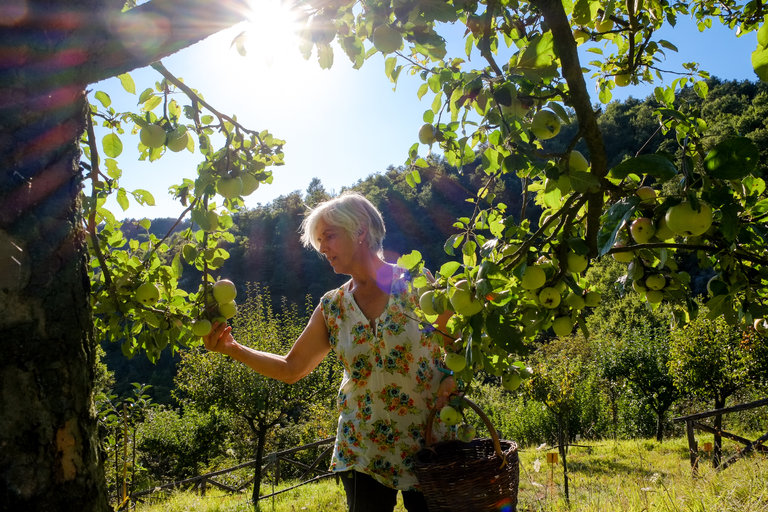
SAN LORENZO DI LERCHI, Italy — There are probably few places as tranquil as the languorous hills that surround Umbria’s Città di Castello. But on her farm, Isabella Dalla Ragione pursues a personal mission — saving ancient fruit trees from extinction — with a strong sense of urgency.
Rescuing vanishing varieties is a race, she says, “and lots of times we arrived late.”
“If a plant dies, basta, it’s finished,” she adds. “You can’t preserve it.”
In that race, she picked up the baton at a young age from her father, Livio Dalla Ragione, who began scouring the surrounding countryside decades ago, searching for neglected fruit trees that no longer satisfied changing agricultural trends, market demands and modern tastes.
He collected branches with fresh buds and grafted them onto rootstock to create an orchard of endangered cherries, figs, apples, pears, peaches, quinces and other sundry species in a farmyard belonging to an abandoned church that he had bought in 1960.
Ms. Dalla Ragione, 59, began tagging along as a child, studied agronomy at a university to bring technical knowledge to their enterprise and, after her father died in 2007, continued to maintain the orchard.
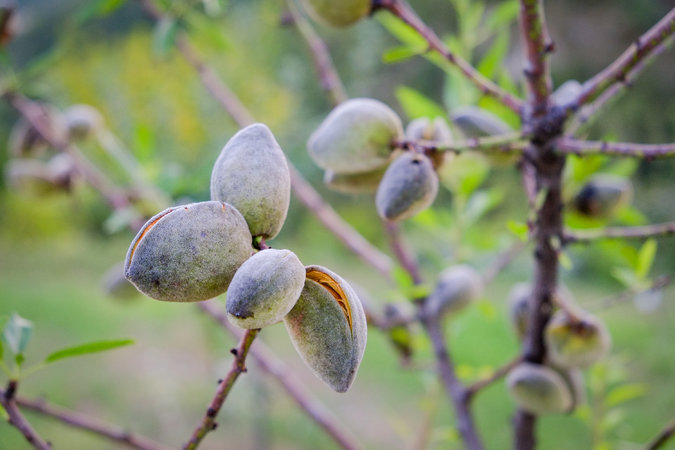
They called their collection of old fruit varieties “arboreal archaeology.”
“When he started, people didn’t speak of biodiversity or genetic erosion,” Ms. Dalla Ragione said, even though the loss of varieties was already a documented fact.
Fruit farming treatises at the beginning of the 19th century noted about 100 varieties of apples. One hundred years later, the number had declined to around 50, and today, three varieties make up 80 percent of production in Italy, she said.
“In this historic moment, diversity is seen as a defect. In this moment, people seek homogeneity,” she said of a market-driven momentum to get fruits to adhere to a specific aesthetic. “In the United States, if an apple isn’t crunchy, it’s not even considered. It doesn’t matter if it has no flavor as long as it’s crunchy.”
Ms. Dalla Ragione’s initiative to preserve dwindling varieties is not unique in Italy, but San Lorenzo and its surroundings have provided an especially vital trove of diversity.
The Upper Tiber Valley was for centuries a crossroads of travelers and pilgrims, “a place of arrivals and departures and exchanges, and like all areas of passage, the biodiversity is extraordinary,” Ms. Dalla Ragione said.
To find and collect their forgotten varieties, for decades she and her father chatted up farmers and motley locals in the Umbrian and Tuscan countryside. They gathered branches, and with them the traditions and chronicles tied to the fruits.
Read more @ nytimes
1.692 Comments
naza88win Do you want extar money?
Attractive section of content. I just stumbled upon your weblog and in accession capital to assert that I get actually enjoyed account your blog posts. Anyway I'll be subscribing to your augment and even I achievement you access consistently rapidly.|
Excellent, what a blog it is! This web site presents useful information to us, keep it up.|
Профессиональный сервисный центр по ремонту бытовой техники с выездом на дом.
Мы предлагаем:сервисные центры по ремонту техники в мск
Наши мастера оперативно устранят неисправности вашего устройства в сервисе или с выездом на дом!
My developer is trying to persuade me to move to .net from PHP. I have always disliked the idea because of the expenses. But he's tryiong none the less. I've been using WordPress on various websites for about a year and am concerned about switching to another platform. I have heard good things about blogengine.net. Is there a way I can transfer all my wordpress content into it? Any kind of help would be greatly appreciated!|
Профессиональный сервисный центр по ремонту бытовой техники с выездом на дом.
Мы предлагаем:сервисные центры в москве
Наши мастера оперативно устранят неисправности вашего устройства в сервисе или с выездом на дом!
I am not sure where you are getting your information, but great topic. I needs to spend some time learning much more or understanding more. Thanks for excellent info I was looking for this info for my mission.|
Good day I am so happy I found your webpage, I really found you by accident, while I was browsing on Bing for something else, Anyhow I am here now and would just like to say thank you for a fantastic post and a all round enjoyable blog (I also love the theme/design), I don’t have time to browse it all at the minute but I have book-marked it and also added your RSS feeds, so when I have time I will be back to read more, Please do keep up the excellent b.|
pdacenter.ru - сервис по ремонту бытовой техники
Ремонт iMac в Ростове на Дону в официальном сервисном центре PDACENTER.
Наши инженеры выполняют ремонт любой сложности по дотупным ценам!
pdacenter.ru - сервис по ремонту бытовой техники
Ремонт ноутбуков во Владимире в официальном сервисном центре PDACENTER.
Наши инженеры выполняют ремонт любой сложности по дотупным ценам!
pdacenter.ru - сервис по ремонту бытовой техники
Ремонт видеокамер в Йошкар-Оле в официальном сервисном центре PDACENTER.
Наши инженеры выполняют ремонт любой сложности по дотупным ценам!
Тут можно преобрести купить сейф в москве цена сейфы купить
Тут можно преобрести сейф банковский взломостойкий сейфы взломостойкие
Тут можно преобрести новый сейф сейф цена москва
Тут можно преобрести сейф взломостойкий купить взломостойкий сейф для дома
Тут можно преобрести сейф для офиса купить офисные сейфы недорого
It's appropriate time to make a few plans for the long run and it's time to be happy. I've learn this submit and if I may just I want to recommend you some fascinating issues or suggestions. Perhaps you can write next articles relating to this article. I want to read even more things approximately it!|
Тут можно преобрести цена сейфа для оружия стоимость оружейного сейфа
Hello to all, how is all, I think every one is getting more from this site, and your views are nice designed for new visitors.|
Тут можно преобрести сео продвижение медицинского сайта продвижение в поисковых системах медицинского сайта
Тут можно преобрести seo продвижение медицинских сайтов продвижение медицинского сайта
Great blog you have here but I was curious about if you knew of any user discussion forums that cover the same topics talked about here? I'd really love to be a part of community where I can get comments from other experienced individuals that share the same interest. If you have any recommendations, please let me know. Appreciate it!|
Тут можно преобрести сайт для клиники заказать создание медицинского сайта
Тут можно приобрести разработка сайт медицинской клиники разработка сайтов медицинских организаций
Normally I do not learn article on blogs, but I would like to say that this write-up very pressured me to try and do it! Your writing style has been amazed me. Thank you, very nice post.|
This is really fascinating, You're an overly professional blogger. I've joined your rss feed and look ahead to looking for extra of your magnificent post. Also, I have shared your site in my social networks|
Тут можно преобрести продвижение медицинской клиники seo-продвижение медицинских сайтов
Собственное производство металлоконструкций. Если вас интересует навесы из поликарбоната для машин на даче мы предлогаем изготовление под ключ навесы спб
Тут можно преобрести сделать сайт медицина москва заказать сайт для поликлиники
Собственное производство металлоконструкций. Если вас интересует Односкатный навес к дому мы предлогаем изготовление под ключ навес из поликарбоната цена
Собственное производство металлоконструкций. Если вас интересует навес для двух машины из поликарбоната мы предлогаем изготовление под ключ Навесы в Луге
Как выбрать платформу, которая не подведет, не обманет и принесет максимум прибыли? Мы проанализировали десятки криптобирж, сравнили их комиссии, безопасность, удобство и поддержку пользователей, чтобы вы могли торговать с уверенностью.
Сколько вы уже потеряли из-за неправильного выбора биржи? Пора это исправить! Узнайте, какие платформы возглавляют рейтинг в 2025 году и почему именно они стали фаворитами миллионов трейдеров по всему миру. Web3 и криптовалюты на биржах
Тут можно преобрести сейф взломостойкий купить сейфы офисные взломостойкие
Здесь можно где купить сейфы в москве сейфы простые
Тут можно преобрести сейф оружейный купить в москве оружейные сейфы москва
Тут можно преобрести купить сейф для сайги сейф для оружие
Предлагаем услуги профессиональных инженеров офицальной мастерской.
Еслли вы искали ремонт iphone 11 сервис, можете посмотреть на сайте: ремонт iphone 11
Наши мастера оперативно устранят неисправности вашего устройства в сервисе или с выездом на дом!
Предлагаем услуги профессиональных инженеров офицальной мастерской.
Еслли вы искали срочный ремонт iphone 11, можете посмотреть на сайте: ремонт iphone 11 рядом
Наши мастера оперативно устранят неисправности вашего устройства в сервисе или с выездом на дом!
Предлагаем услуги профессиональных инженеров офицальной мастерской.
Еслли вы искали ремонт фотоаппаратов canon сервис, можете посмотреть на сайте: ремонт фотоаппаратов canon адреса
Наши мастера оперативно устранят неисправности вашего устройства в сервисе или с выездом на дом!
Excellent post. I'm facing some of these issues as well..|
I am actually glad to read this website posts which consists of plenty of valuable facts, thanks for providing these kinds of data.|
Предлагаем услуги профессиональных инженеров офицальной мастерской.
Еслли вы искали ремонт фотоаппаратов canon в москве, можете посмотреть на сайте: ремонт фотоаппаратов canon рядом
Наши мастера оперативно устранят неисправности вашего устройства в сервисе или с выездом на дом!
Предлагаем услуги профессиональных инженеров офицальной мастерской.
Еслли вы искали ремонт ноутбуков lenovo, можете посмотреть на сайте: ремонт ноутбуков lenovo в москве
Наши мастера оперативно устранят неисправности вашего устройства в сервисе или с выездом на дом!
Собственное производство металлоконструкций. Если вас интересует стоимость навесов мы предлогаем изготовление под ключ цена навес для одной машины
Предлагаем услуги профессиональных инженеров офицальной мастерской.
Еслли вы искали сервисный центр asus в москве, можете посмотреть на сайте: сервисный центр asus адреса
Наши мастера оперативно устранят неисправности вашего устройства в сервисе или с выездом на дом!
Предлагаем услуги профессиональных инженеров офицальной мастерской.
Еслли вы искали сервисный центр asus рядом, можете посмотреть на сайте: сервисный центр asus рядом
Наши мастера оперативно устранят неисправности вашего устройства в сервисе или с выездом на дом!
Предлагаем услуги профессиональных инженеров офицальной мастерской.
Еслли вы искали сервисный центр asus рядом, можете посмотреть на сайте: сервисный центр asus в москве
Наши мастера оперативно устранят неисправности вашего устройства в сервисе или с выездом на дом!
Предлагаем услуги профессиональных инженеров офицальной мастерской.
Еслли вы искали сервисный центр philips, можете посмотреть на сайте: официальный сервисный центр philips
Наши мастера оперативно устранят неисправности вашего устройства в сервисе или с выездом на дом!
Предлагаем услуги профессиональных инженеров офицальной мастерской.
Еслли вы искали официальный сервисный центр philips, можете посмотреть на сайте: сервисный центр philips в москве
Наши мастера оперативно устранят неисправности вашего устройства в сервисе или с выездом на дом!
Предлагаем услуги профессиональных инженеров офицальной мастерской.
Еслли вы искали сервисный центр philips, можете посмотреть на сайте: сервисный центр philips в москве
Наши мастера оперативно устранят неисправности вашего устройства в сервисе или с выездом на дом!
Предлагаем услуги профессиональных инженеров офицальной мастерской.
Еслли вы искали сервисный центр philips в москве, можете посмотреть на сайте: официальный сервисный центр philips
Наши мастера оперативно устранят неисправности вашего устройства в сервисе или с выездом на дом!
Предлагаем услуги профессиональных инженеров офицальной мастерской.
Еслли вы искали сервисный центр lg, можете посмотреть на сайте: сервисный центр lg
Наши мастера оперативно устранят неисправности вашего устройства в сервисе или с выездом на дом!
Узнай все о увеличение члена цена увеличение полового члена хирургическим путем
Узнай все о септопластика операцияоперация на перегородке носа
Узнай все о операция по удалению полипа в маткегистероскопия матки удаление полипа
Тут можно преобрести сейф для оружия цена в москве шкаф для оружия купить
Узнай все о на что влияет варикоцеле степени варикоцеле
Сервисный центр предлагает ремонт кондиционера xigma качественый ремонт кондиционеров xigma
Тут можно преобрести сейф огнестойкий сейфы огнестойкие
Тут можно преобрести оружейные сейфы и шкафы купить оружейный шкаф
Профессиональный сервисный центр по ремонту Apple iPhone в Москве.
Мы предлагаем: ремонт айфонов на дому в москве
Наши мастера оперативно устранят неисправности вашего устройства в сервисе или с выездом на дом!
Если вы искали где отремонтировать сломаную технику, обратите внимание - выездной ремонт бытовой техники в екатеринбурге
сервис по ремонту телефонов москва
Сервисный центр предлагает качественый ремонт ноутбуков machenike выездной ремонт ноутбуков machenike
Профессиональный сервисный центр по ремонту бытовой техники с выездом на дом.
Мы предлагаем: ремонт крупногабаритной техники в перми
Наши мастера оперативно устранят неисправности вашего устройства в сервисе или с выездом на дом!
Полезная информация на сайте. Все что вы хоте знать об интернете полезный сервис
Профессиональный сервисный центр по ремонту сотовых телефонов в Москве.
Мы предлагаем: цены на ремонт ноутбуков
Наши мастера оперативно устранят неисправности вашего устройства в сервисе или с выездом на дом!
Полезный сервис быстрого загона ссылок сайта в индексация поисковой системы - быстрая индексация ссылок
Сервисный центр предлагает ремонт роботов пылесосов mamibot рядом адреса ремонта роботов пылесосов mamibot
Профессиональный сервисный центр по ремонту духовых шкафов в Москве.
Мы предлагаем: ремонт духового шкафа в москве
Наши мастера оперативно устранят неисправности вашего устройства в сервисе или с выездом на дом!
Профессиональный сервисный центр по ремонту сотовых телефонов в Москве.
Мы предлагаем: где починить ноутбук
Наши мастера оперативно устранят неисправности вашего устройства в сервисе или с выездом на дом!
Профессиональный сервисный центр ремонт смартфонов в москве сервисные центры ремонт телефонов москва дешево
Профессиональный сервисный центр по ремонту сотовых телефонов в Москве.
Мы предлагаем: сервисные центры по ремонту мобильных телефонов
Наши мастера оперативно устранят неисправности вашего устройства в сервисе или с выездом на дом!
Начните массовую индексацию ссылок в Google прямо cейчас!
Быстрая индексация ссылок имеет ключевое значение для успеха вашего онлайн-бизнеса. Чем быстрее поисковые системы обнаружат и проиндексируют ваши ссылки, тем быстрее вы сможете привлечь новую аудиторию и повысить позиции вашего сайта в результатах поиска.
Не теряйте времени! Начните пользоваться нашим сервисом для ускоренной индексации внешних ссылок в Google и Yandex. Зарегистрируйтесь сегодня и получите первые результаты уже завтра. Ваш успех в ваших руках!
Профессиональный сервисный центр по ремонту бытовой техники с выездом на дом.
Мы предлагаем: ремонт бытовой техники в челябинске
Наши мастера оперативно устранят неисправности вашего устройства в сервисе или с выездом на дом!
Профессиональный сервисный центр по ремонту сотовых телефонов в Москве.
Мы предлагаем: сервисы по ремонту телефонов
Наши мастера оперативно устранят неисправности вашего устройства в сервисе или с выездом на дом!
Сервисный центр предлагает ремонт кофемашины paulig адреса качественный ремонт кофемашин paulig
Профессиональный сервисный центр диагностика сотовых телефонов ремонт телефона рядом
магазин сейфов предлагает сейф 3 класса сейфы 3 класса
Профессиональный сервисный центр по ремонту моноблоков iMac в Москве.
Мы предлагаем: срочный ремонт аймака
Наши мастера оперативно устранят неисправности вашего устройства в сервисе или с выездом на дом!
Тут делают продвижение создание медицинского сайта разработка сайт медицинского центра
Тут делают продвижение создание сайта для клиники создание сайта для клиники
Тут делают продвижение сео продвижение медицинского сайта seo медицина
Профессиональный сервисный центр ремонт телефонов москва рядом качественный ремонт телефонов
Профессиональный сервисный центр по ремонту бытовой техники с выездом на дом.
Мы предлагаем: сервисные центры в воронеже
Наши мастера оперативно устранят неисправности вашего устройства в сервисе или с выездом на дом!
Тут делают продвижение разработка сайтов для медицинских центров разработка медицинских сайтов
Тут делают продвижение продвижение клиники комплексное продвижение медицинских сайтов
В магазине сейфов предлагают cейф взломостойкий цена взломостойких сейфов
Тут делают продвижение создание сайта под ключ для медицинского учреждения создание сайта клиники
Тут делают продвижение сео продвижение медицинского сайта стратегия с роботами
В магазине сейфов предлагают купить сейф 2 класс купить сейф 2
Профессиональный сервисный центр по ремонту бытовой техники с выездом на дом.
Мы предлагаем: ремонт бытовой техники в волгограде
Наши мастера оперативно устранят неисправности вашего устройства в сервисе или с выездом на дом!
Профессиональный сервисный центр ремонт телефонов срочный ремонт смартфонов
В магазине сейфов предлагают где купить сейфы в москве сейф купить цена
Профессиональный сервисный центр по ремонту электросамокатов в Москве.
Мы предлагаем: сервис электросамокатов в москве
Наши мастера оперативно устранят неисправности вашего устройства в сервисе или с выездом на дом!
Профессиональный сервисный центр по ремонту планшетов в Москве.
Мы предлагаем: замена сенсорного стекла на планшете
Наши мастера оперативно устранят неисправности вашего устройства в сервисе или с выездом на дом!
Профессиональный сервисный центр по ремонту автомагнитол в Москве.
Мы предлагаем: ремонт автомагнитолы
Наши мастера оперативно устранят неисправности вашего устройства в сервисе или с выездом на дом!
Профессиональный сервисный центр по ремонту сигвеев в Москве.
Мы предлагаем: ремонт аккумулятора сигвей
Наши мастера оперативно устранят неисправности вашего устройства в сервисе или с выездом на дом!
Профессиональный сервисный центр по ремонту сетевых хранилищ в Москве.
Мы предлагаем: срочный ремонт сетевого хранилища
Наши мастера оперативно устранят неисправности вашего устройства в сервисе или с выездом на дом!
Профессиональный сервисный центр по ремонту серверов в Москве.
Мы предлагаем: цены на ремонт серверов
Наши мастера оперативно устранят неисправности вашего устройства в сервисе или с выездом на дом!
Профессиональный сервисный центр по ремонту плоттеров в Москве.
Мы предлагаем: профессиональный ремонт плоттеров
Наши мастера оперативно устранят неисправности вашего устройства в сервисе или с выездом на дом!
Профессиональный сервисный центр по ремонту бытовой техники с выездом на дом.
Мы предлагаем:ремонт крупногабаритной техники в уфе
Наши мастера оперативно устранят неисправности вашего устройства в сервисе или с выездом на дом!
Профессиональный сервисный центр по ремонту принтеров в Москве.
Мы предлагаем: обслуживание принтеров москва
Наши мастера оперативно устранят неисправности вашего устройства в сервисе или с выездом на дом!
Профессиональный сервисный центр по ремонту посудомоечных машин с выездом на дом в Москве.
Мы предлагаем: центральный сервисный центр по ремонту посудомоечных машин
Наши мастера оперативно устранят неисправности вашего устройства в сервисе или с выездом на дом!
Профессиональный сервисный центр по ремонту моноблоков в Москве.
Мы предлагаем: мастер по ремонту моноблоков
Наши мастера оперативно устранят неисправности вашего устройства в сервисе или с выездом на дом!
Профессиональный сервисный центр по ремонту гироскутеров в Москве.
Мы предлагаем: мастер гироскутер
Наши мастера оперативно устранят неисправности вашего устройства в сервисе или с выездом на дом!
Профессиональный сервисный центр по ремонту кондиционеров в Москве.
Мы предлагаем: ремонт кондиционеров в квартире в москве
Наши мастера оперативно устранят неисправности вашего устройства в сервисе или с выездом на дом!
Профессиональный сервисный центр по ремонту компьютеров и ноутбуков в Москве.
Мы предлагаем: ремонт макбуков в москве
Наши мастера оперативно устранят неисправности вашего устройства в сервисе или с выездом на дом!
Если вы искали где отремонтировать сломаную технику, обратите внимание - сервисный центр в воронеже
Сервисный центр предлагает ремонт парогенераторов redmond рядом ремонт парогенераторов redmond
сервисный центре предлагает самсунг центр ремонт телевизоров в москве - диагностика плазменного телевизора
Профессиональный сервисный центр по ремонту бытовой техники с выездом на дом.
Мы предлагаем:ремонт бытовой техники в ростове на дону
Наши мастера оперативно устранят неисправности вашего устройства в сервисе или с выездом на дом!
Если вы искали где отремонтировать сломаную технику, обратите внимание - ремонт бытовой техники в уфе
Если вы искали где отремонтировать сломаную технику, обратите внимание - профи услуги
Профессиональный сервисный центр по ремонту парогенераторов в Москве.
Мы предлагаем: ремонт парогенераторов цена
Наши мастера оперативно устранят неисправности вашего устройства в сервисе или с выездом на дом!
кондиционер ремонт
Профессиональный сервисный центр по ремонту бытовой техники с выездом на дом.
Мы предлагаем: сервисные центры по ремонту техники в перми
Наши мастера оперативно устранят неисправности вашего устройства в сервисе или с выездом на дом!
Если вы искали где отремонтировать сломаную технику, обратите внимание - техпрофи
Профессиональный сервисный центр по ремонту кнаручных часов от советских до швейцарских в Москве.
Мы предлагаем: ремонт часов москва
Наши мастера оперативно устранят неисправности вашего устройства в сервисе или с выездом на дом!
Профессиональный сервисный центр по ремонту бытовой техники с выездом на дом.
Мы предлагаем: сервисные центры по ремонту техники в нижнем новгороде
Наши мастера оперативно устранят неисправности вашего устройства в сервисе или с выездом на дом!
Профессиональный сервисный центр по ремонту компьютероной техники в Москве.
Мы предлагаем: ремонт компьютеров адреса
Наши мастера оперативно устранят неисправности вашего устройства в сервисе или с выездом на дом!
ремонт бытовой техники самара
профессиональный ремонт кондиционеров
Сломался телефон, думал покупать новый, но решил попробовать отремонтировать. Обратился в этот сервисный центр и не пожалел. Профессионалы своего дела быстро восстановили мой телефон. Рекомендую посетить их сайт: как ремонтировать телефоны.
Профессиональный сервисный центр по ремонту компьютерных блоков питания в Москве.
Мы предлагаем: ремонт блоков питания москва
Наши мастера оперативно устранят неисправности вашего устройства в сервисе или с выездом на дом!
Если кто ищет место, где можно выгодно купить раковины и ванны, рекомендую один интернет-магазин, который недавно открыл для себя. Они предлагают большой выбор сантехники и аксессуаров для ванной комнаты. Ассортимент включает различные модели, так что можно подобрать под любой стиль и размер помещения.
Мне нужно было купить раковину в ванную в москве , и они предложили несколько отличных вариантов. Цены приятно удивили, а качество товаров на высшем уровне. Также понравилось, что они предлагают услуги профессиональной установки. Доставка была быстрой, и всё прошло гладко. Теперь моя ванная комната выглядит просто великолепно!
Профессиональный сервисный центр по ремонту компьютерных видеокарт по Москве.
Мы предлагаем: цена ремонта видеокарты компьютера
Наши мастера оперативно устранят неисправности вашего устройства в сервисе или с выездом на дом!
Профессиональный сервисный центр по ремонту игровых консолей Sony Playstation, Xbox, PSP Vita с выездом на дом по Москве.
Мы предлагаем: ремонт консолей
Наши мастера оперативно устранят неисправности вашего устройства в сервисе или с выездом на дом!
Профессиональный сервисный центр по ремонту фото техники от зеркальных до цифровых фотоаппаратов.
Мы предлагаем: мастер по ремонту проекторов
Наши мастера оперативно устранят неисправности вашего устройства в сервисе или с выездом на дом!
Профессиональный сервисный центр по ремонту компьютероной техники в Москве.
Мы предлагаем: ремонт компьютеров адреса
Наши мастера оперативно устранят неисправности вашего устройства в сервисе или с выездом на дом!
Профессиональный сервисный центр по ремонту фототехники в Москве.
Мы предлагаем: мастер по ремонту фотовспышек
Наши мастера оперативно устранят неисправности вашего устройства в сервисе или с выездом на дом!
Подробнее на сайте сервисного центра remont-vspyshek-realm.ru
Если вы искали где отремонтировать сломаную технику, обратите внимание - профи пермь
Профессиональный сервисный центр по ремонту бытовой техники с выездом на дом.
Мы предлагаем: сервис центры бытовой техники казань
Наши мастера оперативно устранят неисправности вашего устройства в сервисе или с выездом на дом!
Если вы искали где отремонтировать сломаную технику, обратите внимание - ремонт бытовой техники в новосибирске
Профессиональный сервисный центр по ремонту бытовой техники с выездом на дом.
Мы предлагаем: сервисные центры по ремонту техники в москве
Наши мастера оперативно устранят неисправности вашего устройства в сервисе или с выездом на дом!
Профессиональный сервисный центр по ремонту видео техники а именно видеокамер.
Мы предлагаем: ремонт камер
Наши мастера оперативно устранят неисправности вашего устройства в сервисе или с выездом на дом!
Если вы искали где отремонтировать сломаную технику, обратите внимание - ремонт бытовой техники
Профессиональный сервисный центр по ремонту бытовой техники с выездом на дом.
Мы предлагаем:сервисные центры по ремонту техники в новосибирске
Наши мастера оперативно устранят неисправности вашего устройства в сервисе или с выездом на дом!
Профессиональный сервисный центр по ремонту фото техники от зеркальных до цифровых фотоаппаратов.
Мы предлагаем: мастер по ремонту фотоаппаратов
Наши мастера оперативно устранят неисправности вашего устройства в сервисе или с выездом на дом!
Профессиональный сервисный центр по ремонту бытовой техники с выездом на дом.
Мы предлагаем:ремонт бытовой техники в екб
Наши мастера оперативно устранят неисправности вашего устройства в сервисе или с выездом на дом!
Профессиональный сервисный центр по ремонту бытовой техники с выездом на дом.
Мы предлагаем:сервисные центры в санкт петербурге
Наши мастера оперативно устранят неисправности вашего устройства в сервисе или с выездом на дом!
Если вы искали где отремонтировать сломаную технику, обратите внимание - ремонт бытовой техники в екб
Профессиональный сервисный центр по ремонту сотовых телефонов, смартфонов и мобильных устройств.
Мы предлагаем: ремонт телефонов
Наши мастера оперативно устранят неисправности вашего устройства в сервисе или с выездом на дом!
Hi! I've been following your blog for some time now and finally got the courage to go ahead and give you a shout out from Porter Tx! Just wanted to mention keep up the fantastic work!|
Good post. I learn something totally new and challenging on blogs I stumbleupon on a daily basis. It will always be useful to read through articles from other writers and use a little something from their web sites. |
Sungguh keren! ???? Bagaimana saya bisa bergabung dengan blog ini? Dan apakah ada kompensasi untuk penulisnya?
Sungguh keren! ???? Bagaimana saya bisa bergabung dengan blog ini? Dan apakah ada kompensasi untuk penulisnya?
You can definitely see your enthusiasm in the article you write. The sector hopes for more passionate writers like you who are not afraid to say how they believe. All the time go after your heart.|
Incredible points. Solid arguments. Keep up the great work.|
You made some decent points there. I looked on the web to find out more about the issue and found most people will go along with your views on this web site.|
I was curious if you ever thought of changing the layout of your site? Its very well written; I love what youve got to say. But maybe you could a little more in the way of content so people could connect with it better. Youve got an awful lot of text for only having one or two pictures. Maybe you could space it out better?|
Hey just wanted to give you a quick heads up. The words in your content seem to be running off the screen in Internet explorer. I'm not sure if this is a format issue or something to do with web browser compatibility but I figured I'd post to let you know. The layout look great though! Hope you get the issue solved soon. Kudos|
Superb, what a blog it is! This website gives valuable facts to us, keep it up.|
Its such as you learn my thoughts! You seem to understand a lot approximately this, such as you wrote the guide in it or something. I believe that you just can do with some p.c. to force the message house a little bit, however other than that, this is magnificent blog. An excellent read. I'll certainly be back.|
Oh my goodness! Amazing article dude! Thank you, However I am encountering troubles with your RSS. I don't understand the reason why I am unable to join it. Is there anyone else getting similar RSS problems? Anybody who knows the solution can you kindly respond? Thanks!!|
Fantastic goods from you, man. I've consider your stuff previous to and you are simply too excellent. I actually like what you've acquired here, really like what you're saying and the way in which wherein you assert it. You are making it entertaining and you continue to take care of to stay it sensible. I can not wait to learn far more from you. This is really a terrific web site.|
Hi there, this weekend is fastidious in support of me, because this point in time i am reading this great informative post here
at my house.
Very descriptive blog, I liked that bit. Will there be a part 2?
Your style is very unique in comparison to other people I've read stuff from. Many thanks for posting when you have the opportunity, Guess I'll just bookmark this web site.|
My developer is trying to persuade me to move to .net from PHP. I have always disliked the idea because of the expenses. But he's tryiong none the less. I've been using Movable-type on several websites for about a year and am concerned about switching to another platform. I have heard fantastic things about blogengine.net. Is there a way I can import all my wordpress content into it? Any kind of help would be really appreciated!|
If you want to increase your knowledge just keep visiting this website and be updated with the latest information posted here.|
I absolutely love your website.. Pleasant colors & theme.
Did you create this amazing site yourself? Please reply back as
I'm wanting to create my very own website and would like to know where you got this from or what the
theme is called. Thanks!
What's up, its nice piece of writing about media print, we all know media is a great source of information.|
Have you ever thought about including a little bit more than just your articles? I mean, what you say is fundamental and everything. Nevertheless imagine if you added some great graphics or videos to give your posts more, "pop"! Your content is excellent but with images and clips, this blog could certainly be one of the best in its field. Superb blog!|
Howdy! I simply wish to give you a huge thumbs up for your great info you've got here on this post. I'll be coming back to your website for more soon.|
Are you seeking for a way to feel better? Unlock the trusted source for health and wellness right here! All of your health issues and difficulties must be addressed using the key.
FitSpresso™ is a nutritional supplement that uses probiotics to help you lose weight.
I'm extremely impressed with your writing skills and also with the layout on your weblog. Is this a paid theme or did you customize it yourself? Anyway keep up the excellent quality writing, it is rare to see a great blog like this one nowadays.|
Write more, thats all I have to say. Literally, it seems as though you relied on the video to make your point. You clearly know what youre talking about, why waste your intelligence on just posting videos to your site when you could be giving us something enlightening to read?|
Thanks for sharing your thoughts about meta_keyword. Regards|
Very nice post. I just stumbled upon your weblog and wished to mention that I have truly enjoyed browsing your blog posts. After all I will be subscribing on your feed and I'm hoping you write again soon!|
Hello to every , because I am actually eager of reading this website's post to be updated on a regular basis. It carries fastidious stuff.|
Write more, thats all I have to say. Literally, it seems as though you relied on the video to make your point. You definitely know what youre talking about, why waste your intelligence on just posting videos to your blog when you could be giving us something enlightening to read?|
It is the best time to make a few plans for the future and it is time to be happy. I've learn this submit and if I may just I wish to recommend you few attention-grabbing issues or tips. Perhaps you could write next articles regarding this article. I wish to learn more issues approximately it!|
Nice respond in return of this question with genuine arguments and telling all regarding that.|
Oh my goodness! Awesome article dude! Thanks, However I am going through issues with your RSS. I don't understand why I cannot subscribe to it. Is there anyone else having similar RSS issues? Anyone who knows the solution can you kindly respond? Thanx!!|
Scam
Hello everyone, it's my first go to see at this web page, and piece of writing is really fruitful in support of me, keep up posting these articles.|
I all the time emailed this weblog post page to all my contacts, as if like to read it afterward my contacts will too.|
Hi there, I want to subscribe for this website to take latest updates, so where can i do it please help out.|
What's up, I read your new stuff daily. Your humoristic style is witty, keep up the good work!|
Just want to say your article is as surprising. The clarity to your submit is simply cool and that i could think you're knowledgeable in this subject. Fine along with your permission allow me to take hold of your feed to stay up to date with imminent post. Thank you 1,000,000 and please continue the enjoyable work.|
Have you ever thought about including a little bit more than just your articles? I mean, what you say is fundamental and everything. Nevertheless think of if you added some great pictures or video clips to give your posts more, "pop"! Your content is excellent but with pics and video clips, this blog could definitely be one of the greatest in its field. Very good blog!|
Wow! Finally I got a blog from where I know how to truly obtain helpful facts concerning my study and knowledge.|
I'm very happy to uncover this website. I wanted to thank you for your time due to this wonderful read!! I definitely loved every part of it and I have you saved to fav to look at new information on your site.|
wow, amazing
Generally I do not learn post on blogs, but I would like to say that this write-up very pressured me to check out and do so! Your writing taste has been amazed me. Thanks, very nice article.|
It's remarkable for me to have a website, which is valuable in favor of my knowledge. thanks admin|
Hi there, I enjoy reading all of your article post. I wanted to write a little comment to support you.|
We stumbled over here coming from a different web address and thought I should check things out. I like what I see so i am just following you. Look forward to looking over your web page yet again.|
I think what you said was very logical. However, what about this? suppose you wrote a catchier title? I am not suggesting your content is not good, but what if you added something to maybe grab a person's attention? I mean BLOG_TITLE is a little vanilla. You might glance at Yahoo's front page and note how they create post titles to grab viewers to click. You might try adding a video or a related pic or two to get readers interested about everything've written. In my opinion, it could make your posts a little bit more interesting.|
Incredible! This blog looks exactly like my old one! It's on a entirely different subject but it has pretty much the same layout and design. Superb choice of colors!|
It's going to be finish of mine day, but before finish I am reading this great post to improve my knowledge.|
Pineal XT is a revolutionary supplement that promotes proper pineal gland function and energy levels to support healthy body function.
Tonic Greens is an all-in-one dietary supplement that has been meticulously designed to improve overall health and mental wellness.
Fantastic blog! Do you have any tips for aspiring writers? I'm hoping to start my own site soon but I'm a little lost on everything. Would you propose starting with a free platform like Wordpress or go for a paid option? There are so many options out there that I'm completely overwhelmed .. Any ideas? Cheers!|
Hey very interesting blog!|
I do agree with all of the concepts you've presented in your post. They're very convincing and can certainly work. Nonetheless, the posts are very quick for starters. Could you please extend them a little from next time? Thanks for the post.|
Inspiring quest there. What happened after? Thanks!|
This piece of writing provides clear idea in favor of the new visitors of blogging, that truly how to do running a blog.|
Hey there, You have done a fantastic job. I will certainly digg it and personally suggest to my friends. I am sure they will be benefited from this web site.|
LipoSlend is a liquid nutritional supplement that promotes healthy and steady weight loss. https://liposlendofficial.us/
LipoSlend is a liquid nutritional supplement that promotes healthy and steady weight loss. https://liposlendofficial.us/
I have read some excellent stuff here. Certainly value bookmarking for revisiting. I surprise how so much effort you set to create one of these wonderful informative web site.|
What's up i am kavin, its my first occasion to commenting anyplace, when i read this paragraph i thought i could also create comment due to this sensible paragraph.|
Hi exceptional website! Does running a blog like this require a massive amount work? I have very little expertise in coding however I had been hoping to start my own blog in the near future. Anyways, should you have any ideas or techniques for new blog owners please share. I know this is off topic but I simply wanted to ask. Cheers!|
colibrim.com
colibrim.com
colibrim.com web site.
En iyi bahis siteleri
colibrim.com
colibrim.com
colibrim.com
The latest news and reviews in the world of tech, automotive, gaming, science, and entertainment. https://millionbyte.us/
colibrim.com web site.
The latest news and reviews in the world of tech, automotive, gaming, science, and entertainment. https://millionbyte.us/
Greetings from Ohio! I'm bored to death at work so I decided to check out your site on my iphone during lunch break. I enjoy the knowledge you present here and can't wait to take a look when I get home. I'm amazed at how fast your blog loaded on my phone .. I'm not even using WIFI, just 3G .. Anyways, excellent site!|
Mass News is the leading source of breaking news, local news, sports, business, entertainment, lifestyle and opinion for Silicon Valley, San Francisco Bay Area and beyond https://massnews.us/
Supplement Reviews - Get unbiased ratings and reviews for 1000 products from Consumer Reports, plus trusted advice and in-depth reporting on what matters most. https://supplementreviews.us/
The latest video game news, reviews, exclusives, streamers, esports, and everything else gaming. https://zaaz.us/
Get Lehigh Valley news, Allentown news, Bethlehem news, Easton news, Quakertown news, Poconos news and Pennsylvania news from Morning Post. https://morningpost.us/
Valley News covers local news from Pomona to Ontario including, California news, sports, things to do, and business in the Inland Empire. https://valleynews.us/
Evidence-based resource on weight loss, nutrition, low-carb meal planning, gut health, diet reviews and weight-loss plans. We offer in-depth reviews on diet supplements, products and programs. https://healthpress.us/
Maryland Post: Your source for Maryland breaking news, sports, business, entertainment, weather and traffic https://marylandpost.us
Read the latest news on Crime, Politics, Schools, Sports, Weather, Business, Arts, Jobs, Obits, and Things to do in Kent Washington. https://kentnews.us/
Ahaa, its fastidious dialogue concerning this piece of writing at this place at this weblog, I have read all that, so at this time me also commenting at this place.|
Whats up this is somewhat of off topic but I was wondering if blogs use WYSIWYG editors or if you have to manually code with HTML. I'm starting a blog soon but have no coding know-how so I wanted to get guidance from someone with experience. Any help would be enormously appreciated!|
Thanks for any other excellent article. Where else could anybody get that kind of info in such an ideal manner of writing? I have a presentation next week, and I'm at the look for such information.|
NewsBreak provides latest and breaking Renton, WA local news, weather forecast, crime and safety reports, traffic updates, event notices, sports https://rentonnews.us
I have been browsing online more than 2 hours today, yet I never found any interesting article like yours. It's pretty worth enough for me. Personally, if all site owners and bloggers made good content as you did, the net will be much more useful than ever before.|
Hey there would you mind letting me know which hosting company you're working with? I've loaded your blog in 3 different web browsers and I must say this blog loads a lot faster then most. Can you recommend a good web hosting provider at a honest price? Thank you, I appreciate it!|
I am extremely impressed with your writing skills and also with the layout on your weblog. Is this a paid theme or did you customize it yourself? Anyway keep up the nice quality writing, it's rare to see a great blog like this one nowadays.|
San Gabriel Valley News is the local news source for Los Angeles County
San Gabriel Valley News is the local news source for Los Angeles County
Fashion More provides in-depth journalism and insight into the news and trends impacting the fashion
Spot on with this write-up, I actually feel this amazing site needs much more attention. I'll probably be back again to read through more, thanks for the advice!|
Medical More provides medical technology news and analysis for industry professionals. We cover medical devices, diagnostics, digital health, FDA regulation and compliance, imaging, and more. https://medicalmore.us
Ohio Reporter - Ohio News, Sports, Weather and Things to Do https://ohioreporter.us/
Vacavillenews.us covers local news in Vacaville, California. Keep up with all business, local sports, outdoors, local columnists and more. https://vacavillenews.us/
PharmaMore provides a forum for industry leaders to hear the most important voices and ideas in the industry. https://pharmamore.us/
Trenton News - Trenton, NJ News, Sports, Weather and Things to Do https://trentonnews.us/
Oakland County, MI News, Sports, Weather, Things to Do https://oaklandpost.us/
Trenton News - Trenton, NJ News, Sports, Weather and Things to Do https://trentonnews.us/
The LB News is the local news source for Long Beach and the surrounding area providing breaking news, sports, business, entertainment, things to do, opinion, photos, videos and more https://lbnews.us/
Baltimore Post: Your source for Baltimore breaking news, sports, business, entertainment, weather and traffic https://baltimorepost.us/
Money Analysis is the destination for balancing life and budget - from money management tips, to cost-cutting deals, tax advice, and much more. https://moneyanalysis.us/
Outdoor Blog will help you live your best life outside - from wildlife guides, to safety information, gardening tips, and more. https://outdoorblog.us/
Stri is the leading entrepreneurs and innovation magazine devoted to shed light on the booming stri ecosystem worldwide. https://stri.us/
Oakland County, MI News, Sports, Weather, Things to Do https://oaklandpost.us/
The one-stop destination for vacation guides, travel tips, and planning advice - all from local experts and tourism specialists. https://travelerblog.us/
A fascinating discussion is definitely worth comment. There's no doubt that that you need to write more on this topic, it might not be a taboo matter but generally people don't speak about such topics. To the next! Best wishes!!|
Every weekend i used to visit this web page, because i wish for enjoyment, as this this web page conations really nice funny material too.|
The LB News is the local news source for Long Beach and the surrounding area providing breaking news, sports, business, entertainment, things to do, opinion, photos, videos and more https://lbnews.us/
Food
The one-stop destination for vacation guides, travel tips, and planning advice - all from local experts and tourism specialists. https://travelerblog.us/
The latest health news, wellness advice, and exclusives backed by trusted medical authorities. https://healthmap.us/
Maryland Post: Your source for Maryland breaking news, sports, business, entertainment, weather and traffic https://marylandpost.us/
Stri is the leading entrepreneurs and innovation magazine devoted to shed light on the booming stri ecosystem worldwide. https://stri.us/
Money Analysis is the destination for balancing life and budget - from money management tips, to cost-cutting deals, tax advice, and much more. https://moneyanalysis.us/
Baltimore Post: Your source for Baltimore breaking news, sports, business, entertainment, weather and traffic https://baltimorepost.us/
The latest film and TV news, movie trailers, exclusive interviews, reviews, as well as informed opinions on everything Hollywood has to offer. https://xoop.us/
Yolonews.us covers local news in Yolo County, California. Keep up with all business, local sports, outdoors, local columnists and more. https://yolonews.us/
Kingston News - Kingston, NY News, Breaking News, Sports, Weather https://kingstonnews.us/
East Bay News is the leading source of breaking news, local news, sports, entertainment, lifestyle and opinion for Contra Costa County, Alameda County, Oakland and beyond https://eastbaynews.us/
Greeley, Colorado News, Sports, Weather and Things to Do https://greeleynews.us/
indiaherald.us provides latest news from India , India News and around the world. Get breaking news alerts from India and follow today’s live news updates in field of politics, business, sports, defence, entertainment and more. https://indiaherald.us
I'm extremely impressed together with your writing abilities and also with the format for your blog. Is that this a paid subject matter or did you customize it your self? Either way keep up the excellent quality writing, it's rare to look a nice weblog like this one these days..|
Breaking food industry news, cooking tips, recipes, reviews, rankings, and interviews https://tastingcorner.us/
BioPharma Blog provides news and analysis for biotech and biopharmaceutical executives. We cover topics like clinical trials, drug discovery and development, pharma marketing, FDA approvals and regulations, and more. https://biopharmablog.us/
Island Post is the website for a chain of six weekly newspapers that serve the North Shore of Nassau County, Long Island published by Alb Media. The newspapers are comprised of the Great Neck News, Manhasset Times, Roslyn Times, Port Washington Times, New Hyde Park Herald Courier and the Williston Times. Their coverage includes village governments, the towns of Hempstead and North Hempstead, schools, business, entertainment and lifestyle. https://islandpost.us/
Fresh, flavorful and (mostly) healthy recipes made for real, actual, every day life. Helping you celebrate the joy of food in a totally non-intimidating way. https://skillfulcook.us/
Do whatever you want. Steal cars, drive tanks and helicopters, defeat gangs. It's your city! https://play.google.com/store/apps/details?id=com.gangster.city.open.world
Covering the latest beauty and fashion trends, relationship advice, wellness tips and more. https://gliz.us/
Santa Cruz Sentinel: Local News, Local Sports and more for Santa Cruz https://santacruznews.us/
Colorado breaking news, sports, business, weather, entertainment. https://denver-news.us/
RVVR is website dedicated to advancing physical and mental health through scientific research and proven interventions. Learn about our evidence-based health promotion programs. https://rvvr.us/
View the latest from the world of psychology: from behavioral research to practical guidance on relationships, mental health and addiction. Find help from our directory of therapists, psychologists and counselors. https://therapisttoday.us/
Virginia News: Your source for Virginia breaking news, sports, business, entertainment, weather and traffic https://virginiapost.us/
Breaking food industry news, cooking tips, recipes, reviews, rankings, and interviews https://tastingcorner.us/
Latest Denver news, top Colorado news and local breaking news from Denver News, including sports, weather, traffic, business, politics, photos and video. https://denver-news.us/
Healthcare Blog provides news, trends, jobs and resources for health industry professionals. We cover topics like healthcare IT, hospital administration, polcy
Your source for Connecticut breaking news, UConn sports, business, entertainment, weather and traffic https://connecticutpost.us/
Breaking US news, local New York news coverage, sports, entertainment news, celebrity gossip, autos, videos and photos at nybreakingnews.us https://nybreakingnews.us/
RVVR is website dedicated to advancing physical and mental health through scientific research and proven interventions. Learn about our evidence-based health promotion programs. https://rvvr.us/
Covering the latest beauty and fashion trends, relationship advice, wellness tips and more. https://gliz.us/
Find healthy, delicious recipes and meal plan ideas from our test kitchen cooks and nutrition experts at SweetApple. Learn how to make healthier food choices every day. https://sweetapple.site/
View the latest from the world of psychology: from behavioral research to practical guidance on relationships, mental health and addiction. Find help from our directory of therapists, psychologists and counselors. https://therapisttoday.us/
Having read this I believed it was very enlightening. I appreciate you finding the time and effort to put this short article together. I once again find myself personally spending a lot of time both reading and commenting. But so what, it was still worth it!|
If you would like to get a good deal from this paragraph then you have to apply such methods to your won weblog.|
Undeniably believe that which you said. Your favorite reason appeared to be on the internet the simplest thing to be aware of. I say to you, I definitely get irked while people think about worries that they just don't know about. You managed to hit the nail upon the top as well as defined out the whole thing without having side-effects , people can take a signal. Will probably be back to get more. Thanks|
I don't even know how I ended up here, but I thought this post was good. I don't know who you are but definitely you're going to a famous blogger if you aren't already ;) Cheers!|
Hi, I want to subscribe for this web site to take hottest updates, thus where can i do it please help out.|
I think this is among the most significant info for me. And i am glad reading your article. But want to remark on few general things, The website style is wonderful, the articles is really great : D. Good job, cheers|
???? Wow, blog ini seperti roket meluncur ke alam semesta dari kemungkinan tak terbatas! ???? Konten yang mengagumkan di sini adalah perjalanan rollercoaster yang mendebarkan bagi pikiran, memicu ketertarikan setiap saat. ???? Baik itu teknologi, blog ini adalah harta karun wawasan yang menarik! #TerpukauPikiran Terjun ke dalam petualangan mendebarkan ini dari penemuan dan biarkan pikiran Anda melayang! ???? Jangan hanya membaca, rasakan kegembiraan ini! ???? Pikiran Anda akan berterima kasih untuk perjalanan menyenangkan ini melalui dimensi keajaiban yang tak berujung! ✨
I do not even understand how I stopped up here, however I thought this publish was once good. I do not know who you might be but certainly you're going to a famous blogger if you happen to aren't already. Cheers!|
SightCare supports overall eye health, enhances vision, and protects against oxidative stress. Take control of your eye health and enjoy the benefits of clear and vibrant eyesight with Sight Care. https://sightcarebuynow.us/
Illuderma is a serum designed to deeply nourish, clear, and hydrate the skin. The goal of this solution began with dark spots, which were previously thought to be a natural symptom of ageing. The creators of Illuderma were certain that blue modern radiation is the source of dark spots after conducting extensive research. https://illudermabuynow.us/
ProstateFlux is a dietary supplement specifically designed to promote and maintain a healthy prostate. It is formulated with a blend of natural ingredients known for their potential benefits for prostate health. https://prostatefluxbuynow.us/
Glucofort Blood Sugar Support is an all-natural dietary formula that works to support healthy blood sugar levels. It also supports glucose metabolism. According to the manufacturer, this supplement can help users keep their blood sugar levels healthy and within a normal range with herbs, vitamins, plant extracts, and other natural ingredients. https://glucofortbuynow.us/
Thanks for sharing such a nice thought, piece of writing is
nice, thats why i have read it entirely
Boostaro is a dietary supplement designed specifically for men who suffer from health issues. https://boostarobuynow.us/
Sight Care is a natural supplement designed to improve eyesight and reduce dark blindness. With its potent blend of ingredients. https://sightcarebuynow.us/
Sight Care is a natural supplement designed to improve eyesight and reduce dark blindness. With its potent blend of ingredients. https://sightcarebuynow.us/
Article writing is also a fun, if you be acquainted with then you can write if not it is complicated to write.|
Hey I am so thrilled I found your blog page, I really found you by accident, while I was searching on Google for something else, Nonetheless I am here now and would just like to say thank you for a remarkable post and a all round exciting
blog (I also love the theme/design), I don't have time to read through it all at the moment but I have book-marked it and
also added your RSS feeds, so when I have time I will be back to read a lot
more, Please do keep up the awesome job.
hello there and thank you for your info – I've certainly picked up something new from right here. I did however expertise some technical issues using this website, since I experienced to reload the web site many times previous to I could get it to load correctly. I had been wondering if your web host is OK? Not that I'm complaining, but slow loading instances times will often affect your placement in google and could damage your high-quality score if advertising and marketing with Adwords. Anyway I am adding this RSS to my e-mail and could look out for much more of your respective intriguing content. Make sure you update this again very soon.|
This paragraph will assist the internet viewers for building up new web site or even a blog from start to end.|
Great blog here! Also your site loads up very fast! What host are you using? Can I get your affiliate link to your host? I wish my site loaded up as quickly as yours lol|
My brother suggested I may like this blog. He was entirely right. This publish truly made my day. You can not consider just how a lot time I had spent for this info! Thank you!|
Hi there I am so thrilled I found your weblog, I really found you by accident, while I was looking on Aol for something else, Anyhow I am here now and would just like to say kudos for a marvelous post and a all round entertaining blog (I also love the theme/design), I don't have time to read it all at the moment but I have saved it and also added in your RSS feeds, so when I have time I will be back to read a lot more, Please do keep up the superb work.|
I could not resist commenting. Well written!|
Your unique approach to addressing challenging subjects is like a breath of fresh air. Your articles stand out with their clarity and grace, making them a pure joy to read. Your blog has now become my go-to source for insightful content.
Hello! I just wanted to ask if you ever have any issues with hackers? My last blog (wordpress) was hacked and I ended up losing a few months of hard work due to no back up. Do you have any solutions to stop hackers?|
Appreciation to my father who informed me concerning this web site, this website is really amazing.|
Hello just wanted to give you a brief heads up and let you know a few of the images aren't loading correctly. I'm not sure why but I think its a linking issue. I've tried it in two different web browsers and both show the same outcome.|
Thank you, I've just been looking for info about this topic for ages and yours is the best I've came upon so far. But, what in regards to the conclusion? Are you sure concerning the supply?|
I'm gone to inform my little brother, that he should also pay a visit this webpage on regular basis to obtain updated from latest gossip.|
Undeniably consider that which you said. Your favorite justification appeared to be on the net the simplest factor to be aware of. I say to you, I certainly get annoyed even as other people think about worries that they plainly do not recognise about. You controlled to hit the nail upon the top as smartly as defined out the whole thing with no need side-effects , other people could take a signal. Will probably be again to get more. Thanks|
I visited many blogs but the audio quality for audio songs present at this site is truly marvelous.|
Have you ever thought about adding a little bit more than just your articles? I mean, what you say is important and all. Nevertheless just imagine if you added some great pictures or video clips to give your posts more, "pop"! Your content is excellent but with images and clips, this site could definitely be one of the greatest in its niche. Very good blog!|
With havin so much content and articles do you ever run into any problems of plagorism or copyright infringement? My website has a lot of completely unique content I've either authored myself or outsourced but it appears a lot of it is popping it up all over the web without my agreement. Do you know any solutions to help reduce content from being stolen? I'd definitely appreciate it.|
Great goods from you, man. I've understand your stuff previous to and you are just too fantastic. I actually like what you have acquired here, certainly like what you are stating and the way in which you say it. You make it entertaining and you still care for to keep it wise. I can not wait to read far more from you. This is really a terrific site.|
Hey I know this is off topic but I was wondering if you knew of any widgets I could add to my blog that automatically tweet my newest twitter updates. I've been looking for a plug-in like this for quite some time and was hoping maybe you would have some experience with something like this. Please let me know if you run into anything. I truly enjoy reading your blog and I look forward to your new updates.|
Very nice write-up. I absolutely love this website. Keep writing!|
Asking questions are in fact pleasant thing if you are not understanding something totally, except this article offers good understanding yet.|
Do you have any video of that? I'd love to find out some additional information.|
I will immediately seize your rss feed as I can't to find your email subscription link or newsletter service. Do you have any? Kindly permit me realize so that I could subscribe. Thanks.|
Ahaa, its fastidious discussion on the topic of this article here at this blog, I have read all that, so now me also commenting at this place.|
Howdy would you mind sharing which blog platform you're working with? I'm going to start my own blog soon but I'm having a hard time making a decision between BlogEngine/Wordpress/B2evolution and Drupal. The reason I ask is because your design seems different then most blogs and I'm looking for something completely unique. P.S My apologies for getting off-topic but I had to ask!|
Thanks for sharing such a nice opinion, piece of writing is good, thats why i have read it fully|
Fantastic beat ! I would like to apprentice whilst you amend your site, how can i subscribe for a blog web site? The account helped me a appropriate deal. I have been a little bit acquainted of this your broadcast provided brilliant clear concept|
I like the helpful information you provide in your articles. I will bookmark your blog and check again here frequently. I am quite certain I will learn many new stuff right here! Best of luck for the next!|
I am genuinely thankful to the holder of this web page who has shared this wonderful article at at this time.|
Great article! We will be linking to this particularly great content on our website. Keep up the great writing.|
Does your site have a contact page? I'm having problems locating it but, I'd like to shoot you an e-mail. I've got some creative ideas for your blog you might be interested in hearing. Either way, great website and I look forward to seeing it expand over time.|
Hello exceptional website! Does running a blog such as this take a lot of work? I have no expertise in coding but I had been hoping to start my own blog in the near future. Anyways, should you have any ideas or tips for new blog owners please share. I know this is off subject but I just wanted to ask. Kudos!|
Tremendous issues here. I'm very glad to see your post. Thanks a lot and I am looking ahead to contact you. Will you please drop me a mail?|
Thanks for another informative web site. Where else could I get that type of information written in such a perfect way? I have a challenge that I'm simply now operating on, and I have been on the look out for such information.|
I am in fact delighted to glance at this website posts which carries plenty of valuable facts, thanks for providing these information.|
First off I want to say fantastic blog! I had a quick question in which I'd like to ask if you do not mind. I was curious to know how you center yourself and clear your thoughts before writing. I've had a hard time clearing my thoughts in getting my thoughts out there. I do enjoy writing but it just seems like the first 10 to 15 minutes are usually lost just trying to figure out how to begin. Any recommendations or tips? Cheers!|
Woah! I'm really digging the template/theme of this site. It's simple, yet effective. A lot of times it's difficult to get that "perfect balance" between user friendliness and appearance. I must say you've done a very good job with this. Also, the blog loads super quick for me on Firefox. Outstanding Blog!|
I constantly emailed this weblog post page to all my friends, because if like to read it afterward my friends will too.|
It's truly very complicated in this active life to listen news on Television, so I only use world wide web for that purpose, and get the newest news.|
Hi there everybody, here every one is sharing these kinds of experience, so it's fastidious to read this blog, and I used to pay a quick visit this website everyday.|
Wow that was strange. I just wrote an really long comment but after I clicked submit my comment didn't show up. Grrrr... well I'm not writing all that over again. Anyways, just wanted to say fantastic blog!|
Highly energetic post, I liked that bit. Will there be a part 2?|
Hi, i think that i saw you visited my site so i came to “return the favor”.I am trying to find things to improve my site!I suppose its ok to use some of your ideas!!|
I wanted to thank you for this great read!! I certainly enjoyed every little bit of it. I have you saved as a favorite to look at new stuff you post…|
We absolutely love your blog and find many of your post's to be exactly what I'm looking for.
Do you offer guest writers to write content to suit your needs?
I wouldn't mind writing a post or elaborating on some of the subjects you write regarding here.
Again, awesome blog!
I couldn't resist commenting. Perfectly written!|
magnificent points altogether, you just gained a new reader. What might you recommend in regards to your post that you made some days in the past? Any sure?|
I was suggested this web site by my cousin. I'm not sure whether this post is written by him as nobody else know such detailed about my trouble. You're amazing! Thanks!|
I used to be suggested this website via my cousin. I am not sure whether this post is written by way of him as no one else understand such special about my trouble. You are incredible! Thank you!|
I love your blog.. very nice colors & theme. Did you create this website yourself or did you hire someone to do it for you? Plz answer back as I'm looking to construct my own blog and would like to know where u got this from. cheers|
I think the admin of this site is really working hard in support of his website, since here every stuff is quality based material.|
With havin so much content do you ever run into any problems of plagorism or copyright violation? My website has a lot of unique content I've either authored myself or outsourced but it seems a lot of it is popping it up all over the internet without my agreement. Do you know any methods to help protect against content from being ripped off? I'd truly appreciate it.|
Hi there very cool website!! Guy .. Beautiful .. Amazing .. I will bookmark your web site and take the feeds also? I am happy to search out numerous helpful info here in the publish, we want develop extra techniques on this regard, thanks for sharing. . . . . .|
Unquestionably imagine that which you stated. Your favorite justification appeared to be on the net the easiest factor to
take into accout of. I say to you, I certainly get irked while people think about concerns that they plainly don't realize about.
You controlled to hit the nail upon the top as well as
defined out the entire thing with no need side effect , other people could take
a signal. Will likely be again to get more. Thanks
Also visit my homepage; reformas en zaragoza centro
I am extremely impressed with your writing skills and also with the layout on your blog. Is this a paid theme or did you modify it yourself? Anyway keep up the excellent quality writing, it is rare to see a nice blog like this one today.|
Thanks for some other wonderful post. Where else could anyone get that type of info in such an ideal manner of writing? I have a presentation subsequent week, and I'm on the look for such information.|
Hi there everyone, it's my first pay a quick visit at this site, and piece of writing is genuinely fruitful for me, keep up posting such posts.|
Hello, i think that i noticed you visited my site thus i got here to return the want?.I'm trying to to find issues to improve my website!I guess its good enough to use a few of your ideas!!|
I used to be recommended this website by way of my cousin. I am no longer sure whether or not this publish is written through him as nobody else understand such precise about my difficulty. You are wonderful! Thank you!|
This info is worth everyone's attention. Where can I find out more?|
You could certainly see your skills in the work you write. The sector hopes for more passionate writers such as you who aren't afraid to say how they believe. Always follow your heart.|
Amazing blog! Is your theme custom made or did you download it from somewhere? A design like yours with a few simple tweeks would really make my blog stand out. Please let me know where you got your design. Kudos|
I visited various web sites but the audio quality for audio songs present at this website is genuinely excellent.|
I really like your blog.. very nice colors & theme. Did you create this website yourself or did you hire someone to do it for you? Plz respond as I'm looking to construct my own blog and would like to find out where u got this from. kudos|
Excellent post. I absolutely love this website. Keep
writing!
Also visit my page 유머게시판
It's a shame you don't have a donate button! I'd certainly donate to this fantastic blog! I suppose for now i'll settle for book-marking and adding your RSS feed to my Google account. I look forward to brand new updates and will share this blog with my Facebook group. Chat soon!|
I love your blog.. very nice colors & theme. Did you make this website yourself or did you hire someone to do it for you? Plz respond as I'm looking to create my own blog and would like to know where u got this from. appreciate it|
I will right away take hold of your rss feed as I can't to find your e-mail subscription link or newsletter service. Do you've any? Kindly permit me recognise so that I may subscribe. Thanks.|
Hi there, i read your blog from time to time and i own a similar one and i was just curious if you get a lot of spam responses? If so how do you protect against it, any plugin or anything you can advise? I get so much lately it's driving me mad so any support is very much appreciated.|
Howdy, i read your blog occasionally and i own a similar one and i was just curious if you get a lot of spam remarks? If so how do you prevent it, any plugin or anything you can recommend? I get so much lately it's driving me insane so any help is very much appreciated.|
Its like you read my mind! You seem to know so much about this, like you wrote the book in it or something.
I think that you could do with a few pics to drive the message home a little bit, but other than that, this is wonderful
blog. An excellent read. I'll certainly be back.
Feel free to surf to my web page; 에볼루션카지노
My coder is trying to convince me to move to .net from PHP.
I have always disliked the idea because of the costs.
But he's tryiong none the less. I've been using WordPress on several websites for about a year and am anxious about switching to another platform.
I have heard very good things about blogengine.net.
Is there a way I can transfer all my wordpress content into it?
Any help would be really appreciated!
Look into my homepage :: reformas pisos zaragoza
Outstanding story there. What occurred after? Thanks!
my blog post refromas en zaragoza
No matter if some one searches for his required thing, so he/she wants to be available that in detail, so that thing is maintained over here.
Also visit my blog post; Stripclub
A person necessarily help to make critically posts I might state.
This is the very first time I frequented your website page and up to now?
I surprised with the research you made to create this particular submit incredible.
Excellent process!
Feel free to surf to my blog post - Tabledance
I delight in, lead to I discovered just what I used to
be having a look for. You've ended my 4 day long hunt! God Bless you man. Have a nice day.
Bye
My webpage - more info here
Keep this going please, great job!|
This information is priceless. How can I find out more?|
Hey there! I know this is kind of off topic but I was wondering which blog platform are you using for this site? I'm getting tired of Wordpress because I've had problems with hackers and I'm looking at alternatives for another platform. I would be awesome if you could point me in the direction of a good platform.|
Thank you for every other excellent post. The place else may anyone get that kind of info in such an ideal manner
of writing? I have a presentation subsequent week, and I am at the search for such information.
Also visit my webpage https://trueen.com/business/listing/alba-carpet-cleaning/215379
Exceptional post however I was wanting to know
if you could write a litte more on this topic?
I'd be very thankful if you could elaborate a little bit more.
Appreciate it!
Also visit my homepage :: best knives butterflies
We stumbled over here different web page and thought I should check things out.
I like what I see so now i am following you. Look forward to looking over
your web page again.
Feel free to visit my web blog ... AI real estate
If some one needs expert view concerning blogging
afterward i advise him/her to visit this blog, Keep up the fastidious job.
My page: Automotive Shops Near Me
Your style is really unique compared to other folks I have read stuff from.
I appreciate you for posting when you have the opportunity,
Guess I will just bookmark this site.
Feel free to surf to my homepage ... Auto Shop
This is a very good tip especially to those fresh to the blogosphere.
Simple but very precise information… Appreciate your sharing
this one. A must read article!
my web blog :: Car Mechanic
https://lukas79z1z.develop-blog.com/28468189/not-known-details-about-chinese-medicine-brain-fog
Hello to every body, it's my first pay a quick visit of this
web site; this blog consists of awesome and genuinely
good information in favor of readers.
Here is my page: Auto Repair Shops
I've read a few good stuff here. Definitely worth bookmarking for revisiting.
I wonder how a lot effort you place to create this type of excellent informative
website.
Also visit my webpage: Car Mechanic Near Me
Greate post. Keep posting such kind of info on your page. Im really impressed by your blog.
An intriguing discussion is worth comment. I do think that you need to write more on this subject matter, it may not be a taboo subject but generally people don't talk about these topics. To the next! Kind regards!!|
Hey very interesting blog!
Also visit my web page :: reformas en zaragoza
Hi i am kavin, its my first occasion to commenting anyplace, when i read
this post i thought i could also make comment due to this sensible piece of
writing.
Here is my homepage :: reformas zaragoza integrales
Hey There. I found your blog using msn. This is an extremely well written article. I'll make sure to bookmark it and come back to read more of your useful information. Thanks for the post. I will certainly return.|
After looking over a few of the blog articles on your website, I really appreciate your way of writing a blog. I book marked it to my bookmark website list and will be checking back in the near future. Take a look at my website as well and let me know what you think.|
Hello! This is my first comment here so I just wanted to give a quick shout out and say I really enjoy reading through your posts. Can you suggest any other blogs/websites/forums that go over the same topics? Thanks a ton!|
Your enthusiasm for the subject matter shines through in every word of this article. It's infectious! Your dedication to delivering valuable insights is greatly appreciated, and I'm looking forward to more of your captivating content. Keep up the excellent work!
Wow! In the end I got a web site from where I be able to truly take valuable information regarding my study and knowledge.|
Have you ever thought about publishing an ebook or guest authoring on other websites? I have a blog based on the same topics you discuss and would really like to have you share some stories/information. I know my subscribers would enjoy your work. If you are even remotely interested, feel free to shoot me an e mail.|
Hello, after reading this remarkable paragraph i am also delighted to share my experience here with friends.|
Your positivity and enthusiasm are undeniably contagious! This article brightened my day and left me feeling inspired. Thank you for sharing your uplifting message and spreading positivity among your readers.
I'm genuinely impressed by how effortlessly you distill intricate concepts into easily digestible information. Your writing style not only imparts knowledge but also engages the reader, making the learning experience both enjoyable and memorable. Your passion for sharing your expertise shines through, and for that, I'm deeply grateful.
Thanks for sharing your thoughts. I truly appreciate your efforts and I am waiting for your further post thank you once again.
My website - housse de siège de voiture antidérapante pour animaux de compagnie
In a world where trustworthy information is more crucial than ever, your dedication to research and the provision of reliable content is truly commendable. Your commitment to accuracy and transparency shines through in every post. Thank you for being a beacon of reliability in the online realm.
Woah! I'm really digging the template/theme of this site. It's simple, yet effective. A lot of times it's difficult to get that "perfect balance" between usability and visual appearance. I must say you've done a amazing job with this. Also, the blog loads super fast for me on Safari. Exceptional Blog!|
My spouse and I absolutely love your blog and find the majority of your post's to be precisely what I'm looking for. Would you offer guest writers to write content for you personally? I wouldn't mind composing a post or elaborating on a lot of the subjects you write about here. Again, awesome site!|
My brother suggested I might like this website. He was entirely right. This post actually made my day. You cann't imagine just how much time I had spent for this info! Thanks!|
Thanks for finally talking about > blog_title < Loved it!|
Thanks for a marvelous posting! I truly enjoyed reading it, you can be a great author.I will always bookmark your blog and will come back in the foreseeable future. I want to encourage continue your great writing, have a nice holiday weekend!|
Hey! Do you know if they make any plugins to safeguard against hackers? I'm kinda paranoid about losing everything I've worked hard on. Any tips?|
I am really enjoying the theme/design of your weblog. Do you ever run into any internet browser compatibility issues? A couple of my blog visitors have complained about my website not working correctly in Explorer but looks great in Safari. Do you have any suggestions to help fix this problem?|
Have you ever thought about publishing an e-book or guest authoring on other blogs? I have a blog based on the same information you discuss and would really like to have you share some stories/information. I know my visitors would enjoy your work. If you are even remotely interested, feel free to send me an email.|
I absolutely love your site.. Very nice colors & theme. Did you build this amazing site yourself? Please reply back as I'm trying to create my own site and would love to know where you got this from or just what the theme is named. Appreciate it!|
Its like you read my thoughts! You seem to grasp so much
approximately this, like you wrote the e-book in it or
something. I believe that you simply can do with a few p.c.
to power the message house a little bit, however other than that, this is excellent blog.
An excellent read. I'll certainly be back.
my web site male sex cams
As the admin of this website is working, no hesitation very soon it will be
renowned, due to its quality contents.
Also visit my webpage :: free psychic chat
Your passion and dedication to your craft radiate through every article. Your positive energy is infectious, and it's evident that you genuinely care about your readers' experience. Your blog brightens my day!
I simply wanted to convey how much I've gleaned from this article. Your meticulous research and clear explanations make the information accessible to all readers. It's abundantly clear that you're committed to providing valuable content.
In a world where trustworthy information is more crucial than ever, your dedication to research and the provision of reliable content is truly commendable. Your commitment to accuracy and transparency shines through in every post. Thank you for being a beacon of reliability in the online realm.
This article is a real game-changer! Your practical tips and well-thought-out suggestions are incredibly valuable. I can't wait to put them into action. Thank you for not only sharing your expertise but also making it accessible and easy to implement.
Good post. I learn something totally new and challenging on websites I stumbleupon on a daily basis.
It's always useful to read through articles from other writers
and practice something from other web sites.
Here is my web-site :: 인천출장안마
Fastidious replies in return of this question with solid arguments and describing all concerning that.|
I am genuinely pleased to glance at this blog posts which consists of plenty
of useful facts, thanks for providing these data.
My web blog ... 안전놀이터
Very energetic article, I enjoyed that bit. Will there be
a part 2?
Hi there! This article couldn't be written much better! Going through this
article reminds me of my previous roommate!
He always kept preaching about this. I will forward this information to him.
Fairly certain he will have a very good read. Thanks for sharing!
My web page life size pocket pussy
I savour, lead to I discovered just what I was having a look for.
You have ended my four day long hunt! God Bless you man. Have a nice day.
Bye
Here is my webpage ... best dinner Seminyak
Howdy! This is kind of off topic but I need some advice from an established blog.
Is it tough to set up your own blog? I'm not very techincal
but I can figure things out pretty quick. I'm thinking about making my own but
I'm not sure where to start. Do you have any tips or suggestions?
Thank you
my web site; บาคาร่าเว็บตรง
fantastic points altogether, you just won a logo new reader.
What would you recommend about your publish that you made some days in the past?
Any certain?
Thanks very nice blog!
My webpage; you could try here
Hi there it's me, I am also visiting this web site on a regular basis, this site is genuinely nice and the viewers are genuinely
sharing good thoughts.
Visit my web page :: learn the facts here now
Hi there just wanted to give you a brief heads up and let you know a few of the pictures aren't loading properly.
I'm not sure why but I think its a linking issue.
I've tried it in two different browsers and both show the same outcome.
my homepage ... nordic oil
Thanks for your personal marvelous posting! I definitely enjoyed reading it, you might be a great author.I will remember to bookmark your blog and will eventually come back sometime soon. I want to encourage you to definitely continue your great writing,
have a nice day!
Wow that was unusual. I just wrote an extremely long comment
but after I clicked submit my comment didn't appear. Grrrr...
well I'm not writing all that over again. Anyhow, just wanted to say superb blog!
An outstanding share! I have just forwarded this onto a
coworker who was conducting a little homework on this.
And he actually bought me breakfast simply because I stumbled upon it
for him... lol. So allow me to reword this.... Thank YOU for the meal!!
But yeah, thanks for spending time to talk about this subject here on your website.
whoah this weblog is excellent i love reading your articles.
Stay up the great work! You realize, many
persons are searching round for this info, you can aid them greatly.
Hi just wanted to give you a brief heads up and let you know a few of the pictures aren't
loading properly. I'm not sure why but I think its a linking issue.
I've tried it in two different web browsers and both show
the same outcome.
You actually help it become seem really easy along with your presentation having said that i find this
matter to be really something that I do believe I would
personally never understand. It seems too complicated and
very broad for me. I'm looking forward for your upcoming post,
I am going to try to have the hang of this!
Also visit my page: CherlyVCeo
I for all time emailed this web site post page to all
my friends, since if like to read it afterward
my contacts will too.
Hi there i am kavin, its my first occasion to
commenting anyplace, when i read this post i thought i could also
make comment due to this good paragraph.
When some one searches for his necessary thing, therefore he/she wishes
to be available that in detail, so that thing is maintained over
here.
When someone writes an post he/she keeps the plan of a
user in his/her mind that how a user can know it.
Thus that's why this piece of writing is great. Thanks!
Italian Grows Forgotten Fruit. What She Preserves Is
a Culture. – Orta Blu http://bantengqq.club
This article offers clear idea in support of the new visitors of blogging, that truly
how to do running a blog.
This article offers clear idea in support of the new visitors of blogging, that truly
how to do running a blog
What's up, constantly i used to check website posts here early in the
daylight, for the reason that i like to gain knowledge of more and more.
Very nice post. I just stumbled upon your weblog and wished to say that I have truly enjoyed browsing your blog posts. In any case I will be subscribing to your feed and I hope you write again soon!
whoah this blog is excellent i like reading your articles.
Keep up the great work! You recognize, lots of individuals are hunting round for this
info, you can aid them greatly.
fantastic submit, very informative. I ponder why the other experts of this sector don't understand this.
You should continue your writing. I am sure, you have a great readers' base already!
I blog frequently and I genuinely appreciate your content. The article has truly peaked my interest. I will bookmark your blog and keep checking for new information about once per week. I opted in for your Feed as well.
I am impressed with this website , very I am a fan .
I have read so many articles or reviews on the
topic of the blogger lovers except this post is actually a nice
piece of writing, keep it up.
I would like providers for my business property.
Spot on with this write-up, I really believe that this website needs a lot more attention. I’ll probably be back again to read through more, thanks for the information!
satellite tv has got to be one of the best inventions that we humans enjoy,,
Link exchange is nothing else but it is only placing the other person's website link on your
page at suitable place and other person will also do
same in favor of you.
Highly descriptive post, I liked that a lot.
Will there be a part 2?
Hey! Do you use Twitter? I'd like to follow you if that would
be ok. I'm absolutely enjoying your blog and look forward to new posts.
It's going to be ending of mine day, but before ending I am reading this enormous paragraph to improve my knowledge.
I blog often and I seriously appreciate your content. The article has really peaked my interest. I am going to bookmark your website and keep checking for new details about once per week. I subscribed to your Feed as well.
Great article. I'm experiencing a few of these issues as well..
It’s nearly impossible to find knowledgeable people about this subject, but you sound like you know what you’re talking about! Thanks
I couldn’t resist commenting. Exceptionally well written!
It is perfect time to make some plans for the future and
it's time to be happy. I've learn this put up and if I
could I desire to counsel you few attention-grabbing things or advice.
Maybe you could write subsequent articles referring to this article.
I want to read even more things about it!
For the reason that the admin of this web page is working, no doubt very soon it will be well-known, due to its feature contents.
Magnificent website. A lot of useful info here. I am sending it to several friends ans additionally sharing in delicious.
And naturally, thank you for your effort!
This information is invaluable. How can I find out
more?
May I simply just say what a comfort to find someone who genuinely understands what they're discussing on the net. You certainly realize how to bring an issue to light and make it important. More people have to read this and understand this side of the story. I was surprised you are not more popular given that you definitely possess the gift.
I just want to say I am new to blogging and site-building and really savored your web site. Most likely I’m planning to bookmark your blog . You surely have great stories. Many thanks for sharing your website page.
Wow, fantastic weblog layout! How long have you been blogging for? you made blogging glance easy. The whole look of your web site is fantastic, let alone the content material!
I and my buddies happened to be going through the great ideas from the blog and suddenly got a horrible suspicion I never thanked you for those strategies. All the boys were certainly glad to read all of them and have in effect sincerely been enjoying them. Appreciate your simply being so helpful and then for finding certain incredibly good useful guides millions of individuals are really needing to understand about. My very own sincere apologies for not expressing gratitude to you earlier.
You could certainly see your enthusiasm within the paintings you write. The world hopes for even more passionate writers like you who aren't afraid to mention how they believe. Always follow your heart.
I have been exploring for a little bit for any high quality articles or blog posts on this kind of space . Exploring in Yahoo I finally stumbled upon this website. Studying this info So i¡¦m glad to exhibit that I've a very just right uncanny feeling I found out exactly what I needed. I most no doubt will make certain to don¡¦t disregard this website and provides it a glance on a relentless basis.
Spot i’ll carry on with this write-up, I truly think this website needs considerably more consideration. I’ll probably be once more to learn far more, thank you for that info.
This website is my aspiration , very wonderful pattern and perfect articles .
I'm gone to inform my little brother, that he should also
go to see this blog on regular basis to take updated from
newest information.
I'd like to find out more? I'd like to find out some additional information.
Hey there, You've done an incredible job. I'll definitely digg it and personally suggest to
my friends. I'm sure they'll be benefited from this web site.
Spot on with this write-up, I seriously believe that this web site needs
much more attention. I'll probably be back again to read
through more, thanks for the information!
Hi, Neat post. There's an issue with your website
in internet explorer, might check this? IE nonetheless is
the market leader and a large component to other folks will miss your fantastic writing because of this problem.
Having read this I thought it was really enlightening.
I appreciate you taking the time and effort to put this article together.
I once again find myself personally spending way too much
time both reading and commenting. But so what, it was still worthwhile!
If you would like to increase your knowledge just
keep visiting this website and be updated with the most recent gossip posted here.
natalielise plenty of fish
I wanted to thank you for this very good read!!
I definitely enjoyed every little bit of it.
I've got you bookmarked to check out new things you post…
What's up everybody, here every person is sharing such familiarity, so it's nice to read
this web site, and I used to pay a quick visit
this web site everyday.
Thank you for the good writeup. It in reality was a entertainment account it.
Look complex to far introduced agreeable from you! By the way, how could we keep in touch?
I am genuinely pleased to read this website posts which carries tons of useful information,
thanks for providing these kinds of data.
Have you ever considered writing an e-book or guest authoring on other websites?
I have a blog based on the same topics you
discuss and would really like to have you share some
stories/information. I know my readers would enjoy your work.
If you're even remotely interested, feel free to shoot me an email.
Incredible points. Great arguments. Keep up the great work.
With havin so much written content do you ever run into any issues of plagorism or copyright violation? My website has a lot of unique content I've either
authored myself or outsourced but it looks like a lot of it is popping
it up all over the web without my permission. Do
you know any techniques to help reduce content from being stolen?
I'd really appreciate it.
There is certainly a lot to find out about this topic.
I like all the points you have made.
I was recommended this website by my cousin. I am not
sure whether this post is written by him as nobody else know such detailed about
my trouble. You are amazing! Thanks!
Link exchange is nothing else however it is just placing the other person's web site link on your page at appropriate place and other person will also
do similar in support of you.
It is appropriate time to make some plans for
the future and it is time to be happy. I've read this post and if I could I desire to
suggest you some interesting things or tips. Maybe you
can write next articles referring to this article. I want to read even more things about it!
For most recent news you have to go to see world wide web
and on world-wide-web I found this site as a finest site for latest updates.
When some one searches for his essential thing, therefore he/she wants to
be available that in detail, thus that thing is maintained over here.
Very energetic article, I loved that a lot. Will there be
a part 2?
Have you ever considered about including a little bit more than just your
articles? I mean, what you say is valuable and all.
Nevertheless think of if you added some great photos or videos to give your posts more, "pop"!
Your content is excellent but with images and video clips, this site could undeniably be one of the very best in its niche.
Excellent blog!
It is appropriate time to make some plans for the future and
it's time to be happy. I've read this post and if I could
I desire to suggest you few interesting things or tips.
Maybe you could write next articles referring to
this article. I wish to read even more things about it!
I've been exploring for a little for any high-quality articles or blog posts in this kind
of house . Exploring in Yahoo I finally stumbled upon this website.
Studying this information So i am satisfied to show that I have a
very just right uncanny feeling I discovered just what I needed.
I such a lot indubitably will make certain to don?t
disregard this site and provides it a glance regularly.
Heya! I'm at work browsing your blog from my new iphone 4! Just wanted
to say I love reading through your blog and look forward to all your posts!
Carry on the fantastic work!
I simply could not go away your website before suggesting that
I really enjoyed the usual info a person provide to
your guests? Is going to be back often in order to check out new posts
Hi there i am kavin, its my first occasion to commenting anywhere, when i read this article i thought i could
also make comment due to this good paragraph.
Hello, I enjoy reading through your article. I wanted to write a little comment to support you.
Hello Dear, are you truly visiting this site daily, if so after that you will
absolutely obtain fastidious knowledge.
I am regular reader, how are you everybody? This piece of writing posted at this web
page is really nice.
WOW just what I was searching for. Came here by searching for ig
If some one wishes to be updated with hottest technologies afterward he must be
pay a quick visit this site and be up to date everyday.
Thank you for the auspicious writeup. It in fact
was a amusement account it. Look advanced to more added agreeable from you!
By the way, how can we communicate?
hello!,I really like your writing so a lot! share we be in contact more about your article on AOL?
I require a specialist in this area to solve my problem. May be that's you!
Taking a look forward to peer you.
I do agree with all the ideas you have offered in your post.
They are really convincing and will certainly work. Still, the posts are too quick for newbies.
May just you please prolong them a bit from subsequent time?
Thanks for the post.
Wow! Finally I got a website from where I be capable of genuinely take
useful data regarding my study and knowledge.
Touche. Outstanding arguments. Keep up the great
work.
What's up to all, how is everything, I think every one is getting
more from this website, and your views are good in favor of new users.
Hi, I do think this is an excellent website. I stumbledupon it
;) I'm going to come back yet again since i have
saved as a favorite it. Money and freedom is the best way to change, may you be rich and continue to guide other people.
I believe that is one of the most vital information for me.
And i'm happy reading your article. However want to observation on few general issues, The
website style is great, the articles is in reality nice : D.
Excellent process, cheers
I'm not sure why but this web site is loading extremely slow for
me. Is anyone else having this issue or is it a issue on my end?
I'll check back later on and see if the problem still exists.
Exceptional post however , I was wanting to know if you could write a litte more on this subject?
I'd be very grateful if you could elaborate a
little bit further. Kudos!
Having read this I believed it was rather enlightening.
I appreciate you spending some time and effort to put this content together.
I once again find myself personally spending way too much time both reading and posting comments.
But so what, it was still worth it!
I go to see every day a few websites and sites to read articles, but this weblog
presents feature based writing.
First off I want to say terrific blog! I had a quick question in which I'd like
to ask if you do not mind. I was interested to know how you
center yourself and clear your head prior to writing.
I have had a difficult time clearing my mind in getting my thoughts out.
I truly do take pleasure in writing but it just seems like the first 10 to 15 minutes are generally wasted just trying
to figure out how to begin. Any recommendations or hints?
Thanks!
Howdy! This post couldn't be written much better!
Looking at this post reminds me of my previous roommate!
He always kept talking about this. I am going to send
this article to him. Pretty sure he will have a great read.
Thanks for sharing!
I visited various sites however the audio feature for audio songs current at this web site is
really marvelous.
With havin so much content and articles do you
ever run into any issues of plagorism or copyright infringement?
My site has a lot of unique content I've either created myself or outsourced but it looks like a
lot of it is popping it up all over the web without my authorization. Do you know
any methods to help stop content from being ripped off?
I'd truly appreciate it.
Hey! I could have sworn I've been to this website before but after browsing through some of the post I realized
it's new to me. Anyways, I'm definitely delighted I
found it and I'll be book-marking and checking back often!
You've made some really good points there. I looked on the net to learn more about the
issue and found most individuals will go along with your views on this web site.
Hi it's me, I am also visiting this website daily, this web page is genuinely good and the people are actually
sharing good thoughts.
I'm extremely impressed together with your writing talents and also
with the format for your blog. Is that this a paid subject matter or
did you customize it your self? Either way keep up
the excellent quality writing, it's rare to peer a great weblog like this
one today..
Because the admin of this web site is working, no uncertainty very soon it will be well-known, due to its feature contents.
Hello every one, here every person is sharing these kinds
of familiarity, therefore it's pleasant to read this web site, and I used to visit this webpage daily.
Hey there! I simply wish to offer you a huge thumbs up
for your great information you have right here
on this post. I am returning to your web site for more soon.
It's impressive that you are getting thoughts from this post as well as
from our dialogue made here.
Hey! This is my 1st comment here so I just wanted to give a quick shout out and say I
really enjoy reading your posts. Can you recommend any other blogs/websites/forums that
cover the same topics? Thank you!
Nice post. I was checking constantly this blog and I'm impressed!
Extremely helpful information particularly the last part :) I care for such information much.
I was looking for this particular info for a very long
time. Thank you and best of luck.
Whats up very nice site!! Man .. Beautiful ..
Superb .. I'll bookmark your website and take the feeds additionally?
I'm glad to search out numerous helpful info right here within the post, we want develop more strategies on this regard, thanks for sharing.
. . . . .
Greetings! I know this is kind of off topic but I was wondering which blog platform
are you using for this site? I'm getting tired of Wordpress because
I've had issues with hackers and I'm looking at options for
another platform. I would be fantastic if you could point me in the direction of a good platform.
Wonderful blog! I found it while browsing on Yahoo News.
Do you have any suggestions on how to get listed in Yahoo News?
I've been trying for a while but I never seem to get there!
Thank you
Asking questions are genuinely nice thing if you are not understanding something fully,
but this paragraph offers nice understanding yet.
Hi there, just became alert to your blog through Google, and found
that it's truly informative. I am going to watch out for brussels.
I'll be grateful if you continue this in future. A lot of people will be benefited from your writing.
Cheers!
Hello! Do you use Twitter? I'd like to follow you if that
would be ok. I'm definitely enjoying your blog and look forward to new updates.
whoah this blog is wonderful i love reading your posts.
Stay up the great work! You recognize, a lot of persons are looking round for this information, you can help
them greatly.
I am actually happy to glance at this web site posts which includes tons of useful information, thanks
for providing such data.
Hello there! I could have sworn I've visited this website before but
after going through some of the articles I realized it's
new to me. Regardless, I'm definitely happy I discovered it and I'll
be bookmarking it and checking back regularly!
I got this web page from my friend who informed me regarding this web site and at the moment this time I
am visiting this site and reading very informative content at this time.
Do you have a spam issue on this blog; I also am a blogger, and I was wondering your situation; many of us have created some nice procedures and we are looking to swap solutions with others,
why not shoot me an email if interested.
Greate post. Keep writing such kind of information on your blog.
Im really impressed by it.
Hello there, You've done a fantastic job. I will certainly
digg it and individually recommend to my friends. I am sure
they will be benefited from this site.
When someone writes an post he/she retains the image of a user in his/her brain that how a user can be aware of it.
So that's why this paragraph is perfect. Thanks!
You actually make it seem so easy with your presentation but I find
this matter to be actually something that I think I would never understand.
It seems too complex and extremely broad for me. I'm looking forward for your next post, I will try to get the
hang of it!
I am really grateful to the owner of this web page who has shared this fantastic article
at here.
Nice post. I was checking constantly this blog and I am impressed!
Extremely helpful info specially the last part :) I care for such information much.
I was seeking this certain information for a very long time.
Thank you and best of luck.
Sweet blog! I found it while surfing around on Yahoo News.
Do you have any suggestions on how to get listed in Yahoo
News? I've been trying for a while but I never seem to get there!
Appreciate it
I know this if off topic but I'm looking into starting my own weblog and was wondering what all
is needed to get set up? I'm assuming having a blog like yours would
cost a pretty penny? I'm not very internet savvy so I'm not 100% positive.
Any tips or advice would be greatly appreciated.
Appreciate it
Pretty nice post. I just stumbled upon your blog and wished to mention that I've truly loved browsing your blog posts.
After all I will be subscribing to your feed and I'm
hoping you write once more soon!
Nice post. I learn something totally new and challenging on websites I stumbleupon everyday.
It's always helpful to read through articles from other writers and use something from other websites.
Hey there! I could have sworn I've been to this site
before but after checking through some of the post I realized it's new to me.
Anyways, I'm definitely glad I found it and I'll be book-marking and checking back frequently!
It's fantastic that you are getting thoughts from this article
as well as from our discussion made here.
Nice replies in return of this difficulty with firm arguments and telling
the whole thing about that.
Greetings from Florida! I'm bored to death at work so I decided
to browse your website on my iphone during lunch break.
I enjoy the knowledge you present here and can't
wait to take a look when I get home. I'm shocked at how fast your blog loaded on my mobile ..
I'm not even using WIFI, just 3G .. Anyways, great site!
There's certainly a great deal to know about this subject.
I love all the points you made.
Hi! This is my first visit to your blog! We are a team of volunteers and
starting a new initiative in a community in the same niche.
Your blog provided us valuable information to work on.
You have done a wonderful job!
I must thank you for the efforts you've put in writing this blog.
I am hoping to view the same high-grade blog posts by
you in the future as well. In fact, your creative writing abilities
has encouraged me to get my own, personal website now ;)
What a information of un-ambiguity and preserveness of precious knowledge concerning unexpected feelings.
Appreciate the recommendation. Will try it out.
Howdy just wanted to give you a brief heads up and let you know a few of
the pictures aren't loading correctly. I'm not sure why but I think its a linking issue.
I've tried it in two different web browsers and both show the same outcome.
Hi, I do think this is an excellent site. I stumbledupon it ;) I may come back yet again since I
book-marked it. Money and freedom is the greatest
way to change, may you be rich and continue to help others.
You actually make it seem so easy with your presentation but I find this topic to be actually something which I think I would never understand.
It seems too complicated and extremely broad for me.
I'm looking forward for your next post, I will try to get the hang of it!
I feel this is among the so much significant information for
me. And i am happy reading your article. But should statement
on few general things, The site taste is great, the articles is
truly nice : D. Just right activity, cheers
Yes! Finally something about ig.
Its such as you read my mind! You appear to
grasp so much about this, like you wrote the e-book
in it or something. I think that you simply could do with a few p.c.
to drive the message home a little bit, but instead of that, this is wonderful
blog. A fantastic read. I will certainly be back.
Hello just wanted to give you a quick heads up.
The words in your article seem to be running off the screen in Firefox.
I'm not sure if this is a format issue or something to
do with browser compatibility but I figured I'd post to let you know.
The design look great though! Hope you get the problem solved soon. Cheers
I have read so many posts concerning the blogger lovers however this piece of
writing is really a pleasant piece of writing, keep it up.
I was recommended this web site by my cousin. I'm not sure whether this post is written by him
as no one else know such detailed about my trouble.
You are wonderful! Thanks!
of course data entry services are very expensive that is why always make a backup of your files“
Great article.
Appreciating the hard work you put into your site and detailed information you offer.
It's good to come across a blog every once in a while that isn't the same old rehashed material.
Wonderful read! I've saved your site and I'm adding your RSS
feeds to my Google account.
If some one wishes expert view regarding blogging
after that i suggest him/her to pay a quick visit this weblog, Keep up the pleasant job.
Hello there, I discovered your blog by means of Google
whilst looking for a similar topic, your website got here up, it seems good.
I have bookmarked it in my google bookmarks.
Hello there, simply become aware of your blog through Google, and found
that it is really informative. I am going to be careful for brussels.
I'll be grateful in the event you proceed this in future.
Many folks shall be benefited out of your writing.
Cheers!
I always spent my half an hour to read this weblog's content daily along with a
mug of coffee.
Hi there, after reading this awesome piece of
writing i am also happy to share my know-how here with friends.
Hey I know this is off topic but I was wondering if you knew of any widgets I could add to my blog that
automatically tweet my newest twitter updates.
I've been looking for a plug-in like this for quite some
time and was hoping maybe you would have some experience with something like this.
Please let me know if you run into anything. I truly enjoy reading your blog and I look forward to your new updates.
Hi there to every , for the reason that I am really eager of
reading this weblog's post to be updated on a regular basis.
It includes good data.
I got this web page from my buddy who informed
me concerning this website and now this time I am visiting this website and reading very informative articles at this place.
Great article.
Right away I am going to do my breakfast, later than having my breakfast coming yet
again to read other news.
Hi, Neat post. There is an issue along with your web site in internet explorer,
would check this? IE still is the marketplace leader and a
huge section of people will miss your great writing due to this problem.
Hi there, I enjoy reading through your post. I like to write a little comment
to support you.
Good post however , I was wanting to know if you could write a litte more on this subject?
I'd be very grateful if you could elaborate a little bit
further. Bless you!
I was wondering if you ever thought of changing the page layout of your site?
Its very well written; I love what youve got to say. But maybe you could a little more in the way of content so people could connect with it better.
Youve got an awful lot of text for only having 1 or 2 images.
Maybe you could space it out better?
Fine way of telling, and fastidious paragraph to get
data on the topic of my presentation subject matter,
which i am going to convey in institution of higher education.
Way cool! Some extremely valid points! I appreciate you penning this post and
also the rest of the site is very good.
This is the perfect web site for anybody who wants to find
out about this topic. You know a whole lot its almost tough to
argue with you (not that I actually would want
to…HaHa). You certainly put a new spin on a topic that has been discussed for decades.
Excellent stuff, just wonderful!
If you are going for finest contents like myself, simply pay a visit
this website every day for the reason that it provides
feature contents, thanks
Hey I know this is off topic but I was wondering if you knew of any widgets I
could add to my blog that automatically tweet my newest twitter updates.
I've been looking for a plug-in like this for quite
some time and was hoping maybe you would have some experience with something
like this. Please let me know if you run into anything.
I truly enjoy reading your blog and I look forward to your new updates.
Its not my first time to visit this web site, i am visiting this site dailly and take
good information from here all the time.
Good post. I learn something totally new and challenging
on sites I stumbleupon everyday. It's always useful
to read articles from other authors and use a little something from other sites.
That is a very good tip particularly to those fresh to the blogosphere.
Short but very accurate info… Appreciate your sharing this
one. A must read post!
Hello! This post couldn't be written any better!
Reading this post reminds me of my previous room mate!
He always kept talking about this. I will forward this article to him.
Fairly certain he will have a good read. Many thanks for sharing!
Hello, I enjoy reading through your post. I like to
write a little comment to support you.
Hi! I know this is somewhat off topic but I was wondering which blog platform are
you using for this site? I'm getting sick and tired of Wordpress
because I've had problems with hackers and I'm looking at alternatives for another platform.
I would be fantastic if you could point me in the direction of
a good platform.
It's fantastic that you are getting thoughts from this piece of
writing as well as from our argument made at this time.
Thanks , I have recently been searching for information about this topic for ages and yours is
the greatest I've found out so far. However, what concerning the
bottom line? Are you certain concerning the source?
Hi! I simply wish to give you a huge thumbs up for the excellent info you've got right here on this post.
I'll be returning to your site for more soon.
Good post however I was wanting to know if you could write a litte more on this
subject? I'd be very thankful if you could elaborate a little bit more.
Thanks!
This is a topic that's near to my heart... Thank you! Exactly where are your
contact details though?
This is really interesting, You're a very skilled
blogger. I have joined your feed and look forward to seeking more of your
fantastic post. Also, I've shared your site in my social networks!
With havin so much written content do you ever run into any issues of plagorism
or copyright infringement? My blog has a lot of unique content I've either
written myself or outsourced but it seems a lot of it
is popping it up all over the web without my authorization. Do you know any ways to help
reduce content from being stolen? I'd really appreciate it.
Does your site have a contact page? I'm having problems locating it but,
I'd like to shoot you an email. I've got some ideas
for your blog you might be interested in hearing. Either way, great site and I
look forward to seeing it expand over time.
This website was... how do I say it? Relevant!! Finally I've found something which helped me.
Thanks!
Thanks for finally talking about >Italian Grows Forgotten Fruit.
What She Preserves Is a Culture. - Orta Blu
Good post however I was wanting to know if you could write a
litte more on this topic? I'd be very grateful if you could elaborate a little bit further.
Many thanks!
After I originally left a comment I appear to have clicked the -Notify me when new comments are added- checkbox and from now on every time a
comment is added I receive four emails with the exact same comment.
Is there a means you are able to remove me from that service?
Many thanks!
Hey there this is somewhat of off topic but I was wanting to
know if blogs use WYSIWYG editors or if you have
to manually code with HTML. I'm starting a blog soon but have no coding experience so
I wanted to get advice from someone with experience.
Any help would be enormously appreciated!
Wow, marvelous weblog format! How lengthy have you been running
a blog for? you made running a blog glance easy.
The full look of your website is excellent, as neatly as the content!
Marvelous, what a weblog it is! This webpage presents useful data to
us, keep it up.
Hi to every one, it's genuinely a fastidious for me to visit this site, it
consists of useful Information.
Great blog here! Additionally your web site so much up very fast!
What web host are you the use of? Can I get your affiliate hyperlink to your host?
I want my web site loaded up as fast as yours lol
Ahaa, its fastidious conversation on the topic of this paragraph at this place at this
blog, I have read all that, so at this time me also commenting
at this place.
This is very interesting, You are a very skilled blogger.
I have joined your rss feed and look forward to seeking more of
your wonderful post. Also, I've shared your website
in my social networks!
My developer is trying to persuade me to move to
.net from PHP. I have always disliked the idea because of the expenses.
But he's tryiong none the less. I've been using Movable-type
on numerous websites for about a year and am worried about switching
to another platform. I have heard very good things about blogengine.net.
Is there a way I can transfer all my wordpress content into it?
Any help would be greatly appreciated!
If you desire to increase your experience just keep visiting this site and be updated
with the hottest news posted here.
you're actually a just right webmaster. The website loading velocity is amazing.
It kind of feels that you are doing any unique trick.
Also, The contents are masterpiece. you have performed a fantastic task in this subject!
Hello! I've been reading your website for a while now and finally got the bravery to go ahead and give
you a shout out from Dallas Texas! Just wanted to
say keep up the fantastic work!
Hi there, You have done an excellent job. I'll definitely digg it and personally recommend to my friends.
I am sure they'll be benefited from this website.
Fine way of describing, and nice article to obtain facts about
my presentation topic, which i am going to convey in school.
Excellent blog here! Also your web site loads up fast!
What host are you using? Can I get your affiliate link to your host?
I wish my web site loaded up as quickly as yours lol
I pay a quick visit each day a few web sites and blogs to read articles, except
this weblog presents quality based writing.
My relatives every time say that I am killing my time here at net,
but I know I am getting familiarity everyday by reading
thes fastidious articles.
Ridiculous story there. What occurred after? Good luck!
Awesome post.
Hi there, this weekend is good in favor of me, because this point in time i am reading this great educational post here
at my home.
This is really interesting, You're a very skilled blogger.
I've joined your feed and look forward to seeking more of your excellent post.
Also, I have shared your web site in my social
networks!
Wow, marvelous blog layout! How long have you been blogging for?
you made blogging look easy. The overall look of your website is
fantastic, as well as the content!
This site was... how do I say it? Relevant!!
Finally I've found something that helped me. Thank you!
I for all time emailed this weblog post page to all
my associates, for the reason that if like to read it after that my contacts will
too.
Excellent blog right here! Also your web site lots up very
fast! What host are you the usage of? Can I am getting your associate link on your
host? I desire my website loaded up as fast as yours lol
You actually make it appear really easy along with your presentation but
I in finding this matter to be really something which I feel I'd
by no means understand. It seems too complicated and very wide for me.
I'm taking a look ahead to your next put up, I will try to get the hold of it!
Wonderful post but I was wondering if you could write a litte more on this subject?
I'd be very grateful if you could elaborate a little bit further.
Thanks!
Great site. Plenty of helpful information here. I'm sending it to a few
friends ans additionally sharing in delicious. And certainly,
thank you to your effort!
Hey would you mind sharing which blog platform you're working with?
I'm planning to start my own blog in the near future but I'm having a tough time deciding between BlogEngine/Wordpress/B2evolution and Drupal.
The reason I ask is because your design seems different then most blogs and I'm looking for something
unique. P.S Apologies for getting off-topic but I
had to ask!
Spot on with this write-up, I absolutely think this web site needs a lot more
attention. I'll probably be returning to read more, thanks for the advice!
With havin so much content do you ever run into any issues of plagorism or
copyright violation? My website has a lot of completely unique content
I've either written myself or outsourced but it seems a lot of
it is popping it up all over the internet without
my permission. Do you know any ways to help protect against content from being ripped off?
I'd truly appreciate it.
It's a shame you don't have a donate button! I'd most certainly donate to this fantastic
blog! I guess for now i'll settle for bookmarking and
adding your RSS feed to my Google account. I look forward
to new updates and will talk about this site with my Facebook group.
Chat soon!
Amazing! Its actually awesome piece of writing,
I have got much clear idea on the topic of from this piece of writing.
My spouse and I stumbled over here coming from a different page and thought I might as well check things out.
I like what I see so now i am following you. Look forward
to looking over your web page repeatedly.
Magnificent beat ! I wish to apprentice while you amend
your site, how can i subscribe for a blog web site?
The account aided me a acceptable deal. I had been tiny bit acquainted of this your broadcast
provided bright clear idea
Have you ever considered writing an e-book or guest authoring on other websites?
I have a blog based on the same subjects you discuss and
would really like to have you share some stories/information. I know my visitors would value your
work. If you're even remotely interested, feel free to shoot
me an e mail.
What's up, I want to subscribe for this webpage to get hottest updates, so
where can i do it please help.
Howdy, i read your blog occasionally and i own a
similar one and i was just curious if you get a lot of spam feedback?
If so how do you protect against it, any plugin or anything you can recommend?
I get so much lately it's driving me insane so any help is very much appreciated.
Thanks for sharing your thoughts on ig. Regards
What i don't realize is in reality how you are not really a lot more smartly-favored
than you may be now. You are very intelligent. You
understand thus considerably on the subject of this topic, produced me personally consider it from
so many varied angles. Its like women and men are not
interested until it's something to do with Woman gaga! Your individual stuffs outstanding.
Always deal with it up!
I every time used to study post in news papers but now as I am a
user of net thus from now I am using net for articles, thanks to web.
Good answer back in return of this query with genuine arguments and
explaining everything on the topic of that.
Great blog! Is your theme custom made or did you download it from somewhere?
A theme like yours with a few simple adjustements
would really make my blog jump out. Please let me know where you got your theme.
Kudos
Hey there! I know this is kinda off topic but I was wondering if you knew where I
could find a captcha plugin for my comment form? I'm using the same blog platform as yours and I'm having problems finding one?
Thanks a lot!
Hello there! This is my first visit to your blog!
We are a team of volunteers and starting a new project
in a community in the same niche. Your blog provided
us valuable information to work on. You have done a outstanding job!
If some one wants to be updated with most up-to-date technologies after that he must be pay a visit this
web page and be up to date daily.
Everyone loves what you guys are up too. Such clever work and coverage!
Keep up the good works guys I've incorporated you
guys to our blogroll.
I read this paragraph fully concerning the difference of most up-to-date and earlier technologies, it's amazing article.
I've been surfing online more than three hours today,
yet I never found any interesting article like yours. It's pretty worth enough
for me. In my view, if all web owners and bloggers made good
content as you did, the internet will be much more useful than ever
before.
I have been exploring for a little bit for any high
quality articles or weblog posts in this kind
of house . Exploring in Yahoo I finally stumbled upon this web site.
Reading this info So i'm happy to express that I've an incredibly just right
uncanny feeling I found out exactly what I needed.
I such a lot undoubtedly will make sure to don?t overlook this
website and give it a glance on a constant basis.
Does your blog have a contact page? I'm having trouble locating it but,
I'd like to send you an e-mail. I've got some ideas for your blog you might be interested in hearing.
Either way, great website and I look forward to seeing it improve
over time.
Howdy just wanted to give you a brief heads up and let you know
a few of the pictures aren't loading properly.
I'm not sure why but I think its a linking issue.
I've tried it in two different internet browsers and both show the same results.
It is the best time to make some plans for the future and it is time to be happy.
I have learn this put up and if I may just I want to recommend
you few fascinating issues or tips. Maybe you could write next articles referring to this article.
I wish to learn even more issues about it!
I do not even know how I ended up here, but I thought this post
was great. I don't know who you are but definitely you're going to a famous blogger if
you are not already ;) Cheers!
I go to see everyday a few web sites and websites to read articles or reviews, however this website provides feature based
writing.
Hello to every single one, it's actually a fastidious for me to pay a visit this web page, it includes valuable
Information.
Oh my goodness! Impressive article dude! Thank you, However I
am experiencing issues with your RSS. I don't know the reason why
I cannot join it. Is there anyone else having similar RSS problems?
Anybody who knows the answer can you kindly respond? Thanks!!
Hey very nice blog!
Howdy! I could have sworn I've been to this site before but after reading through some of the post I
realized it's new to me. Anyhow, I'm definitely glad I found it and I'll
be bookmarking and checking back often!
Very great post. I just stumbled upon your weblog and wanted to say that I've truly enjoyed browsing your blog posts.
After all I'll be subscribing for your feed and I'm hoping you write once
more very soon!
I constantly spent my half an hour to read this web site's content daily along with a cup of coffee.
I visited multiple blogs except the audio feature for audio songs existing
at this site is in fact superb.
Your style is so unique in comparison to other folks I have read stuff from.
Thanks for posting when you've got the opportunity, Guess I'll just book mark this web site.
I loved as much as you will receive carried out right here.
The sketch is tasteful, your authored material stylish.
nonetheless, you command get bought an nervousness over
that you wish be delivering the following. unwell unquestionably come further formerly again since
exactly the same nearly a lot often inside case you shield this hike.
It's going to be ending of mine day, except before finish I am reading this wonderful post to improve
my experience.
Hi every one, here every person is sharing these kinds of familiarity, thus it's nice to
read this web site, and I used to go to see this weblog everyday.
Sweet blog! I found it while surfing around on Yahoo News.
Do you have any suggestions on how to get listed in Yahoo News?
I've been trying for a while but I never seem to get there!
Thank you
I’m not that much of a internet reader to be honest but your sites really nice, keep it up!
I'll go ahead and bookmark your website to come back down the road.
Cheers
I do agree with all the concepts you have introduced for your post.
They are really convincing and will definitely work. Nonetheless, the posts are too
short for starters. Could you please prolong them a bit from
subsequent time? Thank you for the post.
Hi i am kavin, its my first occasion to commenting anywhere, when i read
this post i thought i could also make comment due
to this sensible article.
Good site you have here.. It's difficult to find quality
writing like yours nowadays. I truly appreciate
people like you! Take care!!
A person necessarily assist to make seriously articles
I might state. That is the very first time I frequented
your website page and up to now? I amazed with the research
you made to make this actual post incredible.
Wonderful job!
It's going to be ending of mine day, but before end I am reading this
impressive paragraph to improve my experience.
It's going to be finish of mine day, but before finish I am reading this great
article to improve my knowledge.
I know this web site offers quality depending posts and other material,
is there any other website which offers these things in quality?
Right now it sounds like BlogEngine is the top blogging platform available right now.
(from what I've read) Is that what you are using on your blog?
Hmm is anyone else encountering problems with the pictures on this blog loading?
I'm trying to determine if its a problem on my end or if it's the blog.
Any feedback would be greatly appreciated.
When I originally commented I clicked the "Notify me when new comments are added" checkbox and now each time a comment is added
I get three e-mails with the same comment. Is there any
way you can remove me from that service? Appreciate
it!
Good post. I learn something new and challenging on sites I stumbleupon on a daily basis.
It will always be exciting to read through content from other authors and practice a little something from their websites.
Hello to all, how is everything, I think every one
is getting more from this website, and your views are pleasant in favor of new users.
Thank you a lot for sharing this with all of us you actually recognise what you are speaking about!
Bookmarked. Kindly additionally consult with my web site =).
We could have a link alternate agreement among us
If you would like to increase your know-how simply keep visiting this web site and be updated with the newest news posted
here.
Greetings! I've been following your blog for a long time now and finally got the courage to go ahead and give you a
shout out from Porter Texas! Just wanted to say keep up the fantastic work!
I have been browsing online more than 3 hours today,
yet I never found any interesting article like yours.
It is pretty worth enough for me. In my opinion, if all site owners and
bloggers made good content as you did, the net will be much more useful than ever before.
If you desire to obtain much from this piece of
writing then you have to apply such methods to your won webpage.
If some one wishes expert view about blogging then i recommend
him/her to pay a quick visit this webpage, Keep up the nice work.
For newest information you have to pay a quick visit internet and on the web I found this web site
as a finest web site for most up-to-date updates.
Great weblog right here! Additionally your site lots up fast!
What web host are you using? Can I get your associate link on your host?
I desire my site loaded up as quickly as yours lol
For newest information you have to go to see the web and on the web I found this site as a finest web page for
most recent updates.
Hello There. I discovered your blog the usage of msn. That is a very well written article.
I'll make sure to bookmark it and return to learn extra of your helpful information. Thank you for
the post. I will certainly comeback.
hi!,I really like your writing very a lot! percentage we keep in touch extra about your article on AOL?
I require a specialist in this house to solve my problem.
Maybe that is you! Looking ahead to see you.
I couldn't refrain from commenting. Very well written!
I'm really loving the theme/design of your blog.
Do you ever run into any web browser compatibility problems?
A couple of my blog audience have complained about my site not working correctly in Explorer but looks great in Chrome.
Do you have any ideas to help fix this problem?
This text is invaluable. Where can I find out more?
We absolutely love your blog and find almost all of your post's to be
just what I'm looking for. can you offer guest writers to write content in your case?
I wouldn't mind composing a post or elaborating on a lot of the subjects you write concerning here.
Again, awesome blog!
Hey! I know this is kinda off topic nevertheless I'd figured I'd ask.
Would you be interested in exchanging links or maybe guest
authoring a blog article or vice-versa? My site covers a lot of the same subjects as
yours and I think we could greatly benefit from each other.
If you're interested feel free to shoot me an e-mail. I
look forward to hearing from you! Superb blog by the way!
Nice response in return of this matter with genuine arguments and describing all concerning that.
Fantastic website. Lots of useful info here. I'm sending it to some buddies ans additionally sharing in delicious.
And naturally, thanks in your effort!
Woah! I'm really loving the template/theme of this blog.
It's simple, yet effective. A lot of times it's very hard to get that
"perfect balance" between usability and appearance. I must say you've done a excellent job with this.
Additionally, the blog loads very fast for me on Opera.
Exceptional Blog!
When some one searches for his vital thing, so he/she needs to be available
that in detail, so that thing is maintained over here.
Great post but I was wanting to know if you could
write a litte more on this topic? I'd be very grateful if you could elaborate a little bit further.
Bless you!
Pretty! This has been an incredibly wonderful post.
Many thanks for supplying these details.
I visited various web sites however the audio quality for audio songs present at
this site is truly superb.
I will immediately snatch your rss feed as I can not to find your email
subscription link or newsletter service. Do you've any?
Kindly permit me recognise in order that I may subscribe.
Thanks.
It's perfect time to make some plans for the future
and it's time to be happy. I have read this post and if I may just
I want to counsel you few attention-grabbing things or suggestions.
Maybe you could write subsequent articles referring to
this article. I want to read even more things about it!
What's up mates, how is the whole thing, and what you desire
to say regarding this post, in my view its actually awesome designed for me.
Thank you for the good writeup. It in fact used to be a
amusement account it. Glance complex to more added agreeable from you!
However, how can we keep up a correspondence?
Your way of telling everything in this piece of writing is actually nice, every
one be capable of without difficulty know it, Thanks a lot.
I love what you guys are up too. This kind of clever work and exposure!
Keep up the amazing works guys I've incorporated you guys to blogroll.
You could certainly see your expertise within the article you write.
The sector hopes for more passionate writers like you who aren't afraid to mention how they believe.
At all times go after your heart.
Do you mind if I quote a few of your posts as long as I provide credit and sources back to your website?
My blog is in the exact same area of interest as yours and my visitors would genuinely benefit from
some of the information you provide here. Please let me know if this ok with you.
Thanks a lot!
Valuable information. Fortunate me I discovered your web site by chance, and I'm stunned why this
twist of fate didn't took place in advance! I bookmarked it.
If you are going for most excellent contents like myself,
only pay a visit this site everyday for the reason that it
gives quality contents, thanks
My brother suggested I might like this website. He was totally right.
This post actually made my day. You cann't imagine just how much
time I had spent for this information! Thanks!
It's remarkable to go to see this web page and reading the views of all colleagues concerning this paragraph, while I am also
eager of getting experience.
Fantastic post however , I was wondering if you could write
a litte more on this subject? I'd be very
thankful if you could elaborate a little bit more.
Cheers!
Very quickly this site will be famous among all
blog people, due to it's nice posts
You are so awesome! I don't suppose I've truly read a single thing like
that before. So wonderful to discover another person with some
original thoughts on this subject. Really.. thanks for starting
this up. This website is one thing that is needed on the internet, someone with some originality!
It's hard to come by educated people in this particular subject, however, you seem like you know what you're talking about!
Thanks
Having read this I thought it was rather enlightening. I appreciate you spending some time and effort to put this content together.
I once again find myself spending way too much time both reading and posting
comments. But so what, it was still worthwhile!
I'm impressed, I must say. Rarely do I encounter a blog that's both equally educative and
interesting, and let me tell you, you've hit the nail on the head.
The problem is something too few men and women are speaking intelligently about.
I am very happy that I came across this during my hunt for something relating to this.
I am extremely impressed with your writing skills and also
with the layout on your blog. Is this a paid theme or did you
modify it yourself? Either way keep up the excellent quality writing, it's rare to see a nice blog like this one nowadays.
Tremendous things here. I am very glad to see your article.
Thanks a lot and I'm looking forward to touch you.
Will you please drop me a mail?
If some one wishes to be updated with most recent technologies therefore he must be pay
a quick visit this site and be up to date everyday.
It's enormous that you are getting thoughts from this paragraph
as well as from our dialogue made here.
We stumbled over here different page and thought I should check things out.
I like what I see so now i am following you. Look forward to checking out your web
page yet again.
Hi! I just wanted to ask if you ever have any trouble with hackers?
My last blog (wordpress) was hacked and I ended up losing many months
of hard work due to no data backup. Do you have any methods
to protect against hackers?
Hi there everyone, it's my first visit at this website, and piece of writing is truly fruitful
designed for me, keep up posting these types of articles or reviews.
Having read this I believed it was rather informative.
I appreciate you finding the time and energy to put this informative article
together. I once again find myself spending a lot of time both
reading and leaving comments. But so what, it was
still worthwhile!
I think this is one of the such a lot significant info
for me. And i am happy reading your article.
But want to commentary on few basic things, The website style is great, the
articles is actually great : D. Just right process,
cheers
This is very interesting, You're a very skilled
blogger. I've joined your feed and look forward to
seeking more of your wonderful post. Also, I've shared your website in my social networks!
I like the valuable info you supply in your articles.
I'll bookmark your blog and check once more right here regularly.
I am moderately certain I'll be informed lots of new stuff proper here!
Best of luck for the next!
Thanks for the auspicious writeup. It if truth be
told was once a amusement account it. Look complicated to
far delivered agreeable from you! By the way, how could we keep in touch?
Greetings from Florida! I'm bored at work so I decided to browse your site on my iphone
during lunch break. I really like the info you present here and can't wait to take a
look when I get home. I'm amazed at how fast your blog loaded
on my mobile .. I'm not even using WIFI, just 3G ..
Anyhow, superb blog!
Hey there! I know this is kinda off topic but I was wondering if you knew where I could locate a captcha plugin for my
comment form? I'm using the same blog platform as yours and I'm having trouble finding
one? Thanks a lot!
Hey! I just wanted to ask if you ever have any problems with hackers?
My last blog (wordpress) was hacked and I ended up losing many months of
hard work due to no back up. Do you have any solutions to protect against hackers?
I read this piece of writing fully on the topic of the comparison of most recent and earlier
technologies, it's amazing article.
Good post. I learn something new and challenging on sites I stumbleupon every day.
It will always be helpful to read articles from other writers and practice
something from other websites.
There's definately a lot to know about this issue.
I really like all the points you've made.
you are actually a good webmaster. The website loading speed is amazing.
It seems that you are doing any unique trick.
Moreover, The contents are masterpiece. you've done a
wonderful task in this subject!
This is the right website for everyone who would like to understand this topic.
You realize a whole lot its almost tough to argue with
you (not that I really will need to…HaHa).
You certainly put a fresh spin on a subject which has been discussed for ages.
Great stuff, just great!
I enjoy reading a post that will make people think.
Also, many thanks for allowing me to comment!
Heya! I'm at work browsing your blog from my new iphone 3gs!
Just wanted to say I love reading your blog and look forward to all your posts!
Carry on the outstanding work!
Simply desire to say your article is as astonishing.
The clarity to your post is simply great and that i can assume
you are a professional in this subject. Fine along
with your permission allow me to snatch your RSS feed to
stay up to date with approaching post. Thank you one million and please continue
the enjoyable work.
This is really interesting, You are a very skilled blogger.
I've joined your rss feed and stay up for searching for more of your
fantastic post. Also, I've shared your website in my social networks
magnificent put up, very informative. I ponder why the other
experts of this sector do not notice this. You should continue your writing.
I am confident, you have a huge readers' base already!
Good day! Do you use Twitter? I'd like to follow you if that
would be okay. I'm absolutely enjoying your blog and
look forward to new posts.
Oh my goodness! Amazing article dude! Many thanks,
However I am having issues with your RSS. I don't understand why I cannot subscribe to it.
Is there anyone else getting similar RSS problems?
Anyone who knows the answer can you kindly respond?
Thanks!!
After I originally left a comment I appear to have clicked
on the -Notify me when new comments are added- checkbox and from now on whenever a comment is added I
receive four emails with the same comment. Perhaps there is a means you are able to
remove me from that service? Thanks a lot!
Piece of writing writing is also a excitement,
if you be familiar with afterward you can write if not it is complex to write.
Great blog! Do you have any tips and hints for aspiring writers?
I'm hoping to start my own website soon but I'm a little lost on everything.
Would you propose starting with a free platform like
Wordpress or go for a paid option? There are so many options out there that I'm totally confused ..
Any tips? Thanks!
Just desire to say your article is as amazing.
The clearness in your post is simply great and i could assume you're an expert on this subject.
Fine with your permission let me to grab your feed to keep up to
date with forthcoming post. Thanks a million and please carry on the rewarding work.
Pretty nice post. I just stumbled upon your blog and wished to say that I've truly enjoyed surfing around
your blog posts. After all I'll be subscribing to your rss feed
and I hope you write again soon!
Hello, i read your blog occasionally and i own a similar one and i was just curious if you get a lot of spam responses?
If so how do you reduce it, any plugin or anything you can suggest?
I get so much lately it's driving me mad so any support is very much appreciated.
This design is incredible! You definitely know how to
keep a reader amused. Between your wit and your videos,
I was almost moved to start my own blog (well, almost...HaHa!) Excellent job.
I really loved what you had to say, and more than that, how you presented it.
Too cool!
Do you have a spam issue on this website; I also am a
blogger, and I was curious about your situation; many of us have created some nice methods and we are looking
to trade solutions with other folks, be sure to shoot me
an e-mail if interested.
Hi i am kavin, its my first time to commenting anyplace, when i read
this post i thought i could also make comment due to this good post.
Aw, this was an extremely good post. Finding
the time and actual effort to make a top notch article… but what can I
say… I put things off a whole lot and don't seem to get anything
done.
Hello! I just wanted to ask if you ever have any issues with hackers?
My last blog (wordpress) was hacked and I ended up losing a few months of hard work due to no data backup.
Do you have any methods to protect against
hackers?
Nice replies in return of this query with solid arguments and describing the whole thing about that.
Wow! After all I got a web site from where I
know how to in fact obtain valuable data regarding my study and knowledge.
Thanks on your marvelous posting! I quite enjoyed reading it, you
may be a great author. I will be sure to bookmark your blog and will
come back sometime soon. I want to encourage you continue your great
work, have a nice evening!
Simply want to say your article is as astonishing.
The clearness in your publish is simply excellent and that
i can suppose you're knowledgeable in this
subject. Fine with your permission allow me to clutch your feed to stay
up to date with drawing close post. Thank you a million and please carry
on the gratifying work.
What i don't realize is actually how you're not actually much more
well-liked than you might be right now. You're so intelligent.
You understand thus considerably relating to this matter, made me personally believe it from a
lot of varied angles. Its like men and women don't
seem to be fascinated unless it is something to accomplish with Girl gaga!
Your own stuffs great. All the time deal with it up!
Good info. Lucky me I found your blog by accident (stumbleupon).
I've bookmarked it for later!
Why users still use to read news papers when in this technological world
the whole thing is available on net?
When some one searches for his required thing, so he/she wishes to be available that
in detail, therefore that thing is maintained over here.
Your mode of explaining the whole thing in this post is really good, every one be capable of easily be aware of it, Thanks a lot.
This is very interesting, You're a very skilled blogger.
I've joined your feed and look forward to seeking more
of your great post. Also, I've shared your website in my social networks!
Hello! Quick question that's totally off topic. Do you know how to
make your site mobile friendly? My blog looks weird when browsing from my iphone 4.
I'm trying to find a theme or plugin that might be able to correct this issue.
If you have any recommendations, please share. Many thanks!
Heya this is kinda of off topic but I was wanting to know if blogs use
WYSIWYG editors or if you have to manually code with HTML.
I'm starting a blog soon but have no coding knowledge so I wanted to get guidance from
someone with experience. Any help would be enormously appreciated!
always i used to read smaller articles or reviews that as well clear their motive, and that is also happening with this paragraph which
I am reading at this time.
This paragraph provides clear idea in favor of the new visitors of blogging, that in fact
how to do blogging.
What's up, its fastidious paragraph concerning media print, we all know media is a enormous source of facts.
Nice post. I learn something totally new and challenging on sites I stumbleupon on a daily basis.
It's always exciting to read articles from other writers and use a little something from their websites.
I love your blog.. very nice colors & theme.
Did you make this website yourself or did you hire someone to do it
for you? Plz respond as I'm looking to design my own blog and would like to find out
where u got this from. thanks a lot
After I originally commented I seem to have clicked on the -Notify me
when new comments are added- checkbox and from now on whenever a comment is added I receive four emails with the exact same comment.
Is there a means you are able to remove me from that service?
Kudos!
Hello, its pleasant post regarding media print, we all know media is a impressive source of facts.
This is my first time go to see at here and i am truly impressed to read all at single place.
Hello! Someone in my Myspace group shared this website
with us so I came to give it a look. I'm definitely enjoying the information. I'm bookmarking and will be tweeting this to my
followers! Excellent blog and brilliant design.
Attractive section of content. I just stumbled upon your website and in accession capital to assert that I acquire actually enjoyed account your blog
posts. Anyway I'll be subscribing to your feeds and even I achievement you access consistently fast.
Simply want to say your article is as astonishing.
The clearness in your post is just excellent and i can assume you're an expert on this
subject. Well with your permission let me to grab your RSS feed to keep updated with forthcoming post.
Thanks a million and please carry on the enjoyable work.
I do believe all the ideas you've offered on your post. They're very convincing
and will certainly work. Nonetheless, the posts are very short for novices.
May you please lengthen them a little from next time?
Thank you for the post.
When I initially commented I clicked the "Notify me when new comments are added" checkbox and now each time a comment is added I get several emails with
the same comment. Is there any way you can remove people from that service?
Cheers!
Incredible points. Outstanding arguments. Keep up the good spirit.
Thanks in favor of sharing such a nice thinking, post is good, thats why i have read it entirely
Hi there to every one, it's in fact a nice for me to pay a quick visit this web site, it consists of helpful Information.
I every time spent my half an hour to read this web site's articles daily
along with a cup of coffee.
Thanks in support of sharing such a good thinking, piece of writing is fastidious,
thats why i have read it fully
Just wish to say your article is as surprising. The clearness to your post is
just spectacular and that i can assume you are a professional in this subject.
Fine with your permission let me to take hold of your feed to
keep updated with approaching post. Thank you one million and please
continue the gratifying work.
I'm no longer sure where you're getting your information, but good
topic. I must spend a while studying more or understanding more.
Thank you for fantastic information I was on the lookout for this info
for my mission.
Howdy! Someone in my Myspace group shared this site with us so I
came to look it over. I'm definitely loving the information. I'm book-marking and will
be tweeting this to my followers! Fantastic blog
and superb design.
Hello mates, pleasant paragraph and fastidious urging commented here,
I am really enjoying by these.
Your style is so unique compared to other people
I've read stuff from. Many thanks for posting when you have the opportunity,
Guess I will just book mark this site.
I enjoy what you guys are up too. Such clever work and exposure!
Keep up the fantastic works guys I've incorporated you guys to my blogroll.
It's perfect time to make some plans for the future and it's time to be happy.
I've read this post and if I could I desire to suggest you few interesting things or tips.
Perhaps you can write next articles referring to this article.
I wish to read even more things about it!
I don't know if it's just me or if perhaps everybody else experiencing problems
with your website. It appears as though some of the written text on your
posts are running off the screen. Can somebody else please provide feedback and let me
know if this is happening to them too? This might be a problem
with my internet browser because I've had this happen before.
Many thanks
Greetings from Ohio! I'm bored to tears at work so I decided to browse
your website on my iphone during lunch break. I really
like the knowledge you provide here and can't wait to take a
look when I get home. I'm shocked at how quick your blog loaded on my mobile ..
I'm not even using WIFI, just 3G .. Anyways, fantastic blog!
It's the best time to make a few plans for the longer term and
it's time to be happy. I've read this submit and if I may
I desire to counsel you few fascinating things or advice.
Perhaps you can write next articles referring to this article.
I wish to read even more issues about it!
At this moment I am going to do my breakfast, after having my breakfast coming yet again to read additional news.
Ridiculous story there. What happened after? Thanks!
Hi outstanding blog! Does running a blog such as this take a great deal of work?
I've very little knowledge of computer programming however I had been hoping to
start my own blog soon. Anyway, should you have any ideas or techniques for new blog owners please share.
I understand this is off topic however I simply needed to ask.
Thanks a lot!
Everything is very open with a precise clarification of the issues.
It was definitely informative. Your website is extremely helpful.
Thank you for sharing!
Very good blog post. I absolutely appreciate this site.
Keep writing!
Very good post! We are linking to this great post on our site.
Keep up the great writing.
Hi, this weekend is fastidious in support of me, for the reason that
this time i am reading this enormous informative paragraph here
at my house.
Good way of telling, and fastidious post to get
information on the topic of my presentation focus, which i am going to
deliver in institution of higher education.
I really like what you guys tend to be up too. This type of clever work and exposure!
Keep up the great works guys I've added you guys to our blogroll.
Hi, this weekend is nice for me, for the reason that this moment i
am reading this fantastic informative post here at my house.
Great goods from you, man. I've understand your stuff previous to and you are just too excellent.
I actually like what you've acquired here, really like what you are saying and the way in which you say it.
You make it entertaining and you still care for to keep it wise.
I can't wait to read much more from you. This is actually a wonderful website.
Hello to every , because I am in fact eager of
reading this webpage's post to be updated daily. It consists of nice stuff.
I have been browsing on-line greater than 3 hours
today, but I never discovered any attention-grabbing article like yours.
It is pretty worth sufficient for me. In my opinion, if all website owners and
bloggers made just right content material as you probably did, the net will probably
be a lot more useful than ever before.
Do you mind if I quote a few of your articles as long as I provide credit and sources back to your blog?
My blog is in the exact same niche as yours and my users would really
benefit from a lot of the information you provide here. Please let me know if this ok with you.
Thanks a lot!
Wonderful web site. A lot of helpful information here.
I am sending it to a few buddies ans also sharing in delicious.
And obviously, thank you in your sweat!
Thanks for your personal marvelous posting! I quite
enjoyed reading it, you can be a great author.I will make certain to bookmark your blog and will come back
very soon. I want to encourage continue your great posts, have a nice
evening!
I am extremely inspired together with your writing abilities
as well as with the format for your weblog. Is that this a paid subject or
did you customize it your self? Anyway keep up the nice high quality writing,
it is rare to look a nice weblog like this one nowadays..
I think this is among the most significant info for me.
And i'm glad reading your article. But wanna remark on some general things,
The site style is ideal, the articles is really nice :
D. Good job, cheers
I'm also commenting to let you understand of the incredible discovery our daughter found viewing your web page. She came to find a good number of details, with the inclusion of what it is like to possess an ideal teaching character to make folks completely completely grasp specific tricky topics. You actually exceeded visitors' expectations. Thanks for producing these informative, trusted, edifying and even unique tips about this topic to Emily.
whoah this blog is fantastic i like reading your articles.
Keep up the good work! You already know, many individuals
are hunting round for this info, you could help them greatly.
Do you mind if I quote a few of your articles as long as I provide
credit and sources back to your blog? My blog site is in the exact same niche as yours and my visitors would
certainly benefit from some of the information you present here.
Please let me know if this ok with you. Regards!
Your style is very unique compared to other folks I've read stuff from.
I appreciate you for posting when you've got the opportunity, Guess I'll just book mark this web site.
Hello There. I found your blog using msn. This is a
very well written article. I will make sure to bookmark it and come back to read more of your useful info.
Thanks for the post. I'll certainly return.
always i used to read smaller articles or reviews which as well clear their motive,
and that is also happening with this article which I am reading here.
Hello! This post couldn't be written any better! Reading through this post reminds me of my
old room mate! He always kept talking about this. I will forward this
page to him. Pretty sure he will have a good read. Thanks for sharing!
Great article! We are linking to this great article
on our website. Keep up the great writing.
Way cool! Some very valid points! I appreciate you penning this article and also the rest of
the website is extremely good.
I think that is among the so much significant
info for me. And i am happy studying your article.
However wanna commentary on few common issues, The site taste is
great, the articles is in reality great : D. Just right activity, cheers
Hi to every one, because I am really eager of reading this weblog's post
to be updated daily. It includes good information.
Hey there! I realize this is kind of off-topic however
I had to ask. Does running a well-established blog like yours require a large amount of work?
I am completely new to writing a blog however I do write
in my journal every day. I'd like to start a blog so I will be able to share my personal experience and feelings online.
Please let me know if you have any kind of recommendations or tips for brand
new aspiring blog owners. Appreciate it!
Hey There. I found your weblog using msn. That is a really smartly written article.
I will make sure to bookmark it and return to learn more of your helpful info.
Thanks for the post. I'll definitely return.
I know this if off topic but I'm looking into starting my own blog
and was curious what all is required to get set up?
I'm assuming having a blog like yours would cost a
pretty penny? I'm not very internet savvy so I'm not 100% sure.
Any suggestions or advice would be greatly appreciated.
Thanks
Hmm is anyone else encountering problems with the pictures on this blog loading?
I'm trying to find out if its a problem on my end or if it's the blog.
Any feedback would be greatly appreciated.
Hi, this weekend is nice in support of me, because this occasion i am reading
this impressive informative paragraph here at my home.
If some one desires to be updated with hottest technologies afterward he must be pay
a quick visit this site and be up to date everyday.
Excellent website. Lots of helpful information here.
I'm sending it to a few pals ans also sharing in delicious.
And obviously, thanks on your effort!
Hi there! I could have sworn I've been to this site
before but after checking through some of the post I realized it's new to me.
Nonetheless, I'm definitely happy I found it and I'll be
bookmarking and checking back often!
Pretty! This was an extremely wonderful post.
Thanks for supplying this information.
If some one wants to be updated with newest technologies therefore
he must be pay a visit this web site and be up to date every
day.
Thanks for sharing your info. I truly appreciate your efforts and I will be waiting for your next write ups thanks once
again.
Fine way of explaining, and pleasant piece of writing
to obtain facts regarding my presentation topic, which i
am going to convey in institution of higher education.
Actually no matter if someone doesn't understand then its up to other people that they will help,
so here it takes place.
Does your blog have a contact page? I'm having problems locating it
but, I'd like to shoot you an email. I've got some recommendations for your blog you might be interested in hearing.
Either way, great website and I look forward to seeing it expand over time.
Incredible! This blog looks just like my old one! It's on a totally different subject but
it has pretty much the same page layout and design. Superb choice of colors!
Very good post. I will be experiencing many of these issues as
well..
Someone necessarily assist to make significantly posts I'd state.
This is the first time I frequented your website page
and so far? I surprised with the analysis you made to make this particular submit amazing.
Fantastic job!
Heya i am for the primary time here. I found this board and I to find It
really helpful & it helped me out much. I hope to present something
again and help others like you aided me.
I absolutely love your blog and find many of your post's to be exactly
what I'm looking for. can you offer guest writers to write content for
yourself? I wouldn't mind publishing a post or elaborating on some of the subjects you write related to here.
Again, awesome blog!
Very descriptive post, I enjoyed that a lot. Will there be a part
2?
First off I want to say excellent blog! I had a quick
question in which I'd like to ask if you don't mind. I was interested to know how
you center yourself and clear your mind prior to writing.
I've had trouble clearing my mind in getting my thoughts out.
I do enjoy writing but it just seems like the first 10 to 15 minutes tend to
be wasted simply just trying to figure out how to begin. Any
recommendations or hints? Cheers!
Hello there, You have done an excellent job. I'll definitely digg it
and personally suggest to my friends. I'm confident they'll be benefited from this website.
Hi i am kavin, its my first time to commenting anyplace, when i
read this paragraph i thought i could also make comment due to this
sensible paragraph.
I do believe all the concepts you have presented on your post. They're really convincing and can definitely work. Still, the posts are too quick for newbies. May just you please prolong them a bit from next time? Thank you for the post.
Hello to all, how is all, I think every one is
getting more from this website, and your views are good for new visitors.
Appreciate the recommendation. Let me try it out.
I've been exploring for a little bit for any high quality articles or weblog posts in this kind of house .
Exploring in Yahoo I at last stumbled upon this website.
Reading this info So i'm happy to express that I've an incredibly
just right uncanny feeling I discovered just what I needed.
I most indisputably will make certain to don?t overlook this web site
and provides it a look on a continuing basis.
This post gives clear idea designed for the new visitors of blogging, that truly how to do running a blog.
Excellent beat ! I would like to apprentice while you amend your website,
how can i subscribe for a blog web site? The account aided me a acceptable deal.
I have been tiny bit familiar of this your broadcast offered bright transparent idea
Excellent, what a webpage it is! This weblog gives helpful information to us, keep it up.
WOW just what I was searching for. Came here by searching for ig
Pretty section of content. I just stumbled upon your website and in accession capital to assert that I
get actually enjoyed account your blog posts. Any way I will be subscribing to your augment and even I
achievement you access consistently quickly.
Thank you for the good writeup. It in fact was a amusement account
it. Look advanced to more added agreeable from you!
However, how can we communicate?
It's actually very complex in this full of activity life to
listen news on TV, so I only use world wide web for that
purpose, and get the most recent news.
What's up, I read your new stuff daily. Your humoristic style is witty, keep up the
good work!
I savour, lead to I discovered exactly what I was looking for.
You have ended my four day lengthy hunt! God Bless you man. Have a nice day.
Bye
Thank you for the auspicious writeup. It if truth be told was once
a amusement account it. Look complicated to more added agreeable from
you! By the way, how could we keep in touch?
Hi there, You've done a great job. I will definitely digg it and personally suggest to my friends.
I am confident they will be benefited from this website.
I used to be recommended this web site by way of
my cousin. I'm not positive whether or not this submit is written by him as no one
else realize such special approximately my difficulty.
You are amazing! Thanks!
Keep this going please, great job!
I do not even know how I ended up here, but
I thought this post was good. I don't know who you are but definitely you're going to a famous blogger if you are not already ;) Cheers!
I like the valuable info you provide in your articles.
I'll bookmark your blog and check again here regularly.
I am quite sure I'll learn many new stuff right here!
Good luck for the next!
Hello, i think that i saw you visited my blog so i came to go back the choose?.I am attempting to find things to
improve my site!I guess its ok to use a few of your concepts!!
I am not positive where you're getting your information, however great topic.
I needs to spend some time studying more or understanding more.
Thanks for fantastic info I was on the lookout for this information for my mission.
Hi, yes this piece of writing is truly good and I have learned lot of things from it regarding
blogging. thanks.
What's up, constantly i used to check web site posts here in the early hours in the daylight, since i
love to learn more and more.
It's fantastic that you are getting ideas from this article as well as from our dialogue made here.
Hi Dear, are you truly visiting this web site daily, if so then you will definitely get pleasant knowledge.
This article provides clear idea in favor of the new viewers
of blogging, that in fact how to do blogging.
With havin so much content and articles do you ever run into
any issues of plagorism or copyright infringement?
My website has a lot of exclusive content I've either authored myself or outsourced but it seems a lot of it is popping it up all over
the internet without my permission. Do you know any methods
to help reduce content from being stolen? I'd definitely appreciate it.
A fascinating discussion is definitely worth comment.
I do believe that you ought to write more about this subject
matter, it may not be a taboo matter but typically
people do not discuss such issues. To the next! Cheers!!
We're a group of volunteers and opening a new scheme in our community.
Your web site offered us with valuable info to work on. You have done a formidable job and
our entire community will be thankful to you.
Hey there this is somewhat of off topic but I was wondering if blogs use WYSIWYG editors or if you have to manually code with HTML.
I'm starting a blog soon but have no coding knowledge so I wanted to
get guidance from someone with experience. Any help would be enormously appreciated!
It's the best time to make some plans for the future and it's time to be happy.
I've read this post and if I could I want to suggest you few interesting things or advice.
Perhaps you could write next articles referring to
this article. I wish to read more things about it!
I don't even know the way I ended up right here, however I assumed this
publish was once good. I don't recognise who you are
but certainly you are going to a well-known blogger in case you aren't already.
Cheers!
Great post but I was wanting to know if you could write a litte more on this subject?
I'd be very thankful if you could elaborate a little bit further.
Bless you!
Today, I went to the beachfront with my kids.
I found a sea shell and gave it to my 4 year old daughter and said "You can hear the ocean if you put this to your ear."
She put the shell to her ear and screamed. There was a hermit crab inside and it pinched her ear.
She never wants to go back! LoL I know this is entirely off
topic but I had to tell someone!
My coder is trying to convince me to move to .net
from PHP. I have always disliked the idea because of the costs.
But he's tryiong none the less. I've been using Movable-type on various websites for about a year and am
worried about switching to another platform. I have heard great things about blogengine.net.
Is there a way I can transfer all my wordpress content into it?
Any kind of help would be greatly appreciated!
I need to to thank you for this excellent read!!
I absolutely enjoyed every little bit of it. I have you book marked to check out new things you post…
I am not sure where you're getting your info, but great topic.
I needs to spend some time learning much more or understanding
more. Thanks for great information I was looking for this info for my mission.
I really like what you guys tend to be up too.
This type of clever work and reporting! Keep up the terrific works guys I've you guys
to my personal blogroll.
Because the admin of this site is working, no doubt very rapidly
it will be famous, due to its feature contents.
Greetings! Very helpful advice within this post!
It is the little changes that produce the biggest changes.
Many thanks for sharing!
I blog frequently and I genuinely appreciate your content.
This great article has really peaked my interest.
I will bookmark your website and keep checking for new details
about once per week. I opted in for your Feed too.
I'm gone to say to my little brother, that he should also
visit this web site on regular basis to take updated from latest news.
Howdy! Do you know if they make any plugins to safeguard against hackers?
I'm kinda paranoid about losing everything I've worked hard on. Any tips?
Great article.
Hello fantastic website! Does running a blog similar to this take a great deal of work?
I've virtually no understanding of computer programming however I was hoping to start my own blog in the near
future. Anyhow, should you have any ideas or techniques for
new blog owners please share. I understand this is off subject
nevertheless I simply wanted to ask. Thanks a lot!
This is a topic which is close to my heart... Take care! Exactly where are your contact details though?
Hello! This is kind of off topic but I need some help from an established blog.
Is it tough to set up your own blog? I'm not very techincal but I can figure things out pretty quick.
I'm thinking about setting up my own but I'm not sure where to begin.
Do you have any tips or suggestions? Many thanks
I think the admin of this site is truly working hard for his site,
as here every stuff is quality based stuff.
Hello all, here every one is sharing these kinds of know-how, therefore it's good to
read this website, and I used to go to see this blog all the
time.
always i used to read smaller posts which also clear
their motive, and that is also happening with this piece of writing which I
am reading here.
What's up it's me, I am also visiting this site on a regular basis,
this website is really good and the users are
truly sharing good thoughts.
Pretty! This was an incredibly wonderful post. Thank you for
providing these details.
Very good blog! Do you have any suggestions for aspiring writers?
I'm hoping to start my own site soon but I'm a little lost on everything.
Would you propose starting with a free platform like Wordpress or
go for a paid option? There are so many choices
out there that I'm totally confused .. Any suggestions?
Kudos!
Do you have a spam issue on this website; I also am a blogger, and I was curious about your situation; we have developed some nice procedures and we are looking to swap strategies with other folks,
why not shoot me an email if interested.
I will right away clutch your rss as I can't to find your
email subscription link or newsletter service.
Do you have any? Please allow me recognize so that I may subscribe.
Thanks.
My brother recommended I might like this blog. He was entirely
right. This submit actually made my day. You
can not consider just how much time I had spent for this info!
Thank you!
each time i used to read smaller articles or reviews which also clear their motive, and that is
also happening with this piece of writing which I am reading at this place.
Usually I don't read post on blogs, but I wish to say that this
write-up very pressured me to check out and do so! Your writing style has been surprised me.
Thank you, quite nice post.
Remarkable! Its genuinely amazing paragraph, I have got
much clear idea regarding from this paragraph.
With havin so much written content do you ever run into any issues
of plagorism or copyright infringement? My blog has a lot of unique content I've either
created myself or outsourced but it looks like a lot of it is popping it up all over
the internet without my authorization. Do you know any methods to help stop content from
being ripped off? I'd definitely appreciate it.
Hello! This is my first visit to your blog! We are a collection of volunteers and starting a new project in a community in the same niche.
Your blog provided us beneficial information to work on. You have
done a extraordinary job!
Your style is so unique in comparison to other folks I've read
stuff from. Thank you for posting when you have the opportunity, Guess I will just book mark this site.
Thanks very interesting blog!
Hello everybody, here every one is sharing these knowledge, thus it's fastidious to read this webpage,
and I used to visit this website everyday.
Amazing! Its actually amazing piece of writing, I have got much clear
idea concerning from this piece of writing.
If some one desires to be updated with most recent technologies therefore he
must be pay a quick visit this website and be up to
date daily.
Thankfulness to my father who informed me regarding this website, this website
is genuinely amazing.
Way cool! Some very valid points! I appreciate you writing this
post and also the rest of the website is also really good.
Very nice post. I just stumbled upon your blog and wanted to say
that I have really enjoyed surfing around your blog posts.
In any case I will be subscribing to your feed and I hope you write again very soon!
Saved as a favorite, I really like your web site!
Greetings from Florida! I'm bored at work so I decided to browse your blog on my iphone during lunch break.
I love the knowledge you provide here and can't wait to take a look when I get home.
I'm shocked at how quick your blog loaded on my phone .. I'm not even using WIFI,
just 3G .. Anyhow, wonderful blog!
Hey, you used to write wonderful, but the last several posts have been kinda boring… I miss your super writings. Past several posts are just a bit out of track! come on!
Thanks for sharing your thoughts on ig. Regards
Excellent site. A lot of useful information here.
I'm sending it to a few pals ans additionally sharing
in delicious. And naturally, thanks in your sweat!
Have you ever thought about writing an e-book or guest authoring on other blogs?
I have a blog based upon on the same topics you discuss and
would love to have you share some stories/information. I know my subscribers would value your work.
If you are even remotely interested, feel free to send me an e
mail.
I like reading an article that can make
people think. Also, thank you for allowing for me to comment!
I just need to inform you you that I am new to blogging and pretty much cherished your site. Likely I am probably to remember your blog post . You certainly have extraordinary article content. Be Thankful For it for discussing with us all of your blog webpage
Asking questions are truly good thing if you are not understanding something totally, however this piece of writing gives good understanding even.
Hi it's me, I am also visiting this site on a regular basis, this
web page is in fact fastidious and the visitors
are in fact sharing pleasant thoughts.
Thank you for another wonderful post. The place else may anybody get that
type of information in such a perfect way of writing?
I have a presentation subsequent week, and I am on the look
for such info.
I would like to thank you for the efforts you've put in writing
this blog. I am hoping to see the same high-grade
blog posts from you later on as well. In fact, your creative writing abilities has encouraged me to get my very
own site now ;)
Yesterday, while I was at work, my cousin stole my
iPad and tested to see if it can survive a 40 foot drop, just so she can be a
youtube sensation. My iPad is now destroyed and she has 83 views.
I know this is totally off topic but I had to share it with someone!
Nice response in return of this matter with real
arguments and describing everything about
that.
Terrific work! That is the kind of info that are meant to be shared across the web.
Shame on Google for no longer positioning this
publish upper! Come on over and visit my site . Thanks =)
I think this is one of the most vital information for me.
And i am glad reading your article. But should remark on few general things,
The web site style is great, the articles is really nice :
D. Good job, cheers
Greetings! Very helpful advice in this particular post!
It is the little changes that will make the greatest changes.
Thanks a lot for sharing!
Hi there all, here every one is sharing these familiarity, therefore it's fastidious to read this
website, and I used to visit this web site every day.
It's truly very difficult in this full of activity life to listen news on Television, therefore
I just use world wide web for that purpose, and obtain the
hottest information.
We absolutely love your blog and find most of your
post's to be just what I'm looking for. Would you offer guest writers
to write content in your case? I wouldn't mind composing a post or elaborating on most of the subjects you write in relation to here.
Again, awesome web site!
Hello! I've been following your web site for a long time now and finally got the bravery to go ahead and give you a shout out
from Austin Texas! Just wanted to tell you keep up the excellent work!
Heya superb website! Does running a blog such as this require a lot of work?
I have no knowledge of programming however I was hoping to start my own blog
in the near future. Anyway, if you have any recommendations or techniques for new blog owners please share.
I understand this is off subject nevertheless
I simply had to ask. Appreciate it!
It's actually a nice and helpful piece of information. I am satisfied that you simply shared this useful info with
us. Please stay us informed like this. Thanks for sharing.
Terrific article! That is the kind of info that should be
shared around the internet. Shame on Google for not positioning this post higher!
Come on over and talk over with my site . Thank you =)
Hiya there, just started to be receptive to your website through Search engine, and realized that it is pretty educational. I’ll truly appreciate if you carry on this idea.
I think you have mentioned some very interesting details , appreciate it for the post.
Very soon this web page will be famous amid all blogging and site-building viewers, due to it's fastidious content
I do believe all of the ideas you've offered in your post.
They're really convincing and will certainly work. Still,
the posts are too brief for newbies. May just you please lengthen them a little from subsequent time?
Thank you for the post.
Hello! This is kind of off topic but I need some guidance from an established
blog. Is it very hard to set up your own blog?
I'm not very techincal but I can figure things out pretty quick.
I'm thinking about setting up my own but I'm not sure where to begin. Do
you have any points or suggestions? Thank you
If you desire to obtain a great deal from this piece
of writing then you have to apply such methods to your won blog.
Its like you read my mind! You appear to know a lot about this, like you wrote the book in it or
something. I think that you can do with a few pics to drive the message home a little bit, but other than that, this is great blog.
An excellent read. I will certainly be back.
Hurrah, that's what I was seeking for, what a stuff!
present here at this web site, thanks admin of this website.
I know this web site offers quality dependent articles and extra material, is there any other web page which offers these stuff in quality?
Howdy I am so delighted I found your site, I really found you by error, while I was searching on Askjeeve for something else, Anyhow I am
here now and would just like to say kudos for a remarkable post and a all round thrilling blog (I also love the
theme/design), I don’t have time to look over it all at the moment
but I have bookmarked it and also added in your RSS feeds, so when I have time I will be back to read more, Please do keep
up the excellent work.
It's an remarkable post designed for all the online viewers;
they will get benefit from it I am sure.
Amazing issues here. I am very glad to peer your article.
Thank you a lot and I'm taking a look ahead to touch you. Will you please drop me a
mail?
Howdy! This post could not be written any better! Reading through this post reminds me of my good old
room mate! He always kept talking about this. I will forward this
write-up to him. Fairly certain he will have a good read.
Thank you for sharing!
I'm amazed, I must say. Rarely do I come across a blog that's both educative and amusing, and let me tell you,
you've hit the nail on the head. The issue is something too few men and women are speaking intelligently about.
I'm very happy that I stumbled across this during my search
for something concerning this.
Tremendous issues here. I'm very glad to peer your post.
Thank you a lot and I'm having a look forward to contact you.
Will you kindly drop me a mail?
Hello! I know this is sort of off-topic but I had to ask. Does
running a well-established website such as yours require
a massive amount work? I am completely new to writing a
blog but I do write in my diary daily. I'd like to start a blog so I can easily share my own experience and views online.
Please let me know if you have any kind of ideas or
tips for new aspiring bloggers. Appreciate it!
whoah this blog is wonderful i love reading your posts.
Stay up the good work! You realize, many persons are looking around for
this info, you could aid them greatly.
Hello there! I could have sworn I've visited this web site before but after browsing through a
few of the articles I realized it's new to me. Anyways, I'm definitely happy I stumbled upon it and I'll be book-marking it and checking back frequently!
Appreciation to my father who informed me about this web site, this web site is truly amazing.
Today, I went to the beachfront with my children. I found a sea shell and gave
it to my 4 year old daughter and said "You can hear the ocean if you put this to your ear."
She put the shell to her ear and screamed. There was a hermit crab inside and it pinched
her ear. She never wants to go back! LoL I know this is entirely off topic but
I had to tell someone!
Cool blog! Is your theme custom made or did you download it from somewhere?
A theme like yours with a few simple adjustements would
really make my blog jump out. Please let me know where you got your design. Bless you
Simply desire to say your article is as surprising.
The clarity in your post is just great and i can assume you're an expert on this subject.
Fine with your permission let me to grab your RSS feed to keep updated with forthcoming
post. Thanks a million and please keep up the enjoyable
work.
Oh my goodness! Incredible article dude! Many thanks,
However I am going through problems with your RSS.
I don't know why I can't join it. Is there anybody else getting the same RSS
problems? Anyone who knows the answer will you kindly respond?
Thanks!!
Hey there! I understand this is kind of off-topic
however I needed to ask. Does operating a well-established
website like yours require a large amount of work? I'm completely new to running a blog however I do write in my diary daily.
I'd like to start a blog so I can easily share my own experience and views online.
Please let me know if you have any suggestions or
tips for brand new aspiring bloggers. Appreciate it!
Thanks to my father who stated to me regarding this blog, this webpage is in fact remarkable.
I'd like to find out more? I'd love to find out some
additional information.
Awesome blog! Do you have any recommendations for aspiring writers?
I'm hoping to start my own website soon but I'm a
little lost on everything. Would you recommend starting with a free platform like Wordpress or
go for a paid option? There are so many options out there that I'm totally confused ..
Any recommendations? Thank you!
Hi! I know this is kind of off topic but I was wondering which blog platform are you using
for this site? I'm getting fed up of Wordpress because I've had issues
with hackers and I'm looking at options for another
platform. I would be great if you could point me in the direction of
a good platform.
I love what you guys are up too. Such clever work and exposure!
Keep up the very good works guys I've included you guys to my personal blogroll.
Hi there, I discovered your blog by means of Google whilst looking for a related subject, your site got here up, it seems to
be good. I've bookmarked it in my google bookmarks.
Hi there, simply become aware of your weblog thru Google,
and located that it is really informative. I'm going to be careful for brussels.
I will be grateful for those who continue this in future. Many
folks will probably be benefited out of
your writing. Cheers!
Heya! I just wanted to ask if you ever have any trouble with hackers?
My last blog (wordpress) was hacked and I ended up losing
a few months of hard work due to no back up. Do you have any methods to protect against hackers?
Thank you for any other informative web site. Where else may I get that
type of information written in such an ideal means?
I've a mission that I'm simply now running on, and I've been at the glance out for such info.
hello there and thank you for your information – I have certainly picked up
anything new from right here. I did however expertise a few technical points using this website, as I experienced to reload the
website lots of times previous to I could get it to load correctly.
I had been wondering if your hosting is OK? Not that I am complaining, but slow
loading instances times will sometimes affect your placement in google and can damage your high quality score
if ads and marketing with Adwords. Well I am
adding this RSS to my email and can look out for much more of
your respective exciting content. Make sure you update this again soon.
You are my intake, I own few blogs and rarely run out from post :). "Truth springs from argument amongst friends." by David Hume.
Hi there, after reading this remarkable paragraph i am as well delighted
to share my familiarity here with colleagues.
Whats up very cool website!! Man .. Excellent ..
Wonderful .. I'll bookmark your site and take the feeds also?
I'm glad to seek out so many helpful info here in the put
up, we'd like develop extra techniques on this regard, thanks for sharing.
. . . . .
I'm not sure exactly why but this weblog is loading very slow for me.
Is anyone else having this problem or is it a issue on my end?
I'll check back later and see if the problem still exists.
It's a pity you don't have a donate button! I'd without a doubt donate to this brilliant blog!
I guess for now i'll settle for bookmarking and adding your RSS feed to
my Google account. I look forward to new updates and will share this website with my Facebook group.
Chat soon!
Great delivery. Outstanding arguments. Keep up the amazing effort.
I truly enjoy reading on this site, it has got excellent content. "Never fight an inanimate object." by P. J. O'Rourke.
Hello there, just became alert to your blog through Google, and found that it is truly informative. I am going to watch out for brussels. I’ll appreciate if you continue this in future. A lot of people will be benefited from your writing. Cheers!
Magnificent beat ! I wish to apprentice while you amend your site,
how can i subscribe for a blog web site? The account aided me a acceptable
deal. I had been tiny bit acquainted of this your broadcast offered bright clear idea
An impressive share, I just now with all this onto a colleague who has been doing small analysis on this. And hubby in fact bought me breakfast simply because I stumbled upon it for him.. smile. So ok, i’ll reword that: Thnx for your treat! But yeah Thnkx for spending enough time go over this, I feel strongly regarding it and love reading on this topic. If it is possible, as you grow expertise, would you mind updating your blog post to comprehend details? It is actually extremely ideal for me. Massive thumb up due to this post!
when we are looking for apartment for rents, we usually choose those with very clean rooms,,
Hold yourself responsible for a higher standard than anyone else expects of you. Never excuse yourself. Thank You. . . .
Very soon this web site will be famous amid all
blog visitors, due to it's good articles
Have you ever thought about including a little bit more than just your articles?
I mean, what you say is fundamental and all.
Nevertheless just imagine if you added some great
pictures or video clips to give your posts more,
"pop"! Your content is excellent but with images and videos, this blog
could undeniably be one of the very best in its field. Very good blog!
What's up to all, it's genuinely a nice for me to go to see this web page, it contains valuable Information.
I've been exploring for a bit for any high-quality articles or weblog posts on this sort of
house . Exploring in Yahoo I ultimately stumbled upon this site.
Studying this information So i'm glad to express that I have an incredibly
good uncanny feeling I found out just what I needed.
I such a lot unquestionably will make sure to do not forget this web site and provides it a look on a constant basis.
I truly love your website.. Excellent colors & theme. Did you develop this web site yourself?
Please reply back as I'm planning to create my very own site and would love
to know where you got this from or what the theme is called.
Many thanks!
You really make it seem so easy with your presentation but I find this topic to be really something which I think I would never understand.
It seems too complex and very broad for me. I am looking forward for your next post, I'll try to get the hang of it!
I like the helpful info you supply in your articles.
I'll bookmark your blog and check again here regularly.
I am slightly sure I'll be told many new stuff right right here!
Best of luck for the next!
Great post.
Amazing! Its truly remarkable piece of writing, I have got much clear idea about from this piece of writing.
Howdy! I know this is kinda off topic but I was wondering if you knew where I could get a captcha plugin for
my comment form? I'm using the same blog platform as yours
and I'm having trouble finding one? Thanks a lot!
Thanks a bunch for sharing this with all folks you really realize what you're speaking about!
Bookmarked. Kindly additionally discuss with my site
=). We will have a hyperlink change contract among us
Quality posts is the main to attract the visitors to visit the web page,
that's what this website is providing.
You could certainly see your expertise within the article you write.
The sector hopes for even more passionate writers like you who aren't
afraid to say how they believe. At all times go after your heart.
Your style is really unique in comparison to other folks I've read stuff from.
Thanks for posting when you have the opportunity, Guess I'll just book mark this blog.
Hello! I know this is somewhat off topic but I was wondering
if you knew where I could locate a captcha plugin for my comment form?
I'm using the same blog platform as yours and I'm having problems
finding one? Thanks a lot!
Thanks for every other informative website. The place else may I am getting that type of information written in such a perfect means?
I have a challenge that I'm just now running on, and I have been on the
glance out for such information.
Good day! I could have sworn I've been to this website before but after going
through some of the posts I realized it's new to me. Anyhow, I'm
definitely pleased I came across it and I'll be book-marking it and checking back often!
Way cool! Some very valid points! I appreciate you penning
this article plus the rest of the website is extremely good.
Since the admin of this web site is working, no hesitation very rapidly it will be
renowned, due to its quality contents.
This paragraph presents clear idea in support of the new visitors of blogging, that truly how to do running a blog.
Nice post. I was checking continuously this blog and I'm impressed!
Very helpful info specifically the last part :) I care for such info
a lot. I was looking for this certain info for a long time.
Thank you and good luck.
Thanks , I've just been looking for info approximately this
topic for ages and yours is the best I have found out so far.
However, what concerning the conclusion? Are you certain concerning the supply?
Wow, incredible weblog structure! How long have you ever
been blogging for? you made blogging look easy. The overall glance of your website is great, as neatly as the content!
Pretty! This was an incredibly wonderful post. Thanks for providing this
information.
Why viewers still use to read news papers when in this technological globe all is
existing on net?
Howdy just wanted to give you a brief heads up and let you
know a few of the images aren't loading correctly.
I'm not sure why but I think its a linking issue.
I've tried it in two different web browsers and both show the same results.
This is really interesting, You're an overly professional blogger.
I have joined your rss feed and look forward to looking for more of your great post.
Additionally, I have shared your web site in my social
networks
Hello there! I know this is kinda off topic but I'd figured
I'd ask. Would you be interested in trading links or maybe guest authoring
a blog article or vice-versa? My site addresses a lot of the same topics as
yours and I believe we could greatly benefit from each other.
If you happen to be interested feel free to send me
an e-mail. I look forward to hearing from you!
Excellent blog by the way!
Thanks for one's marvelous posting! I actually enjoyed reading it,
you're a great author.I will be sure to bookmark your blog and definitely will come back
at some point. I want to encourage you to continue your great writing, have a nice day!
That is really fascinating, You're an excessively skilled blogger.
I have joined your feed and stay up for in the hunt for extra of your magnificent post.
Additionally, I have shared your website in my social networks
When I originally commented I appear to have clicked on the -Notify me when new comments are
added- checkbox and from now on every time a comment is added I recieve four emails with
the same comment. There has to be a means you can remove me from that service?
Many thanks!
Have you ever thought about adding a little bit more than just your articles?
I mean, what you say is fundamental and everything.
However just imagine if you added some great visuals or videos
to give your posts more, "pop"! Your content is excellent but with
images and video clips, this blog could definitely be one of the very best in its niche.
Fantastic blog!
I have been browsing online more than 4 hours today,
yet I never found any interesting article like yours. It is pretty worth enough
for me. Personally, if all site owners and bloggers made good
content as you did, the web will be a lot more useful than ever before.
If you want to improve your familiarity only
keep visiting this web page and be updated with the hottest news update posted
here.
Excellent post. I was checking constantly this blog and I
am impressed! Extremely useful information specially the
last part :) I care for such information a lot. I was seeking this particular info
for a very long time. Thank you and best of luck.
I believe what you said made a ton of sense. But, what about this?
suppose you were to write a killer title?
I ain't suggesting your content is not solid, however what if you
added something to maybe get people's attention? I mean Italian Grows Forgotten Fruit.
What She Preserves Is a Culture. – Orta Blu is kinda plain. You ought to glance at Yahoo's home page and note
how they write post headlines to get people interested.
You might try adding a video or a related picture or two to get readers interested about what you've got to
say. Just my opinion, it might bring your blog a little bit more interesting.
You're so awesome! I don't suppose I have read through something like that before.
So nice to discover another person with unique thoughts on this
subject matter. Seriously.. thanks for starting this up.
This site is one thing that's needed on the web, someone with
a bit of originality!
This article offers clear idea in support of the new visitors of blogging, that truly
how to do running a blog.
You should take part in a contest for one of the greatest websites on the net.
I'm going to highly recommend this blog!
I will immediately grasp your rss as I can't find your
e-mail subscription link or e-newsletter service.
Do you've any? Please let me know so that I may just subscribe.
Thanks.
This is a topic which is close to my heart... Many thanks!
Where are your contact details though?
I'm extremely inspired together with your writing
skills and also with the format in your weblog. Is this a paid subject matter
or did you customize it your self? Anyway stay up the excellent
high quality writing, it's uncommon to peer a nice blog like this one today..
This post is genuinely a good one it assists new internet viewers, who are wishing in favor of blogging.
Right now it sounds like Wordpress is the preferred blogging platform out there right now.
(from what I've read) Is that what you are using on your blog?
Hey, I think your blog might be having browser compatibility issues.
When I look at your blog site in Safari, it looks fine but when opening in Internet
Explorer, it has some overlapping. I just wanted to give you a quick
heads up! Other then that, awesome blog!
Appreciation to my father who shared with
me concerning this webpage, this web site is in fact awesome.
It's difficult to find experienced people for this topic, but you sound
like you know what you're talking about!
Thanks
What's up, its fastidious article on the topic of media print,
we all understand media is a fantastic source of data.
I was recommended this blog by my cousin. I'm not sure whether this post
is written by him as nobody else know such detailed about my problem.
You're wonderful! Thanks!
Hmm is anyone else encountering problems with the pictures on this blog loading?
I'm trying to determine if its a problem on my end or if it's
the blog. Any feedback would be greatly appreciated.
Great article.
I do consider all of the concepts you've offered in your post.
They're really convincing and can definitely work.
Nonetheless, the posts are very brief for beginners.
May just you please lengthen them a bit from next time?
Thank you for the post.
Great weblog here! Additionally your site so much up very fast!
What host are you the use of? Can I am getting your associate hyperlink in your host?
I want my site loaded up as quickly as yours lol
Hi there! This is kind of off topic but I need some advice
from an established blog. Is it very hard to set up your own blog?
I'm not very techincal but I can figure things out pretty fast.
I'm thinking about making my own but I'm not sure where
to begin. Do you have any points or suggestions?
Appreciate it
If you are going for most excellent contents like me,
just visit this web page daily for the reason that it presents feature contents,
thanks
Hi there colleagues, how is everything, and what you wish
for to say regarding this paragraph, in my view
its genuinely remarkable in support of me.
Hi there to every one, for the reason that I am actually keen of reading
this web site's post to be updated regularly. It carries good stuff.
I absolutely love your blog and find the majority of your post's to
be precisely what I'm looking for. can you offer guest writers to write content in your case?
I wouldn't mind writing a post or elaborating on a lot of the subjects you write about here.
Again, awesome weblog!
I really like your blog.. very nice colors & theme.
Did you make this website yourself or did you hire
someone to do it for you? Plz reply as I'm looking to create my own blog and would like
to find out where u got this from. appreciate it
Does your blog have a contact page? I'm having trouble
locating it but, I'd like to send you an e-mail.
I've got some recommendations for your blog you might be interested in hearing.
Either way, great website and I look forward to seeing it grow over time.
Hello. fantastic job. I did not imagine this. This is a excellent story. Thanks!
I would like to thnkx for the efforts you've put in writing this site. I'm hoping the same high-grade web site post from you in the upcoming as well. Actually your creative writing abilities has encouraged me to get my own website now. Really the blogging is spreading its wings rapidly. Your write up is a good example of it.
I am so happy to read this. This is the type of manual that needs to be given and not the accidental misinformation that's at the other blogs. Appreciate your sharing this best doc.
Hey there! Would you mind if I share your blog with my myspace group? There’s a lot of people that I think would really appreciate your content. Please let me know. Thanks
I do consider all the ideas you have introduced in your post. They are really convincing and can definitely work. Still, the posts are too short for starters. May just you please lengthen them a little from subsequent time? Thanks for the post.
I just want to mention I'm new to weblog and really savored this blog. Most likely I’m want to bookmark your website . You certainly have really good stories. Kudos for sharing your web page.
My spouse and I stumbled over here from a different web
page and thought I might as well check things out. I like what
I see so now i am following you. Look forward to
looking over your web page for a second time.
This is a really good tip especially to those fresh to the blogosphere.
Short but very accurate info… Many thanks for sharing this one.
A must read article!
Howdy! Do you use Twitter? I'd like to follow you if that would be okay.
I'm absolutely enjoying your blog and look forward to new updates.
I am really loving the theme/design of your weblog.
Do you ever run into any web browser compatibility problems?
A couple of my blog visitors have complained about my website not operating correctly
in Explorer but looks great in Firefox. Do you have any recommendations to help fix this
problem?
magnificent publish, very informative. I ponder why the other specialists of this sector
don't notice this. You should proceed your writing.
I am sure, you have a huge readers' base already!
hi!,I like your writing very a lot! share we communicate more approximately your article on AOL?
I require an expert in this house to unravel my problem.
Maybe that is you! Taking a look forward to look you.
Hi colleagues, fastidious paragraph and fastidious arguments
commented here, I am genuinely enjoying by these.
My brother suggested I would possibly like this website.
He was entirely right. This post truly made my day.
You can not imagine simply how much time I had spent for this information! Thanks!
Today, I went to the beach front with my kids. I found a sea shell and gave it to my 4 year old daughter and said "You can hear the ocean if you put this to your ear." She put the shell
to her ear and screamed. There was a hermit crab inside and it pinched her ear.
She never wants to go back! LoL I know this is
completely off topic but I had to tell someone!
You really make it seem so easy with your presentation but I find this matter to be actually something which I
think I would never understand. It seems too complex and very broad for me.
I am looking forward for your next post, I will try to get the hang of it!
Pretty section of content. I just stumbled upon your site and in accession capital to
assert that I get in fact enjoyed account your blog posts.
Anyway I will be subscribing to your augment and even I achievement you access consistently fast.
Good site you've got here.. It's difficult to find quality writing like yours these days.
I truly appreciate people like you! Take care!!
Wow that was strange. I just wrote an incredibly long
comment but after I clicked submit my comment didn't
show up. Grrrr... well I'm not writing all that over again. Anyway, just wanted to say superb blog!
Hello colleagues, good article and nice urging commented
here, I am genuinely enjoying by these.
I am actually happy to read this web site posts which carries plenty of
useful information, thanks for providing such statistics.
Hello, I enjoy reading through your article post.
I like to write a little comment to support
you.
You actually make it seem so easy along with your presentation but
I in finding this topic to be really one thing that I think I might never understand.
It kind of feels too complex and extremely wide for me. I'm
taking a look ahead to your subsequent put up, I will attempt to get the hang of it!
Hi there! I'm at work browsing your blog from my new iphone 3gs!
Just wanted to say I love reading your blog and look forward to all your posts!
Carry on the superb work!
Hi there mates, its enormous post about teachingand completely explained,
keep it up all the time.
Hey there! Someone in my Myspace group shared this site with us so I came to take a look.
I'm definitely enjoying the information. I'm book-marking and will
be tweeting this to my followers! Outstanding
blog and amazing style and design.
I think that what you said made a lot of sense.
But, think about this, what if you composed a
catchier post title? I ain't saying your content is not good, however what if you added
something to possibly get a person's attention? I mean Italian Grows Forgotten Fruit.
What She Preserves Is a Culture. – Orta Blu is a little plain.
You ought to look at Yahoo's home page and see how they
write news titles to grab people to open the links.
You might add a video or a pic or two to grab readers interested about everything've got to say.
In my opinion, it might bring your blog a little livelier.
I take pleasure in, lead to I found just what I used to be looking for.
You have ended my 4 day lengthy hunt! God Bless you man. Have a great day.
Bye
I have been surfing online more than 3 hours today, yet I never found any interesting article
like yours. It is pretty worth enough for me.
In my opinion, if all website owners and bloggers made good content as you did, the net will be much more useful than ever before.
I'm really inspired together with your writing talents as well as with the layout for your weblog.
Is this a paid topic or did you customize it your self? Either way stay up the excellent quality writing,
it's uncommon to see a nice weblog like this
one today..
What a information of un-ambiguity and preserveness of valuable know-how about unexpected emotions.
Hello There. I found your weblog using msn. That is an extremely well written article.
I'll make sure to bookmark it and return to learn extra of your useful info.
Thanks for the post. I will definitely comeback.
I am genuinely thankful to the owner of this web page who has shared this impressive article at here.
I do not even know how I finished up right here, however I thought
this put up used to be great. I don't realize who
you're but definitely you're going to a well-known blogger
in the event you are not already. Cheers!
I don't know if it's just me or if everybody else encountering issues with your website.
It appears as if some of the text in your posts are running off
the screen. Can someone else please provide feedback and let me know if this is happening to them as
well? This could be a problem with my web
browser because I've had this happen previously. Appreciate it
Good info. Lucky me I found your website by chance (stumbleupon).
I've saved as a favorite for later!
Hi it's me, I am also visiting this web page on a regular
basis, this website is in fact nice and the viewers are in fact sharing nice thoughts.
Excellent post. Keep writing such kind of info on your page.
Im really impressed by it.
Hi there, You've done an incredible job. I
will certainly digg it and in my view recommend to my friends.
I'm confident they'll be benefited from this site.
I always spent my half an hour to read this webpage's articles or reviews everyday along
with a cup of coffee.
Yesterday, while I was at work, my cousin stole my
iPad and tested to see if it can survive a thirty foot drop, just so
she can be a youtube sensation. My iPad is now broken and
she has 83 views. I know this is completely off topic but I had to share it with someone!
Thank you for some other magnificent post. The place else may just anyone get that kind of info in such an ideal method
of writing? I've a presentation subsequent week, and I'm on the search for
such info.
I'm extremely impressed with your writing skills as
well as with the layout on your weblog. Is this a paid theme
or did you customize it yourself? Either way keep up the excellent
quality writing, it's rare to see a great blog like this one nowadays.
I just like the valuable info you supply on your articles. I will bookmark your blog and check
once more here regularly. I'm moderately certain I'll be informed
plenty of new stuff proper here! Good luck for the next!
Awesome! Its genuinely amazing post, I have got much clear idea concerning from this
paragraph.
Hello! This is my first visit to your blog! We are a team of volunteers and starting a new initiative in a community in the same niche.
Your blog provided us beneficial information to work on. You have done
a marvellous job!
I am sure this piece of writing has touched all the internet people, its really really pleasant post on building up new
blog.
I'd like to find out more? I'd want to find out some additional information.
Thanks , I have recently been searching for information about this
topic for a long time and yours is the best I've found out till now.
However, what in regards to the bottom line? Are you positive
in regards to the source?
Hi there, after reading this amazing piece of writing i am too happy to share my experience here with colleagues.
I do not even understand how I finished up
right here, however I assumed this post used to be great.
I don't understand who you are however definitely you're going to a well-known blogger when you aren't already.
Cheers!
Yes! Finally someone writes about ig.
you are truly a excellent webmaster. The site loading pace
is incredible. It sort of feels that you're doing any unique trick.
Moreover, The contents are masterwork. you've done a great job on this subject!
I visited many blogs except the audio feature for audio songs present at
this web site is truly superb.
Hello there! This article could not be written much better!
Reading through this article reminds me of my previous roommate!
He constantly kept preaching about this. I'll send this post to him.
Fairly certain he will have a good read. Thanks for sharing!
Keep on working, great job!
Greetings! Very useful advice within this article!
It is the little changes that will make the largest changes.
Thanks for sharing!
As I website possessor I believe the content matter here is rattling great , appreciate it for your hard work. You should keep it up forever! Best of luck.
Fantastic beat ! I would like to apprentice while you amend your site, how can i subscribe for a blog web site? The account helped me a acceptable deal. I had been a little bit acquainted of this your broadcast provided bright clear concept
It's going to be finish of mine day, however before finish I am
reading this impressive post to improve my
know-how.
Good day! This is kind of off topic but I need some advice from an established blog.
Is it very difficult to set up your own blog? I'm not very techincal but I can figure things out pretty quick.
I'm thinking about creating my own but I'm not sure where to start.
Do you have any ideas or suggestions? Thanks
Remarkable! Its in fact amazing paragraph, I have got much
clear idea regarding from this article.
Amazing things here. I am very happy to look your post.
Thank you so much and I am taking a look forward to contact you.
Will you please drop me a mail?
Greetings! I know this is kinda off topic but I
was wondering which blog platform are you using for this site?
I'm getting tired of Wordpress because I've had issues with hackers and
I'm looking at alternatives for another platform. I would be
fantastic if you could point me in the direction of a good platform.
Appreciating the time and energy you put into your blog and in depth information you present.
It's great to come across a blog every once in a while that isn't the
same outdated rehashed information. Excellent read! I've
saved your site and I'm adding your RSS feeds to my Google account.
Right here is the perfect web site for anybody who hopes to understand this topic.
You know a whole lot its almost hard to argue with you (not that I
really will need to…HaHa). You certainly put a
brand new spin on a topic which has been discussed for ages.
Great stuff, just excellent!
Currently it appears like BlogEngine is the best blogging platform out there right now.
(from what I've read) Is that what you are using on your blog?
I am really impressed with your writing skills and also with
the layout on your weblog. Is this a paid theme or did you modify it yourself?
Anyway keep up the excellent quality writing, it is rare to see a
great blog like this one today.
I know this web site gives quality based posts and extra information, is there any other web site which presents such
information in quality?
Simply wish to say your article is as surprising. The clarity in your post
is simply great and i can assume you're an expert on this subject.
Well with your permission allow me to grab your RSS feed to keep updated with
forthcoming post. Thanks a million and please keep up the
enjoyable work.
This is very attention-grabbing, You are an overly professional blogger.
I've joined your rss feed and sit up for in quest of extra of your fantastic
post. Also, I've shared your web site in my social networks
Today, I went to the beachfront with my children. I found a sea shell
and gave it to my 4 year old daughter and said "You can hear the ocean if you put this to your ear." She put the shell to her ear and screamed.
There was a hermit crab inside and it pinched her ear. She never wants to go back!
LoL I know this is entirely off topic but I had to tell someone!
Piece of writing writing is also a excitement, if you be acquainted with after that
you can write otherwise it is complicated to write.
Hello There. I found your blog using msn. This is a very
neatly written article. I will be sure to bookmark it and return to learn more of your helpful information. Thank you
for the post. I'll definitely return.
Heya i am for the first time here. I came across
this board and I find It truly useful & it helped me out much.
I hope to give something back and help others like you aided me.
I'll right away clutch your rss as I can't in finding your
e-mail subscription hyperlink or newsletter service.
Do you have any? Please allow me recognize so that I could subscribe.
Thanks.
Schwab Intelligent Portfolios invests in Schwab ETFs.
Hi there, just became aware of your blog through Google, and found that it's
really informative. I am going to watch out for brussels.
I will appreciate if you continue this in future. Numerous people will be benefited from your writing.
Cheers!
I know this if off topic but I'm looking into starting my own blog and was wondering
what all is needed to get setup? I'm assuming having a blog like yours would cost a pretty penny?
I'm not very web savvy so I'm not 100% certain. Any suggestions or advice
would be greatly appreciated. Thanks
A monetary advisor is your planning partner.
A financial advisor is your planning associate.
Greetings! Very useful advice in this particular post!
It's the little changes which will make the biggest changes.
Thanks a lot for sharing!
Hello would you mind stating which blog platform you're using?
I'm looking to start my own blog soon but I'm having a hard time making a
decision between BlogEngine/Wordpress/B2evolution and Drupal.
The reason I ask is because your design seems different then most blogs and I'm looking for something completely unique.
P.S My apologies for getting off-topic but I
had to ask!
If you are going for finest contents like I do, only pay
a quick visit this site everyday for the reason that it gives feature contents, thanks
Thankfulness to my father who told me on the topic of this blog, this webpage is in fact remarkable.
Hi everybody, here every person is sharing these knowledge, so it's pleasant to read this
webpage, and I used to go to see this website every day.
I loved as much as you'll receive carried out right here.
The sketch is tasteful, your authored material stylish.
nonetheless, you command get bought an shakiness over that you
wish be delivering the following. unwell unquestionably
come further formerly again as exactly the same nearly very often inside case you shield this hike.
My family every time say that I am killing my
time here at net, but I know I am getting experience all the time by reading such fastidious content.
Hi! I've been following your weblog for some time now and finally got the bravery to go ahead and give you a shout out from
Austin Texas! Just wanted to say keep up the good job!
I know this web page presents quality based content and extra data, is
there any other website which gives these information in quality?
Sweet blog! I found it while searching on Yahoo News. Do you have any tips
on how to get listed in Yahoo News? I've been trying for a while
but I never seem to get there! Cheers
I know this if off topic but I'm looking into starting my own blog and was curious
what all is needed to get setup? I'm assuming having a blog like yours would cost a pretty penny?
I'm not very internet savvy so I'm not 100% positive.
Any recommendations or advice would be greatly appreciated.
Appreciate it
Hello, Neat post. There's a problem with your site in internet explorer, may
test this? IE still is the marketplace chief and a big portion of folks will leave out your wonderful writing due to this problem.
Hi, I do believe this is an excellent site. I stumbledupon it
;) I am going to revisit once again since I book-marked it.
Money and freedom is the greatest way to change, may
you be rich and continue to guide other people.
Everyone loves what you guys are usually up too.
This kind of clever work and reporting! Keep up the superb works guys
I've included you guys to blogroll.
Since the admin of this web site is working, no doubt very soon it will be well-known, due
to its feature contents.
I do not even know how I ended up here, but I thought this post was great.
I don't know who you are but definitely you are going to a famous blogger if
you aren't already ;) Cheers!
Greetings! Very useful advice in this particular post!
It's the little changes that produce the largest changes.
Thanks for sharing!
What's up, every time i used to check webpage posts here in the early hours in the dawn, as
i like to gain knowledge of more and more.
I have been surfing online more than 3 hours today, yet I
never found any interesting article like yours. It is pretty worth enough for me.
In my view, if all web owners and bloggers made good content as you did, the
internet will be a lot more useful than ever before.
I was able to find good info from your articles.
You have made some really good points there. I checked on the net for
more info about the issue and found most individuals will go along with your views on this website.
Howdy this is kind of of off topic but I was wanting
to know if blogs use WYSIWYG editors or if you have to manually code
with HTML. I'm starting a blog soon but have no coding know-how so I wanted to get
guidance from someone with experience. Any help
would be greatly appreciated!
What a data of un-ambiguity and preserveness of precious knowledge regarding unexpected feelings.
Hi there just wanted to give you a quick heads up and let you know a
few of the pictures aren't loading correctly.
I'm not sure why but I think its a linking issue. I've tried it in two different web
browsers and both show the same results.
And that is an investment danger worth taking.
Your means of explaining all in this post is really pleasant, all be capable of
without difficulty understand it, Thanks a lot.
Neat blog! Is your theme custom made or did you download it from somewhere?
A design like yours with a few simple adjustements would really make my blog shine.
Please let me know where you got your design. Thanks
a lot
This article will help the internet users for creating new
webpage or even a blog from start to end.
I am regular reader, how are you everybody? This paragraph posted at this web site is
actually nice.
I am sure this piece of writing has touched all
the internet viewers, its really really pleasant post on building up new web site.
Hello.This post was extremely motivating, especially since I was investigating for thoughts on this issue last Saturday.
Please let me know if you're looking for a writer for your
blog. You have some really good articles and I think I would be a good asset.
If you ever want to take some of the load off,
I'd absolutely love to write some content for your blog in exchange for a link back
to mine. Please send me an e-mail if interested. Thank you!
This is true for investment recommendation as well.
Schwab Intelligent Portfolios invests in Schwab ETFs.
Hi there! Do you know if they make any plugins to safeguard against hackers?
I'm kinda paranoid about losing everything I've worked hard on. Any recommendations?
And that is an funding danger price taking.
Great information. Lucky me I found your blog by accident (stumbleupon).
I've saved as a favorite for later!
Thank you for the good writeup. It in fact was a amusement account it.
Look advanced to more added agreeable from you!
By the way, how could we communicate?
This is true for funding recommendation as properly.
Traders do pay direct and indirect costs.
We are a group of volunteers and starting
a new scheme in our community. Your site provided us with useful information to
work on. You have performed an impressive task and our entire group will be grateful to you.
Very good information. Lucky me I came across your
site by chance (stumbleupon). I've bookmarked it for later!
Every weekend i used to pay a visit this web site,
for the reason that i want enjoyment, since this this web site conations genuinely fastidious funny material too.
Thanks in favor of sharing such a pleasant thinking,
paragraph is good, thats why i have read it fully
Thanks for sharing your thoughts on ig. Regards
Hey, I think your blog might be having browser compatibility issues.
When I look at your website in Opera, it looks fine but when opening in Internet Explorer, it has some overlapping.
I just wanted to give you a quick heads up! Other then that,
superb blog!
I’m not that much of a online reader to be honest but
your sites really nice, keep it up! I'll go ahead and bookmark your website
to come back later. Many thanks
Thanks for your personal marvelous posting! I seriously enjoyed reading it, you happen to be
a great author.I will be sure to bookmark your blog and will often come back
very soon. I want to encourage yourself to continue your great job, have a
nice morning!
Very good info. Lucky me I came across your blog by accident (stumbleupon).
I've book marked it for later!
This is very attention-grabbing, You are a very professional blogger.
I have joined your feed and look ahead to in quest of more of your
magnificent post. Also, I have shared your site in my social networks
Hi colleagues, how is all, and what you want to
say on the topic of this post, in my view its in fact awesome designed for me.
I'm truly enjoying the design and layout of your blog. It's a very easy on the eyes which makes it much more
pleasant for me to come here and visit more often. Did you
hire out a designer to create your theme? Outstanding work!
Hello there! I could have sworn I've visited this blog
before but after going through some of the articles
I realized it's new to me. Nonetheless, I'm definitely pleased I found
it and I'll be bookmarking it and checking back often!
Hmm it looks like your site ate my first comment (it
was extremely long) so I guess I'll just sum it up what I wrote and say,
I'm thoroughly enjoying your blog. I as well am an aspiring
blog blogger but I'm still new to everything. Do you have any helpful hints for rookie blog writers?
I'd certainly appreciate it.
Everyone loves what you guys are up too. This type of clever work and coverage!
Keep up the good works guys I've incorporated you guys to blogroll.
Wonderful beat ! I would like to apprentice while you amend your web site,
how can i subscribe for a blog web site? The account aided me a acceptable
deal. I had been tiny bit acquainted of this your broadcast offered bright clear
concept
This site was... how do I say it? Relevant!! Finally I've found something that helped me.
Kudos!
This information is invaluable. Where can I find out more?
Howdy would you mind sharing which blog platform you're using?
I'm going to start my own blog soon but I'm having a difficult time deciding between BlogEngine/Wordpress/B2evolution and Drupal.
The reason I ask is because your layout seems
different then most blogs and I'm looking for something completely
unique. P.S Apologies for getting off-topic but I had to ask!
Hi there, this weekend is good in favor of me, as this time i am reading this great
educational paragraph here at my home.
I'm not sure exactly why but this weblog is loading extremely slow
for me. Is anyone else having this issue or is it a issue on my end?
I'll check back later on and see if the problem still
exists.
I was suggested this web site by my cousin. I'm not sure whether this
post is written by him as no one else know such detailed about my problem.
You're amazing! Thanks!
Hey I know this is off topic but I was wondering if
you knew of any widgets I could add to my blog that automatically tweet my newest twitter updates.
I've been looking for a plug-in like this for quite some time and was hoping maybe you would have some experience with something like
this. Please let me know if you run into anything.
I truly enjoy reading your blog and I look forward to your new updates.
Hello, i think that i saw you visited my website so
i came to “return the favor”.I am attempting to find things to improve my
web site!I suppose its ok to use some of your ideas!!
If you wish for to improve your know-how simply keep visiting
this site and be updated with the most up-to-date gossip posted here.
hey there and thank you for your information – I've certainly picked up anything new from right here.
I did however expertise a few technical points using this website, as
I experienced to reload the web site a lot of times previous to I
could get it to load properly. I had been wondering if your web hosting is OK?
Not that I am complaining, but slow loading instances times will very frequently affect
your placement in google and could damage your high-quality
score if advertising and marketing with Adwords.
Well I'm adding this RSS to my email and can look out for much more of your respective
interesting content. Ensure that you update this again soon.
Hi mates, its great paragraph concerning tutoringand completely
explained, keep it up all the time.
Hi my loved one! I want to say that this article is awesome, great written and include almost all important infos.
I would like to peer extra posts like this .
This design is steller! You obviously know how
to keep a reader amused. Between your wit and your videos, I was almost moved to start my own blog (well, almost...HaHa!) Great job.
I really enjoyed what you had to say, and more than that,
how you presented it. Too cool!
Hi there friends, its impressive post about teachingand fully explained, keep it
up all the time.
Post writing is also a excitement, if you be familiar with after that you can write otherwise it is complicated to
write.
This design is wicked! You certainly know how to keep a reader entertained.
Between your wit and your videos, I was almost moved to start my own blog (well, almost...HaHa!)
Great job. I really enjoyed what you had to say, and more than that, how you presented
it. Too cool!
WOW just what I was looking for. Came here by searching for ig
I was curious if you ever thought of changing the page layout of
your site? Its very well written; I love what youve got to say.
But maybe you could a little more in the way of content so people could connect with it better.
Youve got an awful lot of text for only having one or 2
pictures. Maybe you could space it out better?
Thank you for the good writeup. It in fact was a amusement account it.
Look advanced to more added agreeable from you!
However, how could we communicate?
Wow, marvelous blog layout! How lengthy have you ever been blogging for? you make running a blog look easy. The entire look of your web site is wonderful, as neatly as the content!
Simply wish to say your article is as astonishing. The clearness on your post
is just spectacular and i could think you're an expert in this
subject. Well along with your permission allow me to grasp
your RSS feed to keep updated with coming near near post.
Thanks 1,000,000 and please carry on the enjoyable work.
Hurrah, that's what I was exploring for, what a data! existing here at this weblog,
thanks admin of this website.
An outstanding share! I have just forwarded this onto a colleague who was conducting a
little homework on this. And he in fact bought me dinner
due to the fact that I stumbled upon it for him...
lol. So allow me to reword this.... Thank YOU for the meal!!
But yeah, thanx for spending some time to talk about this issue here on your web page.
It's truly very difficult in this active life to listen news on TV,
therefore I only use world wide web for that reason, and get the
most up-to-date news.
That is really attention-grabbing, You're a very professional blogger.
I have joined your rss feed and stay up for seeking extra of
your great post. Additionally, I have shared your web site in my social networks
Ahaa, its fastidious discussion regarding this paragraph here at this blog, I have read
all that, so now me also commenting at this place.
Wonderful article! We will be linking to this
particularly great article on our site. Keep up the
great writing.
Way cool! Some extremely valid points! I appreciate you
penning this article and also the rest of the website is extremely good.
What's up, this weekend is good in support of me, for the reason that this time i am reading this fantastic informative piece of writing here at my house.
It's very easy to find out any matter on web as compared to textbooks, as I found this paragraph at this web site.
My partner and I stumbled over here coming from a different website and thought I might as well
check things out. I like what I see so now i am following you.
Look forward to looking into your web page again.
This is a really good tip especially to those fresh to the blogosphere.
Short but very accurate information… Thanks for sharing
this one. A must read article!
Usually I don't read article on blogs, but I wish to say that
this write-up very compelled me to take a look at and do so!
Your writing style has been amazed me. Thanks, quite nice post.
I know this if off topic but I'm looking into starting my own weblog and was curious what all is needed to get set
up? I'm assuming having a blog like yours would cost a pretty penny?
I'm not very web savvy so I'm not 100% positive. Any recommendations or advice would be greatly appreciated.
Kudos
Woah! I'm really loving the template/theme of this website.
It's simple, yet effective. A lot of times it's very difficult
to get that "perfect balance" between usability and appearance.
I must say you've done a great job with this. In addition, the blog loads very
quick for me on Chrome. Superb Blog!
Hey there! I know this is kind of off-topic however I had to ask.
Does operating a well-established website such as yours
require a massive amount work? I am brand new to blogging but
I do write in my diary on a daily basis. I'd like to start a blog so I can easily share my experience and thoughts online.
Please let me know if you have any ideas
or tips for brand new aspiring blog owners. Appreciate it!
It's perfect time to make some plans for the future and it's time to be happy.
I've read this post and if I could I want to suggest you some
interesting things or suggestions. Perhaps you can write next articles referring to this article.
I desire to read more things about it!
I have to thank you for the efforts you have put in writing
this website. I'm hoping to view the same high-grade blog posts from you later on as well.
In fact, your creative writing abilities has motivated me to get my own, personal blog now ;)
Hello there! Do you know if they make any plugins to safeguard against
hackers? I'm kinda paranoid about losing everything I've worked hard on. Any recommendations?
Spot on with this write-up, I absolutely think this amazing site needs a great deal more
attention. I'll probably be back again to see more,
thanks for the information!
Hello there I am so happy I found your webpage, I really found you
by accident, while I was browsing on Digg for something else, Anyhow
I am here now and would just like to say kudos for a marvelous post and a all round
interesting blog (I also love the theme/design), I don't have time to
read it all at the minute but I have saved it and also added your RSS feeds, so when I
have time I will be back to read a great deal more, Please do keep up the superb job.
Wow, wonderful weblog structure! How lengthy have you been blogging for?
you make running a blog look easy. The entire look of your web site is great, let alone the content!
Hi there! I know this is somewhat off topic but I
was wondering which blog platform are you using for this website?
I'm getting tired of Wordpress because I've had problems with hackers and I'm
looking at options for another platform. I would be great if you could point me in the direction of a good platform.
Wonderful beat ! I would like to apprentice while you amend your web site,
how could i subscribe for a weblog web site? The account aided me a
acceptable deal. I had been a little bit acquainted of this your
broadcast provided shiny transparent concept
We are a group of volunteers and opening a
new scheme in our community. Your web site provided us with valuable info to work on. You have done an impressive job and our whole community will be grateful to you.
An outstanding share! I've just forwarded this onto a co-worker who had been conducting a little homework on this.
And he actually bought me breakfast due to the fact that I discovered it for him...
lol. So let me reword this.... Thank YOU for the meal!! But yeah,
thanx for spending the time to discuss this matter here on your site.
Right now it sounds like Movable Type is the best blogging
platform out there right now. (from what I've read) Is that
what you are using on your blog?
I always spent my half an hour to read this web site's
posts all the time along with a cup of coffee.
Awesome site you have here but I was wanting to know if you knew of
any community forums that cover the same topics discussed here?
I'd really love to be a part of group where I can get opinions from other experienced individuals that share the same interest.
If you have any recommendations, please let me know.
Thanks!
Howdy! I'm at work browsing your blog from my new iphone!
Just wanted to say I love reading through your blog and look forward
to all your posts! Carry on the outstanding work!
Thank you for another informative site. Where else could I get that kind of info written in such
a perfect means? I've a undertaking that I am simply now running on, and I have been on the glance out for such information.
Hmm it seems like your site ate my first comment (it was super long) so I guess I'll just sum it up what I had
written and say, I'm thoroughly enjoying your blog.
I as well am an aspiring blog writer but I'm still new to the whole thing.
Do you have any points for beginner blog writers?
I'd genuinely appreciate it.
Awesome website you have here but I was wondering if you knew of any community forums
that cover the same topics discussed in this article?
I'd really love to be a part of group where I can get opinions from other experienced individuals that share the
same interest. If you have any recommendations, please
let me know. Thanks!
Hi there! I realize this is kind of off-topic however I needed to ask.
Does running a well-established website such as yours require a large amount of work?
I'm completely new to running a blog however I do write in my diary every day.
I'd like to start a blog so I can easily share my experience and views online.
Please let me know if you have any ideas or tips for
brand new aspiring blog owners. Thankyou!
Hi there! I just wanted to ask if you ever have any issues with
hackers? My last blog (wordpress) was hacked
and I ended up losing a few months of hard work due to no backup.
Do you have any solutions to stop hackers?
Wonderful article! This is the type of info that should be shared across the internet.
Disgrace on the seek engines for no longer positioning this put up higher!
Come on over and consult with my web site . Thank you =)
I'm really enjoying the theme/design of your web site. Do you ever run into any internet browser
compatibility issues? A few of my blog visitors have complained about my site
not working correctly in Explorer but looks great in Safari.
Do you have any ideas to help fix this issue?
Quality content is the secret to interest the people
to visit the website, that's what this site is providing.
Hiya! I know this is kinda off topic but I'd figured I'd ask.
Would you be interested in trading links or maybe guest writing
a blog article or vice-versa? My blog discusses a lot of the same
subjects as yours and I think we could greatly benefit from each other.
If you might be interested feel free to send me an email.
I look forward to hearing from you! Great blog by the way!
Hi my family member! I wish to say that this article is amazing, nice written and come
with approximately all important infos. I'd like to see extra posts like this .
Good day! I know this is kinda off topic but I'd figured I'd ask.
Would you be interested in trading links or maybe guest
writing a blog post or vice-versa? My website covers a lot of the same subjects as yours and I
think we could greatly benefit from each other.
If you're interested feel free to send me an email.
I look forward to hearing from you! Wonderful blog by the way!
Hey there I am so happy I found your web site, I really found you by mistake,
while I was browsing on Digg for something else, Nonetheless I am here now and would just like to say thanks a lot for a tremendous
post and a all round enjoyable blog (I also love the theme/design), I don't
have time to read it all at the moment but I have saved it and also added your RSS feeds, so when I have time I will be
back to read more, Please do keep up the excellent job.
Hi, I do believe this is an excellent web site.
I stumbledupon it ;) I will return once again since i have bookmarked
it. Money and freedom is the greatest way to change, may you be rich and continue to help other people.
Great blog right here! Additionally your site quite a
bit up fast! What host are you using? Can I get your affiliate hyperlink to
your host? I want my web site loaded up as quickly as yours lol
Hi there i am kavin, its my first time to commenting anywhere, when i read this paragraph i thought i
could also make comment due to this good paragraph.
Excellent site you have here but I was curious about if you knew of any message boards
that cover the same topics discussed in this article?
I'd really love to be a part of group where I can get opinions from other knowledgeable people that share the same
interest. If you have any suggestions, please let me know.
Appreciate it!
I visited various web sites but the audio feature for audio songs current at this web page is truly fabulous.
I wanted to thank you for this great read!! I absolutely enjoyed every
little bit of it. I have got you bookmarked to check out new things you post…
Does your site have a contact page? I'm having trouble locating it but, I'd like to
send you an email. I've got some recommendations for your blog you might be interested in hearing.
Either way, great blog and I look forward to seeing it grow over time.
Hi! Do you know if they make any plugins to assist with SEO?
I'm trying to get my blog to rank for some targeted keywords but I'm not seeing very good results.
If you know of any please share. Thank you!
Wow, incredible blog layout! How long have you been blogging for?
you made blogging look easy. The overall look of your site is great, let alone the content!
Hello every one, here every one is sharing these kinds of know-how, therefore it's pleasant to read this blog, and I used
to pay a quick visit this website every day.
Hmm is anyone else encountering problems with the pictures on this blog loading?
I'm trying to find out if its a problem on my end or
if it's the blog. Any feed-back would be greatly appreciated.
Great items from you, man. I have bear in mind your stuff previous to and you're just extremely great.
I actually like what you have acquired right here, certainly like what you are stating and
the way during which you say it. You make it enjoyable
and you continue to care for to keep it sensible. I cant wait
to learn much more from you. That is actually a wonderful web site.
Fantastic goods from you, man. I have understand your stuff previous to and you are just too excellent.
I actually like what you have acquired here, certainly like what you
are saying and the way in which you say it.
You make it enjoyable and you still care for to keep it sensible.
I can't wait to read far more from you. This is really
a wonderful site.
Oh my goodness! Amazing article dude! Thank you,
However I am experiencing difficulties with
your RSS. I don't understand why I am unable to subscribe to it.
Is there anybody having identical RSS issues? Anybody who knows the solution will you
kindly respond? Thanks!!
Howdy would you mind stating which blog platform you're using?
I'm looking to start my own blog in the near future but I'm having a tough time deciding between BlogEngine/Wordpress/B2evolution and Drupal.
The reason I ask is because your design and style seems different then most blogs and I'm looking for something completely unique.
P.S Sorry for being off-topic but I had to ask!
Great blog you have here.. It's hard to find quality writing like yours nowadays.
I honestly appreciate individuals like you!
Take care!!
This is really interesting, You're a very skilled blogger.
I've joined your rss feed and look forward to seeking more of your magnificent post.
Also, I have shared your website in my social networks!
Appreciate the recommendation. Will try it out.
Hi it's me, I am also visiting this website daily, this website is really pleasant and the people are truly sharing pleasant
thoughts.
You ought to be a part of a contest for one of the best
sites online. I will recommend this web site!
Hi I am so thrilled I found your site, I really found you by accident, while
I was searching on Yahoo for something else,
Anyhow I am here now and would just like to say kudos for
a tremendous post and a all round exciting blog (I also love the
theme/design), I don't have time to look over it all at the minute but
I have book-marked it and also included
your RSS feeds, so when I have time I will be back to
read a lot more, Please do keep up the awesome job.
I am really impressed along with your writing abilities and also with the structure for your
blog. Is that this a paid theme or did you customize it your self?
Anyway stay up the nice high quality writing, it's rare to peer a nice blog like this one
nowadays..
Hello, of course this paragraph is truly good and I have learned lot of things from it regarding blogging.
thanks.
I go to see every day a few web pages and information sites to read articles, however this weblog
offers feature based content.
I must thank you for the efforts you've put in penning this website.
I am hoping to check out the same high-grade content from
you in the future as well. In truth, your creative writing abilities has encouraged
me to get my own site now ;)
Hi, all is going perfectly here and ofcourse every one is sharing facts, that's truly fine, keep
up writing.
Hmm it appears like your site ate my first comment (it was extremely long) so I guess I'll just sum it up what
I submitted and say, I'm thoroughly enjoying your blog.
I too am an aspiring blog blogger but I'm still new to everything.
Do you have any suggestions for novice blog writers?
I'd really appreciate it.
I do not even know how I ended up here, but I thought
this post was good. I do not know who you are but definitely you're going to a famous blogger if
you aren't already ;) Cheers!
This is my first time visit at here and i am genuinely impressed to
read all at alone place.
If you are going for best contents like myself, just go to see this website every day for the reason that it
gives feature contents, thanks
Hey! I just wanted to ask if you ever have any issues with
hackers? My last blog (wordpress) was hacked and I ended up losing a few months of hard work due to no backup.
Do you have any methods to protect against hackers?
Greetings from California! I'm bored at work so I decided to check out your website on my
iphone during lunch break. I love the information you present here and
can't wait to take a look when I get home. I'm amazed at how quick your blog loaded
on my phone .. I'm not even using WIFI, just 3G
.. Anyways, very good blog!
It's a shame you don't have a donate button! I'd certainly donate to this excellent blog!
I suppose for now i'll settle for bookmarking and adding your RSS
feed to my Google account. I look forward to fresh updates
and will talk about this blog with my Facebook group.
Talk soon!
I'm not sure why but this weblog is loading extremely slow
for me. Is anyone else having this issue or is it a problem
on my end? I'll check back later on and see if the problem still exists.
Appreciating the time and energy you put into your blog and detailed information you
offer. It's good to come across a blog every once in a while that
isn't the same old rehashed material. Excellent
read! I've saved your site and I'm including your RSS feeds to my Google account.
It's very effortless to find out any topic on net as compared to textbooks,
as I found this article at this web site.
When someone writes an piece of writing he/she keeps the thought of a user in his/her brain that how a user can be
aware of it. Therefore that's why this paragraph is amazing.
Thanks!
Have you ever considered about including a little
bit more than just your articles? I mean, what you say is fundamental and all.
However think of if you added some great graphics or video clips to give your posts more,
"pop"! Your content is excellent but with
images and clips, this website could certainly be one of the most beneficial in its field.
Good blog!
Great post. I was checking continuously this blog and I'm impressed!
Very useful information particularly the last part :) I care
for such info much. I was seeking this certain information for a long time.
Thank you and best of luck.
Write more, thats all I have to say. Literally, it seems as though you relied on the
video to make your point. You clearly know what youre talking about, why throw away your intelligence on just posting videos to your weblog when you could be giving
us something enlightening to read?
Good article. I definitely love this website. Keep writing!
Hi there to all, how is everything, I think every one is getting more from this web
site, and your views are fastidious in favor of
new people.
Awesome article.
Hey very interesting blog!
Thanks very interesting blog!
Nice post. I learn something new and challenging on sites I stumbleupon everyday.
It's always helpful to read through content from other writers
and use a little something from their websites.
I am really enjoying the theme/design of your site. Do you ever run into any internet browser compatibility problems?
A few of my blog audience have complained about my blog not operating correctly in Explorer but
looks great in Chrome. Do you have any recommendations to help fix this issue?
Hi there just wanted to give you a brief heads up and let you know a few of the pictures aren't loading properly.
I'm not sure why but I think its a linking issue. I've tried it in two different web browsers and both show the
same results.
It's awesome to pay a quick visit this site and reading the views of all colleagues concerning
this paragraph, while I am also eager of getting familiarity.
great submit, very informative. I ponder why the opposite specialists of this sector don't realize this.
You must proceed your writing. I am confident, you have
a great readers' base already!
Amazing blog! Is your theme custom made or did you download it from
somewhere? A theme like yours with a few simple adjustements would really make my blog stand out.
Please let me know where you got your theme. Thanks
I couldn't resist commenting. Very well written!
First of all I want to say great blog! I had a quick question which I'd like to ask if you
do not mind. I was interested to know how you center
yourself and clear your thoughts prior to writing. I have had
a hard time clearing my thoughts in getting
my thoughts out there. I truly do enjoy writing however it just seems like the first 10 to 15 minutes are wasted just trying to figure
out how to begin. Any recommendations or hints?
Thanks!
I seriously love your site.. Great colors & theme. Did you make this site yourself?
Please reply back as I'm wanting to create my own personal blog
and would love to know where you got this from or
exactly what the theme is named. Cheers!
We are a group of volunteers and starting a new scheme
in our community. Your site provided us with valuable info to work on. You have done an impressive job and our
whole community will be grateful to you.
Good way of describing, and pleasant piece of writing to take facts concerning my presentation subject matter, which i am going to present in college.
Can you tell us more about this? I'd care to find out more details.
There's certainly a lot to find out about this
subject. I like all of the points you made.
This is a topic that's near to my heart... Many thanks! Where are your contact details though?
Hello everyone, it's my first pay a quick visit at this web page, and article is in fact fruitful in favor of me, keep up posting
these posts.
Your style is so unique in comparison to other folks I
have read stuff from. Thank you for posting when you have the
opportunity, Guess I'll just bookmark this web site.
You've made some decent points there. I checked on the internet to find out more about the issue and found most people will go along with your views on this site.
I am really enjoying the theme/design of your website.
Do you ever run into any browser compatibility issues?
A few of my blog visitors have complained about my website not operating correctly in Explorer but looks great in Safari.
Do you have any suggestions to help fix this issue?
Hi there it's me, I am also visiting this web site daily, this site is actually pleasant
and the users are truly sharing pleasant thoughts.
First of all I want to say superb blog! I had a quick question that I'd like to
ask if you don't mind. I was interested to find out how you center yourself and clear your
head before writing. I have had difficulty clearing my mind in getting my thoughts out
there. I do enjoy writing however it just seems like the first 10 to 15 minutes are lost just trying to figure out how to begin. Any ideas or hints?
Thanks!
My spouse and I absolutely love your blog and find the majority of your post's to
be just what I'm looking for. Do you offer guest writers to write content to suit your needs?
I wouldn't mind creating a post or elaborating on many of the subjects you
write regarding here. Again, awesome blog!
Good blog post. I certainly love this site. Keep writing!
I couldn't resist commenting. Perfectly written!
I'm really enjoying the theme/design of your weblog.
Do you ever run into any browser compatibility issues? A number of my blog audience have complained about my blog not working correctly in Explorer but looks great in Opera.
Do you have any advice to help fix this issue?
Good blog you have here.. It's hard to find quality writing like yours nowadays.
I really appreciate people like you! Take care!!
Heya i am for the first time here. I found this board and I find It
really useful & it helped me out a lot. I hope to give something back and help others like you
helped me.
Hello colleagues, fastidious paragraph and nice
urging commented at this place, I am really enjoying by these.
Hi there, the whole thing is going perfectly here and ofcourse every one is
sharing facts, that's really excellent, keep
up writing.
I think this is one of the most important information for me.
And i'm glad reading your article. But want to remark on few general things, The web site
style is great, the articles is really great : D. Good job, cheers
Good info. Lucky me I found your website by chance (stumbleupon).
I have bookmarked it for later!
Great blog here! Also your site loads up very fast! What
host are you using? Can I get your affiliate link to your host?
I wish my website loaded up as quickly as yours lol
Thank you for every other great article. Where else may just anyone get that type of info in such an ideal approach of writing?
I have a presentation subsequent week, and I'm on the search
for such information.
I'm gone to inform my little brother, that he should also go to see this blog on regular basis to obtain updated from newest
gossip.
Hi! Someone in my Facebook group shared this site with us so
I came to take a look. I'm definitely enjoying the information. I'm bookmarking and will be tweeting this to my followers!
Great blog and fantastic design and style.
Spot on with this write-up, I absolutely feel this site
needs far more attention. I'll probably be back again to read more, thanks for the advice!
Having read this I thought it was rather informative.
I appreciate you taking the time and effort to put this article together.
I once again find myself personally spending way too much
time both reading and leaving comments. But
so what, it was still worthwhile!
A person essentially assist to make significantly posts I might state.
That is the first time I frequented your website page and thus far?
I surprised with the research you made to create this
actual publish amazing. Fantastic activity!
Terrific article! That is the kind of info that are
supposed to be shared around the internet. Shame on the search
engines for not positioning this put up higher! Come on over and seek
advice from my site . Thanks =)
Amazing! This blog looks just like my old one! It's on a totally different topic but it has pretty much the same layout and design.
Excellent choice of colors!
I don’t even know how I ended up here, but I thought this post was good. I do not know who you are but certainly you're going to a famous blogger if you aren't already ;) Cheers!
I really appreciate this post. I¡¦ve been looking everywhere for this! Thank goodness I found it on Bing. You have made my day! Thanks again
Good post. I learn something totally new and challenging on blogs I stumbleupon on a daily basis.
It will always be exciting to read articles from other
authors and use a little something from other sites.
Good article! We will be linking to this great article on our website.
Keep up the good writing.
Awesome post.
Great article, exactly what I needed.
I am genuinely grateful to the owner of this web page
who has shared this great paragraph at here.
Hi, every time i used to check weblog posts here early in the daylight, for the reason that i like to
learn more and more.
This is a really good tip particularly to those new to the blogosphere.
Brief but very accurate information… Appreciate your sharing this one.
A must read article!
Wow, amazing weblog format! How long have you been running a
blog for? you make blogging look easy. The full look of your website
is excellent, let alone the content material!
I'm really enjoying the theme/design of your site.
Do you ever run into any browser compatibility
problems? A handful of my blog audience have complained about
my website not operating correctly in Explorer but looks great in Opera.
Do you have any ideas to help fix this problem?
After I originally left a comment I seem to have clicked on the -Notify
me when new comments are added- checkbox and from now on each time a comment
is added I receive 4 emails with the exact same comment.
There has to be an easy method you can remove me from that service?
Thanks a lot!
My relatives all the time say that I am killing my time here at net,
but I know I am getting know-how every day by reading thes good content.
bookmarked!!, I really like your website!
Hi, I think your website might be having browser compatibility issues.
When I look at your blog in Firefox, it looks fine but when opening in Internet Explorer, it has
some overlapping. I just wanted to give you a quick heads up!
Other then that, very good blog!
Hey there! I know this is kinda off topic however I'd figured
I'd ask. Would you be interested in trading links or maybe
guest authoring a blog post or vice-versa? My website addresses a lot
of the same topics as yours and I feel we could greatly benefit from each other.
If you're interested feel free to shoot me an email.
I look forward to hearing from you! Great blog by the
way!
Great blog here! Also your web site rather a lot up very fast!
What web host are you the use of? Can I am getting your
affiliate link for your host? I want my web site loaded up
as quickly as yours lol
Wow! After all I got a weblog from where I know how to truly take useful data concerning my study and knowledge.
Howdy! Would you mind if I share your blog with my myspace group?
There's a lot of people that I think would really appreciate your content.
Please let me know. Thank you
I am not sure where you are getting your information,
but good topic. I needs to spend some time learning more or understanding more.
Thanks for magnificent info I was looking for this information for my mission.
Thanks very interesting blog!
Way cool! Some very valid points! I appreciate you writing this write-up and also the rest of the site is really good.
Hello Dear, are you in fact visiting this site regularly, if so after that you will without doubt get fastidious knowledge.
It's awesome in support of me to have a web page, which is valuable
in favor of my knowledge. thanks admin
Asking questions are genuinely nice thing if you are
not understanding anything entirely, but this article
provides pleasant understanding yet.
Hi! Someone in my Myspace group shared this website with us so I came to check it out.
I'm definitely loving the information. I'm book-marking and will be tweeting this to my followers!
Fantastic blog and superb design and style.
Howdy! I'm at work browsing your blog from my new apple iphone!
Just wanted to say I love reading your blog and look forward to all
your posts! Carry on the great work!
Hi, yeah this post is genuinely good and I have learned lot of things from it
on the topic of blogging. thanks.
all the time i used to read smaller articles which also clear their
motive, and that is also happening with this piece of writing which I am
reading at this time.
Great website. A lot of useful information here. I¡¦m sending it to several friends ans also sharing in delicious. And obviously, thank you on your sweat!
It's hard to find well-informed people in this particular topic, but you sound like you know what
you're talking about! Thanks
Hi my friend! I want to say that this article is amazing, great written and include approximately all vital infos. I¡¦d like to see extra posts like this .
I like what you guys are usually up too. This
kind of clever work and coverage! Keep up the wonderful works guys I've you guys to blogroll.
Hey There. I found your blog using msn. This is a really well written article. I will make sure to bookmark it and return to read more of your useful information. Thanks for the post. I’ll definitely comeback.
Valuable information. Lucky me I discovered your website by accident, and I'm stunned why this coincidence did not happened earlier! I bookmarked it.
I used to be suggested this blog by my cousin. I'm no longer positive whether or not this publish is written by him as
nobody else recognise such special approximately my difficulty.
You are wonderful! Thank you!
Great paintings! This is the type of information that are supposed to be shared across the net. Disgrace on the search engines for not positioning this post higher! Come on over and visit my site . Thanks =)
As I site possessor I believe the content matter here is rattling wonderful , appreciate it for your hard work. You should keep it up forever! Best of luck.
When I originally commented I clicked the "Notify me when new comments are added" checkbox
and now each time a comment is added I get several e-mails with the same comment.
Is there any way you can remove me from that service?
Appreciate it!
Every weekend i used to pay a visit this web site,
for the reason that i want enjoyment, since this this website
conations in fact good funny stuff too.
Definitely believe that which you stated. Your favorite reason seemed to be on the web the easiest thing to be aware of. I say to you, I definitely get annoyed while people think about worries that they just don't know about. You managed to hit the nail upon the top as well as defined out the whole thing without having side-effects , people could take a signal. Will likely be back to get more. Thanks
It's hard to find experienced people for this subject, but you seem like you know what
you're talking about! Thanks
Howdy I am so grateful I found your weblog, I really found you by error, while I was
researching on Digg for something else, Regardless I am here now and would just like to say thanks for a fantastic post and a all round
entertaining blog (I also love the theme/design), I don't have time
to read through it all at the moment but I have book-marked it and also included your
RSS feeds, so when I have time I will be back to read much more, Please do keep up the great work.
At this time it appears like Wordpress is the best blogging platform out there right now.
(from what I've read) Is that what you're using on your blog?
Hello, i think that i saw you visited my blog thus i came to “return the favor”.I'm trying to find things to improve my website!I suppose its ok to use a few of your ideas!!
This is my first time visit at here and i am actually happy to read everthing at single place.
Hiya very nice site!! Man .. Beautiful .. Superb .. I will bookmark your website and
take the feeds additionally? I'm glad to search out a lot
of helpful info right here within the publish, we want develop more techniques on this regard, thanks for sharing.
. . . . .
you're in reality a excellent webmaster. The website loading speed is amazing.
It sort of feels that you are doing any unique trick. Also, The contents are masterwork.
you have performed a great process on this subject!
I’m not that much of a internet reader to be honest but your blogs really nice,
keep it up! I'll go ahead and bookmark your website to come back in the future.
Cheers
Remarkable! Its truly amazing article, I have got much clear
idea about from this post.
I wanted to post you a tiny note in order to say thanks a lot yet again relating to the lovely pointers you've contributed on this website. It has been pretty generous of people like you to make unhampered all that a lot of folks could possibly have marketed for an e book to make some money for their own end, principally since you might well have tried it if you ever considered necessary. Those secrets also served like the fantastic way to be certain that many people have similar dreams the same as my very own to know somewhat more regarding this problem. I believe there are numerous more fun occasions ahead for folks who looked over your blog post.
Hello to all, how is all, I think every one is getting more from this web site, and your views are good in favor of new users.
It's fantastic that you are getting ideas from this piece of writing as well as from our dialogue made here.
Wow, this article is good, my sister is analyzing these
kinds of things, so I am going to inform her.
Thank you for the good writeup. It in fact was a amusement account it.
Look advanced to far added agreeable from you! However, how could we communicate?
I'm curious to find out what blog platform you happen to be
using? I'm experiencing some minor security issues with my latest blog
and I'd like to find something more safe. Do you have any recommendations?
I'm really enjoying the theme/design of your web site.
Do you ever run into any internet browser compatibility issues?
A number of my blog audience have complained about my website not
working correctly in Explorer but looks great in Firefox.
Do you have any suggestions to help fix this problem?
Hey there terrific blog! Does running a blog like this require a lot of work?
I've virtually no expertise in coding however I was hoping to start my own blog in the near
future. Anyhow, should you have any ideas or tips for new blog owners please share.
I know this is off topic but I simply wanted to ask. Thanks a lot!
Wonderful, what a webpage it is! This weblog gives useful facts to us, keep it up.
Hi there, this weekend is fastidious in favor of me, for
the reason that this time i am reading this wonderful informative piece of writing here at my home.
Hi there! This article couldn't be written much better!
Looking through this post reminds me of my previous
roommate! He continually kept preaching about this.
I am going to send this post to him. Pretty sure he will have a very good read.
Many thanks for sharing!
Very nice post. I just stumbled upon your weblog
and wished to say that I've truly enjoyed surfing around your blog posts.
After all I'll be subscribing to your rss feed and I hope you write again very soon!
Hello. remarkable job. I did not anticipate this. This is a impressive story. Thanks!
I just couldn't go away your web site prior to suggesting that I actually enjoyed the usual info a person supply to your visitors? Is going to be again ceaselessly in order to check out new posts
Magnificent website. Plenty of useful information here. I am sending it to some pals ans additionally sharing in delicious. And of course, thanks on your effort!
Hello, I think your site might be having browser compatibility issues.
When I look at your blog in Chrome, it looks fine but when opening in Internet Explorer, it has some overlapping.
I just wanted to give you a quick heads up! Other then that,
excellent blog!
This is very interesting, You're a very skilled blogger. I have joined your feed and look forward to seeking more of your magnificent post. Also, I have shared your website in my social networks!
I have been surfing online more than three hours today, yet I never found any interesting article
like yours. It's pretty worth enough for me.
In my view, if all website owners and bloggers made good content as you did,
the internet will be much more useful than ever before.
I think the admin of this website is actually working hard in support of his web site, since
here every information is quality based stuff.
There's definately a great deal to find out about this issue.
I like all the points you made.
I am curious to find out what blog system you have been working with?
I'm experiencing some small security issues with my
latest blog and I'd like to find something more risk-free.
Do you have any solutions?
If you want to obtain a good deal from this post then you have to apply these techniques to your won website.
Heya! I understand this is sort of off-topic however I had to ask.
Does running a well-established blog such as yours require a massive amount work?
I'm brand new to writing a blog however I do write in my journal daily.
I'd like to start a blog so I can easily share my own experience and views online.
Please let me know if you have any kind of suggestions or tips for
brand new aspiring bloggers. Thankyou!
Does your site have a contact page? I'm having trouble locating it but,
I'd like to send you an e-mail. I've got some creative ideas for your blog you might
be interested in hearing. Either way, great website and I look forward to seeing it
expand over time.
I just could not go away your site prior to suggesting that I really loved the usual information an individual provide
on your visitors? Is going to be again ceaselessly to investigate cross-check new
posts
Definitely believe that which you said. Your favorite reason appeared to be on the net the simplest thing to be
aware of. I say to you, I definitely get irked while people think about worries
that they just do not know about. You managed to hit the nail upon the top as well as defined
out the whole thing without having side-effects , people could take a signal.
Will probably be back to get more. Thanks
great put up, very informative. I'm wondering why the opposite specialists of this sector do not realize this. You should continue your writing. I am confident, you've a huge readers' base already!
Excellent blog here! Also your web site loads up fast!
What web host are you using? Can I get your affiliate link to your host?
I wish my site loaded up as quickly as yours lol
This is really fascinating, You're a very professional blogger.
I have joined your rss feed and sit up for looking for extra of your wonderful post.
Additionally, I've shared your web site in my social networks
Hello, Neat post. There is an issue with your site in web explorer, could check this¡K IE nonetheless is the market chief and a huge part of people will miss your magnificent writing because of this problem.
Hello, i think that i saw you visited my web site thus i came to “return the favor”.I'm attempting to find things to enhance my web site!I suppose its ok to use a few of your
ideas!!
I¡¦m no longer certain the place you are getting your info, but good topic. I needs to spend some time finding out more or figuring out more. Thanks for fantastic info I used to be looking for this information for my mission.
Why visitors still make use of to read news papers when in this technological globe the whole thing is available on web?
What's up to every one, the contents existing at this
site are truly remarkable for people knowledge, well,
keep up the good work fellows.
Highly descriptive blog, I liked that bit. Will there be a
part 2?
I am really loving the theme/design of your
website. Do you ever run into any internet browser compatibility issues?
A few of my blog audience have complained about my blog not working
correctly in Explorer but looks great in Opera. Do you have any recommendations to help fix this problem?
Unquestionably consider that that you said. Your favourite reason seemed to be at the
internet the easiest thing to have in mind of. I say to
you, I definitely get annoyed whilst people think about
concerns that they just do not realize about. You managed
to hit the nail upon the top and outlined out the entire thing without
having side-effects , other people could take a signal. Will likely be back to
get more. Thank you
Hello to every body, it's my first pay a visit of this web site; this
weblog consists of awesome and really fine data in favor of readers.
Hi there, its nice post regarding media print, we
all know media is a fantastic source of facts.
naturally like your website however you have to test the spelling on several of your posts. A number of them are rife with spelling issues and I find it very troublesome to tell the truth on the other hand I¡¦ll surely come again again.
This is very interesting, You are a very skilled
blogger. I have joined your feed and look forward to seeking more of your excellent post.
Also, I've shared your website in my social networks!
Thanks for any other excellent article. The place else may anyone get that kind of information in such an ideal manner
of writing? I have a presentation subsequent
week, and I'm on the look for such info.
Its like you read my mind! You appear to know a lot about this, like
you wrote the book in it or something. I think that you could
do with a few pics to drive the message home a little bit, but instead of
that, this is fantastic blog. A fantastic read.
I'll definitely be back.
Awsome info and right to the point. I don't know if this is really the best place to ask but do you guys have any thoughts on where to get some professional writers? Thanks in advance :)
Thank you for all of the labor on this web page. Debby takes pleasure in doing investigations and it's really easy to see why. My spouse and i notice all relating to the lively tactic you convey both useful and interesting strategies on the web site and in addition improve participation from visitors on that subject matter then our favorite simple princess has always been learning a lot. Take advantage of the rest of the year. You are always doing a fabulous job.
What's up to all, because I am truly eager of reading this weblog's post to be
updated on a regular basis. It consists of nice stuff.
Greetings, I do think your blog could possibly be having web browser compatibility problems.
When I look at your web site in Safari, it looks fine however, if opening in I.E., it's got some overlapping
issues. I simply wanted to give you a quick heads up! Apart from
that, wonderful website!
Hi there i am kavin, its my first occasion to commenting
anywhere, when i read this piece of writing i thought i could also create comment due
to this sensible paragraph.
We stumbled over here by a different website and thought I
might check things out. I like what I see so i
am just following you. Look forward to exploring your web page again.
I¡¦ve been exploring for a bit for any high quality articles or blog posts on this kind of space . Exploring in Yahoo I at last stumbled upon this site. Reading this information So i am satisfied to exhibit that I have a very excellent uncanny feeling I discovered just what I needed. I most undoubtedly will make certain to don¡¦t disregard this website and provides it a glance on a continuing basis.
Write more, thats all I have to say. Literally, it seems as though
you relied on the video to make your point. You definitely know what youre talking
about, why throw away your intelligence on just posting videos to your blog when you could be
giving us something enlightening to read?
I loved as much as you will receive carried out right here.
The sketch is tasteful, your authored material stylish.
nonetheless, you command get got an shakiness over that
you wish be delivering the following. unwell unquestionably come more formerly again since
exactly the same nearly a lot often inside case you shield this hike.
It's great that you are getting ideas from this post as well as from our dialogue
made at this time.
Howdy! Do you know if they make any plugins to safeguard against
hackers? I'm kinda paranoid about losing everything I've
worked hard on. Any recommendations?
Howdy! I'm at work surfing around your blog from my new iphone!
Just wanted to say I love reading through your blog and look forward to all
your posts! Keep up the excellent work!
Great items from you, man. I have take note your stuff previous to and you are simply extremely great.
I actually like what you have acquired right here, certainly like what you're saying and the way in which by which you are saying it.
You make it entertaining and you continue to take care of to keep it wise.
I cant wait to learn much more from you. That is really a wonderful site.
My family always say that I am killing my time here
at web, but I know I am getting knowledge daily by reading
thes nice posts.
Valuable info. Fortunate me I discovered your website
unintentionally, and I am shocked why this twist of fate didn't came about earlier!
I bookmarked it.
My family members always say that I am killing my time here at web, but I know
I am getting experience all the time by reading such nice articles.
I've been browsing online more than 4 hours today, yet I never found
any interesting article like yours. It is pretty worth enough for me.
Personally, if all web owners and bloggers made good content
as you did, the internet will be much more useful than ever before.
Its like you read my mind! You seem to know a lot
about this, like you wrote the book in it or something.
I think that you could do with a few pics to drive the message home a little bit, but
other than that, this is magnificent blog. A fantastic read.
I'll definitely be back.
This is my first time go to see at here and i am
in fact happy to read everthing at alone place.
Wonderful website you have here but I was curious about if you knew of any
community forums that cover the same topics talked about in this article?
I'd really like to be a part of group where I can get responses from other knowledgeable people that share the same
interest. If you have any suggestions, please let me know.
Bless you!
It's hard to come by well-informed people in this particular subject, but you seem like you know what you're talking
about! Thanks
I am not sure the place you are getting your
info, but good topic. I must spend a while learning more or
working out more. Thank you for excellent information I used to be searching for this
info for my mission.
Write more, thats all I have to say. Literally, it seems as though you relied on the video to
make your point. You definitely know what youre talking about,
why throw away your intelligence on just posting videos
to your weblog when you could be giving us something informative to read?
excellent points altogether, you just received a new reader. What would you recommend in regards to your put up that you made a few days in the past? Any sure?
What a information of un-ambiguity and preserveness of precious know-how regarding unexpected emotions.
Greetings from California! I'm bored to tears at
work so I decided to browse your site on my iphone during lunch break.
I really like the information you present here and can't wait
to take a look when I get home. I'm amazed at how fast your blog
loaded on my mobile .. I'm not even using WIFI, just 3G ..
Anyways, awesome site!
all the time i used to read smaller posts which as well clear
their motive, and that is also happening with this paragraph which I am reading at this time.
I'm impressed, I must say. Rarely do I come across a blog that's both educative and entertaining, and without a doubt,
you've hit the nail on the head. The issue is something that too few people are speaking intelligently about.
I am very happy I stumbled across this during
my hunt for something relating to this.
Wow! In the end I got a web site from where I
can actually get helpful facts regarding my study and knowledge.
I absolutely love your site.. Great colors & theme. Did you make this web site yourself?
Please reply back as I'm hoping to create my own blog and
would love to know where you got this from or
exactly what the theme is named. Appreciate it!
We are a bunch of volunteers and opening a new scheme in our community.
Your site offered us with valuable information to work on. You've performed a formidable process and our whole neighborhood will
probably be thankful to you.
I am not sure the place you are getting your info, however
great topic. I needs to spend a while finding out
more or figuring out more. Thanks for great information I was in search of this info for my mission.
It's a shame you don't have a donate button! I'd without a doubt donate to
this brilliant blog! I guess for now i'll settle for
book-marking and adding your RSS feed to my Google account.
I look forward to brand new updates and will talk about this website with my Facebook group.
Chat soon!
Hola! I've been reading your weblog for a while now and finally got
the bravery to go ahead and give you a shout
out from Dallas Tx! Just wanted to say keep up the great job!
I always used to read piece of writing in news papers
but now as I am a user of net so from now I am using net for articles or reviews,
thanks to web.
I've been surfing on-line more than three hours these days, yet I by no means found any attention-grabbing article like yours.
It's pretty price sufficient for me. In my view, if all web owners and bloggers made excellent content material as you did,
the web shall be a lot more helpful than ever before.
My spouse and I stumbled over here from a different page
and thought I should check things out. I
like what I see so i am just following you. Look forward to looking
over your web page repeatedly.
Thanks for finally talking about >Italian Grows Forgotten Fruit.
What She Preserves Is a Culture. - Orta Blu
I couldn't refrain from commenting. Exceptionally well written!
Appreciate this post. Will try it out.
I'm really enjoying the design and layout of your website.
It's a very easy on the eyes which makes it much more
pleasant for me to come here and visit more often. Did you
hire out a designer to create your theme? Exceptional work!
Hi everyone, it's my first visit at this web site,
and post is actually fruitful in favor of me,
keep up posting these types of articles.
Hi! Do you know if they make any plugins to
safeguard against hackers? I'm kinda paranoid about
losing everything I've worked hard on. Any tips?
Its like you read my mind! You seem to know a
lot about this, like you wrote the book in it or something.
I think that you can do with a few pics to drive the message home a little
bit, but other than that, this is excellent blog.
A fantastic read. I will definitely be back.
Hi, this weekend is pleasant for me, because this
time i am reading this fantastic informative paragraph here at my home.
You actually make it seem so easy with your presentation but I find this
topic to be really something which I think I would never
understand. It seems too complicated and very broad for me.
I'm looking forward for your next post, I'll
try to get the hang of it!
Very nice post. I just stumbled upon your blog and wanted to say that I’ve truly enjoyed surfing around your blog posts. After all I will be subscribing to your feed and I hope you write again very soon!
What's up, yeah this article is in fact pleasant and I have learned lot of things from it concerning blogging.
thanks.
Hello there, I found your web site by means of Google while searching
for a related subject, your site came up, it
seems great. I've bookmarked it in my google bookmarks.
Hi there, just changed into alert to your blog through Google, and located that it
is truly informative. I am gonna be careful for brussels.
I will appreciate if you continue this in future. Many other people shall
be benefited from your writing. Cheers!
I know this web site presents quality depending
posts and extra material, is there any other website which offers these things
in quality?
It¡¦s actually a cool and helpful piece of information. I¡¦m happy that you simply shared this useful information with us. Please keep us up to date like this. Thanks for sharing.
Hi there very nice website!! Guy .. Beautiful .. Amazing .. I will bookmark your web site and take the feeds additionally…I am glad to seek out so many helpful information here in the put up, we need develop more strategies in this regard, thanks for sharing.
Hi, I do believe this is a great blog. I stumbledupon it ;)
I will return once again since i have saved as a favorite it.
Money and freedom is the best way to change, may you be rich and continue to
guide others.
I really like your writing style, superb info , regards for putting up : D.
Good web site you have got here.. It's difficult to
find high quality writing like yours these days. I truly appreciate people like you!
Take care!!
I read this post fully regarding the comparison of newest and preceding technologies,
it's remarkable article.
Great – I should definitely pronounce, impressed with your website. I had no trouble navigating through all tabs as well as related information ended up being truly simple to do to access. I recently found what I hoped for before you know it in the least. Quite unusual. Is likely to appreciate it for those who add forums or something, web site theme . a tones way for your client to communicate. Excellent task.
Wow, superb weblog layout! How lengthy have you ever been blogging for?
you made blogging look easy. The entire look of your website is magnificent, let alone the content!
Excellent beat ! I wish to apprentice while you amend your site, how could i subscribe for a blog website?
The account aided me a acceptable deal. I had been a little bit
acquainted of this your broadcast offered
bright clear concept
I am just commenting to let you know what a great encounter my wife's princess enjoyed studying yuor web blog. She came to understand numerous pieces, not to mention what it's like to possess an amazing giving spirit to make others quite simply learn some advanced issues. You really exceeded visitors' expectations. Thanks for displaying those practical, dependable, revealing and as well as unique thoughts on your topic to Lizeth.
Very interesting subject , thanks for putting up. "The maxim of the British people is 'Business as Usual.'" by Sir Winston Leonard Spenser Churchill.
Hi to all, how is everything, I think every one is getting more from this web
page, and your views are pleasant designed for new viewers.
Good site! I truly love how it is easy on my eyes and the data are well written. I'm wondering how I might be notified whenever a new post has been made. I've subscribed to your feed which must do the trick! Have a nice day!
certainly like your web-site but you need to check the
spelling on quite a few of your posts. Many of them are rife with spelling
problems and I to find it very bothersome to inform the truth nevertheless
I'll certainly come back again.
Schwab Intelligent Portfolios invests in Schwab ETFs.
Heya! I just wanted to ask if you ever have any
trouble with hackers? My last blog (wordpress) was hacked and
I ended up losing several weeks of hard work due to no data backup.
Do you have any solutions to stop hackers?
Touche. Great arguments. Keep up the amazing work.
Piece of writing writing is also a fun, if you be familiar with after
that you can write or else it is complicated to write.
I consider something really interesting about your site so I saved to fav.
Thank you, I have recently been searching for information about this subject for a while and yours is the best I've found out so far. However, what concerning the bottom line? Are you certain concerning the supply?
Thank you, I've recently been looking for information approximately this subject for a while and yours is the greatest I have came upon till now. But, what about the bottom line? Are you positive about the source?
You really make it seem so easy with your presentation but I find this matter to be really something which I think I would never understand. It seems too complex and extremely broad for me. I am looking forward for your next post, I will try to get the hang of it!
I like what you guys tend to be up too. This type of clever work and reporting!
Keep up the wonderful works guys I've added you guys to blogroll.
you are really a excellent webmaster. The website loading velocity is incredible.
It kind of feels that you are doing any unique trick. Moreover,
The contents are masterpiece. you have done a excellent activity in this matter!
Buyers do pay direct and oblique prices.
Hello, after reading this amazing paragraph i am also
delighted to share my experience here with mates.
vxphdf,Definitely believe that which you said. Your favourite justification appeared to be on the net the simplest thing to remember of.
Thank you for another great article. The place else could anybody get that type of info in such a perfect way of writing? I have a presentation next week, and I'm at the search for such info.
I have been browsing online more than three hours today, yet I never found any interesting article like yours. It’s pretty worth enough for me. In my opinion, if all website owners and bloggers made good content as you did, the internet will be a lot more useful than ever before.
Since the admin of this web page is working, no uncertainty very soon it will be renowned, due to its quality contents.
Thank you for the good writeup. It in fact was a amusement account it. Look advanced to more added agreeable from you! By the way, how could we communicate?
I was extremely pleased to discover this web site. I need to to
thank you for your time due to this fantastic read!!
I definitely loved every little bit of it and I have you book marked to see new things on your web site.
Hi there, I log on to your blog daily. Your writing style is awesome, keep doing what you're doing!
Fantastic goods from you, man. I've understand your stuff previous to and you're just extremely great. I really like what you have acquired here, certainly like what you're saying and the way in which you say it. You make it entertaining and you still care for to keep it wise. I cant wait to read far more from you. This is really a wonderful website.
Wow! This could be one particular of the most beneficial blogs We have ever arrive across on this subject. Basically Magnificent. I'm also an expert in this topic therefore I can understand your hard work.
I intended to write you the little remark to say thank you as before with your extraordinary methods you have shown here. It has been surprisingly generous with you to supply easily all that some people would have advertised as an e-book in order to make some bucks for their own end, most importantly considering that you might have done it in the event you wanted. These ideas in addition acted to be the easy way to realize that many people have similar keenness like my very own to find out good deal more in respect of this condition. I am sure there are lots of more enjoyable instances in the future for many who take a look at your blog.
Very interesting info !Perfect just what I was searching for! "Some people don't get it when I'm being sarcastic." by Leonardo DiCaprio.
Pretty section of content. I just stumbled upon your blog and in accession capital to assert that I acquire actually enjoyed account your blog posts. Any way I will be subscribing to your feeds and even I achievement you access consistently fast.
Its superb as your other articles : D, regards for putting up. "Slump I ain't in no slump... I just ain't hitting." by Yogi Berra.
vboqqodxmfb,Hi there, just wanted to say, I liked this article. It was helpful. Keep on posting!
I have been examinating out some of your articles and i can state pretty nice stuff. I will make sure to bookmark your site.
I was recommended this website by my cousin. I'm not sure whether this post is written by him as no one else know such detailed about my difficulty. You are wonderful! Thanks!
Hi my family member! I want to say that this post is amazing, nice written and include approximately all important infos. I¡¦d like to peer more posts like this .
Thank you a bunch for sharing this with all people you really recognise what you're speaking about! Bookmarked. Kindly also talk over with my site =). We can have a hyperlink alternate contract among us!
Greetings from Colorado! I'm bored at work so I
decided to check out your blog on my iphone during
lunch break. I love the information you provide here and can't wait
to take a look when I get home. I'm surprised at how fast your blog loaded on my phone ..
I'm not even using WIFI, just 3G .. Anyways, awesome blog!
Good ¡V I should definitely pronounce, impressed with your website. I had no trouble navigating through all the tabs as well as related info ended up being truly simple to do to access. I recently found what I hoped for before you know it in the least. Quite unusual. Is likely to appreciate it for those who add forums or something, web site theme . a tones way for your customer to communicate. Nice task..
We're trusted Mississauga Heating and Cooling
Experts.
I like what you guys are up also. Such smart work and reporting! Carry on the excellent works guys I¡¦ve incorporated you guys to my blogroll. I think it will improve the value of my site :)
Hi there, after reading this amazing post i am also glad to
share my experience here with mates.
Fantastic web site. A lot of useful info here.
I am sending it to some pals ans also sharing in delicious.
And naturally, thanks in your effort!
No matter if some one searches for his essential thing, therefore he/she desires to be available that in detail, thus that
thing is maintained over here.
I like what you guys are up also. Such intelligent work and reporting! Carry on the excellent works guys I have incorporated you guys to my blogroll. I think it will improve the value of my website :)
Wow! At last I got a webpage from where I can in fact
obtain useful information concerning my study and knowledge.
Hello.This article was extremely remarkable, especially since I was looking for thoughts on this issue last Wednesday.
What's up, its nice article on the topic of media print, we all be familiar with
media is a impressive source of data.
Good post. I learn something new and challenging on blogs I stumbleupon everyday.
It's always useful to read articles from other writers and practice something from other sites.
You are a very capable person!
You made some clear points there. I looked on the internet for the subject and found most individuals will consent with your website.
Whats Going down i'm new to this, I stumbled upon this I've discovered It absolutely helpful and it has helped me out loads. I'm hoping to give a contribution & aid other customers like its aided me. Good job.
Some truly great posts on this site, regards for contribution. "It is not often that someone comes along who is a true friend and a good writer." by E. B. White.
Superb, what a webpage it is! This weblog presents valuable information to
us, keep it up.
Hello! I just wanted to ask if you ever have any problems
with hackers? My last blog (wordpress) was hacked and I ended up losing many months of hard work due to no back up.
Do you have any methods to stop hackers?
My spouse and I stumbled over here different page and thought I may as well check things out.
I like what I see so now i am following you.
Look forward to checking out your web page repeatedly.
Your style is very unique in comparison to other people I
have read stuff from. I appreciate you for posting when you have the
opportunity, Guess I'll just book mark this site.
excellent points altogether, you simply received a emblem new reader. What would you recommend about your post that you made some days in the past? Any positive?
bukpsfb,Wonderful one thank you so much !
Definitely believe that which you stated. Your favorite reason seemed to be on the internet the easiest thing to be aware of. I say to you, I certainly get irked while people consider worries that they plainly do not know about. You managed to hit the nail upon the top and also defined out the whole thing without having side effect , people could take a signal. Will likely be back to get more. Thanks
This is very interesting, You are a very skilled blogger. I've joined your rss feed and look forward to seeking more of your wonderful post. Also, I've shared your site in my social networks!
Dead written content material , thankyou for information .
Somebody essentially assist to make seriously posts I would state.
This is the first time I frequented your web page and
thus far? I amazed with the analysis you made to create this particular publish amazing.
Magnificent process!
Asking questions are genuinely nice thing if you are not
understanding something completely, however this post gives fastidious understanding yet.
Hey there would you mind stating which blog platform you're working with?
I'm going to start my own blog soon but I'm having a tough
time deciding between BlogEngine/Wordpress/B2evolution and Drupal.
The reason I ask is because your layout seems different then most blogs and I'm looking for something completely unique.
P.S Sorry for being off-topic but I had to ask!
Wow, wonderful blog layout! How long have you been blogging for? you made blogging look easy. The overall look of your site is magnificent, let alone the content!
Hi! Do you know if they make any plugins to help with SEO?
I'm trying to get my blog to rank for some targeted keywords but I'm not seeing
very good success. If you know of any please share. Thanks!
Well I really liked studying it. This article procured by you is very effective for accurate planning.
This is very interesting, You are a very skilled blogger. I've joined your feed and look forward to seeking more of your wonderful post. Also, I've shared your website in my social networks!
you're truly a excellent webmaster. The website loading speed is amazing. It kind of feels that you're doing any distinctive trick. Moreover, The contents are masterwork. you've done a excellent activity on this subject!
Thank you, I've recently been searching for info approximately this subject for a long time and yours is the best I've came upon so far. But, what in regards to the bottom line? Are you sure concerning the supply?
I wanted to thank you for this good read!!
I definitely loved every bit of it. I've got you book marked to look at new stuff you post…
Some really great posts on this website , regards for contribution.
Heya! I'm at work browsing your blog from my new apple iphone!
Just wanted to say I love reading through your blog and look forward to all your
posts! Carry on the superb work!
Keep working ,great job!
Good ¡V I should definitely pronounce, impressed with your web site. I had no trouble navigating through all tabs and related information ended up being truly simple to do to access. I recently found what I hoped for before you know it in the least. Quite unusual. Is likely to appreciate it for those who add forums or anything, site theme . a tones way for your customer to communicate. Nice task..
I think this is one of the most significant information for me. And i am glad reading your article. But should remark on few general things, The site style is great, the articles is really nice : D. Good job, cheers
I¡¦ll immediately seize your rss feed as I can not in finding your email subscription hyperlink or newsletter service. Do you've any? Please allow me recognise so that I may just subscribe. Thanks.
This is very interesting, You're a very skilled blogger. I've joined your rss feed and look forward to seeking more of your magnificent post. Also, I've shared your website in my social networks!
I needed to send you that bit of note just to thank you yet again with the remarkable knowledge you've shown on this page. This is certainly particularly generous of you to allow extensively what exactly a number of people might have distributed as an e-book to earn some profit for themselves, specifically now that you could possibly have tried it in the event you wanted. The solutions in addition served like the great way to be sure that other people online have a similar keenness the same as my very own to see more when considering this condition. I'm sure there are a lot more pleasurable instances ahead for many who scan through your website.
I want to convey my passion for your kind-heartedness supporting individuals that require help on this one issue. Your special dedication to getting the solution around ended up being exceptionally invaluable and has consistently encouraged girls just like me to get to their goals. Your new interesting advice signifies a great deal to me and somewhat more to my office workers. Best wishes; from all of us.
Hi all, here every one is sharing such know-how, thus it's good to read this website,
and I used to pay a quick visit this webpage all the time.
Thank you for another wonderful post. The place else may just anyone get that type of info in such an ideal manner of writing? I have a presentation subsequent week, and I am at the look for such information.
I dugg some of you post as I cerebrated they were invaluable very helpful
It's truly very complicated in this busy life to listen news on Television, therefore I only use internet for that purpose, and take the latest news.
Saved as a favorite, I really like your web site!
I like what you guys are up too. Such smart work and reporting! Carry on the superb works guys I have incorporated you guys to my blogroll. I think it'll improve the value of my site :)
Hi there, I desire to subscribe for this weblog to take hottest updates, so where can i do it please assist.
Enjoyed looking at this, very good stuff, appreciate it. "Curiosity killed the cat, but for a while I was a suspect." by Steven Wright.
I relish, lead to I found just what I was looking for. You have ended my four day lengthy hunt! God Bless you man. Have a nice day. Bye
If you are going for finest contents like I do, only visit this web site everyday because it provides feature contents, thanks
Pretty! This was an extremely wonderful post. Many
thanks for providing these details.
Very good info. Lucky me I recently found your blog by chance (stumbleupon).
I have saved it for later!
Undeniably believe that which you said. Your favorite justification appeared to be on the web the simplest thing to
be aware of. I say to you, I certainly get irked while people consider worries that they just don't
know about. You managed to hit the nail upon the top as well as defined out the whole thing without
having side effect , people can take a signal.
Will probably be back to get more. Thanks
You are a very intelligent individual!
I think other web-site proprietors should take this website as an model, very clean and wonderful user friendly style and design, let alone the content. You are an expert in this topic!
I loved as much as you will receive carried out right here. The sketch is attractive, your authored subject matter stylish. nonetheless, you command get got an shakiness over that you wish be delivering the following. unwell unquestionably come further formerly again as exactly the same nearly very often inside case you shield this increase.
Thank you for all your valuable efforts on this site. My niece takes pleasure in managing investigation and it's obvious why. A number of us learn all regarding the powerful mode you give practical tips and tricks via this blog and as well as welcome contribution from some other people on that theme plus my simple princess is always understanding a lot of things. Have fun with the remaining portion of the new year. You are performing a stunning job.
I must show my appreciation to you just for rescuing me from this type of challenge. Right after searching throughout the world-wide-web and meeting proposals that were not beneficial, I assumed my life was gone. Existing without the solutions to the issues you've fixed through this write-up is a critical case, as well as those which might have in a negative way damaged my career if I had not come across the website. The expertise and kindness in dealing with every part was helpful. I'm not sure what I would have done if I had not encountered such a step like this. I'm able to at this time relish my future. Thanks for your time very much for your high quality and amazing help. I won't be reluctant to propose your site to any individual who wants and needs counselling about this area.
Hello, i think that i saw you visited my blog so i came to “return the favor”.I'm attempting to find things to enhance my web site!I suppose its ok to use a few of your ideas!!
Hi, Neat post. There's a problem with your web site in internet explorer, would check this¡K IE still is the marketplace leader and a good portion of folks will miss your fantastic writing because of this problem.
Nice blog here! Also your site loads up very fast!
What host are you using? Can I get your affiliate link to
your host? I wish my web site loaded up as fast as yours lol
Wow! Thank you! I continuously wanted to write on my website something like that. Can I implement a fragment of your post to my site?
As soon as I noticed this website I went on reddit to share some of the love with them.
Wonderful goods from you, man. I’ve understand your stuff previous to and you’re just too fantastic. I actually like what you have acquired here, certainly like what you’re saying and the way in which you say it. You make it enjoyable and you still care for to keep it sensible. I can’t wait to read far more from you. This is actually a wonderful web site.
Good day! I know this is kinda off topic but I was wondering if you knew
where I could locate a captcha plugin for my comment form?
I'm using the same blog platform as yours and I'm having trouble finding one?
Thanks a lot!
There is clearly a bundle to identify about this. I suppose you made various nice points in features also.
I have been reading out a few of your posts and it's pretty nice stuff. I will definitely bookmark your site.
We are a group of volunteers and opening a new scheme in our community. Your site offered us with valuable info to work on. You have done an impressive job and our entire community will be thankful to you.
Hi just wanted to give you a brief heads up and
let you know a few of the pictures aren't loading correctly.
I'm not sure why but I think its a linking issue.
I've tried it in two different browsers and
both show the same outcome.
If you want to increase your knowledge just keep visiting this site and be updated with the latest gossip posted
here.
I know this site presents quality based posts and additional information, is there any other web page which provides these things in quality?
We're a gaggle of volunteers and starting a brand new scheme in our community.
Your website offered us with valuable info to work
on. You've done a formidable activity and our whole group will be grateful to you.
Keep functioning ,fantastic job!
I wish to express my appreciation for your generosity in support of men who really need help with this one concern. Your real commitment to passing the message throughout turned out to be exceedingly useful and have specifically allowed those just like me to arrive at their aims. Your own useful facts implies so much a person like me and still more to my colleagues. Best wishes; from everyone of us.
Nice read, I just passed this onto a colleague who was doing some research on that. And he actually bought me lunch as I found it for him smile Therefore let me rephrase that: Thanks for lunch!
There is visibly a lot to know about this. I assume you made certain nice points in features also.
Its like you read my mind! You appear to know a lot about this, like you wrote the book in it or something. I think that you can do with a few pics to drive the message home a bit, but instead of that, this is great blog. A great read. I'll definitely be back.
Hello, you used to write wonderful, but the last several posts have been kinda boring¡K I miss your super writings. Past several posts are just a little out of track! come on!
Great post. I was checking continuously this blog and I am impressed! Very helpful information particularly the last part :) I care for such information a lot. I was looking for this certain info for a very long time. Thank you and good luck.
Excellent read, I just passed this onto a friend who was doing some research on that. And he actually bought me lunch as I found it for him smile So let me rephrase that: Thank you for lunch!
I want to create a site where it's a one stop shop for stories and articles on a particular subject....as long as I give credit to the author or source will I be ok, I will not steal original content, but rather gather it...is this legal?.
Somebody essentially help to make severely articles I would state. This is the first time I frequented your website page and to this point? I amazed with the research you made to make this particular submit amazing. Wonderful process!
Good day very nice blog!! Guy .. Beautiful .. Superb .. I will bookmark your web site and take the feeds additionally¡KI am happy to seek out numerous useful information right here in the submit, we want work out extra strategies in this regard, thanks for sharing. . . . . .
I truly appreciate this post. I have been looking all over for this! Thank goodness I found it on Bing. You've made my day! Thx again
I have been examinating out a few of your posts and i must say pretty clever stuff. I will definitely bookmark your blog.
I really appreciate this post. I have been looking everywhere for this! Thank goodness I found it on Bing. You've made my day! Thx again
Hi there, You have done an excellent job. I’ll definitely digg it and personally suggest to my friends. I'm sure they will be benefited from this website.
Wonderful beat ! I would like to apprentice while you amend your website, how could i subscribe for a blog website? The account aided me a acceptable deal. I had been tiny bit acquainted of this your broadcast provided bright clear concept
Why users still use to read news papers when in this technological globe everything is available on web?
Hello are using Wordpress for your blog platform?
I'm new to the blog world but I'm trying to get started and create my own. Do you
need any html coding knowledge to make your own blog? Any help would be really appreciated!
I will immediately grasp your rss feed as I can't find your e-mail subscription hyperlink or newsletter service. Do you have any? Kindly permit me realize so that I may subscribe. Thanks.
If you desire to take a good deal from this paragraph then you have to apply such methods to your won website.
Well I definitely liked reading it. This information procured by you is very helpful for accurate planning.
Hello. remarkable job. I did not expect this. This is a excellent story. Thanks!
Hi to every body, it's my first pay a quick visit of this weblog; this web site consists of remarkable and genuinely fine material for readers.
When I originally commented I clicked the -Notify me when new surveys are added- checkbox now when a comment is added I purchase four emails using the same comment. Can there be that is it is possible to eliminate me from that service? Thanks!
Hi my friend! I want to say that this article is awesome,
great written and come with almost all significant infos.
I would like to see extra posts like this .
whoah this blog is excellent i really like studying your posts. Stay up the great paintings! You recognize, many persons are searching around for this info, you could help them greatly.
I am now not positive the place you're getting your info, however great topic. I must spend a while studying more or working out more. Thank you for great info I was looking for this information for my mission.
Great site! I am loving it!! Will come back again. I am bookmarking your feeds also
I have been reading out many of your stories and i can state pretty good stuff. I will definitely bookmark your blog.
great issues altogether, you simply won a new reader. What could you recommend about your publish that you made some days ago? Any sure?
Thank you for another wonderful article. Where else may just anyone get that type of information in such a perfect way of writing? I have a presentation next week, and I am at the look for such information.
Great awesome issues here. I¡¦m very satisfied to look your article. Thanks a lot and i'm having a look ahead to contact you. Will you please drop me a e-mail?
I not to mention my pals were digesting the good hints located on the blog then quickly I got an awful feeling I had not thanked the site owner for those tips. Those ladies were consequently stimulated to read through them and now have undoubtedly been loving them. Appreciate your simply being very helpful as well as for going for certain really good subject matter millions of individuals are really desirous to be aware of. Our honest regret for not saying thanks to sooner.
hello!,I like your writing very a lot! percentage we communicate extra about your post on AOL? I need an expert in this house to resolve my problem. May be that is you! Having a look ahead to peer you.
I don’t even know how I ended up here, but I thought this post was great. I don't know who you are but certainly you're going to a famous blogger if you aren't already ;) Cheers!
I need as much suggestions as possible. The more the better. I haven't had the chance to sit and really go over the process. Again, looking for some answers where I can start blogging immediately..
I'm still learning from you, while I'm making my way to the top as well. I definitely enjoy reading everything that is written on your site.Keep the posts coming. I liked it!
A financial advisor is your planning associate.
Definitely imagine that which you said. Your favourite reason seemed
to be at the web the simplest factor to bear in mind
of. I say to you, I certainly get irked even as folks consider worries that they plainly don't recognise about.
You controlled to hit the nail upon the highest as smartly as
outlined out the whole thing without having side effect , folks can take a signal.
Will probably be back to get more. Thank you
Hi there, There's no doubt that your site may be having web browser compatibility problems.
When I take a look at your blog in Safari, it looks fine however when opening in I.E., it's
got some overlapping issues. I merely wanted to give you
a quick heads up! Aside from that, excellent blog!
all the time i used to read smaller articles or reviews which also clear
their motive, and that is also happening with this article which I am reading at this place.
I like what you guys are up too. This type of clever
work and reporting! Keep up the very good works guys I've included you guys to my
blogroll.
Hey, I think your blog might be having browser compatibility issues.
When I look at your blog in Safari, it looks fine
but when opening in Internet Explorer, it has some overlapping.
I just wanted to give you a quick heads up! Other then that, awesome blog!
Hi to all, the contents present at this web page are actually awesome
for people experience, well, keep up the good work fellows.
Financial advisors enterprise is folks business.
Now it is time to choose your particular investments.
How do you make the navbar in blogger come back?
I really like your blog.. very nice colors & theme.
Did you create this website yourself or did you hire someone to do it for you?
Plz answer back as I'm looking to design my own blog
and would like to know where u got this from. kudos
My brother suggested I would possibly like this website.
He used to be entirely right. This publish actually made
my day. You cann't consider just how so much time I had spent for this info!
Thank you!
If some one needs expert view about blogging and site-building after that i advise him/her to pay a quick visit this webpage, Keep up the pleasant work.
Why visitors still make use of to read news
papers when in this technological globe everything
is existing on net?
With the need for men and women these days to remain lovely and youthful always, they have been asked to use the diverse Hgh products in the market right now. Human growth hormone products have been shown to be capable in lessening or avoiding the signs of aging from developing. But with the numerous products sold these days, it’s wise that you study Human growth hormone reviews to assist you determine which best suits your need.
A financial advisor is your planning partner.
What colleges/universities are best for english literature and creative writing?
Schwab Intelligent Portfolios invests in Schwab ETFs.
Buyers do pay direct and indirect costs.
Autos are immobilized as a result of accidents.
Traders do pay direct and oblique costs.
And that is an funding danger value taking.
What do I need from a client in order to install Joomla and update their preexisting site?
A monetary advisor is your planning accomplice.
Schwab Clever Portfolios invests in Schwab ETFs.
Thank you to your interest in Funding Recommendation.
That is true for funding recommendation as effectively.
All types of investments include sure risks.
Schwab Intelligent Portfolios invests in Schwab ETFs.
I'm looking to spike my journalistic career and thought that a blog might be a good idea. But I also know that there are ways to set up a paypal account attached to the blog for payment to read it or donate. I guess I was inspired by the movie Julia and Julie and I want to do it on my own. Any ideas on how to get started?.
Think about investments that provide quick annuities.
Think about investments that provide immediate annuities.
All types of investments include sure risks.
Monetary advisors enterprise is people enterprise.
Now it is time to decide your particular investments.
Investors do pay direct and indirect prices.
All types of investments come with sure dangers.
A monetary advisor is your planning companion.
I’m impressed, I must say. Really rarely must i encounter a weblog that’s both educative and entertaining, and without a doubt, you’ve got hit the nail within the head. Your thought is outstanding; the thing is something which inadequate persons are speaking intelligently about. I will be very happy i always stumbled across this during my find something about it.
Thanks on your curiosity in Funding Advice.
Think about investments that offer rapid annuities.
This is true for funding advice as effectively.
I just want to mention I am beginner to blogging and definitely loved this web page. Very likely I’m want to bookmark your blog . You really come with terrific articles. Thank you for sharing your blog site.
Thanks for ones marvelous posting! I definitely enjoyed reading it, you might be a great author.
I will ensure that I bookmark your blog and may come back later on. I want to encourage
yourself to continue your great work, have a nice holiday weekend!
Think about investments that supply fast annuities.
Now it is time to choose your specific investments.
Monetary advisors business is folks enterprise.
Traders do pay direct and oblique costs.
Buyers do pay direct and indirect costs.
I am sure this article has touched all the internet visitors,
its really really fastidious piece of writing on building up new weblog.
Hello there,
My name is Aly and I would like to know if you would have any interest to have your website here at ortablu.org promoted as a resource on our blog alychidesign.com ?
We are in the midst of updating our broken link resources to include current and up to date resources for our readers. Our resource links are manually approved allowing us to mark a link as a do-follow link as well
.
If you may be interested please in being included as a resource on our blog, please let me know.
Thanks,
Aly
Leave A Comment