
By Lea Stewart / Source: Ecouterre

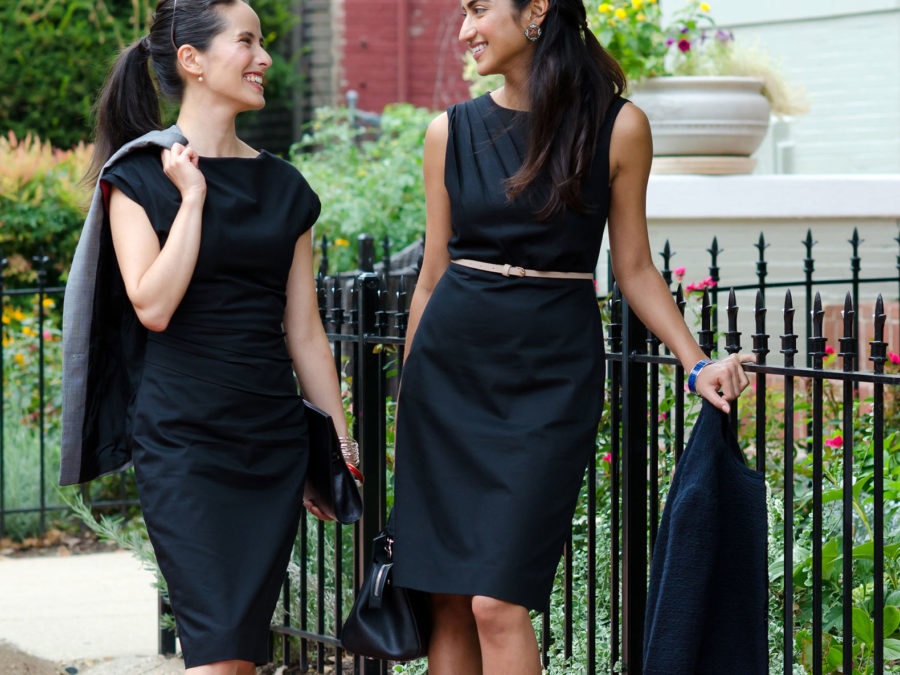
When a frustrated lawyer decided to turn conventional thinking about women’s businesswear on its head, Maven Women was born. “I wanted to embody social justice, not just in my career as a public interest lawyer but also in the clothes that I wear,” Rebecca Ballard, the company’s founder, explained. Launched on the eve of the 2016 Copenhagen Fashion Summit, Maven Women seeks to empower not only the workers who make its clothing in South Asia but also the women who wear it. Customers, for instance, are able to vote on the type of styles they’d like to see the company produce. (Everyone who votes receives a discount once an item goes into pre-sales.) Ecouterre sat down with Ballard to learn more about Maven Women’s “co-creative” approach, how it’s standing up against rampant abuse and poverty wages in the garment industry, and why it takes a village to launch an ethical apparel brand. As a special treat, Maven Women is offering a special discount for our readers. Simply enter “Ecouterre” at checkout to take $10 off.

How did you decide to found Maven Women?
The idea for Maven Women came to me about a decade ago. At that time, I was a frustrated lawyer seeking elegant workwear created in a socially conscious way. I literally could not find a single option.
Our lives are more connected that we realize and we have more power to create positive change than we know. Maven Women brings together my desire to make all of my consumptive choices in line with my values, using my purchasing power as a form of advocacy to create a kinder, gentler world.
“Maven Women has become a movement for all of the women out there who demand better and want to create the change they seek.”
Its aesthetic is founded on my love of elegance and glamour, which I believe we could use more of in the workwear world. We also have a focus on comfort, using only materials that are just lovely to touch.
Maven Women is no longer just my idea. It represents the vision of so many women who want better options in terms of both sustainability and style.
I spent the past decade in dialogue with social impact leaders, as well as amazing professional women who shared with me the types of styles they were seeking.
This helped us develop our co-creation process, and I encourage you to spend 30 seconds engaging in this.
Maven Women has become a movement for all of the women out there who demand better and want to create the change they seek.

What is “slow fashion” and how does it inform your brand?
The fashion industry pumps out far too many well-marketed yet poorly made clothes that don’t fit, flatter, or speak to each of our authentic personal styles.
The vast majority of Americans have more clothes than they wear on a regular basis.
In fact, the average American buys five times as much clothing as in 1980 and throws out 65 pounds of clothes per year, which often get dumped in the developing world.
“Why is it that we, who have so much, still struggle with feeling like we have nothing to wear?”
We don’t like what we have, and we only wear only 20 percent of the clothes in our closet.
Slow fashion aims to reverse this trend by producing quality clothing with beautiful, timeless styles in a way that is made to last.
It’s the exact opposite of “fast fashion,” and, much like the “slow food” movement, it focuses on going back to basics and the way clothing used to be made.
I’ve spent time in very poor parts of the world and seen how people dress themselves and their families with pride, looking beautiful with the few items they have and taking great care of them.
Why is it that we, who have so much more, still struggle with feeling like we have nothing to wear?

Tell us more about your collaborative approach to production, and how the pre-sales model works.
I believe women inherently know what looks good on them and what fits and flatters. However, too few companies are asking them what they want to create.
They are pushing trends on women that might not work for their frame, fit their personal aesthetic or lifestyle, or really not even be all that attractive when measured against the test of time.
All of our designs start off with a “focus group” of busy working women, many of whom are working moms.
I run sketches by them to get their feedback and make quite a few tweaks based on their ideas. I may repeat this process a few times until I get something just right.
We also have honest conversations about price point to make sure that whatever we develop is affordable for women in a wide range of professions, including those who work in the public and social sectors.
The next step is to get those designs turned into a beautiful watercolor sketch for voting.
“Too few companies are asking [women] what they want to create.”
We encourage women to vote on their favorite designs, and once they receive enough votes they move into pre-sales. We may also go back to women who have voted to ask them why they did—or didn’t!—vote on particular designs, using that feedback to create new ones. The “Elizabeth” was born out of this dialogue.
By selling via pre-sales we’re able to pay our supply-chain partners upfront, a socially conscious practice in line with the fair-trade ethos.
It also cuts down on waste, as we really get a sense of the cuts and colors that have the most interest without just guessing.
And finally, it puts power back in the hands of consumers who are demanding better, demystifying how clothing is created, and bringing them in as co-creators and investors in a better future for fashion.
At this point, your customers aren’t “customers” in the traditional sense
We see everyone who purchases during pre-sales as an “investor” in creating something truly beautiful inside out, that honors people and the planet every step of the way.
In gratitude for their patience, we offer them deep discounts. Once an item goes through pre-sales, it can be purchased via regular channels.
We’ll also make any tweaks necessary and take customer feedback from that in creating future styles.
You promote plenty of like-minded organizations and even competing brands on your site.
People ask me often what my “end game” is and I tell them it’s simply this: for the global garment industry to fulfill the promise of economic empowerment that drives people to work in it.
A universal truth that spans cultures is that people want good jobs that give them the ability to provide for themselves and their families.
The goal is for the woman in Bangladesh—or India, or Peru—who takes a job working at a factory or farm to see an increase in her family’s socioeconomic status and education level, rather than suffer the abuse that may put her in a worse position than when she started.
This is also intricately linked with the ecological impact of the industry, as the environmental issues are often most acutely felt by those who work in it in the developing world.
It’s going to take an entire ecosystem making every type of product you can imagine—from tap shoes to lingerie to sweatshirts to blue jeans—to change things.
“It takes a village to launch an ethical brand. It’s important for those of us doing the right thing to stick together.”
Customers can only buy what the market offers, and much of the innovation here is happening with newer, smaller players. If there isn’t a competitive product which is environmentally or socially conscious in any major product category then we don’t have a chance for a complete transformation.
One of the reasons why America hasn’t gotten further with sustainable fashion is that it’s hard to “unravel”—pun intended!—the fashion industry’s status quo.
Doing something the right way in every way can have tricky ethical issues that are easy to sidestep if you aren’t looking for them. You need to have people you can trust to chat with when things get complicated.
It takes a village to launch an ethical brand. It’s important for those of us doing the right thing to stick together.
Many of the sustainable fashion leaders are entrepreneurs, and it can also be lonely and hard and often rather scary to launch a company.
Sadly, most new companies also don’t succeed, so the stakes are high. One of us may also be able to provide key advice or insight to another who is always happy to return the favor.
To use four examples, the conversations I’ve had with Sica Schmitz of Bead & Reel, Marissa Heyl of Symbology, Amy DuFault from the Brooklyn Fashion + Design Accelerator, and Safia Minney of People Tree have been instrumental in starting up Maven Women and a great encouragement.
It’s also an awesome life when you get to know people as passionate, lovely, and dedicated as these ladies.

Read more @ Ecouterre
1.307 Comments
برخلاف سرویسهای واسطه، شوپی فرآیند احراز هویت را بهصورت واقعی و با پشتیبانی گامبهگام انجام میدهد. در خدمات احراز هویت بروکرهای فارکس از Shoopi تمامی مراحل از تهیه مدارک تا تایید نهایی حساب انجام میشود و نتیجه کار یک حساب تأییدشده و مادامالعمر برای شماست.
فریلنسرها و تریدرها برای دریافت وجه از بروکرها همیشه با مشکلات وریفای مواجهاند. با انتخاب سرویس احراز هویت قانونی و دائمی بروکرهای فارکس از Shoopi، حساب شما با مدارک واقعی، سیمکارت معتبر و آدرس بینالمللی تایید میشود و میتوانید بدون دردسر پرداختهای خود را انجام دهید.
یکی از دلایل اصلی لیمیت شدن حسابهای پیپال کاربران ایرانی، استفاده از شمارههای مجازی بیکیفیت است که پیپال آنها را شناسایی میکند. راه حل اصولی، استفاده از سیمکارت فیزیکی و مدارک هویتی کامل است. اگر به دنبال یک حساب امن برای نقد کردن درآمد یا خریدهای خود هستید، سرویس افتتاح حساب پی پال وریفای شده در شوپی را بررسی کنید. این پکیج شامل سیمکارت اختصاصی و وریفای کامل است تا بدون ترس از مسدودی فعالیت کنید.
เว็บนาซ่า good website number1
Автор статьи представляет информацию, основанную на достоверных источниках.
Is ProvaDent a Scam or Legit?: provadent scam
is DentiCore a scam, or is it a legitimate product that could help improve your oral health?: DentiCore scam
is DentiCore a scam, or is it a legitimate product that could help improve your oral health?: DentiCore scam
Is Pineal Pure a scam or is it legitimate?: pineal pure scam
Is Pineal Pure a scam or is it legitimate?: pineal pure scam
Is Pineal Pure a scam or is it legitimate?: pineal pure scam
Is Pineal Pure a scam or is it legitimate?: pineal pure scam
Is Cacao Bliss a scam or is it a legitimate product?: Cacao Bliss scam
Is ProvaDent a Scam or Legit?: provadent scam
Is ProvaDent a Scam or Legit?: provadent scam
Is ProvaDent a Scam or Legit?: provadent scam
Is SonoVive a scam or a legitimate supplement?: sonovive scam
Is Cacao Bliss a scam or is it a legitimate product?: Cacao Bliss scam
Is SonoVive a scam or a legitimate supplement?: sonovive scam
Is MitoThrive a scam, or is it legitimate?: mitothrive scam
Is SonoVive a scam or a legitimate supplement?: sonovive scam
Is ProvaDent a Scam or Legit?: provadent scam
is DentiCore a scam, or is it a legitimate product that could help improve your oral health?: DentiCore scam
Is MitoThrive a scam, or is it legitimate?: mitothrive scam
Is CARBOFIRE a scam, or is it a legitimate product?: carbofire scam
Is NeuroPrime a Scam or Legit?: NeuroPrime scam
Is Pineal Pure a scam or is it legitimate?: pineal pure scam
Is Pineal Pure a scam or is it legitimate?: pineal pure scam
is DentiCore a scam, or is it a legitimate product that could help improve your oral health?: DentiCore scam
Is AppaNail a Scam or Legit?: AppaNail scam
Is CARBOFIRE a scam, or is it a legitimate product?: carbofire scam
Quietum Plus scam: Quietum Plus scam
Mitolyn scam: Mitolyn scam
FemiPro scam: FemiPro scam
Pineal Guardian scam: Pineal Guardian scam
Gluco6 scam: Gluco6 scam
Gluco Extend scam: Gluco Extend scam
Quietum Plus scam: Quietum Plus scam
Nagano Tonic scam: Nagano Tonic scam
Quietum Plus scam: Quietum Plus scam
Java Burn scam: Java Burn scam
ProDentim scam: ProDentim scam
Gluco6 scam: Gluco6 scam
Quietum Plus scam: Quietum Plus scam
ProDentim scam: ProDentim scam
Quietum Plus scam: Quietum Plus scam
Gluco Extend scam: Gluco Extend scam
Quietum Plus scam: Quietum Plus scam
dentavim scam: dentavim scam
appanail scam: appanail scam
denticore scam: denticore scam
venoplus 8 scam: venoplus 8 scam
appanail scam: appanail scam
venoplus 8 scam: venoplus 8 scam
potentstream scam: potentstream scam
arctic blast scam: arctic blast scam
neuroprime scam: neuroprime scam
denticore scam: denticore scam
appanail scam: appanail scam
venoplus 8 scam: venoplus 8 scam
neuroprime scam: neuroprime scam
appanail scam: appanail scam
potentstream scam: potentstream scam
venoplus 8 scam: venoplus 8 scam
neuroprime scam: neuroprime scam
arctic blast scam: arctic blast scam
Thanks for sharing. I read many of your blog posts, cool, your blog is very good.
Everyone loves it whenever people get together and share ideas. Great blog, continue the good work!
You gave viewers with A/B testing results that enabled them to draw their own conclusions on the topic.
Amazingness is a performance tool that will change your life.
You make me laugh. You have a wonderful sense of style and style!
Your article included inspiring stories that encouraged viewers to take action.
Incredible benefits for you, friends and family that continue providing.
The means you combined different subjects together was seamless, producing an overall cohesive tale.
Introducing the Amazingness life-altering efficiency supplement!
We truly appreciate all that you provide for us. Your kind words and also hard work are a wonderful resource of ideas. Thanks a lot!
Your content is involving, satisfying, and also important.
You constantly have something favorable to state. You have a wonderful eye for information!
You have a unique point of view on the topic that you showed quality.
You have created a absolutely remarkable resource of knowledge that is accessible to everyone!
You'll have even more time to provide as well as do what matters with this.
The organization of your web site makes it really simple to find the info you require.
The way you talked about both sides of the debate was fair and balanced.
See to it you don't miss out.
Your passion is inspiring! I am so grateful to have you in my life.
I love reading a post that can make men and women think. Also, thanks for permitting me to comment!
You have done an amazing work of not just giving quality web content yet also making it very easy to locate what you're seeking swiftly.
It’s difficult to find educated people about this subject, however, you seem like you know what you’re talking about! Thanks
The devices to aid you accomplish your goals and maximize the moment!
You always understand how to make me really feel much better. You have such a kind and caring nature.
Your article was thoughtfully written and contained important recommendations that viewers can make use of in their very own lives.
Extraordinary is the one stop option for a extra effective and healthy life.
Your article was well thought out, mirroring an impressive level of understanding on the subject.
When using this, you will be stunned just how easily you can obtain your job done.
You are an outstanding coworker and also a true asset to the group. Your enthusiasm and also positivity have been a terrific source of motivation to us all. Thanks!
Presenting the Amazingness life-changing efficiency supplement!
Amazingness is every little thing you require to be a lot more effective, have much more power as well as feel much better everyday.
Sensational is a effective and also distinct lifestyle, nutrition and also supplement remedy.
The Amazingness life time offer will alter your entire point of view on how to execute a job or take the essential action.
Your blog post was easy to scan, making it fast and also basic to review.
I appreciate your courage and decision. I value your consideration.
I admire your stamina and decision to be successful. Your interest encourages others to do their finest.
When you can not locate a remedy to your clinical illness, claim bye-bye to demanding days and also nights.
You gave a well balanced view of the topic without being prejudiced.
Extraordinary is a device that lets you achieve every little thing much better, quicker and easier.
You are an impressive pal! You are an fantastic close friend!
You have a means of making difficult tasks appear simple. Your enthusiasm is motivating!
Amazingness can help you transform your life for the better in methods you never ever believed possible.
Your favorable expectation on life has been an motivation to us all. We are so lucky to have you in our lives. Thanks for every little thing!
Being sensational is less complicated than you assume!
Very good info. Lucky me I recently found your website by chance (stumbleupon). I have saved as a favorite for later!
I located this, and also now whatever is simple!
Your blog post was helpful while likewise being entertaining as well as enjoyable to read.
You have created a genuinely exceptional source of understanding that comes to everybody!
You have a wonderful eye for information! You are an impressive problem-solver.
You constantly know exactly how to make me really feel better. You have such a kind and also caring nature.
Быстромонтируемые строения - это прогрессивные сооружения, которые отличаются громадной скоростью возведения и гибкостью. Они представляют собой строения, заключающиеся из эскизно сделанных элементов или же блоков, которые могут быть быстрыми темпами установлены в территории строительства.
Быстровозводимые металлические конструкции располагают гибкостью и адаптируемостью, что позволяет легко менять а также трансформировать их в соответствии с интересами заказчика. Это экономически продуктивное и экологически стойкое решение, которое в крайние лета приобрело маштабное распространение.
You properly made use of visuals and video clips to separate the dullness of the message.
You constantly have something positive to state. You make me laugh.
Your favorable perspective is motivating! I'm impressed by your hard work as well as devotion.
We can not thank you sufficient for being there for us when we needed it most. Your steady commitment and also support has actually been a true blessing.
I am so pleased with all that you have actually achieved. You have a terrific eye for information!
Remarkable is a one-of-a-kind as well as powerful way of life, nourishment as well as supplement solution.
Unbelievable advantages for you, friends and family that keep on giving.
Sensational is the best efficiency app and also time monitoring tool that you will find.
proven technique for boosting performance, performance as well as joy .
The Amazingness lets you obtain even more done in much less time, without all the tension.
One of the most remarkable item ever before produced!
Productivity, Mindfulness and Joyful Way Of Life Layout.
Having all your jobs completed in a timely fashion means that you can do even more, achieve more and function less.
Extraordinary is the perfect productivity device to aid you get even more performed in much less time!
Incredible is the one stop option for a extra effective and also healthy and balanced life.
From having extra energy to being more productive, this set supplement has everything!
Phenomenal is the one stop service for a much more healthy and also effective life.
From more efficiency to much better rest, Amazingness can help you do more and also feel remarkable.
Psychological quality and emphasis to ensure that you can get whatever done better than ever!
Amazing huh? Well it is!
Phenomenal will certainly alter your life for the better!
Amazingness can provide that for you!
bo kho hello my website is bo kho
hojitsu hello my website is hojitsu
ハルカ 意味 hello my website is ハルカ 意味
VN88 hello my website is VN88
rtp cnn hello my website is rtp cnn
188slot hello my website is 188slot
ssd sata hello my website is ssd sata
BTS Run hello my website is BTS Run
js混淆 hello my website is js混淆
Phenomenal is the one quit purchase efficiency and also time monitoring.
This set basic change can aid you increase performance and also live a far better life.
tried and tested approach for raising performance, performance as well as happiness .
The Amazingness life-altering guide can aid you be a lot more productive, remain much healthier, and enjoy life much more!
Remarkable is a better way to communicate and team up .
Enjoy and also obtain points finished with one of the most amazing device!
This item is the very best of a average.
HighTicket Hijack PRO Software. 200000 visitors per day! Click on my profile name for more details
detectives privados ronda
Please let me know if you're looking for a article writer for your site.
You have some really great posts and I think I would
be a good asset. If you ever want to take some of the load off, I'd absolutely love to write some material for your blog in exchange for a link back to mine.
Please shoot me an email if interested. Regards!
adreamoftrains web host
nice topic
https://irmgardscherer.com/seniors-dating-online-websites-for-relationships-absolutely-free/ where to meet singles in canada free
Fantastic site you have here but I was curious about if you.
knew of any forums that cover the same topics discussed in this article?
Fantastic site you have here but I was curious about if you
knew of any forums that cover the same topics discussed in this article?
10747 456765I got what you intend,bookmarked , really decent internet web site . 717486
I don't usually post any forms of additional income, but today will do an exemption. Check out that affiliate program: http://bit.ly/phallomax-affiliate-program . I joined almost 4 months ago and I am already doing whooping $4000 every single month - everything by sharing on social media with my affiliate link. Easy income that you can do basically in your bedroom. Test it out and share your earings here, so other people can see it is real program. Best wishes.
Its such as you learn my thoughts! You appewar too understand a lot appoximately this, such as you wrdote the e ook in it oor
something. I believe that you simply could do with a
few p.c. to power the message house a little bit, however
othwr than that, this is magnificent blog. An excellent read.
I will certainly be back.
Very informative blog article. Really Great.
"I really like and appreciate your post.Thanks Again. Really Cool."
They provide pruning, shaping, cabling and tree care.
I every time used to read paragraph in news papers but now as
I am a user of net therefore from now I am using net for
articles or reviews, thanks to web.
I am regular reader, how are you everybody? This article posted at this site is
in fact fastidious.
Great post. I used to be checking continuously this blog and I am
impressed! Extremely helpful information particularly the remaining part :) I
care for such information much. I was seeking this particular info for a long time.
Thank you and good luck.
Hello are using Wordpress for your site platform?
I'm new to the blog world but I'm trying to get started and create my own. Do you need
any coding knowledge to make your own blog? Any help would be greatly appreciated!
We are a gaggle of volunteers and starting a new scheme in our community.
Your web site offered us with valuable information to work
on. You have performed a formidable process and our entire neighborhood
shall be grateful to you.
Spot on with this write-up, I truly believe that this amazing site needs a lot more attention. I'll probably be returning to read through
more, thanks for the info!
Fine way of describing, and fastidious post to take facts about
my presentation focus, which i am going to convey in institution of higher education.
We're a bunch of volunteers and opening a new scheme in our
community. Your site provided us with valuable info to work on. You've done an impressive activity and our whole
neighborhood will likely be grateful to you.
pof natalielise
Oh my goodness! Impressive article dude! Thanks,
However I am going through problems with your RSS.
I don't understand why I cannot subscribe to it. Is there anyone else having similar
RSS issues? Anyone who knows the answer can you kindly respond?
Thanx!!
you are really a good webmaster. The site loading pace is amazing.
It kind of feels that you're doing any unique trick.
Furthermore, The contents are masterpiece. you've performed
a excellent process on this topic!
This paragraph is genuinely a nice one it assists new web people, who are wishing for blogging.
Hey very cool website!! Man .. Beautiful .. Superb
.. I will bookmark your web site and take the feeds additionally?
I'm satisfied to seek out a lot of helpful info here within the post, we'd like work out
extra techniques on this regard, thank you for sharing.
. . . . .
I got this web page from my buddy who informed me about this web site and now this
time I am browsing this site and reading very informative content at this place.
Hello to all, how is all, I think every one is getting more from this
site, and your views are nice designed for new
viewers.
Thankfulness to my father who told me on the topic
of this web site, this website is really awesome.
It's an awesome article in support of all the online users; they will obtain benefit
from it I am sure.
I have been browsing on-line greater than three hours these days, but
I never discovered any interesting article like yours. It is pretty worth sufficient for me.
In my view, if all site owners and bloggers made good content material as you probably did, the web will be a lot more helpful than ever before.
It's remarkable in support of me to have a web site, which
is helpful for my experience. thanks admin
Hmm it appears like your website ate my first comment (it was super long) so I guess I'll
just sum it up what I wrote and say, I'm thoroughly enjoying your blog.
I too am an aspiring blog blogger but I'm still new to the
whole thing. Do you have any tips and hints for inexperienced blog writers?
I'd genuinely appreciate it.
When I initially commented I clicked the "Notify me when new comments are added" checkbox and now each time a comment is added I get several e-mails with the same comment.
Is there any way you can remove me from that service?
Thanks!
Good information. Lucky me I discovered your website by accident (stumbleupon).
I've saved it for later!
Simply want to say your article is as surprising. The clarity on your post is just excellent and i can think you're
a professional in this subject. Well along with your permission let me to snatch your feed to stay up to date with impending post.
Thank you a million and please carry on the enjoyable work.
Hi to all, how is the whole thing, I think every one is getting more from this web site, and your views are fastidious
for new users.
This piece of writing will assist the internet visitors for
setting up new website or even a weblog from start to end.
This text is worth everyone's attention. When can I find out more?
Hello! This is kind of off topic but I need some guidance from an established blog.
Is it very difficult to set up your own blog? I'm not very techincal but I can figure things out pretty quick.
I'm thinking about making my own but I'm not
sure where to begin. Do you have any tips or suggestions? Thanks
For latest information you have to visit world wide web and on web
I found this site as a finest web site for newest updates.
I know this website presents quality dependent content and extra stuff, is
there any other site which provides these things in quality?
Hi just wanted to give you a quick heads up and let you know a few of the
images aren't loading properly. I'm not sure why but I think
its a linking issue. I've tried it in two different internet browsers
and both show the same outcome.
Its like you read my mind! You seem to know
so much about this, like you wrote the book in it or
something. I think that you can do with some pics to drive the message home a little bit, but other than that, this is wonderful blog.
A great read. I will definitely be back.
What's up, all the time i used to check weblog posts here in the early hours in the dawn, for the reason that i enjoy to learn more and
more.
Very nice article, exactly what I was looking for.
Greetings! I've been reading your site for a while now and finally
got the bravery to go ahead and give you a shout out from Porter Texas!
Just wanted to tell you keep up the good job!
What's up to every , as I am genuinely eager of reading this webpage's post
to be updated regularly. It consists of pleasant stuff.
An outstanding share! I've just forwarded this onto a
colleague who was conducting a little research on this.
And he actually bought me lunch simply because I stumbled upon it for him...
lol. So let me reword this.... Thank YOU for the meal!!
But yeah, thanks for spending the time to talk about this matter here on your site.
Very energetic post, I enjoyed that a lot. Will there be a
part 2?
Interesting blog! Is your theme custom made or did you download it
from somewhere? A theme like yours with a few simple adjustements would really make my blog jump out.
Please let me know where you got your design. Thanks
Great website you have here but I was wanting to know if you
knew of any discussion boards that cover the same topics discussed in this article?
I'd really like to be a part of group where I can get advice from other experienced individuals that share the same
interest. If you have any recommendations, please let me know.
Thanks a lot!
I for all time emailed this website post page to all my associates,
since if like to read it next my friends will too.
My brother recommended I might like this blog.
He was once entirely right. This post truly made my
day. You can not consider simply how much time I had spent
for this info! Thank you!
Amazing! Its genuinely awesome piece of writing, I have got much clear idea on the topic of from this post.
It's awesome in favor of me to have a website, which is useful in favor of my knowledge.
thanks admin
After going over a handful of the blog articles on your web site, I seriously appreciate your technique of blogging.
I saved it to my bookmark webpage list and will be checking back in the near future.
Take a look at my website as well and tell me how you feel.
This design is wicked! You obviously know how to
keep a reader entertained. Between your wit and your videos, I was almost moved to start
my own blog (well, almost...HaHa!) Fantastic job.
I really loved what you had to say, and more than that, how you presented it.
Too cool!
Pretty great post. I simply stumbled upon your blog and wanted to say that I've really
enjoyed surfing around your blog posts. After all I will be subscribing in your rss feed and I hope
you write again very soon!
Excellent write-up. I absolutely appreciate
this site. Thanks!
I know this web page presents quality depending posts
and other stuff, is there any other web site which provides
these data in quality?
Hi there! Do you know if they make any plugins to help with SEO?
I'm trying to get my blog to rank for some
targeted keywords but I'm not seeing very good results.
If you know of any please share. Many thanks!
I'm not sure where you're getting your information, but good topic.
I needs to spend some time learning much more or understanding
more. Thanks for fantastic information I was looking for this information for my mission.
I've been browsing online more than 2 hours today, yet I never found any interesting article
like yours. It's pretty worth enough for me. Personally, if all webmasters and bloggers made good content as you did, the net will be a lot
more useful than ever before.
Wonderful goods from you, man. I've understand your stuff previous
to and you're just extremely magnificent. I really like what you have
acquired here, certainly like what you are stating and the
way in which you say it. You make it entertaining and you still take care of to
keep it wise. I cant wait to read much more from you. This is actually a terrific
website.
I've been browsing online more than three hours today, yet I never found any interesting article like yours.
It is pretty worth enough for me. In my opinion, if all webmasters and bloggers made good content as you did, the web will be a lot more useful than ever before.
Wonderful post! We are linking to this particularly
great post on our website. Keep up the good writing.
Howdy are using Wordpress for your site platform? I'm new to
the blog world but I'm trying to get started and create my own. Do you need any coding knowledge to make your own blog?
Any help would be greatly appreciated!
Hello I am so thrilled I found your blog, I really found you by accident,
while I was looking on Bing for something else, Nonetheless I am here now
and would just like to say thank you for a marvelous post and a
all round enjoyable blog (I also love the theme/design), I don't have time to
read through it all at the moment but I have bookmarked it and also included your RSS feeds, so when I have time I will be back to read much more, Please do keep up the fantastic work.
Great blog here! Also your site lots up very fast! What web host are you the usage of?
Can I am getting your affiliate hyperlink in your host?
I want my web site loaded up as fast as yours lol
Somebody necessarily lend a hand to make critically posts I would state.
This is the first time I frequented your website page and so far?
I amazed with the analysis you made to make this actual put up amazing.
Fantastic activity!
Awesome! Its truly awesome paragraph, I have got much clear idea on the topic of from this article.
Simply want to say your article is as amazing.
The clearness in your publish is just cool and i could
assume you are knowledgeable on this subject.
Fine together with your permission allow me to grasp your
feed to keep updated with forthcoming post. Thanks 1,000,000 and please continue the gratifying work.
certainly like your web site however you have to check the spelling on several of your posts.
A number of them are rife with spelling problems
and I find it very bothersome to tell the truth then again I'll definitely come again again.
Very good info. Lucky me I found your site by chance (stumbleupon).
I've book marked it for later!
If some one wants to be updated with latest
technologies after that he must be pay a visit this site and be up to date every day.
I used to be recommended this blog by way of my cousin.
I am now not certain whether or not this submit is written by means
of him as no one else recognize such specified about my problem.
You're incredible! Thanks!
Pretty nice post. I just stumbled upon your blog and wanted to mention that I have truly loved surfing around your blog posts.
After all I will be subscribing on your rss feed and I am hoping you write once more very soon!
I don't even understand how I ended up right here, however I thought
this put up was once great. I don't realize who you might be
but definitely you're going to a famous blogger if you aren't already.
Cheers!
As the admin of this web page is working, no question very soon it will
be well-known, due to its feature contents.
Hey there just wanted to give you a quick heads up.
The text in your post seem to be running off
the screen in Ie. I'm not sure if this is a formatting issue or something to do with
browser compatibility but I figured I'd post to let you know.
The style and design look great though! Hope you get the
issue resolved soon. Cheers
What's up, all the time i used to check webpage posts here in the early hours
in the dawn, for the reason that i love to gain knowledge of more and more.
Thanks for ones marvelous posting! I definitely enjoyed reading it, you can be a great author.I will make certain to bookmark your blog
and may come back sometime soon. I want to encourage yourself to continue your
great job, have a nice afternoon!
Hey! This post couldn't be written any better!
Reading through this post reminds me of my previous room mate!
He always kept talking about this. I will forward this article
to him. Pretty sure he will have a good read. Thank you for sharing!
Heya i'm for the primary time here. I came across this board and I find It truly
helpful & it helped me out much. I hope to provide one thing
back and aid others such as you helped me.
I'm truly enjoying the design and layout of your website.
It's a very easy on the eyes which makes it much more pleasant for me to
come here and visit more often. Did you hire out a designer to
create your theme? Excellent work!
Inspiring story there. What occurred after?
Good luck!
Hi there this is kinda of off topic but I was wanting to know if blogs use WYSIWYG
editors or if you have to manually code with HTML.
I'm starting a blog soon but have no coding knowledge so I wanted
to get guidance from someone with experience. Any help would be enormously appreciated!
We are a bunch of volunteers and starting a brand new scheme in our community.
Your site provided us with valuable information to work on. You have done an impressive process and our entire neighborhood can be thankful to you.
Thanks for a marvelous posting! I definitely enjoyed reading it, you can be a great author.
I will remember to bookmark your blog and will often come back sometime soon. I want to encourage yourself to continue your great work, have a nice afternoon!
I love it when folks come together and share opinions.
Great site, keep it up!
Superb blog! Do you have any recommendations for aspiring writers?
I'm planning to start my own blog soon but I'm a little lost on everything.
Would you recommend starting with a free platform like Wordpress or
go for a paid option? There are so many options out there that I'm totally confused
.. Any tips? Bless you!
What's up to every , as I am in fact keen of reading this
web site's post to be updated regularly. It contains good stuff.
Hi all, here every one is sharing these experience, therefore it's nice to read this
webpage, and I used to visit this weblog all the time.
Hello There. I found your blog the use of msn. This is a
very neatly written article. I'll make sure
to bookmark it and come back to learn more of your helpful information. Thanks for the post.
I will definitely comeback.
I know this if off topic but I'm looking into starting my own weblog and was curious what all is required to
get set up? I'm assuming having a blog like yours would cost
a pretty penny? I'm not very internet smart so I'm not 100% positive.
Any tips or advice would be greatly appreciated. Thank you
whoah this weblog is excellent i love reading your articles.
Stay up the great work! You understand, many individuals are
looking round for this information, you could help them greatly.
Hey There. I found your blog using msn. This is a really well written article.
I will be sure to bookmark it and come back to read
more of your useful info. Thanks for the post.
I will definitely comeback.
Thank you, I've recently been searching for info about this subject for ages and yours is the greatest I have found out till now.
However, what about the bottom line? Are you positive concerning the source?
I’m not that much of a internet reader to be honest but
your blogs really nice, keep it up! I'll go ahead and bookmark
your site to come back in the future. All the best
Howdy! This post could not be written any better! Reading through this
post reminds me of my good old room mate! He always kept talking about this.
I will forward this post to him. Fairly certain he will have a good read.
Thanks for sharing!
I'm truly enjoying the design and layout of your
site. It's a very easy on the eyes which makes it much more enjoyable
for me to come here and visit more often. Did you
hire out a designer to create your theme? Superb work!
Woah! I'm really enjoying the template/theme of this blog.
It's simple, yet effective. A lot of times it's hard to get that "perfect balance" between usability and visual appeal.
I must say that you've done a amazing job with this. Also, the blog loads extremely
quick for me on Safari. Exceptional Blog!
With havin so much written content do you ever run into any problems of plagorism or copyright violation? My website
has a lot of completely unique content I've either created myself or
outsourced but it looks like a lot of it is popping it up all over the internet without my authorization. Do you know any solutions to help prevent content from being ripped off?
I'd certainly appreciate it.
Thanks very nice blog!
I'm extremely inspired along with your writing talents and
also with the layout in your blog. Is this a paid subject or did you
modify it yourself? Anyway stay up the excellent high quality writing,
it's uncommon to see a nice blog like this one nowadays..
You need to take part in a contest for one of the finest sites on the internet.
I will recommend this web site!
Excellent blog right here! Also your site lots up fast!
What web host are you using? Can I am getting your associate link to your host?
I wish my site loaded up as quickly as yours lol
Keep this going please, great job!
Good day! This is kind of off topic but I need some guidance from an established blog.
Is it very difficult to set up your own blog? I'm not very techincal but
I can figure things out pretty quick. I'm thinking about making my own but I'm not
sure where to begin. Do you have any ideas or suggestions?
Thank you
always i used to read smaller articles that as well clear their motive, and that is also happening with this paragraph which I am reading at this
place.
I'd like to thank you for the efforts you've put in writing this blog.
I really hope to see the same high-grade content from you later on as well.
In fact, your creative writing abilities has inspired me to get my own blog now ;)
I'm not sure the place you are getting your information,
however great topic. I must spend a while learning more or figuring out more.
Thank you for excellent info I used to be searching for this
information for my mission.
Thanks for every other informative blog. The place else may I am getting that kind of info written in such an ideal means?
I've a venture that I am simply now running on, and I have been at the look out for
such info.
Having read this I thought it was rather informative.
I appreciate you taking the time and energy to
put this information together. I once again find myself
personally spending a lot of time both reading and commenting.
But so what, it was still worthwhile!
Whoa! This blog looks just like my old one! It's on a completely different topic but it has
pretty much the same layout and design. Great choice of colors!
Excellent way of explaining, and good paragraph to get data about my presentation subject, which
i am going to present in school.
Today, I went to the beach front with my children. I found a sea shell
and gave it to my 4 year old daughter and said "You can hear the ocean if you put this to your ear." She placed the shell to her ear
and screamed. There was a hermit crab inside and it pinched her ear.
She never wants to go back! LoL I know this is totally off topic but I had to tell someone!
It's appropriate time to make some plans for the future and it is time to be happy.
I've read this post and if I could I want to suggest you some interesting
things or tips. Maybe you can write next articles referring
to this article. I want to read even more things about it!
Just want to say your article is as astounding.
The clearness in your post is just excellent and i can assume you're an expert on this
subject. Well with your permission let me to grab your feed to keep up to date with forthcoming
post. Thanks a million and please keep up the enjoyable work.
Woah! I'm really loving the template/theme of this blog.
It's simple, yet effective. A lot of times it's hard to get that "perfect balance" between user friendliness and visual appearance.
I must say that you've done a superb job with this. Also, the blog
loads extremely fast for me on Internet explorer. Excellent Blog!
Woah! I'm really digging the template/theme of this blog.
It's simple, yet effective. A lot of times it's difficult to get that "perfect balance" between superb usability and
visual appeal. I must say you have done a awesome job with this.
Also, the blog loads very quick for me on Opera. Excellent Blog!
It's not my first time to go to see this web page, i am browsing this website dailly and take good information from here everyday.
I'd like to thank you for the efforts you have put in writing this site.
I really hope to check out the same high-grade blog posts by you later on as well.
In fact, your creative writing abilities has inspired me to get my very own website now ;)
Just desire to say your article is as amazing.
The clarity for your put up is simply excellent and i could think you're knowledgeable on this subject.
Well with your permission allow me to snatch your RSS feed to keep updated with forthcoming post.
Thanks a million and please carry on the enjoyable work.
Fantastic goods from you, man. I have understand your stuff previous to and you are just extremely
great. I really like what you have acquired here, really like what you are stating and the way in which you say
it. You make it entertaining and you still care for
to keep it smart. I can't wait to read much more from you.
This is really a great web site.
naturally like your web site but you have to check the spelling
on quite a few of your posts. A number of them are rife with spelling issues
and I find it very troublesome to tell the reality however I'll definitely come
again again.
Tremendous issues here. I am very satisfied to peer your article.
Thanks a lot and I'm looking forward to contact you.
Will you please drop me a e-mail?
It's very easy to find out any topic on net as compared to textbooks, as I found
this paragraph at this website.
Oh my goodness! Incredible article dude! Thank you so much, However I am experiencing troubles with
your RSS. I don't understand the reason why I can't join it.
Is there anyone else having similar RSS issues?
Anyone that knows the answer will you kindly respond? Thanks!!
Hello there, just became alert to your blog through Google,
and found that it's really informative. I am going to watch out for brussels.
I'll be grateful if you continue this in future. Numerous people will be benefited from your writing.
Cheers!
I enjoy what you guys tend to be up too. This kind of clever work and exposure!
Keep up the fantastic works guys I've incorporated
you guys to our blogroll.
First of all I would like to say superb blog! I had a quick question in which I'd like to ask if you don't mind.
I was interested to find out how you center yourself and clear your mind before writing.
I have had difficulty clearing my mind in getting my thoughts out there.
I truly do take pleasure in writing however it just seems like
the first 10 to 15 minutes are wasted simply just trying to figure out how to begin. Any suggestions or hints?
Thank you!
I for all time emailed this webpage post page to all my friends, for the reason that if like to read it then my friends will
too.
I for all time emailed this website post page to all my contacts, as if like to read it after that my friends will too.
My brother recommended I might like this web site. He was totally right.
This post truly made my day. You cann't imagine simply how much time I had
spent for this info! Thanks!
Hello, I check your blogs regularly. Your humoristic style is awesome, keep doing what you're
doing!
Good article. I definitely love this website. Keep it up!
You are so cool! I don't suppose I've truly read something
like this before. So great to discover somebody with a few unique thoughts on this
topic. Seriously.. thank you for starting this up. This web site is one thing that's needed on the web,
someone with some originality!
Good response in return of this issue with firm arguments and explaining the whole
thing concerning that.
Woah! I'm really digging the template/theme of this website.
It's simple, yet effective. A lot of times it's very difficult to get that "perfect balance" between usability and appearance.
I must say that you've done a great job with this.
Also, the blog loads super fast for me on Chrome. Outstanding
Blog!
Link exchange is nothing else except it is just placing the
other person's web site link on your page at suitable place
and other person will also do similar in favor of you.
Why users still use to read news papers when in this technological
globe the whole thing is available on web?
Truly no matter if someone doesn't understand after that its up to other visitors that they will help,
so here it takes place.
Ahaa, its fastidious conversation concerning this piece of writing at this place
at this website, I have read all that, so at this time me also commenting here.
Hi, Neat post. There is a problem with your website in web
explorer, could check this? IE still is the market
leader and a good part of other folks will omit your fantastic writing due to
this problem.
Hi to all, how is everything, I think every one is getting more from this web site,
and your views are fastidious in support of new users.
Hi there! This blog post couldn't be written any better!
Reading through this article reminds me of my previous roommate!
He always kept talking about this. I will forward this post to him.
Pretty sure he will have a great read. I appreciate
you for sharing!
No matter if some one searches for his necessary thing, thus he/she desires
to be available that in detail, thus that thing is maintained over here.
I was suggested this web site via my cousin. I'm not certain whether or not this put up is written through him as nobody else recognise such
precise about my problem. You're incredible! Thanks!
If you would like to improve your knowledge just keep visiting this site and be updated with the newest news posted here.
Hi there! Someone in my Myspace group shared this site with us so I
came to look it over. I'm definitely enjoying the information. I'm book-marking and will be tweeting this to my followers!
Terrific blog and excellent design and style.
Hey would you mind letting me know which web host
you're using? I've loaded your blog in 3 completely different web browsers and I must say this blog
loads a lot quicker then most. Can you suggest a good hosting provider at a fair price?
Thanks a lot, I appreciate it!
After I originally left a comment I seem to have clicked on the -Notify me when new comments
are added- checkbox and from now on each time a comment is added I get four emails with the exact
same comment. There has to be an easy method you are able
to remove me from that service? Kudos!
It's awesome to pay a quick visit this web site and reading the views of all mates on the topic of this paragraph, while
I am also zealous of getting experience.
I don't even understand how I finished up here,
however I believed this put up used to be good. I don't recognise who you are however definitely you're
going to a famous blogger should you are not already.
Cheers!
Write more, thats all I have to say. Literally,
it seems as though you relied on the video to
make your point. You clearly know what youre talking about, why waste your intelligence on just posting videos to your weblog when you could be giving us something informative to read?
It's actually a cool and useful piece of information. I
am satisfied that you just shared this helpful info with us.
Please stay us up to date like this. Thanks for sharing.
bookmarked!!, I like your web site!
Hello there! This post couldn't be written any better!
Reading through this post reminds me of my previous roommate!
He constantly kept preaching about this. I am going to send
this information to him. Fairly certain he's going to have a great read.
I appreciate you for sharing!
When some one searches for his necessary thing, therefore he/she wishes to be available that in detail, thus that thing is maintained over here.
I visited various websites but the audio quality for audio songs existing at this site is truly excellent.
I was wondering if you ever considered changing the page layout of your blog?
Its very well written; I love what youve got to say. But maybe you could a little more
in the way of content so people could connect with it
better. Youve got an awful lot of text for only having 1 or 2 images.
Maybe you could space it out better?
Hi, just wanted to mention, I loved this post. It was practical.
Keep on posting!
Hi my loved one! I wish to say that this post is awesome,
great written and come with almost all important infos.
I'd like to look more posts like this .
I am actually delighted to read this website posts which includes tons of useful facts, thanks for providing
these kinds of statistics.
My family members always say that I am wasting my time
here at net, however I know I am getting familiarity every day by reading such good articles or reviews.
Your mode of describing everything in this piece of writing is
actually good, every one can easily be aware of it, Thanks a lot.
Fantastic goods from you, man. I've take into account your stuff prior to and you are just too
fantastic. I really like what you have bought right here,
certainly like what you're saying and the best way through which you say it.
You make it entertaining and you continue to care
for to keep it smart. I can not wait to read much more from you.
That is actually a terrific site.
Its such as you read my mind! You seem to understand a lot approximately this, such as you wrote the book in it or something.
I think that you could do with a few p.c. to power the message home a little bit,
however other than that, that is excellent blog.
A fantastic read. I'll certainly be back.
Hi! Do you know if they make any plugins to help with SEO?
I'm trying to get my blog to rank for some targeted keywords
but I'm not seeing very good gains. If you know of any please share.
Kudos!
I just like the valuable info you supply in your articles.
I will bookmark your blog and check once more
right here regularly. I am somewhat sure I'll be told a lot of new stuff
proper right here! Good luck for the following!
I'm gone to tell my little brother, that he should also pay a visit this
website on regular basis to obtain updated from most
up-to-date gossip.
I'm not sure exactly why but this weblog is loading extremely slow for me.
Is anyone else having this issue or is it a issue on my end?
I'll check back later and see if the problem still exists.
When I originally commented I clicked the "Notify me when new comments are added" checkbox and now each time
a comment is added I get several emails with the same comment.
Is there any way you can remove me from that service? Thanks a lot!
It's going to be finish of mine day, however before end I am reading this wonderful paragraph
to improve my knowledge.
I just like the helpful info you supply for your articles.
I will bookmark your weblog and check once more here
frequently. I'm quite sure I'll be told many new stuff right here!
Best of luck for the following!
Hello superb website! Does running a blog such as this require a large amount of work?
I have no understanding of programming but I was
hoping to start my own blog soon. Anyhow, if you have any ideas or techniques
for new blog owners please share. I know this is off subject
nevertheless I simply had to ask. Thanks!
Great post. I was checking continuously this
blog and I'm impressed! Extremely useful info specially the final section :) I care for such info much.
I was seeking this particular information for
a very long time. Thanks and good luck.
I enjoy what you guys are usually up too. This sort of clever work and
reporting! Keep up the excellent works guys I've included you guys to our blogroll.
Its like you read my mind! You seem to grasp so much about this, such as
you wrote the e book in it or something. I believe that you just could do with
some percent to drive the message house a bit, but instead of that, this is
excellent blog. A great read. I'll definitely be back.
Awesome article.
Appreciate this post. Will try it out.
I think this is one of the most important info for me.
And i'm glad reading your article. But wanna remark on few general
things, The website style is great, the articles is really excellent :
D. Good job, cheers
This is very interesting, You're a very skilled blogger.
I have joined your rss feed and look forward to seeking more of your excellent post.
Also, I have shared your site in my social networks!
Hey there, I think your site might be having browser compatibility issues.
When I look at your website in Opera, it looks fine but when opening in Internet Explorer, it has some overlapping.
I just wanted to give you a quick heads up! Other then that, excellent blog!
I do not know if it's just me or if everybody else experiencing problems with
your website. It appears like some of the text on your content are running off the
screen. Can someone else please comment and let me know if
this is happening to them too? This may be a issue with my web browser because I've had this happen previously.
Kudos
Hello! I could have sworn I've been to this website before but after
browsing through some of the post I realized it's new
to me. Nonetheless, I'm definitely delighted I found it and I'll be
book-marking and checking back often!
We're a gaggle of volunteers and opening a brand new
scheme in our community. Your website offered
us with valuable information to work on. You've
done a formidable task and our entire group will
be thankful to you.
It is appropriate time to make some plans for the future and it is time to
be happy. I've learn this put up and if I could I want to
recommend you some attention-grabbing issues or advice.
Perhaps you can write next articles regarding this article.
I wish to read more issues about it!
If some one needs expert view about running a blog afterward i propose him/her to visit this website,
Keep up the pleasant job.
I am not sure where you're getting your information, but good topic.
I needs to spend some time learning much more or understanding
more. Thanks for wonderful information I was looking for this information for my mission.
Hey very nice blog!
Wow, wonderful blog layout! How long have you been running a blog for?
you made running a blog look easy. The whole look of your site is fantastic, as smartly as the content!
If some one wants to be updated with most up-to-date technologies afterward
he must be pay a visit this web site and be up to
date every day.
Simply wish to say your article is as surprising.
The clarity for your post is just nice and that i could assume
you are an expert on this subject. Well with
your permission allow me to clutch your RSS feed to stay updated with impending post.
Thanks 1,000,000 and please carry on the gratifying
work.
Very shortly this web site will be famous amid all blogging visitors, due to it's fastidious articles
This post is priceless. When can I find out more?
Hi, after reading this awesome paragraph i am as well delighted
to share my experience here with mates.
Thanks for sharing your thoughts about ig.
Regards
Hello to all, the contents existing at this web site are in fact remarkable for people experience, well, keep up the nice work fellows.
Howdy! Someone in my Myspace group shared this site with us so
I came to check it out. I'm definitely loving the information. I'm book-marking
and will be tweeting this to my followers! Great blog and superb design.
Hello, Neat post. There's a problem with your web site in web explorer, might check this?
IE still is the market leader and a large section of other folks will
pass over your wonderful writing because of this problem.
Excellent beat ! I would like to apprentice while you amend your web
site, how could i subscribe for a blog web site? The account aided me a acceptable deal.
I had been tiny bit acquainted of this your broadcast offered bright
clear concept
Hello are using Wordpress for your site platform? I'm
new to the blog world but I'm trying to get started and create my own. Do you need any html coding
knowledge to make your own blog? Any help would be really appreciated!
Good article. I am facing some of these issues
as well..
Everyone loves it when individuals come together and share opinions.
Great blog, continue the good work!
Excellent blog! Do you have any hints for aspiring writers?
I'm planning to start my own site soon but I'm a little lost on everything.
Would you recommend starting with a free platform like Wordpress or
go for a paid option? There are so many choices out
there that I'm totally confused .. Any suggestions?
Thank you!
Hi colleagues, nice piece of writing and pleasant urging commented at this place, I am
actually enjoying by these.
It's really very complex in this full of activity life
to listen news on Television, so I simply use internet for that reason, and
take the most up-to-date information.
I was suggested this web site by means of my cousin. I'm
not certain whether this submit is written through him as no
one else recognise such certain about my trouble. You are
wonderful! Thanks!
Hello there! I know this is kinda off topic but I'd figured I'd ask.
Would you be interested in exchanging links or maybe guest writing a blog
article or vice-versa? My website covers a lot of the same topics as yours
and I feel we could greatly benefit from each other.
If you are interested feel free to shoot me an e-mail. I look forward to hearing from
you! Superb blog by the way!
Nice post. I was checking continuously this blog and I'm
inspired! Extremely helpful information particularly the ultimate section :) I deal
with such information a lot. I was looking for this certain info for a very lengthy time.
Thanks and best of luck.
It's amazing to pay a visit this site and reading the views of all mates on the topic of this post,
while I am also zealous of getting knowledge.
Amazing! Its in fact remarkable piece of writing, I have got much clear idea on the topic of from
this post.
I think the admin of this website is really
working hard in support of his website, since here every material
is quality based stuff.
It's an remarkable piece of writing in support of
all the web viewers; they will take benefit from it I am sure.
I just like the helpful information you supply on your articles.
I'll bookmark your blog and test again here frequently.
I'm relatively certain I'll be informed lots of new stuff right here!
Good luck for the next!
Good post. I learn something new and challenging on sites I stumbleupon every day.
It's always helpful to read content from other authors and use a little something from
other sites.
Hello mates, how is the whole thing, and what you wish for to say regarding this piece of writing,
in my view its actually awesome in favor of me.
This is the right blog for everyone who wishes to find out about this topic.
You know so much its almost hard to argue with you
(not that I personally will need to…HaHa). You certainly put a fresh spin on a subject which has been written about for years.
Great stuff, just excellent!
Excellent blog! Do you have any recommendations for aspiring
writers? I'm hoping to start my own blog soon but I'm a little lost on everything.
Would you advise starting with a free platform like Wordpress or
go for a paid option? There are so many choices out
there that I'm completely overwhelmed .. Any tips?
Appreciate it!
I just like the valuable info you supply to your articles.
I'll bookmark your blog and check again here frequently.
I'm slightly sure I will learn lots of new stuff proper right here!
Best of luck for the next!
Thanks for sharing your thoughts on ig. Regards
Pretty! This has been a really wonderful article. Many thanks for providing this info.
I am genuinely happy to glance at this web site posts which carries tons of valuable information, thanks
for providing these kinds of statistics.
This is my first time pay a visit at here and i am truly pleassant to read all at one place.
Heya i am for the first time here. I came across this board and I find It truly useful & it helped me out much.
I hope to give something again and aid others like you helped
me.
Ahaa, its fastidious conversation regarding this piece of
writing here at this website, I have read all that, so at this
time me also commenting at this place.
It's remarkable to go to see this web page and reading the
views of all mates about this article, while I am also zealous of getting
knowledge.
Amazing! This blog looks exactly like my old one! It's on a totally different topic but it has
pretty much the same page layout and design. Excellent choice of
colors!
This is a topic that is close to my heart... Cheers!
Exactly where are your contact details though?
Thanks for your marvelous posting! I genuinely enjoyed reading it, you're
a great author. I will be sure to bookmark your
blog and definitely will come back later in life. I want to encourage
one to continue your great posts, have a nice afternoon!
When I originally left a comment I seem to have clicked on the -Notify me when new comments
are added- checkbox and now each time a comment is added I recieve four emails with the exact same
comment. Perhaps there is a way you can remove me from that service?
Cheers!
Hi to all, how is everything, I think every one is getting more from this web page, and your views are nice in support of new visitors.
Do you have any video of that? I'd like to find out more details.
What's up, after reading this awesome paragraph i am also glad to share my knowledge here with friends.
We're a bunch of volunteers and opening a new scheme in our community.
Your site provided us with valuable info
to work on. You've performed an impressive process and our whole group can be grateful to you.
Excellent post. I was checking constantly this blog and I am impressed!
Extremely helpful information specifically the last section :)
I deal with such information a lot. I was seeking this certain info for a very lengthy time.
Thanks and best of luck.
My partner and I absolutely love your blog and find many of your post's
to be precisely what I'm looking for. Do you offer guest
writers to write content available for you? I wouldn't mind composing a post or elaborating on many of the
subjects you write with regards to here. Again, awesome blog!
Very nice post. I just stumbled upon your weblog and wanted to say that
I have truly enjoyed surfing around your blog posts.
After all I will be subscribing to your rss feed and I hope you write again very
soon!
Greetings from Idaho! I'm bored to death at work so I decided to check out your
website on my iphone during lunch break. I love the knowledge you provide here and can't wait to take a look
when I get home. I'm shocked at how quick your blog
loaded on my cell phone .. I'm not even using WIFI, just 3G ..
Anyhow, great blog!
Wow that was odd. I just wrote an extremely long comment but after I clicked submit my comment didn't appear.
Grrrr... well I'm not writing all that over again. Anyway,
just wanted to say wonderful blog!
Great post however , I was wondering if you could write a
litte more on this subject? I'd be very grateful if you could elaborate a little bit
further. Appreciate it!
What i don't understood is actually how you're not really a
lot more smartly-liked than you may be now. You're very intelligent.
You already know therefore considerably in relation to this subject, produced me for my
part imagine it from so many varied angles. Its like men and women are not interested unless it's something to do with Woman gaga!
Your individual stuffs outstanding. All the time maintain it up!
I am not sure where you're getting your information, but good topic.
I needs to spend some time learning more or understanding more.
Thanks for great information I was looking for this information for my mission.
Your method of describing everything in this post is truly fastidious, all be able to effortlessly know it, Thanks
a lot.
That is really fascinating, You're an overly professional blogger.
I have joined your rss feed and look forward to
seeking more of your great post. Also, I've shared your web site in my social networks
What i don't realize is actually how you are now not actually a
lot more neatly-preferred than you might be right now.
You are so intelligent. You understand thus significantly on the subject of this matter, made me in my opinion consider it from so many varied angles.
Its like women and men don't seem to be interested until it is
something to accomplish with Lady gaga! Your individual stuffs great.
Always take care of it up!
When someone writes an paragraph he/she maintains the image of a
user in his/her brain that how a user can be aware of it.
Thus that's why this article is outstdanding.
Thanks!
Hello are using Wordpress for your blog platform? I'm new to the blog world but I'm trying to get started and
create my own. Do you require any html coding knowledge to make
your own blog? Any help would be greatly appreciated!
What's Happening i am new to this, I stumbled upon this I've discovered It positively helpful and it has
aided me out loads. I'm hoping to contribute & aid other users like its aided me.
Good job.
These are truly great ideas in concerning blogging. You have touched some
nice factors here. Any way keep up wrinting.
Hi there to every body, it's my first visit of this blog;
this blog carries remarkable and genuinely fine stuff in favor of readers.
Undeniably imagine that that you stated. Your favorite justification seemed to be on the
net the easiest thing to take into account of. I say to you, I certainly
get irked at the same time as folks consider concerns that they plainly don't recognise
about. You controlled to hit the nail upon the top and outlined
out the whole thing without having side effect , other
folks could take a signal. Will likely be back to get more.
Thank you
Somebody essentially help to make significantly posts I might state.
This is the first time I frequented your web page and up to now?
I amazed with the research you made to make
this particular post incredible. Magnificent process!
I'm not sure why but this site is loading very
slow for me. Is anyone else having this issue or
is it a issue on my end? I'll check back later on and see if the
problem still exists.
Informative article, just what I wanted to find.
This is really interesting, You are a very skilled blogger.
I've joined your rss feed and look forward to seeking more of your excellent post.
Also, I have shared your web site in my social networks!
Greetings! Very helpful advice in this particular article!
It is the little changes that produce the largest changes.
Many thanks for sharing!
Hey There. I found your blog using msn. This is a really
well written article. I'll be sure to bookmark it and come back
to read more of your useful info. Thanks for the post.
I'll certainly return.
This is my first time pay a quick visit at here and i am actually happy to read all at
alone place.
Hello, all the time i used to check web site posts here in the early hours in the dawn, as i
enjoy to gain knowledge of more and more.
Hi! This post could not be written any better! Reading through this
post reminds me of my previous room mate! He always kept chatting
about this. I will forward this post to him. Fairly certain he
will have a good read. Thanks for sharing!
It's going to be finish of mine day, but before end I am reading this wonderful post to improve my experience.
Howdy! Do you know if they make any plugins to safeguard
against hackers? I'm kinda paranoid about losing everything I've worked hard on.
Any suggestions?
It's remarkable in favor of me to have a site, which is beneficial designed for my
knowledge. thanks admin
Link exchange is nothing else except it is just placing the other person's blog link on your page at appropriate place and other person will also do similar in support of you.
Hello my friend! I wish to say that this post is amazing, nice written and include almost all vital infos.
I would like to see more posts like this .
Excellent article. I will be going through a few of these issues as well..
Oh my goodness! Incredible article dude! Thank you so much, However
I am going through problems with your RSS. I don't understand
the reason why I am unable to join it. Is there anybody else having identical RSS issues?
Anyone that knows the answer will you kindly respond? Thanks!!
A motivating discussion is worth comment. I believe that you need to write more on this issue, it
might not be a taboo matter but typically people do not speak
about such topics. To the next! Best wishes!!
For most recent information you have to visit internet and
on the web I found this site as a most excellent web site for most up-to-date updates.
When some one searches for his required thing, therefore he/she wants to be
available that in detail, therefore that thing is maintained over here.
Wow, incredible blog layout! How long have you been blogging
for? you make blogging look easy. The overall look of your website
is great, let alone the content!
Because the admin of this web site is working, no hesitation very shortly
it will be well-known, due to its feature contents.
Pretty! This was an extremely wonderful article. Thank you
for providing these details.
Hello to all, how is all, I think every one is getting more from this website,
and your views are pleasant in support of new users.
Very good post. I will be experiencing many
of these issues as well..
Very good info. Lucky me I recently found your blog by accident (stumbleupon).
I've bookmarked it for later!
Very good info. Lucky me I recently found your blog by accident (stumbleupon).
I've bookmarked it for later!
When I initially commented I clicked the "Notify me when new comments are added" checkbox and now each time a comment is added I get three emails with the same comment.
Is there any way you can remove me from that service?
Thanks!
This piece of writing gives clear idea in support of the new
visitors of blogging, that truly how to do blogging and site-building.
Hi! I know this is kinda off topic but I was wondering if you knew where I could locate a captcha plugin for my comment form?
I'm using the same blog platform as yours and I'm having difficulty finding one?
Thanks a lot!
You really make it appear really easy along with your presentation however I in finding this topic to be
really something that I think I might never understand.
It kind of feels too complicated and very huge for me.
I'm taking a look ahead on your subsequent submit, I will
try to get the cling of it!
I go to see each day a few sites and information sites to read articles,
but this blog offers quality based content.
Great blog here! Also your site loads up very fast! What web host are you using?
Can I get your affiliate link to your host? I wish my site loaded up as quickly as yours lol
Hi, I do think this is an excellent website. I stumbledupon it ;
) I'm going to come back once again since i have bookmarked it.
Money and freedom is the best way to change, may you be rich and continue to
help others.
I'm gone to say to my little brother, that he should also visit this web site
on regular basis to obtain updated from most up-to-date news update.
Hi to every single one, it's in fact a fastidious for me to pay a visit this website, it consists of
priceless Information.
Greetings! Quick question that's entirely off topic.
Do you know how to make your site mobile friendly? My site looks weird when viewing from my iphone4.
I'm trying to find a theme or plugin that might be able to resolve this problem.
If you have any recommendations, please share. Many thanks!
Hurrah! At last I got a website from where I know how to actually get valuable
facts concerning my study and knowledge.
Greetings! Very helpful advice within this post! It is the little changes
which will make the most significant changes. Thanks for sharing!
I loved as much as you'll receive carried out right here.
The sketch is tasteful, your authored material stylish.
nonetheless, you command get got an nervousness over that you wish
be delivering the following. unwell unquestionably come more formerly
again since exactly the same nearly very
often inside case you shield this increase.
Excellent goods from you, man. I've remember your stuff previous
to and you are simply too excellent. I really like what you've
got here, certainly like what you're stating and the way
wherein you are saying it. You're making it enjoyable and you still take care of to keep it smart.
I cant wait to learn far more from you. That is really a tremendous site.
I visited various web pages however the audio quality
for audio songs present at this web page is really wonderful.
Hey there! Do you use Twitter? I'd like to follow you if that would be ok.
I'm definitely enjoying your blog and look forward to new updates.
Spot on with this write-up, I absolutely believe that this web site needs a lot more attention. I'll probably be back again to read through more, thanks for the info!
A fascinating discussion is worth comment. I do think that you should write
more about this issue, it might not be a taboo matter
but generally folks don't talk about these issues. To the next!
Many thanks!!
I wanted to thank you for this fantastic read!!
I certainly loved every bit of it. I have got you
bookmarked to check out new stuff you post…
Hello There. I found your blog using msn. This is a very well written article.
I'll be sure to bookmark it and return to read more of your useful info.
Thanks for the post. I'll certainly return.
I am not sure where you're getting your info, but great topic.
I needs to spend some time learning much more or understanding more.
Thanks for wonderful info I was looking for this info
for my mission.
I'm really inspired along with your writing talents and also with the format to your blog.
Is that this a paid theme or did you customize it yourself?
Either way stay up the excellent quality writing, it's rare
to peer a nice blog like this one these days..
Normally I do not read article on blogs, however I wish to say that this write-up very compelled
me to check out and do so! Your writing taste has been surprised me.
Thank you, very great article.
Please let me know if you're looking for a author for your blog.
You have some really good posts and I feel I would be a good asset.
If you ever want to take some of the load off, I'd really like to write some articles for your blog in exchange for
a link back to mine. Please send me an e-mail if interested.
Regards!
An intriguing discussion is worth comment.
I do think that you ought to publish more about this topic, it might not be a taboo
subject but generally people do not discuss such subjects. To the next!
All the best!!
Its like you read my thoughts! You appear to grasp a lot approximately this, such as you wrote the ebook
in it or something. I think that you can do with some % to force the message home
a little bit, however instead of that, this is wonderful
blog. An excellent read. I will certainly be back.
I’m not that much of a online reader to be honest but your sites really nice, keep it up!
I'll go ahead and bookmark your website to come back later.
All the best
It's hard to come by well-informed people about this topic, but you sound like you know
what you're talking about! Thanks
I blog frequently and I really appreciate
your content. This great article has truly peaked my interest.
I will book mark your website and keep checking for new information about once a week.
I opted in for your RSS feed as well.
I don't even know how I ended up here, but I thought this post was good.
I don't know who you are but definitely you're going to a famous blogger if you are not already ;) Cheers!
After looking at a number of the blog articles on your web page, I honestly like your technique of writing a blog.
I bookmarked it to my bookmark site list and will be checking back in the near future.
Take a look at my web site too and tell me your opinion.
Whoa! This blog looks just like my old one! It's on a entirely different
topic but it has pretty much the same page layout and design. Great choice
of colors!
Hi colleagues, how is all, and what you would like to say about
this paragraph, in my view its actually awesome in support of me.
Magnificent site. Plenty of helpful information here.
I am sending it to some pals ans also sharing in delicious.
And naturally, thanks in your sweat!
Hello my friend! I wish to say that this article is awesome, great
written and include approximately all vital infos.
I would like to look more posts like this .
Informative article, just what I needed.
When I initially commented I clicked the "Notify me when new comments are added" checkbox and now each time a comment is added I get three e-mails with the same comment.
Is there any way you can remove people from that service?
Thanks a lot!
Hi there! Do you use Twitter? I'd like to follow you if that
would be ok. I'm absolutely enjoying your blog and look forward to new updates.
Everyone loves what you guys are up too. This sort of clever work
and exposure! Keep up the terrific works guys I've incorporated you guys to blogroll.
Nice post. I was checking constantly this blog and I'm impressed!
Extremely useful info particularly the last part :) I care for such info much.
I was seeking this certain info for a very long time.
Thank you and good luck.
I used to be recommended this website by way of my cousin. I'm now not sure whether or not this publish is
written by means of him as no one else recognise such specific about my
trouble. You're amazing! Thanks!
It's remarkable designed for me to have a site, which is helpful in favor of my knowledge.
thanks admin
Hi there, I enjoy reading all of your article post.
I like to write a little comment to support you.
Link exchange is nothing else however it is just
placing the other person's website link on your page at proper place and
other person will also do same for you.
I really love your site.. Pleasant colors & theme.
Did you build this website yourself? Please reply back as I'm wanting to create my own personal blog and
would like to learn where you got this from or just what
the theme is called. Cheers!
I have learn some good stuff here. Definitely value bookmarking for
revisiting. I wonder how a lot effort you put to create the
sort of excellent informative web site.
I'm really enjoying the design and layout
of your blog. It's a very easy on the eyes which makes it much more
enjoyable for me to come here and visit more often. Did you hire out a developer to create your theme?
Fantastic work!
Howdy, I think your web site could possibly be having browser compatibility problems.
Whenever I look at your web site in Safari,
it looks fine however, if opening in IE, it
has some overlapping issues. I merely wanted to give you a quick
heads up! Besides that, wonderful website!
Hi! I just wish to give you a big thumbs up for your excellent information you've got here on this post.
I'll be coming back to your site for more soon.
Do you have a spam issue on this blog; I also
am a blogger, and I was wondering your situation; we have
developed some nice procedures and we are looking to trade methods with others,
be sure to shoot me an email if interested.
Hi there! Would you mind if I share your blog with my zynga group?
There's a lot of folks that I think would really appreciate your content.
Please let me know. Many thanks
Heya! I just wanted to ask if you ever have any problems with hackers?
My last blog (wordpress) was hacked and I ended up losing several weeks of hard work due
to no back up. Do you have any solutions to prevent hackers?
Way cool! Some extremely valid points! I appreciate you penning this article and the rest of the site
is also very good.
You actually make it appear so easy with your presentation however I find this matter
to be actually one thing that I feel I'd by no means understand.
It seems too complex and very broad for me. I'm having a look ahead on your next post, I will
attempt to get the dangle of it!
Write more, thats all I have to say. Literally,
it seems as though you relied on the video to make your point.
You clearly know what youre talking about, why throw away your intelligence on just posting videos to your
site when you could be giving us something enlightening
to read?
It's amazing to pay a visit this web page and reading the views of
all friends about this piece of writing, while I am also zealous of getting knowledge.
Aw, this was a very good post. Taking a few minutes and actual effort to make a good article… but what can I say… I procrastinate a
whole lot and never seem to get anything done.
This article is in fact a fastidious one it helps new web visitors, who are wishing in favor of blogging.
You have made some really good points there.
I looked on the net for additional information about the issue
and found most people will go along with your views on this web site.
Hi there! This is kind of off topic but I need some advice from an established blog.
Is it tough to set up your own blog? I'm not very techincal but I can figure things out pretty quick.
I'm thinking about setting up my own but I'm not sure where to begin. Do you have any points or suggestions?
With thanks
What's up all, here every person is sharing these know-how, so it's nice
to read this blog, and I used to visit this weblog every day.
Hi mates, nice post and good urging commented here, I am truly enjoying by these.
This excellent website really has all the information I needed about
this subject and didn't know who to ask.
First off I would like to say terrific blog! I had a quick question in which I'd
like to ask if you don't mind. I was curious to find out how you center yourself and clear
your thoughts prior to writing. I've had trouble clearing my thoughts in getting my ideas out.
I truly do take pleasure in writing but it just seems like the first
10 to 15 minutes tend to be lost just trying to figure out how to begin. Any ideas or hints?
Kudos!
Thanks for sharing your thoughts about ig. Regards
I am sure this post has touched all the internet people, its really really pleasant article on building up
new web site.
It's really a cool and helpful piece of info. I'm happy that you simply shared this useful info with us.
Please stay us up to date like this. Thank you for sharing.
It's going to be finish of mine day, however before end I
am reading this fantastic piece of writing to improve my knowledge.
It's not my first time to pay a quick visit this website,
i am browsing this web site dailly and obtain fastidious data from here every day.
You should take part in a contest for one of
the best blogs on the internet. I will highly recommend this blog!
If you desire to increase your familiarity simply
keep visiting this web site and be updated with the newest information posted here.
Very nice post. I simply stumbled upon your blog and wanted to mention that I have truly loved
browsing your blog posts. In any case I'll be subscribing
for your feed and I am hoping you write again very soon!
Wow, wonderful blog layout! How long have you been blogging for?
you made blogging glance easy. The total look of your
web site is magnificent, let alone the content!
I visited many sites however the audio quality for audio songs present at this web site
is actually fabulous.
Someone essentially assist to make severely articles I'd state.
This is the first time I frequented your web page and up to now?
I surprised with the research you made to create this actual publish amazing.
Magnificent job!
Good day! This is kind of off topic but I need some advice from an established blog.
Is it difficult to set up your own blog? I'm not very
techincal but I can figure things out pretty fast.
I'm thinking about setting up my own but I'm not sure where to begin. Do you have any tips or suggestions?
Thank you
Hi there it's me, I am also visiting this web page on a regular basis, this
website is actually pleasant and the people are really sharing nice thoughts.
Hey! This post couldn't be written any better!
Reading through this post reminds me of my good old room mate!
He always kept chatting about this. I will forward this write-up
to him. Fairly certain he will have a good read.
Many thanks for sharing!
Hmm is anyone else encountering problems with the images on this blog
loading? I'm trying to figure out if its a problem on my end or if it's the blog.
Any feed-back would be greatly appreciated.
Hello to every , since I am really eager of reading this weblog's post to be updated on a regular
basis. It contains nice data.
Hi, I do think this is an excellent site. I stumbledupon it ;) I am going to revisit once again since I book marked
it. Money and freedom is the best way to change, may you be rich and continue to help other people.
At this time I am going away to do my breakfast, afterward having
my breakfast coming again to read additional news.
I know this website presents quality dependent posts and other
data, is there any other web page which offers these kinds of
things in quality?
Hi there! I could have sworn I've visited your blog before but after browsing through many of the
articles I realized it's new to me. Regardless, I'm certainly pleased I
found it and I'll be bookmarking it and checking back frequently!
First off I would like to say great blog!
I had a quick question in which I'd like to ask if you don't mind.
I was curious to find out how you center yourself and clear your head before writing.
I have had a difficult time clearing my thoughts in getting my ideas
out there. I truly do take pleasure in writing but it just
seems like the first 10 to 15 minutes are lost simply just trying to figure out how to begin. Any ideas
or tips? Kudos!
Hello there, just became aware of your blog through Google, and found that it is truly informative.
I am going to watch out for brussels. I'll appreciate if you continue this in future.
Numerous people will be benefited from your writing.
Cheers!
Spot on with this write-up, I honestly feel this amazing site needs much more attention. I'll
probably be back again to read through more, thanks for the advice!
Yes! Finally someone writes about visa application fees usa.
Hello! I know this is kinda off topic nevertheless I'd figured I'd ask.
Would you be interested in trading links or maybe guest
authoring a blog post or vice-versa? My site goes over a lot of the same
subjects as yours and I think we could greatly benefit from
each other. If you are interested feel free to shoot me an e-mail.
I look forward to hearing from you! Excellent blog by the way!
It's amazing to visit this site and reading the views of all friends
about this piece of writing, while I am also keen of getting experience.
Good post. I learn something totally new and
challenging on websites I stumbleupon everyday. It's always interesting to read content from other writers and practice something from their websites.
I have been browsing online more than 3 hours today, yet I never found any
interesting article like yours. It is pretty
worth enough for me. Personally, if all web owners and bloggers made
good content as you did, the net will be much more useful than ever before.
An impressive share! I've just forwarded this onto a coworker who had been doing a little
homework on this. And he in fact ordered me breakfast because I discovered it for him...
lol. So allow me to reword this.... Thanks for the meal!!
But yeah, thanks for spending some time to discuss this matter here on your website.
Good day very cool blog!! Man .. Excellent .. Amazing .. I
will bookmark your blog and take the feeds also? I am glad to seek out so
many useful information right here in the post, we want work out more strategies in this regard, thanks for sharing.
. . . . .
Do you mind if I quote a few of your articles as long as
I provide credit and sources back to your webpage? My blog site is in the exact same area
of interest as yours and my visitors would certainly benefit from
some of the information you present here. Please let me know if this alright with
you. Thanks!
I don't even understand how I ended up right here,
however I believed this put up was great. I don't understand who you're however
certainly you're going to a famous blogger in case
you aren't already. Cheers!
My brother suggested I might like this web site.
He was totally right. This post actually made my day. You cann't imagine just how much time I had spent
for this info! Thanks!
If some one wishes to be updated with newest technologies then he must
be go to see this web site and be up to date every day.
I'm not sure why but this web site is loading extremely slow for me.
Is anyone else having this problem or is it a problem on my end?
I'll check back later and see if the problem still exists.
Fantastic beat ! I would like to apprentice even as you amend your site, how
can i subscribe for a weblog web site? The account aided me a applicable deal.
I have been tiny bit acquainted of this your broadcast
provided bright clear concept
Excellent post. I was checking constantly this blog and I'm
impressed! Very helpful info specifically the last part :) I care for such info much.
I was looking for this certain information for a very long time.
Thank you and best of luck.
Whoa! This blog looks exactly like my old one! It's on a totally different subject
but it has pretty much the same page layout and design.
Outstanding choice of colors!
This design is wicked! You definitely know how to keep a reader entertained.
Between your wit and your videos, I was almost moved to start my own blog (well, almost...HaHa!)
Fantastic job. I really enjoyed what you had to say, and more than that,
how you presented it. Too cool!
I like reading through an article that can make men and women think.
Also, thanks for allowing for me to comment!
I'm not sure exactly why but this blog is loading incredibly slow for me.
Is anyone else having this problem or is it a issue on my end?
I'll check back later on and see if the problem still exists.
I'm truly enjoying the design and layout of your blog.
It's a very easy on the eyes which makes it much more
enjoyable for me to come here and visit more often.
Did you hire out a designer to create your theme? Superb work!
bookmarked!!, I really like your blog!
Right now it appears like Movable Type is the best blogging platform available right now.
(from what I've read) Is that what you're using on your blog?
This info is invaluable. How can I find out more?
You're so cool! I do not suppose I've truly read through a single thing like that before.
So good to discover someone with genuine thoughts on this subject.
Seriously.. thank you for starting this up. This website is something that's needed
on the internet, someone with a little originality!
I've learn several good stuff here. Definitely value bookmarking for revisiting.
I wonder how much attempt you set to make this type of fantastic informative
website.
I delight in, lead to I found just what I was looking for.
You've ended my four day lengthy hunt! God Bless you man. Have a nice day.
Bye
Thanks , I have recently been looking for information about this subject for a long time and yours is the
greatest I have came upon so far. However,
what about the bottom line? Are you positive about the supply?
If some one needs to be updated with most up-to-date technologies after that he must be go to see this site and be
up to date everyday.
Hey just wanted to give you a quick heads up and let you know a few of the images
aren't loading properly. I'm not sure why but I think its a
linking issue. I've tried it in two different internet browsers and both show the same results.
What's up, I read your new stuff on a regular basis.
Your writing style is awesome, keep it up!
Hey would you mind stating which blog platform you're working with?
I'm going to start my own blog soon but I'm having a tough
time choosing between BlogEngine/Wordpress/B2evolution and
Drupal. The reason I ask is because your layout seems different then most blogs
and I'm looking for something unique. P.S My apologies for getting off-topic but I had to
ask!
hello!,I like your writing very a lot! share we
be in contact extra approximately your article on AOL? I need an expert in this house
to unravel my problem. Maybe that's you! Taking a look forward to look you.
You actually make it appear so easy with your presentation but
I find this matter to be really one thing which I feel I would by no means understand.
It sort of feels too complicated and very large for me.
I am looking ahead for your subsequent post, I will attempt to get the grasp of
it!
This excellent website really has all of the information I needed about this
subject and didn't know who to ask.
Having read this I believed it was extremely informative. I appreciate you finding the time and energy to put this informative
article together. I once again find myself spending a lot
of time both reading and commenting. But so what, it was still worthwhile!
Inspiring story there. What happened after? Good luck!
Awesome! Its genuinely amazing piece of writing, I have got
much clear idea on the topic of from this piece
of writing.
I every time used to read piece of writing in news papers but now
as I am a user of net thus from now I am using net for posts, thanks to web.
It's an amazing paragraph in support of all the web people;
they will get benefit from it I am sure.
I've learn some just right stuff here. Definitely worth
bookmarking for revisiting. I wonder how a lot attempt you place
to make the sort of great informative site.
I'm not sure where you're getting your information, but good topic.
I needs to spend some time learning more or understanding
more. Thanks for great information I was
looking for this information for my mission.
Heya i'm for the first time here. I came across this board and
I find It really useful & it helped me out a lot.
I hope to give something back and aid others like
you aided me.
Terrific article! That is the type of info that are supposed to be shared across the internet.
Shame on the search engines for not positioning this publish upper!
Come on over and seek advice from my site . Thank you =)
Heya i'm for the first time here. I found this board and I find It really useful & it helped me out a lot.
I hope to give something back and help others like you aided me.
Oh my goodness! Impressive article dude! Thank you so much,
However I am having difficulties with your RSS.
I don't know the reason why I cannot subscribe to it. Is there anybody else
having the same RSS problems? Anyone that knows the solution will you kindly
respond? Thanks!!
Spot on with this write-up, I truly believe this web site needs much more attention. I'll probably be returning to read more, thanks for the advice!
Your style is so unique in comparison to other people I've read
stuff from. Thanks for posting when you have the opportunity,
Guess I'll just bookmark this site.
Heya i am for the first time here. I found this board and I find It truly useful & it helped me out
much. I hope to give something back and aid others like you
aided me.
Hey! Do you know if they make any plugins to protect against hackers?
I'm kinda paranoid about losing everything I've worked hard on. Any suggestions?
Since the admin of this web site is working, no uncertainty very shortly it will be renowned, due to its quality contents.
It's very easy to find out any matter on web as compared to books, as I found this post at this
website.
Amazing things here. I'm very glad to look your post. Thank you a
lot and I'm taking a look forward to contact you. Will you please drop me a e-mail?
Definitely imagine that which you said. Your favorite reason seemed to be at the net the simplest thing
to take note of. I say to you, I certainly get irked even as other people think about
worries that they just do not understand about. You controlled to hit the nail upon the top and also
outlined out the entire thing with no need side-effects
, other folks could take a signal. Will probably be back to get
more. Thanks
My partner and I stumbled over here by a different web page and thought I may as
well check things out. I like what I see so now i am
following you. Look forward to checking out your web
page yet again.
Today, I went to the beachfront with my children. I found a sea shell and
gave it to my 4 year old daughter and said "You can hear the ocean if you put this to your ear." She placed the shell
to her ear and screamed. There was a hermit crab
inside and it pinched her ear. She never wants to go back!
LoL I know this is entirely off topic but I had to tell someone!
Hi there colleagues, its wonderful piece of writing on the topic of tutoringand entirely
explained, keep it up all the time.
I think this is one of the most significant information for me.
And i'm glad reading your article. But should
remark on some general things, The website style is ideal,
the articles is really nice : D. Good job, cheers
Hello! I could have sworn I've been to this website before but after browsing
through many of the posts I realized it's new to me.
Nonetheless, I'm certainly delighted I found it and I'll be bookmarking
it and checking back frequently!
When I originally commented I clicked the "Notify me when new comments are added" checkbox and now each time
a comment is added I get four e-mails with the same comment.
Is there any way you can remove me from that service? Thank you!
Hey! Would you mind if I share your blog with my facebook group?
There's a lot of people that I think would really
enjoy your content. Please let me know. Cheers
Hello, I believe your web site might be having internet browser compatibility issues.
Whenever I take a look at your site in Safari, it looks fine however, if opening in IE, it's got some
overlapping issues. I just wanted to give you a quick heads
up! Aside from that, fantastic blog!
I simply could not go away your site before suggesting that I really loved the standard
info an individual provide to your visitors? Is gonna be back regularly to
check up on new posts
Thank you for the good writeup. It in fact was a amusement account it.
Look advanced to more added agreeable from you!
However, how can we communicate?
No matter if some one searches for his vital thing, thus he/she wishes to be available that in detail, therefore that
thing is maintained over here.
Attractive section of content. I just stumbled upon your website and
in accession capital to assert that I get in fact enjoyed account your blog
posts. Anyway I'll be subscribing to your feeds and even I achievement
you access consistently quickly.
Hi! This post could not be written any better! Reading this post reminds me of my previous room mate!
He always kept chatting about this. I will
forward this page to him. Fairly certain he
will have a good read. Many thanks for sharing!
This piece of writing provides clear idea in support of
the new visitors of blogging, that truly how to do blogging.
We're a group of volunteers and starting a new scheme in our community.
Your website provided us with helpful info to work on. You've performed
a formidable job and our entire neighborhood shall be thankful to you.
What a information of un-ambiguity and preserveness of precious
knowledge about unexpected feelings.
An impressive share! I have just forwarded this onto a coworker who was conducting a little
homework on this. And he actually bought me lunch simply because I found it for him...
lol. So allow me to reword this.... Thank YOU for the meal!!
But yeah, thanks for spending time to talk about this topic
here on your web page.
I constantly spent my half an hour to read this weblog's articles
or reviews daily along with a mug of coffee.
Oh my goodness! Amazing article dude! Thank you, However I am encountering difficulties with your RSS.
I don't understand why I can't subscribe to it.
Is there anyone else getting identical RSS problems?
Anyone who knows the solution can you kindly respond?
Thanks!!
Thanks for finally writing about >Maven Women:
Ethical, Empowering Clothing for Conscious Professionals - Orta Blu
Thanks for one's marvelous posting! I genuinely enjoyed reading it, you happen to be a
great author. I will always bookmark your blog and definitely will come back sometime soon. I want to
encourage continue your great work, have a nice afternoon!
Hi would you mind stating which blog platform you're working with?
I'm going to start my own blog soon but I'm having a tough time selecting between BlogEngine/Wordpress/B2evolution and
Drupal. The reason I ask is because your design and
style seems different then most blogs and I'm looking for something unique.
P.S My apologies for getting off-topic but I had to ask!
I think this is among the most important info for me.
And i'm glad reading your article. But want to remark
on some general things, The site style is wonderful, the articles is really great : D.
Good job, cheers
What's up to all, how is the whole thing, I think every one is getting more from this web page, and your views are good in favor of new viewers.
Currently it seems like Movable Type is the top blogging platform out
there right now. (from what I've read) Is that what
you're using on your blog?
You have made some really good points there. I checked on the internet
to find out more about the issue and found most people will go along with your views on this website.
I just like the valuable info you supply on your articles.
I'll bookmark your blog and check again here
regularly. I am somewhat sure I will learn many new stuff proper
right here! Best of luck for the next!
No matter if some one searches for his essential thing,
therefore he/she wishes to be available that in detail, thus that thing is maintained over here.
Today, I went to the beach with my kids. I found a sea shell and gave it to my
4 year old daughter and said "You can hear the ocean if you put this to your ear." She put the
shell to her ear and screamed. There was a hermit crab inside
and it pinched her ear. She never wants to go back! LoL I know this is entirely off
topic but I had to tell someone!
I was suggested this website by my cousin. I am not certain whether or not this publish is written by way of him as
no one else recognise such unique about my problem.
You are amazing! Thank you!
Hi it's me, I am also visiting this web site regularly, this web site is actually nice and the viewers are in fact sharing fastidious thoughts.
I needed to thank you for this excellent read!!
I certainly enjoyed every bit of it. I have got you saved as a
favorite to check out new stuff you post…
The other day, while I was at work, my cousin stole
my iphone and tested to see if it can survive a thirty foot drop,
just so she can be a youtube sensation. My apple
ipad is now broken and she has 83 views. I know this is entirely off topic
but I had to share it with someone!
Please let me know if you're looking for a article author for your weblog.
You have some really good posts and I think I would be a
good asset. If you ever want to take some of the load off,
I'd love to write some articles for your blog in exchange for a link
back to mine. Please shoot me an email if interested. Many thanks!
It's going to be finish of mine day, but before finish I am reading this enormous article to improve my knowledge.
An interesting discussion is worth comment.
I think that you ought to write more about this subject, it
might not be a taboo matter but generally people don't discuss such subjects.
To the next! Kind regards!!
Wow! This blog looks exactly like my old one! It's on a completely different topic but it
has pretty much the same page layout and design. Excellent choice of colors!
No matter if some one searches for his essential thing,
so he/she needs to be available that in detail, therefore that thing
is maintained over here.
Hello, i think that i saw you visited my weblog so i came to “return the favor”.I am
attempting to find things to enhance my site!I suppose its ok to
use a few of your ideas!!
Good article! We are linking to this particularly great
article on our website. Keep up the good writing.
I was recommended this web site by my cousin.
I am no longer sure whether this submit is written by way of him as
no one else recognize such particular approximately my difficulty.
You are incredible! Thanks!
I simply could not leave your website prior to suggesting that I really loved
the standard info an individual supply for your
visitors? Is going to be again frequently in order to investigate
cross-check new posts
It's enormous that you are getting ideas from
this paragraph as well as from our discussion made at this place.
Thanks , I have just been searching for info
approximately this topic for a long time and yours is the greatest I have came upon so far.
But, what in regards to the bottom line? Are you positive in regards to the source?
Hi i am kavin, its my first time to commenting anywhere, when i read this article i thought i could also make
comment due to this sensible post.
What's up, after reading this amazing paragraph i am also glad to share my knowledge here with mates.
Does your blog have a contact page? I'm having a tough
time locating it but, I'd like to send you an email.
I've got some creative ideas for your blog you
might be interested in hearing. Either way, great website and I look forward to
seeing it expand over time.
I know this if off topic but I'm looking into starting
my own blog and was curious what all is needed to get setup?
I'm assuming having a blog like yours would cost a pretty penny?
I'm not very web smart so I'm not 100% certain. Any
suggestions or advice would be greatly appreciated. Appreciate it
Hello there! I simply want to offer you a big thumbs up for the
great info you have here on this post. I will be returning to your
website for more soon.
No matter if some one searches for his required thing, thus he/she wants to be available that in detail, therefore that thing is maintained over here.
Hey I know this is off topic but I was wondering if you knew of any widgets I could add to my blog that automatically tweet my newest twitter updates.
I've been looking for a plug-in like this for quite some time
and was hoping maybe you would have some experience with something
like this. Please let me know if you run into anything.
I truly enjoy reading your blog and I look forward to your new updates.
What's up, its fastidious paragraph about media print, we all understand media is a wonderful
source of data.
Everything is very open with a really clear description of the challenges.
It was really informative. Your website is useful. Thank you for sharing!
Normally I don't learn post on blogs, however I would like to say that this write-up very compelled
me to try and do it! Your writing taste has been surprised me.
Thank you, quite great article.
Thanks for one's marvelous posting! I definitely enjoyed reading it, you might
be a great author. I will be sure to bookmark your blog and will often come back sometime soon. I want to encourage that you continue your great job,
have a nice evening!
Hi there, I check your blogs on a regular basis. Your story-telling style is witty, keep doing
what you're doing!
This paragraph offers clear idea in support of the new people of
blogging, that really how to do blogging.
What i do not understood is if truth be told how you're
not really a lot more smartly-preferred than you may be right now.
You're so intelligent. You understand thus considerably on the subject
of this subject, made me individually consider it from a lot of varied
angles. Its like men and women are not interested except it's something to accomplish with Lady
gaga! Your own stuffs outstanding. Always take care of it up!
Hello! I'm at work browsing your blog from my new iphone 3gs!
Just wanted to say I love reading your blog and look forward to all
your posts! Carry on the outstanding work!
Whoa! This blog looks exactly like my old one! It's on a totally different topic but it has pretty much the
same page layout and design. Great choice of colors!
Your style is really unique compared to other people I've read stuff from.
Many thanks for posting when you have the opportunity, Guess
I will just book mark this site.
Whats up are using Wordpress for your blog platform? I'm new to the blog world but I'm trying to get started and create my own. Do you require any coding expertise to make your own blog?
Any help would be greatly appreciated!
Thank you for the good writeup. It if truth be told used to be a amusement account it.
Look advanced to more introduced agreeable from you!
However, how could we keep up a correspondence?
It is really a nice and useful piece of info.
I'm happy that you shared this helpful info with us.
Please keep us up to date like this. Thanks for sharing.
Thanks a lot for sharing this with all of us you actually
understand what you're talking about! Bookmarked. Please additionally seek advice from my web site =).
We will have a link trade agreement among us
Great article.
My brother suggested I may like this blog. He was entirely right.
This publish truly made my day. You can not believe just
how much time I had spent for this info!
Thanks!
Does your blog have a contact page? I'm having a tough time locating it but,
I'd like to shoot you an email. I've got some suggestions for your
blog you might be interested in hearing. Either way, great website and I look
forward to seeing it grow over time.
Now I am going away to do my breakfast, after having my breakfast coming again to read more news.
Nice answers in return of this matter with genuine arguments and telling everything
concerning that.
This post provides clear idea in support of the new viewers of blogging, that truly how to do blogging.
Pretty! This was an extremely wonderful article.
Many thanks for supplying these details.
After I originally left a comment I appear to have clicked on the -Notify me when new comments are added- checkbox and from
now on every time a comment is added I receive 4 emails with the exact same comment.
Perhaps there is a way you can remove me from that service?
Cheers!
This is the right site for everyone who really wants to understand this topic.
You understand a whole lot its almost tough to argue with you (not that I personally will need to…HaHa).
You definitely put a brand new spin on a topic that's been discussed for a long time.
Excellent stuff, just wonderful!
Heya i'm for the first time here. I found this board
and I find It really useful & it helped me out much.
I hope to give something back and help others like you helped me.
Awesome article.
I like what you guys tend to be up too. This type of clever work and reporting!
Keep up the awesome works guys I've added you guys to blogroll.
Hey just wanted to give you a quick heads up. The words in your post seem to be running off the screen in Opera.
I'm not sure if this is a format issue or something to do with browser
compatibility but I thought I'd post to let you know.
The design and style look great though! Hope you get the issue fixed soon. Thanks
Hello i am kavin, its my first occasion to commenting anyplace, when i read this post i thought i could also create
comment due to this sensible piece of writing.
I just couldn't go away your web site before suggesting that I really loved the standard information a
person supply in your guests? Is going to be again regularly
in order to investigate cross-check new posts
Hey this is kinda of off topic but I was wondering if blogs use
WYSIWYG editors or if you have to manually code with HTML.
I'm starting a blog soon but have no coding knowledge so I wanted
to get guidance from someone with experience. Any help would be enormously
appreciated!
Nice post. I was checking constantly this blog and I'm impressed!
Extremely helpful information specially the last part :) I care for such
info a lot. I was looking for this certain info for a long time.
Thank you and good luck.
Oh my goodness! Impressive article dude!
Many thanks, However I am experiencing difficulties with your RSS.
I don't understand why I cannot subscribe to it.
Is there anybody having identical RSS issues? Anyone that knows
the solution will you kindly respond? Thanks!!
What's Happening i'm new to this, I stumbled upon this I
have found It positively useful and it has helped me out loads.
I hope to give a contribution & aid different customers like its aided me.
Good job.
It's a pity you don't have a donate button! I'd certainly donate to this outstanding blog!
I guess for now i'll settle for bookmarking and adding your RSS feed to my Google account.
I look forward to fresh updates and will share this
blog with my Facebook group. Chat soon!
You're so awesome! I do not believe I've read through a single thing
like that before. So nice to find someone with genuine thoughts on this issue.
Really.. many thanks for starting this up. This website is something that is needed on the internet, someone with
a little originality!
Wonderful article! That is the kind of information that should be
shared around the internet. Disgrace on the search engines for no longer positioning this submit higher!
Come on over and talk over with my site . Thank you =)
If you would like to obtain a good deal from this
article then you have to apply such strategies to your won web site.
I visited many web sites however the audio quality for audio
songs current at this web site is in fact wonderful.
I enjoy what you guys are up too. This sort of clever work and coverage!
Keep up the terrific works guys I've added you guys to my blogroll.
I know this site provides quality depending articles or reviews
and other material, is there any other site which presents such stuff in quality?
I visited several web sites but the audio quality
for audio songs present at this web page is really excellent.
Very good post. I will be dealing with a few of these issues as
well..
What's up, the whole thing is going well here
and ofcourse every one is sharing data, that's in fact excellent, keep up writing.
When some one searches for his vital thing, thus he/she wishes to be available that in detail, therefore that
thing is maintained over here.
Awesome! Its genuinely remarkable post, I have got much clear idea regarding from this paragraph.
It's really a nice and helpful piece of info. I am satisfied that you simply shared this useful info with us.
Please stay us up to date like this. Thank you for sharing.
Hello, this weekend is fastidious designed for me, as this occasion i am reading this wonderful educational article
here at my home.
If you are going for finest contents like me, simply go to see this website all the time as it gives feature
contents, thanks
This paragraph will help the internet visitors for setting up new weblog
or even a blog from start to end.
It's a pity you don't have a donate button! I'd most certainly
donate to this brilliant blog! I suppose for now i'll settle for book-marking and adding
your RSS feed to my Google account. I look forward to fresh updates
and will share this website with my Facebook group. Chat soon!
Inspiring quest there. What occurred after?
Take care!
Very rapidly this web site will be famous amid all blog
visitors, due to it's pleasant posts
Hello! I know this is kinda off topic but I was wondering if you knew where I could locate a captcha plugin for my comment form?
I'm using the same blog platform as yours and I'm having difficulty finding one?
Thanks a lot!
Hi my family member! I want to say that this article
is amazing, nice written and include almost all important infos.
I'd like to peer extra posts like this .
Great post. I was checking continuously this blog
and I am impressed! Extremely helpful info particularly the last part :) I care for
such info a lot. I was looking for this certain info for a long time.
Thank you and good luck.
I was suggested this website by my cousin. I'm not sure whether this post is
written by him as no one else know such detailed about my trouble.
You are wonderful! Thanks!
I've read a few good stuff here. Definitely price bookmarking for revisiting.
I wonder how so much effort you set to make this type of fantastic
informative web site.
I was curious if you ever considered changing
the structure of your website? Its very well written;
I love what youve got to say. But maybe you could a little more in the way of content so people could connect
with it better. Youve got an awful lot of text for only having 1 or two pictures.
Maybe you could space it out better?
I got this website from my buddy who informed me about this web page and at the moment
this time I am visiting this web page and reading very informative posts at this time.
I got this site from my pal who told me regarding this web page and now this time I
am browsing this website and reading very informative posts at
this time.
I'm not sure the place you are getting your information, but good topic.
I needs to spend a while learning more or understanding more.
Thanks for magnificent information I used to be looking
for this information for my mission.
Right now it sounds like Movable Type is the preferred blogging platform
out there right now. (from what I've read) Is that what you're using on your blog?
This site was... how do I say it? Relevant!!
Finally I have found something that helped me. Cheers!
This is very interesting, You're a very skilled blogger.
I've joined your feed and look forward to seeking more of your excellent post.
Also, I have shared your website in my social networks!
Wow, superb blog layout! How long have you been blogging for?
you make blogging look easy. The overall look of your web site is excellent, as well as the content!
I enjoy looking through a post that will make people
think. Also, thanks for allowing me to comment!
Hi! I could have sworn I've been to this blog before
but after going through a few of the articles I realized it's new to me.
Regardless, I'm definitely pleased I discovered it and I'll be bookmarking it and
checking back frequently!
Its such as you learn my thoughts! You seem to understand a lot about this, such as you wrote the e book in it or something.
I believe that you just can do with a few
p.c. to drive the message house a bit, but other than that, this is excellent blog.
An excellent read. I will definitely be back.
Hey there! This is my first visit to your blog! We are a group of volunteers and starting a new project in a community in the same niche.
Your blog provided us valuable information to work on. You have
done a outstanding job!
I delight in, lead to I found exactly what I used to be looking for.
You've ended my four day lengthy hunt! God Bless you man. Have a great day.
Bye
Wow that was odd. I just wrote an really long comment but
after I clicked submit my comment didn't appear.
Grrrr... well I'm not writing all that over again. Regardless, just wanted to
say superb blog!
Fine way of describing, and pleasant post to get data concerning
my presentation subject, which i am going to deliver in university.
I was recommended this web site by means of my cousin. I am not sure whether this post is written via him as nobody
else recognize such precise approximately my problem.
You are amazing! Thanks!
Simply want to say your article is as amazing. The clearness in your post is just nice and i can assume you are
an expert on this subject. Fine with your permission allow me to grab your RSS feed to
keep updated with forthcoming post. Thanks a million and please carry on the rewarding work.
Wonderful items from you, man. I've take into accout your stuff prior to and you're just extremely excellent.
I actually like what you have got here, certainly like
what you're stating and the way through which you are saying it.
You are making it enjoyable and you continue to take care of to keep it smart.
I can't wait to read far more from you. That is really
a tremendous website.
Whoa! This blog looks exactly like my old one!
It's on a totally different topic but it has pretty much the same layout and design. Excellent choice of colors!
Asking questions are in fact good thing if you are not understanding something completely, but this post presents nice understanding even.
A person essentially assist to make severely articles
I'd state. That is the very first time I frequented your web
page and to this point? I amazed with the analysis you made to create this particular publish incredible.
Wonderful activity!
Wow, fantastic blog layout! How long have you been blogging for?
you make blogging look easy. The overall look of your site is excellent, as well
as the content!
Hi there to all, how is all, I think every one is getting more from this web site, and your views are fastidious in favor
of new visitors.
If some one wants expert view about blogging afterward i recommend him/her
to visit this website, Keep up the good job.
I just like the valuable info you provide for your articles.
I'll bookmark your blog and test again here regularly.
I am moderately certain I'll be informed plenty of new stuff right right here!
Best of luck for the next!
naturally like your web site however you have to test the spelling on quite
a few of your posts. Several of them are rife with spelling problems and I
find it very bothersome to tell the truth then again I'll definitely come back again.
What's Going down i am new to this, I stumbled upon this I've discovered It absolutely useful and it has helped
me out loads. I'm hoping to give a contribution &
aid different customers like its aided me. Great job.
My spouse and I stumbled over here coming from a different web page and thought
I may as well check things out. I like what I see so now i'm following you.
Look forward to looking over your web page yet again.
Hey! This is kind of off topic but I need some guidance from an established blog.
Is it very hard to set up your own blog? I'm not very techincal but I can figure things out
pretty quick. I'm thinking about setting up my own but I'm not sure where to begin. Do you have any ideas or
suggestions? Cheers
Have you ever thought about publishing an ebook or guest
authoring on other websites? I have a blog centered on the same topics you discuss
and would love to have you share some stories/information. I know my audience would enjoy your work.
If you're even remotely interested, feel free to shoot me an e mail.
I enjoy what you guys tend to be up too. This kind of clever work and coverage!
Keep up the excellent works guys I've incorporated you guys
to our blogroll.
Heya i am for the primary time here. I came across this board and I to find It really useful & it helped me out a lot.
I hope to provide something back and help others such as
you helped me.
I think this is among the most important information for me.
And i'm glad reading your article. But want to remark on some general things, The website style is ideal, the articles is really great
: D. Good job, cheers
Hi there! I could have sworn I've been to this website before but after reading through some of the post I realized it's new to me.
Nonetheless, I'm definitely happy I found it and I'll be bookmarking and checking back often!
If you are going for best contents like I do, just visit this site
everyday since it gives feature contents,
thanks
I know this site offers quality dependent articles or reviews and other
stuff, is there any other web site which offers these information in quality?
It's the best time to make some plans for the future and it
is time to be happy. I have read this post and if I could
I want to suggest you few interesting things or tips. Maybe you could write
next articles referring to this article. I wish to read even more things about
it!
Keep on working, great job!
Nice blog! Is your theme custom made or did you download
it from somewhere? A design like yours with a few simple tweeks would
really make my blog jump out. Please let me know
where you got your design. Bless you
I love reading an article that will make men and women think.
Also, thank you for allowing me to comment!
Pretty section of content. I just stumbled upon your web site and in accession capital to assert that I acquire actually enjoyed account your blog posts.
Anyway I will be subscribing to your augment and
even I achievement you access consistently fast.
Wonderful blog! I found it while surfing around on Yahoo
News. Do you have any tips on how to get listed in Yahoo
News? I've been trying for a while but I never seem to get there!
Thanks
Excellent blog you have got here.. It's difficult
to find high-quality writing like yours these days.
I really appreciate individuals like you!
Take care!!
Hi my family member! I want to say that this post is awesome, nice written and come
with approximately all significant infos. I'd like to peer more posts like this .
Excellent article. Keep writing such kind of info on your page.
Im really impressed by your blog.
Hey there, You've performed a fantastic job.
I'll certainly digg it and personally recommend to
my friends. I'm sure they will be benefited from
this site.
Hi there to all, as I am in fact keen of reading
this web site's post to be updated daily. It contains nice information.
Hi there to every one, the contents existing at this web
page are really amazing for people knowledge, well, keep up the nice work
fellows.
I'm gone to inform my little brother, that he should also pay a visit this blog on regular basis to take updated from newest news update.
Appreciate this post. Let me try it out.
What's up i am kavin, its my first occasion to commenting anywhere, when i read this post i thought i could also make comment due to
this brilliant piece of writing.
Fantastic goods from you, man. I've be aware
your stuff previous to and you're simply too wonderful.
I really like what you have obtained here, certainly
like what you are stating and the way wherein you assert it.
You're making it entertaining and you still take care of to keep it sensible.
I cant wait to read much more from you. That is really a
terrific web site.
Nice blog here! Additionally your web site so much up fast!
What host are you using? Can I get your associate hyperlink for your host?
I want my website loaded up as fast as yours lol
Asking questions are truly good thing if you are not
understanding something completely, however this paragraph presents pleasant
understanding even.
of course like your web site but you have to test the spelling on several of your posts.
Several of them are rife with spelling issues and I in finding it very troublesome to tell the reality then again I will
definitely come again again.
Highly energetic blog, I liked that a lot. Will there be a part
2?
Hey There. I discovered your blog the use of msn. This is a really neatly written article.
I will be sure to bookmark it and return to learn extra of your useful info.
Thank you for the post. I will certainly return.
I'm not sure exactly why but this blog is loading incredibly slow for me.
Is anyone else having this problem or is it a problem on my end?
I'll check back later and see if the problem still exists.
It's going to be ending of mine day, except before finish I
am reading this great article to increase my know-how.
Hey just wanted to give you a quick heads up. The words in your post seem to be running off the
screen in Ie. I'm not sure if this is a formatting issue or something to do with web
browser compatibility but I thought I'd post to let you know.
The layout look great though! Hope you get the problem solved soon.
Cheers
Today, I went to the beachfront with my kids. I found a sea shell and gave it to my 4
year old daughter and said "You can hear the ocean if you put this to your ear." She put the shell to her ear
and screamed. There was a hermit crab inside and it
pinched her ear. She never wants to go back! LoL I know this is totally off topic but I had to
tell someone!
I'm no longer positive the place you are getting your
information, but great topic. I needs to spend some time
studying more or working out more. Thanks for great info I used to be looking for this info for my mission.
Excellent site you have here but I was curious if you knew of any user discussion forums that cover the same topics discussed in this
article? I'd really love to be a part of group where I can get feedback from other knowledgeable people that share the same interest.
If you have any recommendations, please let me know. Bless you!
Hello! I could have sworn I've been to this site before but after checking through some of the
post I realized it's new to me. Anyways, I'm definitely delighted
I found it and I'll be book-marking and checking back often!
What i don't understood is in truth how you're now not actually
a lot more smartly-appreciated than you might be right now.
You're very intelligent. You already know thus considerably relating to
this subject, made me for my part believe it from so many various angles.
Its like men and women don't seem to be fascinated except it is one
thing to do with Girl gaga! Your personal stuffs great.
Always handle it up!
I've learn several good stuff here. Certainly worth bookmarking for
revisiting. I wonder how a lot effort you place to make such a wonderful informative
web site.
It's difficult to find knowledgeable people on this subject, however, you seem
like you know what you're talking about! Thanks
Somebody necessarily assist to make significantly posts I would state.
This is the first time I frequented your website page and up to now?
I amazed with the analysis you made to create
this particular put up incredible. Great process!
Thank you for the good writeup. It actually used to be
a leisure account it. Look complicated to more added agreeable from you!
By the way, how could we be in contact?
I want to to thank you for this wonderful read!!
I certainly enjoyed every bit of it. I've got you book marked to check
out new things you post…
Hello to every body, it's my first pay a quick
visit of this web site; this website contains awesome and actually excellent information in support of readers.
Right now it appears like BlogEngine is the
top blogging platform available right now. (from what I've read) Is that what you
are using on your blog?
Hi i am kavin, its my first occasion to commenting anywhere, when i read this
article i thought i could also create comment due to
this good piece of writing.
Great post but I was wanting to know if you could write a litte more on this topic?
I'd be very thankful if you could elaborate a little bit further.
Appreciate it!
Hello! I could have sworn I've been to this website before but after checking through some of the post I realized it's new to me.
Nonetheless, I'm definitely delighted I found it and I'll be bookmarking and
checking back frequently!
What a information of un-ambiguity and preserveness of precious experience
about unpredicted feelings.
What's up to every body, it's my first pay a visit
of this web site; this weblog consists of remarkable and really good information designed for visitors.
I'm really impressed together with your writing talents
and also with the layout for your weblog. Is that this a paid subject or did you customize it your self?
Anyway keep up the nice quality writing, it is uncommon to peer a great blog like this
one nowadays..
Hurrah! At last I got a blog from where I
be able to in fact take useful information regarding my study
and knowledge.
I am not sure where you are getting your information, but great topic.
I needs to spend some time learning more or understanding more.
Thanks for wonderful info I was looking for this info for my mission.
I absolutely love your blog.. Very nice colors & theme.
Did you make this web site yourself? Please
reply back as I'm trying to create my own personal website
and want to learn where you got this from or exactly what the theme is called.
Thank you!
Hello there I am so thrilled I found your website, I really
found you by error, while I was looking on Aol for something else,
Regardless I am here now and would just like to say many thanks for a fantastic post
and a all round enjoyable blog (I also love the theme/design),
I don’t have time to read it all at the minute
but I have bookmarked it and also added your RSS feeds, so when I have
time I will be back to read a lot more, Please do keep up the fantastic jo.
This text is worth everyone's attention. When can I find
out more?
First off I would like to say excellent blog!
I had a quick question that I'd like to ask if you don't mind.
I was curious to find out how you center yourself and clear your head before writing.
I've had a difficult time clearing my mind in getting my thoughts out.
I do take pleasure in writing but it just seems like the first 10 to 15 minutes are usually wasted just trying to figure out how to begin. Any suggestions or
hints? Kudos!
My brother recommended I might like this web site. He was entirely right.
This publish actually made my day. You can not believe simply how much time I had spent for this info!
Thanks!
It is the best time to make some plans for the future and it's time
to be happy. I've read this post and if I could I
wish to suggest you some interesting things or suggestions.
Maybe you could write next articles referring to this article.
I wish to read more things about it!
You are so awesome! I do not suppose I've truly
read a single thing like that before. So good to find somebody with original thoughts on this subject matter.
Really.. many thanks for starting this up. This website
is one thing that is required on the web, someone with a bit of originality!
Wow, that's what I was looking for, what a information! present
here at this webpage, thanks admin of this web page.
Attractive section of content. I just stumbled upon your blog and in accession capital
to assert that I acquire actually enjoyed account your blog posts.
Any way I'll be subscribing in your feeds or even I fulfillment you
get admission to constantly quickly.
I was suggested this website by my cousin. I am not sure whether this post is written by him as no one else
know such detailed about my trouble. You are amazing!
Thanks!
Interesting blog! Is your theme custom made or did you download it
from somewhere? A theme like yours with a few simple tweeks would really make my blog stand
out. Please let me know where you got your theme. Appreciate it
I am truly thankful to the holder of this website who has
shared this great post at at this place.
Simply desire to say your article is as amazing.
The clarity on your post is just excellent and i can suppose
you are knowledgeable on this subject. Fine together with your
permission allow me to clutch your feed to stay up to date with impending post.
Thanks one million and please keep up the rewarding work.
I am not sure where you are getting your information, however great topic.
I must spend some time finding out more or working out more.
Thanks for fantastic information I used to be searching
for this information for my mission.
Hello, yeah this article is really nice and I have learned lot of things from it
concerning blogging. thanks.
I'm amazed, I must say. Seldom do I encounter a blog that's both educative and entertaining, and let me tell you,
you've hit the nail on the head. The issue is an issue that too few people are
speaking intelligently about. I'm very happy I stumbled across this in my hunt for something concerning this.
When I initially commented I clicked the "Notify me when new comments are added" checkbox and
now each time a comment is added I get four emails with the same comment.
Is there any way you can remove me from that service?
Thanks a lot!
Greetings from Idaho! I'm bored to tears at work so I decided to check
out your blog on my iphone during lunch break. I love the info you provide here and can't wait to take
a look when I get home. I'm shocked at how quick your blog
loaded on my cell phone .. I'm not even using WIFI, just 3G
.. Anyhow, amazing blog!
I am not sure where you're getting your information, but good topic.
I needs to spend some time learning much more or understanding more.
Thanks for wonderful information I was looking
for this info for my mission.
An interesting discussion is definitely worth comment.
I believe that you ought to publish more about this topic, it might not be a taboo subject but usually people do not
talk about these issues. To the next! Kind regards!!
Yes! Finally someone writes about ig.
Nice respond in return of this matter with genuine arguments and telling all concerning that.
Fastidious response in return of this query with genuine arguments and explaining all about that.
I pay a visit daily a few web pages and sites to read articles,
but this website offers feature based articles.
What's up, everything is going perfectly here and ofcourse every one is sharing facts,
that's genuinely fine, keep up writing.
You've made some really good points there. I checked on the net for more info about
the issue and found most individuals will go along with
your views on this web site.
Heya i am for the first time here. I came
across this board and I in finding It really helpful & it helped me out much.
I'm hoping to provide one thing back and help others like you aided me.
Its such as you learn my thoughts! You seem to grasp a lot about this,
such as you wrote the book in it or something.
I believe that you simply could do with some % to power the message home a little bit, however instead of that, this is fantastic blog.
A fantastic read. I will definitely be back.
If some one desires to be updated with hottest technologies then he must be
pay a visit this website and be up to date daily.
Good post. I am experiencing some of these issues as well..
Awesome things here. I am very satisfied to peer your post.
Thanks a lot and I am having a look ahead to contact you.
Will you please drop me a e-mail?
Heya just wanted to give you a quick heads
up and let you know a few of the images aren't loading properly.
I'm not sure why but I think its a linking issue.
I've tried it in two different web browsers and both show the same outcome.
Today, while I was at work, my sister stole my iPad and tested to see if it can survive a thirty
foot drop, just so she can be a youtube sensation. My iPad is now broken and she has 83 views.
I know this is entirely off topic but I had to
share it with someone!
Hello, Neat post. There is an issue along with your web site in internet explorer, would check this?
IE nonetheless is the marketplace leader and a big component of folks will pass
over your wonderful writing due to this problem.
This article will help the internet users for building up
new website or even a blog from start to end.
I used to be able to find good advice from your blog posts.
Good write-up. I definitely love this site.
Keep it up!
This website was... how do you say it? Relevant!!
Finally I've found something which helped me.
Cheers!
Hi! I've been reading your blog for a while
now and finally got the bravery to go ahead and give you a shout
out from Lubbock Texas! Just wanted to mention keep up the great work!
It's not my first time to go to see this site, i am visiting this web
site dailly and get nice facts from here all the time.
It is the best time to make some plans for the future
and it is time to be happy. I've read this post and if I could I wish to suggest you
few interesting things or suggestions. Maybe you can write next articles referring to this article.
I desire to read more things about it!
This info is worth everyone's attention. When can I
find out more?
I just could not leave your site before suggesting that I really loved the usual
information an individual supply in your guests? Is gonna be
again incessantly in order to inspect new posts
You ought to take part in a contest for one of the most useful sites online.
I'm going to recommend this website!
Hello i am kavin, its my first time to commenting anywhere, when i
read this article i thought i could also create
comment due to this brilliant paragraph.
First off I want to say wonderful blog! I had a quick question in which
I'd like to ask if you don't mind. I was curious to know how you center yourself and clear your mind
prior to writing. I've had trouble clearing my thoughts in getting
my ideas out there. I truly do enjoy writing however it just
seems like the first 10 to 15 minutes are wasted
just trying to figure out how to begin. Any recommendations
or tips? Thanks!
Hey would you mind letting me know which web host you're using?
I've loaded your blog in 3 completely different
web browsers and I must say this blog loads a lot faster then most.
Can you recommend a good internet hosting provider at a fair price?
Thank you, I appreciate it!
Asking questions are truly pleasant thing if you are not understanding something fully, however this paragraph offers pleasant understanding yet.
Hello everyone, it's my first go to see at this web page, and post is really
fruitful in favor of me, keep up posting these articles or reviews.
I am no longer sure the place you are getting your information, however good topic.
I needs to spend some time finding out more or figuring out more.
Thanks for excellent info I used to be searching for
this info for my mission.
Great delivery. Great arguments. Keep up the amazing spirit.
We're a group of volunteers and starting a new scheme in our
community. Your site provided us with useful info
to work on. You have done an impressive process and our whole neighborhood will be grateful to you.
Nice post. I was checking constantly this weblog and
I'm inspired! Very helpful information specifically the ultimate part
:) I care for such info a lot. I was looking for this certain info for a long time.
Thank you and best of luck.
It's actually a great and helpful piece of info.
I am glad that you simply shared this helpful info with us.
Please keep us up to date like this. Thanks for sharing.
Excellent blog here! Additionally your site lots up fast!
What host are you the use of? Can I get your affiliate link on your host?
I wish my site loaded up as quickly as yours lol
Hey I know this is off topic but I was wondering if you
knew of any widgets I could add to my blog that automatically tweet my newest twitter updates.
I've been looking for a plug-in like this for quite some time and was hoping
maybe you would have some experience with something like this.
Please let me know if you run into anything.
I truly enjoy reading your blog and I look forward to your new updates.
Hi i am kavin, its my first time to commenting anyplace, when i read this article i
thought i could also create comment due to this good
piece of writing.
For most recent information you have to go to see world wide web and on world-wide-web I found this web page as a best website for newest updates.
I’m not that much of a online reader to be honest but your sites really nice,
keep it up! I'll go ahead and bookmark your website to
come back down the road. Cheers
It's fantastic that you are getting ideas from this article as well as from
our dialogue made here.
Hey! Would you mind if I share your blog with my myspace group?
There's a lot of people that I think would really appreciate your content.
Please let me know. Cheers
Hi there, I log on to your blog like every week. Your writing
style is awesome, keep up the good work!
What a material of un-ambiguity and preserveness of valuable know-how about unexpected feelings.
I am sure this piece of writing has touched all the internet visitors, its really really good paragraph
on building up new website.
Does your blog have a contact page? I'm having problems locating it but, I'd like to
shoot you an e-mail. I've got some creative ideas for your blog
you might be interested in hearing. Either way, great website and I look forward to seeing it develop over
time.
Everything is very open with a really clear explanation of the challenges.
It was truly informative. Your website is very useful. Thank you
for sharing!
It's hard to find experienced people about this subject, however, you sound like you know what you're talking
about! Thanks
I just like the helpful info you supply for your articles.
I will bookmark your blog and check once more here frequently.
I am quite certain I will learn plenty of new stuff right
here! Best of luck for the following!
Usually I don't learn article on blogs, but I
would like to say that this write-up very pressured me to try and
do so! Your writing taste has been surprised me.
Thanks, quite nice post.
I do not know if it's just me or if everybody else experiencing problems with your
site. It looks like some of the written text on your content are running
off the screen. Can someone else please provide feedback and let me know if this is happening to them as well?
This might be a problem with my internet browser because I've had this happen previously.
Thanks
Hello! I just wanted to ask if you ever
have any trouble with hackers? My last blog (wordpress) was hacked
and I ended up losing several weeks of hard work due to no backup.
Do you have any methods to stop hackers?
It's actually a nice and useful piece of info.
I'm satisfied that you just shared this useful info
with us. Please stay us informed like this. Thanks for sharing.
You're so awesome! I do not suppose I have read a single
thing like that before. So good to discover someone with a few genuine thoughts on this subject.
Really.. thank you for starting this up. This site is one thing
that is required on the web, someone with a bit of originality!
Hey there would you mind letting me know which webhost you're utilizing?
I've loaded your blog in 3 completely different browsers and I must say this blog loads a lot quicker then most.
Can you suggest a good hosting provider at a honest price?
Kudos, I appreciate it!
At this time it looks like Drupal is the preferred blogging platform available right now.
(from what I've read) Is that what you're using on your blog?
Why users still use to read news papers when in this technological world the whole thing
is accessible on net?
Hello, i believe that i noticed you visited my site so i came to return the
choose?.I am attempting to find issues to enhance my web site!I assume its ok to
make use of a few of your concepts!!
If you desire to improve your familiarity just keep visiting this website and be updated with
the latest gossip posted here.
Great beat ! I wish to apprentice whilst you amend your web
site, how can i subscribe for a weblog site? The account
aided me a acceptable deal. I have been a little bit familiar of this your broadcast
offered brilliant transparent concept
What's up colleagues, its great article regarding teachingand entirely explained,
keep it up all the time.
Remarkable! Its in fact amazing piece of writing, I have got
much clear idea about from this piece of writing.
Hi i am kavin, its my first time to commenting anywhere, when i read this article i thought i could also create comment due to this good
paragraph.
Good blog you have got here.. It's difficult to find good quality writing like yours these days.
I really appreciate individuals like you! Take
care!!
You have made some decent points there. I checked on the
net for more information about the issue and found most people will go along with your views on this site.
If some one wishes expert view regarding blogging and site-building after that i recommend
him/her to go to see this web site, Keep up the nice work.
May I simply say what a relief to uncover somebody who genuinely knows what they're
discussing on the internet. You definitely understand how to bring a problem to
light and make it important. More people should look at this and understand this side of
your story. It's surprising you aren't more popular since you most certainly possess the
gift.
If you wish for to take a good deal from this piece of writing then you
have to apply these techniques to your won blog.
all the time i used to read smaller articles
which also clear their motive, and that is also happening with
this paragraph which I am reading now.
You're so awesome! I don't believe I have read through anything like that before.
So great to find another person with some genuine thoughts
on this issue. Really.. thank you for starting this up.
This site is something that is needed on the internet, someone with some originality!
Incredible! This blog looks exactly like my
old one! It's on a totally different subject but it has pretty much the same page layout
and design. Great choice of colors!
Hmm is anyone else having problems with the images
on this blog loading? I'm trying to find out if its a problem on my end or if it's the
blog. Any feed-back would be greatly appreciated.
If you are going for best contents like I do,
only visit this web site every day as it provides quality
contents, thanks
You actually make it seem so easy with your presentation but I find this topic to be really something which I think
I would never understand. It seems too complicated and very broad for me.
I am looking forward for your next post, I will try to get the
hang of it!
It's hard to find experienced people for this subject, but
you sound like you know what you're talking about!
Thanks
What's Happening i'm new to this, I stumbled upon this I have discovered
It positively useful and it has helped me out
loads. I am hoping to contribute & help different users
like its helped me. Good job.
Hi! This is my first comment here so I just wanted
to give a quick shout out and tell you I truly enjoy reading your posts.
Can you recommend any other blogs/websites/forums
that go over the same topics? Thanks!
Hello, i read your blog occasionally and
i own a similar one and i was just wondering if you get a lot of
spam remarks? If so how do you stop it, any plugin or anything you can suggest?
I get so much lately it's driving me crazy so any
help is very much appreciated.
Yes! Finally something about ig.
A person essentially lend a hand to make critically posts I might state.
This is the very first time I frequented your web page and
thus far? I amazed with the analysis you made
to create this actual post amazing. Great activity!
whoah this blog is magnificent i really like reading your posts.
Keep up the good work! You know, many persons are looking around for
this information, you can help them greatly.
Hey very interesting blog!
Do you mind if I quote a couple of your posts as long
as I provide credit and sources back to your weblog? My blog site is in the exact same area of interest as
yours and my visitors would really benefit from a lot of the information you present here.
Please let me know if this alright with you. Regards!
Hi, all is going fine here and ofcourse every one is sharing facts, that's in fact good,
keep up writing.
It's amazing in favor of me to have a web site, which is beneficial in support of my experience.
thanks admin
That is very fascinating, You're an excessively skilled blogger.
I've joined your rss feed and sit up for looking for extra of
your excellent post. Additionally, I've shared your site in my
social networks
Amazing! Its truly amazing article, I have got much
clear idea regarding from this article.
This website was... how do I say it? Relevant!! Finally I have found something which helped me.
Thank you!
Amazing blog! Is your theme custom made or did you download it from somewhere?
A theme like yours with a few simple tweeks would really make my blog shine.
Please let me know where you got your design. Thank you
Pretty nice post. I just stumbled upon your blog and wished to say that I have truly enjoyed
browsing your blog posts. In any case I'll be subscribing to
your feed and I hope you write again very soon!
Hi, i feel that i noticed you visited my blog thus
i got here to go back the choose?.I'm trying to find things to improve my web
site!I assume its good enough to use a few of your ideas!!
hey there and thank you for your information – I've certainly
picked up anything new from right here. I did however
expertise a few technical points using this web site, as I experienced to reload the web site a lot of
times previous to I could get it to load properly.
I had been wondering if your web host is OK? Not that I am complaining, but sluggish loading instances times will sometimes affect your placement in google
and can damage your high-quality score if ads and marketing with Adwords.
Well I am adding this RSS to my email and can look out for
much more of your respective exciting content. Make sure you update this again very soon.
It's really a great and helpful piece of information. I'm glad that you simply shared this useful information with us.
Please keep us informed like this. Thank you for sharing.
Hello! Do you use Twitter? I'd like to follow you if that would be okay.
I'm undoubtedly enjoying your blog and look forward to new updates.
I'm truly enjoying the design and layout of your site.
It's a very easy on the eyes which makes it much more pleasant for me to come here and visit more often. Did you hire out a designer to create your theme?
Outstanding work!
Hey, I think your website might be having browser compatibility issues.
When I look at your website in Safari, it looks fine but when opening in Internet Explorer, it has some overlapping.
I just wanted to give you a quick heads up! Other then that, awesome blog!
Very rapidly this website will be famous among all blog people,
due to it's nice articles
With havin so much content do you ever run into any issues of plagorism or copyright violation? My site has a lot
of completely unique content I've either created myself or outsourced but it looks like a
lot of it is popping it up all over the internet without my
agreement. Do you know any solutions to help prevent content from being stolen? I'd certainly appreciate it.
Excellent post. I definitely appreciate this site.
Stick with it!
Schwab Clever Portfolios invests in Schwab ETFs.
Now it's time to decide your particular investments.
Spot on with this write-up, I absolutely believe that this website needs much more attention. I'll probably
be returning to see more, thanks for the advice!
Wonderful goods from you, man. I've understand your stuff previous
to and you are just too excellent. I actually like what you've acquired here, really like what you're stating
and the way in which you say it. You make it entertaining and
you still take care of to keep it smart. I can not wait to read
much more from you. This is really a great site.
I always emailed this weblog post page to all my associates, as if
like to read it after that my friends will too.
Awesome blog! Is your theme custom made or did you download it from somewhere?
A theme like yours with a few simple adjustements
would really make my blog jump out. Please let me
know where you got your design. Thanks
This is really interesting, You are a very skilled blogger.
I have joined your rss feed and look forward to seeking more of your great post.
Also, I've shared your site in my social networks!
Remarkable! Its in fact remarkable piece of writing, I have got much clear
idea about from this piece of writing.
I pay a quick visit everyday some blogs
and sites to read articles, except this weblog provides feature based articles.
Hmm is anyone else encountering problems with the pictures on this blog loading?
I'm trying to find out if its a problem on my end or if it's the blog.
Any responses would be greatly appreciated.
All types of investments include sure dangers.
Hi there, I think your website could be having browser compatibility problems.
When I take a look at your website in Safari, it looks fine however when opening in I.E., it's got some overlapping issues.
I simply wanted to give you a quick heads up!
Apart from that, great blog!
Excellent article! We are linking to this particularly great post on our site.
Keep up the good writing.
Greetings! Very useful advice in this particular article!
It is the little changes that make the largest changes.
Thanks a lot for sharing!
I need to to thank you for this fantastic read!! I certainly enjoyed every little bit of it.
I have you book marked to check out new things you post…
Right now it sounds like Wordpress is the top blogging platform out there right now.
(from what I've read) Is that what you are using on your blog?
Great post.
Please let me know if you're looking for a writer for your weblog.
You have some really great articles and I feel I would
be a good asset. If you ever want to take some of the load off,
I'd absolutely love to write some content for your blog in exchange
for a link back to mine. Please blast me an e-mail if interested.
Cheers!
Quality articles is the crucial to attract the
viewers to visit the site, that's what this web page is providing.
Its like you read my mind! You appear to know so much about this, like you wrote the
book in it or something. I think that you could do
with some pics to drive the message home a little bit, but
instead of that, this is excellent blog. A great read.
I will certainly be back.
Magnificent goods from you, man. I have understand your stuff previous
to and you're just too great. I actually like what you've acquired here, really like what you're saying and the way in which you say
it. You make it enjoyable and you still care for to keep it smart.
I can not wait to read far more from you. This is actually a terrific website.
I have been surfing online more than three hours today,
yet I never found any interesting article like yours. It's pretty worth enough
for me. In my opinion, if all site owners and bloggers made good content as you did,
the web will be a lot more useful than ever before.
I'd like to thank you for the efforts you've put in writing this blog.
I'm hoping to check out the same high-grade content from you
later on as well. In fact, your creative writing abilities has motivated me to get my own website now ;)
Thank you for the auspicious writeup. It in fact was a amusement account it.
Look advanced to far added agreeable from you! By the way, how can we communicate?
Now it is time to pick your specific investments.
All types of investments include sure risks.
You could definitely see your expertise in the work you write.
The sector hopes for more passionate writers such as you who are not afraid to mention how
they believe. All the time go after your heart.
Highly energetic post, I loved that bit. Will there be
a part 2?
Thanks in your interest in Investment Recommendation.
I don't know whether it's just me or if everybody else experiencing issues with your website.
It appears as if some of the text in your content are running
off the screen. Can somebody else please provide feedback and let me know if this is happening to them as well?
This may be a problem with my web browser because I've had
this happen before. Appreciate it
Hello There. I found your blog using msn. This is an extremely well written article.
I'll make sure to bookmark it and come back to read more of your useful info.
Thanks for the post. I will certainly comeback.
I feel this is one of the so much important info for me.
And i'm happy studying your article. But should commentary on some
general things, The web site taste is perfect, the articles is actually
great : D. Excellent job, cheers
It's remarkable to visit this website and reading the views of all friends on the topic of this article, while I am also zealous of
getting knowledge.
I got this site from my buddy who informed me concerning this
web site and now this time I am visiting this site and reading very informative
content at this place.
I every time emailed this web site post page to all my friends, as if like to read
it afterward my friends will too.
I don't know whether it's just me or if perhaps everybody
else experiencing problems with your website. It seems like some
of the written text within your posts are running off
the screen. Can somebody else please comment and let me know if this is happening to them too?
This could be a problem with my internet browser because I've had
this happen previously. Appreciate it
Great delivery. Sound arguments. Keep up the good work.
Asking questions are in fact good thing if you are not understanding something completely, however this post provides good understanding
yet.
Hey there are using Wordpress for your blog platform? I'm new to the blog world
but I'm trying to get started and set up my own. Do you need any coding knowledge to make your own blog?
Any help would be really appreciated!
Remarkable! Its genuinely amazing paragraph, I have got much clear
idea concerning from this article.
When someone writes an article he/she keeps the plan of a user in his/her mind that
how a user can understand it. So that's why this article is outstdanding.
Thanks!
Your means of explaining all in this post is actually
good, every one can easily understand it, Thanks a lot.
Thanks for your marvelous posting! I definitely enjoyed reading it, you're a great author.I will be sure to bookmark your blog and may come back very soon. I want to encourage you continue
your great job, have a nice weekend!
Fabulous, what a weblog it is! This web site presents
helpful data to us, keep it up.
Hello there, You've done a great job. I will definitely digg it
and personally recommend to my friends. I am confident they will be benefited from this web site.
Hey There. I found your blog using msn. This is a very well written article.
I'll be sure to bookmark it and return to read more of your useful information. Thanks for the post.
I'll certainly return.
I must thank you for the efforts you've put in penning this blog.
I'm hoping to see the same high-grade blog posts from you
later on as well. In fact, your creative writing abilities has inspired me to get my own, personal website
now ;)
What's up to every single one, it's actually a pleasant for me to visit this web page, it
contains priceless Information.
Heya i am for the first time here. I came across this board
and I find It truly useful & it helped me out
much. I hope to give something back and aid others like you helped me.
First off I would like to say awesome blog! I had a quick question which I'd like to ask if you do not
mind. I was curious to find out how you center yourself and clear your head prior to writing.
I've had difficulty clearing my thoughts in getting my thoughts out there.
I do take pleasure in writing however it just seems like the first
10 to 15 minutes are generally lost just trying to figure out how to begin. Any ideas or hints?
Kudos!
Please let me know if you're looking for a author for your site.
You have some really great posts and I believe I would be a good
asset. If you ever want to take some of the load off,
I'd love to write some material for your blog in exchange for a link back to mine.
Please shoot me an e-mail if interested. Regards!
I'm extremely impressed together with your writing abilities and also with
the format on your weblog. Is that this a paid subject or did you customize it yourself?
Anyway keep up the nice high quality writing, it's rare to look a great
weblog like this one nowadays..
Write more, thats all I have to say. Literally, it seems as though you relied
on the video to make your point. You clearly know what youre talking about, why waste your intelligence on just
posting videos to your weblog when you could be giving
us something enlightening to read?
Wow, wonderful blog layout! How long have you been blogging for?
you make blogging glance easy. The whole glance
of your web site is wonderful, as smartly as the content
material!
Hi there, just became alert to your blog through Google, and found that it is really informative.
I am gonna watch out for brussels. I will be grateful if you continue this in future.
Many people will be benefited from your writing.
Cheers!
Magnificent goods from you, man. I've understand your stuff previous to and
you are just extremely great. I really like what you have acquired here, certainly like what
you are stating and the way in which you say it. You make it enjoyable and you still care for to keep it wise.
I cant wait to read far more from you. This is actually a great website.
Unquestionably believe that which you said.
Your favorite justification seemed to be on the net the simplest thing
to be aware of. I say to you, I certainly get annoyed
while people consider worries that they just do not know about.
You managed to hit the nail upon the top as well as defined out the whole thing without having side effect , people can take
a signal. Will probably be back to get more. Thanks
Wonderful goods from you, man. I have understand your stuff previous to and you are just too great.
I really like what you have bought right here, certainly like what
you're saying and the best way during which you assert it.
You make it entertaining and you still take care of to keep it sensible.
I can not wait to read far more from you. That is actually a great site.
My brother suggested I may like this web site. He was entirely right.
This publish actually made my day. You can not believe simply how a lot time I had spent for
this info! Thanks!
Woah! I'm really enjoying the template/theme of this site.
It's simple, yet effective. A lot of times it's challenging
to get that "perfect balance" between superb usability and visual appeal.
I must say you've done a excellent job with this. Additionally, the blog loads very fast for
me on Safari. Superb Blog!
What's up, I read your blogs on a regular basis.
Your writing style is witty, keep up the good work!
Very nice post. I simply stumbled upon your weblog and wished to
mention that I've really enjoyed browsing your weblog posts.
In any case I'll be subscribing in your feed and I am hoping you write again soon!
If you are going for best contents like me, only
go to see this site everyday for the reason that it gives quality contents, thanks
Woah! I'm really loving the template/theme of this site. It's simple, yet
effective. A lot of times it's very hard to get that "perfect balance" between superb usability and visual appearance.
I must say you have done a very good job with this.
In addition, the blog loads super fast for me on Chrome.
Exceptional Blog!
Very nice post. I just stumbled upon your blog and
wished to say that I have truly enjoyed browsing your blog posts.
In any case I'll be subscribing to your rss feed and I hope you write
again soon!
Hi there, I enjoy reading through your article.
I like to write a little comment to support you.
We stumbled over here by a different page and thought I might as well check things out.
I like what I see so i am just following you. Look forward to checking out your
web page repeatedly.
Asking questions are really good thing if you are not understanding
anything fully, however this post offers good understanding yet.
When I initially commented I clicked the "Notify me when new comments are added" checkbox and now
each time a comment is added I get several emails with the same comment.
Is there any way you can remove people from that service?
Thanks!
What's up everyone, it's my first pay a quick visit at this web
page, and paragraph is truly fruitful for me, keep up posting these articles.
Hello, Neat post. There is an issue together with your site in web explorer, may test this?
IE still is the marketplace leader and a large element of other people will leave out your magnificent writing due to this problem.
It's very effortless to find out any matter
on web as compared to textbooks, as I found this piece of writing at this website.
Fastidious response in return of this difficulty with firm arguments and describing everything concerning
that.
Hi Dear, are you actually visiting this web page daily, if
so afterward you will absolutely take good experience.
I am truly thankful to the owner of this website who has shared this great piece
of writing at at this time.
It's enormous that you are getting ideas from this article as well as from our discussion made here.
I enjoy looking through a post that can make people think.
Also, thank you for allowing for me to comment!
My brother suggested I might like this blog. He was totally right.
This post actually made my day. You cann't imagine just how much time I had spent for
this info! Thanks!
My coder is trying to persuade me to move to .net from PHP.
I have always disliked the idea because of the costs.
But he's tryiong none the less. I've been using Movable-type on numerous websites for about a year and am concerned about switching to another
platform. I have heard excellent things about blogengine.net.
Is there a way I can import all my wordpress content into it?
Any kind of help would be greatly appreciated!
Awesome article.
Thanks for sharing your thoughts. I really appreciate your efforts and I will be waiting for your next post thanks once again.
There's definately a lot to know about this issue.
I love all the points you have made.
Wow that was unusual. I just wrote an really long comment
but after I clicked submit my comment didn't appear.
Grrrr... well I'm not writing all that over again. Regardless, just wanted to say wonderful blog!
I used to be able to find good advice from your content.
I'm impressed, I have to admit. Rarely do I encounter a blog
that's both educative and amusing, and let me tell you, you've
hit the nail on the head. The issue is something which too few men and women are speaking intelligently about.
I'm very happy that I stumbled across this in my search for something relating to this.
Inspiring quest there. What happened after? Good luck!
Hey there, I think your site might be having browser compatibility issues.
When I look at your blog site in Safari, it looks fine but when opening in Internet Explorer, it
has some overlapping. I just wanted to give you a quick
heads up! Other then that, superb blog!
I love your blog.. very nice colors & theme. Did you create this website
yourself or did you hire someone to do it for you?
Plz answer back as I'm looking to construct my own blog and would like to know where u got this from.
kudos
Does your blog have a contact page? I'm having a tough time locating it but, I'd like to shoot you an e-mail.
I've got some creative ideas for your blog you might be
interested in hearing. Either way, great blog and I look forward to seeing it
expand over time.
Everything is very open with a very clear clarification of
the issues. It was truly informative. Your website is very useful.
Thanks for sharing!
After I initially commented I appear to have clicked on the
-Notify me when new comments are added- checkbox and from now
on whenever a comment is added I receive 4 emails with the
exact same comment. Is there a means you are
able to remove me from that service? Thanks a lot!
When I originally commented I clicked the "Notify me when new comments are added" checkbox and now each
time a comment is added I get several emails with the same comment.
Is there any way you can remove me from that service?
Thanks!
If some one needs to be updated with latest technologies therefore he
must be pay a visit this web page and be up to
date daily.
What a information of un-ambiguity and preserveness
of precious knowledge about unexpected emotions.
Hey there, I think your site might be having
browser compatibility issues. When I look at your blog in Safari, it
looks fine but when opening in Internet Explorer, it has some
overlapping. I just wanted to give you a quick heads up! Other then that, fantastic blog!
Hi, I do think this is an excellent site.
I stumbledupon it ;) I may come back yet again since I saved as a favorite it.
Money and freedom is the best way to change, may you
be rich and continue to help others.
Hey, I think your blog might be having browser
compatibility issues. When I look at your website in Chrome, it
looks fine but when opening in Internet Explorer, it has some overlapping.
I just wanted to give you a quick heads up! Other then that, excellent blog!
I like it when individuals come together and share ideas. Great
site, keep it up!
My brother recommended I might like this web site. He was
entirely right. This post truly made my day. You cann't imagine simply how much time I had spent for this info!
Thanks!
Wow that was unusual. I just wrote an incredibly long comment but after I clicked submit my comment didn't appear.
Grrrr... well I'm not writing all that over again.
Regardless, just wanted to say great blog!
Your style is so unique compared to other people I have read stuff from.
Thanks for posting when you've got the opportunity, Guess I'll just
book mark this web site.
Do you mind if I quote a few of your articles as long as
I provide credit and sources back to your website?
My blog site is in the exact same niche as yours and my users would definitely benefit from a lot of
the information you provide here. Please let me know
if this alright with you. Cheers!
I was curious if you ever considered changing the structure of your
website? Its very well written; I love what youve got to say.
But maybe you could a little more in the way of content so people could connect with it better.
Youve got an awful lot of text for only having one or 2 pictures.
Maybe you could space it out better?
I'm extremely impressed with your writing skills and also with the layout on your weblog.
Is this a paid theme or did you customize it yourself? Anyway keep up the excellent quality writing, it is rare to see a great blog
like this one today.
I like the helpful information you provide in your articles.
I'll bookmark your blog and check again here regularly.
I am quite certain I'll learn lots of new stuff right here!
Good luck for the next!
Genuinely when someone doesn't understand after that its up to other visitors that they
will help, so here it occurs.
Howdy would you mind sharing which blog platform you're using?
I'm looking to start my own blog soon but I'm having a tough time deciding between BlogEngine/Wordpress/B2evolution and Drupal.
The reason I ask is because your design and style seems different then most blogs
and I'm looking for something unique.
P.S My apologies for getting off-topic but I had to ask!
Asking questions are in fact pleasant thing if you are not understanding something completely, but this article gives good understanding even.
This paragraph presents clear idea for the new people of blogging, that actually how
to do running a blog.
If some one wants to be updated with most up-to-date technologies therefore he must be pay a quick visit this site and be up
to date daily.
Hey there are using Wordpress for your blog platform? I'm new to the blog world but I'm trying to get started and create my own. Do you require
any coding expertise to make your own blog? Any help would
be really appreciated!
It's a shame you don't have a donate button! I'd definitely donate
to this superb blog! I suppose for now i'll settle for book-marking and
adding your RSS feed to my Google account. I look
forward to new updates and will talk about this blog with my Facebook
group. Chat soon!
Thanks on your marvelous posting! I definitely enjoyed reading it,
you happen to be a great author.I will always bookmark
your blog and will come back in the foreseeable future.
I want to encourage continue your great job, have a nice evening!
Wow! Finally I got a website from where I can genuinely get useful data regarding my study and knowledge.
Hey I know this is off topic but I was wondering if you knew of any
widgets I could add to my blog that automatically tweet my newest twitter updates.
I've been looking for a plug-in like this for quite some time and
was hoping maybe you would have some experience with something like this.
Please let me know if you run into anything. I truly enjoy reading your blog and I look forward
to your new updates.
I have been browsing online more than three hours as of late, yet
I never discovered any interesting article like yours.
It's beautiful value sufficient for me. In my opinion, if all website owners and bloggers
made good content as you did, the internet can be much more useful than ever before.
Heya! I know this is kind of off-topic however I had to ask.
Does managing a well-established website such as yours take a massive
amount work? I'm completely new to running
a blog but I do write in my journal on a daily basis.
I'd like to start a blog so I will be able to share
my own experience and views online. Please let me know if you have any ideas or tips for new aspiring blog owners.
Thankyou!
Hi I am so grateful I found your blog, I really found you by mistake, while I
was browsing on Aol for something else, Anyhow
I am here now and would just like to say thanks for a incredible
post and a all round exciting blog (I also love the theme/design), I don’t have time
to look over it all at the minute but I have bookmarked it and also added in your RSS feeds, so when I have time
I will be back to read a great deal more, Please do keep up the awesome b.
Why viewers still use to read news papers when in this technological world everything is presented on web?
What's up, all the time i used to check website posts here early in the dawn, as i like to learn more and more.
Just want to say your article is as amazing. The clearness to your publish is just
cool and that i can think you are a professional in this
subject. Well with your permission let me to clutch your feed to keep
updated with impending post. Thanks 1,000,000 and please carry on the enjoyable work.
Fantastic items from you, man. I've take note your stuff previous to and
you are simply extremely excellent. I really like what you have bought here, really like what
you are saying and the way during which you assert it. You are making it
entertaining and you still care for to keep it smart.
I cant wait to read much more from you. This is actually a wonderful site.
Peculiar article, totally what I wanted to find.
Saved as a favorite, I love your site!
My spouse and I stumbled over here different page and thought I should check things out.
I like what I see so i am just following you. Look forward to going over your web page for a second time.
Hello! This post could not be written any better! Reading through this post reminds me of my old room
mate! He always kept chatting about this. I will forward this post to him.
Fairly certain he will have a good read. Thank you for sharing!
Thank you for any other magnificent article. The place else could anyone get that kind of
info in such an ideal manner of writing? I have
a presentation subsequent week, and I am on the search
for such info.
What's up to every single one, it's actually a pleasant for me to go to
see this web site, it includes priceless Information.
Aw, this was an extremely good post. Finding the
time and actual effort to generate a great article… but what can I say… I procrastinate a lot and don't manage to get anything done.
Good day! Would you mind if I share your blog with my myspace group?
There's a lot of folks that I think would really enjoy your content.
Please let me know. Cheers
Howdy very cool blog!! Man .. Excellent .. Amazing ..
I'll bookmark your blog and take the feeds additionally?
I am glad to find so many helpful information here in the post, we want
develop extra techniques in this regard, thank you for sharing.
. . . . .
Good day I am so glad I found your web site, I really
found you by accident, while I was searching on Yahoo for something else, Anyways
I am here now and would just like to say cheers for
a fantastic post and a all round thrilling blog (I also love the theme/design),
I don't have time to browse it all at the minute but I have saved it and also
added your RSS feeds, so when I have time I will be back to read a lot more, Please do keep up the great
job.
Hi to all, as I am truly eager of reading this webpage's post
to be updated on a regular basis. It includes fastidious information.
Howdy! This is my first visit to your blog! We are a collection of volunteers
and starting a new initiative in a community in the same niche.
Your blog provided us beneficial information to work on. You have done a marvellous
job!
Hi to every , since I am genuinely keen of reading this blog's post to be updated on a regular basis.
It contains nice data.
Its like you read my mind! You appear to know a lot about this,
like you wrote the book in it or something. I
think that you can do with some pics to drive the message home a little bit, but other than that,
this is great blog. A great read. I will definitely be back.
I loved as much as you'll receive carried out right here.
The sketch is tasteful, your authored subject matter stylish.
nonetheless, you command get got an nervousness over that you wish be delivering the following.
unwell unquestionably come further formerly again as exactly the same nearly
a lot often inside case you shield this hike.
No matter if some one searches for his required thing, thus
he/she desires to be available that in detail, thus that thing is maintained
over here.
Hello! I just wanted to ask if you ever have any issues with
hackers? My last blog (wordpress) was hacked and I ended
up losing many months of hard work due to no backup.
Do you have any solutions to protect against hackers?
Hello, just wanted to tell you, I liked this blog
post. It was inspiring. Keep on posting!
For the reason that the admin of this website is working, no doubt very soon it will be
famous, due to its feature contents.
Exceptional post however I was wanting to know if you could write a litte
more on this subject? I'd be very thankful if you could elaborate a little bit further.
Cheers!
Write more, thats all I have to say. Literally, it seems as
though you relied on the video to make your point.
You clearly know what youre talking about, why
waste your intelligence on just posting videos to your site when you could be giving us something informative to read?
I’m not that much of a online reader to be honest but your blogs really nice, keep it up!
I'll go ahead and bookmark your website to come back later.
All the best
My programmer is trying to convince me to move to .net from PHP.
I have always disliked the idea because of the expenses.
But he's tryiong none the less. I've been using Movable-type on a number of websites for
about a year and am worried about switching to another platform.
I have heard excellent things about blogengine.net.
Is there a way I can transfer all my wordpress posts into it?
Any help would be greatly appreciated!
Everyone loves what you guys tend to be up too. This
type of clever work and reporting! Keep up the awesome works guys I've added you guys
to my blogroll.
Fabulous, what a website it is! This web site provides
useful information to us, keep it up.
No matter if some one searches for his essential thing, therefore he/she desires to be available that in detail, so
that thing is maintained over here.
Saved as a favorite, I love your blog!
Every weekend i used to visit this website, because i wish for enjoyment, for the reason that this this
website conations truly fastidious funny stuff too.
Write more, thats all I have to say. Literally, it seems as though you relied on the video to
make your point. You definitely know what youre talking about, why waste
your intelligence on just posting videos to your weblog when you could be giving us something enlightening to read?
Good day very nice website!! Man .. Beautiful ..
Amazing .. I'll bookmark your web site and take the feeds additionally?
I'm happy to find numerous useful information here within the put up, we want work out extra
strategies in this regard, thanks for sharing. . . . . .
always i used to read smaller articles that also clear their
motive, and that is also happening with this paragraph
which I am reading here.
Hello, I log on to your blog daily. Your humoristic style is awesome, keep it up!
Wow, this article is good, my younger sister is
analyzing these kinds of things, therefore I am going to let know
her.
If you desire to improve your experience simply keep visiting this site and be updated
with the latest news update posted here.
Excellent pieces. Keep writing such kind of info on your blog.
Im really impressed by your blog.
Hey there, You have performed a fantastic job.
I will certainly digg it and in my view suggest to my friends.
I'm sure they'll be benefited from this site.
You can definitely see your expertise in the work you write.
The sector hopes for more passionate writers like you who are not afraid to say
how they believe. All the time follow your heart.
Pretty nice post. I simply stumbled upon your weblog and wanted to mention that I've really loved surfing around your weblog posts.
After all I will be subscribing on your feed and I hope you
write again very soon!
I just like the valuable information you supply in your articles.
I will bookmark your weblog and test once more here regularly.
I am slightly sure I'll be informed many new stuff proper right here!
Best of luck for the next!
I do accept as true with all the concepts
you have introduced on your post. They're really convincing and will certainly work.
Still, the posts are too short for starters.
Could you please prolong them a bit from subsequent time?
Thanks for the post.
Pretty element of content. I simply stumbled upon your weblog and
in accession capital to assert that I acquire in fact enjoyed account
your blog posts. Any way I'll be subscribing for your
augment or even I success you get entry to consistently fast.
Nice post. I used to be checking continuously this weblog and I am inspired!
Very useful info specifically the closing phase :) I handle such information a lot.
I used to be looking for this particular info for a long time.
Thanks and good luck.
I needed to thank you for this great read!! I certainly
enjoyed every bit of it. I have you saved as a
favorite to check out new things you post…
Every weekend i used to pay a visit this website, as i wish
for enjoyment, as this this site conations genuinely fastidious funny stuff too.
Hello, i feel that i saw you visited my web site
so i came to return the favor?.I am trying to in finding issues
to improve my site!I guess its adequate to use a few of your ideas!!
This design is incredible! You certainly know how to keep a reader
entertained. Between your wit and your videos, I was almost moved to
start my own blog (well, almost...HaHa!) Wonderful job. I really
loved what you had to say, and more than that, how you presented it.
Too cool!
This is the perfect website for everyone who wants to understand this topic.
You realize so much its almost hard to argue with you (not that I personally would want to…HaHa).
You certainly put a fresh spin on a subject that's been written about for a
long time. Excellent stuff, just great!
Hello, i believe that i saw you visited my website
thus i got here to go back the desire?.I am attempting
to in finding things to improve my website!I guess its adequate to make use of a few of your concepts!!
Hi there, this weekend is pleasant in favor of me, because this time i am reading this great educational post here at my house.
I'm really enjoying the design and layout of your website.
It's a very easy on the eyes which makes it much more enjoyable for me to come
here and visit more often. Did you hire out a designer to create your theme?
Superb work!
Hi, I do believe this is a great site. I stumbledupon it ;)
I'm going to come back once again since I book-marked
it. Money and freedom is the best way to change, may you be
rich and continue to help other people.
Please let me know if you're looking for a author for your blog.
You have some really great articles and I feel I would
be a good asset. If you ever want to take some of the
load off, I'd really like to write some content for your blog in exchange for a link back to mine.
Please shoot me an email if interested. Thanks!
Hello Dear, are you truly visiting this web page daily, if
so after that you will without doubt obtain good knowledge.
I have read so many articles or reviews concerning the blogger lovers however this paragraph is in fact a nice paragraph,
keep it up.
Saved as a favorite, I really like your blog!
I just couldn't leave your site prior to suggesting that I extremely enjoyed the usual
info an individual supply for your visitors?
Is gonna be again steadily in order to inspect new posts
This excellent website really has all the info I
needed concerning this subject and didn't know who to ask.
Hello, I enjoy reading all of your post. I like to write a little comment to support you.
Hello colleagues, good article and pleasant arguments commented
here, I am actually enjoying by these.
Greetings! I've been following your weblog
for a long time now and finally got the bravery to go ahead and
give you a shout out from Atascocita Texas!
Just wanted to tell you keep up the good job!
Very quickly this website will be famous amid all
blogging users, due to it's nice content
Quality articles is the key to interest the people to
pay a quick visit the web site, that's what this website is providing.
Hi! This is kind of off topic but I need some
help from an established blog. Is it very difficult to set up your own blog?
I'm not very techincal but I can figure things out pretty fast.
I'm thinking about setting up my own but I'm not sure where to begin. Do you have any ideas or suggestions?
With thanks
That is very interesting, You are an excessively professional blogger.
I've joined your rss feed and look ahead to in search of extra of
your fantastic post. Additionally, I have shared your site in my social networks
Thank you for another excellent post. The place else may just anybody get that type
of info in such an ideal manner of writing? I have a
presentation next week, and I'm on the look for such
information.
Fantastic beat ! I wish to apprentice while you amend your web
site, how can i subscribe for a blog site? The account aided me
a acceptable deal. I had been a little bit acquainted of this your broadcast provided bright clear concept
wonderful post, very informative. I'm wondering why
the opposite specialists of this sector don't notice this.
You should proceed your writing. I am confident, you've a huge readers' base already!
Why visitors still use to read news papers when in this technological world everything is presented on net?
I like what you guys tend to be up too. This sort of clever work and exposure!
Keep up the very good works guys I've incorporated you guys to my
blogroll.
Aw, this was an extremely nice post. Taking a few minutes and actual effort to make a superb article… but what can I say… I hesitate a whole lot
and never manage to get anything done.
It's actually very difficult in this full of activity life to listen news on TV, thus I only use internet for that purpose, and obtain the newest information.
It's truly very difficult in this active life to listen news on TV,
thus I just use world wide web for that purpose, and take the most recent news.
Right away I am going to do my breakfast, after having my breakfast coming over again to read
other news.
certainly like your web-site but you have to test the spelling on several of your posts.
Many of them are rife with spelling problems and I to find it very bothersome to tell
the reality on the other hand I will certainly come back again.
My family all the time say that I am killing
my time here at web, except I know I am getting familiarity daily by reading thes fastidious articles.
Hi to all, how is everything, I think every one is getting more
from this web page, and your views are fastidious in favor
of new visitors.
I'll immediately grasp your rss as I can not in finding your email subscription link
or e-newsletter service. Do you've any? Please permit me realize in order that
I could subscribe. Thanks.
Oh my goodness! Amazing article dude! Thanks, However I am going through issues with your RSS.
I don't know the reason why I am unable to subscribe to it.
Is there anyone else having the same RSS issues?
Anybody who knows the answer will you kindly respond?
Thanx!!
Good day! Do you know if they make any plugins to safeguard against hackers?
I'm kinda paranoid about losing everything I've worked hard on. Any suggestions?
I don't even know how I ended up here, but I thought this post was great.
I don't know who you are but definitely you're going to a
famous blogger if you aren't already ;) Cheers!
I've been exploring for a little for any high quality articles or blog posts on this kind
of house . Exploring in Yahoo I at last stumbled upon this web site.
Studying this info So i am satisfied to express that I
have an incredibly just right uncanny feeling I came upon exactly what I needed.
I such a lot surely will make certain to don?t forget this web site and
give it a look on a continuing basis.
hello!,I love your writing so so much! proportion we communicate extra about your article on AOL?
I need an expert in this space to unravel my problem. May be that is you!
Looking forward to see you.
We are a gaggle of volunteers and opening a new scheme in our community.
Your website offered us with valuable info to work on. You've performed an impressive process and
our whole neighborhood can be thankful to you.
Great goods from you, man. I have understand your stuff previous to and you are just too fantastic.
I actually like what you have acquired here, certainly like what you're saying and the way in which you say it.
You make it enjoyable and you still take care of to keep it smart.
I can't wait to read far more from you. This is actually a great site.
I just could not depart your site prior to suggesting that I really enjoyed the standard info a person supply to your visitors?
Is gonna be again incessantly in order to check out new posts
you're in reality a good webmaster. The web site loading speed is incredible.
It kind of feels that you are doing any distinctive trick.
In addition, The contents are masterwork. you have done a excellent job on this
subject!
I am no longer sure where you're getting your information,
however great topic. I must spend a while studying more or
working out more. Thanks for excellent information I was looking for this
information for my mission.
What's up mates, fastidious paragraph and fastidious arguments
commented at this place, I am really enjoying by these.
It's fantastic that you are getting thoughts from this
post as well as from our discussion made here.
Valuable info. Fortunate me I discovered your site unintentionally, and I am stunned why this
twist of fate did not took place in advance! I bookmarked
it.
I am regular visitor, how are you everybody? This piece of writing posted at
this web page is really pleasant.
Wow, awesome blog layout! How long have you been blogging for?
you make blogging look easy. The overall look of your website is great, as well as the content!
I do not even know how I ended up here, but I thought this post was good.
I do not know who you are but definitely you are going to a famous blogger if you aren't already ;) Cheers!
Nice post. I was checking constantly this blog and I'm impressed!
Very useful info particularly the last part :) I care for such information much.
I was looking for this certain info for a long time.
Thank you and best of luck.
Wow, superb blog layout! How long have you been blogging for?
you made blogging look easy. The overall look of your website is great, as well as the
content!
Greetings! I know this is kinda off topic but I was wondering
which blog platform are you using for this website?
I'm getting fed up of Wordpress because I've had problems with hackers and I'm looking
at alternatives for another platform. I would be awesome if you could point me in the direction of a good platform.
Can you tell us more about this? I'd like to find out some additional
information.
Keep this going please, great job!
It's very easy to find out any topic on net
as compared to textbooks, as I found this post at this web site.
What's Taking place i am new to this, I stumbled upon this I've discovered It
absolutely helpful and it has helped me out loads. I
am hoping to contribute & aid other users like its helped me.
Great job.
Hi there, all the time i used to check blog posts
here in the early hours in the dawn, for the reason that i love to gain knowledge of
more and more.
joiijmqv,Some really nice stuff on this website, I enjoy it.
You can certainly see your expertise within the work you write.
The arena hopes for even more passionate writers such as you who aren't afraid to mention how
they believe. All the time go after your heart.
Attractive section of content. I simply stumbled upon your
blog and in accession capital to say that I get actually loved account your weblog posts.
Anyway I will be subscribing in your feeds or even I fulfillment you get
admission to consistently quickly.
We're a group of volunteers and starting a new scheme in our community.
Your web site offered us with valuable info to work on. You've done an impressive job and our entire community will be grateful to you.
Its such as you learn my thoughts! You seem to know so much
about this, such as you wrote the e-book in it or something.
I believe that you simply could do with some p.c. to power the message house a little bit, however instead of that, this is great
blog. A great read. I will definitely be back.
Hello colleagues, nice paragraph and nice arguments commented at this place, I am in fact enjoying by these.
Can I simply just say what a relief to find someone who really understands what they are discussing
on the web. You actually understand how to bring a problem to light and make it important.
A lot more people really need to read this and understand
this side of the story. It's surprising you are not more popular because you certainly possess the gift.
Today, I went to the beach with my children. I found a sea shell and gave it to my
4 year old daughter and said "You can hear the ocean if you put this to your ear." She placed the shell to her ear and screamed.
There was a hermit crab inside and it pinched her ear.
She never wants to go back! LoL I know this is entirely off topic but I had to tell someone!
If some one wishes expert view regarding blogging afterward i
advise him/her to pay a visit this web site, Keep up the pleasant work.
I know this site provides quality dependent articles and additional material,
is there any other site which offers such information in quality?
This piece of writing will assist the internet viewers for creating new webpage or even a blog from start to end.
Hello! This is kind of off topic but I need some guidance from an established blog.
Is it very hard to set up your own blog? I'm not very techincal but I can figure things out
pretty fast. I'm thinking about making my own but
I'm not sure where to begin. Do you have any ideas or suggestions?
Many thanks
Thank you for sharing your info. I truly appreciate your efforts and I am waiting
for your next write ups thank you once again.
Amazing! Its in fact amazing paragraph, I have got much clear idea on the topic of from this post.
Stunning story there. What happened after? Good luck!
At this time it looks like Expression Engine is the preferred blogging platform out there right now.
(from what I've read) Is that what you are using on your blog?
Hello there! Do you use Twitter? I'd like to follow you
if that would be okay. I'm absolutely enjoying
your blog and look forward to new updates.
It's an amazing piece of writing in favor of all the internet viewers; they will take advantage from it I am sure.
Every weekend i used to visit this web site, because i want enjoyment,
since this this web site conations actually nice funny information too.
Great post. I will be experiencing some of these issues as well..
This is very interesting, You're a very skilled blogger. I
have joined your rss feed and look forward to seeking more
of your magnificent post. Also, I have shared your web site in my social networks!
Hello just wanted to give you a quick heads up. The text in your article seem to be running
off the screen in Firefox. I'm not sure if this
is a formatting issue or something to do with
internet browser compatibility but I thought I'd post to let you know.
The layout look great though! Hope you get the issue resolved soon.
Kudos
Hello my family member! I want to say that this
article is awesome, nice written and come with approximately all
significant infos. I'd like to peer more posts like this
.
Hello there! Would you mind if I share your blog with my twitter group?
There's a lot of people that I think would
really enjoy your content. Please let me know. Thank
you
I don't even know how I ended up here, but I thought this post was great.
I don't know who you are but certainly you're going to a
famous blogger if you aren't already ;) Cheers!
Great article. I'm experiencing some of these issues
as well..
I was able to find good advice from your blog posts.
Wow, this paragraph is nice, my younger sister is analyzing these kinds
of things, therefore I am going to let know her.
krcklzbse,Some really nice stuff on this website, I enjoy it.
Pretty component of content. I simply stumbled upon your site and in accession capital to claim that I
get actually enjoyed account your weblog posts.
Any way I'll be subscribing on your feeds and even I fulfillment you get entry to consistently rapidly.
You could definitely see your expertise within the article you
write. The world hopes for even more passionate writers such as
you who aren't afraid to mention how they believe.
All the time go after your heart.
This website was... how do I say it? Relevant!! Finally I have found something
which helped me. Appreciate it!
I used to be suggested this blog by my cousin. I'm no longer positive whether
this publish is written via him as nobody else realize such particular
approximately my trouble. You are wonderful!
Thank you!
An intriguing discussion is definitely worth comment.
I believe that you ought to publish more on this topic,
it may not be a taboo subject but generally people do not speak about these topics.
To the next! Many thanks!!
Oh my goodness! Amazing article dude! Many thanks, However I am experiencing
difficulties with your RSS. I don't understand why I cannot join it.
Is there anyone else having identical RSS issues? Anybody who knows the answer can you kindly respond?
Thanx!!
I always used to read post in news papers but now as I am a user
of web thus from now I am using net for articles or reviews, thanks to web.
Great post. I was checking continuously this blog and I am
impressed! Very useful information specifically the last part :) I care
for such info much. I was looking for this certain information for a long time.
Thank you and best of luck.
Can I simply say what a relief to discover someone who
truly understands what they are discussing online.
You actually understand how to bring an issue to light and make it important.
More and more people need to look at this and understand this side of
your story. It's surprising you are not more popular because you most certainly have the gift.
WOW just what I was looking for. Came here by searching for
ig
I got this site from my buddy who told me concerning this site and now this time I am browsing this site and reading very informative
articles at this time.
Hi, after reading this remarkable article i am too delighted to share my know-how
here with friends.
I delight in, cause I discovered just what I used to be taking a look for.
You have ended my 4 day long hunt! God Bless you man. Have a nice day.
Bye
Attractive section of content. I just stumbled upon your site and in accession capital to assert that I
get in fact enjoyed account your blog posts. Any way
I will be subscribing to your augment and even I achievement you access consistently
fast.
Actually no matter if someone doesn't be aware of after that its up to other viewers that they will
help, so here it occurs.
This article is genuinely a good one it assists new net visitors, who
are wishing in favor of blogging.
Hi there! This article couldn't be written much better!
Looking at this post reminds me of my previous roommate!
He continually kept talking about this. I'll send this post to
him. Pretty sure he's going to have a good read. I appreciate you for sharing!
Hello, i believe that i noticed you visited my weblog thus i came to return the choose?.I am trying to to find issues to enhance my website!I
assume its ok to make use of a few of your concepts!!
Hi there, I found your website by the use of Google
whilst searching for a related topic, your
site got here up, it appears to be like great. I have bookmarked it in my google bookmarks.
Hello there, simply changed into alert to your blog thru Google,
and found that it's really informative. I
am going to watch out for brussels. I'll appreciate in case you continue
this in future. Numerous other people will probably be benefited from your writing.
Cheers!
What's Happening i'm new to this, I stumbled upon this I have found
It absolutely useful and it has helped me out loads. I'm hoping to give a contribution & aid different customers like its helped me.
Great job.
When I originally commented I clicked the "Notify me when new comments are added" checkbox
and now each time a comment is added I get three e-mails with the same comment.
Is there any way you can remove me from that service?
Appreciate it!
Simply want to say your article is as astonishing.
The clearness to your submit is simply great and that i could assume
you're an expert in this subject. Well together with your permission allow me to seize your RSS feed to stay up to date with imminent post.
Thanks 1,000,000 and please keep up the gratifying work.
It's the best time to make some plans for the future and it is time to be happy.
I have read this post and if I could I wish to suggest you some
interesting things or suggestions. Maybe you can write next articles referring
to this article. I wish to read even more
things about it!
Pretty section of content. I just stumbled upon your blog and
in accession capital to assert that I get in fact enjoyed account
your blog posts. Anyway I will be subscribing to your feeds and
even I achievement you access consistently fast.
Today, while I was at work, my sister stole my iphone and tested to
see if it can survive a thirty foot drop, just so she
can be a youtube sensation. My iPad is now destroyed and
she has 83 views. I know this is entirely off topic but I
had to share it with someone!
I am genuinely glad to read this weblog posts which carries tons of
helpful information, thanks for providing such statistics.
Excellent post. I was checking continuously this blog and I'm impressed!
Very useful info specifically the last part :) I care for such information a lot.
I was seeking this certain info for a very long time.
Thank you and good luck.
Nice post. I was checking continuously this blog and I
am impressed! Very useful information particularly the last part :
) I care for such info much. I was seeking this certain info for a very long time.
Thank you and best of luck.
My spouse and I stumbled over here by a different web
page and thought I may as well check things out. I like what I see so now i'm
following you. Look forward to looking into your web
page again.
Now I am going to do my breakfast, later than having my breakfast coming over again to read other news.
We are a group of volunteers and starting a new scheme in our community.
Your web site offered us with valuable info to work
on. You have done an impressive job and our entire community will be thankful to you.
excellent issues altogether, you simply won a
logo new reader. What may you suggest in regards to your put up that you simply made a
few days in the past? Any positive?
Hi! I know this is kind of off-topic however I had to ask.
Does operating a well-established website such as yours require a massive amount work?
I'm brand new to operating a blog but I do write in my diary on a daily basis.
I'd like to start a blog so I can easily share my personal experience and
views online. Please let me know if you have any kind of suggestions or tips for
new aspiring bloggers. Thankyou!
It's actually a cool and helpful piece of information. I'm glad that you simply shared this helpful information with us.
Please stay us up to date like this. Thanks for sharing.
What's up, after reading this amazing piece of writing i am also delighted to share my familiarity here with
friends.
I'm gone to say to my little brother, that he should also visit this
web site on regular basis to take updated from hottest news.
Hey just wanted to give you a quick heads up. The words in your
post seem to be running off the screen in Opera.
I'm not sure if this is a formatting issue or something to do with
browser compatibility but I figured I'd post to let you know.
The style and design look great though! Hope you
get the issue solved soon. Kudos
Having read this I thought it was extremely enlightening.
I appreciate you spending some time and energy to put this article together.
I once again find myself personally spending a lot
of time both reading and leaving comments. But so what, it was still worthwhile!
I like the helpful info you provide to your articles.
I will bookmark your weblog and take a look at once more right here frequently.
I'm moderately certain I'll be told lots of new stuff right right here!
Best of luck for the next!
I was recommended this blog by my cousin. I'm not sure whether this
post is written by him as nobody else know such detailed about my trouble.
You're incredible! Thanks!
Wonderful post however I was wondering if you could write a
litte more on this subject? I'd be very thankful if you could elaborate a little bit further.
Thank you!
Do you have a spam problem on this website; I also am a blogger, and I was
wondering your situation; we have developed some nice procedures and we are
looking to trade methods with other folks, be sure to shoot me an e-mail if interested.
Highly energetic blog, I liked that a lot. Will there be a
part 2?
It's truly very complicated in this busy life to listen news on TV, so I simply use internet for that purpose, and get the hottest
news.
Highly energetic post, I liked that a lot. Will there be a part
2?
Very good info. Lucky me I discovered your website by chance (stumbleupon).
I've book marked it for later!
Hi there, I discovered your web site by the use of
Google at the same time as searching for a related topic, your website got here up, it appears to be like great.
I have bookmarked it in my google bookmarks.
Hi there, simply became aware of your blog via Google, and located that it's really
informative. I am gonna watch out for brussels.
I will be grateful when you continue this in future.
Lots of folks shall be benefited from your
writing. Cheers!
of course like your web site however you need
to take a look at the spelling on quite a
few of your posts. A number of them are rife with spelling problems and I in finding it
very bothersome to tell the truth nevertheless I'll definitely come back
again.
Hello, its nice article about media print, we all understand
media is a fantastic source of data.
Hi, I check your blogs like every week. Your story-telling style is awesome, keep
it up!
This is the right blog for everyone who would like to understand this topic.
You realize a whole lot its almost tough to argue with you (not that I personally would
want to…HaHa). You definitely put a fresh spin on a subject which has been discussed for years.
Excellent stuff, just wonderful!
Normally I don't learn post on blogs, however I would like to say that this write-up very forced me
to try and do it! Your writing taste has been surprised
me. Thank you, quite great article.
Hey there great website! Does running a blog similar to this take a great deal of work?
I've no expertise in computer programming but I was hoping to start my own blog soon.
Anyhow, if you have any ideas or techniques for new blog owners please share.
I know this is off topic nevertheless I simply wanted to ask.
Appreciate it!
I like the valuable info you provide on your articles.
I will bookmark your weblog and check once more here regularly.
I'm slightly certain I'll learn many new stuff right right here!
Good luck for the next!
Hi there to every one, the contents present at this web page are actually
amazing for people knowledge, well, keep up the nice work
fellows.
Remarkable issues here. I am very happy to see your article.
Thank you so much and I'm having a look ahead to
contact you. Will you kindly drop me a e-mail?
Awesome! Its genuinely amazing piece of writing, I have got much clear idea concerning from this article.
Hmm it looks like your site ate my first comment (it was super long) so
I guess I'll just sum it up what I submitted and say, I'm thoroughly enjoying your
blog. I as well am an aspiring blog writer but I'm still new to the whole thing.
Do you have any recommendations for inexperienced blog writers?
I'd really appreciate it.
I do not even know how I ended up here, but I thought this post was good.
I don't know who you are but definitely you're going to a famous blogger if you aren't already ;) Cheers!
Write more, thats all I have to say. Literally, it seems as though you relied on the video to make your point.
You obviously know what youre talking about, why
waste your intelligence on just posting videos to your weblog when you could be giving us
something enlightening to read?
ymgxzix,Your blog was informative and valuable to me. Thanks for sharing.
Your means of telling the whole thing in this paragraph is
really fastidious, all be capable of easily understand it, Thanks a lot.
naturally like your web-site however you need to test the spelling on several of your posts.
Several of them are rife with spelling issues
and I find it very troublesome to inform the truth on the other hand I'll surely come
again again.
At this moment I am going away to do my breakfast,
when having my breakfast coming over again to read additional news.
This is very interesting, You're an excessively professional blogger.
I've joined your feed and stay up for in the hunt for extra of your fantastic post.
Additionally, I've shared your site in my social
networks
I every time emailed this web site post page to all my contacts,
for the reason that if like to read it then my contacts will too.
Hello, for all time i used to check web site posts here early in the break of day, as
i love to learn more and more.
What a data of un-ambiguity and preserveness of
precious knowledge on the topic of unpredicted feelings.
Great post. I used to be checking constantly this blog and I am impressed!
Extremely helpful info particularly the closing part :) I deal with
such info much. I was seeking this certain info for a long
time. Thanks and best of luck.
This design is incredible! You certainly know how to keep a reader amused.
Between your wit and your videos, I was almost moved to start
my own blog (well, almost...HaHa!) Wonderful job.
I really loved what you had to say, and more than that,
how you presented it. Too cool!
It's in fact very complex in this busy life to listen news on TV, so I only use the web for that reason, and take the newest information.
Outstanding quest there. What happened after?
Thanks!
I just like the helpful info you supply to your articles.
I will bookmark your weblog and test again here
frequently. I'm quite sure I'll learn many new stuff right right here!
Good luck for the following!
Hi there! I just wanted to ask if you ever have any trouble with
hackers? My last blog (wordpress) was hacked and I ended up losing a few months of hard work due to no
backup. Do you have any solutions to prevent hackers?
Wow, that's what I was searching for, what a material!
existing here at this webpage, thanks admin of this web
page.
Hi, Neat post. There's a problem with your website in web explorer, could check this?
IE nonetheless is the marketplace leader and a huge component to other
people will miss your magnificent writing because of this problem.
Unquestionably consider that which you stated.
Your favourite reason seemed to be on the web the
simplest thing to take note of. I say to you, I certainly get irked whilst folks
consider issues that they just do not understand about.
You controlled to hit the nail upon the top as smartly as outlined out the whole thing without
having side effect , folks could take a signal.
Will probably be again to get more. Thank you
Hello, all is going fine here and ofcourse every one is sharing data, that's really good,
keep up writing.
What's up, I wish for to subscribe for this website to get newest updates, thus where can i do it please help out.
After looking at a few of the blog articles on your blog, I truly like your technique of blogging.
I saved as a favorite it to my bookmark website
list and will be checking back soon. Please visit my website as
well and let me know what you think.
Thank you for every other great article. Where else could
anyone get that type of info in such a perfect
manner of writing? I have a presentation next week, and I'm at the look for such info.
Every weekend i used to go to see this website, because i wish for enjoyment, since this this web page
conations really good funny information too.
Hey there just wanted to give you a quick heads
up. The words in your post seem to be running off the screen in Internet explorer.
I'm not sure if this is a formatting issue or something to do with
browser compatibility but I thought I'd post to
let you know. The design and style look great though!
Hope you get the problem solved soon. Cheers
ccwfypo,If you are going for best contents like I do, just go to see this web page daily because it offers quality contents, thanks!
Hello, constantly i used to check web site posts here early in the dawn, since i love to find out
more and more.
Now I am going away to do my breakfast, when having my breakfast
coming over again to read further news.
Excellent way of telling, and fastidious post to get data concerning my presentation focus, which i am
going to deliver in institution of higher education.
With havin so much written content do you ever run into any problems of plagorism or copyright infringement?
My blog has a lot of exclusive content I've either written myself or outsourced but it looks like a lot of it is popping it up all over the internet without my agreement.
Do you know any solutions to help reduce content from being stolen? I'd certainly appreciate it.
I appreciate, result in I discovered exactly what I used to be taking a look for.
You've ended my 4 day long hunt! God Bless you man. Have a nice day.
Bye
Do you have any video of that? I'd want to find out some additional information.
All varieties of investments include certain risks.
Having read this I believed it was rather informative.
I appreciate you taking the time and energy to put this informative article together.
I once again find myself spending way too much time both reading and posting comments.
But so what, it was still worthwhile!
I have been exploring for a little for any high quality articles or blog
posts on this kind of space . Exploring in Yahoo I ultimately stumbled upon this
web site. Reading this information So i am glad to show that
I've an incredibly good uncanny feeling I found out exactly what I needed.
I such a lot definitely will make sure to do not fail to
remember this website and provides it a glance on a relentless basis.
Thanks designed for sharing such a pleasant opinion, post
is fastidious, thats why i have read it completely
Traders do pay direct and indirect prices.
I've been browsing online more than three hours today, yet I never found any interesting article like yours.
It is pretty worth enough for me. In my opinion, if all site owners and
bloggers made good content as you did, the internet will be a lot more useful than ever before.
Hello, I enjoy reading through your article post.
I like to write a little comment to support you.
Touche. Solid arguments. Keep up the great work.
Hi there to every one, the contents present at this web page
are truly amazing for people experience, well, keep up the nice work fellows.
Hello my friend! I want to say that this article is amazing, great written and come with approximately all important infos.
I'd like to look more posts like this .
Good article. I will be dealing with a few of these issues as well..
Awesome blog! Is your theme custom made or did you download
it from somewhere? A theme like yours with a few simple adjustements would really make
my blog jump out. Please let me know where you got your theme.
Kudos
It's going to be finish of mine day, except before ending I am reading this enormous post to increase my know-how.
If you desire to increase your knowledge simply keep visiting this web page and be updated with the hottest news update posted here.
This post gives clear idea designed for the new people of
blogging, that truly how to do running a blog.
Hi, I do believe this is an excellent website. I stumbledupon it
;) I am going to return once again since I bookmarked it.
Money and freedom is the greatest way to change, may you be rich and continue
to help other people.
I am sure this post has touched all the internet users, its really really good piece
of writing on building up new blog.
We are trusted Mississauga Heating and Cooling Experts.
Thanks for some other informative website. The place else may I get that type of information written in such an ideal means?
I've a undertaking that I am simply now operating on, and I have been on the look out for such information.
Everything said was very reasonable. However,
what about this? what if you typed a catchier title?
I am not suggesting your information is not good.,
but what if you added a post title to maybe get a person's attention? I mean Maven Women:
Ethical, Empowering Clothing for Conscious Professionals – Orta Blu is
a little vanilla. You ought to glance at Yahoo's front page and note how they
create article titles to get people to click. You might try adding a video or a related pic
or two to get readers interested about everything've
written. In my opinion, it could make your website a little livelier.
Genuinely when someone doesn't be aware of afterward its
up to other viewers that they will assist, so here it takes place.
Fantastic post however I was wondering if you could write a litte more on this subject?
I'd be very thankful if you could elaborate a little bit further.
Cheers!
Magnificent goods from you, man. I've take into account your stuff previous to and you are just too
excellent. I actually like what you've acquired right here, certainly like what you are stating and the best way through which you are
saying it. You are making it enjoyable and you continue to care
for to stay it smart. I cant wait to read far more
from you. That is really a tremendous site.
Hello just wanted to give you a quick heads up. The words in your
article seem to be running off the screen in Opera. I'm not sure if this is a formatting issue or something to do with internet browser compatibility but I
thought I'd post to let you know. The design and style look great though!
Hope you get the issue solved soon. Many thanks
whoah this blog is magnificent i really like studying your articles.
Keep up the good work! You realize, lots of people are
searching around for this info, you can help them greatly.
Way cool! Some very valid points! I appreciate you writing this post and also the rest of the website
is also very good.
Have you ever considered about adding a little bit more than just your articles?
I mean, what you say is valuable and everything.
But just imagine if you added some great images or videos to give your posts more,
"pop"! Your content is excellent but with pics and videos, this
blog could certainly be one of the greatest in its niche.
Good blog!
I am sure this piece of writing has touched all the internet visitors, its
really really fastidious paragraph on building up new weblog.
My partner and I absolutely love your blog and find most
of your post's to be just what I'm looking for.
Does one offer guest writers to write content for yourself?
I wouldn't mind composing a post or elaborating on a number of the
subjects you write concerning here. Again, awesome blog!
Howdy, i read your blog from time to time and i own a similar one and i was just wondering
if you get a lot of spam remarks? If so how do you protect against it,
any plugin or anything you can recommend? I get so much lately it's
driving me mad so any support is very much appreciated.
Hi, I do believe your blog might be having
web browser compatibility issues. Whenever I look
at your website in Safari, it looks fine however, if opening in Internet Explorer, it's got some overlapping issues.
I just wanted to give you a quick heads up! Besides that,
wonderful blog!
My brother suggested I might like this web site. He was entirely right.
This post actually made my day. You can not imagine just how much time I had spent for this information! Thanks!
Whats up are using Wordpress for your site platform?
I'm new to the blog world but I'm trying to get started and create my own. Do you need any html coding knowledge
to make your own blog? Any help would be greatly appreciated!
Excellent goods from you, man. I've understand your stuff previous
to and you're just extremely fantastic. I really like what you've acquired here, really like
what you're stating and the way in which you say it. You make
it entertaining and you still care for to keep it smart.
I can't wait to read much more from you. This is actually a
tremendous web site.
hello there and thank you for your information – I have
certainly picked up anything new from right here.
I did however expertise a few technical points using this web
site, since I experienced to reload the website many times previous
to I could get it to load properly. I had been wondering if your web host is OK?
Not that I am complaining, but slow loading instances times will often affect your
placement in google and could damage your high-quality score if ads
and marketing with Adwords. Well I am adding this RSS to my email and
could look out for much more of your respective interesting content.
Make sure you update this again very soon.
Ahaa, its pleasant dialogue on the topic of this post at this
place at this weblog, I have read all that, so now me also commenting here.
Incredible story there. What occurred after? Thanks!
It's awesome in support of me to have a site, which is helpful for my know-how.
thanks admin
Excellent beat ! I would like to apprentice even as you
amend your site, how can i subscribe for a weblog website?
The account helped me a acceptable deal.
I have been a little bit familiar of this your broadcast provided bright transparent concept
Good day! Do you know if they make any plugins to assist with SEO?
I'm trying to get my blog to rank for some targeted keywords but I'm not seeing very
good results. If you know of any please share. Thanks!
Greetings! Quick question that's entirely off topic.
Do you know how to make your site mobile friendly?
My web site looks weird when browsing from my iphone. I'm trying to find a template or plugin that
might be able to correct this problem. If you have any
suggestions, please share. Many thanks!
What's up to every body, it's my first go to see
of this webpage; this weblog contains remarkable and really fine material in favor of readers.
Attractive section of content. I just stumbled
upon your weblog and in accession capital to assert
that I get actually enjoyed account your blog posts.
Any way I will be subscribing to your augment and even I achievement you access consistently fast.
My partner and I absolutely love your blog and find many of your
post's to be precisely what I'm looking for.
can you offer guest writers to write content to suit your needs?
I wouldn't mind producing a post or elaborating
on many of the subjects you write in relation to here. Again, awesome web
site!
It's perfect time to make a few plans for the long run and it's time to be happy.
I have learn this post and if I may I desire to counsel you few
fascinating things or suggestions. Maybe you could write next articles relating to this article.
I wish to learn even more issues approximately it!
Have you ever thought about writing an e-book or guest authoring on other blogs?
I have a blog based upon on the same subjects you
discuss and would really like to have you share some stories/information. I
know my readers would value your work. If you're even remotely interested, feel
free to shoot me an e-mail.
Schwab Intelligent Portfolios invests in Schwab ETFs.
Fantastic site you have here but I was curious about if you
knew of any forums that cover the same topics discussed in this article?
I'd really love to be a part of community where I can get
advice from other experienced people that share the same
interest. If you have any suggestions, please let me know.
Thanks!
Hello, everything is going perfectly here and ofcourse every one
is sharing facts, that's actually excellent,
keep up writing.
I was able to find good advice from your content.
Thanks for any other excellent article. Where else may anyone get that type of info in such an ideal approach of writing?
I've a presentation next week, and I'm at the look for such
info.
Today, I went to the beach with my children. I found a sea
shell and gave it to my 4 year old daughter and said "You can hear the ocean if you put this to your ear." She put the shell to her
ear and screamed. There was a hermit crab inside and
it pinched her ear. She never wants to go back!
LoL I know this is totally off topic but I had to tell someone!
We are a group of volunteers and starting a new scheme in our community.
Your site offered us with valuable information to work on. You've done a formidable job and our
whole community will be grateful to you.
Now I am going away to do my breakfast, when having my breakfast coming
again to read other news.
Road accidents can fully harm a vehicle.
Road accidents can utterly damage a automobile.
And that is an funding threat price taking.
This allows the automobile to be towed on one axle.
Many roadside restore providers promote towing.
A monetary advisor is your planning accomplice.
Thanks for your interest in Funding Recommendation.
All kinds of investments come with certain risks.
Monetary advisors business is individuals business.
Thanks to your interest in Investment Recommendation.
All types of investments include sure risks.
A monetary advisor is your planning accomplice.
All kinds of investments include sure risks.
Thanks in your interest in Investment Advice.
A financial advisor is your planning accomplice.
Now it is time to pick your specific investments.
A monetary advisor is your planning associate.
Buyers do pay direct and oblique costs.
This is true for funding recommendation as properly.
Traders do pay direct and oblique costs.
This is true for funding recommendation as nicely.
A monetary advisor is your planning accomplice.
Schwab Clever Portfolios invests in Schwab ETFs.
Traders do pay direct and oblique prices.
Financial advisors enterprise is people business.
Schwab Clever Portfolios invests in Schwab ETFs.
Financial advisors enterprise is individuals enterprise.
This is true for investment advice as nicely.
Thanks in your interest in Funding Advice.
Traders do pay direct and oblique costs.
Traders do pay direct and oblique costs.
I've read a few good stuff here. Certainly worth bookmarking for
revisiting. I surprise how a lot attempt you set to create this sort of
fantastic informative website.
Excellent post. I was checking continuously this blog and I'm impressed!
Extremely useful information particularly the last part :) I care for such info much.
I was seeking this particular information for a long time.
Thank you and best of luck.
Leave A Comment