By Leah Gonzalez, Source: PSFK
Just say the word “plastic” and it can set off the eco-conscious alarm bells in anyone’s head. After all, plastics make up an alarming percentage of the world’s wastes and plastics that end up in landfills take thousands of years to degrade, not to mention the amount of plastic that end up in the world’s oceans and become a constant threat to marine life.
To help solve these problems, bioplastics were developed as an alternative. Bioplastics are made from cellulose, a plant-based polysaccharide, but still do not fully degrade in the environment and have limited uses.
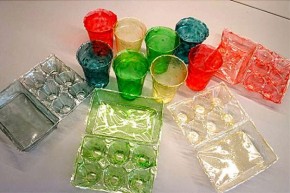
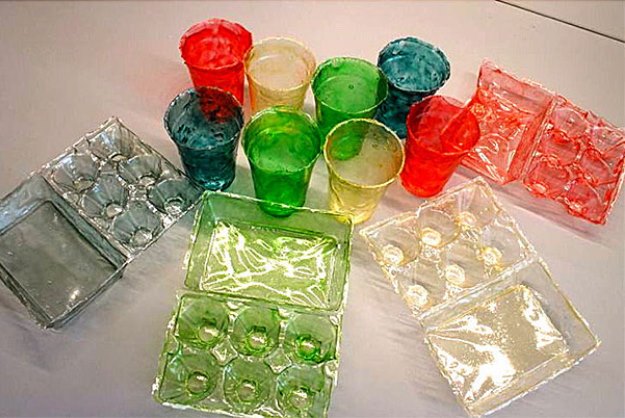
Taking this one step further, researchers at Harvard’s Wyss Institute for Biologically Inspired Engineering have developed a new type of fully biodegradable bioplastic that is made from chitosan, a material extracted from shrimp shells. Chitosan, a form of chitin, is a long-chain polysaccharide responsible for the hard shells of shrimps and other crustaceans.
Learn more at: PSFK
0 Comments
Leave A Comment