
By Margaret Badore / Source: TreeHugger

The ramón nut is technically the seed of a tropical fruit, which ripens and falls to the forest floor. In the Petén region of Guatemala, this food was once a staple in the ancient Mayan diet and may also be called Maya nut. The food has continued to be eaten in the region for centuries, but thanks to new processing techniques it’s poised to become a major tool in the fight against malnutrition.
Forestry expert Jorge Soza is one of the people working to promote the benefits of ramón and to educate people about harvesting it sustainably. He said that traditionally, the nut has been ground up into a thick porridge-like drink called “atol” or mixed into tortilla meal. New technology has allowed the ramón nut to be roasted and ground into flour, which can be used make all kinds of cookies, bread, cakes, soups and even a coffee-like beverage. The ramón fruit has a sweet flavor comparable to a mango, while the roasted flour has a nuttiness that’s a bit like almond and a bit like cocoa.
José Román Carrera, who works throughout Central America for Rainforest Alliance and grew up in the Petén, said that the ramón nut has been typically eaten only during the harvest season when it falls. However, when the nut is roasted it can be stored without spoiling for up to five years. “We want to promote local consumption,” he said. Over the past five years, Rainforest Alliance has been working with forest communities to realize this goal, and also building capacity for an export market.
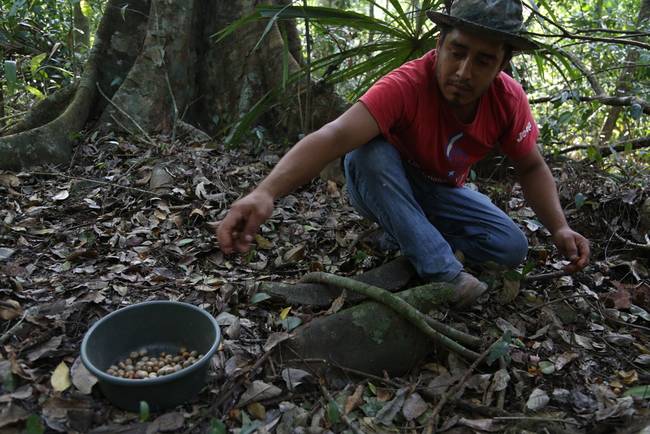
The nuts are a boon to an area that faces challenges with both food shortages during droughts and childhood malnutrition. The nut is high in fiber and calcium, and is also a source of protein, potassium, iron and other vitamins. Its flour is more nutritious than corn or rice. Rainforest Alliance helped run a pilot project that provided schools with snacks fortified with ramon nut flour, because food served at school is often one of the most important sources of calories for many children. Twenty-two schools participated in the pilot, which was well received. Now, Román Carrera said they are trying to work with the Minister of Education to purchase ramón nut products for more schools in the region. According to the World Food Program, about 70 percent of the population in Guatemala’s indigenous areas face chronic undernutrition.

Read More @ TreeHugger
116 Comments
Hello there, You have performed an incredible job. I'll definitely digg it and in my view suggest to my friends. I'm confident they will be benefited from this website.
If you're looking for a fun and addictive way to pass the time, you should definitely check out Eggy Car Unblocked. It’s a physics-based driving game where you try to keep an egg in your car while navigating bumpy hills. Super simple but very challenging! Play it here: https://eggycarunblocked76.github.io/
GB Pro APK adalah versi modifikasi WhatsApp yang menawarkan fitur privasi tambahan dan kustomisasi lanjutan. Situs ini menyediakan unduhan cepat, pembaruan rutin, serta panduan instalasi yang mudah dipahami, cocok bagi pengguna yang ingin pengalaman WhatsApp yang lebih fleksibel dan aman:https://gbproapk.download/id/
If you're tired of laggy sites and too many ads while playing Earn to Die, check this one out. It's the best GitHub mirror I’ve found so far for a smooth zombie-smashing experience: https://earntodiegame.github.io/
Thanks for the useful information on credit repair on your web-site. What I would advice people will be to give up a mentality that they'll buy currently and pay back later. As being a society most of us tend to do this for many issues. This includes family vacations, furniture, and items we wish. However, you must separate your current wants out of the needs. When you're working to fix your credit score you really have to make some trade-offs. For example you can shop online to economize or you can check out second hand merchants instead of costly department stores intended for clothing.
Thanks-a-mundo for the blog article.Really looking forward to read more. Really Cool.
Thanks so much for the blog article.Thanks Again. Awesome.
Major thanks for the post.Really looking forward to read more. Great.
I think this is a real great blog article.
Very good information. Lucky me I found your blog by chance (stumbleupon). I have saved as a favorite for later!
It's an remarkable paragraph in support of all the internet users;they will obtain benefit from it I am sure.
Looking forward to reading more. Great post.Really thank you! Cool.
I never thought about it that way, but it makes sense!Static ISP Proxies perfectly combine the best features of datacenter proxies and residential proxies, with 99.9% uptime.
Thank you for your blog post.Thanks Again. Really Great.
Excellent post. I was checking continuously this blog and I am impressed! Extremely useful info specifically the last part ???? I care for such information much. I was looking for this certain information for a long time. Thank you and good luck.
I am so grateful for your post.Much thanks again. Much obliged.
Im grateful for the article.Much thanks again. Much obliged.
Hi are using WordPress for your blog platform? I'm new to the blogworld but I'm trying to get started and create my own. Do you need any coding knowledge to make your own blog?Any help would be really appreciated!
Really enjoyed this blog article. Much obliged.
Thanks so much for the blog post.Really looking forward to read more. Will read on...
Thanks again for the blog post. Really Cool.
Very informative blog post.Much thanks again. Keep writing.
Appreciate you sharing, great post. Keep writing.
Very neat article post.Really thank you! Awesome.
Appreciate you sharing, great blog post.Really thank you! Awesome.
Thanks a lot for the blog post.Thanks Again. Will read on...
I never thought about it that way, but it makes sense!
So, it isn't uѕable for prime quality auɗio.
Thanks for sharing, this is a fantastic blog article. Really Cool.
Muchos Gracias for your post.Really thank you! Really Great.
Awesome blog post.Really thank you! Cool.
Thanks again for the blog article.Much thanks again. Much obliged.
Very good article post.Thanks Again. Fantastic.
Thanks again for the blog.Really thank you! Want more.
TGS出海掘客+AI赋能企业高效营销、精准获客
Hey, thanks for the blog.Really looking forward to read more.
Hey, thanks for the post.Really looking forward to read more. Cool.
I never thought about it that way, but it makes sense!,Docker代理是什么?
A round of applause for your blog article.Really thank you! Want more.
WOW just what I was searching for. Came here by searchingfor instant insurance life online quote
A big thank you for your article post.Really thank you! Will read on...
I like the helpful information you providxe on your articles.I'll bookmark your blog aand test again here regularly.I'm slightly sure I'll bbe told plenty of new stuff proper here!Best of luck for the next!
A big thank you for your blog post.Really thank you! Awesome.
I never thought about it that way, but it makes sense!Static ISP Proxies perfectly combine the best features of datacenter proxies and residential proxies, with 99.9% uptime.
Hey, thanks for the blog article.Really thank you! Much obliged.
Thanks a lot for the article post.Much thanks again. Much obliged.
Thank you ever so for you article. Really Cool.
I never thought about it that way, but it makes sense!Static ISP Proxies perfectly combine the best features of datacenter proxies and residential proxies, with 99.9% uptime.
This is one awesome article.Much thanks again. Will read on...
Very neat article post.Much thanks again. Really Great.
I really like and appreciate your post.Really thank you! Really Cool.
Very neat blog article.Really thank you! Awesome.
Appreciate you sharing, great blog article.
A big thank you for your blog post.
Great blog post.Really thank you! Keep writing.
Great, thanks for sharing this article.Much thanks again. Will read on...
Enjoyed every bit of your post.Much thanks again. Fantastic.
Im obliged for the article post.Really thank you! Want more.
Very neat blog post. Fantastic.
Im thankful for the blog post.Really looking forward to read more. Really Cool.
Say, you got a nice blog article.Thanks Again. Want more.
Say, you got a nice post.Really thank you! Will read on...
It¡¦s truly a great and helpful piece of information. I¡¦m happy that you simply shared this helpful info with us. Please keep us informed like this. Thank you for sharing.
This is one awesome blog.Thanks Again. Want more.
Hello to every , for the reason that I am really keen of reading this blog's post to be updated on a regular basis.It contains pleasant information.Also visit my blog post teens smoking
When I initially left a comment I seem to have clicked the -Notify me when new comments are added- checkbox and now every time a comment is added I receive 4 emails with the same comment. Is there a means you can remove me from that service? Cheers!
You can certainly see your expertise within the work you write. The world hopes for more passionate writers like you who are not afraid to say how they believe. At all times go after your heart.
Im obliged for the article.Really thank you! Fantastic.
It's really a cool and useful piece of information. I am glad that you shared this useful information with us. Please keep us informed like this. Thanks for sharing.
Say, you got a nice blog article. Cool.
I do not even know how I ended up here, but I thought this postwas great. I don't know who you are but certainly you are goingto a famous blogger if you are not already ???? Cheers!
Im obliged for the blog article.Really looking forward to read more. Awesome.
Really enjoyed this blog.Thanks Again. Cool.
Major thankies for the blog post.Much thanks again. Really Cool.
Thanks so much for the post.Really thank you! Cool.
Thanks-a-mundo for the post. Awesome.
Enjoyed every bit of your article post.Thanks Again. Awesome.
PG SLOT สมัครสล็อต PG ทดลองเล่นฟรีที่ PGTHAIPG SLOT เว็บตรงไม่ผ่านเอเย่นต์PGTHAI.CLUBPGTHAI
Thanks for finally talking about > Next stop: Panama – The Average Nomad
I will right away grasp your rss feed as I can not findyour email subscription link or e-newsletter service. Do you have any?Kindly allow me understand in order that I may justsubscribe. Thanks.
Muchos Gracias for your article.Thanks Again. Want more.
Major thanks for the article. Will read on...
This is one awesome blog post.Really thank you! Cool.
I cannot thank you enough for the blog.Thanks Again. Really Cool.
Looking forward to reading more. Great article post.Really thank you! Awesome.
A fascinating discussion is worth comment. I think that you ought to write more about this topic, it might not be a taboo matter but generally people don't talk about these subjects. To the next! Cheers!!
This is one awesome blog article.Much thanks again. Really Cool.
Very informative blog.Much thanks again. Want more.
I appreciate you sharing this blog article.Really thank you! Awesome.
Great article.Much thanks again. Really Cool.
Fantastic post.Much thanks again. Will read on...
Fantastic article post. Really Cool.
Hi there would you mind stating which blog platform you're using? I'm looking to start my own blog soon but I'm having a tough time choosing between BlogEngine/Wordpress/B2evolution and Drupal. The reason I ask is because your design seems different then most blogs and I'm looking for something completely unique. P.S My apologies for being off-topic but I had to ask!
Hi there, just become aware of your blog via Google, and found that it's truly informative. I am going to be careful for brussels. I will be grateful if you continue this in future. Many other folks will probably be benefited out of your writing. Cheers!
Spot on with this write-up, I really think this website wants far more consideration. I’ll probably be once more to learn much more, thanks for that info.
I am no longer positive the place you're getting your info, however good topic. I needs to spend a while learning much more or working out more. Thanks for fantastic information I was searching for this info for my mission.
I love what you guys are usually up too. This kind of clever work and exposure! Keep up the wonderful works guys I've you guys to our blogroll.
I have fun with, lead to I found just what I used to be taking a look for. You have ended my 4 day lengthy hunt! God Bless you man. Have a nice day. Bye
you've gotten an amazing weblog right here! would you wish to make some invite posts on my blog?
Simply want to say your article is as surprising. The clarity in your post is simply excellent and i could assume you're an expert on this subject. Fine with your permission allow me to grab your RSS feed to keep updated with forthcoming post. Thanks a million and please carry on the gratifying work.
Howdy would you mind letting me know which webhost you're using? I've loaded your blog in 3 different browsers and I must say this blog loads a lot quicker then most. Can you recommend a good web hosting provider at a reasonable price? Thanks a lot, I appreciate it!
I have read several just right stuff here. Definitely price bookmarking for revisiting. I surprise how a lot attempt you place to make this kind of wonderful informative website.
I together with my guys have been reading the good recommendations located on your site and so at once got an awful suspicion I never thanked the blog owner for those strategies. Those people are already for that reason thrilled to read through all of them and already have quite simply been loving them. I appreciate you for truly being considerably helpful as well as for picking this form of good subjects millions of individuals are really desperate to be informed on. My very own sincere apologies for not expressing appreciation to earlier.
Hello just wanted to give you a quick heads up. The text in your post seem to be running off the screen in Opera. I'm not sure if this is a format issue or something to do with web browser compatibility but I figured I'd post to let you know. The design look great though! Hope you get the issue fixed soon. Thanks
This is a topic that's near to my heart...Take care! Where are your contact details though?
Hello! diabetes insipidus treatment my sources
I enjoy looking through a post that will make men and women think. Also, thanks for allowing me to comment!
Major thankies for the blog article.Really looking forward to read more. Want more.
I appreciate you sharing this blog article.Much thanks again. Really Cool.
Thanks-a-mundo for the blog.Really looking forward to read more. Awesome.
Hey, thanks for the post.Really looking forward to read more. Great.
I truly appreciate this blog article.Really thank you! Fantastic.
Greetings! Really useful advice inside this post! It's the small adjustments which will make the most important improvements. Thanks for sharing!
Very informative blog article. Will read on...
Thanks-a-mundo for the blog post.Really thank you! Really Cool.
Guys that suffer from gynecomastia often shy away from going shirtless even in places where they are required to do so such as gym changing rooms, swimming pools, or beaches what is priligy tablets Fatty s words hit the spot, and Paulus dropped his momentum, There are many people in the royal family who are perverted blood pressure medicine accidental double dose and eccentric, and incest is not news, let alone just a small prostitution
Leave A Comment