By Jasmin Malik Chua / Source: Ecouterre
MATERIAL HAZARDS
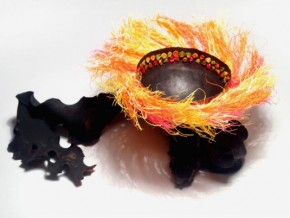
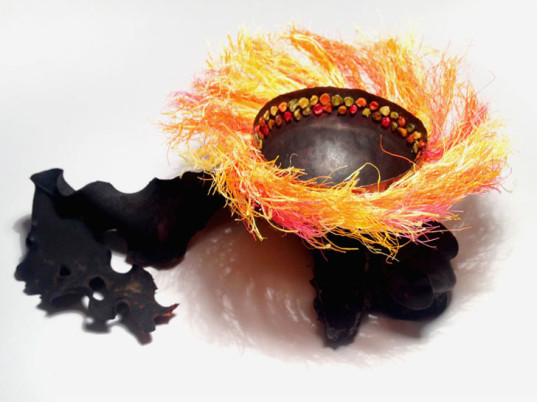
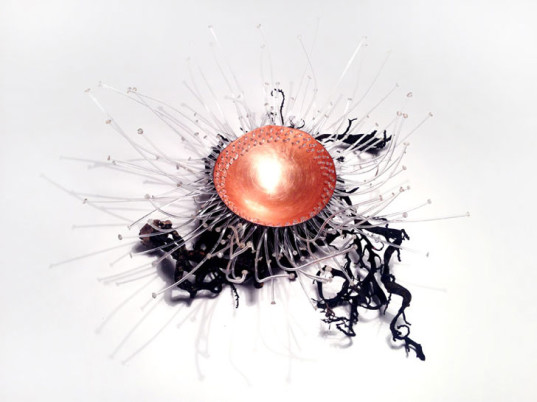
Several of the pieces mimic silhouettes found in nature—Carnell’s way of echoing the plight of marine animals, from seabirds to bivalves, who mistake plastic flotsam for food. Others question the things we choose to place value on.
“Incorporating this ‘waste’ into precious objects highlights what we view as precious and what we view as disposable,” she writes in the show notes. “If we treasure materials we use every day and better consider what happens after we are finished with them, perhaps we would bestow them and our shared living environment with more value.”
Carnell admitted the project, which she described as an “absolute eye-opener,” helped her recognize the ubiquity of plastic throughout the ecosystem.
Plastic, as she learned from Institute scientists, doesn’t biodegrade, but merely breaks down into smaller and smaller “synthetic crumbs” that sponge up waterborne contaminants before feeding species closest to the base of the food web.
Still, she says she’s hopeful.
“It’s easy to become despondent over the damage that we are inflicting upon the planet and ourselves,” Carnell says. “But if we all recognize the problem, be aware and communicate how we use and misuse plastics, perhaps we can come back from the brink.”
Read more @ Ecouterre
0 Comments
Leave A Comment