
By Elizabeth Kucinich, Source: Huffington Post
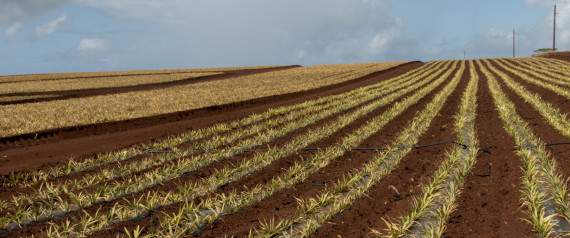
The White House and USDA hosted a meeting with food, agriculture and data industry officials in an attempt to encourage innovation to stem the effects of climate change on agriculture and food production
Beyond “stemming” the effects of climate change on agriculture however, the way we produce food has the potential to substantially address and even reverse many of the root causes driving climate change.
Here’s how:
The overall global food system — including land-use changes, feed, fertilizer, transportation, refrigeration, processing and waste — is estimated to be responsible for 30 to 50 percent of global greenhouse gas emissions. Over the last decade, agricultural emissions have increased by approximately 1 percent per year.
Researchers at the World Bank Group estimated intensive livestock production alone is the largest single contributing factor to climate change. Industrial animal agriculture is also one of the largest polluter of air, water and land, and the largest consumers of fossil fuels and water and yet feed only a relatively small percentage of the world’s population, compared with those fed by small-scale farmers who continue to be the major producers of the world.
While the United Nation’s International Panel on Climate Change (IPCC) predicts global food production to fall by 2 percent per decade for the rest of the century, there is an increasing body of research that shows how agro-ecological, or organic, regenerative agricultural practices can actually feed a growing population while repairing our damaged ecosystem
Read the rest at: Huffington Post
0 Comments
Leave A Comment