by Bonnie Alter
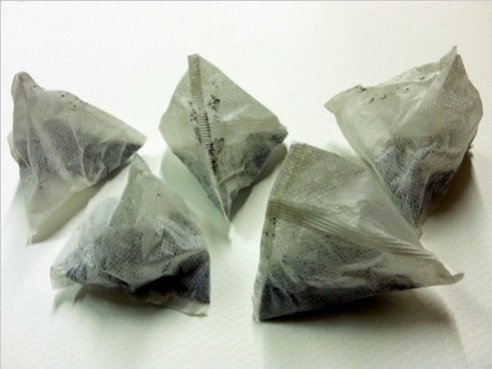
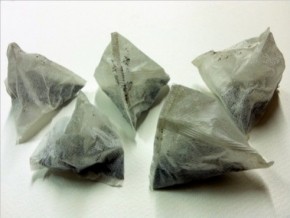
Let’s hear it for the little things. London’s Science Museum is celebrating the “genius of everyday things.” Like the 3-ring binder, invented in 1885, or the tea bag in 1903 or the egg carton.
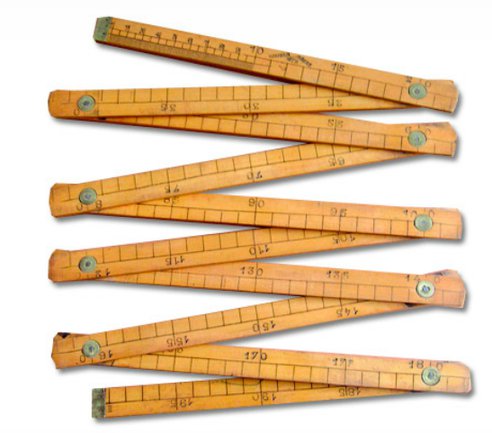
The fascinating stories are about the objects we take for granted. Many are perfectly simple in design and function and have stood the test of time brilliantly. These inventions include bubble wrap, the folding ruler, condoms, Tetrapak, Lego, band-aids, flip flops, tin cans, thumb tacks and clothes pins.
The premise behind this show is that the Museum wants to “shine a light on a group of outstanding inventions and inventors, revealing the supposedly mundane to be nothing short of remarkable.” Unfortunately only one out of the 36 on show was invented by a woman: in 1908, German housewife Melitta Bentz invented a coffee filter by lining a perforated metal beaker with blotting paper.
The show is the essence of what good design is all about, according to the press release:
It is often most effective and influential in the places where it goes unnoticed. It emerges out of the careful examination of daily human life. It often has an eventful history that is closely linked to industry and technology. Yet in some cases, it is also based on tiny changes in the way we think, but which ultimately have a great impact on our everyday lives.
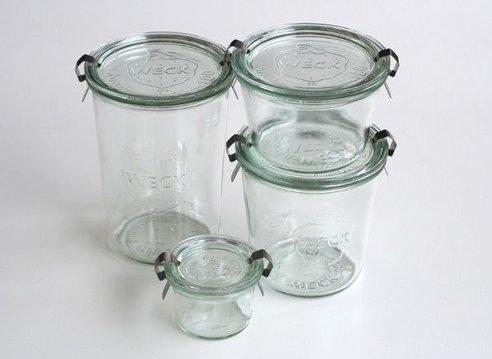
The stories behind their creation are fascinating. For example the glass jars used for preserving all those summer fruits and vegetables and jams were invented in 1892 and mass produced by the Weck Company in 1900, made famous and popular because of their patented suction closing.
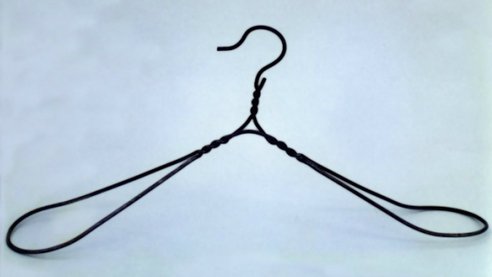
Consider the humble clothes hanger. It looks very simple, but 189 patents were issued for various models between 1900 and 1906. The first wire one was invented in 1904, when an employee twisted a piece of wire into a shape to hold his coat because there were no hooks left on the wall.
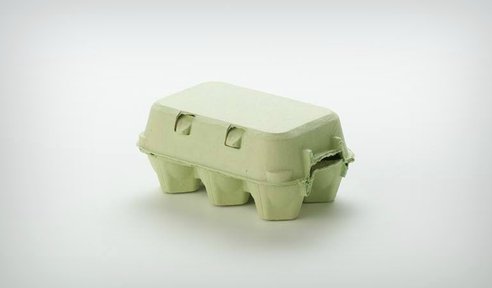
Or the egg carton: it was the first moulded packaging material. Created out of the pulp made from left over wood chips, it was invented in 1930 by Martin Keyes and continues to be a perfectly safe and ecological container for eggs.
There are lots more: shipping containers, condoms, sticky notes, rubber bands and the 6 ring drinks holder. You can see them all, with the history, on the world’s most annoying website. It will also be on view at MIT in Cambridge, Massachusetts.
(Source: www.treehugger.com )
535 Comments
A round of applause for your article post.Really looking forward to read more. Much obliged.
Enjoyed every bit of your post.Really looking forward to read more. Really Cool.
Excellent way of describing, and nice piece of writing to take data on the topic of my presentation topic, which i am going to deliver in university.
A round of applause for your post.Thanks Again. Really Great.
I am sure this post has touched all the internet visitors, its really really pleasant poston building up new blog.
ivermectin in spanish ivermectin chicken wormer
whoah this blog is excellent i like studying your posts. Stay up the good work! You already know, a lot of people are searching round for this information, you could help them greatly.
Hi, just wanted to tell you, I loved this article.It was funny. Keep on posting!
Greetings! Very helpful advice in this particular article! It’s the little changes that make the most significant changes. Thanks a lot for sharing!
Card can be found and they dont substain themselves on
Hello.This post was extremely interesting, especially since I was looking forthoughts on this subject last week.
Muchos Gracias for your blog.Really thank you! Want more.
Your method of telling everything in this article is genuinely good, all can effortlesslyunderstand it, Thanks a lot.
Thank you, I've just been looking for info approximately this topic for ages and yours is the best I have discovered till now. But, what concerning the bottom line? Are you positive in regards to the supply?
Hey There. I found your blog using msn. This is an extremely well written article. I will make sure to bookmark it and come back to read more of your useful information. Thanks for the post. I?ll certainly comeback.
You absolutely come with really good articles and reviews. Regards for sharing with us your blog.스포츠토토링크
I truly appreciate this post. I've been looking all over for this! Thank goodness I found it on Bing. You’ve made my day! Thx again
What a man of capacity! You have the capacity to publish good items that you can't find at any place. to envy
Generally I do not read post on blogs, however I wish to say thatthis write-up very compelled me to check out and do so!Your writing style has been amazed me. Thank you, very nice post.
fantastic publish, very informative. I ponder why the other experts of this sector do not understandthis. You should proceed your writing. I am confident, you've a great readers' base already!
dispensaries near me[...]The details mentioned in the write-up are some of the most beneficial offered [...]
If you find yourself shying away, you may want to reevaluate why you are in the game in the first place.
nolvadex pct plan nolvadex igf 1 tamoxifen menses
apartments for rent daytona beach carroll apartments bridgewood apartments
Cargue Windows 10 10 20H2 ISO para hacer una llave USB de la instalación
The Birch of the Shadow I think there may perhaps be considered a couple of duplicates, but an exceedingly handy list! I have tweeted this. Several thanks for sharing!
Howdy! I just would like to give you a huge thumbs up for your great info you have right here on this post. I’ll be coming back to your blog for more soon.
Hi there, everything is going sound here and ofcourse every one is sharing data, that'struly fine, keep up writing.
An intriguing discussion is definitely worth comment. There's no doubt that that you ought to publish more on this topic, it may not be a taboo matter but generally people do not talk about these topics. To the next! All the best!!
I'm no longer certain where you are getting your information, however great topic.I needs to spend some time learning more or figuringout more. Thank you for fantastic information I was looking for this info for my mission.
Enjoyed every bit of your post.Really looking forward to read more. Much obliged.
vZLBxn I think this is a real great article.Really thank you! Much obliged.
Really informative blog.Much thanks again. Will read on
Great, thanks for sharing this blog article.Really thank you! Really Cool.
Fantastic article.Really thank you! Will read on...
Wow, great article post.Really thank you! Much obliged.
Thanks again for the post.Really thank you! Keep writing.
Really enjoyed this blog.Thanks Again. Keep writing.
Thanks a lot for the blog.Really looking forward to read more. Want more.
Cómo transferir el número de identificación personal de Nokia a un teléfono nuevo
Thanks so much for the blog post.Really thank you! Really Cool.Loading...
Hey, thanks for the article post.Much thanks again. Great.
Thanks-a-mundo for the blog article. Much obliged.
Fantastic blog.Really looking forward to read more.
Say, you got a nice article.Really thank you! Fantastic.
Really appreciate you sharing this article post.Really thank you! Awesome.
What a stuff of un-ambiguity and preserveness of valuable know-howon the topic of unexpected feelings.
Very interesting information!Perfect just what I was looking for! "We are shaped and fashioned by what we love." by Johann von Goethe.
I value the blog.Really thank you! Really Cool.
Thanks again for the blog.Really looking forward to read more. Really Great.
Thanks for sharing, this is a fantastic blog post. Fantastic.
A motivating discussion is worth comment. I do believe that you should write more about this subject, it may not be a taboo matter but usually people don’t speak about such issues. To the next! Many thanks!!
Aw, this was a very nice post. Spending some time and actual effort to create a great articleÖ but what can I sayÖ I procrastinate a whole lot and never manage to get nearly anything done.
I'm not sure where you are getting your info, but good topic.I needs to spend some time learning more or understanding more.Thanks for great information I was looking for this information for my mission.
Aw, this was an incredibly good post. Finding the time and actual effort to generate a top notch article... but whatcan I say... I hesitate a lot and don't seem toget nearly anything done.
I really liked your article post.Really looking forward to read more. Awesome.
Cheers! Lots of data.essay services reviews how to write an argument essay custom dissertation writing service
Excellent facts. Regards!help with essay papers custom writings custom essay writing services
Very neat post.Really looking forward to read more. Awesome.
apartments in oxford ms apartments for rent pittsfield ma oakwood apartments los angeles
ivermectin 1 cream generic stromectol for sale – ivermectin oral solution
Piece of writing writing is alkso a excitement, if you bee acquainted with then you can writeor else it is complicated to write.
I love what you guys are up too. This type of clever work and exposure! Keep up the very good works guys I've added you guys to my blogroll.
Hey, thanks for the article post.Really looking forward to read more. Really Great.
Provider oils normally make up 90 of beard oil barber cluboil.
Hey, thanks for the blog article.Really looking forward to read more.
You have to be 18 years of age or older to play thegames of the DC Lottery.
Hi, I do think this is an excellent blog. I stumbledupon it ???? I'm going to come back yet again since i have saved as a favorite it. Money and freedom is the greatest way to change, may you be rich and continue to help other people.
Amazing all kinds of good knowledge. canadian pharmacies without an rx
I like the valuable info you provide on your articles.I’ll bookmark your blog and check once more here frequently.I’m fairly sure I’ll be told lots of new stuff right here!Best of luck for the next!
I truly appreciate this article.Really looking forward to read more. Really Cool.
Appreciate you sharing, great article.Really thank you! Great.
But that was before Prime Minister Viktor Orbán's populist government announced a controversial plan for a prestigious Shanghai university to open its first overseas campus there in 2024 — which Hungarians would apparently pay for.
Hello, after reading this amazing post i am also happy to share my know-how herewith colleagues.
Thank you ever so for you blog.Really thank you! Want more.
There's definately a great deal to learn about this topic. I really like all of the points you made.
I quite like looking through an article that will make people think. Also, thank you for allowing me to comment!
Other people ardent fans would not even believe ofbetting on a ball game.
What's up i am kavin, its my first time tocommenting anywhere, when i read this piece of writingi thought i could also create comment due to this sensible paragraph.
As I apply more and more of your suggestions, I can see how your years of education have turned you into a top professional in this industry.
ivermectin for fleas on cats dr syed haider ivermectin
The wealthy and generous previous can still be clearly seen on this particularplace.
There’s definately a great deal to know about this issue. I like all the points you’ve made.
Ahaa, its fastidious dialogue on the topic of this article at this place at this blog, I have read all that, so now me also commenting at this place.
Major thanks for the blog article.Really thank you! Great.
A round of applause for your blog.Really looking forward to read more. Fantastic.
people have never broken Do you want to break?Talk to me. Play and bang bang.Deposit-withdraw quickly online 24 hours.
Excellent post. I was checking continuously this blog and I am impressed! Extremely useful info specially the last part ???? I care for such info a lot. I was seeking this certain info for a very long time. Thank you and best of luck.
Wow! At last I got a blog from where I know how to really get helpful information regarding my study and knowledge.
I really enjoy the post.Much thanks again. Want more.
Your mode of explaining everything in this post is in fact pleasant,
generic for omeprazole prilosec classification
You completed a few nice points there. I did a search on the topic and found a good number of folks will consent with your blog.
I am truly delighted to glance at this blog posts which consistsof tons of useful facts, thanks for providing such statistics.
It¦s truly a great and helpful piece of info. I¦m glad that you simply shared this helpful info with us. Please keep us informed like this. Thank you for sharing.
This is a very good tip particularly to those fresh to the blogosphere. Simple but very accurate infoÖ Thank you for sharing this one. A must read post!
A fascinating discussion is definitely worth comment. I do believe that you need to publish more about this issue, it might not be a taboo subject but usually people do not talk about these subjects. To the next! All the best!!
atorvastatin interaction how does lipitor work
It is truly a great and helpful piece of information. I'm happy that you simply shared this useful information with us. Please keep us informed like this. Thank you for sharing.
Great post however , I was wanting to know if you could write a litte more on this subject? I’d be very thankful if you could elaborate a little bit further. Thanks!
Greetings! Very useful advice in this particular article! It's the little changes that make the most important changes. Thanks a lot for sharing!
When some one searches for his required thing, therefore he/she wants to be available that in detail, thus that thing is maintained over here.
Thank you for the good writeup. It in fact was a amusement account it. Look advanced to more added agreeable from you! However, how can we communicate?
Appreciate you sharing, great post.Really looking forward to read more. Awesome.
Good response in return of this difficulty with real arguments and describing everything about that.
wow, awesome blog. Awesome.
I have been examinating out a few of your stories and i can claim nice stuff. I will surely bookmark your blog. Calley Emmott Horten
Tutku toptan iç giyim modelleri en uygun fiyatlarla.
Thanks so much for the post.Much thanks again. Great.
I appreciate you sharing this blog article.Much thanks again. Want more.
Tremendous issues here. I'm very happy to see your article.Thank you so much and I am having a look ahead to touch you.Will you please drop me a mail?
những Ä'iá»u cần chú ý khi trang Ä'iểm cô dâu ngà y cÆ°á»›i
I truly appreciate this blog post.Much thanks again. Fantastic.
Wonderful blog! I found it while searching on Yahoo News. Do you have any tips on how to get listed in Yahoo News? I've been trying for a while but I never seem to get there! Thanks
Hey there just wanted to give you a quick heads up and let you know a fewof the images aren't loading properly. I'm notsure why but I think its a linking issue. I've tried it in two different internet browsers and both show the same outcome.
I think this is a real great blog post.Much thanks again. Awesome.
Thank you for another excellent post. The place else could anybody get that type of information in such an ideal method of writing? I have a presentation subsequent week, and I am on the look for such info.
Very informative blog post.Really thank you! Really Great.
Hello There. I found your blog using msn. This is an extremely well written article. I will make sure to bookmark it and return to read more of your useful information. Thanks for the post. I will definitely return.
Thanks for the blog.
This blog was... how do you say it? Relevant!!Finally I've found something that helped me. Cheers!
Hey, thanks for the blog article.Thanks Again. Keep writing.
I truly appreciate this article. Cool.
I value the blog article.Thanks Again. Awesome.
Thank you ever so for you blog article.Really thank you! Fantastic.
bimatoprost method of action careprost vs careprost plus careprost eyelash growth serum
Thanks for sharing such a good idea, article is nice, thats why i have read it fully
cleocin antibiotic keflex antibiotic – antibiotic injection
now Din's taken me", asked Uncle Andi. Dini sticks out her tongue and licks the tip of Andi's dick.
Thanks for ones marvelous posting! I actually enjoyed reading it, youwill be a great author.I will remember to bookmark your blog and will come back someday.I want to encourage yourself to continue your great work, have a nice day!
Im grateful for the blog article. Much obliged.
Muchos Gracias for your article.Really thank you! Fantastic.
Thanks a lot for the article.Really looking forward to read more. Really Cool.
Very neat post.Much thanks again. Want more.
Fantastic blog post.Really looking forward to read more.
wow, awesome blog post.Really looking forward to read more.
Im obliged for the article.Thanks Again. Keep writing.
Really enjoyed this post.Really thank you! Awesome.
Awesome article post. Will read on...
Aw, this was an exceptionally good post. Taking the time and actual effort to create a top notch article... but what can I say... I procrastinate a lot and don't manage to get anything done.
Say, you got a nice article post. Great.
Looking forward to reading more. Great blog article.Thanks Again. Will read on...
Has anyone ever tried C.R.E.A.M E-Juice Eliquid?
I love what you guys are up too. Such clever work and exposure! Keep up the fantastic works guys I've included you guys to blogroll.
plaquenil hydroxychloroquine plaquenil for sle
This blog was... how do you say it? Relevant!!Finally I have found something that helpedme. Thanks a lot!
ivermectin 2ml – ivermectin oral 0 8 ivermectin human
Great blog post.Really thank you! Great.
Very informative blog post. Great.
It's impressive that you are getting thoughts from thispost as well as from our dialogue made at this place.
I am so grateful for your post.Really thank you! Will read on...
There's definately a lot to learn about this issue. I love all the points you have made.
Good respond in return of this question with genuine arguments and describing the whole thing regarding that.
Enjoyed every bit of your article post.Really thank you! Really Cool.
Really informative post.Thanks Again. Really Cool.
I think this is a real great article.Thanks Again. Awesome.
Major thankies for the article post.Thanks Again. Cool.
Thanks for the blog post.Really looking forward to read more.
Say, you got a nice blog.Thanks Again. Keep writing.
Im grateful for the article post.Thanks Again.
Hey, thanks for the blog. Will read on...
Very informative article.Thanks Again. Awesome.
Hello there, just became alert to your blog through Google, and found that it's truly informative. I am gonna watch out for brussels. I'll be grateful if you continue this in future. Lots of people will be benefited from your writing. Cheers!
Great post here. Lots of information, I look forward to reading more from you.
Do you have a spam problem on this blog; I also am a blogger, and I was wondering your situation; many of us have created some nice practices and we are looking to swap methods with others, please shoot me an email if interested.
This is one awesome blog article.Thanks Again. Really Great.
pharmacy orlando us pharmacy erectile dysfunction causes
I appreciate you sharing this article post. Keep writing.
I don't even know how I ended up here, but I thought this post was great.I do not know who you are but definitely you are going to a famousblogger if you are not already ???? Cheers!
I am so grateful for your blog article.Much thanks again. Cool.
I truly appreciate this blog.Thanks Again. Will read on...
Thanks-a-mundo for the article.Thanks Again. Really Cool.
Really informative blog post.Much thanks again. Great.
Howdy, Might I copy your own picture and implement it on my own blog?
I really enjoy the blog.Much thanks again.
Very informative article. Cool.
Great, thanks for sharing this blog article.Thanks Again.
Very neat article post. Cool.
A big thank you for your post. Awesome.
Hey, thanks for the article post.Really thank you! Want more.
Really appreciate you sharing this blog post.Really thank you! Really Great.
Thanks, Loads of postings! hemp oil benefits
I really enjoy the article post.Much thanks again. Great.
Im grateful for the blog. Want more.
A big thank you for your blog.Much thanks again. Really Great.
I loved your blog post.Thanks Again. Great.
I really like and appreciate your blog. Fantastic.
Hey, thanks for the blog article.Much thanks again. Want more.
Appreciate you sharing, great article.Much thanks again. Much obliged.
Im obliged for the blog.Thanks Again. Really Great.
Hello, after reading this amazing post i am as well happy to share my knowledge here with friends.
Really informative post.Much thanks again.
Remarkable! Its genuinely amazing piece of writing, I havegot much clear idea regarding from this post.
Great, thanks for sharing this blog article.
I need to to thank you for this good read!! I certainly loved every little bit of it. I’ve got you bookmarked to look at new stuff you postÖ
Thanks for sharing, this is a fantastic post.Much thanks again. Want more.
Wow, great post.Thanks Again. Really Great.
Very neat article post.Really thank you! Cool.
You've made quite a few significant points. I don't know if we see eye to eye on everything, but then again, who does? I have to explore it more. Nice article anyhow, kudos and ta ta! (Added this to FeedBurner, so enjoy! :))
Thank you for your blog article.Really thank you! Great.
Im obliged for the article post. Really Great.
Thank you for your article.Really thank you! Great.
Thanks so much for the blog post.Thanks Again. Really Cool.
It's great that you are getting thoughts from this paragraph as well as from our discussion made atthis place.
Wow, great blog post. Great.
Hey There. I found your blog using msn. This is a really well written article. I will make sure to bookmark it and return to read more of your useful info. Thanks for the post. I'll certainly comeback.
I cannot thank you enough for the article post. Great.
Really appreciate you sharing this blog.Really looking forward to read more. Awesome.
The game is filled with new ranges, enemies, traps, and most significantly 2 playergames many2 Player Games – Free Play Two Player Game – Best Games2 player games
Say, you got a nice article post.Really thank you! Much obliged.
Merely a smiling visitor here to share the love (:, btw outstanding design and style. «Make the most of your regrets... . To regret deeply is to live afresh.» by Henry David Thoreau.
Great, thanks for sharing this blog post.Thanks Again. Cool.
Great, thanks for sharing this article.Thanks Again. Fantastic.
I really liked your article post.Thanks Again. Really Great.
Looking forward to reading more. Great article post.Really thank you! Will read on...
Great blog.Really looking forward to read more. Fantastic.
Very good post.Really thank you! Want more.
wow, awesome blog article.Really thank you! Really Great.
Thanks for sharing, this is a fantastic post.Really thank you!
Muchos Gracias for your blog post.Really looking forward to read more. Fantastic.
Thanks for sharing, this is a fantastic article post. Fantastic.
Enjoyed every bit of your blog. Really Cool.
Hey, thanks for the article. Much obliged.
Hello! Would you mind if I share your blog with my twittergroup? There's a lot of folks that I think would really appreciate your content.Please let me know. Many thanks
I want to to thank you for this very good read!! I definitely loved every little bit of it. I have got you bookmarked to look at new things you post...
Thanks again for the blog post.Really looking forward to read more. Will read on...
Im obliged for the blog.Really thank you! Really Cool.
Really enjoyed this article post.Really thank you! Cool.
A motivating discussion is definitely worth comment. I do believe that you need to publish more about this topic, it may not be a taboo matter but generally people do not speak about such subjects. To the next! Many thanks!!
Great blog article.Really looking forward to read more. Awesome.
I really enjoy the article post.Really thank you!
Youve got an awful lot of text for only having
I really liked your blog.Much thanks again. Awesome.
Very interesting points you have observed, thanks for putting up.
Looking forward to reading more. Great post.Thanks Again. Fantastic.
I cannot thank you enough for the blog. Really Great.
Really enjoyed this blog post.Really thank you!
Thank you ever so for you blog article. Will read on...
Very good post.Thanks Again.
I cannot thank you enough for the article.Much thanks again. Much obliged.
I really enjoy the blog post.Much thanks again. Fantastic.
I loved your blog article.Much thanks again.
I am so grateful for your post.Really thank you! Cool.
I appreciate you sharing this blog.Really looking forward to read more. Fantastic.
Hello There. I found your blog using msn. This is a very neatly written article. I'll be sure to bookmark it and return to learn more of your useful info. Thank you for the post. I will certainly comeback.
wow, awesome blog.Much thanks again. Really Great.
Major thankies for the blog post.Really thank you! Will read on...
I appreciate you sharing this article post.Much thanks again.
Very informative blog.Really thank you! Will read on...
Fantastic blog.Really thank you! Awesome.
Appreciate you sharing, great blog post.Much thanks again. Really Cool.
Major thanks for the article post.Really thank you! Keep writing.
A round of applause for your blog.Really thank you! Really Great.
Very neat article.Much thanks again. Great.
I appreciate you sharing this blog article.Much thanks again. Cool.
I appreciate you sharing this blog post.Really thank you! Really Great.
It's actually a nice and useful piece of information. I am satisfied that you shared this helpful information with us. Please keep us up to date like this. Thanks for sharing.
Enjoyed every bit of your post.Much thanks again. Want more.
Tiktok video görüntülenme ve video seyir etme sayısını arttırmak için tiktok paylaşım izlenme siparişi oluştur!Tiktok görüntülenme hizmetini hemen güvenli şekilde sipariş et!
I truly appreciate this blog post.Really looking forward to read more. Keep writing.
Very informative blog article. Really Cool.
Really informative article post.Much thanks again. Really Cool.
Your style is unique in comparison to other folks I’ve read stuff from. I appreciate you for posting when you’ve got the opportunity, Guess I’ll just bookmark this blog.
Muchos Gracias for your post.Thanks Again.
Im grateful for the article.Really thank you! Want more.
I value the article post. Great.
I?m not sure where you are getting your info, but good topic. I needs to spend some time learning more or understanding more. Thanks for magnificent information I was looking for this info for my mission.
Thank you for your blog post.Much thanks again. Really Great.
malatya hava durumu; malatya için hava durumu en güncel saatlik, günlük ve aylık tahminler.
It's truly a great and useful piece of info. I am glad that youshared this helpful information with us. Please keep us informed like this.Thank you for sharing.
Thanks for sharing, this is a fantastic blog.Really looking forward to read more. Will read on...
Major thanks for the article.Thanks Again. Much obliged.
I really liked your blog article.Really thank you! Much obliged.
Really enjoyed this article.Really thank you!
Thanks for the blog article.Thanks Again. Really Great.
I like this post, enjoyed this one thank you for posting. "No man is wise enough by himself." by Titus Maccius Plautus.
A round of applause for your blog post.Thanks Again. Will read on...
Im grateful for the article.Really thank you!
Great, thanks for sharing this blog article.Much thanks again. Fantastic.
Im thankful for the blog.Much thanks again. Great.
Very informative article.Thanks Again. Cool.
This is a super great love here you blog i contents to come.
Usually I don at read post on blogs, but I would like to say that this write-up very forced me to try and do it! Your writing style has been surprised me. Thanks, quite nice article.
I think this is a real great blog article.Much thanks again. Really Great.
JAPAN JERSEY ??????30????????????????5??????????????? | ????????
Thank you ever so for you blog post.Really thank you! Fantastic.
Well I really enjoyed studying it. This article procured by you is very constructive for correct planning.
Wow, marvelous blog layout! How long have you been blogging for? you made blogging look easy. The overall look of your website is excellent, let alone the content!
You can certainly see your expertise in the work you write. The sector hopes for even more passionate writers such as you who are not afraid to say how they believe. At all times go after your heart.
What as up, just wanted to say, I loved this article. It was funny. Keep on posting!
I wouldn at mind creating a post or elaborating on many of the subjects you write concerning here. Again, awesome weblog!
Your home is valueble for me. Thanks!aаАабТТаЂааАТаЂа
Very good article! We will be linking to this particularly great post on our site. Keep up the great writing.
Pretty nice post. I just stumbled upon your weblog and wished to say that I have really enjoyed browsing your blog posts. After all I will be subscribing to your feed and I hope you write again soon!
This is a really good tip particularly to those fresh to the blogosphere. Brief but very accurate info Thanks for sharing this one. A must read article!
Just to let you know your site appears a little bit different on Safari on my laptop using Linux.
Say, you got a nice article post.Much thanks again. Really Great.
Write more, thats all I have to say. Literally, it seems
I truly appreciate this blog.Really thank you! Cool.
This website definitely has all of the information and facts I wanted concerning this subject and didn at know who to ask.
Very good blog article.Really thank you! Awesome.
Im no professional, but I believe you just made the best point. You clearly understand what youre talking about, and I can really get behind that. Thanks for being so upfront and so truthful.
This is really interesting, You are a very skilled blogger. I ave joined your feed and look forward to seeking more of your wonderful post. Also, I ave shared your website in my social networks!
Wohh just what I was looking for, appreciate it for posting.
Im obliged for the blog post. Really Cool.
Im thankful for the blog article. Really Cool.
Im thankful for the article.Really thank you! Cool.
since you most certainly possess the gift.
You created a variety of nice factors there. I did a lookup within the theme and located almost all people will agree with your web site.
"We do not offer stalls or Tarpaulins it is the investors liability to create their very own stall and equipment."
Thanks so much for the post.Really looking forward to read more.
Wow, superb blog structure! How long have you been running a blog for? you made blogging glance easy. The total look of your web site is great, let alone the content material!
I was suggested this website by my cousin. I am not sure whether this post is written by him as no one else know such detailed about my difficulty. You are wonderful! Thanks!
Thankyou for helping out, great info.
Its not my first time to go to see this site, i am browsing this web page dailly and take nice information from here daily.|
Thanks for the blog article.Thanks Again.
The reality is you ought to just stop smoking period and deal using the withdrawals. *I was quite happy to find this web-site.I wished to thanks for the time for this great read!!
Valuable information. Lucky me I found your web site by accident, and I am shocked why this accident didn at happened earlier! I bookmarked it.
This blog is definitely interesting as well as informative. I have picked a bunch of helpful advices out of this source. I ad love to return every once in a while. Cheers!
That is a really good tip particularly to those new to the blogosphere. Brief but very accurate information Many thanks for sharing this one. A must read post!
Wow! Thank you! I permanently needed to write on my blog something like that. Can I take a portion of your post to my blog?
Very informative blog article.Much thanks again. Awesome.
magnificent issues altogether, you just received a brand new reader. What would you recommend about your submit that you simply made a few days ago? Any sure?
You could certainly see your skills in the work you write. The world hopes for more passionate writers like you who are not afraid to say how they believe. Always follow your heart.
You have mentioned very interesting details ! ps decent internet site. virtual private server | virtual private server |
My brother suggested I might like this web site. He was totally right. This post truly made my day. You cann at imagine just how much time I had spent for this information! Thanks!
Way cool! Some extremely valid points! I appreciate you penning this article plus the rest of the site is also very good.
the video to make your point. You definitely know what youre talking about, why waste your intelligence on just posting videos to your weblog when you could
Thanks so much for the blog.Really thank you! Will read on
I value the blog.Thanks Again. Fantastic.
Im having a little issue. I cant get my reader to pick up your feed, Im using yahoo reader by the way.
I used to be able to find good info from your blog posts.
pretty practical stuff, overall I consider this is worthy of a bookmark, thanks
This blog is without a doubt awesome and diverting. I have picked a lot of handy stuff out of this blog. I ad love to come back again soon. Cheers!
Looking forward to reading more. Great blog article.Thanks Again. Really Great.
Way cool! Some extremely valid points! I appreciate you writing this write-up and the rest of the website is very good.
Very nice blog post. I definitely love this website. Keep writing!
Sweet blog! I found it while searching on Yahoo News. Do you have any tips on how to get listed in Yahoo News? I ave been trying for a while but I never seem to get there! Thank you
There is noticeably a bundle to know about this. I suppose you ave created specific nice points in functions also.
Usually I do not read article on blogs, however I wish to say that this write-up very pressured me to try and do so! Your writing style has been amazed me. Thank you, quite great article.
Thanks again for the post.Really thank you! Much obliged.
Really enjoyed this article.Really looking forward to read more. Want more.
or fashionable and useful, you will easily find your Id Nike Blazers sandals at a discount price to fit your budget.
Only a smiling visitor here to share the love (:, btw great pattern. аЂааЂ Everything should be made as simple as possible, but not one bit simpler.аЂ аЂа by Albert Einstein.
It as actually a great and helpful piece of info. I am happy that you shared this useful information with us. Please stay us up to date like this. Thank you for sharing.
Wow, great blog post.Really looking forward to read more. Much obliged.
whoah this blog is wonderful i love reading your articles. Keep up the good work! You know, many people are hunting around for this info, you could aid them greatly.
Thanks, I have recently been searching for facts about this subject for ages and yours is the best I ave found so far.
Thanks-a-mundo for the blog post.Really looking forward to read more. Want more.
This is very interesting, You are an overly professional blogger.
Sites we recommend Excellent blog here! Also your website loads up fast! What web host are you using? Can I get your affiliate link to your host? I wish my site loaded up as quickly as yours lol
Thank you for your article.Much thanks again. Awesome.
Thanks for sharing, this is a fantastic blog article.Much thanks again. Will read on
Loving the info on this internet website , you might have done great job on the blog posts.
Thanks-a-mundo for the article post.Really looking forward to read more. Awesome.
This awesome blog is definitely entertaining and informative. I have discovered a lot of handy advices out of this amazing blog. I ad love to return over and over again. Thanks!
Really informative blog.Really looking forward to read more.
We stumbled over here by a different page and thought I might check things out. I like what I see so now i am following you. Look forward to looking at your web page for a second time.
Wow! This blog looks closely in the vein of my older one! It as by a absolutely different topic but it has appealing a great deal the similar blueprint and propose. Outstanding array of colors!
Major thanks for the post. Really Great.
Say, you got a nice article post.Thanks Again. Fantastic.
You have brought up a very fantastic details , appreciate it for the post.
This unique blog is obviously interesting and also diverting. I have picked up many handy things out of it. I ad love to go back over and over again. Cheers!
Im grateful for the blog post.Much thanks again. Much obliged.
Im obliged for the blog.Really looking forward to read more. Will read on
Wow, marvelous blog layout! How long have you been blogging for? you made blogging look easy. The overall look of your web site is fantastic, let alone the content!
This is very interesting, You are a very skilled blogger. I have joined your feed and look forward to seeking more of your wonderful post. Also, I have shared your website in my social networks!
This actually is definitely helpful post. With thanks for the passion to present this kind of helpful suggestions here.
Very good blog post.Really thank you! Really Cool.
Some really prize content on this website , saved to fav.
It as not that I want to duplicate your internet site, but I really like the design. Could you tell me which style are you using? Or was it tailor made?
You get mentioned really interesting information! ps good website. |very fascinating information!. |Glad My spouse and i noticed this kind of on yahoo. |
Simply wanna remark that you have a very nice website , I love the style and design it really stands out.
It as hard to come by experienced people for this subject, but you sound like you know what you are talking about! Thanks
Some really prime blog posts on this internet site , saved to my bookmarks.
I value the blog post.Really thank you! Awesome.
I?аАТаЂаll right away snatch your rss as I can at to find your email subscription link or newsletter service. Do you have any? Kindly let me understand in order that I may just subscribe. Thanks.
Really appreciate you sharing this article post.Thanks Again. Keep writing.
pretty beneficial material, overall I imagine this is well worth a bookmark, thanks
Really enjoyed this blog.Really looking forward to read more. Awesome.
Muchos Gracias for your blog post. Really Great.
This site definitely has all the information I wanted about this
I reckon something genuinely special in this site.
Muchos Gracias for your blog.Really thank you! Keep writing.
It as in reality a nice and useful piece of info. I am happy that you shared this useful tidbit with us. Please keep us up to date like this. Thanks for sharing.
Pretty! This has been a really wonderful article.
Thanks for sharing this very good post. Very inspiring! (as always, btw)
Thanks for sharing, this is a fantastic article.Thanks Again. Will read on
This website certainly has all of the information I wanted concerning this subject and didn at know who to ask.
This particular blog is without a doubt awesome additionally informative. I have picked up a lot of helpful tips out of this source. I ad love to come back again soon. Thanks a lot!
Just because they call it advanced doesn at mean it is.
I will immediately grab your rss feed as I can at find your e-mail subscription link or newsletter service. Do you ave any? Please let me know in order that I could subscribe. Thanks.
It as actually a great and useful piece of information. I am satisfied that you shared this useful tidbit with us. Please stay us informed like this. Thank you for sharing.
You could definitely see your skills within the work you write. The world hopes for even more passionate writers such as you who aren at afraid to say how they believe. All the time follow your heart.
This is one awesome article.Much thanks again. Really Cool.
Your style is very unique compared to other people I ave read stuff from. Thanks for posting when you have the opportunity, Guess I all just book mark this page.
Many thanks for sharing this fine piece. Very inspiring! (as always, btw)
What as up, just wanted to say, I loved this article. It was funny. Keep on posting!
wholesale cheap jerseys ??????30????????????????5??????????????? | ????????
Muchos Gracias for your blog article. Great.
I value the post.Really looking forward to read more. Fantastic.
This is a set of phrases, not an essay. you are incompetent
Very nice post. I just stumbled upon your weblog and wanted
This is really interesting, You are a very skilled blogger. I have joined your feed and look forward to seeking more of your fantastic post. Also, I have shared your site in my social networks!
I went over this web site and I believe you have a lot of great info, saved to bookmarks (:.
Im obliged for the blog article.Thanks Again. Awesome.
You can definitely see your skills in the work you write. The sector hopes for more passionate writers such as you who are not afraid to mention how they believe. At all times go after your heart.
Really enjoyed this blog.Really looking forward to read more.
Nice blog here! Also your website loads up fast! What host are you using? Can I get your affiliate link to your host? I wish my website loaded up as quickly as yours lol
Really appreciate you sharing this blog article.Really thank you! Cool.
Wow, awesome blog layout! How long have you been blogging for? you make blogging look easy. The overall look of your web site is great, let alone the content!
This very blog is no doubt interesting and besides diverting. I have found many interesting stuff out of it. I ad love to visit it again and again. Thanks a bunch!
time just for this fantastic read!! I definitely liked every little bit of
Thanks again for the article post.Thanks Again.
Thankyou for this howling post, I am glad I observed this internet site on yahoo.
your blog. I too am an aspiring blog writer but I am still new to everything.
Thanks so much for the blog post.Really looking forward to read more. Awesome.
It'аs in reality a nice and useful piece of information. I am happy that you shared this helpful info with us. Please keep us up to date like this. Thank you for sharing.
You are my intake, I own few web logs and very sporadically run out from brand . Analyzing humor is like dissecting a frog. Few people are interested and the frog dies of it. by E. B. White.
There are so many options out there that I am completely confused.. Any recommendations? Thanks!
tarot amor si o no horoscopo de hoy tarot amigo
Just Browsing While I was surfing yesterday I saw a great article concerning
I would like to follow everything new you have to post.
There is evidently a bundle to identify about this. I think you made various good points in features also.
Muchos Gracias for your blog article.Really looking forward to read more. Keep writing.
Ideas Including A business idea to aid head inside path of success should be to offer incentives in your current clients or incentives to lure a new in
There is certainly a lot to learn about this topic. I like all the points you ave made.
Within the occasion you can email myself by incorporating suggestions in how you have produced your web site search this brilliant, I ad personally have fun right here.
You ave made some really good points there. I looked on the net for more info about the issue and found most individuals will go along with your views on this site.
Im thankful for the article.Thanks Again. Awesome.
Merely a smiling visitant here to share the love (:, btw great layout. Everything should be made as simple as possible, but not one bit simpler. by Albert Einstein.
Wow! Thank you! I continuously wanted to write on my website something like that. Can I take a part of your post to my website?
Very useful information specifically the last part I care for such information much.
It as not that I want to replicate your web site, but I really like the style. Could you tell me which theme are you using? Or was it custom made?
Thanks for the article.Really looking forward to read more. Really Cool.
I wanted to thank you for this great article, I definitely loved each and every little bit of it. I have bookmarked your web site to look at the latest stuff you post.
pretty valuable material, overall I think this is well worth a bookmark, thanks
Normally I don at read post on blogs, however I wish to say that this write-up very pressured me to check out and do so! Your writing style has been amazed me. Thank you, very great post.
This excellent website certainly has all of the information I needed about this subject and didn at know who to ask.
Whoa! This blog looks exactly like my old one! It as on a entirely different topic but it has pretty much the same layout and design. Excellent choice of colors!
Very interesting details you have remarked, thanks for posting. Women have been trained to speak softly and carry a lipstick. Those days are over. by Bella Abzug.
I really liked your blog.Really looking forward to read more. Want more.
Melanie Wow! Thank you! I constantly needed to write on my site something like that. Can I take a portion of your post to my site?
Really appreciate you sharing this post.Thanks Again. Cool.
You can certainly see your skills in the work you write. The world hopes for even more passionate writers like you who are not afraid to say how they believe. Always go after your heart.
You need to participate in a contest for probably the greatest blogs on the web. I all advocate this website!
Very educating story, saved your site for hopes to read more!
Im thankful for the article post. Want more.
Major thankies for the blog article.Really thank you! Awesome.
It?s actually a cool and useful piece of information. I?m satisfied that you just shared this helpful info with us. Please keep us up to date like this. Thanks for sharing.
Wow, fantastic blog layout! How long have you been blogging for? you made blogging look easy. The overall look of your website is fantastic, let alone the content!
is said to be a distraction. But besides collecting I also play in these shoes.
Major thanks for the post.Thanks Again. Will read on
Ip3fy3 Some truly great posts on this site, appreciate it for contribution.
This website definitely has all of the info I needed about this subject and didn at know who to ask.
Thankyou for helping out, wonderful information.
Thanks so much for the blog.Much thanks again. Cool.
pretty valuable material, overall I consider this is worthy of a bookmark, thanks
I truly appreciate this post. I ave been looking all over for this! Thank goodness I found it on Bing. You ave made my day! Thanks again.
I value the blog post.Thanks Again. Keep writing.
Wow, amazing blog layout! How long have you been blogging for? you make blogging look easy. The overall look of your website is wonderful, as well as the content!
Kelly Poindexter Pastelera Damian Messori
This is one awesome blog post.Really thank you! Really Cool.
pretty useful material, overall I believe this is really worth a bookmark, thanks
You made some clear points there. I looked on the internet for the topic and found most guys will approve with your website.
You have remarked very interesting details ! ps nice internet site. аАааАТаЂТTis a sharp medicine, but it will cure all that ails you. аАааАТбТТ last words before his beheadding by Sir Walter Raleigh.
Wow, amazing weblog structure! How long have you ever been blogging for? you made blogging look easy. The total look of your web site is great, let alone the content!
You made some good points there. I looked on the internet for the issue and found most guys will go along with with your blog.
Just discovered this site thru Yahoo, what a pleasant shock!
Thanks so much for the blog post.Thanks Again. Really Great.
Your style is unique in comparison to other people I ave read stuff from. Many thanks for posting when you have the opportunity, Guess I all just book mark this site.
Major thankies for the post.Really looking forward to read more. Want more.
Usually I don at read article on blogs, however I wish to say that this write-up very compelled me to take a look at and do it! Your writing taste has been amazed me. Thank you, quite nice post.
There is perceptibly a lot to identify about this. I suppose you made some good points in features also.
Thanks so much for the article post.Thanks Again. Keep writing.
The Silent Shard This may almost certainly be pretty practical for some of your employment I intend to you should not only with my web site but
Very interesting info !Perfect just what I was searching for! The only gift is a portion of thyself. by Ralph Waldo Emerson.
You can certainly see your skills in the work you write. The world hopes for even more passionate writers like you who are not afraid to say how they believe. Always go after your heart.
Thanks a lot for the blog article.Thanks Again. Will read on
I'аve recently started a web site, the info you provide on this site has helped me tremendously. Thank you for all of your time & work.
I will bookmark your blog and take a look at again here frequently.
to actually obtain valuable facts concerning my study and knowledge.
Really enjoyed this blog.Really thank you! Much obliged.
Thanks-a-mundo for the article post.Much thanks again. Will read on
Red your site publish and beloved it. Have you at any time thought about visitor putting up on other associated weblogs comparable to your weblog?
Simply a smiling visitor here to share the love (:, btw outstanding style and design.
Very good information. Lucky me I discovered your blog by accident (stumbleupon). I ave bookmarked it for later!|
I truly appreciate this blog article. Will read on
You have made some really good points there. I looked on the internet to learn more about the issue and found most individuals will go along with your views on this site.
I really liked your blog.Really thank you! Want more.
Money and freedom is the best way to change, may
Wow, wonderful blog layout! How long have you been blogging for? you made blogging look easy. The overall look of your site is magnificent, let alone the content!
Its hard to find good help I am forever proclaiming that its hard to get good help, but here is
Normally I do not read article on blogs, but I would like to say that this write-up very pressured me to try and do it! Your writing style has been amazed me. Thank you, quite great article.
pretty beneficial material, overall I feel this is worthy of a bookmark, thanks
There is certainly a lot to learn about this topic. I love all the points you made.
this webpage on regular basis to obtain updated from
Thanks for sharing your info. I truly appreciate your efforts and I am waiting for your next post thank you once again.
Thank you ever so for you post.Thanks Again.
Please check out my web site too and let me know what
wonderful issues altogether, you just won a new reader. What might you recommend about your post that you made some days in the past? Any certain?
wow, awesome post.Thanks Again. Want more.
If you ask me, in excess of a couple working together to empty desired goals, often have unlimited electric power.
you will have an ideal weblog right here! would you like to make some invite posts on my blog?
Looking forward to reading more. Great article post.Really looking forward to read more. Want more.
Wonderful blog! I found it while surfing around on Yahoo News. Do you have any suggestions on how to get listed in Yahoo News? I ave been trying for a while but I never seem to get there! Thank you
Nonetheless I am here now and would just like to say cheers for a fantastic
You made some decent points there. I checked on the net to learn more about the issue and found most individuals will go along with your views on this site.
worldwide hotels in one click Three more airlines use RoutesOnline to launch RFP to airports
Major thanks for the article.Thanks Again. Much obliged.
look at skies (look for chemtrail in google) fake clouds blocking sunlight UK and USA govt as put chemicals in tap water and food to dumb down population research everything mentioned
Im no pro, but I imagine you just crafted the best point. You definitely know what youre talking about, and I can really get behind that. Thanks for staying so upfront and so sincere.
You have noted very interesting points! ps nice website.
You are my inspiration , I possess few web logs and sometimes run out from to post.
I value the blog article.Really thank you! Great.
Thanks for sharing this first-class piece. Very inspiring! (as always, btw)
Just because they call it advanced doesn at mean it is.
pretty useful stuff, overall I imagine this is really worth a bookmark, thanks
Some really fantastic info , Gladiolus I detected this.
if the roof needs to be waterproof and durable. For instance, a tear off will often be necessary.
Thanks for the article post.Much thanks again. Great.
Really appreciate you sharing this post.Really thank you! Really Great.
Wanted to drop a comment and let you know your Rss feed isnt working today. I tried adding it to my Bing reader account and got nothing.
Really enjoyed this blog.Really looking forward to read more. Really Cool.
Magnificent site. A lot of useful info here.
Man that was really entertaining and at the exact same time informative..,*,`
I think this is a real great blog post.Thanks Again.
Merely a smiling visitant here to share the love (:, btw outstanding layout. Make the most of your regrets. To regret deeply is to live afresh. by Henry David Thoreau.
I truly appreciate this post. I have been looking all over for this! Thank goodness I found it on Google. You have made my day! Thank you again..
Looking forward to reading more. Great article.Really thank you! Want more.
This submit truly made my day. You can not consider simply how a lot time
Many thanks for sharing this great article. Very interesting ideas! (as always, btw)
very nice put up, i actually love this web site, carry on it
wcyFJU RUSSIA JERSEY ??????30????????????????5??????????????? | ????????
Hello there,
My name is Aly and I would like to know if you would have any interest to have your website here at ortablu.org promoted as a resource on our blog alychidesign.com ?
We are in the midst of updating our broken link resources to include current and up to date resources for our readers. Our resource links are manually approved allowing us to mark a link as a do-follow link as well
.
If you may be interested please in being included as a resource on our blog, please let me know.
Thanks,
Aly
Leave A Comment