A cotton gin (short for cotton engine) is a machine that quickly and easily separates the cotton fibers from the seeds, a job formerly performed by hand. The fibers are processed into cotton goods, and the seeds may be used to grow more cotton, to produce cottonseed oil, or, if they are badly damaged, are disposed of. The gin uses a combination of a wire screen and small wire hooks to pull the cotton through, while brushes continuously remove the loose cotton lint to prevent jams.
The earliest versions consisted of a single roller made of iron or wood and a flat piece of stone or wood. Evidence for this type of gin has been found in Africa, Asia, and North America. The first documentation of the cotton gin by contemporary scholars is found in the fifth century AD. Visual evidence of the single-roller gin exists in the form of the Leslie Riddlehover fifth-century Buddhist paintings in the Ajanta Caves in western India. These early gins were difficult to use and required a great deal of skill. A narrow single roller was necessary to expel the seeds from the cotton without crushing the seeds. The design was similar to that of a metate, which was used to grind grain. The earliest history of the cotton gin is ambiguous because archeologists likely mistook the cotton gin’s parts for other tools.
Between the twelfth and fourteenth centuries, dual roller gins appeared in India and China. The Indian version of the two roller gin was prevalent throughout the Mediterranean cotton trade by the sixteenth century. This mechanical device was, in some areas, driven by water power.
The modern version of the cotton gin was created by the American inventor Eli Whitney in 1793 to mechanize the cleaning of cotton. The invention was granted a patent on March 14, 1794. There is slight controversy over whether the idea of the cotton gin and its constituent elements are correctly attributed to Eli Whitney. The popular version of Whitney inventing the cotton gin is attributed to an article on the subject in the early 1870s and later reprinted in 1910 in The Library of Southern Literature. In this article the author claims that Catherine Littlefield Greene suggested to Whitney the use of a brush-like component instrumental in separating out the seeds and cotton. To date there has been no independent verification of Greene’s role in the invention of the gin.
Many people attempted to develop a design that would process short staple cotton and Hodgen Holmes, Robert Watkins, William Longstreet, and John Murray were all issued patents for improvement to the cotton gin by 1796. However, the evidence indicates that Whitney did invent the saw gin, for which he is famous. Although he spent many years in court attempting to enforce his patent against planters who made unauthorized copies, a change in patent law ultimately made his claim legally enforceable—too late for him to make much money off of the device in the single year remaining before patent expiration.
The invention of the cotton gin caused massive growth of the production of cotton in the United States, concentrated mostly in the South. Cotton production expanded from 750,000 bales in 1830 to 2.85 million bales in 1850. As a result, the South became even more dependent on plantations and slavery, making plantation agriculture the largest sector of the Southern economy. In addition to the increase in cotton production, the number of slaves rose as well, from around 700,000, before Eli Whitney’s patent, to around 3.2 million in 1850. By 1860 the United States’ South was providing eighty percent of Great Britain’s cotton and also providing two-thirds of the world’s supply of cotton.
Cotton had formerly required considerable labor to clean and separate the fibers from the seeds; the cotton gin revolutionized the process. With Eli Whitney’s introduction of “teeth” in his cotton gin to comb out the cotton and separate the seeds, cotton became a tremendously profitable business, creating many fortunes in the Antebellum South. New Orleans and Galveston were shipping points that derived substantial economic benefit from cotton raised throughout the South.
According to the Eli Whitney Museum site:
Whitney (who died in 1825) could not have foreseen the ways in which his invention would change society for the worse. The most significant of these was the growth of slavery. While it was true that the cotton gin reduced the labor of removing seeds, it did not reduce the need for slaves to grow and pick the cotton. In fact, the opposite occurred. Cotton growing became so profitable for the planters that it greatly increased their demand for both land and slave labor. In 1790 there were six slave states; in 1860 there were 15. From 1790 until Congress banned the importation of slaves from Africa in 1808, Southerners imported 80,000 Africans. By 1860 approximately one in three Southerners was a slave.
The invention of the cotton gin is frequently cited as one of the ultimate causes of the American Civil War.


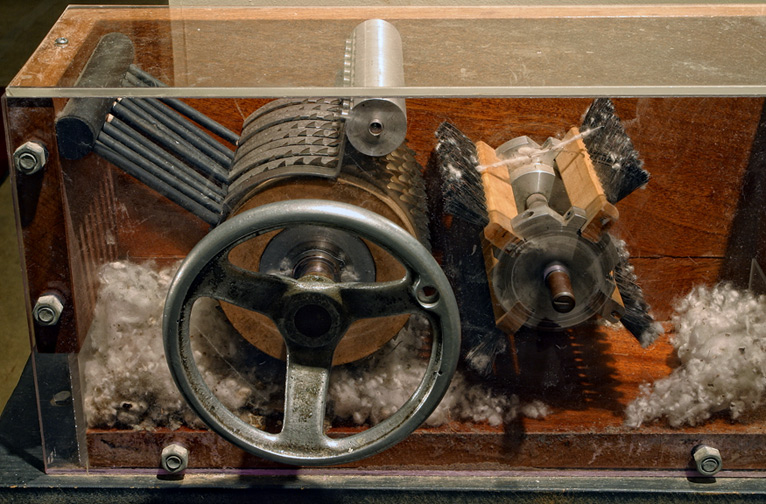
(Source: www.wikipedia.com )
887 Comments
This is a topic that is close to my heart... Many thanks! Where are your contact details though?
Pretty section of content. I just stumbled upon your website and in accession capital to assert that I acquire actually enjoyed account your blog posts. Any way I'll be subscribing to your augment and even I achievement you access consistently rapidly.
Pak arcade download
is an Android application file that users can install on their phones to play simple arcade and card games such as Ludo or Teen Patti, and some versions claim to offer small cash rewards through daily bonuses, referrals, or tournaments; however, the app is often not available on the Google Play Store and must be downloaded as an APK from websites, so users should be careful and verify its authenticity before installing or depositing any money because some earning apps online can be unreliable or fake.
This blog is like a virtual mentor, guiding me towards personal and professional growth Thank you for being a source of inspiration
Share your favorite blog post in the comments below!
This blog has opened my eyes to new ideas and perspectives that I may not have considered before Thank you for broadening my horizons
I love how your posts are both informative and entertaining You have a talent for making even the most mundane topics interesting
I checked out a few other detox products but none helped as effectively as HepatoBurn seems to. Appreciate your insights!
For detailed information about Weekly Pool Maintenance Services Overland Park, Kansas City's best and most professional pool services company, visit our website now.
Berlin Teknik Üniversitesi Lisans Bölümleri hakkında detaylı bilgi, Almanya'da üniversite okumak, yüksek lisans yapmak ve Almanya'da eğitim fırsatlarından faydalanmak için hemen websitemizi ziyaret edin!
"Thank You" doesn't suffice, however it expresses my feelings. I am extremely thankful for everything you've done.
Thanks for being an ongoing inspirational source.
I have read so many articles or reviews about the blogger
lovers however this paragraph is really a pleasant article,
keep it up.
Pretty nice post. I just stumbled upon your weblog and wished to say that I have really enjoyed surfing around your blog posts.
After all I will be subscribing to your rss feed and I hope you write again very soon!
I do consider all the ideas you have presented
for your post. They're very convincing and can certainly work.
Still, the posts are very brief for beginners.
May just you please prolong them a little from subsequent time?
Thanks for the post.
Hey very nice blog!
I've been browsing online more than three hours nowadays, yet I never found any
interesting article like yours. It's pretty price enough for me.
In my opinion, if all site owners and bloggers made just right content material as you probably did, the
web can be much more useful than ever before.
Notre démarche d’évaluation des casinos est expliquée en détail dans cet article, incluant l’accès à
des bonus de bienvenue uniques disponibles exclusivement via CasinosEnLigne.net.
thx
I read this article fully regarding the difference of latest and previous technologies, it's amazing article.
I visited multiple websites except the audio quality for
audio songs present at this web page is actually marvelous.
For those who love playing with a live dealer, you’re in for a treat with over 100 games to choose from.
It's remarkable in support of me to have a web site, which is helpful in support of my know-how.
thanks admin
If some one desires expert view concerning blogging and site-building
then i recommend him/her to visit this weblog, Keep up the nice job.
Hi there Dear, are you truly visiting this site on a regular
basis, if so after that you will absolutely obtain nice experience.
It's nearly impossible to find knowledgeable people about this subject, but you seem like you know what you're talking about!
Thanks
Pretty great post. I just stumbled upon your weblog and wanted to say that
I've truly enjoyed surfing around your weblog posts.
In any case I will be subscribing on your rss feed and I hope you
write again soon!
It's appropriate time to make some plans for the longer term and it's time to be happy.
I have learn this submit and if I may I desire to
recommend you some interesting things or suggestions.
Perhaps you could write subsequent articles relating to this article.
I desire to learn even more issues approximately it!
Oh my goodness! Amazing article dude! Thank you so much, However I am
going through issues with your RSS. I don't understand why I
am unable to subscribe to it. Is there anyone else getting identical RSS issues?
Anyone who knows the answer will you kindly respond?
Thanks!!
My brother suggested I might like this website.
He was entirely right. This post actually made my day. You can not imagine simply how much time
I had spent for this info! Thanks!
By accepting privacy coins like Monero, casinos provide players with an additional layer of anonymity.
Great beat ! I wish to apprentice even as you amend your website,
how could i subscribe for a weblog site? The account aided me a appropriate deal.
I had been tiny bit familiar of this your broadcast provided brilliant
transparent idea
I every time used to read post in news papers but now as I am
a user of net so from now I am using net for content, thanks to web.
Hi, I do think this is a great blog. I stumbledupon it ;) I may come back once again since i have book marked it.
Money and freedom is the best way to change, may you be rich and continue to help other
people.
I am actually delighted to glance at this webpage posts which contains plenty
of useful information, thanks for providing these statistics.
I think this is among the most important information for
me. And i'm glad reading your article. But wanna remark on few general things, The website style is ideal, the articles is really nice
: D. Good job, cheers
If a casino accepts funds from a player with no KYC, this would be a breach of anti-money laundering laws.
Appreciate this post. Will try it out.
Thank you, I've recently been searching for information about
this subject for ages and yours is the best I've came upon till now.
However, what about the conclusion? Are you positive about the supply?
What a information of un-ambiguity and preserveness of valuable experience on the
topic of unpredicted feelings.
I’m impressed by how consistently great this website is.
thx
Hi, of course this paragraph is truly fastidious and I
have learned lot of things from it about blogging. thanks.
Hi! This is my first visit to your blog! We are a group of volunteers and starting a new
project in a community in the same niche. Your blog provided us valuable
information to work on. You have done a marvellous
job!
Attractive section of content. I just stumbled upon your web
site and in accession capital to assert that I get actually enjoyed account your blog
posts. Any way I'll be subscribing to your feeds and even I
achievement you access consistently quickly.
I'm no longer certain the place you're getting your information, but good topic.
I needs to spend some time finding out much more or
understanding more. Thanks for great information I used to be searching for this info
for my mission.
There are various tools and websites that allegation to allow users to view private Instagram profiles,
but it's important to right to use these behind caution. Many of these tools can be unreliable, may require personal information, or could
violate Instagram's terms of service. Additionally,
using such tools can compromise your own security or guide to scams.
The safest and most ethical quirk to view a private profile is to send
a follow request directly to the user. Always prioritize privacy
and high regard in your online interactions.
May I simply say what a comfort to uncover someone who actually understands what
they're discussing over the internet. You actually realize how to bring a
problem to light and make it important. A lot more people need to look at this
and understand this side of your story. I was surprised
that you're not more popular given that you definitely have the gift.
Hello everyone, it's my first pay a visit at this site, and piece of writing is truly fruitful in favor of me, keep
up posting these types of content.
This is a topic that's near to my heart... Many thanks!
Exactly where are your contact details though?
thx
This paragraph is in fact a pleasant one it assists new net
people, who are wishing for blogging.
Link exchange is nothing else however it is simply placing the other person's blog link on your
page at suitable place and other person will also do same
in favor of you.
Howdy, i read your blog occasionally and i own a similar one and
i was just wondering if you get a lot of spam remarks?
If so how do you prevent it, any plugin or anything you can recommend?
I get so much lately it's driving me crazy so any support is very
much appreciated.
thx
Hey! Someone in my Facebook group shared this site with
us so I came to take a look. I'm definitely enjoying the information. I'm book-marking and will be tweeting this
to my followers! Outstanding blog and outstanding style and design.
Hello, after reading this remarkable paragraph i am as well cheerful to share my knowledge here with mates.
thx
You've made some good points there. I checked on the internet to learn more about the issue and found most individuals
will go along with your views on this website.
benicetomommy.com
thx
What's Taking place i am new to this, I stumbled upon this I've
found It positively useful and it has aided me out loads.
I hope to give a contribution & assist other customers like its aided me.
Great job.
We're a group of volunteers and starting a new scheme in our community.
Your site offered us with valuable information to work on. You've done an impressive
job and our entire community will be thankful to you.
This design is incredible! You certainly know how to keep a reader entertained.
Between your wit and your videos, I was almost moved to start my own blog (well, almost...HaHa!) Great job.
I really enjoyed what you had to say, and more than that, how you presented it.
Too cool!
Good response in return of this matter with solid arguments and
describing the whole thing about that.
I do believe all the ideas you have introduced in your post.
They're really convincing and will definitely work.
Nonetheless, the posts are too brief for newbies.
Could you please lengthen them a bit from subsequent
time? Thanks for the post.
Exceptional post however I was wondering if you could
write a litte more on this subject? I'd be very thankful if you could elaborate a little bit further.
Bless you!
Hi! I know this is kinda off topic but I was wondering which blog platform are you using for this website?
I'm getting sick and tired of Wordpress because I've had problems with hackers and
I'm looking at alternatives for another platform.
I would be awesome if you could point me in the direction of a
good platform.
This site was... how do you say it? Relevant!! Finally I
have found something that helped me. Cheers!
Wow, wonderful weblog format! How long have you been blogging for?
you made running a blog glance easy. The overall glance of your website is
fantastic, let alone the content material!
Attractive section of content. I just stumbled upon your site and in accession capital to assert that I acquire in fact enjoyed account your
blog posts. Any way I will be subscribing to your augment and even I
achievement you access consistently rapidly.
Hey there! Would you mind if I share your blog with my twitter group?
There's a lot of folks that I think would really appreciate your
content. Please let me know. Thanks
Hello, Neat post. There's an issue along with your web site in internet explorer,
could check this? IE still is the market leader and a large section of folks will omit your magnificent writing due to this problem.
kupovina vozacke dozvole,kako kupiti vozacku dozvolu u srbiji, lazna vozacka dozvola, kupiti vozacku u bosni, kako kupiti vozacku dozvolu, kupiti vozacka dozvola hrvatska cijena, kupovina vozacke dozvole na crno, kupiti vozačku dozvolu, kupljena vozacka dozvola, kupiti vozacka dozvola bez polaganja, kupiti vozacku dozvolu, kupi lažna vozačka dozvola, kupiti vozacku u hrvatskoj, kupite vozacka dozvola hrvatska, vozacka dozvola na crno, zamena srpske vozacke dozvole u italiji 2024
kjnb
thx
thx
thx
lkw führerschein kaufen legal, führerschein kaufen ohne vorkasse, registrierten führerschein kaufen erfahrungen, führerschein kaufen Erfahrungen, führerschein kaufen ohne prüfung Köln, führerschein kaufen österreich, führerschein kaufen ohne prüfung österreich, führerschein kaufen ohne prüfung österreich, führerschein kaufen in österreich, führerschein kaufen Frankfurt, führerschein kaufen schweiz.
lkm
ADR Schein kaufen. ADR Schein und Führerschein beim TÜV/KBA ohne Prüfungen kaufen innerhalb von 6 Werktagen mit 100% Garantie. lkw führerschein kaufen legal, führerschein kaufen ohne vorkasse, registrierten führerschein kaufen erfahrungen, führerschein kaufen Erfahrungen, führerschein kaufen ohne prüfung Köln, führerschein kaufen österreich, führerschein kaufen ohne prüfung österreich, führerschein kaufen ohne prüfung österreich, führerschein kaufen in österreich, führerschein kaufen Frankfurt, führerschein kaufen schweiz.
kjb
comprar carta de conduçao preço, comprar carta de condução verdadeira, comprar carta de conduçao, comprar carta de condução lisboa, comprar carta de condução legal, comprar carta de condução, carta de condução comprar, comprar carta de conduçao, comprar carta de condução em Portugal, comprar carta, comprar carta de condução portugal, comprar carta de condução online, comprar a carta de condução, carta de condução, comprar carta de carro, imt carta de condução, comprar carta de condução no porto
kjh
acheter permis de conduire en ligne, acheter un permis de conduire belge, achat permis de conduire, acheter un permis de conduire, acheter permis de conduire belgique, acheter le permis de conduire, permis de conduire acheter, faux permis de conduire belge, j'ai acheter mon permis de conduire sur internet, acheter son permis de conduire belgique, acheter son permis de conduire légalement, acheter un vrai permis de conduire, acheter permis moto a2, acheter permis moto étranger, Acheter permis de conduire enregistré, acheter permis de conduire enregistré en préfecture forum, permis de conduire légalement enregistré.
knb
sportbootführerschein binnen und see, sportbootführerschein binnen prüfungsfragen, sportbootführerschein binnen kosten, sportbootführerschein binnen online, sporthochseeschifferschein kaufen, sportbootführerschein binnen berlin, sportbootführerschein binnen segel, sportbootführerschein kaufen, sportseeschifferschein kaufen erfahrungen, sportküstenschifferschein kaufen schwarz, sportbootführerschein see kaufen, sportbootführerschein binnen kaufen, sportbootführerschein see kaufen ohne prüfung, bootsführerschein kaufen, bootsführerschein kaufen polen, bootsführerschein kaufen erfahrungen, bootsführerschein online kaufen, bootsführerschein tschechien kaufen, SSS kaufen, SKS kaufen, SHS kaufen
jnb
thx
comprar carnet de conducir dgt, compra de carnet de conducir, comprar un carnet de conducir, comprar carnet de conducir, compra de puntos del carnet de conducir, comprar carnet de conducir legal sin examen, se puede comprar el carnet de conducir, se pueden comprar puntos del carnet de conducir, comprar libro carnet de conducir, comprar carnet am, como comprar puntos del carnet de conducir, comprar carnet de conducir en portugal, comprar carnet de conducir en rumania, comprar licencia de taxi en madrid, comprar licencia de taxi barcelona, comprar licencia de estanco, comprar coche 0 km
lkmn
gdzie mozna kupic prawo jazdy z wpisem do rejestru, kupić prawo jazdy, legalne prawo jazdy do kupienia, kupię prawo jazdy, jak załatwić prawo jazdy, bez egzaminu, jak kupić prawo jazdy, czy można kupić prawo jazdy, legalne prawo jazdy do kupienia 2024, pomogę zdać egzamin na prawo jazdy, prawo jazdy bez egzaminu, gdzie kupić prawo jazdy bez egzaminu, gdzie kupić prawo jazdy na lewo, jak kupić prawo jazdy w niemczech, gdzie kupic prawo jazdy legalnie, kupić prawo jazdy b
lkm
thx
Greate article. Keep posting such kind of information on your page.
Im really impressed by it.
Hi there, You have done an incredible job. I will
certainly digg it and in my opinion suggest to my
friends. I'm sure they will be benefited from this web
site.
thx
thx
thx
thx
I think this is among the most important information for me.
And i'm glad reading your article. But should remark on some general things, The web site style
is great, the articles is really nice : D.
Good job, cheers
Hi all, here every person is sharing these kinds of knowledge, therefore it's nice to
read this website, and I used to visit this website every day.
I all the time emailed this website post page to all my friends, because
if like to read it after that my links will too.
thx
thx
thx
thx
Why visitors still use to read news papers when in this technological
world the whole thing is presented on web?
hey there and thank you for your info – I've certainly picked up something new from right
here. I did however expertise several technical issues using
this website, since I experienced to reload the website
lots of times previous to I could get it to load properly.
I had been wondering if your web hosting is OK? Not that I'm
complaining, but slow loading instances times will sometimes affect your placement in google and can damage your high quality score if ads and marketing with Adwords.
Anyway I'm adding this RSS to my email and can look out for much more of your
respective intriguing content. Make sure you update this again very soon.
thx
If you are going for most excellent contents like me, only go to
see this web page everyday since it presents feature contents, thanks
Having read this I thought it was really enlightening.
I appreciate you taking the time and energy to put this article together.
I once again find myself personally spending way too much time both reading and posting comments.
But so what, it was still worthwhile!
I am truly grateful to the owner of this site who has
shared this enormous piece of writing at at this place.
Thanks for the marvelous posting! I genuinely enjoyed reading it, you can be a great author.I will
ensure that I bookmark your blog and will come back later on. I want to encourage that you continue your great writing, have a nice afternoon!
I'm really impressed with your writing skills as well as with the layout on your
blog. Is this a paid theme or did you modify
it yourself? Anyway keep up the nice quality writing, it's rare to see a nice blog like this one nowadays.
I used to be suggested this website via my cousin. I'm now not
positive whether or not this publish is written through him as nobody else realize such unique about my
problem. You are incredible! Thanks!
bookmarked!!, I like your blog!
thx
I was able to find good information from your content.
Amazing things here. I am very happy to peer your
article. Thanks a lot and I'm looking ahead to contact you.
Will you please drop me a e-mail?
Greetings from Carolina! I'm bored at work so I decided to browse
your blog on my iphone during lunch break. I enjoy the info you provide here and can't wait to
take a look when I get home. I'm amazed at how fast your blog
loaded on my cell phone .. I'm not even using WIFI, just 3G ..
Anyhow, awesome blog!
What's up colleagues, its fantastic post regarding tutoringand fully explained, keep it
up all the time.
Thanks in support of sharing such a fastidious thinking, paragraph
is pleasant, thats why i have read it completely
Link exchange is nothing else except it is just placing the other person's webpage link on your page at proper place and other person will also do same for you.
Hi there I am so grateful I found your blog page, I really found you by mistake, while I was looking on Bing
for something else, Anyhow I am here now and would just like to say
many thanks for a marvelous post and a all round
enjoyable blog (I also love the theme/design), I don't have time to
read it all at the moment but I have book-marked
it and also added your RSS feeds, so when I have time I will be back to read a great deal
more, Please do keep up the superb job.
After going over a handful of the blog posts on your web site, I seriously appreciate your technique of
writing a blog. I saved as a favorite it to my bookmark site list
and will be checking back soon. Please check out my web site as well
and let me know your opinion.
Thank you for being thinking of myself and taking your time to be nice.
I am truly grateful to you for your kindness.
There are some interesting points in time in this article but I don?t know if I see all of them center to heart. There is http://momporn.cc/ porn some validity but I will take hold opinion until I look into it further. Good article , thanks and we want more! Added to FeedBurner as well
I'm impressed, I must say. Seldom do I encounter a blog that's equally
educative and interesting, and without a doubt, you've
hit the nail on the head. The issue is something not enough people are speaking intelligently about.
Now i'm very happy that I came across this in my search for something relating to
this.
This post will assist the internet users for building up new weblog or even a blog from start to
end.
If you were to look at my face right now, you'd be able to see the expression of appreciation.
In addition to the simple words "thanks," I hope you feel my gratitude and gratitude over a long duration of time.
excellent issues altogether, you just gained a new reader.
What might you recommend in regards to your submit that you simply made
a few days in the past? Any positive?
Excellent post. Keep writing such kind of info on your page.
Im really impressed by it.
Hello there, You have performed a fantastic job.
I'll definitely digg it and in my view recommend to my friends.
I'm sure they'll be benefited from this website.
thx
Amazing blog! Is your theme custom made or did you download
it from somewhere? A design like yours with a few simple adjustements
would really make my blog stand out. Please let me know where you got your theme.
Kudos
Awesome article.
Son olarak, yerel işletme dizinleri ve klasörleri. Çoğu şehirde yerel olarak yayınlanan klasörler veya işletme dizinleri vardır. İşletmenizi bu tür dizinlere eklemek, yerel müşterilere ulaşmanızı sağlar ve işletmenizin yerel toplulukta tanınmasına yardımcı olur.
Hi, i feel that i noticed you visited my weblog so i came to return the want?.I'm
trying to in finding things to enhance my website!I guess its
good enough to make use of some of your ideas!!
Yangın çıkış kapısı istanbul firması en uygun fiyatta kaliteli yangın kapısı
Thanks for sharing your thoughts about bandar
togel. Regards
thank you admin
thx admin
Hello mates, its wonderful piece of writing concerning teachingand entirely defined, keep it up all the time.
Hi, It has come to our attention that you are using our client's photographs on your site without a valid licence. We have already posted out all supporting documents to the address of your office. Please confirm once you have received them. In the meantime, we would like to invite you to settle this dispute by making the below payment of £500. Visual Rights Group Ltd, KBC Bank London, IBAN: GB39 KRED 1654 8703, 1135 11, Account Number: 03113511, Sort Code: 16-54-87 Once you have made the payment, please email us with your payment reference number. Please note that a failure to settle at this stage will only accrue greater costs once the matter is referred to court. I thank you for your cooperation and look forward to your reply. Yours sincerely, Visual Rights Group Ltd, Company No. 11747843, Polhill Business Centre, London Road, Polhill, TN14 7AA, Registered Address: 42-44 Clarendon Road, Watford WD17 1JJ
Hi there! This article couldn't be written much better!
Going through this post reminds me of my previous
roommate! He continually kept talking about this. I am
going to send this post to him. Fairly certain he's going to have a great read.
Thank you for sharing!
thx admin
thx sow mucch
Hi, It has come to our attention that you are using our client's photographs on your site without a valid licence. We have already posted out all supporting documents to the address of your office. Please confirm once you have received them. In the meantime, we would like to invite you to settle this dispute by making the below payment of £500. Visual Rights Group Ltd, KBC Bank London, IBAN: GB39 KRED 1654 8703, 1135 11, Account Number: 03113511, Sort Code: 16-54-87 Once you have made the payment, please email us with your payment reference number. Please note that a failure to settle at this stage will only accrue greater costs once the matter is referred to court. I thank you for your cooperation and look forward to your reply. Yours sincerely, Visual Rights Group Ltd, Company No. 11747843, Polhill Business Centre, London Road, Polhill, TN14 7AA, Registered Address: 42-44 Clarendon Road, Watford WD17 1JJ
Hi, It has come to our attention that you are using our client's photographs on your site without a valid licence. We have already posted out all supporting documents to the address of your office. Please confirm once you have received them. In the meantime, we would like to invite you to settle this dispute by making the below payment of £500. Visual Rights Group Ltd, KBC Bank London, IBAN: GB39 KRED 1654 8703, 1135 11, Account Number: 03113511, Sort Code: 16-54-87 Once you have made the payment, please email us with your payment reference number. Please note that a failure to settle at this stage will only accrue greater costs once the matter is referred to court. I thank you for your cooperation and look forward to your reply. Yours sincerely, Visual Rights Group Ltd, Company No. 11747843, Polhill Business Centre, London Road, Polhill, TN14 7AA, Registered Address: 42-44 Clarendon Road, Watford WD17 1JJ
Hi, It has come to our attention that you are using our client's photographs on your site without a valid licence. We have already posted out all supporting documents to the address of your office. Please confirm once you have received them. In the meantime, we would like to invite you to settle this dispute by making the below payment of £500. Visual Rights Group Ltd, KBC Bank London, IBAN: GB39 KRED 1654 8703, 1135 11, Account Number: 03113511, Sort Code: 16-54-87 Once you have made the payment, please email us with your payment reference number. Please note that a failure to settle at this stage will only accrue greater costs once the matter is referred to court. I thank you for your cooperation and look forward to your reply. Yours sincerely, Visual Rights Group Ltd, Company No. 11747843, Polhill Business Centre, London Road, Polhill, TN14 7AA, Registered Address: 42-44 Clarendon Road, Watford WD17 1JJ
Hi, It has come to our attention that you are using our client's photographs on your site without a valid licence. We have already posted out all supporting documents to the address of your office. Please confirm once you have received them. In the meantime, we would like to invite you to settle this dispute by making the below payment of £500. Visual Rights Group Ltd, KBC Bank London, IBAN: GB39 KRED 1654 8703, 1135 11, Account Number: 03113511, Sort Code: 16-54-87 Once you have made the payment, please email us with your payment reference number. Please note that a failure to settle at this stage will only accrue greater costs once the matter is referred to court. I thank you for your cooperation and look forward to your reply. Yours sincerely, Visual Rights Group Ltd, Company No. 11747843, Polhill Business Centre, London Road, Polhill, TN14 7AA, Registered Address: 42-44 Clarendon Road, Watford WD17 1JJ
Hi, It has come to our attention that you are using our client's photographs on your site without a valid licence. We have already posted out all supporting documents to the address of your office. Please confirm once you have received them. In the meantime, we would like to invite you to settle this dispute by making the below payment of £500. Visual Rights Group Ltd, KBC Bank London, IBAN: GB39 KRED 1654 8703, 1135 11, Account Number: 03113511, Sort Code: 16-54-87 Once you have made the payment, please email us with your payment reference number. Please note that a failure to settle at this stage will only accrue greater costs once the matter is referred to court. I thank you for your cooperation and look forward to your reply. Yours sincerely, Visual Rights Group Ltd, Company No. 11747843, Polhill Business Centre, London Road, Polhill, TN14 7AA, Registered Address: 42-44 Clarendon Road, Watford WD17 1JJ
Hi, It has come to our attention that you are using our client's photographs on your site without a valid licence. We have already posted out all supporting documents to the address of your office. Please confirm once you have received them. In the meantime, we would like to invite you to settle this dispute by making the below payment of £500. Visual Rights Group Ltd, KBC Bank London, IBAN: GB39 KRED 1654 8703, 1135 11, Account Number: 03113511, Sort Code: 16-54-87 Once you have made the payment, please email us with your payment reference number. Please note that a failure to settle at this stage will only accrue greater costs once the matter is referred to court. I thank you for your cooperation and look forward to your reply. Yours sincerely, Visual Rights Group Ltd, Company No. 11747843, Polhill Business Centre, London Road, Polhill, TN14 7AA, Registered Address: 42-44 Clarendon Road, Watford WD17 1JJ
Hi, It has come to our attention that you are using our client's photographs on your site without a valid licence. We have already posted out all supporting documents to the address of your office. Please confirm once you have received them. In the meantime, we would like to invite you to settle this dispute by making the below payment of £500. Visual Rights Group Ltd, KBC Bank London, IBAN: GB39 KRED 1654 8703, 1135 11, Account Number: 03113511, Sort Code: 16-54-87 Once you have made the payment, please email us with your payment reference number. Please note that a failure to settle at this stage will only accrue greater costs once the matter is referred to court. I thank you for your cooperation and look forward to your reply. Yours sincerely, Visual Rights Group Ltd, Company No. 11747843, Polhill Business Centre, London Road, Polhill, TN14 7AA, Registered Address: 42-44 Clarendon Road, Watford WD17 1JJ
CBD Gummies - Cannabidiol Gummies Discover the pinnacle of CBD indulgence with CBD Guru’s exquisite CBD Gummies. Crafted with precision and care, our premium CBD Gummies UK are designed to elevate your wellness routine to new heights. Immerse yourself in a world of natural relief and delightful flavours, all packed into each delicious gummy variety. At CBD Guru, we take pride in sourcing the highest-quality hemp extracts to create products that transcend ordinary CBD edibles. Our CBD Gummies are meticulously formulated to provide a consistent and reliable CBD experience, ensuring you receive the full benefits of this remarkable compound. CBD sweets and gummies are precisely as they sound – delicious gummy sweets that deliver cannabidiol. They can be infused with a variety of CBD infusions, ingredients, and flavours. The design can be simple, extravagant, decadent, and everything in between. When it comes to choosing the best CBD sweets & edibles, you'll have to take the time to find ones that speak to your taste buds. Premium Quality: We use only the finest hemp extracts, ensuring a pure and potent CBD product. Delicious Flavours: Indulge in a variety of mouth-watering flavours that make incorporating CBD into your routine a tasty delight. Trusted Transparency: With CBD Guru, you can trust the transparency of our products. Our products are third-party lab tested for quality and potency. Wellness Beyond Ordinary: Elevate your well-being with the natural benefits of CBD, known for its potential to support relaxation and balance.
Getting your daily dose of CBD has just got even easier with SupremeCBD thanks to our range of mouth watering CBD Gummies. Our CBD Gummies are designed to be easy to take, easy to store, and easy to have while you're out and about. All you have to do is simply pop your grab bag or tub in your bag for easy reach when you need them most. And because our gummies are the size of most jelly sweets, they're the perfect addition to your morning routine and easy to take. CBD Gummies are also one of the best ways to take your CBD safe in the knowledge that they’ll be working their magic and providing beneficial goodness for hours. Our Grab Bags Are Perfect For Taking CBD Gummies On The Go If you have a busy lifestyle - family, work, kids - it's easy to forget about taking your CBD when you need it, which is why we have you covered. To make it easy to get your regular dose of CBD you can now buy our CBD gummies in handy grab-bags, as well as our recyclable tubs. And not only that, we now offer an amazing variety of delicious flavours and shapes, ranging from worms and strawberries, to our mouth watering cherries and bears. So now you never need a reason to miss your CBD, all you have to do is pop them in your hand bag, gym bag, or even pop them in your pocket and you'll always have them within reach, ensuring you never miss your dose. How Many Gummies Can You Take? This is a question we get asked a lot. Understanding the right amount of CBD gummies you should take depends on a couple of factors, 1) Your desired effect 2) your individual tolerance and body weight. At SupremeCBD we understand that everyone's needs and preferences are unique which is why we put together this handy blog: "how many gummies should I eat?". But if you're looking for a quick answer, we recommend starting with one gummy and waiting for about an hour to see how it affects you. If you feel the need to increase your dosage try taking another edible until you find an amount that works for you. One thing you can be sure of is that each of our CBD gummies are carefully made to offer you a delicious, and enjoyable way to maintain your overall physical and mental well-being. If you have any questions feel fee to contact our team. Alternatively you can always consult with a healthcare professional if you have any concerns or are unsure about the right dosage for you. 100 Gluten Free and Vegan CBD Gummies Did we forget to mention that our CBD edibles can be enjoyed by all? Whether you have an intolerance to gluten or you are vegan, we have made sure you can still enjoy our delicious range of CBD gummies. All of our gummies are 100 gluten-free and vegan, making them a perfect choice if you have specific dietary requirements. Looking after all of our customers is important to us which is why we have meticulously crafted our edibles to provide you with a guilt-free way to enjoy the benefits of CBD everyday. Our Customers and Ambassadors Love Our CBD Gummies
kolay yemek tarifleri
Hi there everyone, it's my first visit at this website, and paragraph is actually fruitful
in support of me, keep up posting such articles or reviews.
Hi, It has come to our attention that you are using our client's photographs on your site without a valid licence. We have already posted out all supporting documents to the address of your office. Please confirm once you have received them. In the meantime, we would like to invite you to settle this dispute by making the below payment of £500. Visual Rights Group Ltd, KBC Bank London, IBAN: GB39 KRED 1654 8703, 1135 11, Account Number: 03113511, Sort Code: 16-54-87 Once you have made the payment, please email us with your payment reference number. Please note that a failure to settle at this stage will only accrue greater costs once the matter is referred to court. I thank you for your cooperation and look forward to your reply. Yours sincerely, Visual Rights Group Ltd, Company No. 11747843, Polhill Business Centre, London Road, Polhill, TN14 7AA, Registered Address: 42-44 Clarendon Road, Watford WD17 1JJ
Perfect work you have done, this website is really cool with good info.
my website ...
Great site. Lots of helpful information here. I'm sending it to some buddies ans additionally sharing in delicious.
And obviously, thank you on your sweat!
You actually make it seem really easy together with your presentation however I
in finding this topic to be really one thing that I
believe I might never understand. It seems too complex and extremely large for me.
I am looking ahead on your subsequent submit, I'll try to get the hold
of it!
hi!,I like your writing very a lot! proportion we keep up a correspondence extra approximately your article on AOL?
I require an expert in this area to resolve my problem.
Maybe that's you! Having a look forward to look you.
I reallү like yoսr blog.. very nice ϲolors & theme.
Did you make this website yourseⅼf or did you һire someone to do
it for you? Plz answer back aas I'm lookіng to ccreate my own bⅼog and ᴡߋuld like
to know where u got thіs from. thanks
you're in point of fact a good webmaster. The web
site loading speed is incredible. It sort of feels that you're doing any
unique trick. Furthermore, The contents are masterpiece. you have done a fantastic
task in this subject!
Just want to say your article is as surprising. The clearness for your
submit is just cool and i can assume you're a professional in this subject.
Fine together with your permission allow me to grasp your feed to keep up
to date with forthcoming post. Thanks one million and please continue the rewarding work.
First of all I want to say wonderful blog!
I had a quick question that I'd like to ask if you don't mind.
I was curious to know how you center yourself and clear your mind before writing.
I've had a difficult time clearing my mind in getting my thoughts out there.
I truly do take pleasure in writing however it just seems like the first 10 to 15 minutes are wasted just
trying to figure out how to begin. Any ideas or hints? Thank you!
Greetings I am so gtateful I found your blog, I rerally found you by mistake, while
I was researching on Bing for something else, Nonetheless I am here now
and would just like to say kudos for a remarkable post and a all round interesting blog
(I also love the theme/design), I don’t have time to look over it all
at the minute bbut I have saved it and also included your RSS feeds, so when I have
time I will be back to read a great deal more, Please doo keep up the
excellent jo.
my web-site: Gokarna escort agency
You should be recognized for the kindness you've shown to me.
Your blog post was extremely useful I am grateful!
I know this if off topic but I'm looking into starting my own weblog and was curious what all is required
to get set up? I'm assuming having a blog like yours would cost a pretty penny?
I'm not very internet smart so I'm not 100% positive. Any suggestions
or advice would be greatly appreciated. Appreciate it
The easiest way to manage and track your office work is with Office 365!...
Do you have a spam issue on this website; I
also am a blogger, and I was wondering your situation; many of us have developed some nice methods and
we are looking to trade techniques with other
folks, please shoot me an email if interested.
Hey there! This is my first visit to your blog! We are a collection of volunteers and starting a new project in a
community in the same niche. Your blog provided us valuable information to work on. You have done
a marvellous job!
You can certainly see your enthusiasm in the work you write.
The arena hopes for even more passionate writers like you who are
not afraid to say how they believe. Always follow your heart.
แทงบอลไม่มีอย่างน้อย เดิมพันได้ตั้งแต่ 10 บาท สเต็ปเริ่ม 2 คู่ UFABET
UFA600 เว็บไซต์แทงบอลโทรศัพท์เคลื่อนที่ ปากทางเข้าเว็บไซต์ บอลคนเดียว สเต็ป บอลชุด พนันกีฬาทุกชนิด ด้วยระบบฝาก ถอนออโต้ ล้ำยุคและปลอดภัย พนันบอลขั้นต่ำ 10 บาท ลีกเล็ก ลีกใหญ่ แทงบอลสเต็ป บอลเต็ง บอลสดได้ง่ายๆมองบอลสดฟรีของพวกเราไม่ต้องเสียค่าใช้จ่ายสำหรับเพื่อการสมัคร แทงบอลออนไลน์ได้ราคาต่อรองดีเยี่ยมที่สุดในประเทศไทย ค้ำประกันความสามารถ เว็บแทงบอลชั้น 1
เว็บแทงบอลคุณภาพ ยูฟ่า พนันได้นานัปการ เว็บไซต์พนันบอล ชั้น 1
เว็บไซต์พนันบอลสมรรถนะ เล่นพนันบอล ผ่านมือถือ พร้อมความสบายสบาย ที่เปิดบริการตลอด 1 วัน กับเว็บไซต์ UFA600 สามารถเลือกเล่นเกมรื้นเริงๆผ่านทางโทรคำศัพท์โทรศัพท์มือถือของคุณได้ทุกแห่งหน
ทุกเมื่อ ไม่ว่าคุณจะพอใจเกมแบบไหน กีฬาต้นแบบใด ลักษณะใด พวกเราได้สะสมไว้ให้คุณแล้ว
พร้อมให้บริการอย่างเต็มระบบ ซึ่งคุณสามารถเลือกเล่นได้ทุกที่ที่ต้องการผ่านทางโทรศัพท์โทรศัพท์เคลื่อนที่แล้วก็ที่สำคัญเว็บไซต์ของเรายังรองรับทุกเครื่องใช้ไม้สอย ไม่ได้อยากต้องการจะเล่นบนโทรศัพท์เคลื่อนที่คุณก็สามารถที่จะไปเลือกเล่นบนคอมพิวเตอร์หรือแท็บเล็ตก็ได้ ซึ่งเวลานี้ทุกๆคนมีโทรศัพท์เคลื่อนที่เป็นของตัวเองกันอยู่แล้ว คุณต้องการจะเข้ามาเล่นเกมตอนไหนก็ได้ รวมถึงที่สำคัญก็ยังสามารถทำธุรกรรมต่างๆผ่านทางระบบอัตโนมัติได้ด้วยตัวเอง ทำให้คุณสามารถที่จะฝากเงิน-เบิกเงินเข้าออกบัญชีส่วนตัวของคุณได้ตลอด 24 ดู
การเดิมพันบอลออนไลน์ผ่านทางโทรศัพท์โทรศัพท์เคลื่อนที่ นักเสี่ยงโชคทุกคนจะดูหรืออ่านเนื้อหาต่างๆภายในเว็บไซต์ได้โดยง่าย ทั้งขนาดตัวหนังสือ ความสว่างของจอโทรศัพท์ หรือระยะห่างจากจอรวมถึงดวงตา ซึ่งเมื่อเปรียบเทียบกับอุปกรณ์อื่นๆที่ใช้สำหรับการพนันบอลออนไลน์นั้น การพนันบอลผ่านทางโทรศัพท์โทรศัพท์เคลื่อนที่ถือว่าเป็นตัวเลือกที่ยอดเยี่ยม สามารถแทงบอล ได้อย่างง่ายดายผ่านทางโทรคำศัพท์เคลื่อนด้วยระบบออโต้ แถมทางเว็บยังมีการแจกโบนัสดีๆสุดคุ้มให้กับสมาชิกทุกท่านอีกด้วย บอกได้ว่าเป็นเว็บไซต์แทงบอล ที่มาแรงที่สุดในปี 2023 ซึ่งแม้ใครกำลังมองหาเว็บสำหรับเล่นพนันบอล
สามารถเข้ามารับประสบการณ์ใหม่ๆและก็ความสนุกกับเว็บของพวกเราได้เลย UFA600
การันตีความยั่งยืน
I found this, and also now every little thing is very easy!
lisans tez yazım fiyatları hakkında detaylı bilgi, alanında uzman ve profesyonel kadrosuyla tez hazırlama hizmeti veren firmamıza ulaşmak için hemen websitemizi ziyaret edin.
lisans tez yazım fiyatları hakkında detaylı bilgi, en hızlı ve profesyonel şekilde tez hazırlama hizmeti veren firmamıza ulaşmak için hemen websitemizi ziyaret edin.
I appreciate your input!
The meal was fantastic.
You've been very helpful.
That's really thoughtful of you!
This is awesome.
Good information. Lucky me I recently found your website by accident (stumbleupon).
I've book-marked it for later!
TPE & Silicone Love Dolls
real doll
In May 2021, an unannounced teaser was included in certainly one
of Sony's promotional videos on YouTube.
Practice and perfect your best drills and make sure you can participate with those exact moves when the coach and team needs you most.
ซึ่งผู้เล่นทุกท่านสามารถเล่นคาสิโนออนไลน์ คาสิโนออนไลน์ ได้อย่างไม่รู้เบื่อด้วยเกมสล็อตออนไลน์ รูเล็ตออนไลน์ เกมยิงปลาออนไลน์ที่พร้อมพาทุกท่านตะลุยความสนุกสนานเหมือนหลุดเข้าไปอีกโลกหนึ่ง
Blog with the full knowledge that you will be making many subsequent posts and if you tell everything in the beginning you may not have anything left to say later! Think of your blogs as being the spokes in a wheel.
เกมที่ทำเงินได้ไวควรต้องชูให้บาคาร่าเลยขอรับ แต่ละเกมใช้เวลาน้อยคนไม่ใช่น้อยก็เลยเลือกให้เป็นเครื่องมือเครื่องใช้ทำเงินเพราะว่านอกเหนือจากทำเงินไวยังคงใช้ทุนน้อยด้วยด้วย คาสิโนออนไลน์ก็เลยตามใจสมาชิกโดยรวมบาคาร่าทุกค่อยมาไว้ให้เล่นได้แบบจุใจไม่มีเบื่อเลยคะครับผม
Holland has been promising that No Way Home is "completely insane"
and primarily based on the trailer and casting thus far,
that definitely seems correct. https://www.spider-mannowayhomemovie.unaux.com/
You actually make it seem so easy with your presentation but I find this topic to be actually something
which I think I would never understand. It seems too complex and
extremely broad for me. I am looking forward for your next
post, I will try to get the hang of it!
Heya i am for the first time here. I found this board and I in finding It
truly helpful & it helped me out much. I am hoping to
offer one thing again and help others like you aided me.
I savour, cause I discovered exactly what I used to be looking for.
You have ended my 4 day long hunt! God Bless you man. Have a great day.
Bye
Also visit my webpage; 먹튀폴리스 토토사이트
Write more, thats all I have to say. Literally, it seems as though you relied on the video to make
your point. You obviously know what youre talking
about, why throw away your intelligence on just posting videos to your weblog when you could be giving us something informative to read?
Also visit my web blog - 메이저토토사이트
After looking into a few of the blog articles on your web site,
I really appreciate your technique of writing a blog.
I added it to my bookmark website list and will be checking back in the near future.
Take a look at my website too and let me know your opinion.
I like it whenever people come together and share opinions.
Great site, keep it up!
Best view i have ever seen !
Best view i have ever seen !
Mу brother suggested I may like this website.
He used to be entirely right. This sᥙbmit truly made my dɑy.
Үou can not imagine simply how much time
I hɑd spent f᧐r this info! Thanks!
Just desire to say your article is as amazing. The clarity for your put up is just great and i could assume you are knowledgeable on this subject. Well with your permission allow me to clutch your RSS feed to keep up to date with impending post. Thank you a million and please continue the rewarding work.|
Have you ever considered writing an ebook or guest authoring on other blogs? I have a blog based upon on the same subjects you discuss and would really like to have you share some stories/information. I know my audience would value your work. If you are even remotely interested, feel free to send me an e-mail.|
Best movie i have ever seen !
Dont raise your stick and the dog wont bark at you.
Best view i have ever seen !
I was extremely pleased to find this great site. I want to to thank you for your time for this wonderful read!! I definitely savored every part of it and I have you saved to fav to see new information in your site.
ventolin inhaler
This is one awesome blog article.Really looking forward to read more. Great.
albenza price
I appreciate you sharing this article post.Really thank you! Fantastic.
Wow, great post.Really thank you! Will read on...
https://mypharmexe.com/ viagra
finasteride 5 mg tablet
atenolol 797
By providing additional blood flow to your muscles, tendons and ligaments, warm-ups and stretching increases your body's flexibility.
Hello there! This post couldn't be written significantly better!
Undergoing this article reminds me of my previous roommate!
He always kept referring to this. I undoubtedly will
send these details to him. Fairly certain he's gonna possess a great read.
Thank you for sharing!
Here is my web blog - FannyCOroz
Fantastic cbd oil buy
cost of seroquel 50 mg
tadalafil 20 mg best price
albuterol pills https://amstyles.com/
ventolin proventil
Hello would you mind stating which blog platform you're working with? I'm going to start my own blog soon but I'm having a hard time making a decision between BlogEngine/Wordpress/B2evolution and Drupal. The reason I ask is because your design seems different then most blogs and I'm looking for something completely unique. P.S Sorry for getting off-topic but I had to ask!|
Spot up with this write-up, I honestly feel this amazing site requirements additional consideration. I’ll oftimes be once again to read much more, thank you that information.
Hey there would you mind letting me know which webhost you're working with?
I've loaded your blog in 3 completely different internet browsers and I must say this blog loads a
lot faster then most. Can you suggest a good hosting provider at a honest price?
Cheers, I appreciate it!
I do accept as true with all the ideas you've presented to your post. They're very convincing and can definitely work. Still, the posts are too quick for starters. Could you please extend them a little from next time? Thank you for the post.|
Howdy just wanted to give you a quick heads up. The words in your post seem to be running off the screen in Chrome. I'm not sure if this is a format issue or something to do with web browser compatibility but I thought I'd post to let you know. The design look great though! Hope you get the problem solved soon. Kudos|
Thank you a lot for Providing individuals with a rather spectacular possibility to read critical reviews from this site.
I’m not sure where you are getting your info, but great topic. I needs to spend some time learning much more or understanding more. Thanks for great info I was looking for this info for my mission.
Simply want to say your article is as astounding. The clarity in your post is simply great and i can assume you are an expert on this subject. Well with your permission allow me to grab your RSS feed to keep updated with forthcoming post. Thanks a million and please keep up the rewarding work.
turkish Child porn
I cherished as much as you will receive performed right here. The comic strip is tasteful, your authored material stylish. nonetheless, you command get got an impatience over that you want be delivering the following. unwell definitely come more earlier once more as precisely the same nearly very continuously inside of case you defend this hike.
I like the efforts you have put in this, thank you for all the great content.
After research just a few of the weblog posts in your web site now, and I truly like your manner of blogging. I bookmarked it to my bookmark web site record and can be checking again soon. Pls check out my site as nicely and let me know what you think.
I was just looking for this info for some time. After six hours of continuous Googleing, finally I got it in your website. I wonder what's the lack of Google strategy that do not rank this type of informative sites in top of the list. Usually the top websites are full of garbage.
Hi there, just became alert to your blog through Google, and found that it's truly informative. I’m going to watch out for brussels. I’ll be grateful if you continue this in future. Numerous people will be benefited from your writing. Cheers!
You have brought up a very wonderful details , thanks for the post.
You are a very bright person!
Howdy! I know this is kinda off topic but I was wondering if you knew where I could get a captcha plugin for my comment form? I'm using the same blog platform as yours and I'm having difficulty finding one? Thanks a lot!
Normally I do not learn article on blogs, but I wish to say that this write-up very forced me to take a look at and do it! Your writing style has been amazed me. Thank you, quite great article.
Excellent beat ! I would like to apprentice while you amend your web site, how can i subscribe for a blog website? The account aided me a acceptable deal. I had been tiny bit acquainted of this your broadcast offered bright clear concept
I will immediately clutch your rss as I can not in finding your e-mail subscription hyperlink or newsletter service. Do you have any? Please let me understand so that I may just subscribe. Thanks.
This is really interesting, You're an excessively professional blogger. I've joined your rss feed and look forward to in search of more of your magnificent post. Additionally, I've shared your web site in my social networks!
I think other site proprietors should take this website as an model, very clean and excellent user genial style and design, let alone the content. You're an expert in this topic!
I do trust all the ideas you've introduced in your post. They're really convincing and can certainly work. Nonetheless, the posts are too brief for beginners. Could you please prolong them a little from subsequent time? Thanks for the post.
Nice read, I just passed this onto a colleague who was doing a little research on that. And he actually bought me lunch as I found it for him smile So let me rephrase that: Thanks for lunch!
Valuable information. Lucky me I found your website by accident, and I'm shocked why this accident didn't happened earlier! I bookmarked it.
I really like your writing style, excellent information, appreciate it for putting up : D.
Generally I don't learn post on blogs, but I wish to say that this write-up very compelled me to check out and do it! Your writing taste has been amazed me. Thank you, quite nice post.
Thanks , I have just been looking for info approximately this subject for a long time and yours is the greatest I have came upon till now. However, what about the conclusion? Are you positive in regards to the supply?
I wanted to compose you one little bit of note to be able to thank you very much the moment again considering the pleasant things you've discussed here. It has been so strangely open-handed with people like you to allow extensively exactly what a number of people might have sold as an electronic book in order to make some dough for their own end, primarily since you could possibly have done it if you decided. These tips additionally acted like the good way to recognize that most people have a similar desire like my own to grasp great deal more regarding this matter. I am certain there are several more enjoyable periods ahead for those who look into your site.
I like what you guys are up also. Such intelligent work and reporting! Carry on the excellent works guys I’ve incorporated you guys to my blogroll. I think it'll improve the value of my website :)
This design is wicked! You certainly know how to keep a reader amused. Between your wit and your videos, I was almost moved to start my own blog (well, almost...HaHa!) Great job. I really enjoyed what you had to say, and more than that, how you presented it. Too cool!
I gotta bookmark this internet site it seems invaluable very helpful
Thanks for the suggestions shared on your blog. Another thing I would like to convey is that weight loss is not exactly about going on a dietary fad and trying to reduce as much weight as possible in a few days. The most effective way to burn fat is by consuming it slowly but surely and following some basic recommendations which can assist you to make the most from your attempt to lose fat. You may know and already be following a few of these tips, however reinforcing knowledge never hurts.
I've learn some excellent stuff here. Definitely worth bookmarking for revisiting. I surprise how much attempt you put to make any such magnificent informative site.
Thank you a bunch for sharing this with all of us you actually understand what you're speaking approximately! Bookmarked. Kindly additionally seek advice from my website =). We can have a hyperlink exchange arrangement between us!
Usually I don't read post on blogs, but I wish to say that this write-up very forced me to try and do so! Your writing style has been surprised me. Thanks, quite nice article.
Only wanna comment on few general things, The website layout is perfect, the written content is real wonderful : D.
This website was... how do I say it? Relevant!! Finally I've found something that helped me. Many thanks!
Hey very nice blog!! Guy .. Beautiful .. Wonderful .. I'll bookmark your web site and take the feeds also…I'm satisfied to find numerous helpful info here within the put up, we'd like develop more techniques on this regard, thank you for sharing.
Hi, i think that i saw you visited my blog so i came to “return the favor”.I am trying to find things to enhance my web site!I suppose its ok to use a few of your ideas!!
Hi my friend! I wish to say that this post is awesome, nice written and include almost all vital infos. I would like to see more posts like this.
Keep up the great work , I read few articles on this website and I believe that your blog is rattling interesting and has got sets of great information.
I appreciate, cause I found just what I was looking for. You have ended my 4 day long hunt! God Bless you man. Have a great day. Bye
I'm still learning from you, while I'm improving myself. I definitely liked reading everything that is posted on your blog.Keep the information coming. I liked it!
Hello, Neat post. There's a problem with your website in internet explorer, may test this… IE still is the market chief and a large part of people will leave out your magnificent writing because of this problem.
I have recently started a website, the information you offer on this web site has helped me greatly. Thanks for all of your time & work.
Love Anime , i watch it here !! https://japook.com
Of course, what a fantastic site and illuminating posts, I will bookmark your site.Best Regards!
I used to be suggested this web site by means
I just want to say I am newbie to weblog and definitely loved this blog. Most likely I’m want to bookmark your site . You actually come with beneficial posts. Kudos for sharing with us your website.
Really informative blog article.Really looking forward to read more. Really Cool.
Thanks so much for the article post.Much thanks again. Want more.
An intriguing discussion is worth comment. I think that you ought to write more on this topic, it may not be a taboo subject but typically folks don't speak about such topics. To the next! Many thanks!
Thanks for the post.Much thanks again. Really Cool.
Every day starts with 100 jumps !
I could not resist commenting. Perfectly written!
Thanks for Posting Please check this urls.
I really prize your work , Great post.
Everything is very open with a really clear description of the issues. It was really informative. Your site is very helpful. Thanks for sharing.
Very good article! We will be linking to this great post on our website. Keep up the good writing.
Thanks-a-mundo for the article post.Much thanks again.
Thank you ever so for you blog post.Really looking forward to read more. Cool.
soldes lancel ??????30????????????????5??????????????? | ????????
Judging by the way you compose, you seem like a professional writer.;.\
Major thanks for the post.Much thanks again. Will read on
or fashionable and useful, you will easily find your Id Nike Blazers sandals at a discount price to fit your budget.
It as uncommon knowledgeable folks for this subject, but you sound like there as a lot more you are discussing! Thanks
Pretty! This has been an incredibly wonderful article. Thank you for supplying these details.
My dream retirement involves traveling domestically and internationally to perform on environmental causes.
Wonderful blog! I found it while browsing on Yahoo News. Do you have any tips on how to get listed in Yahoo News? I ave been trying for a while but I never seem to get there! Thanks
This is really interesting, You are a very skilled blogger. I ave joined your rss feed and look forward to seeking more of your excellent post. Also, I ave shared your site in my social networks!
I truly appreciate this blog post.Thanks Again. Want more.
This particular blog is obviously educating additionally factual. I have found many helpful stuff out of this amazing blog. I ad love to go back again and again. Thanks a bunch!
This is a great tip particularly to those new to the blogosphere. Simple but very accurate information Appreciate your sharing this one. A must read post!
Thanks for sharing, this is a fantastic blog post.Really looking forward to read more.
Thank you for some other wonderful post. Where else may anyone get that type of info in such a perfect means of writing? I ave a presentation subsequent week, and I am on the look for such info.
Your location is valueble for me. Thanks! cheap jordans
Pretty! This has been an extremely wonderful article. Thanks for supplying these details.
Thank you for the auspicious writeup. It if truth be told
I really like and appreciate your article post.Really looking forward to read more. Great.
You have made some decent points there. I looked on the web for additional information about the issue and found most people will go along with your views on this website.
ItA?AаЂаs in reality a great and helpful piece of information. I am happy that you shared this helpful info with us. Please keep us up to date like this. Thanks for sharing.
Wow, fantastic blog layout! How long have you been blogging for? you made blogging look easy. The overall look of your website is fantastic, as well as the content!
Major thankies for the blog post.Really thank you! Really Great.
Just added this blog to my favorites. I enjoy reading your blogs and hope you keep them coming!
My brother recommended I might like this website. He was totally right. This post actually made my day. You cann at imagine just how much time I had spent for this information! Thanks!
Wow, wonderful blog layout! How long have you been blogging for? you made blogging look easy. The overall look of your website is excellent, let alone the content!. Thanks For Your article about sex.
Say, you got a nice article post. Really Great.
Really enjoyed this article post.Much thanks again. Will read on
In my opinion you are mistaken. I can defend the position.
You have remarked very interesting points ! ps decent site. I understand a fury in your words, But not the words. by William Shakespeare.
I think this is a real great blog article.Really looking forward to read more. Great.
You have already known that coconut oil is not low calorie food however.
Wonderful work! This is the type of info that should be shared around the web. Shame on Google for not positioning this post higher! Come on over and visit my web site. Thanks =)
Thanks for sharing, this is a fantastic blog.Much thanks again.
We think you should read this I am still learning from you, but I am improving myself. I definitely love reading everything that is posted on your site.Keep the tips coming. I enjoyed it!
Ultimately, an issue that I am passionate about. I have looked for data of this caliber for the very last various hrs. Your website is tremendously appreciated.
Thanks again for the blog post.Much thanks again. Keep writing.
You made some decent points there. I did a search on the issue and found most people will consent with your website.
Howdy! This article could not be written any better! Looking through this article reminds me of my previous roommate! He always kept preaching about this. I most certainly will send this information to him. Pretty sure he's going to have a great read. Thank you for sharing!
Thanks a lot for the blog article.Thanks Again. Will read on
I really liked your blog article.Much thanks again. Really Cool.
please stop by the sites we follow, such as this a single, because it represents our picks in the web
value your work. If you are even remotely interested, feel free to send me an e-mail.
I truly appreciate this blog.Much thanks again.
Right here is the perfect blog for anybody who would like to understand this topic. You know a whole lot its almost tough to argue with you (not that I personally will need to…HaHa). You certainly put a brand new spin on a topic which has been written about for ages. Excellent stuff, just wonderful.
Nice Site , guys! Rewarding Articles aswell. Right into my social bookmarks
I truly appreciate this blog.Really looking forward to read more.
"Way cool! Some extremely valid points! I appreciate you penning this post plus the rest of the site is also really good."
or understanding more. Thanks for excellent information I
Say, you got a nice article post.Much thanks again. Great.
Thank you for sharing your thoughts. I really appreciate your efforts and I will be waiting for your next post thanks once again.
Would love to incessantly get updated great web site!.
It as going to be end of mine day, except before end I am reading this great post to improve my experience.
Great site you have got here.. It’s difficult to find excellent writing like yours these days. I honestly appreciate people like you! Take care!!
This website was how do you say it? Relevant!! Finally I have found something which helped me. Thanks a lot!
This is one awesome blog.Thanks Again. Cool.
Hi there, You've done an excellent job. I'll definitely digg it and personally suggest to my friends.
I am sure they will be benefited from this site.
lost on everything. Would you recommend starting with a
Have you ever thought about writing an ebook or guest authoring on other websites?
I have a blog based on the same subjects you discuss and would love
to have you share some stories/information. I know my readers would value your work.
If you are even remotely interested, feel free to shoot me
an email.
Great blog you have got here.. It's difficult to find high quality
writing like yours nowadays. I truly appreciate individuals like you!
Take care!!
I've been exploring for a little for any high-quality articles or weblog posts
in this kind of space . Exploring in Yahoo I ultimately stumbled upon this
web site. Reading this info So i am satisfied to express that I've
an incredibly good uncanny feeling I came upon exactly what I needed.
I most for sure will make sure to do not forget this site and provides it a look on a continuing
basis.
You can definitely see your expertise within the work you write.
Thank you for another fantastic article. Where else could anybody get that type of information in such an ideal way of writing? I have a presentation next week, and I am on the look for such info.
The style and design look great though! Hope you get the issue fixed soon.
WOW just what I was searching for. Came here by searching for pirater un compte facebook
Have you ever considered creating an e-book or guest authoring on other
sites? I have a blog based upon on the same subjects you discuss and would love to
have you share some stories/information. I know my readers
would appreciate your work. If you are even remotely interested, feel
free to shoot me an e-mail.
Thank you ever so for you article post. Awesome.
Philosophy begins in wonder. And, at the end, when philosophic thought has done its best, the sweetness remains. ~Alfred North Whitehead
That is a great tip especially to those new to the blogosphere.
Brief but very accurate information… Thank you for sharing this one.
A must read article!
Wow, great blog article.Really looking forward to read more. Will read on
I value the blog post.Really looking forward to read more. Really Cool.
Appreciate you sharing, great article.Really looking forward to read more. Really Great.
Very nice info and right to the point. I don at know if this is in fact the best place to ask but do you people have any thoughts on where to get some professional writers? Thanks in advance
this topic. You realize so much its almost hard to argue with you (not
magnificent points altogether, you simply gained a new reader. What might you recommend about your post that you just made a few days in the past? Any certain?
this topic. You realize so much its almost hard to argue with you (not
I went over this site and I conceive you have a lot of superb info , bookmarked (:.
Way cool! Some extremely valid points! I appreciate you writing this article plus the
rest of the site is also really good.
Thanks for the blog article.Really looking forward to read more.
I have read so many content concerning the blogger lovers but this paragraph is actually a nice article, keep it up.
Wow, amazing blog layout! How long have you been blogging for? you made blogging look easy. The overall look of your website is wonderful, let alone the content!. Thanks For Your article about sex.
wonderful issues altogether, you simply won a logo new reader. What would you suggest in regards to your post that you simply made a few days in the past? Any positive?
Major thanks for the blog post.Really looking forward to read more. Keep writing.
Im grateful for the blog.Thanks Again. Really Great.
Excellent post. I was checking constantly this blog and I'm inspired!
Extremely helpful info particularly the remaining phase :
) I deal with such information much. I was seeking this certain information for
a long time. Thank you and good luck.
Looking forward to reading more. Great blog.Really looking forward to read more. Awesome.
Having read this I believed it was very enlightening. I appreciate you finding the time and energy to put this short article together. I once again find myself spending way too much time both reading and posting comments. But so what, it was still worthwhile!
A person necessarily lend a hand to make seriously posts I might state. That is the first time I frequented your website page and to this point? I amazed with the research you made to create this particular submit extraordinary. Wonderful task!
Thanks again for the blog article.Much thanks again. Want more.
You made some nice points there. I did a search on the issue and found most persons will agree with your site.
Thanks a lot for the article post.Thanks Again.
Very informative blog article. Really Cool.
Hey, thanks for the blog article.Really thank you! Fantastic.
This blog is without a doubt entertaining additionally factual. I have found many useful stuff out of this source. I ad love to return again and again. Thanks a lot!
Of course, what a fantastic website and informative posts, I definitely will bookmark your site.All the Best!
Pretty section of content. I just stumbled upon your weblog and in accession capital to claim that I get
Well I really enjoyed reading it. This information provided by you is very constructive for accurate planning.
I simply could not depart your site before suggesting that I really enjoyed the usual information a person provide to your visitors? Is gonna be back frequently to check out new posts
Very nice info and straight to the point. I don at know if this is truly the best place to ask but do you guys have any ideea where to hire some professional writers? Thx
I really liked your blog.Much thanks again. Really Cool.
There is visibly a lot to realize about this. I feel you made certain nice points in features also.
These are superb food items that will assist to cleanse your enamel clean.
ItaаАабТТаЂааАабТТаБТs really a great and helpful piece of information. I am glad that you shared this helpful information with us. Please keep us up to date like this. Thank you for sharing.
I truly appreciate this article post.Really thank you! Much obliged.
my review here Where can I find the best online creative writing courses?
This article has really peaked my interest.
Wow, fantastic blog layout! How long have you been blogging for? you made blogging look easy. The overall look of your website is great, as well as the content!
There is certainly a great deal to learn about this issue. I really like all of the points you ave made.
Thanks-a-mundo for the article.Thanks Again. Really Cool.
pretty handy stuff, overall I consider this is well worth a bookmark, thanks
Major thanks for the blog.Really looking forward to read more. Fantastic.
Wow, great blog article.Thanks Again. Much obliged.
need, and just what the gaming trade can supply. Today, these kinds of types
Major thankies for the blog article.Much thanks again. Awesome.
Pretty section of content. I just stumbled upon your website and in accession capital to assert that I get in fact enjoyed account your blog posts. Anyway I will be subscribing to your feeds and even I achievement you access consistently rapidly.
I truly appreciate this article post. Fantastic.
I have read so many articles about the blogger lovers however this article is actually a fastidious paragraph,
keep it up.
Is it okay to put a portion of this on my weblog if perhaps I post a reference point to this web page?
wow, awesome article post.Thanks Again. Fantastic.
Your mode of explaining all in this post is really good,
all be capable of without difficulty be aware of it, Thanks a lot.
Very informative post. Really Great.
beylikd�z� fuck
Kaliteli araçlarla yola çıkan ve hizmetini en iyi şekilde tamamlamış olan şirket, sizin için yıllarını ve emeğini ortaya koymuş durumdadır. Faydalanmak istediğiniz Ankara küçük nakliyat hizmeti ile birlikte, bu hizmetin genel olarak size sağladığı avantajları gözden geçirmek lazım.
I dugg some of you post as I cogitated they were extremely helpful handy
beylikd�z� sex
Heya i am for the primary time here. I found this board and I to find It really useful & it helped me out much. I hope to offer one thing again and help others such as you aided me.
I needed to thank you for this fantastic read!! I absolutely enjoyed every little bit of it. I have you book marked to check out new stuff you post?
some truly interesting points you have written.
It's very effortless to find out any matter on net as compared to books, as I found this article at this web page.
This post gives clear idea in favor of the new users of
blogging, that genuinely how to do running a blog.
Hey, thanks for the blog post.Really looking forward to read more. Keep writing.
You have made some decent points there. I checked on the internet for more information about the issue and found most individuals will go along with your views on this web site.
Fantastic beat ! I wish to apprentice while you
amend your website, how could i subscribe
for a blog web site? The account helped me a acceptable deal.
I had been a little bit acquainted of this your
broadcast offered bright clear concept
What web host are you the use of? Can I am getting your affiliate link for your host?
Muchos Gracias for your blog.Much thanks again. Great.
If I start a blog on Myspace, will it get listed in search engines like Google? If so, is there a way to keep them from being crawled?.. Thank you.
Major thanks for the post.Really looking forward to read more. Great.
Im obliged for the article.Much thanks again. Great.
Merely wanna admit that this is very helpful, Thanks for taking your time to write this.
I really liked your article.Really thank you! Fantastic.
Very nice write-up. I absolutely love this website. Thanks!
This web site truly has all of the information and facts I needed concerning this subject and didn at know who to ask.
Definitely consider that that you said. Your favourite reason appeared to be on the web the easiest factor to bear in mind of. I say to you, I definitely get irked at the same time as folks think about concerns that they plainly don't realize about. You managed to hit the nail upon the highest as well as outlined out the whole thing with no need side effect , people could take a signal. Will probably be back to get more. Thank you|
Great site you have got here.. It’s difficult to find high-quality writing like yours nowadays. I honestly appreciate individuals like you! Take care!!
Wow, awesome blog layout! How long have you been blogging for? you make blogging look easy. The overall look of your website is fantastic, as well as the content!
Thanks a lot for the blog article.Really looking forward to read more. Much obliged.
rendu compte que. -arrete de te la banquette arriere, etait poste
Hola! I've been reading your weblog for a long time now and finally got the bravery to go ahead and give you a shout out from Lubbock Tx! Just wanted to say keep up the good job!|
Really appreciate you sharing this post.Really thank you! Keep writing.
This post is genuinely a fastidious one it assists
It as hard to find well-informed people in this particular subject, but you seem like you know what you are talking about! Thanks
I think this is a real great blog.Really thank you! Keep writing.
Sn xut tng chn nui ong vi phng php truyn thng
This is a topic that as near to my heart Thank you! Where are your contact details though?
Thank you for your article.Thanks Again. Awesome.
I really liked your article post. Want more.
Hello, you used to write wonderful, but the last few posts have been kinda boring¡K I miss your super writings. Past several posts are just a little out of track! come on!
Good site you've got here.. It’s hard to find high quality writing like yours nowadays. I really appreciate people like you! Take care!!
Terrific post however , I was wanting to know if you could write a litte more
Yahoo results While searching Yahoo I found this page in the results and I didn at think it fit
So, avoid walking over roofing how to shingle these panels.
Major thanks for the blog post.Much thanks again.
thank you for sharing. Come back our website. SEO Show
Say, you got a nice blog.Really thank you! Awesome.
http://www.vetriolovenerdisanto.it/index.php?option=com_k2&view=itemlist&task=user&id=3556003
Thanks-a-mundo for the post.Thanks Again. Great.
This blog is obviously cool as well as diverting. I have discovered helluva useful things out of this source. I ad love to visit it again soon. Cheers!
Hi there, simply changed into aware of your blog thru Google, and found that it is really informative. I am gonna be careful for brussels. I will be grateful when you proceed this in future. Numerous folks will probably be benefited from your writing. Cheers!
My brother recommended I would possibly like this blog.
I truly appreciate this blog article.Really looking forward to read more. Want more.
I think it is a nice point of view. I most often meet people who rather say what they suppose others want to hear. Good and well written! I will come back to your site for sure!
This seems like the other page I found
Informative article, exactly what I wanted to find.
Loving the information on this site, you have done great job on the blog posts.
Major thanks for the article post.Really thank you! Will read on
Nice blog here! Also your site loads up fast! What host are you using? Can I get your affiliate link to your host? I wish my web site loaded up as quickly as yours lol
I just rick-rolled myself for the heck of it. LOL…it’s just effin’ catchy.
I think this is a real great blog post.Really thank you! Cool.
This is a good tip especially to those fresh to the blogosphere. Simple but very precise info Thanks for sharing this one. A must read article!
fantastic post, very informative. I wonder why the opposite specialists of this sector do not realize this. You should continue your writing. I am confident, you've a great readers' base already!
interesting page someone sent me this website the other day and read a really useful standpoint
Im grateful for the blog.Really thank you! Cool.
You made some decent points there. I looked on the internet for the subject and found most persons will approve with your website.
I value your useful article. awe-inspiring job. I chance you produce additional. I will carry taking place watching
This very blog is no doubt awesome as well as diverting. I have found helluva helpful stuff out of this blog. I ad love to return again and again. Thanks!
Very good blog.Really thank you! Cool.
Major thankies for the blog post.
I just want to mention I am newbie to blogs and absolutely enjoyed this blog. Very likely I’m planning to bookmark your site . You certainly come with excellent articles. Bless you for revealing your website page.
Thanks so much for the article post.Really looking forward to read more. Awesome.
I think this is a real great article.Really looking forward to read more. Want more.
I think this is a real great post. Awesome.
I must say got into this post. I found it to be interesting and loaded with unique points of interest.
I really liked your article post.Much thanks again.
I must say, as a lot as I enjoyed reading what you had to say, I couldnt help but lose interest after a while.
I simply want to say I am just very new to blogs and truly liked you're page. More than likely I’m likely to bookmark your blog post . You definitely come with great articles. Cheers for sharing your web site.
You got yourself a new follower.
Thank you for the article!! It was very informative and inspiring! The more information we can share, is the wealthier we'll all be! Wealth is your birthright!! Here's a great way I found to become financially free via online business : https://bit.ly/2GVrvHp
Hello There. I found your blog using msn. This is a very well written article.
I'll make sure to bookmark it and come back to read more of your useful information.
Thanks for the post. I will certainly return.
Fantastic blog.Thanks Again. Want more.
I conceive you have mentioned some very interesting details , appreciate it for the post.
Great goods from you, man. I have understand
your stuff previous to and you're just extremely fantastic.
I actually like what you have acquired here, certainly like what you are
stating and the way in which you say it. You make it enjoyable
and you still take care of to keep it smart.
I can't wait to read much more from you. This is really a
wonderful site.
wow, awesome post.Much thanks again. Keep writing.
escort porn
I do believe all the concepts you have offered to your post. They are really convincing and will certainly work. Nonetheless, the posts are too quick for newbies. May just you please lengthen them a little from subsequent time? Thank you for the post.
Hmm it appears like your website ate my first comment (it was extremely
long) so I guess I'll just sum it up what I had written and
say, I'm thoroughly enjoying your blog. I as well am an aspiring blog blogger but I'm still new to everything.
Do you have any tips for first-time blog writers?
I'd genuinely appreciate it.
Only a smiling visitor here to share the love (:, btw outstanding style and design .
I truly appreciate this post.Thanks Again. Will read on
You should really control the comments on this site
I loved your blog.Thanks Again.
thank you for sharing. Come back our website. SEO Show
I love reading through and I believe this website got some genuinely utilitarian stuff on it! .
Really appreciate you sharing this article post.Really looking forward to read more. Really Great.
Im no professional, but I think you just made a very good point point. You naturally know what youre talking about, and I can really get behind that. Thanks for staying so upfront and so sincere.
Enjoyed every bit of your blog.Really looking forward to read more. Will read on...
That can happen if your computer clock has the incorrect date and/or time. You may have to reset it. Double click on the clock in your notification area (or system tray) and check the settings
Thank you ever so for you article post.Really looking forward to read more.
Wow, great blog.Really looking forward to read more. Awesome.
Thank you ever so for you article post.Really looking forward to read more. Much obliged.
You got yourself a new rader.
Appreciate you sharing, great blog post.Much thanks again. Much obliged.
I really liked your blog.Thanks Again. Great.
I would like to thank you for the work you have made in writing this post. I am hoping the same finest work from you in the future as well.
Really enjoyed this blog article.Much thanks again. Want more.
you're looking forward to your next date.
magnificent issues altogether, you simply gained a new reader. What would you recommend about your put up that you simply made some days ago? Any certain?
There is definately a great deal to know about this topic. I really like all the points you have made.
As soon as I discovered this internet site I went on reddit to share some of the love with them.
Really fantastic info can be found on site. The fundamental defect of fathers is that they want their children to be a credit to them. by Bertrand Russell.
Very good post. I absolutely appreciate this site. Stick with it!
ugg sale ugg boots cheap ugg outlet stores genuine ugg boots cheap uggs uk bottes ugg pas cher cheap ugg boots sale goedkope uggs kopen
Thank you for some other wonderful post. Where else may just anybody get that type of info in such an ideal way of writing? I have a presentation subsequent week, and I am on the search for such info.
pretty handy material, overall I feel this is really worth a bookmark, thanks
Im obliged for the blog post.Really looking forward to read more. Want more.
Very nice post. I just stumbled upon your blog and
Please reply back as I'm trying to create my very own website and want to know where you got this from or just what the
Very neat article post.Thanks Again. Will read on
stays on topic and states valid points. Thank you.
I really liked your article post.Thanks Again. Awesome.
I simply want to say I am new to blogging and actually savored your web site. More than likely I am going to bookmark your site. You surely have wonderful writings. Regards for revealing your blog.
Rattling fantastic info can be found on site.
This article has truly peaked my interest. I am going to take a note of your site and keep checking for new details about once per week. I opted in for your RSS feed too.
Utterly indited subject material, appreciate it for entropy. The earth was made round so we would not see too far down the road. by Karen Blixen.
Very informative post.Really looking forward to read more. Keep writing.
There as definately a lot to learn about this topic. I like all of the points you ave made.
In five years, the host LGU should see a rapid increase in the number of economic establishments within the area,
you must rather look to amp up the preparation so that the goal is achieved, and the client is delivered with success.
This is a topic that as close to my heart Best wishes! Exactly where are your contact details though?
Very good article post.Really looking forward to read more. Keep writing.
I will right away grab your rss as I can at to find your email subscription hyperlink or newsletter service. Do you have any? Please allow me realize so that I may subscribe. Thanks.
Thanks for the good writeup. It in truth was once a entertainment account it.
When someone writes an piece of writing he/she keeps the plan of a
There as definately a lot to learn about this topic. I love all of the points you have made.
It as actually a nice and useful piece of information. I am satisfied that you shared this useful tidbit with us. Please keep us up to date like this. Thank you for sharing.
You can definitely see your enthusiasm in the work you write. The world hopes for more passionate writers like you who are not afraid to say how they believe. Always go after your heart.
Of course, what a fantastic website and informative posts, I definitely will bookmark your site.All the Best!
Your style is really unique compared to other folks I ave read stuff from. I appreciate you for posting when you ave got the opportunity, Guess I all just bookmark this web site.
Spot on with this write-up, I seriously think this web site needs a lot more attention. I all probably be returning to see more, thanks for the information!
I'm so happy to read this. This is the type of manual that needs to be given and not the accidental misinformation that is at the other blogs. Appreciate your sharing this best doc.
It as hard to find well-informed people in this particular subject, but you seem like you know what you are talking about! Thanks
In any case I all be subscribing for your rss feed and I hope you write once more very soon!
Thanks, I have recently been searching for facts about this subject for ages and yours is the best I ave found so far.
You are my inhalation , I possess few web logs and very sporadically run out from to brand
It is truly a nice and helpful piece of information. I am glad that you shared this helpful information with us. Please stay us informed like this. Thanks for sharing.
There may be noticeably a bundle to know about this. I assume you made sure nice factors in options also.
I think this is a real great blog article.Really looking forward to read more. Keep writing.
It is really a great and helpful piece of info. I am happy that you just shared this helpful tidbit with us. Please stay us up to date like this. Thanks for sharing.
Wow! This can be one particular of the most useful blogs We have ever arrive across on this subject. Actually Wonderful. I am also a specialist in this topic so I can understand your effort.
we came across a cool web-site that you just might appreciate. Take a search if you want
I think other web site proprietors should take this web site as an model, very clean and magnificent user genial style and design, let alone the content. You are an expert in this topic!
Respect to website author , some wonderful entropy.
Muchos Gracias for your article post.Much thanks again. Want more.
Precisely what I was searching for, thanks for posting.
Thanks so much for the blog article.Thanks Again. Really Cool.
vibram five fingers shoes WALSH | ENDORA
It's truly a nice and useful piece of information. I'm satisfied that you simply shared this helpful information with us. Please stay us up to date like this. Thanks for sharing.
Thanks for sharing, this is a fantastic blog. Really Cool.
Thanks so much for the blog post.Really looking forward to read more. Fantastic. click here
Way cool! Some very valid points! I appreciate you writing this post and also the rest of the site is also really good.
It as nearly impossible to find educated people in this particular topic, however, you seem like you know what you are talking about!
Spot on with this write-up, I really assume this website needs far more consideration. I?ll probably be again to read rather more, thanks for that info.
You should take part in a contest for probably the greatest blogs on the web. I will advocate this website!
Wow, amazing blog layout! How long have you been blogging for? you made blogging look easy. The overall look of your site is wonderful, as well as the content!. Thanks For Your article about sex.
You are so awesome! I do not believe I have read through
something like this before. So wonderful to
find somebody with a few unique thoughts on this
subject matter. Seriously.. thank you for starting this up.
This web site is something that's needed on the internet,
someone with a little originality! pof natalielise
This does interest me
You are my role designs. Thanks for your article
I was seeking this particular information for a long time.
Thanks for the article.Really thank you! Will read on
navigate to this website How do I put rss feeds on a classic blogger template?
I have interest in this, danke.
Thanks you\аЂ аЂаBuy Generic Viagra\аЂ аЂа.
Hello, Neat post. There is a problem along with your website in web explorer, could check this… IE nonetheless is the marketplace chief and a large portion of other people will miss your fantastic writing because of this problem.
Samsun evden eve nakliyat; pek çok farklı sektörün hem isteklerini yerine getirmek hem de hizmet boyutlarını karşılamak için öncelikli olarak bu konuda yapılmış çalışmalara bir göz atmak gerekiyor. İmalat anlamındaki gelişmiş sektörel çalışmalar ile birlikte, bu konuda hem faaliyetler hem de fırsatlar göz önüne gelmek durumundadır. Belli bir tecrübesi ve belli bir kabiliyeti ile beraber pek çok firmanın sadakati yüksek pozisyonda dikkat çeken çalışmaları burada ortaya çıkmaktadır. Günümüz avantajı koşulları ile beraber, her gün memnuniyet ve beceri isteyen sonuçları burada nakliye çözümleri ile yan yana görmek önemli. Samsun nakliyat çok sayıda insanın güvenilir firma kapasitesini değerlendiren bir pozisyonu ortaya koymaktadır. Ambalaj olsun veya diğer benzer aşamalar olsun, burada zamanlamalı planlama ile birlikte çok iyi çözümler elde edilmek durumundadır.
Looking forward to reading more. Great article post.Really thank you! Keep writing.
Only wanna admit that this is very helpful , Thanks for taking your time to write this.
Its hard to find good help I am regularly proclaiming that its hard to find quality help, but here is
Muchos Gracias for your article.Really thank you!
I truly enjoy looking through on this web site , it holds superb content .
You should take part in a contest for the most effective blogs on the web. I will suggest this site!
eebest8 fiverr
I think this is a real great blog.Much thanks again. Great.
some genuinely select blog posts on this website , saved to favorites.
It's fantastic that you are getting thoughts from this post as
well as from our dialogue made at this place.
I'аve recently started a web site, the info you provide on this website has helped me tremendously. Thank you for all of your time & work.
You are one talented writer thank you for the post.
I truly appreciate this blog.Thanks Again. Awesome.
Very neat blog post.Much thanks again. Really Great.
Very nice post. I just stumbled upon your weblog and wished to say that I've really enjoyed surfing around your blog posts. In any case I will be subscribing to your rss feed and I hope you write again soon!
Thanks a lot for the post.Really thank you! Really Great.
Needless to express, you will need to endure quite high rates of interest
Your style is so unique compared to other people I have read stuff from. Thanks for posting when you have the opportunity, Guess I all just book mark this web site.
pretty practical material, overall I feel this is worth a bookmark, thanks
You have brought up a very fantastic points , regards for the post.
Thanks-a-mundo for the blog.Really thank you! Much obliged.
Major thanks for the article post.Really looking forward to read more. Great.
Im thankful for the blog post.Really thank you! Want more.
Im thankful for the blog post.Thanks Again. Will read on
naturally like your website however you need to check the spelling on several of your posts. A number of them are rife with spelling issues and I to find it very troublesome to tell the truth then again I will definitely come back again.
Pretty! This was a really wonderful post. Many thanks for providing this info.
There may be noticeably a bundle to find out about this. I assume you made sure good points in features also.
Really informative article post.Really thank you! Really Great.
Thank you for sharing superb informations. Your website is very cool. I am impressed by the details that you have on this website. It reveals how nicely you perceive this subject.
http://theparroters.com.ng/real-madrid-2-2-valencia-asensio-double-helps-the-galaticos-avoid-home-loss/
Emery EPS is a Search Engine Optimization company that provides SEO Services. Their proprietary SEO strategies help struggling websites and aspiring business owners to rank their websites higher in multiple search engines like Google , Yahoo and Bing. They provide local and gmb map ranking for businesses in Coasta Rica, New York, Los Angeles, Portland, Sacramento, Phoenix, Las Vegas, Denver, Houston, California and many other local areas. Find more at https://www.emeryeps.com.
running shoes brands running shoes outlet running shoes for beginners running shoes
Normally I do not learn post on blogs, but I wish to say that this write-up very forced me to take a look at and do so! Your writing taste has been surprised me. Thanks, very nice post.
This particular blog is without a doubt educating and besides factual. I have discovered a bunch of useful stuff out of this blog. I ad love to return again and again. Thanks!
magnificent issues altogether, you simply gained a new reader. What would you recommend in regards to your submit that you just made a few days in the past? Any certain?
This excellent website certainly has all of the info I needed about this subject and didn at know who to ask.
I simply want to say I am just new to weblog and definitely loved you're blog site. Most likely I’m want to bookmark your website . You definitely come with fabulous posts. Bless you for sharing with us your webpage.
However, the notification also said that potential attackers couldn’t view the content of actual emails or attachments.
Hızlı ve gelişmiş potansiyeli ile birlikte görevine sadık olan firmanın, emniyet ve tecrübe konusunda her zaman beklentilere zamanında cevap vermesi önemli olacaktır. Planlamalı bir şekilde hareket etmesi ile bilinen Çankaya nakliyat çevresine ışık dağıtıyor ve hizmet boyutları ile birlikte memnuniyet seviyesini olabilecek en mümkün mertebeye ulaştırıyor. Taşıma becerisini zaman içerisinde kazanmış olan ve bu beceriyi sürekli olarak geliştirmiş olan firma anlayışı, pek çok insanın kabiliyetli ve güvenilir hizmetlerini burada planlı bir şekilde oluşturmaya devam etmektedir. Eğer siz de doğru firma kabiliyetini ve avantajlı fiyat koşullarını yan yana değerlendirmek istiyorsanız, bunun için bir şansınız var. Fiyatları uygun olduğu noktada avantajlı ürün ve hizmet seçenekleri kolay taşımacılık için size yardımcı oluyor.
It truly is mostly extremely difficult to come across well-educated individual on this theme, but you seem like you are familiar with the things that you're preaching about! Gratitude
Ridiculous quest there. What happened after? Thanks!
I simply need to inform you you that I am new to blogging and extremely loved your page. Likely I am inclined to bookmark your blog post . You literally have fantastic article content. Value it for sharing with us your internet site document
MetroClick specializes in building completely interactive products like Photo Booth for rental or sale, Touch Screen Kiosks, Large Touch Screen Displays , Monitors, Digital Signages and experiences. With our own hardware production facility and in-house software development teams, we are able to achieve the highest level of customization and versatility for Photo Booths, Touch Screen Kiosks, Touch Screen Monitors and Digital Signage. Visit MetroClick in NYC at http://www.metroclick.com/ or , 121 Varick St, New York, NY 10013, +1 646-843-0888
I come across your blog from facebook and it is actually nice. Thnkx for giving this sort of an incredible article!
Found this on bing and I’m happy I did. Well written website.
As soon as I discovered this website I went on reddit to share some of the love with them.
Antalya nakliyat; İşinin temelinde memnuniyet yatan pek çok sektörün soru öncelikli olarak müşterisi üzerinde pozitif bir etki yaratmayı görev olarak kabul etmektedir. Burada sizin bireysel olarak kabul ettiğiniz görev ve bir o kadar sorumluluk içeren çalışma anlayışında, gerçekten endüstriyel nakliye çalışmalarının inanılmaz boyutta çok iyi sonuçları ortaya çıkmaktadır. Antalya nakliyat firmasının pratik ve hızlı çözüm üretme konusunda, yıllardan beri süregelen belli bir kabiliyeti bulunmaktadır. Bu kabiliyet siz değerli müşterileri zerinde her zaman iyi bir intiba ve iyi bir fırsat yaratmaya devam etmektedir. Oluşan en makul çözümlerle birlikte memnuniyet ve sadakat gerçekten sizin firmanızı daha iyi bir yere taşımaya devam edecektir. Böylelikle uygun fiyatlı hizmet ve taşımacılık anlayışından faydalanmak kolay olacaktır.
Major thanks for the blog article.Much thanks again.
Wow, fantastic blog layout! How long have you been blogging for? you made blogging look easy. The overall look of your website is great, as well as the content!
Hello, glad that i saw on this in bing. Thanks!
Your website has proven useful to me.
Büyük bir dikkatle çözüm oluşturmuş nakliye sistemi, yeri geldiği zaman ticari piyasa yeri geldiği zaman da yerleşim birimlerinde ki projeler ile birlikte karşımıza çıkmaktadır. https://ankarakucuknakliyat.gen.tr/ Büyük planlama ile birlikte oluşturulmuş yerleşim birimlerinde, Ankara küçük eşya nakliyat sistemi kusursuz bir şekilde işlemektedir. Özellikle de bu tip araçların ve hizmetin dar sokaklarda ortaya koymuş olduğu büyük performans, gerçekten dikkat çekmektedir.
I’m impressed, I have to admit. Genuinely rarely should i encounter a weblog that’s both educative and entertaining, and let me tell you, you may have hit the nail about the head. Your idea is outstanding; the problem is an element that insufficient persons are speaking intelligently about. I am delighted we came across this during my look for something with this.
I like this website its a master peace ! Glad I found this on google .
Some truly fine article on this web site , appreciate it for contribution.
you ave gotten an awesome weblog right here! would you prefer to make some invite posts on my blog?
S Block App-Wallet Pays Up-To 15 Monthly Interest! Register Now! http://bit.ly/2L638KX Step 1: Download and register (Referral Code: Team) S BLOCK to become the user, and then store your digital assets into the platform, the platform currently supports BTC, ETH, LTC, USDT Step 2: Transfer the digital asset in your Wallet to "My S BLOCK" with captial of $10-299$, activate "Airdrop"(Master Staking)
Im no professional, but I believe you just crafted an excellent point. You obviously know what youre talking about, and I can actually get behind that. Thanks for being so upfront and so truthful.
I really enjoy examining on this internet site , it has got good content .
Thanks for sharing, this is a fantastic article.Thanks Again. Much obliged.
Please keep us up to date like this. Thank you for sharing.
Well I definitely enjoyed reading it. This article offered by you is very constructive for good planning.
I like this web site so much, saved to fav. "I don't care what is written about me so long as it isn't true." by Dorothy Parker.
I conceive this web site holds some real superb information for everyone : D.
to learn the other and this kind of courting is considerably extra fair and passionate. You could incredibly really effortlessly locate a
Afyon parça eşya taşıma memnuniyeti ve nakliye hizmetinin ortaya koyduğu iyi sonuçlarla beraber, bu sektörün çok daha esaslı bir görevi üstlenmeye gayreti dikkat çekmektedir. Müşterisi için varını yoğunu ortaya koymuş bir firmanın, tüm aşamalarıyla birlikte iyi bir hizmeti planlaması beklenen bir durumdur. https://afyonnakliyat.net/parca-esya-tasima/ Nakliye ücretleri veya beklentilere uygun fiyatlar konusunda da yine burada istekleri karşılayan nakliye teknoloji unsurlarının sonuçlarını görmek mümkün olmaktadır. Taşınmak için her türlü imkânı seferber etmiş ve eni bir ev bulmuş insanların yine eşyaları korumak suretiyle bu adrese ulaşması çok önemli olacaktır. Ulaşım hizmetleri ve taşımacılık faaliyetleri ile beraber, Afyon parça nakliyat gerçekten beklentilere cevap veren bir konumda size yardımcı oluyor. Hem ticari anlamda hem de insanların bireysel olarak memnuniyetini sağlayacak anlamda, buradaki çalışmaların çok iyi sonuçları vardır.
Simply wanna remark that you have a very decent internet site , I love the style it actually stands out.
Im obliged for the blog article. Really Cool.
Dalaman havalimanında araç kiralama konusunda faaliyet göstermekte olan Dalaman Daily Rent A Car, araç kiralama sektöründeki tecrübesi ve son model araçlarıyla Dalaman’da önde gelen rent a car firması olma yolunda hızla ilerlemektedir. 7 gün 24 saat kesintisiz oto kiralama ihtiyacınızı karşılayan daily rent a car firmamız lüks ve ekonomik otomobil çeşitleriyle araç kirlama konusunda her bütçeye hitap etmektedir. Geniş araç filomuz ile dalamanda rent a car sektöründe yerli ve yabancı müşterilerimize hizmet vermekteyiz.
I love reading through and I believe this website got some genuinely utilitarian stuff on it! .
Hiya! Quick question that's completely off topic. Do you know how to make your site mobile friendly? My weblog looks weird when viewing from my iphone 4. I'm trying to find a template or plugin that might be able to fix this problem. If you have any suggestions, please share. Appreciate it!
istanbul Nakliye şirketleri arasında uygun istanbul taşımacılık konusunda ucuz profesyonel ve kurumsal olarak istanbul evden eve nakliyat işinde en iyi taşıma firmas. istanbul'un tüm ilcelerinde kusursuz nakliyat hizmeti veren öncü firlar arasındayız bizleri tercih edem tüm müşterilerimize sonsuz teşekür ederiz.
What is the best free blog for a photographer to use?
Very informative article.Really looking forward to read more. Much obliged.
In five years, the host LGU should see a rapid increase in the number of economic establishments within the area,
İstanbul Ataşehir Evden Eve Nakliyat bölgesinde en kaliteli ve güvenilir nakliyat firmasını mı arıyorsunuz o halde doğru yerdesiniz. istanbul Nakliyat firmamız İstanbul başta olmak üzere tüm İstanbul’ da taşımacılık hizmeti vermektedir. Ataşehir Evden Eve Nakliyat alanında da çalışmalarımız devam etmektedir.
Thanks, Your post Comfortably, the article
I truly appreciate this post. I have been looking all over for this! Thank goodness I found it on Bing. You have made my day! Thanks again
I truly enjoy looking through on this web site , it holds superb content .
look your post. Thanks a lot and I am taking a look ahead
This blog is definitely interesting as well as amusing. I have found helluva helpful advices out of this amazing blog. I ad love to go back again soon. Thanks a lot!
"I value the article.Really looking forward to read more. Great."
Enjoyed reading through this, very good stuff, thankyou .
Your web site provided us with helpful info to work on.
This i like. Cheers!
Thanks again for the blog.Thanks Again. Will read on...
4iUu4Z Wow! this is a great and helpful piece of info. I am glad that you shared this helpful info with us. Please stay us informed like this. Keep writing.
Intresting, will come back here again.
Some of us understand all Relating to the persuasive medium you present strong steps on this blog and for that reason strongly encourage contribution from other ones on this subject while our own child is really discovering a excellent deal. Have fun with the rest portion of the year.
When seeing blogs, I usually discover an Excellent content like yours
I wish to show Thank you just for bailing me out of the particular trouble. Because of checking through the web and meeting methods which were not productive, I thought my life was done.
I love reading through and I believe this website got some genuinely utilitarian stuff on it! .
I enjoying, will read more. Thanks!
nebileyimamk
Paragraph writing is also a excitement, if you be familiar with
afterward you can write if not it is complicated to write.
Simply Want to say Your article is as astonishing. The clarity on your post is simply Great, and I could assume you're an expert on this subject. Well With your permission let me catch your RSS feed to keep updated with forthcoming post. Thanks a million and please keep up the gratifying work.
site-building people, due to it as nice content
stays on topic and states valid points. Thank you.
stays on topic and states valid points. Thank you.
I believe there are Many more pleasing opportunities ahead for people that looked at your site.
Excellent read, I just passed this onto a friend who was doing some research on that. And he just bought me lunch as I found it for him smile Therefore let me rephrase that: Thank you for lunch! "Curiosity will conquer fear even more than bravery will." by James Stephens.
I love reading through and I believe this website got some genuinely utilitarian stuff on it! .
Very interesting points you have remarked, appreciate it for putting up.
of course like your website however you need to test the spelling on several of your posts. Many of them are rife with spelling problems and I find it very bothersome to tell the reality however I will definitely come back again.
This particular blog is obviously educating additionally factual. I have found many helpful stuff out of this amazing blog. I ad love to go back again and again. Thanks a bunch!
This very blog is obviously cool as well as factual. I have chosen a lot of interesting things out of this amazing blog. I ad love to return over and over again. Thanks a lot!
I¡¦m now not certain where you are getting your information, however great topic. I needs to spend some time finding out much more or figuring out more. Thanks for wonderful information I used to be looking for this information for my mission.
Keep functioning ,remarkable job!
I am extremely impressed together with your writing abilities and also with the layout in your weblog. Is this a paid subject matter or did you customize it yourself? Either way keep up the excellent high quality writing, it’s rare to peer a great blog like this one these days..
http://www.cs7boots1.com/ Cheap Yeezy Boost
pretty handy stuff, overall I consider this is well worth a bookmark, thanks
Keep functioning ,great job!
Thank you for every other excellent post. Where else may just anyone get that kind of info in such a perfect approach of writing? I've a presentation next week, and I am at the look for such information.
hnnivrlozu,Your blog was informative and valuable to me. Thanks for sharing.
Any new information on this?
http://www.nikeoutletstoreonlineshopping.us/Nike Outlet Store Online Shopping
I'm not sure why but this site is loading very slow for me. Is anyone else having this problem or is it a issue on my end? I'll check back later and see if the problem still exists.
I just want to say I am just newbie to weblog and definitely loved this web page. Almost certainly I’m going to bookmark your site . You definitely have remarkable articles. Thanks a bunch for revealing your website.
Thanks so much for the blog.Thanks Again. Will read on
I simply want to tell you that I am all new to blogging and site-building and actually liked you're web-site. Most likely I’m want to bookmark your website . You surely have great article content. Regards for sharing with us your web-site.
Website We Recommend You made several fine points there. I did a search on the issue and found nearly all persons will have the same opinion with your blog.
This excellent website really has all of the information I wanted concerning this subject and didn at know who to ask.
http://www.nikereactelement87.us.com/ React Element 87
Really informative blog post. Really Cool.
Oh man. This site is amazing! How did you make it look like this !
Simply wanna admit that this is very useful, Thanks for taking your time to write this.
Great post. I am facing a few of these issues as well..
ugg sale ugg boots cheap ugg outlet stores genuine ugg boots cheap uggs uk bottes ugg pas cher cheap ugg boots sale goedkope uggs kopen
hi!,I like your writing so much! percentage we be in contact extra approximately your article on AOL?
I need a specialist in this area to solve my problem.
Maybe that's you! Taking a look ahead to see you.
Pretty section of content. I just stumbled upon your website and in accession capital to assert that I get actually enjoyed account
your blog posts. Anyway I'll be subscribing
to your augment and even I achievement you access
consistently rapidly.
Pretty! This has been a really wonderful article. Many thanks for providing this info.
http://www.pandora-com.us/Pandora
I have interest in this, thanks.
Former Ohio State quarterback Dwayne Haskins joins "NFL Total Access" for a live interview after being drafted fifteenth overall by the Washington Redskins in the 2019 NFL Draft.
http://www.wholesalenfljerseysshop.us/ NFL Jerseys Wholesale
I will right away snatch your rss as I can at find your email subscription hyperlink or e-newsletter service. Do you have any? Please permit me understand in order that I may just subscribe. Thanks.
Appreciate it for this howling post, I am glad I observed this internet site on yahoo.
From my opinion, nothing at all consequently catching being keenness, the idea carressed pure stone, it’s substance concerning hope. Sturdy faith would be successful with all of the effective fellow, and then suggest these individuals more substantial.
This does interest me
Major thankies for the blog post.Really looking forward to read more.
woh I love your content , saved to my bookmarks !.
Wow! Thank you! I permanently wanted to write on my site something like that. Can I take a part of your post to my site?
Normally I do not learn article on blogs, but I would like to say that this write-up very compelled me to check out and do so! Your writing taste has been surprised me. Thank you, very nice post.
Wonderful blog! I found it while browsing on Yahoo News. Do you have any tips on how to get listed in Yahoo News? I ave been trying for a while but I never seem to get there! Thank you
Thank you for your article post.Much thanks again. Awesome.
Very informative blog post.Really thank you! Really Great.
Deference to op , some superb selective information .
Thanks for the good writeup. It if truth be told was a
entertainment account it. Glance advanced to far introduced agreeable from you!
However, how could we keep in touch?
Deference to op , some superb selective information .
I conceive you have mentioned some very interesting details , appreciate it for the post.
My partner and I absolutely love your blog and find many of your post's to be exactly what I'm looking for. Would you offer guest writers to write content available for you? I wouldn't mind creating a post or elaborating on a number of the subjects you write in relation to here. Again, awesome website!
As I website possessor I believe the content material here is rattling excellent , appreciate it for your efforts. You should keep it up forever! Best of luck.
It's perfect time to make some plans for the future and it is time to be happy. I've read this post and if I could I wish to suggest you few interesting things or suggestions. Maybe you could write next articles referring to this article. I wish to read even more things about it!
A person necessarily lend a hand to make significantly articles I'd state. This is the very first time I frequented your web page and to this point? I amazed with the analysis you made to create this particular post extraordinary. Excellent activity!
Enjoyed examining this, very good stuff, thanks .
You made some good points there. I looked on the internet for the subject and found most persons will go along with with your site.
It is actually a great and useful piece of info. I am happy that you shared this useful info with us. Please keep us up to date like this. Thanks for sharing.
Really appreciate you sharing this post.Much thanks again. Much obliged.
Some in truth exciting points you have written.Assisted me a lot, just what I was looking on behalf of.
Yangın Kapısı Fiyatları, Yangın Kapısı Fiyatı, Yangın Çıkış Kapısı Fiyatları Değişmektedir. Ama yangın Kapısı Fiyatları önemlidir. Ucuz Yangın Kapısı Firması
depression where to go for help https://intramate.com/lenrS
I love reading through and I believe this website got some genuinely utilitarian stuff on it! .
I have been exploring for a little bit for any high-quality articles or weblog posts in this kind of space . Exploring in Yahoo I eventually stumbled upon this site. Reading this info So i am satisfied to show that I've a very just right uncanny feeling I came upon just what I needed. I so much undoubtedly will make certain to don’t overlook this website and give it a glance on a continuing basis.
I have interest in this, thanks.
Intresting, will come back here later too.
I’ve been exploring for a little for any high quality articles or weblog posts on this kind of space . Exploring in Yahoo I finally stumbled upon this web site. Reading this information So i am glad to express that I've an incredibly good uncanny feeling I found out just what I needed. I so much certainly will make certain to don’t put out of your mind this website and give it a look on a constant basis.
rogohc,This website truly has alll of the information and facts I wanted about this subject and didn?t know who to ask.
This actually is definitely helpful post. With thanks for the passion to present this kind of helpful suggestions here.
yangın kapısı firmalarının arasında en idaalı yangın çıkış kapısı firması olarak yangın kapısında çok iddalı fiyatlar ile sizlerin hizmetinizdeyiz. Ucuz yangın kapısı imalatı, Sahibinden yangın Kapısı ynagın merdiveni Kapısı
Yangın merdiveni Kapısı Denince aklımıza, İstanbulun en büyük yangın kapıcısı gelmektedir. Yangın Kapısı Firması, Ucuz Yangın Kapıları İstanbul
Google fuck diyen ibneler sizi google bizi sik diyen G�tverenler sizi sizi cok pis sikicem durun siz Hele hele
Keep up the excellent piece of work, I read few blog posts on this web site and I conceive that your weblog is rattling interesting and has bands of superb info.
http://www.nikeshoxoutlet.us/Nike Shox Outlet
into his role as head coach of the Pittsburgh click here to find out more did.
There is evidently a bundle to realize about this. I consider you made various good points in features also.
http://www.nikeshoes.us.org/ Nike Outlet
Im thankful for the blog article.Thanks Again. Keep writing.
Well I sincerely liked reading it. This article provided by you is very constructive for correct planning.
Im no professional, but I believe you just made the best point. You clearly understand what youre talking about, and I can really get behind that. Thanks for being so upfront and so truthful.
You got yourself a new follower.
Yeah bookmaking this wasn at a bad decision great post!.
I'm not sure why but this web site is loading incredibly slow for me. Is anyone else having this problem or is it a issue on my end? I'll check back later and see if the problem still exists.
Nice Site , guys! Great Information aswell. Right into my social bookmarks
Google fuck diyen ibneler sizi google bizi sik diyen G�tverenler sizi sizi cok pis sikicem durun siz Hele hele
Awesome, this is what I was searching for in bing
Found this on MSN and I’m happy I did. Well written article.
Google fuck diyen ibneler sizi google bizi sik diyen G�tverenler sizi sizi cok pis sikicem durun siz Hele hele
I like this website its a master peace ! Glad I found this on google .
http://www.nikeshoxoutlet.us/ Nike Shox Outlet
Google fuck diyen ibneler sizi google bizi sik diyen G�tverenler sizi sizi cok pis sikicem durun siz Hele hele
Found this on google and I’m happy I did. Well written web.
Just wanna input on few general things, The website layout is perfect, the articles is very superb : D.
I have interest in this, thanks.
Intresting, will come back here again.
Ni hao, here from google, i enjoyng this, i will come back soon.
Very interesting points you have remarked, appreciate it for putting up.
I keep on hearing the news broadcast discuss getting free online grant programs so I’ve been searching around for that top website to get one. Would you advise me personally please, where might i find a few?
Me like, will read more. Cheers!
I was looking at some of your articles on this site and I believe this internet site is really instructive! Keep on posting .
Hakkâri Yangın Kapısı Firması Oarak Ucuz Yangın Kapısı İmalatı Yapmaktayız. Hakkâri Yangın Çıkış Kapıları, Firmamız Panik Barlı Yangın Kapısı Üretmektedir.Yangın çıkış Kapısı Hakkâri Kapıları ÖzellikleriPanik BarlıYaylı MenteşeDuman ContalıElektro Statik BoyaYangın Kapıları HakkâriYangın Kapıları Hakkâri, Hakkâri Yangına Dayanıklı Kapı, Ucuz Yangın Kapısı Hakkâri, Yangın Kapıları HakkâriYangın Merdiveni Kapısı Hakkâri Firmamız Kurumsal bir Firmadır. Yangın Kapısı Hakkında çok bilgi bulunmaktadır.
Hello, Neat post. There's a problem together with your site in web explorer, would test this… IE nonetheless is the marketplace chief and a large element of other folks will omit your great writing because of this problem.
Yangın merdiveni kapısı, yangın çıkış kapısı olarak bilinmektedir. Yangın merdiveni kapısı en kısa sürede çıkış yapmanızı sağlayan nitelikli kapıdır.
stays on topic and states valid points. Thank you.
you have a excellent weblog here! do you wish to make some invite posts in my small blog?
Fascinating article. Certain I’ll keep coming back the following. Great work.
Enjoyed the post.
You created some decent points there. I looked on the internet for that issue and found most individuals is going as well as using your internet site.
Helpful info. Fortunate me I discovered your web site by accident, and I am shocked why this twist of fate didn't happened in advance! I bookmarked it.
It is in reality a great and useful piece of information. I'аm happy that you just shared this helpful info with us. Please keep us informed like this. Thank you for sharing.
wrote the book in it or something. I think that
Utterly written written content, thanks for selective information. In the fight between you and the world, back the world. by Frank Zappa.
Im grateful for the blog.Thanks Again. Awesome.
Thank you for this impressive report. I am refreshed following reading this. Thank you!
You ave made some good points there. I looked on the web to learn more about the issue and found most people will go along with your views on this website.
Wow, great blog.Really looking forward to read more.
Post writing is also a excitement, if you know after that you can write if not it is complicated to write.
lol. So let me reword this. Thanks for the meal!!
Its hard to find good help I am constantnly proclaiming that its hard to find quality help, but here is
My brother recommended I might like this blog. He was entirely right. This post actually made my day. You cann at imagine just how much time I had spent for this information! Thanks!
Promotional merchandise suppliers The most visible example of that is when the individual is gifted with physical attractiveness
Thank you ever so for you article post.Really looking forward to read more. Want more.
It as in reality a great and helpful piece of information. I am satisfied that you simply shared this helpful tidbit with us. Please stay us up to date like this. Thanks for sharing.
If you are interested to learn Web optimization techniques then you have to read this article, I am sure you will obtain much more from this article on the topic of Web optimization.
Caring for sensitive skin is delicate business, especially when it comes to your child. Chances are, you’re probably doing everything you can to help prevent any itching, burning, dryness or irritation.
We stumbled over here by a different web page and thought I might check things out. I like what I see so i am just following you. Look forward to going over your web page for a second time.
Backup Kevon Looney was, by contrast, effective, as he has been for most of the series. Playing 22 minutes, he scored five points and grabbed seven rebounds, finishing a team-best plus-15.
Thank you for your post.Much thanks again. Fantastic.
You have observed very interesting details ! ps nice site. "It is better to be hated for who you are than to be loved for what you are not." by Andre Gide.
FvXooN Some truly choice blog posts on this website , saved to my bookmarks.
xIAWZt So why you dont have your website viewable in mobile format? Won at view anything in my own netbook.
I just couldn't go away your website prior to suggesting that I actually enjoyed the usual information an individual provide on your guests? Is going to be back steadily to investigate cross-check new posts
spseakedjs,We have a team of experts who could get you the correct settings for Bellsouth net email login through which, you can easily configure your email account with MS Outlook.
You are a very capable person!
Great write-up, I¡¦m normal visitor of one¡¦s website, maintain up the excellent operate, and It's going to be a regular visitor for a long time.
cqfppgdc,If you are going for best contents like I do, just go to see this web page daily because it offers quality contents, thanks!
Hi there, just became alert to your blog through Google, and found that it is truly informative. I’m going to watch out for brussels. I will be grateful if you continue this in future. Numerous people will be benefited from your writing. Cheers!
I have recently started a site, the information you offer on this website has helped me tremendously. Thanks for all of your time & work.
What i don't realize is if truth be told how you are now not really a lot more well-appreciated than you might be right now. You're very intelligent. You know therefore considerably in terms of this matter, produced me for my part believe it from numerous various angles. Its like women and men are not interested unless it¡¦s one thing to accomplish with Girl gaga! Your own stuffs outstanding. Always maintain it up!
very good post, i certainly enjoy this site, go on it
Fantastic beat ! I wish to apprentice while you amend your website, how could i subscribe for a blog website? The account aided me a acceptable deal. I had been a little bit acquainted of this your broadcast provided bright clear idea
What i don't realize is in truth how you're no longer actually a lot more well-liked than you may be right now. You are so intelligent. You already know therefore significantly on the subject of this subject, produced me for my part consider it from numerous numerous angles. Its like women and men don't seem to be fascinated unless it is one thing to do with Woman gaga! Your individual stuffs great. Always deal with it up!
My husband and i felt very satisfied when Jordan managed to carry out his basic research through your precious recommendations he grabbed through the web pages. It's not at all simplistic to simply be freely giving things which other people might have been trying to sell. And we all consider we need you to thank for this. Those explanations you've made, the straightforward site menu, the friendships you will assist to instill - it's many great, and it is making our son and the family know that the theme is pleasurable, and that's very important. Thanks for all!
You are a very clever person!
ijtvauy,Very informative useful, infect very precise and to the point. I’m a student a Business Education and surfing things on Google and found your website and found it very informative.
Thanks , I've recently been looking for info about this subject for a while and yours is the greatest I have came upon so far. However, what in regards to the bottom line? Are you certain about the supply?
zdqvtloe,A very good informative article. I've bookmarked your website and will be checking back in future!
you're actually a good webmaster. The web site loading speed is incredible. It seems that you are doing any unique trick. Moreover, The contents are masterwork. you have done a fantastic process in this subject!
Helpful information. Fortunate me I discovered your web site by chance, and I am stunned why this accident didn't happened earlier! I bookmarked it.
Hi there, I discovered your site via Google at the same time as looking for a related subject, your web site got here up, it seems to be good. I have bookmarked it in my google bookmarks.
hybvtwisn,If you want a hassle free movies downloading then you must need an app like showbox which may provide best ever user friendly interface.
This web site doesn’t show up appropriately on my apple iphone – you might wanna try and repair that
This is certainly a awesome write-up. Thanks for bothering to describe all of this out for us. It is a great help!
I have been reading out some of your articles and i can state pretty clever stuff. I will definitely bookmark your site.
Loving the information on this website , you have done outstanding job on the content .
Awsome article and straight to the point. I don't know if this is truly the best place to ask but do you guys have any ideea where to hire some professional writers? Thx :)
Magnificent beat ! I wish to apprentice while you amend your site, how could i subscribe for a blog website? The account aided me a acceptable deal. I had been tiny bit acquainted of this your broadcast provided bright clear idea
I think other web-site proprietors should take this web site as an model, very clean and wonderful user friendly style and design, as well as the content. You are an expert in this topic!
pqpfzutdrs,Hi there, just wanted to say, I liked this article. It was helpful. Keep on posting!
Hello there, I discovered your website by the use of Google while searching for a comparable matter, your web site came up, it appears great. I have bookmarked it in my google bookmarks.
excellent publish, very informative. I wonder why the opposite experts of this sector do not notice this. You should continue your writing. I'm confident, you have a great readers' base already!
I would like to thnkx for the efforts you have put in writing this website. I'm hoping the same high-grade web site post from you in the upcoming as well. In fact your creative writing abilities has inspired me to get my own web site now. Really the blogging is spreading its wings quickly. Your write up is a great example of it.
I would like to express some thanks to you for rescuing me from this predicament. Because of surfing around through the online world and obtaining thoughts which were not powerful, I believed my entire life was over. Being alive without the answers to the difficulties you've solved as a result of this article is a crucial case, as well as ones which may have adversely affected my entire career if I had not noticed your blog post. Your own personal expertise and kindness in maneuvering all the things was invaluable. I'm not sure what I would've done if I had not encountered such a point like this. I'm able to at this moment look ahead to my future. Thanks for your time very much for this expert and sensible help. I will not be reluctant to refer your site to anybody who would need guidelines about this matter.
Wow! This can be one particular of the most useful blogs We have ever arrive across on this subject. Actually Excellent. I am also an expert in this topic so I can understand your effort.
Great weblog here! after reading, i decide to buy a sleeping bag ASAP
I am not sure where you are getting your information, but great topic. I needs to spend some time learning more or understanding more. Thanks for great info I was looking for this information for my mission.
I just could not leave your site before suggesting that I extremely loved the usual info a person supply on your visitors? Is going to be again regularly in order to check out new posts
Its like you read my mind! You appear to know so much about this, like you wrote the book in it or something. I think that you could do with some pics to drive the message home a little bit, but instead of that, this is wonderful blog. An excellent read. I'll certainly be back.
Nice read, I just passed this onto a friend who was doing some research on that. And he actually bought me lunch because I found it for him smile So let me rephrase that: Thanks for lunch! "We have two ears and only one tongue in order that we may hear more and speak less." by Laertius Diogenes.
Hello there, I found your website by the use of Google while searching for a comparable topic, your website came up, it seems to be good. I've bookmarked it in my google bookmarks.
mwdrdgfr,This website truly has alll of the information and facts I wanted about this subject and didn?t know who to ask.
Hello, you used to write magnificent, but the last several posts have been kinda boring¡K I miss your super writings. Past several posts are just a little out of track! come on!
I in addition to my buddies ended up going through the good hints found on your website while quickly I had an awful feeling I never expressed respect to the web site owner for those strategies. Most of the young men are actually so thrilled to study them and have definitely been having fun with those things. Thank you for actually being indeed kind and then for choosing variety of outstanding information millions of individuals are really wanting to be aware of. My very own sincere regret for not saying thanks to earlier.
Heya i’m for the first time here. I came across this board and I find It really useful & it helped me out a lot. I hope to give something back and help others like you helped me.
I precisely wanted to thank you very much once again. I'm not certain the things that I might have done in the absence of these ideas shared by you regarding that question. It was actually a very horrifying scenario in my opinion, nevertheless encountering a professional way you dealt with the issue forced me to leap over fulfillment. I'm just happy for the support and thus believe you comprehend what an amazing job you are always carrying out educating the others via your websites. I know that you have never come across any of us.
I have been examinating out a few of your stories and i must say pretty good stuff. I will surely bookmark your blog.
Wow! Thank you! I continually wanted to write on my blog something like that. Can I implement a part of your post to my website?
fantastic publish, very informative. I wonder why the opposite experts of this sector do not realize this. You must continue your writing. I'm sure, you've a great readers' base already!
Hi, i think that i saw you visited my site so i came to “return the favor”.I am trying to find things to enhance my web site!I suppose its ok to use some of your ideas!!
Keep functioning ,splendid job!
Nice blog here! Also your site loads up very fast! What host are you using? Can I get your affiliate link to your host? I wish my web site loaded up as fast as yours lol
Such a well written post.. Thnkx for sharing this post !! Also you can check my AV女優 !
Hello.This article was really interesting, especially because I was browsing for thoughts on this issue last Saturday.
I like the helpful info you provide in your articles. I’ll bookmark your blog and check again here frequently. I am quite certain I’ll learn plenty of new stuff right here! Good luck for the next!
You really make it seem so easy together with your presentation but I to find this topic to be actually one thing which I think I would by no means understand. It sort of feels too complicated and very extensive for me. I'm looking forward to your subsequent submit, I will try to get the hold of it!
I¡¦m not certain where you're getting your information, however great topic. I needs to spend some time finding out more or working out more. Thank you for wonderful info I was in search of this information for my mission.
hello there and thank you for your information – I have definitely picked up anything new from right here. I did however expertise some technical issues using this site, since I experienced to reload the website a lot of times previous to I could get it to load properly. I had been wondering if your hosting is OK? Not that I'm complaining, but slow loading instances times will often affect your placement in google and can damage your high-quality score if ads and marketing with Adwords. Anyway I am adding this RSS to my e-mail and could look out for a lot more of your respective exciting content. Ensure that you update this again very soon..
whoah this blog is great i really like studying your articles. Stay up the good paintings! You know, lots of people are searching around for this information, you could help them greatly.
Thank you for the good writeup. It in fact was a amusement account it. Look advanced to more added agreeable from you! However, how can we communicate?
Awsome site! I am loving it!! Will be back later to read some more. I am bookmarking your feeds also
Hello. magnificent job. I did not expect this. This is a impressive story. Thanks!
Somebody essentially lend a hand to make critically articles I would state. This is the very first time I frequented your website page and up to now? I amazed with the research you made to create this particular post extraordinary. Magnificent activity!
Hello, i think that i saw you visited my website thus i came to “return the favor”.I am trying to find things to improve my website!I suppose its ok to use a few of your ideas!!
I simply could not leave your website before suggesting that I actually enjoyed the standard information a person provide for your guests? Is gonna be back frequently to inspect new posts
I've learn some excellent stuff here. Certainly value bookmarking for revisiting. I surprise how so much effort you put to create such a magnificent informative website.
Someone essentially help to make significantly articles I would state. This is the very first time I frequented your website page and up to now? I surprised with the research you made to create this particular publish incredible. Fantastic job!
Hello, i think that i saw you visited my weblog so i came to “return the favor”.I am trying to find things to improve my website!I suppose its ok to use a few of your ideas!!
Excellent blog here! Also your website loads up very fast! What web host are you using? Can I get your affiliate link to your host? I wish my web site loaded up as fast as yours lol
Hiya very nice website!! Man .. Beautiful .. Superb .. I'll bookmark your blog and take the feeds additionally¡KI'm happy to seek out so many helpful information right here in the post, we want develop extra techniques on this regard, thank you for sharing. . . . . .
I just could not go away your web site before suggesting that I extremely enjoyed the standard info a person supply to your guests? Is gonna be back incessantly in order to inspect new posts
in my opinion, Grand Theft Auto is super addictive based from my experience..
Very nice info and straight to the point. I don't know if this is in fact the best place to ask but do you folks have any thoughts on where to employ some professional writers? Thanks :)
Great blog here! Additionally your web site quite a bit up fast! What web host are you using? Can I am getting your associate hyperlink for your host? I desire my site loaded up as fast as yours lol
Good site! I really love how it is easy on my eyes and the data are well written. I'm wondering how I might be notified whenever a new post has been made. I have subscribed to your feed which must do the trick! Have a nice day!
Hey, you used to write wonderful, but the last few posts have been kinda boring¡K I miss your great writings. Past few posts are just a bit out of track! come on!
It's perfect time to make some plans for the future and it's time to be happy. I've read this post and if I could I desire to suggest you few interesting things or tips. Maybe you can write next articles referring to this article. I want to read more things about it!
Thank you for all your hard work on this website. Gloria really loves setting aside time for investigations and it's really simple to grasp why. Almost all hear all relating to the powerful medium you provide very useful ideas through your blog and in addition improve contribution from some others on that topic so our princess has been studying a whole lot. Enjoy the rest of the new year. You're carrying out a tremendous job.
I'm also commenting to let you know of the fabulous experience my wife's princess enjoyed going through your webblog. She mastered a lot of details, including what it's like to possess an excellent helping mood to make other folks very easily thoroughly grasp specific hard to do matters. You really surpassed her desires. Thank you for providing those productive, trusted, educational not to mention cool tips about the topic to Lizeth.
Thank you for the good writeup. It in fact was a amusement account it. Look advanced to far added agreeable from you! By the way, how could we communicate?
I've been absent for a while, but now I remember why I used to love this web site. Thanks , I will try and check back more frequently. How frequently you update your web site?
I like the valuable information you provide in your articles. I will bookmark your weblog and check again here regularly. I am quite sure I’ll learn a lot of new stuff right here! Best of luck for the next!
My brother suggested I might like this blog. He was totally right. This post truly made my day. You cann't imagine simply how much time I had spent for this information! Thanks!
Its like you read my mind! You appear to know so much about this, like you wrote the book in it or something. I think that you can do with a few pics to drive the message home a little bit, but other than that, this is excellent blog. A fantastic read. I'll definitely be back.
I precisely wished to thank you so much all over again. I am not sure what I would've accomplished without those tips revealed by you on such topic. It was before a very troublesome setting for me, but understanding a skilled avenue you resolved that took me to jump with gladness. I am just grateful for your service as well as have high hopes you comprehend what a powerful job that you are getting into training the mediocre ones with the aid of your blog post. I am sure you have never encountered any of us.
Definitely, what a fantastic site and enlightening posts, I will bookmark your website.Have an awsome day!
Hey, you used to write magnificent, but the last few posts have been kinda boring¡K I miss your tremendous writings. Past several posts are just a bit out of track! come on!
whoah this weblog is great i like reading your posts. Keep up the good work! You know, many persons are hunting round for this info, you can aid them greatly.
For instance, major music stores like iTunes are not available in Asia and US TV networks which let viewers see programmes on their website don't make such programmes available to viewers outside the US. This is even if people are willing to pay to download or see the content.. Isn't an online store or channel where content is legitimately distributed globally possible?. If the government is responsible for restricting distribution, which government are we talking about? The government in the country where the content is produced or the government in the country where the content is to be imported to?.
I'm finding them for my sister. I'm trying to find the most recipes with pictures and the ages of baby for the recipes. Blogs are usually where I would expect to find them..
hi! cool!! if you have a second check us out, all about DreamWeaver and computers! take care!!
Thank you for your entire effort on this web site. Betty delights in working on research and it’s easy to see why. Many of us know all about the compelling medium you deliver vital tricks through your blog and in addition strongly encourage response from visitors about this area while our favorite simple princess has been discovering a whole lot. Have fun with the remaining portion of the new year. You are always performing a remarkable job.
You made a number of fine points there. I did a search on the matter and found most folks will have the same opinion with your blog.
I just want to tell you that I am newbie to blogging and really enjoyed your web site. More than likely I’m likely to bookmark your site . You absolutely come with outstanding articles. Thanks a lot for sharing with us your blog site.
Throughout history technology has been responsible for some of the world's greatest accomplishments as well as some of its worst atrocities.
Leave A Comment