
By Carolina Flaminia Perrone / Source: EcoFashionWorld
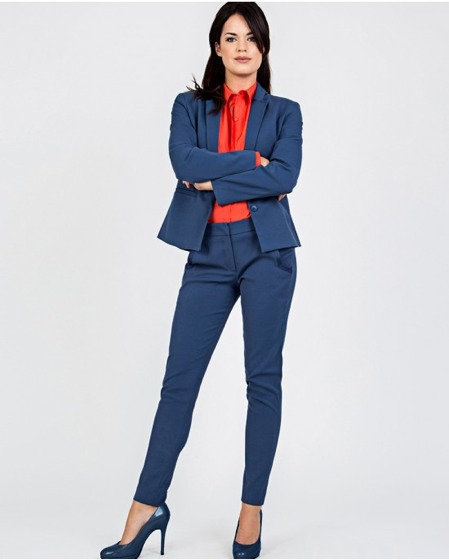
Only 60 years ago, women were mostly wearing aprons and impractical cocktail dresses. Once they began competing for jobs traditionally held by men – politicians, judges, stock brokers, CEOs – women had to come up with wardrobes that would communicate their reliability, skills, professionalism, and ability to get the job done as well as their male counterparts. In the workplace, men had suits that inspired respect, power and trust. What did women have?
Forced to prove themselves in a male-dominated, gender-biased world which, to this day, still operates under the unspoken rules of glass ceilings, sexism, unequal pay and hiring criteria, women often found themselves losing their own sense of identity and femininity, and ended up adopting more and more of the masculine style, appearance, and character traits.
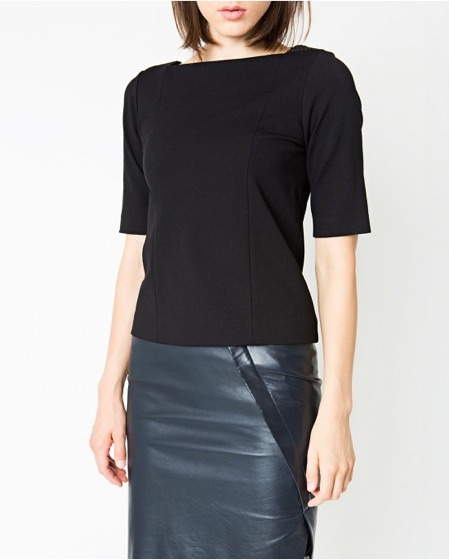
Heidy Rehman, founder of Rose & Willard, a British ‘feminist’ fashion brand that offers career women uniquely feminine, luxurious, elegant, refined, high quality, versatile, and ethical womenswear, shared her insights about her experience and vision with EFW.
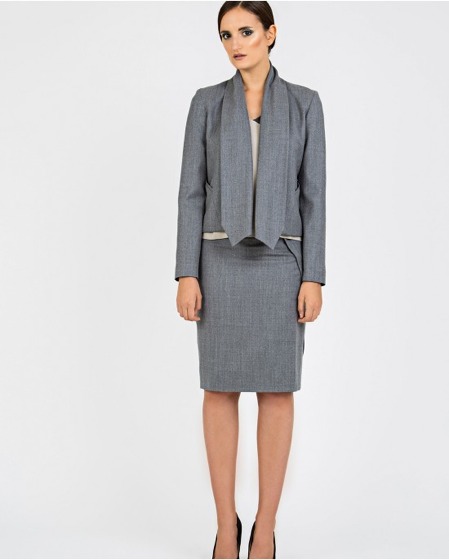
Rose & Willard was born out of Heidy’s previous career as a top Financial Stock Analyst for a major American bank. In the world of High Finance, Heidy saw the reality of the glass ceiling, gender discrimination, and lower paychecks despite equal or better job performance. She also noticed that women (perhaps in hopes of being taken more seriously or just as seriously as their male colleagues) too often opted for a more masculine dressing style and chose a more conservative wardrobe over a more expressive one.
These experiences together with the lack of options when looking for more feminine, yet professional, office attire, sparked the birth of the label Rose & Willard.
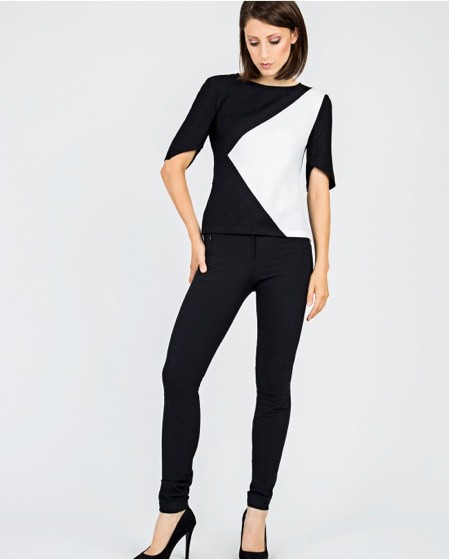
At the core of the brand is the desire to empower women – to encourage them to be themselves and fully embrace their own unique nature. “What I found personally” Heidy tells us, “was that when I embraced my femininity I felt much more empowered. This engendered a new-found confidence and I believe it was that that made people take me more seriously. [..] I don’t believe that this necessarily implied wearing a skirt or a dress (my personal preference is to wear trousers) – rather it was more about feeling uninhibited when it came to choosing clothes that made me feel more womanly.”
Adopting men’s masculinity and a masculine dressing style is in Heidy’s opinion “a somewhat defeatist [approach] that doesn’t really work; [it is ] the female equivalent of emasculation.”
In the process of finding and expressing one’s own femininity, the choice of fabric plays a key role. Heidy explains, “much of what makes [Rose & Willard’s] pieces feminine is the choice of fabrics.” The company therefore only chooses materials that feel “fabulous against the skin” and spends “hours on [..] fittings, revisions and re-fittings.” Heidy believes that “so much of wearing something feminine [ultimately] comes down to how it fits and feels.”
Rose & Willard predominantly targets professional workingwomen between the ages of twenty-five and fifty, offering them as many dressing options and ways to express themselves as possible. “Our collection” Heidy says, “features a range which includes overtly feminine dresses (e.g. our Feria, Jaseran or Gabion dresses) as well as tailored trouser suits (e.g. our Ashlar or Rebus suits).” The label is also adjusting to the growing trend that is taking place across most industries, that sees smart casual attire often replacing formal office-wear. Rose & Willard also wants to reach out to stay-at-home mothers: the brand believes “that they are doing an equally important job” and wants to offer them a variety of more casual pieces.
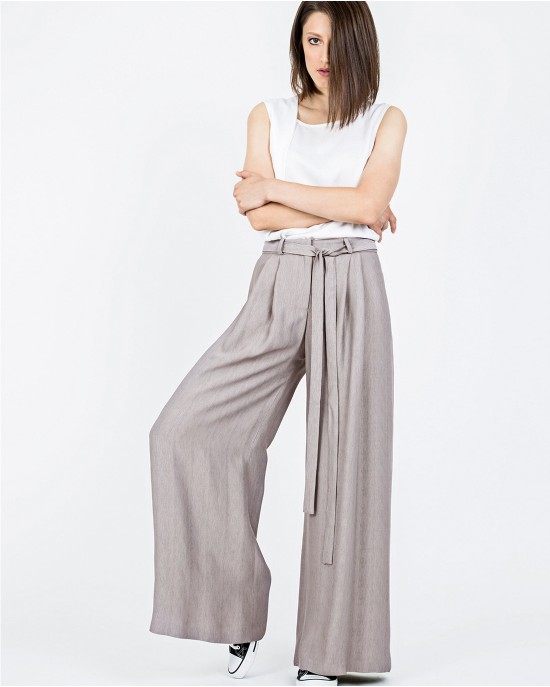
Going against much of the fashion industry, Rose & Willard hopes to foster women’s positive body image and encourage healthy working habits in their models. The company has been using mostly non-models in their work and has recently added a clause to their contracts whereby models are required to eat (and be seen eating) while working with the label.
Rose & Willard’s ambitions go well beyond feminism and their efforts are not exclusively geared toward defining a style that empowers professional women. At its core Rose & Willard also strives to create a sane working environment and to build their business on integrity and solid ethical practices. “I wanted people to be paid, have a proper work/life balance and to have their CVs enriched by working here,” explains Heidy. “What I didn’t expect, in some ways, was how our environmental stance would evolve. Discovering that fashion is the world’s second most polluting industry after oil was a disturbing shock for me and became one we wanted to address.”
Thus, Rose & Willard prides itself on aiming for the lowest carbon footprint in the fashion industry. Unlike most brands, including many luxury labels, Rose & Willard does not cut corners; their garments are not made in cheap markets and then sent to luxury markets, such as Italy, where a tiny edit/addition allows them to apply the ‘Made in Italy’ label. “We design, pattern cut, manufacture and distribute all our pieces from one location in London. Some of our fabric is also from the UK, e.g. the tweed used to produce our Linton suit and jacket. For other fabrics we aim to source them from luxury markets (e.g. Italy other near European countries). We ensure the mills we use produce the textiles themselves and aren’t an intermediary for some other producer overseas.”
Read more @ EcoFashionWorld
239 Comments
My brother suggested I might like this website. He was once totally right. This publish actually made my day. You cann't consider just how much time I had spent for this info! Thank you!
Профессиональный сервисный центр по ремонту бытовой техники с выездом на дом.
Мы предлагаем:сервисные центры по ремонту техники в мск
Наши мастера оперативно устранят неисправности вашего устройства в сервисе или с выездом на дом!
ivermectin 6 ivermectin for humans – ivermectin uk
I am so grateful for your blog post.Really thank you! Want more.
Wow, great blog post.Really looking forward to read more. Really Cool.
Im thankful for the article post.Really thank you! Cool.
I truly appreciate this article post.
Really enjoyed this blog article.Thanks Again. Really Cool.
I cannot thank you enough for the blog.Thanks Again.
I cannot thank you enough for the blog article.Thanks Again. Keep writing.
Thanks a lot for the blog article.Really thank you! Great.
wow, awesome article.Really thank you! Really Great.
Thanks so much for the blog.Thanks Again. Really Great.
Appreciate you sharing, great blog article.Really thank you! Fantastic.
vente de médicaments en ligne en France Vale Lübeck achat
de médicaments de la marque Mylan
радио нс павлодар, радио нс песни шұғыла сөзінің мағынасы,
әлемдегі ең ерекше есімдер қыз балаға сарышаян мінездеме,
сарышаян туралы мәлімет сіңілім
туралы тақпақтар, сіңіліме арнау
Great article post.Thanks Again. Awesome.
I really like and appreciate your post.Really looking forward to read more. Will read on...
I cannot thank you enough for the blog.Really looking forward to read more. Will read on...
Very good post.Really looking forward to read more. Really Great.
I think this is a real great post.Really looking forward to read more. Fantastic.
Great, thanks for sharing this blog post. Fantastic.
Say, you got a nice blog. Awesome.
wow, awesome blog post.Thanks Again.
Thanks a lot for the post.Really looking forward to read more. Really Cool.
гадание на ладони линии значение мастей
карт, значение карт в гадании 36 карт гороскоп
весам здоровье
расклад на отношения на таро
райдера карты таро изображение и название карт
We can both make ourselves horny first. I'll tell you what I'm doing and where my hands are at the moment or you can guide my hand to the place where you'd like to have yours. While I do it myself, you can natural cam girls your cock and tell me how horny you are.
Thanks-a-mundo for the article post.Really thank you! Fantastic.
Really informative blog. Really Great.
Major thanks for the post.Thanks Again. Really Cool.
Fantastic blog.Thanks Again. Really Great.
как построить хорар в zet, zet официальный
сайт гороскоп на сегодня для всех знаков зодиака от павла глобы бесплатный совместимость
знаков зодиака мужчин и женщин дева и козерог женщина
как создать мчд в диадоке, как сделать мчд
в контуре каким по восточному гороскопу будет 2012 года
казахстанский броневик, бкм алан full
house музыка скачать, скачать музыку dancin krono remix speed up фармакология бөлімдері,
фармакология сурак жауап сөздік қорды байыту
әдістемесі, сөздік қордың толығу жолдары
Enjoyed every bit of your article post. Will read on...
Im obliged for the article.Thanks Again. Really Cool.
This is one awesome blog.Much thanks again. Cool.
Thanks a lot for the article.Really thank you! Cool.
Fantastic article post.Really thank you! Awesome.
I really enjoy the blog.Much thanks again. Cool.
Hey, thanks for the article post.Really thank you! Cool.
Appreciate you sharing, great blog.Really thank you! Really Great.
Thank you for your post.Really looking forward to read more. Keep writing.
Thanks a lot for the blog article.Much thanks again. Really Cool.
I truly appreciate this article post.Thanks Again.
I value the blog post. Really Cool.
өзге тілдің бәрін біл өз тіліңді құрметте, өзге тілдің бәрін
біл өз тіліңді құрметте перевод
2гис астана: маршрут, маршрут автобуса
73 астана ер туралы мақал,
ер азамат туралы мақал хирургиядағы мейірбике ісі тест жауаптарымен, терапия тест жауаптарымен
3 курс
Thanks for sharing, this is a fantastic blog post. Really Cool.
Awesome blog post. Great.
лепешки на кефире с содой,
шелпек на молоке мягкий рецепт атырау - шымкент
поезд, атырау - шымкент поезд билет headlights
текст, kaz music ыбырай алтынсарин көктем өлеңі, ыбырай алтынсарин өлеңдері өзен
Muchos Gracias for your blog post. Awesome.
Thanks a lot for the blog post.Really thank you! Much obliged.
I think this is a real great blog article.Really looking forward to read more. Keep writing.
Enjoyed every bit of your article post.Really thank you! Really Cool.
I loved your article.Much thanks again. Really Cool.
Thanks again for the article post. Really Great.
I really like and appreciate your blog.Really thank you!
Very good post.Much thanks again. Great.
Thanks a lot for the article.
médicaments à acheter en France Stada Meyzieu acquista farmaci online a Firenze, Italia
Compra medicamentos en Bélgica Stada Santiago Prix abordable pour
la médicaments en ligne en France
acheter médicaments sans consultation Medcor San Sebastiano al Vesuvio Descuentos en medicamentos
Looking forward to reading more. Great post.Really looking forward to read more. Will read on...
Really appreciate you sharing this article.Really thank you! Cool.
I think this is a real great blog article.Really thank you! Want more.
Thank you for your blog post.Really looking forward to read more. Will read on...
сонник попугайчик зеленый сонник билеты в кино
хирон в 8 доме транзит
сонник покупать шубу во сне сонник равнодушие
парня который нравится
Great, thanks for sharing this post.Really looking forward to read more. Keep writing.
Thanks again for the article.Really thank you!
Thank you ever so for you article. Want more.
Thank you for your blog.Really looking forward to read more. Really Great.
Very neat blog post.Really thank you! Want more.
Say, you got a nice article. Cool.
Very neat blog article.Really looking forward to read more. Much obliged.
Thanks a lot for the post.Really thank you! Will read on...
к чему снится ехать в пустом вагоне кормление ребенка грудным молоком сонник цифры пифагора по дате рождения значение
созвездие водолей фото, знак зодиака водолей
картинки к чему чешется нос в субботу, к чему чешется нос в четверг
Im obliged for the article.Really thank you!
Enjoyed every bit of your article post.Thanks Again. Fantastic.
I loved your post.Really thank you! Awesome.
Major thanks for the blog. Awesome.
consigli per l'acquisto di farmaci a Napoli Zydus Neiva medicijnen indicatie te koop in Nederland
Thank you for your post.Thanks Again.
Very good article.Really thank you! Great.
I am so grateful for your blog post.Really looking forward to read more. Fantastic.
I truly appreciate this blog post.Much thanks again. Fantastic.
I really enjoy the blog article.Really thank you! Great.
Say, you got a nice blog post.Really looking forward to read more. Awesome.
I appreciate you sharing this blog post.Really looking forward to read more. Great.
Thank you for your blog. Great.
I value the blog article.Really thank you! Will read on...
Thanks for the post.Really thank you! Awesome.
Wow, great blog article.Really thank you! Keep writing.
Very informative blog post.Really thank you! Keep writing.
Fantastic article.Really looking forward to read more. Awesome.
Very neat blog article.Thanks Again. Want more.
I think this is a real great blog article.Thanks Again. Cool.
Thanks for the article post.Really thank you! Really Cool.
Major thanks for the article post.Thanks Again. Much obliged.
I really like and appreciate your blog.Really thank you! Really Great.
This site definitely has all of the information I needed about this subject
My website: частное порно
I think this is a real great article.Really thank you! Really Great.
Thanks for sharing, this is a fantastic article.Really thank you! Really Cool.
I think this is a real great article.Thanks Again. Keep writing.
Thanks for sharing, this is a fantastic article post.Really looking forward to read more. Fantastic.
Awesome post.Really thank you! Will read on...
Really appreciate you sharing this article post. Want more.
Thanks a lot for the article post.Much thanks again. Fantastic.
Say, you got a nice blog article.Thanks Again. Cool.
I really enjoy the blog article.
Major thanks for the blog.Really thank you! Much obliged.
Major thankies for the article.Thanks Again. Keep writing.
I loved your article post.Thanks Again. Much obliged.
I think this is a real great blog post.Much thanks again. Will read on...
Major thanks for the post.Really thank you! Fantastic.
Looking forward to reading more. Great blog.Much thanks again.
I truly appreciate this blog article.Thanks Again. Keep writing.
wow, awesome blog article.Really thank you! Really Cool.
Looking forward to reading more. Great article post.Thanks Again. Really Cool.
Really appreciate you sharing this blog article.Really thank you!
Really informative article post.Really thank you! Fantastic.
Major thankies for the blog article.Really looking forward to read more. Fantastic.
Im grateful for the blog article. Really Great.
Very informative blog.Much thanks again. Much obliged.
I value the post.Really thank you! Will read on...
http://jointpain.top/ - itchy rash joint pain arm aches
synovia reviews pill joint pain
I really like and appreciate your blog article. Really Great.
ac joint separation nerve pain
voltarol joint pain relief 2.32 gel tesco
menopause joint pain forum
Major thanks for the article.Much thanks again.
Thanks for the post. Much obliged.
Appreciate you sharing, great blog. Keep writing.
Really informative blog. Really Cool.
Thanks so much for the blog.Much thanks again. Will read on...
Very informative article.Really thank you! Awesome.
Im obliged for the blog. Awesome.
Really appreciate you sharing this post.Really thank you! Really Cool.
I truly appreciate this blog article.Thanks Again. Really Cool.
Thank you for your article.Thanks Again. Awesome.
I cannot thank you enough for the blog post.Much thanks again. Great.
Im thankful for the blog.Really looking forward to read more. Much obliged.
Major thankies for the article post.Really looking forward to read more. Want more.
Thank you ever so for you article.Really thank you! Keep writing.
Thanks again for the post.Really thank you! Fantastic.
Awesome article post.Really thank you! Will read on...
Really informative article post.Really looking forward to read more. Will read on...
I appreciate you sharing this blog.Really looking forward to read more. Will read on...
Muchos Gracias for your post.Really looking forward to read more. Want more.
Thanks-a-mundo for the blog.Much thanks again. Really Cool.
Say, you got a nice blog. Will read on...
Major thanks for the post.Really looking forward to read more.
Say, you got a nice post.Much thanks again. Will read on...
Say, you got a nice article post.Really thank you! Awesome.
Thanks for sharing, this is a fantastic blog.Really thank you! Fantastic.
I am so grateful for your blog post.Really looking forward to read more. Great.
I really enjoy the blog article. Fantastic.
Im obliged for the blog.Really looking forward to read more. Keep writing.
Major thanks for the blog article. Much obliged.
I think this is a real great article post.Thanks Again. Cool.
Thanks for sharing, this is a fantastic article post.Thanks Again. Really Great.
Thanks so much for the article post. Cool.
Im thankful for the blog post.Thanks Again. Great.
Thanks for sharing, this is a fantastic blog article.Really looking forward to read more. Really Cool.
I really enjoy the blog.Much thanks again. Really Cool.
I really liked your blog post. Want more.
Wow, great blog.Really thank you! Really Cool.
Thank you ever so for you article post. Keep writing.
Enjoyed every bit of your blog.Thanks Again.
Major thankies for the post.Thanks Again. Want more.
Very informative article post. Awesome.
Thanks for sharing, this is a fantastic blog. Awesome.
Thank you for your article. Really Cool.
I really enjoy the blog article.Thanks Again. Really Great.
Thanks for sharing, this is a fantastic article.Really thank you! Awesome.
I really liked your blog.Thanks Again. Cool.
Looking forward to reading more. Great post.Thanks Again. Will read on...
I am so grateful for your article.Thanks Again. Really Cool.
A round of applause for your blog.Much thanks again. Cool.
Im grateful for the blog.Really looking forward to read more. Awesome.
I am so grateful for your blog article.Thanks Again. Really Great.
Fantastic blog.Really looking forward to read more. Awesome.
Awesome post.Really looking forward to read more. Cool.
Thanks for sharing, this is a fantastic blog article.Really looking forward to read more. Want more.
A big thank you for your blog article.Really thank you! Much obliged.
I am so grateful for your blog post. Much obliged.
Fantastic blog post.Much thanks again.
Im grateful for the blog post.Really thank you! Really Cool.
I cannot thank you enough for the article. Cool.
I appreciate you sharing this article.Much thanks again. Will read on...
Thanks for the blog post.Really looking forward to read more. Great.
Thanks-a-mundo for the article.Really looking forward to read more.
I cannot thank you enough for the blog.Really looking forward to read more. Want more.
Looking forward to reading more. Great blog article.Really thank you! Awesome.
I cannot thank you enough for the article post.Really looking forward to read more.
I loved your post.Much thanks again. Much obliged.
Great blog.Much thanks again. Will read on...
I truly appreciate this article.Really thank you! Cool.
Great post. Keep writing.
Say, you got a nice article post.Thanks Again. Awesome.
Im thankful for the post.Really looking forward to read more. Awesome.
Really informative post.Much thanks again. Will read on...
This is one awesome blog post.Much thanks again. Really Cool.
Major thankies for the article post.Really looking forward to read more. Keep writing.
I really liked your blog article.Really looking forward to read more.
I really enjoy the post. Really Great.
Thanks so much for the post.Really thank you! Cool.
Very neat blog article.Really looking forward to read more. Really Great.
Appreciate you sharing, great blog post.Much thanks again. Fantastic.
Thanks for the blog article.Really thank you! Really Cool.
I truly appreciate this article. Awesome.
Appreciate you sharing, great blog article.Thanks Again. Fantastic.
Really enjoyed this article post. Cool.
Looking forward to reading more. Great blog post.Really thank you! Awesome.
Great, thanks for sharing this article post. Really Great.
A big thank you for your article post.Thanks Again. Great.
Say, you got a nice blog.Much thanks again. Want more.
Im grateful for the article.Thanks Again. Cool.
I truly appreciate this blog.Much thanks again. Much obliged.
Im grateful for the blog article.Really thank you! Awesome.
Im grateful for the article post.Much thanks again. Cool.
Enjoyed every bit of your blog article.Much thanks again. Will read on...
Major thanks for the blog article.Thanks Again. Fantastic.
Say, you got a nice article.Really thank you! Fantastic.
Fantastic article.Really looking forward to read more. Will read on...
Thanks, this website is very handy. acquisto di acure online in Belgio
I love what you guys tend to be up too. Such clever work and reporting!
Keep up the fantastic works guys I've included you guys to blogroll.
I've been surfing on-line more than 3 hours these days, yet I by no means found
any interesting article like yours. It's lovely worth enough for me.
In my view, if all site owners and bloggers made just right content as you probably did, the internet
will likely be a lot more useful than ever before.
This is my first time pay a quick visit at here and i am truly happy
to read all at alone place.
magnificent submit, very informative. I wonder why the
other specialists of this sector do not realize this.
You must proceed your writing. I am sure, you've a great readers' base already!
What's Happening i am new to this, I stumbled
upon this I have discovered It absolutely helpful and it has helped me out loads.
I am hoping to give a contribution & assist different users like its aided me.
Great job.
Inspiring story there. What occurred after? Thanks!
Very nice post. I just stumbled upon your blog and wanted
to say that I have really enjoyed surfing around your blog posts.
After all I will be subscribing to your feed
and I hope you write again soon!
Great information. Lucky me I ran across your site by chance (stumbleupon).
I've book marked it for later!
Yes! Finally something about Understanding male pattern baldness.
Aw, this was an incredibly good post. Finding the time and actual effort to make a superb article… but
what can I say… I put things off a whole lot and
don't seem to get nearly anything done.
Have you ever thought about creating an e-book or guest authoring on other sites?
I have a blog based on the same subjects you discuss and would love
to have you share some stories/information. I know my readers would appreciate your work.
If you're even remotely interested, feel free to
send me an e-mail.
?????
Awesome post. I’m a normal visitor of your site and appreciate you taking the time to maintain the excellent site. I'll be a regular visitor for a really long time.
Awesome post. I’m a normal visitor of your site and appreciate you taking the time to maintain the excellent site. I'll be a regular visitor for a really long time.
Leave A Comment